

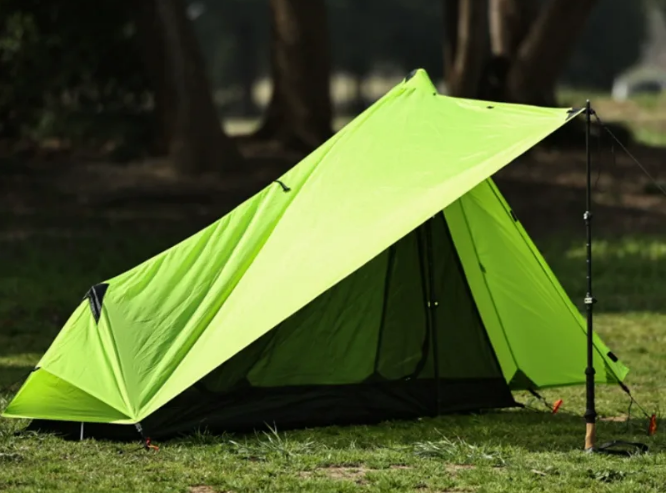
As someone who’s spent years solo camping on both short weekend car camping and longer backpacking routes across forests, deserts, and windy alpine terrain, I’ve learned one thing the hard way: your tent matters more when you’re alone.There’s no backup shelter, no extra body heat, and no second opinion when the weather turns.
With so many one-person tents on the market, choosing the best one can feel overwhelming. That’s why I’ve put together this simple, experience-based checklist to help you pick the right solo tent for your style of adventure.
One Person Tent vs 1 Person Backpacking Tent
If you’re shopping for a solo shelter, you’ve probably seen both “one person tent” and “1-person backpacking tent” used online. They sound similar, and sometimes they’re even used interchangeably, but they aren’t always the same thing.
Here’s a clear breakdown of how these two types compare:
What Is a General “One Person Tent”?
A one person tent is any tent designed to sleep a single adult. But that label alone doesn’t tell you much about weight, pack size, durability, or season rating. These tents can include:
- Car camping tents: Roomier, heavier, and often taller so you can sit or even kneel inside.

- Festival or casual-use tents: Lightweight on features but not built for wind, rain, or long-term use.

- Budget models: May use lower-quality materials to keep costs down.
Best for: Campers who drive to their site, prioritize comfort over portability, or camp in mild conditions.
What Is a “1-Person Backpacking Tent”?
A 1-person backpacking tent is a specific type of one person tent built with hiking and weight savings in mind. Key features usually include:
- Lightweight materials: Often under 3 pounds (some ultralight models are under 2 lbs).
- Compact packed size: Fits easily in or on a backpack.
- Weather resistance: Better rainfly coverage, stronger poles, and bathtub-style floors.
- Efficient design: Less interior space, lower profile to reduce wind resistance.
Best for: Hikers, thru-hikers, bikepackers, or anyone carrying their gear long distances.

Key Differences at a Glance
|
Feature |
One Person Tent |
1P Backpacking Tent |
|
Weight |
4–7+ lbs |
1.5–3.5 lbs |
|
Packed Size |
Bulky |
Compact |
|
Interior Space |
More headroom, wider floor |
Snug fit, minimal extra space |
|
Weather Protection |
Varies-often basic |
Built for wind, rain, snow |
|
Price |
$50–150 |
$150–400+ |
|
Best Use |
Car camping, festivals |
Backpacking, backcountry trips |
What Matters Most (Weight, Setup, Wind/Rain, Condensation)
When choosing a one person tent, four factors consistently made the biggest difference: Weight, setup, weather protection, and condensation control. Here’s why each matters and what to look for.
Weight
For any 1 person tent, weight is one of the first things to consider—especially if you’re hiking with all your gear on your back. I’ve seen many first time solo campers regret choosing a heavier “roomy” tent after the first long climb-what feels fine at the trailhead rarely feels fine five miles in.
Most backpackers aim for under 4–5 lbs. Ultralight hikers go even lower, but lighter tents often mean thinner fabric, less space, or weaker storm protection.
If you mostly car camp or hike short distances, weight isn’t a concern. You can choose a heavier tent with more room, thicker fabric, or extra features.
Always check “packed weight,” not just “trail weight.” Trail weight usually leaves out stakes, stuff sack, and guylines. Packed weight includes everything you carry.
Setup

A quick setup matters more than you think—especially when you're cold, tired, or racing daylight.
- Freestanding tents (with poles that hold the shape) are easiest to set up. You can pitch them without stakes first, then move or adjust as needed.
- Non-freestanding tents must be staked down before you add poles. They’re lighter but harder to set up on hard ground, snow, or rocky terrain.
- Look for:
- Color-coded poles and clips
- Simple hub-style pole systems (fewer pieces)
- Clear instructions or video guides from the brand
Personally, I always practice pitching a new one person tent once at home—doing it the first time in wind or fading light is how mistakes happen.
Wind & Rain Protection
A good 1 person tent should protect you from sudden weather changes. Wind, rain, and cold can hit fast. Here’s what to focus on:
- Waterproof Rating (Hydrostatic Head)
- Floor: At least 3,000 mm – you put weight on it, so it needs to resist leaking.
- Rainfly: At least 1,500 mm – enough for steady rain; 2,000+ mm is better for storms.
- Seam Sealing
- All seams on the floor and rainfly must be factory-taped. Untaped seams will leak.
- Full-Coverage Rainfly
- The fly should cover the entire tent body and reach close to the ground. A vestibule adds extra protection for gear.
- Fabric & Build
- Look for 20D–30D ripstop nylon or polyester – light but durable enough for real use.
- A low, dome shape handles wind better than tall or boxy designs.
Condensation Control

Condensation is one of the most common problems. Your breath and body heat create moisture, especially in cold or humid conditions. Good ventilation helps prevent that moisture from soaking your sleeping bag or gear.
Look for:
- Mesh panels
- Roof vents
- Double-wall designs
- Open airflow paths
Single-wall tents are lighter, but they trap moisture more easily when airflow is poor.
A good campsite choice also helps reduce condensation—stay away from water and look for light breeze. I always avoid open valleys or depressions whenever possible. Cold air sinks into these areas, even at moderate elevations. Camping near trees often feels warmer and more comfortable overnight.
Even gear placement matters. When a backpack blocks airflow under the rainfly, moisture builds up fast. Keeping it centered or away from vents makes a noticeable difference by morning.
I often get asked by first-time solo campers—especially those who hike a few times a year but also enjoy weekend car camping—“What’s the best 1 person tent for beginners?”
My answer will be a freestanding 1P tent with a full-coverage rainfly, a decent vestibule, and double-wall construction. These features give you breathing room in humid weather, keep gear dry during surprise showers, and make setup forgiving when you’re tired or it’s getting dark.
If you’d like to explore beginner-friendly solo tents with these features, this one person tent collection can be a useful reference.
When a Trekking Pole Tent Makes Sense
A trekking pole tent uses your hiking poles instead of traditional tent poles to hold up the structure. It’s a smart choice for some campers, but not for everyone.

✅ Worth it if:
- You already use trekking poles
- You prioritize weight savings (saves 8–16+ ounces)
- You want to reduce pack volume
- You’re comfortable with precise setup
- You camp in mild conditions
❌ Avoid if:
- You don’t use trekking poles—carrying them just for the tent negates weight savings.
- You often camp on hard ground, slickrock, snow, or sand where stakes can’t hold.
- You prefer quick, foolproof pitching—these require practice to tension properly.
- You camp in humid or cold weather without managing ventilation carefully (condensation risk is higher).
- You need reliable shelter in heavy snow, high winds, or severe storms—most lack 4-season strength.
From my experience, thinking about how and where you actually camp makes the decision much easier. When your gear matches your real needs, everything—from setup to comfort—feels more straightforward.
Solo Camp Packing Checklist (Shelter + Pad + Sleep Bag)
When camping alone, your sleep system is everything. Here’s how to choose them based on real-world conditions.
1. Shelter (Tent)
|
Conditions |
Recommended Type |
Key Specs |
|
Summer / Dry / Bug-heavy |
Single-wall mesh tent with removable rainfly |
High breathability, full mesh inner, rainfly ≥1500mm HH |
|
Spring/Fall / Rainy / Humid |
Double-wall tent |
Rainfly ≥2000mm HH, fully taped seams, bathtub floor rise≥4", vestibule |
|
Alpine / Windy |
Low-profile dome or pyramid tent |
Aerodynamic shape, multiple guy-out points, durable fabric (≥30D), strong stakes |
|
Ultralight Thru-Hiking |
Trekking pole tent (only if you already use poles) |
Weight ≤800g, fly-first pitch, requires practice |
✅ Tip: Your tent should be at least 10 cm (4") longer than your height—otherwise, you’ll touch wet walls in rain.
2. Sleeping Pad
Nighttime Low Temp |
Minimum R-Value |
Recommendation |
>10°C (50°F) |
R ≥ 1.5 |
Ultralight air pad or ¾-length foam |
0–10°C (32–50°F) |
R ≥ 2.5–3.5 |
Full-length insulated air pad |
-10–0°C (14–32°F) |
R ≥ 4.0–5.0 |
High-R air pad + foam pad combo |
<-10°C (<14°F) |
R ≥ 5.5+ |
Winter-specific pad—no compromises |
✅ Remember: The R-value measures insulation from the cold ground. A thin pad ruins even the best sleeping bag.
3. Sleeping Bag
Expected Low Temp |
Comfort Rating |
Recommendation |
>10°C (50°F) |
5–10°C (40–50°F) |
Synthetic rectangular bag or lightweight down quilt |
0–10°C (32–50°F) |
-5–0°C (20–30°F) |
650+ fill down mummy bag with hood |
-10–0°C (14–32°F) |
-15 to -10°C (5–15°F) |
800+ fill down, draft collar, full baffle, YKK zipper |
<-10°C (<14°F) |
-20°C (-5°F) or lower |
Expedition bag with deep hood, face mask, anti-snag zipper |
✅ Key: Look for ISO 23537 certification and use the Comfort rating—this is the temperature at which an average woman can sleep comfortably.
By now, you should have a good sense of how to choose sleep system gear for different conditions—and you’re probably eager to start your solo adventure.
If you’d like some inspiration, I recommend checking out this Solo Camp Gear collection. It includes not only sleep system essentials, but also stoves and other camp kitchen gear to help you build a complete setup.
FAQ: Real-World Solo Tent Advice
1. Who should NOT choose a one person tent?
A one person tent is not ideal if you are over 6' (183 cm) tall, camp with pets, carry bulky gear, or prefer extra living space.
2. Is an ultralight one person tent always better?
Not always. Ultralight models often sacrifice durability, storm resistance, and comfort. For first-time solo campers, a slightly heavier tent with better weather protection might be the smarter and more comfortable choice—especially in unpredictable conditions.
3. What’s the most common mistake first-time solo campers make?
Underestimating weather. I’ve seen new campers choose airy summer tents for mountain trips—only to struggle with wind, rain, and cold.
4.Is a 1 person tent worth it for beginners?
Yes—if you choose the right model. From what I’ve seen, beginners struggle most with complicated setups and poor airflow. Simple designs with clear pole systems and solid ventilation make solo camping far less stressful.
After years of testing different setups in real-world conditions, I’ve learned that there’s no such thing as perfect camping gear—only what works best for your personal style and the environments you camp in.
For those looking for a helpful reference point, this Solo Camp Gear collection offers a solid overview of reliable options for different solo camping scenarios.
Share:
Light Up Your Adventures: Choosing the Right Camping Lighting Gear
Beyond the Dark: A Senior Outdoor Guide’s Manual on Choosing the “Best" Camping Flood Light