
CAMPING SHELTER SOLUTION
Shelter That Does More Than Cover Your Gear
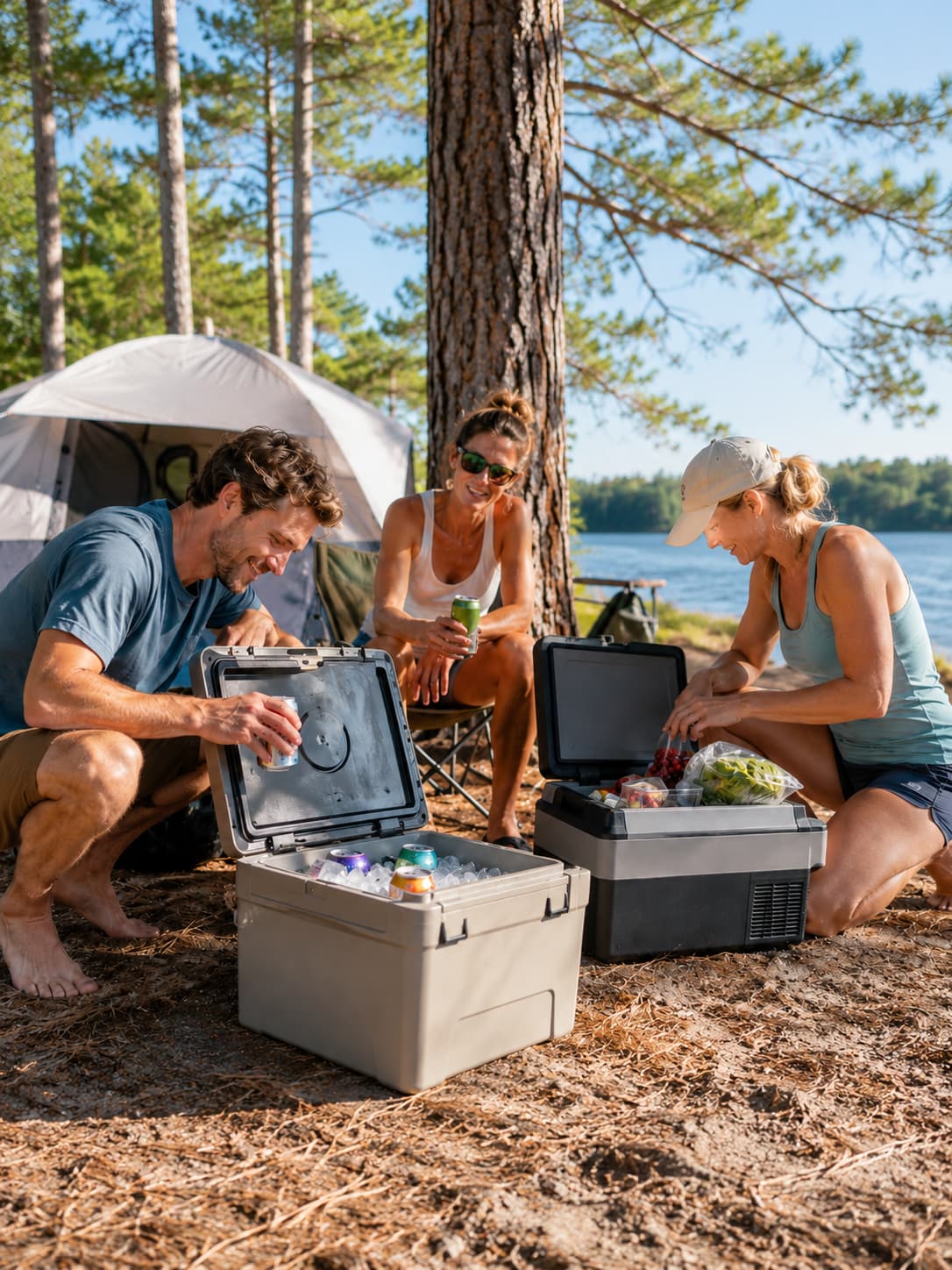
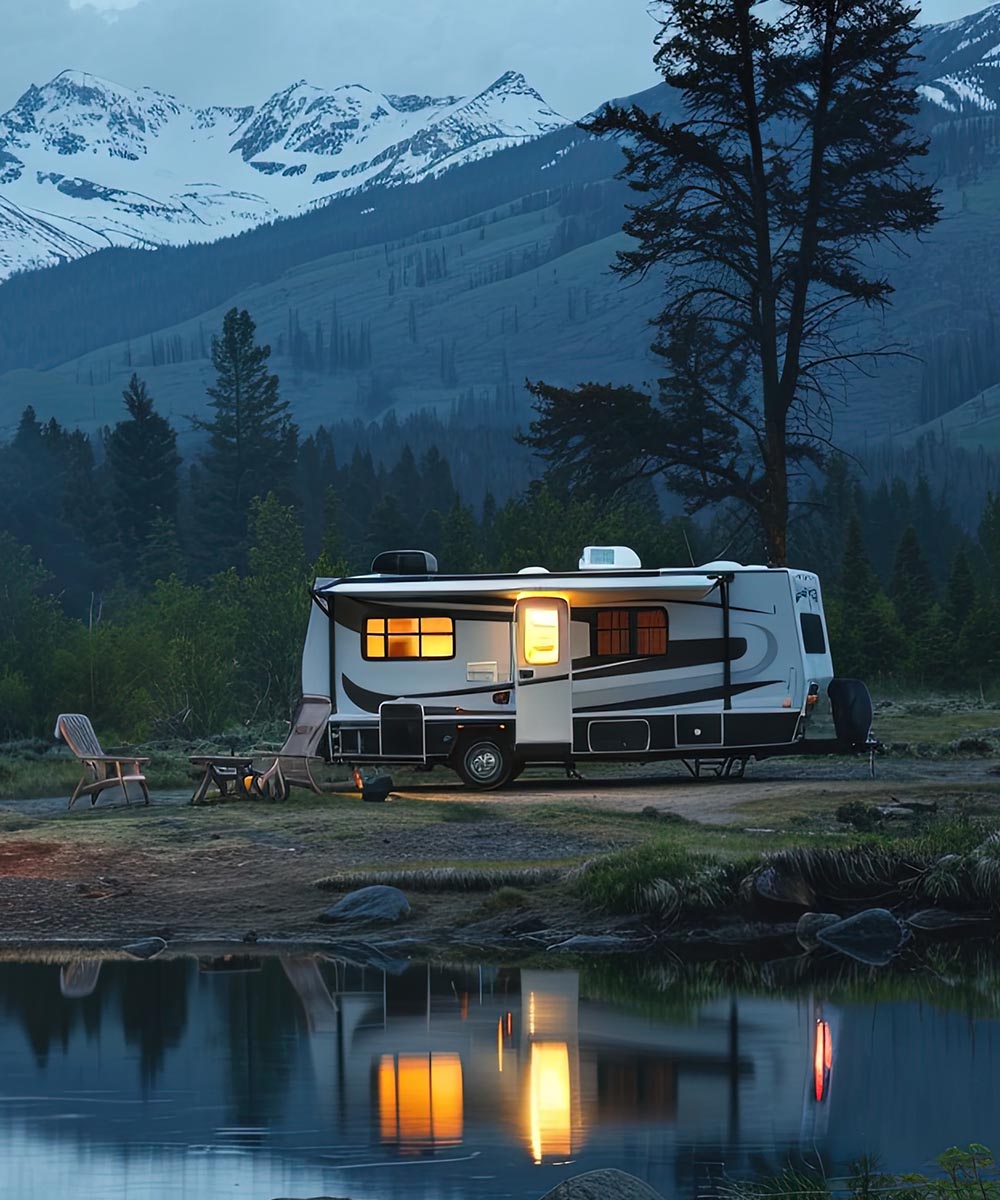
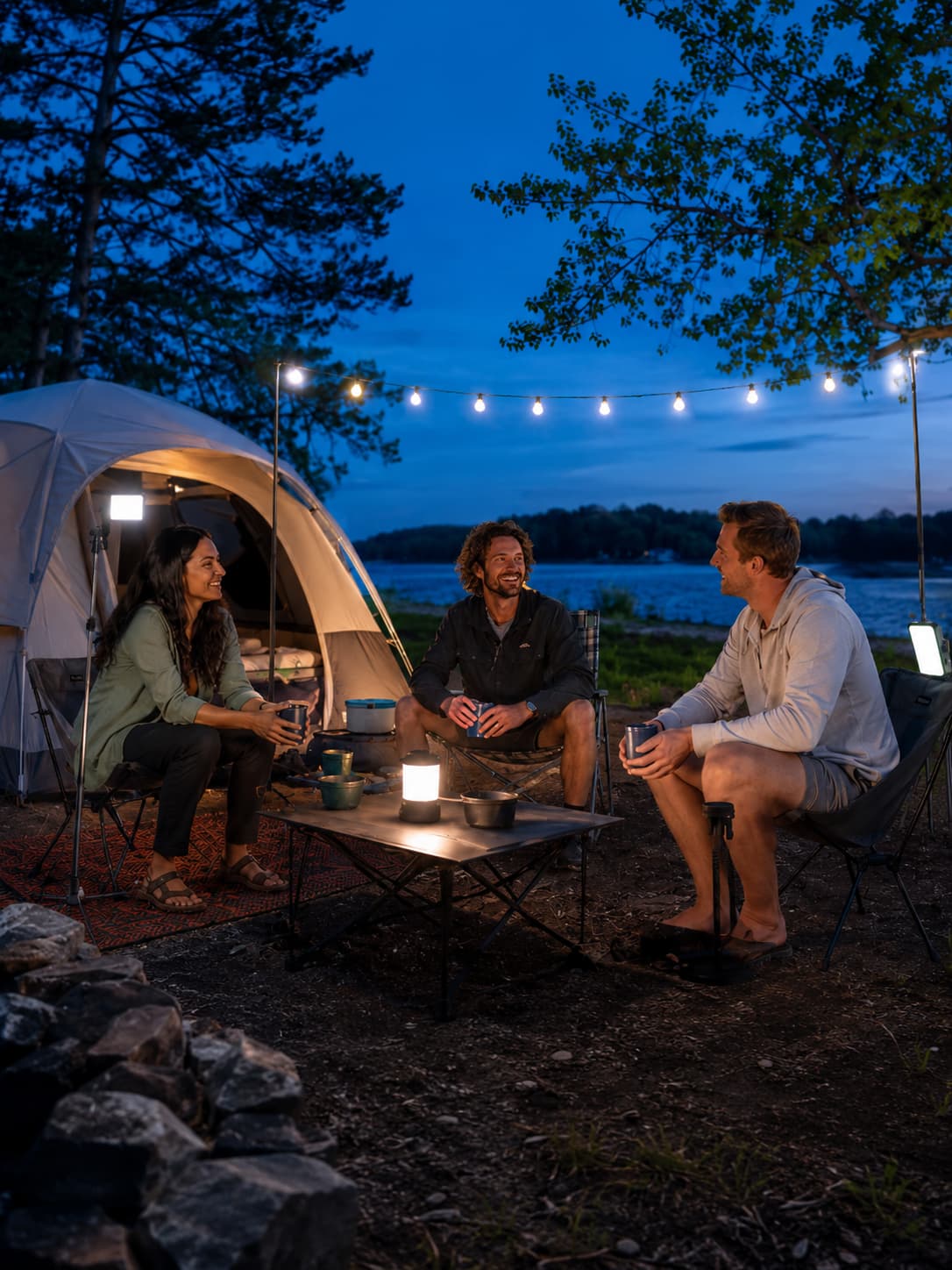
Rain, sun, wind, bugs, uneven ground, and slow setup can all affect how comfortable your trip feels. Traverseon brings together tents, tarps, beach shades, mosquito shelters, SUV covers, and basecamp-style shelters to help you build a more protected, comfortable outdoor setup.
Set Up Camp Faster
Pop-up tents, quick-deploy shelters, simple tarps, and vehicle-side covers help reduce setup time when you arrive outdoors.
Stay Covered When Weather Shifts
Weather-ready fabrics, stable support structures, covered entries, and ground-friendly designs help protect your camp from changing outdoor conditions.
Manage Shade, Bugs & Airflow
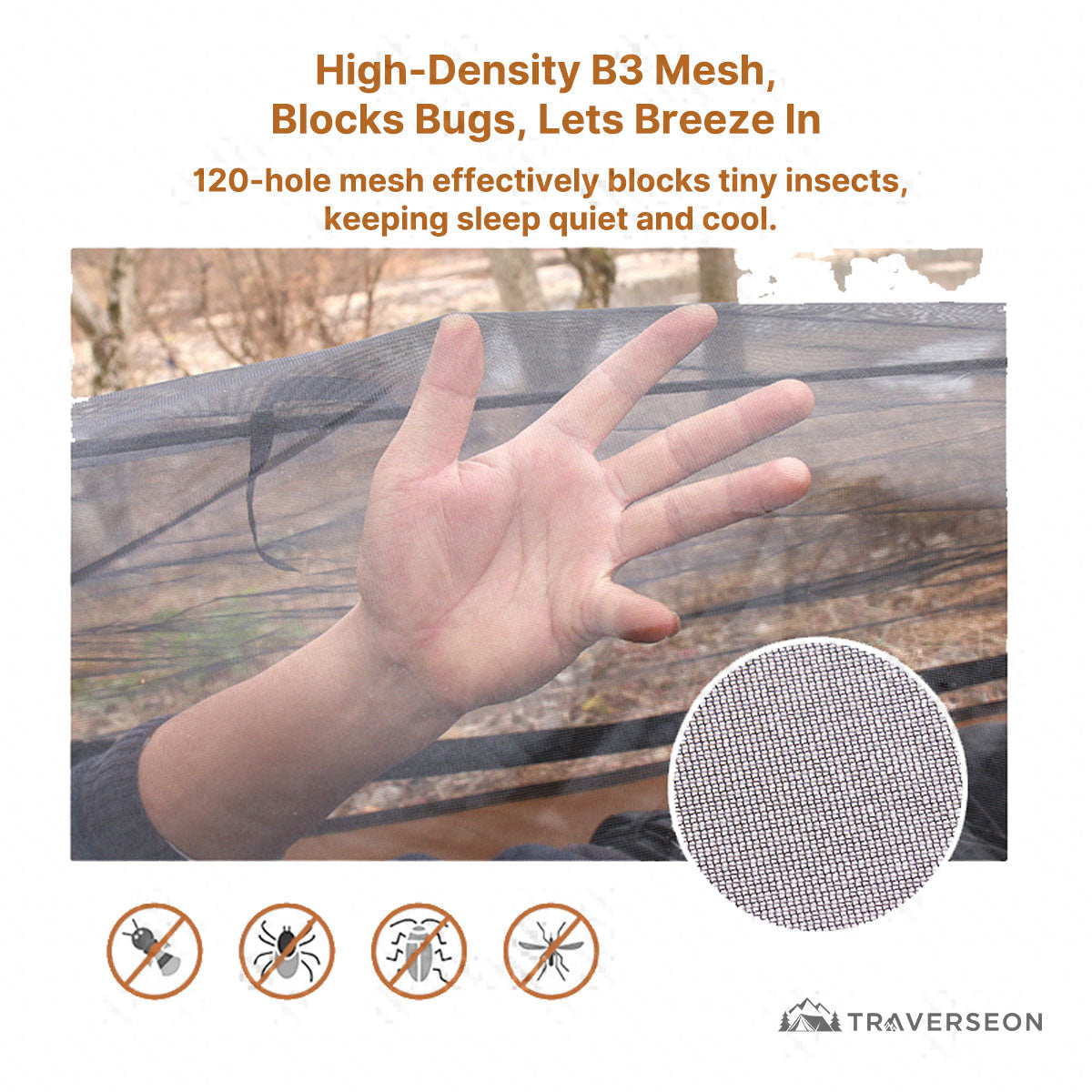
Mesh panels, shaded layouts, open shelters, and ventilated designs help reduce stuffiness, block harsh sun, and keep your camp easier to enjoy.
Match Every Camp Style
Choose compact solo shelters, family tents, beach shades, mosquito rooms, SUV canopies, or basecamp setups based on where and how you camp.
Pick 2 or 3 shelter essentials below to build a more protected camping setup.
Best Seller
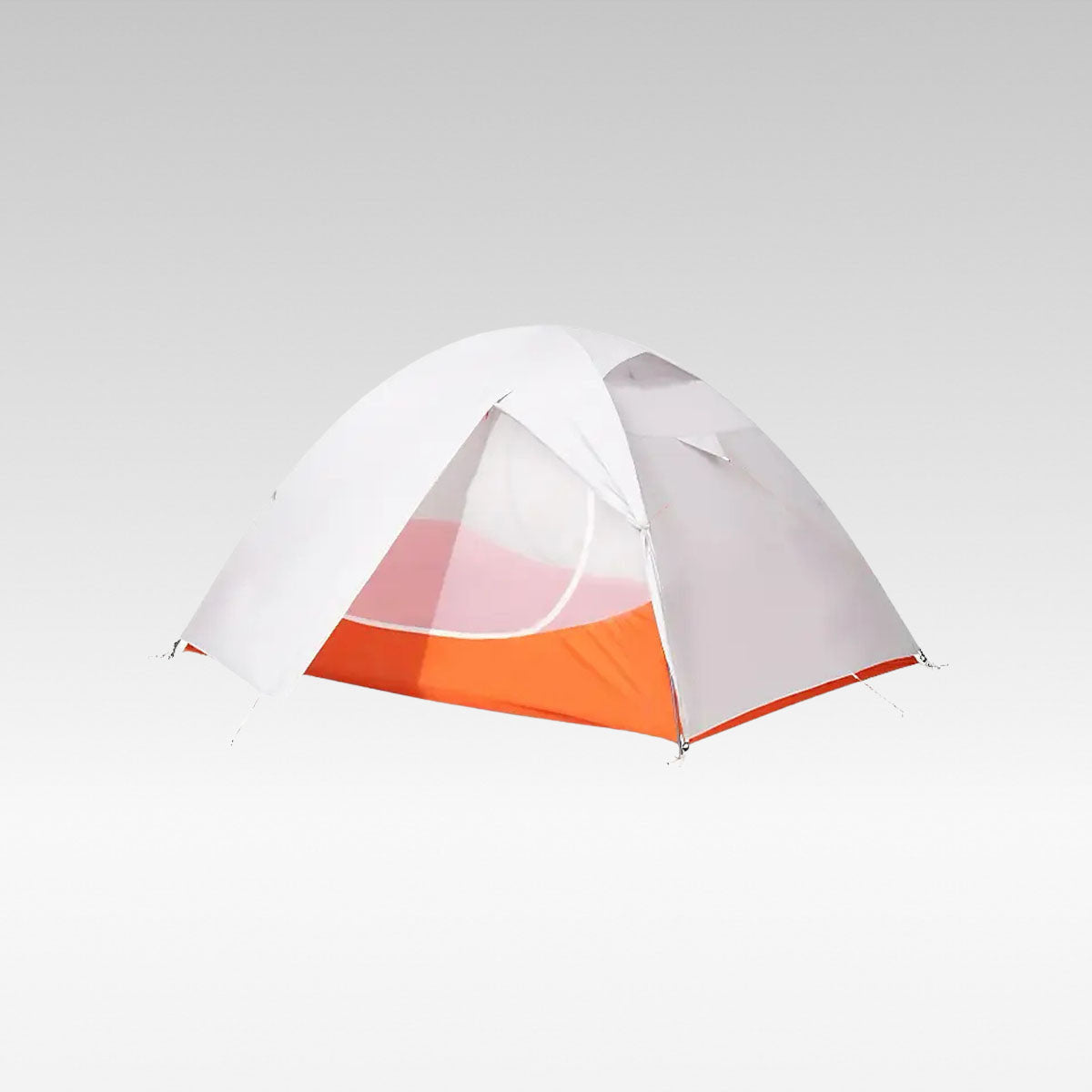
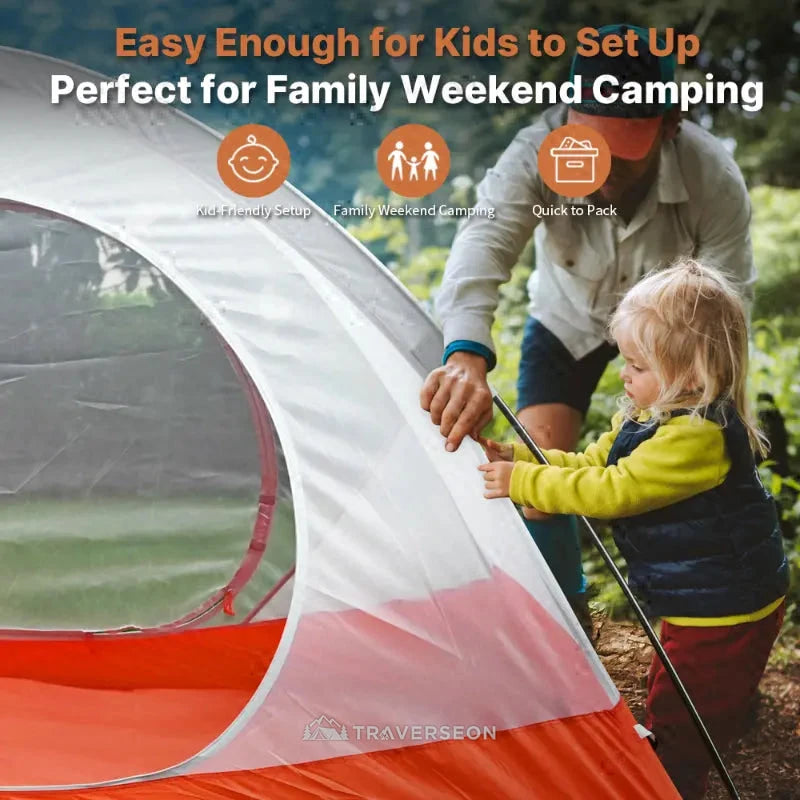
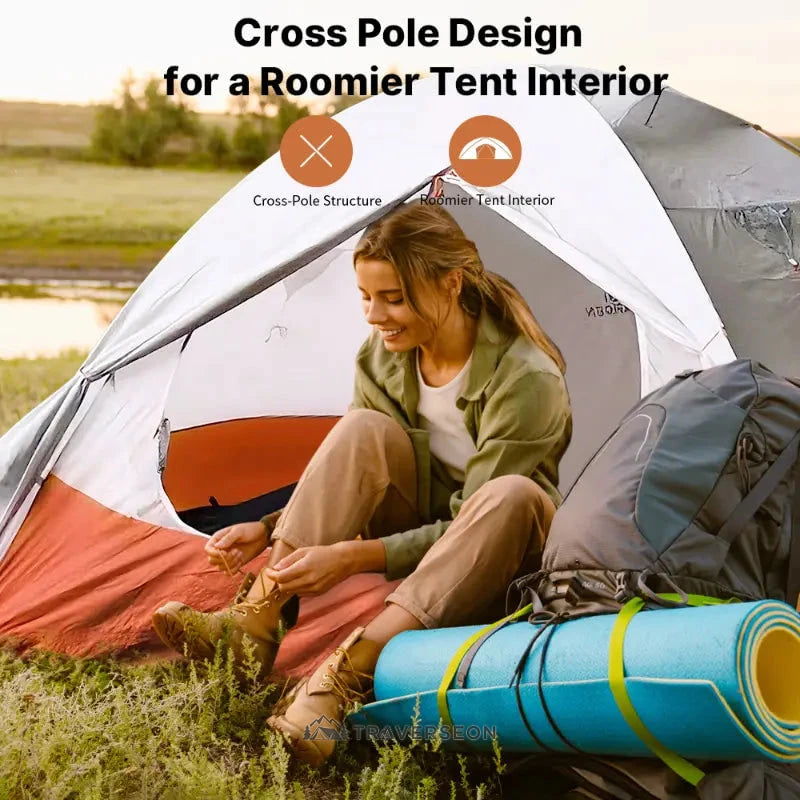
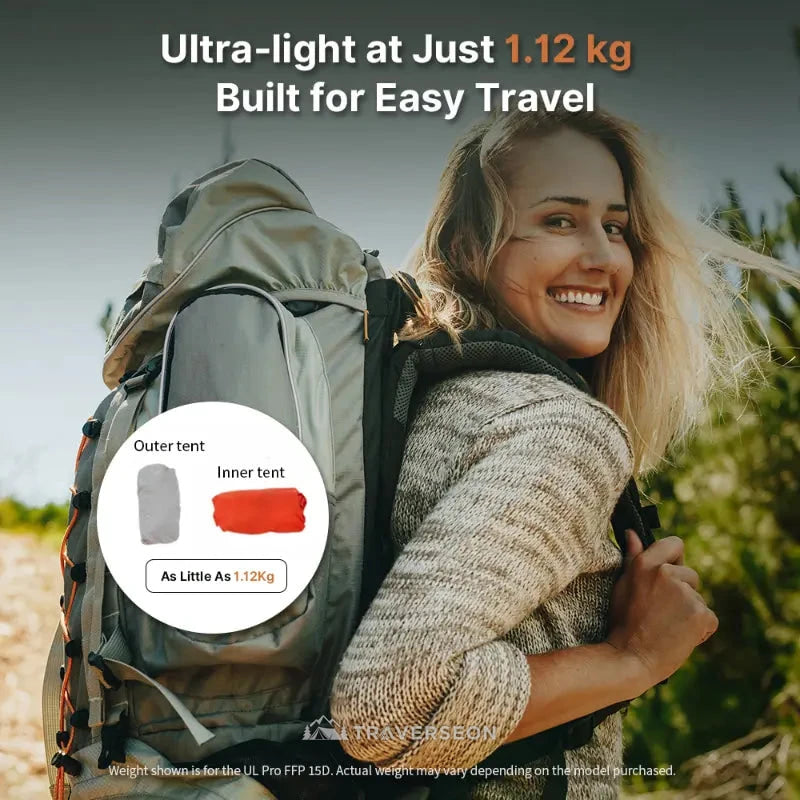
1–2 Person Ultralight Backpacking Tent – Freestanding Camping Tent | Traverseon
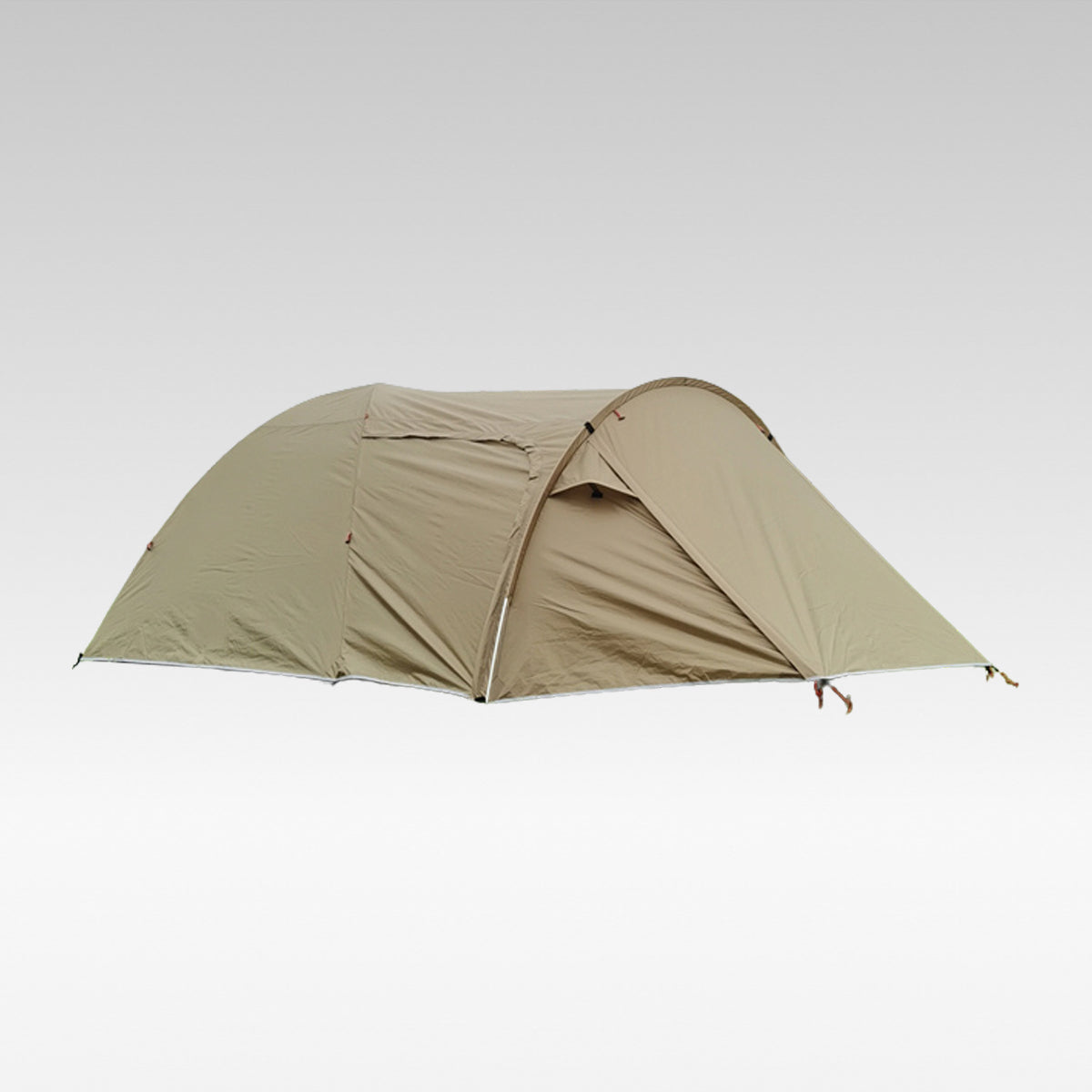
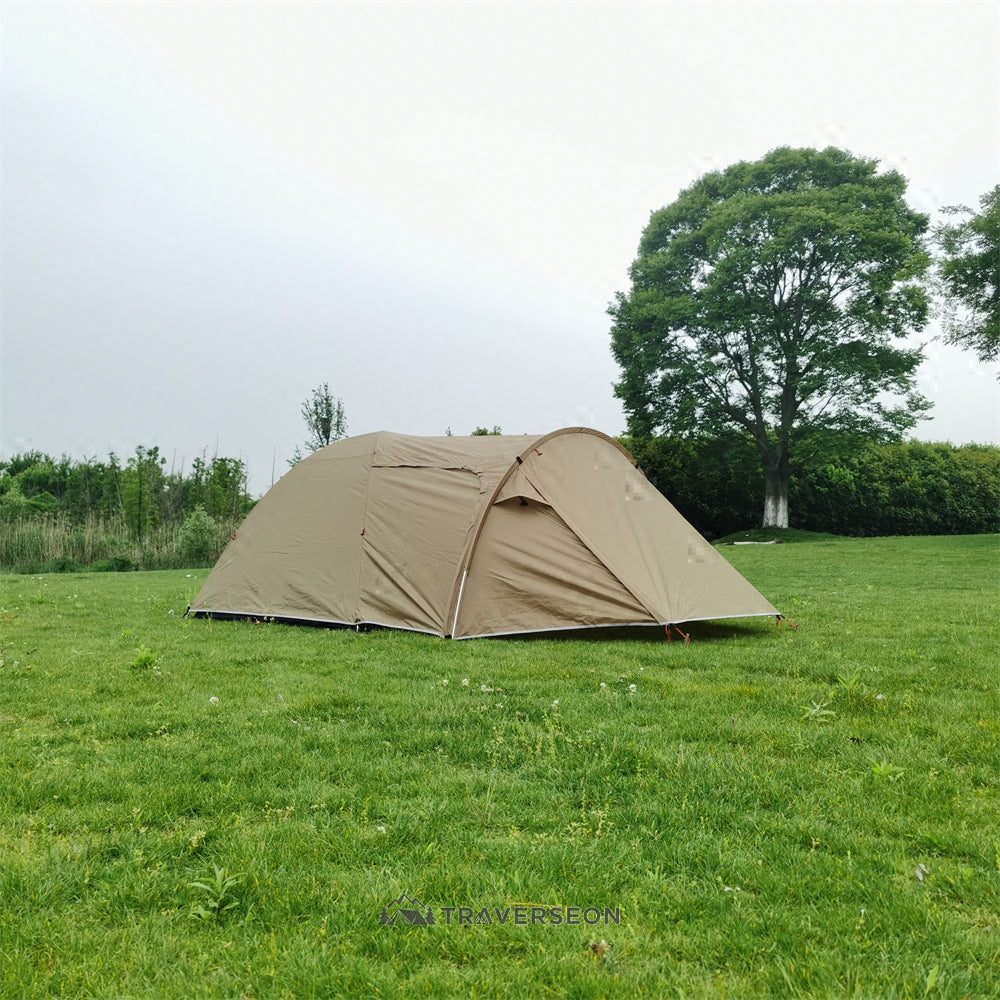
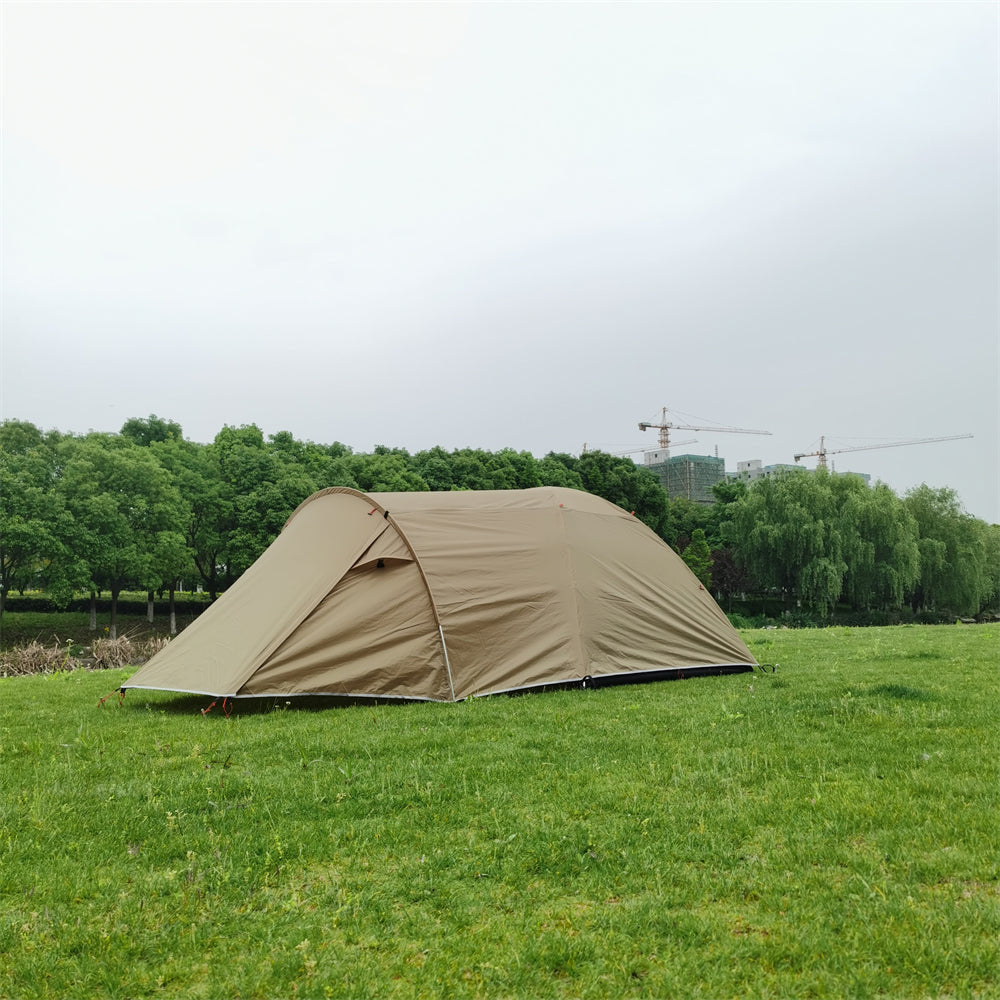
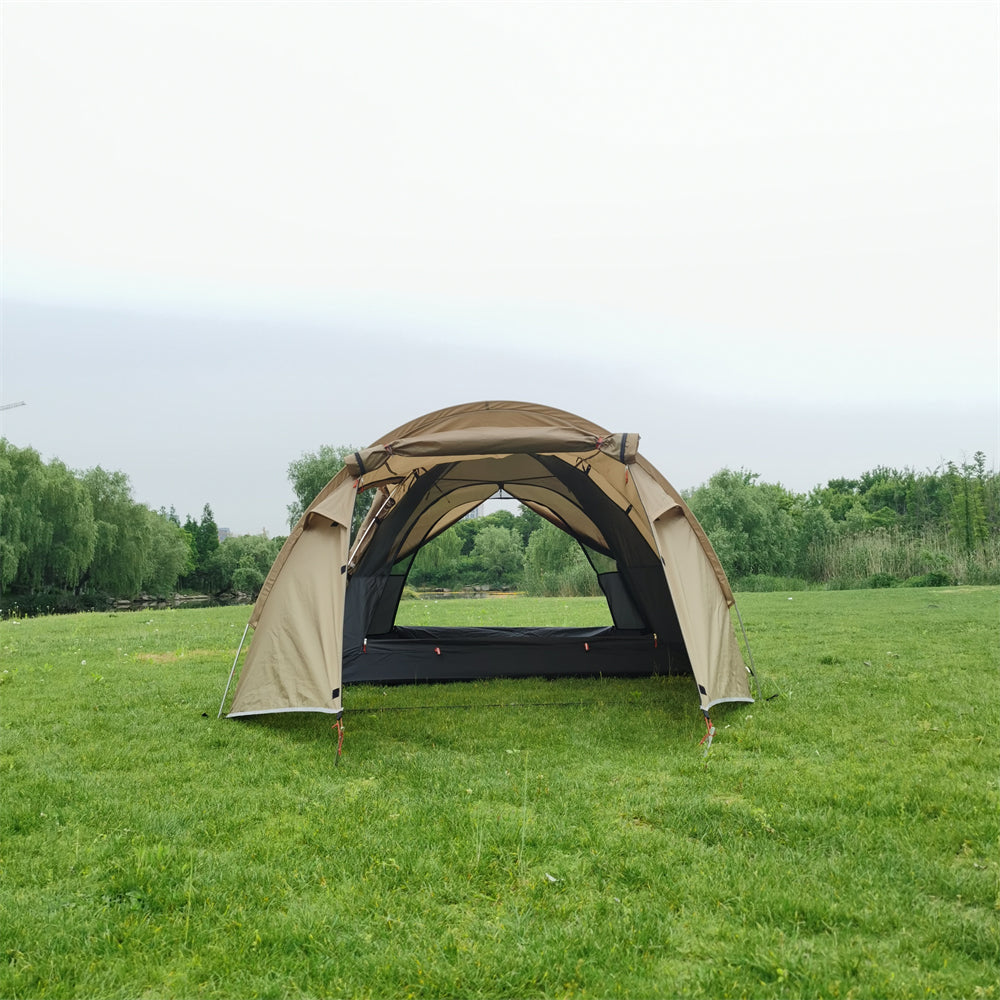
3-Person Camping Tent – Waterproof Lightweight Easy-Setup Canopy | Traverseon
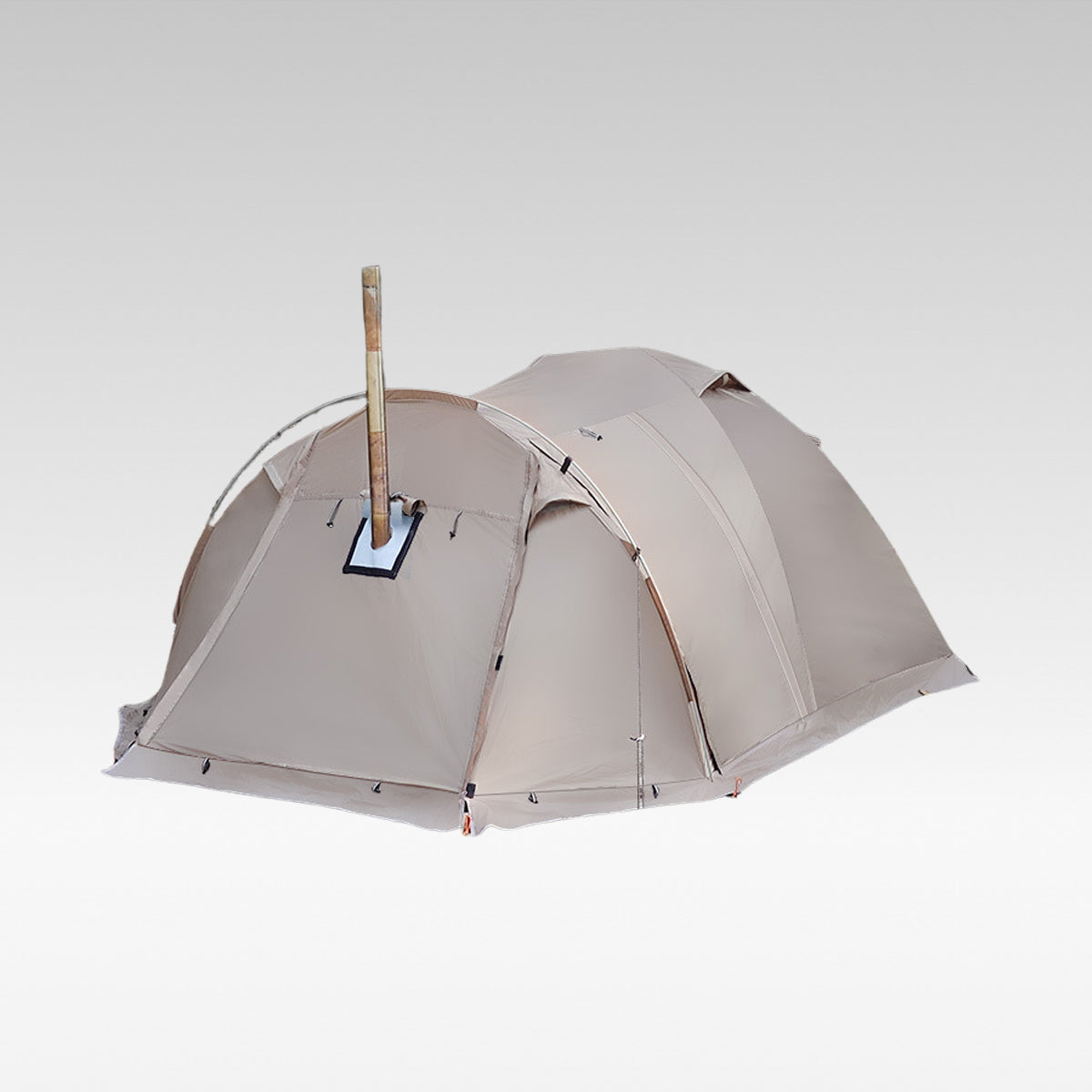
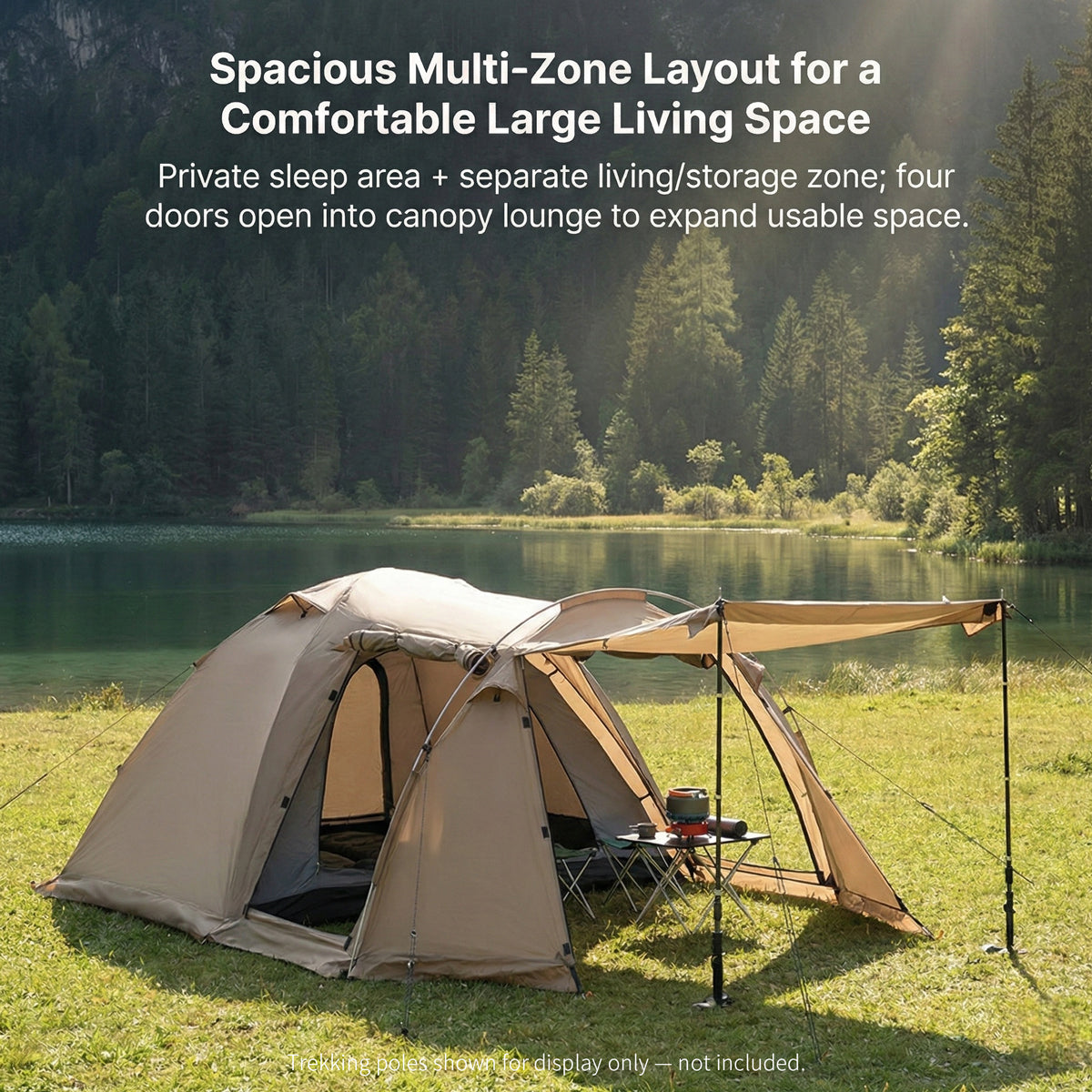
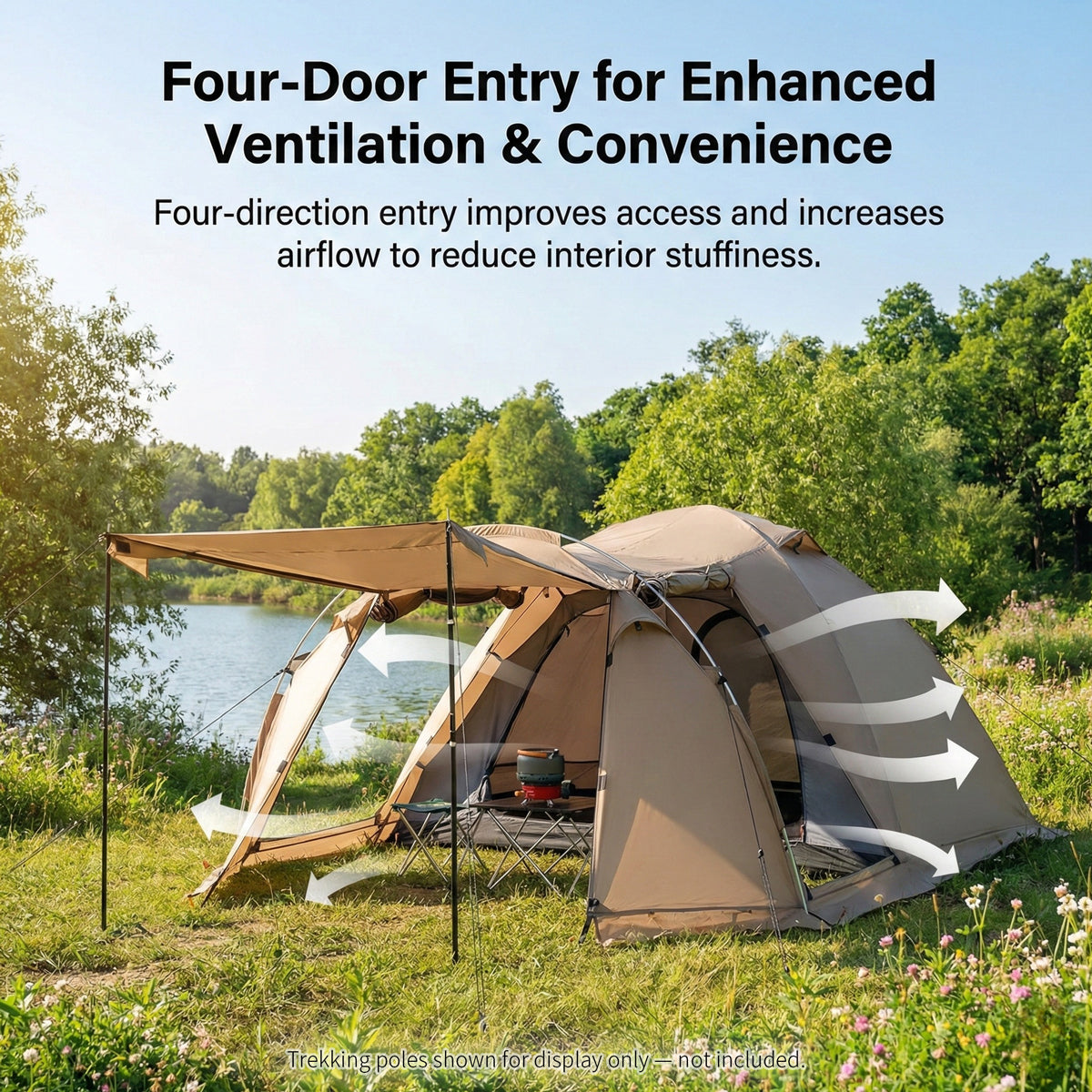
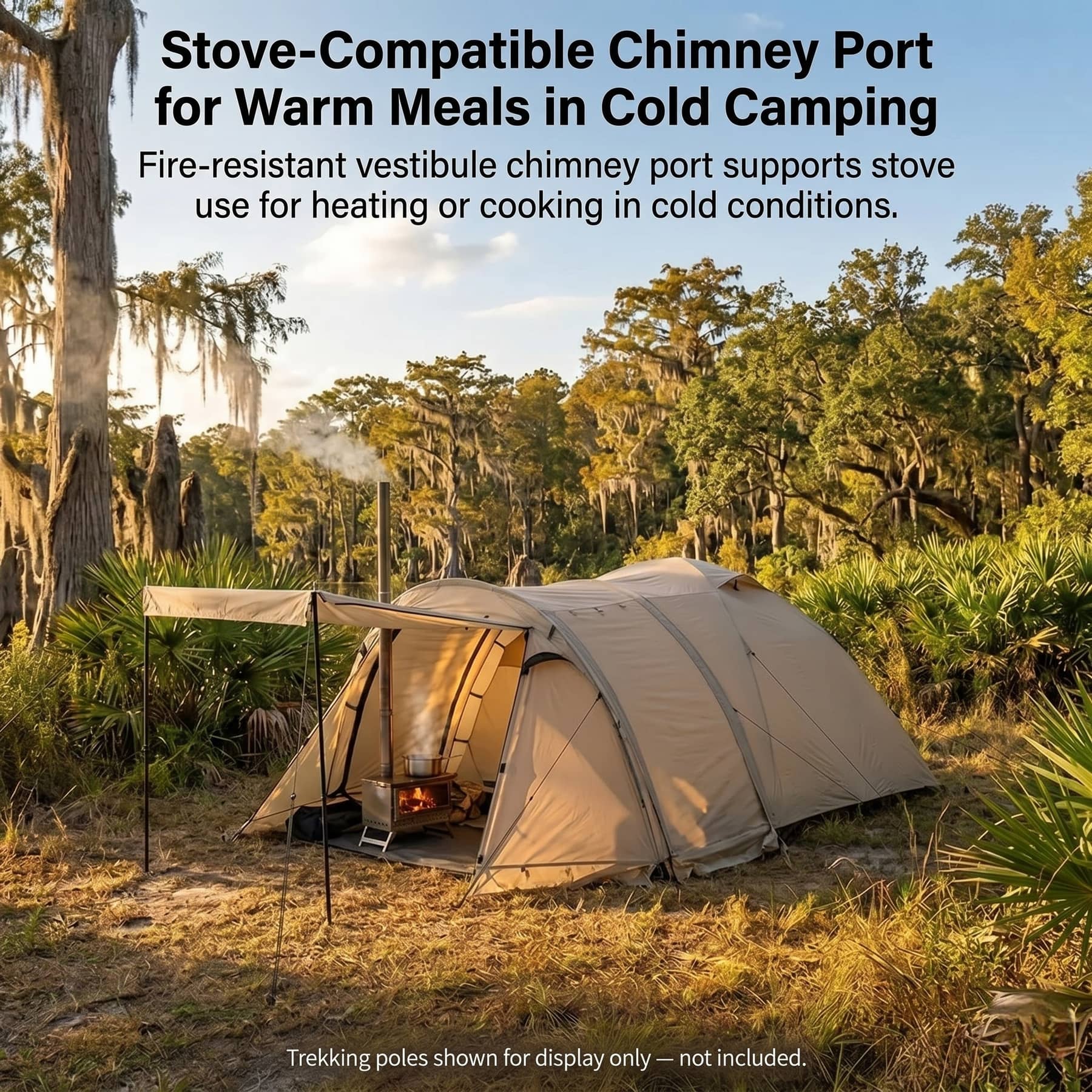
All-Season Family Hot Camping Tent with Stove Jack
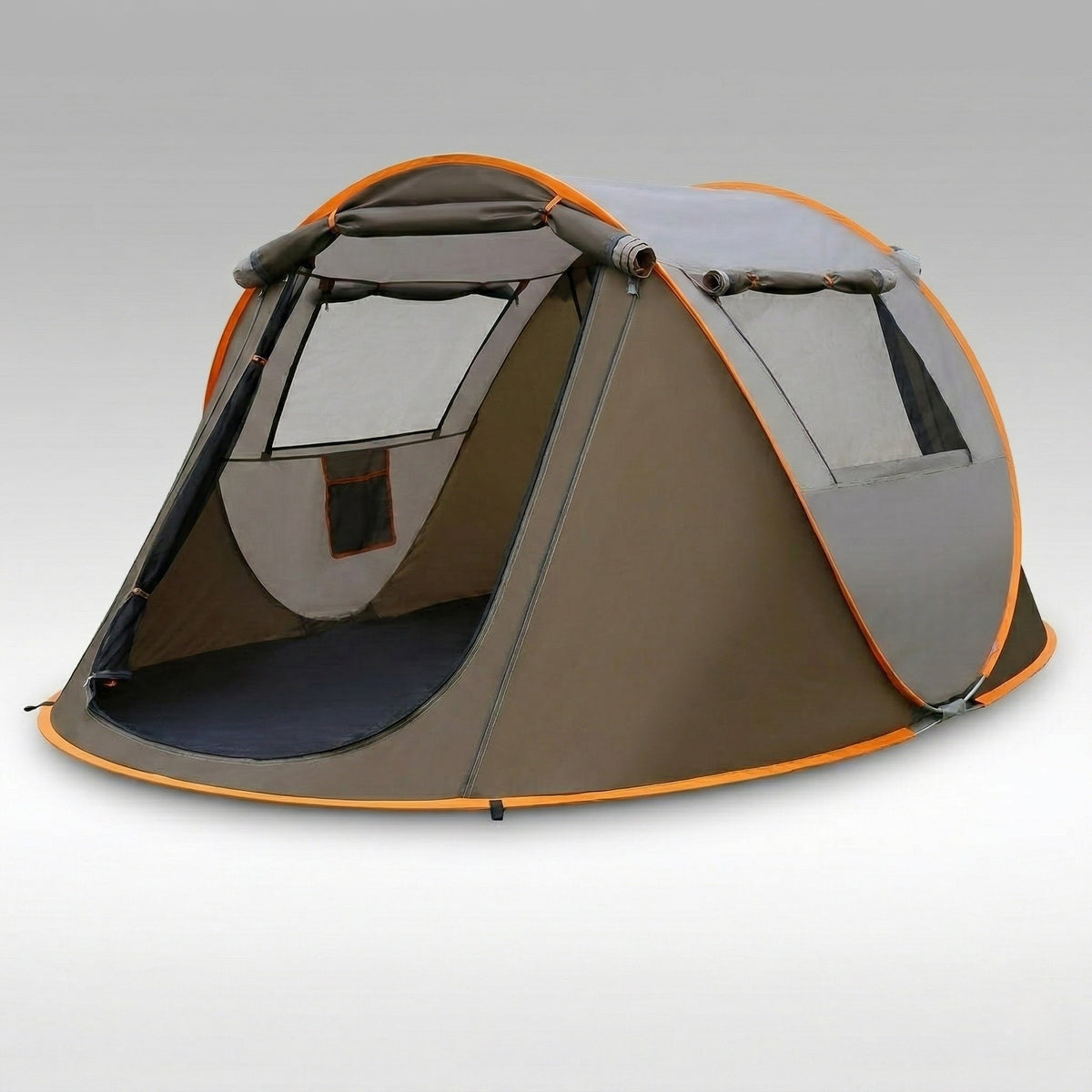


Automatic Pop-up Camping Tent – 3-8 Person Waterproof Instant Setup Shelter with Porch | Traverseon
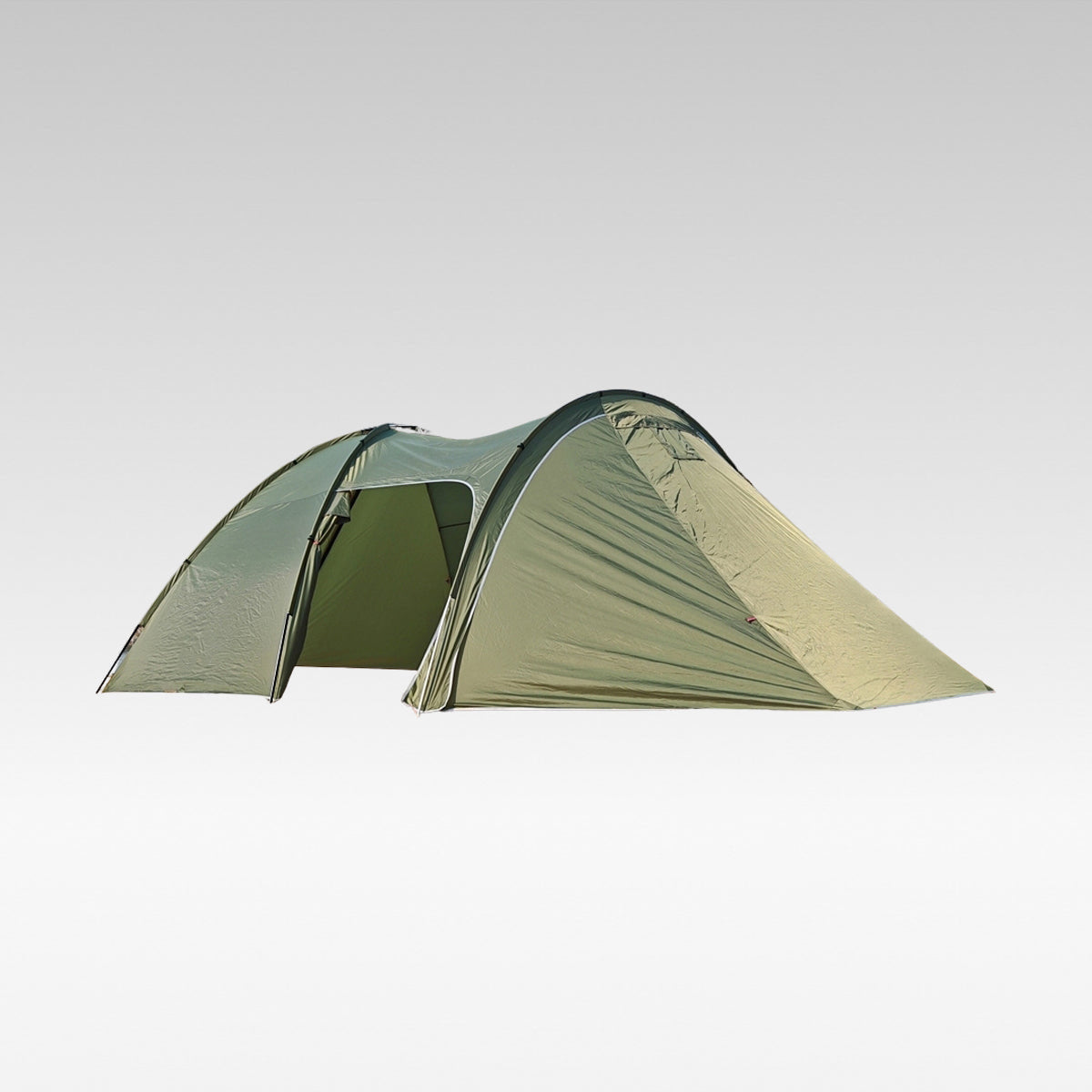
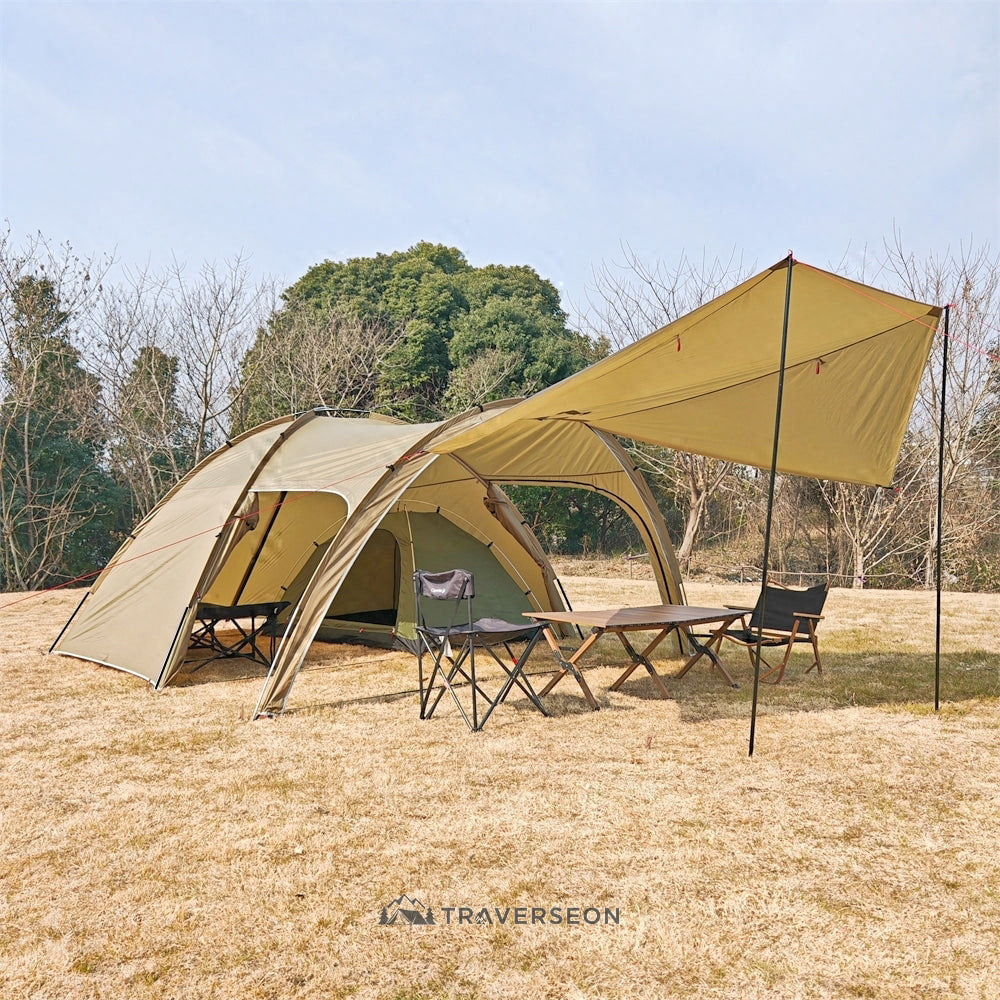
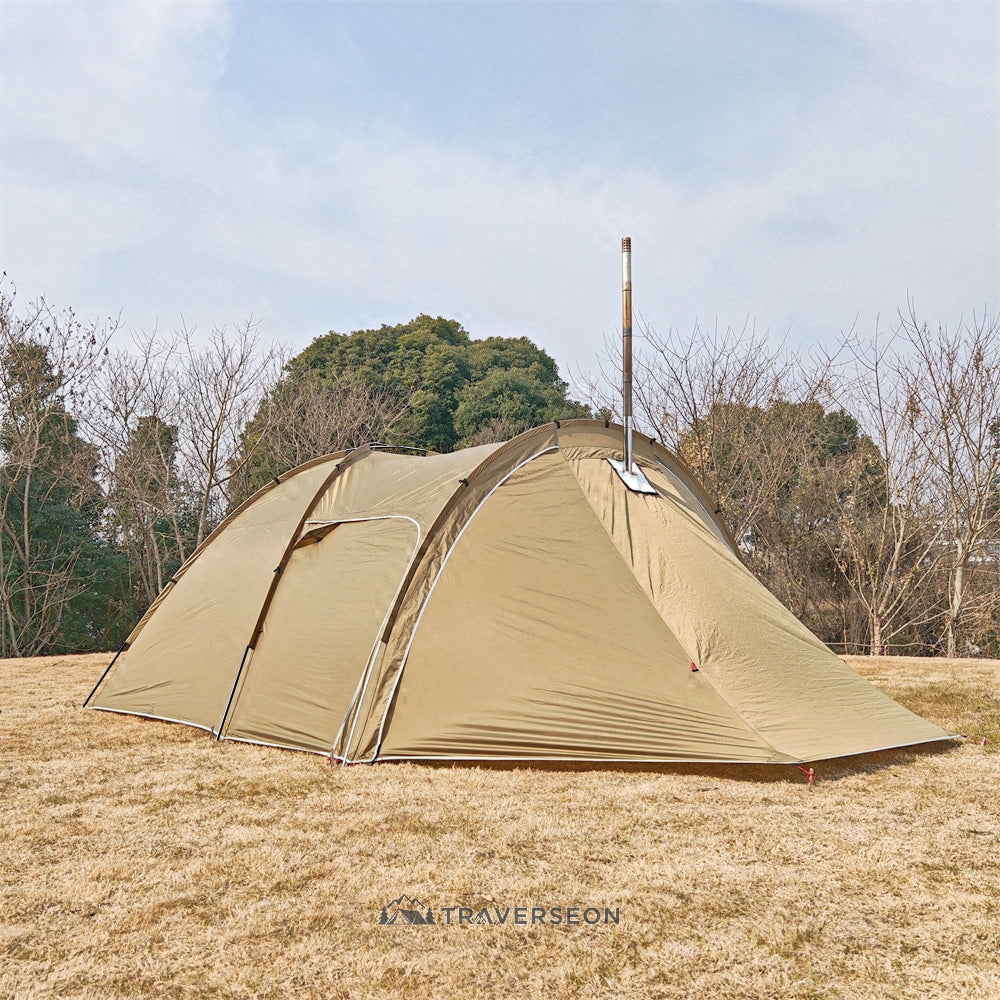
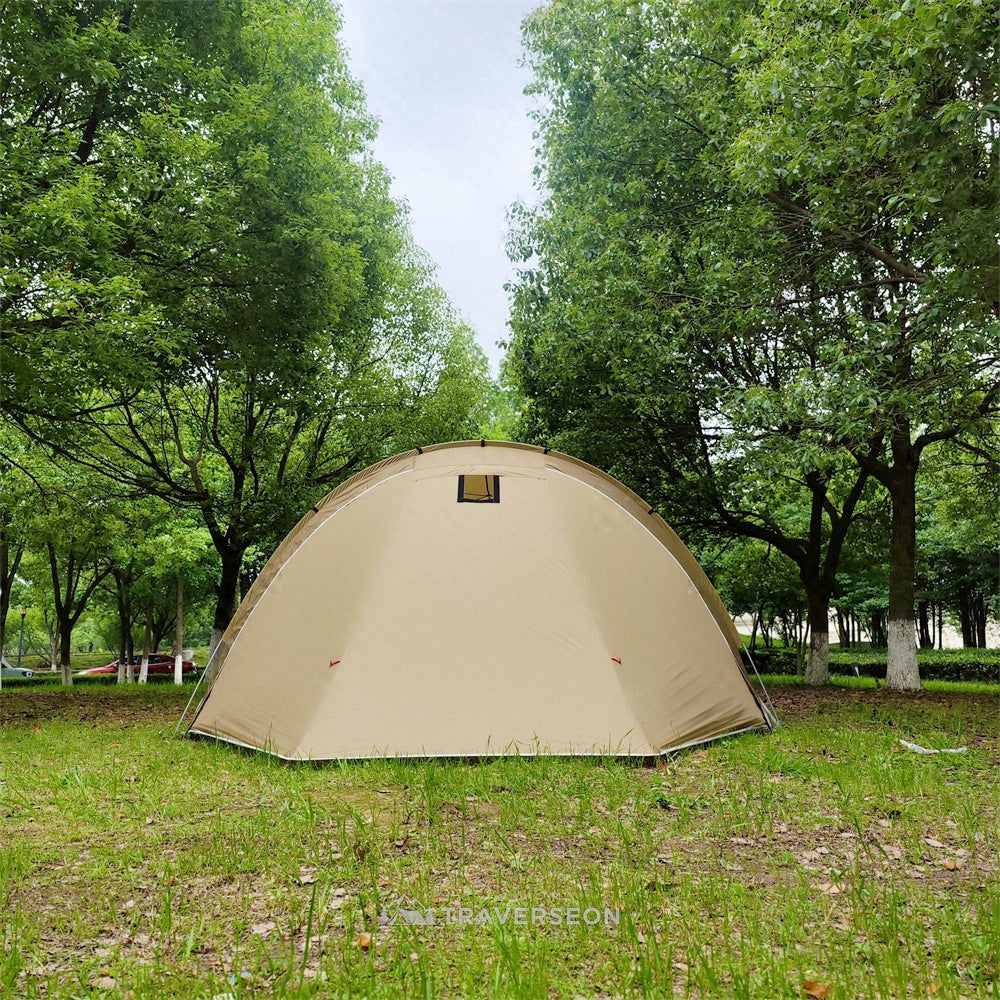
6-Person 4-Season Hot Tent with Awning | Traverseon
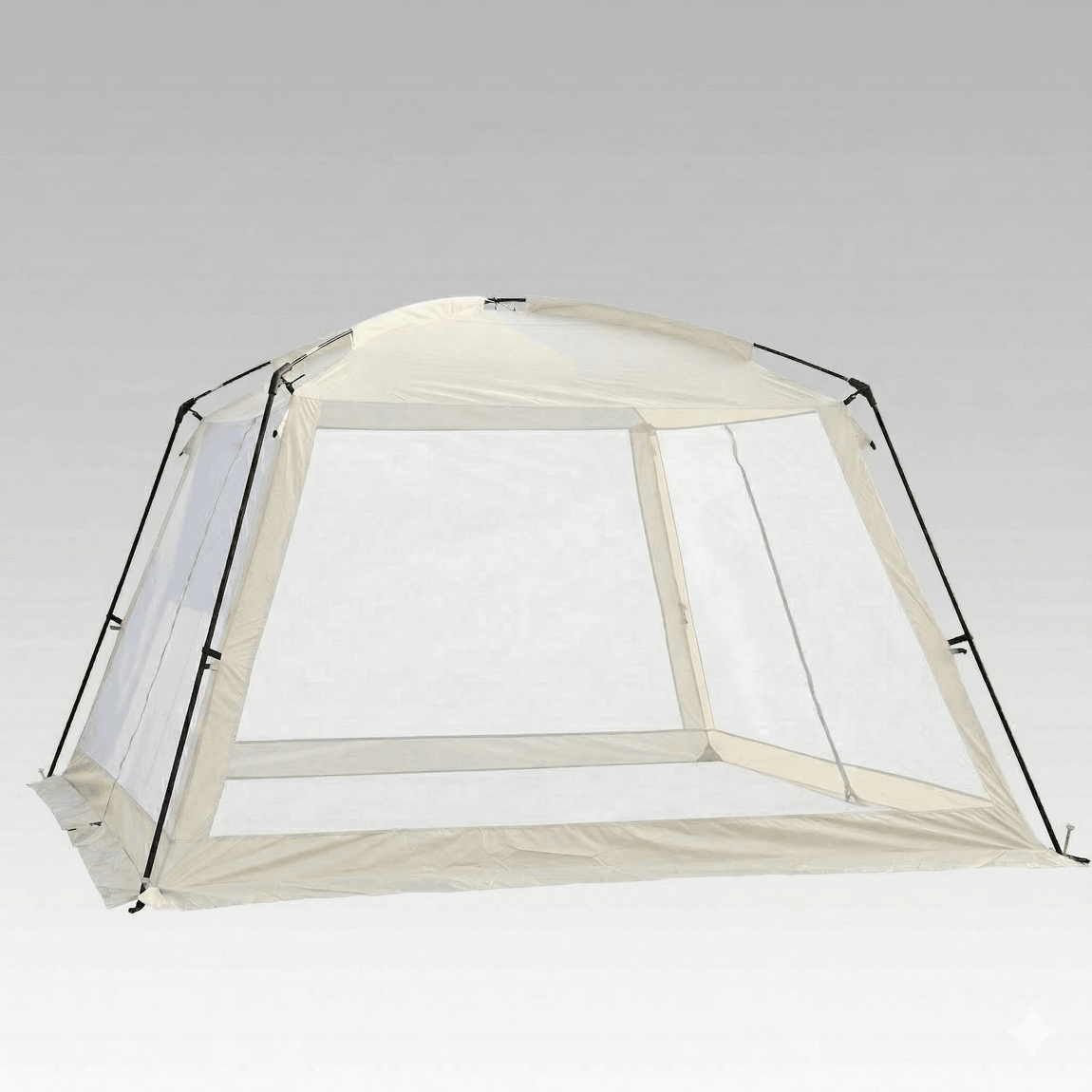
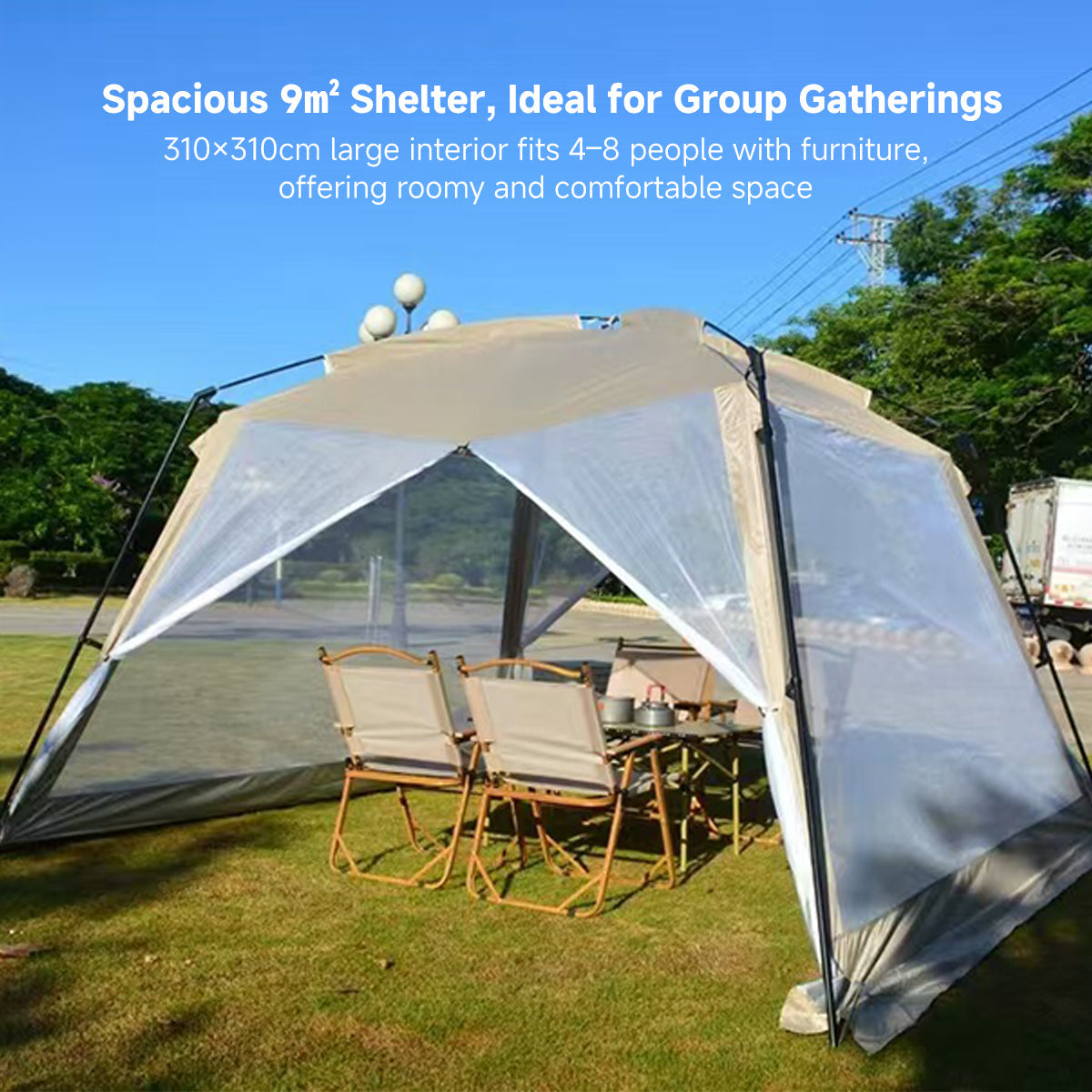
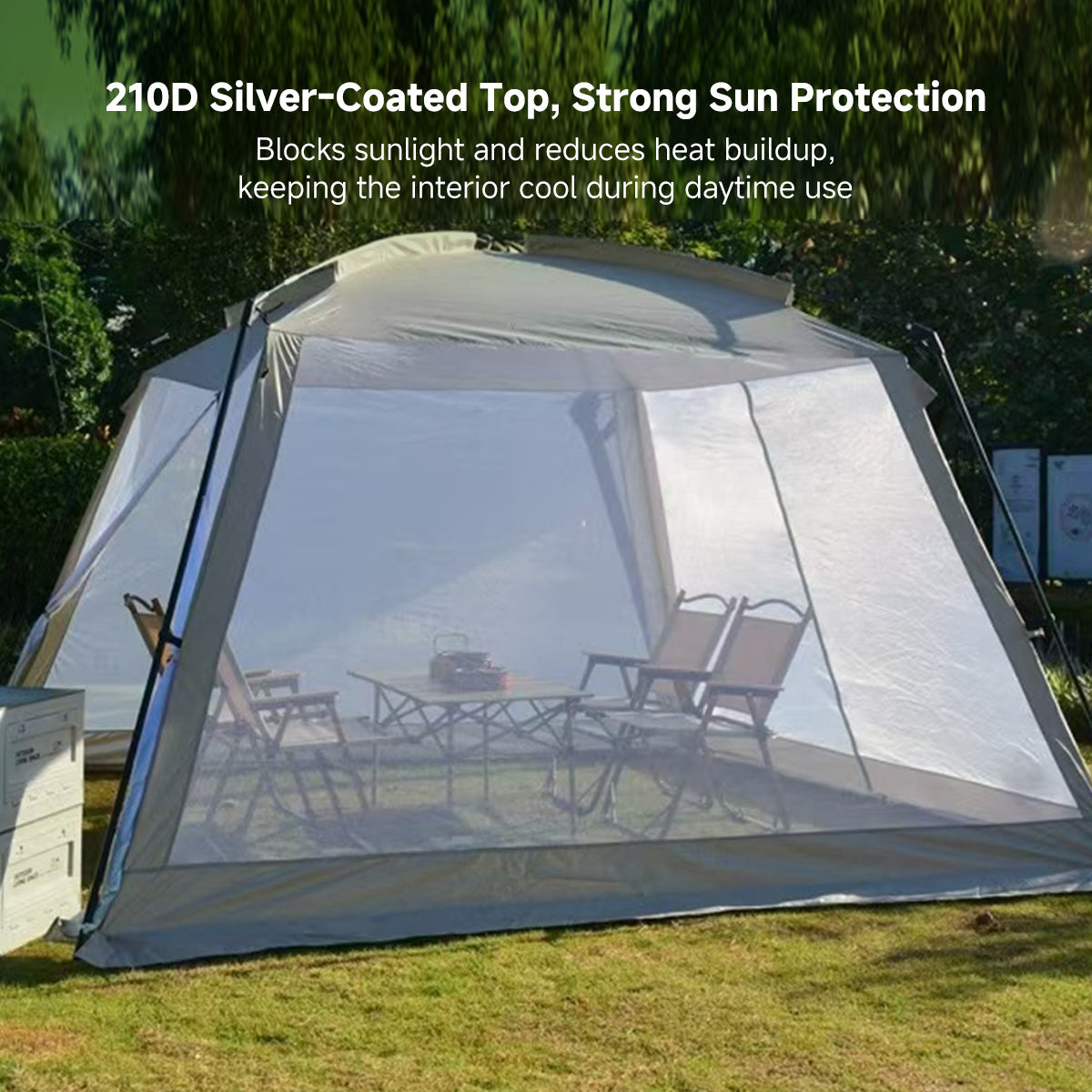
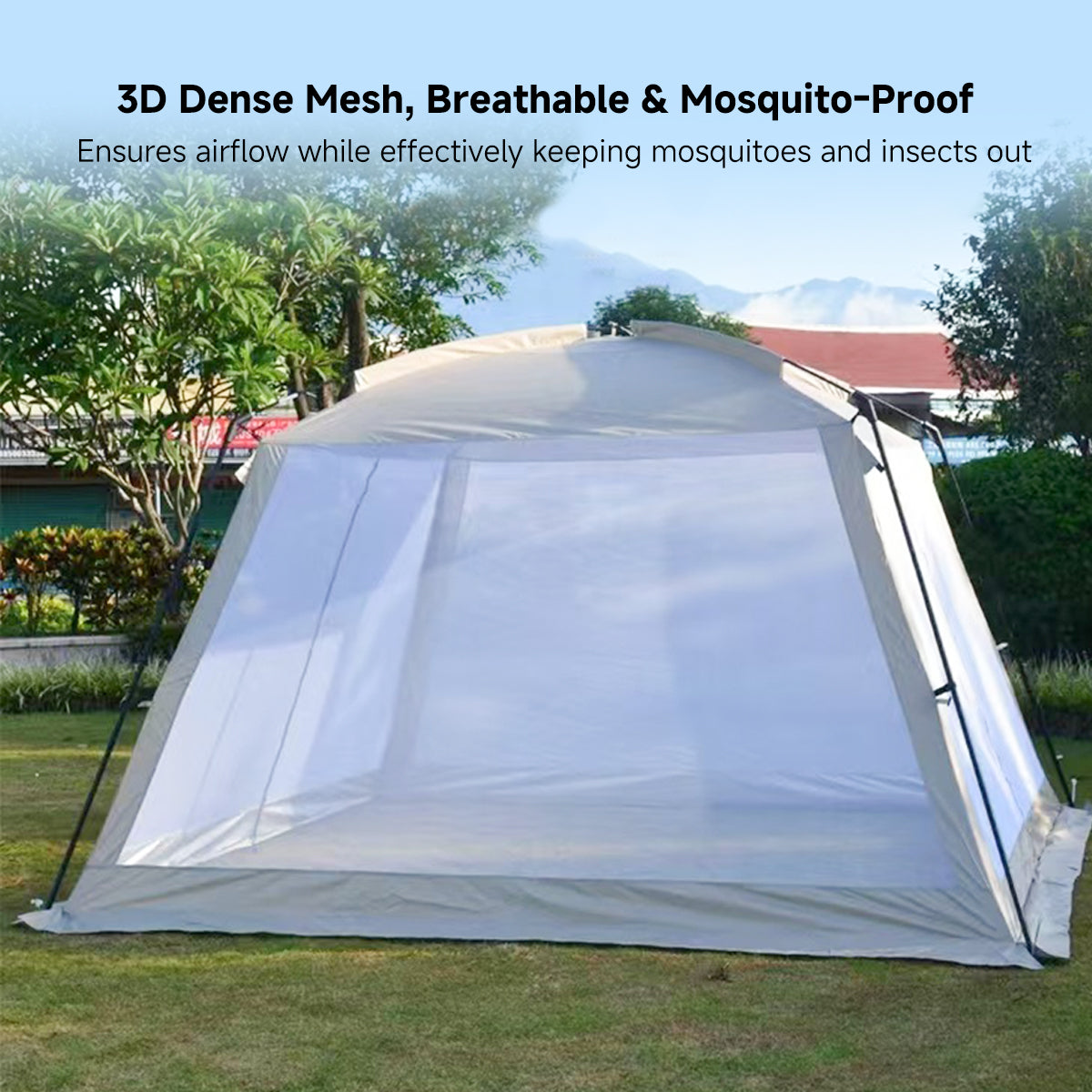
Screen House Tent – 4-8 Person Outdoor Gazebo with Mosquito Netting | Traverseon
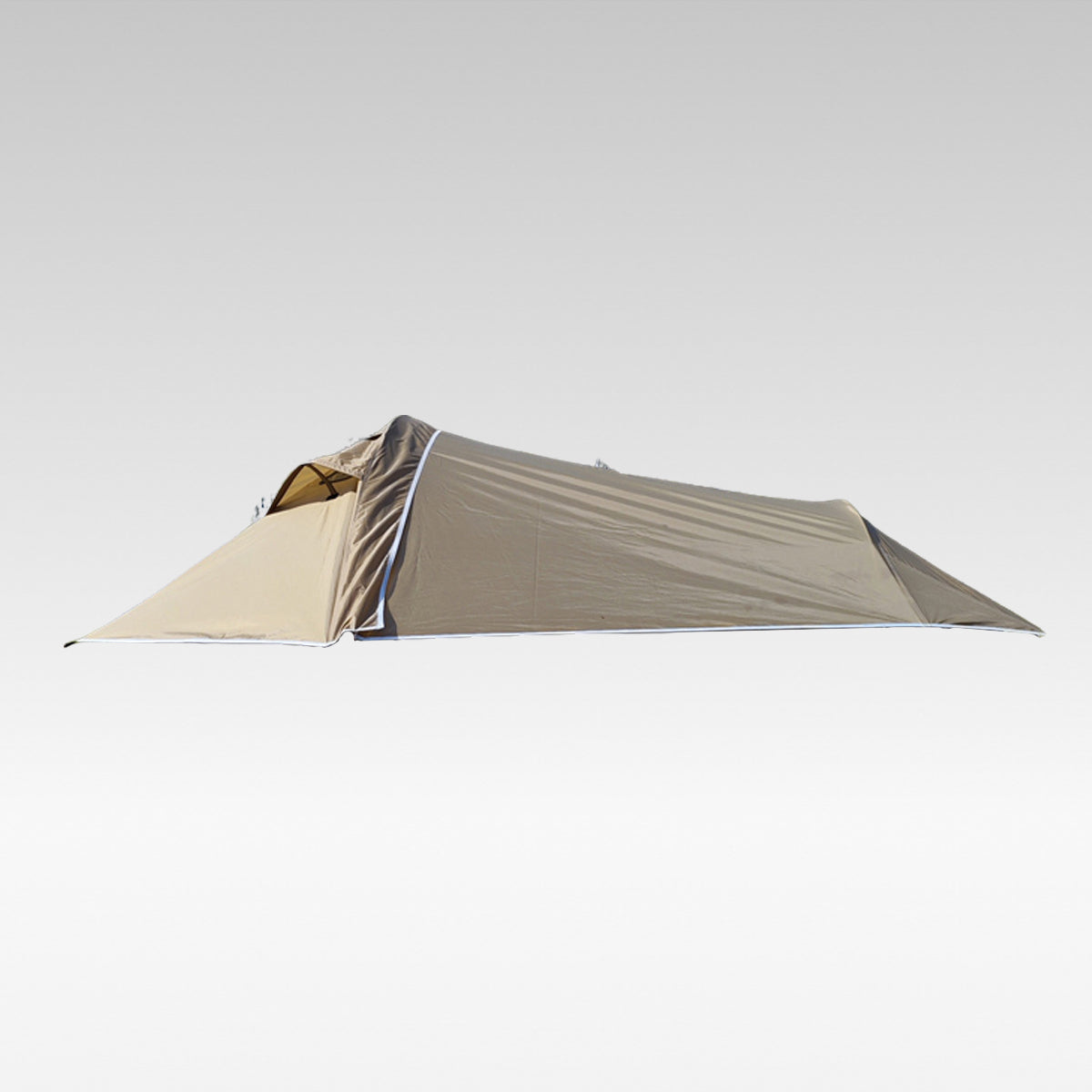
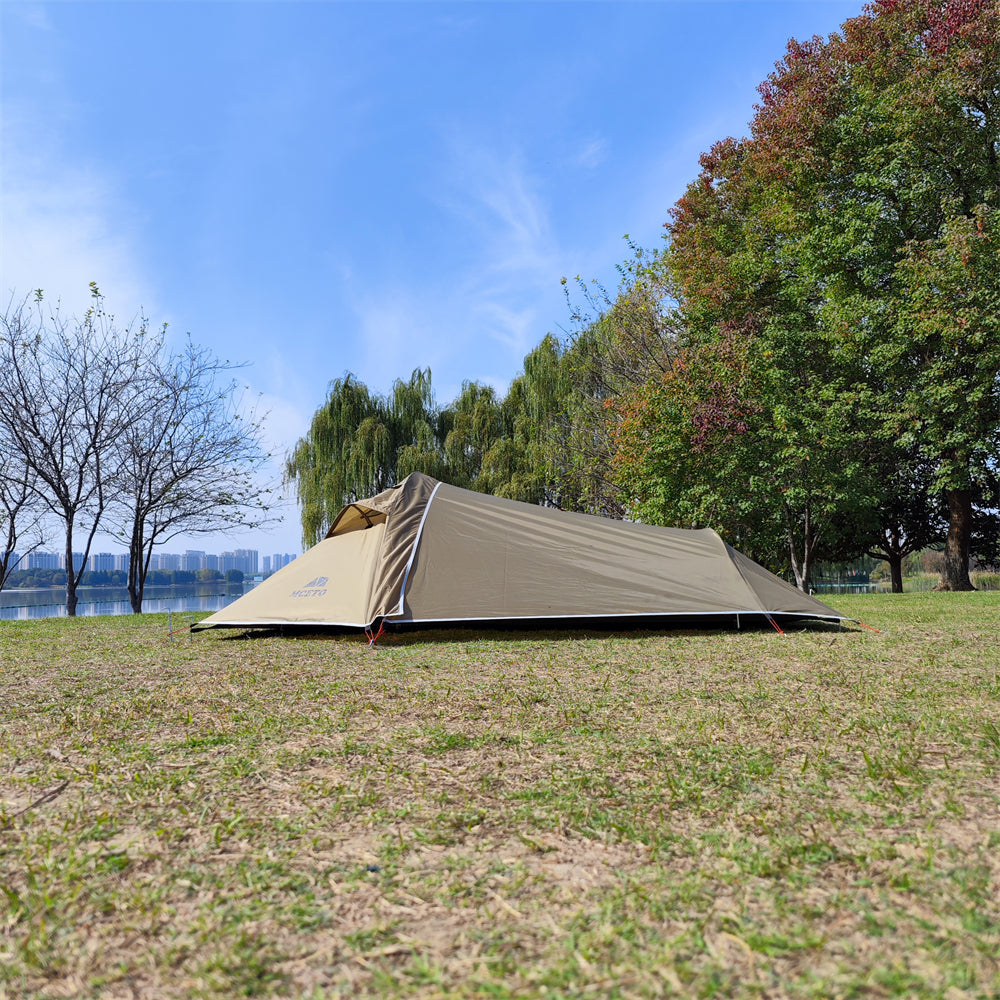
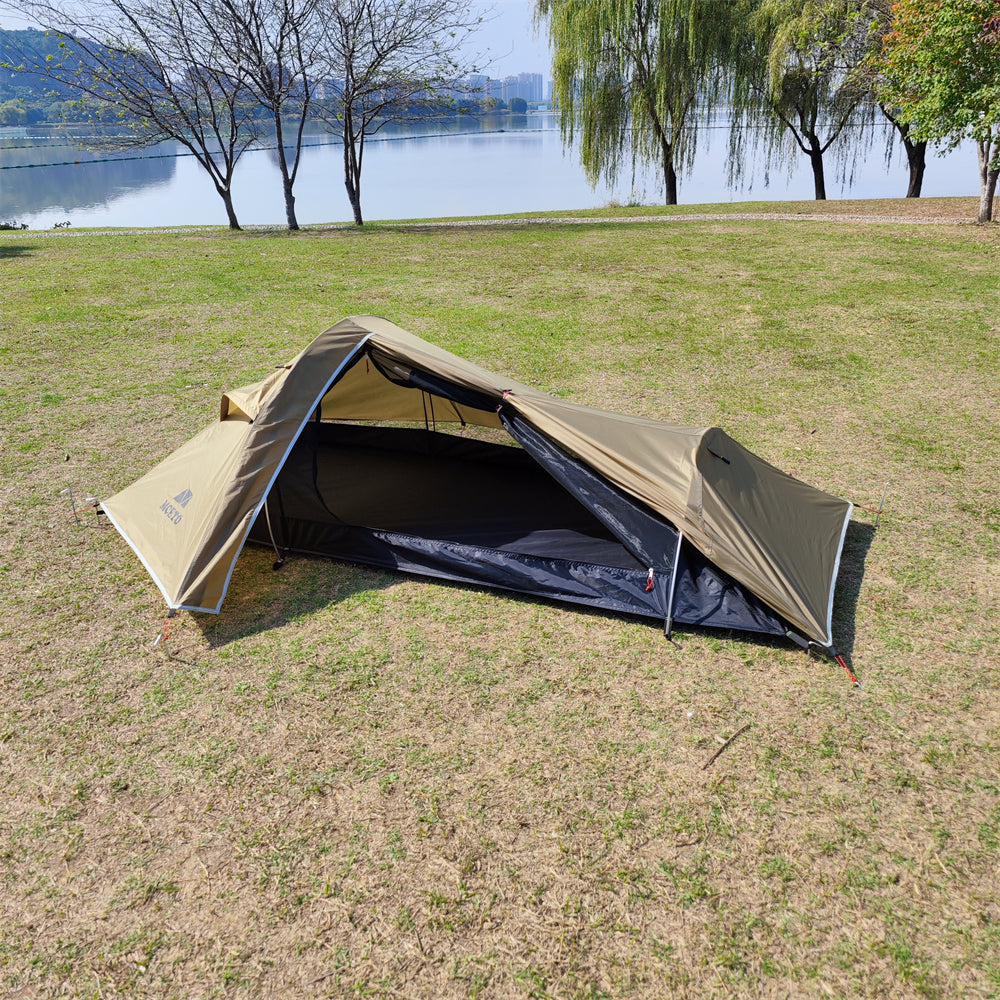
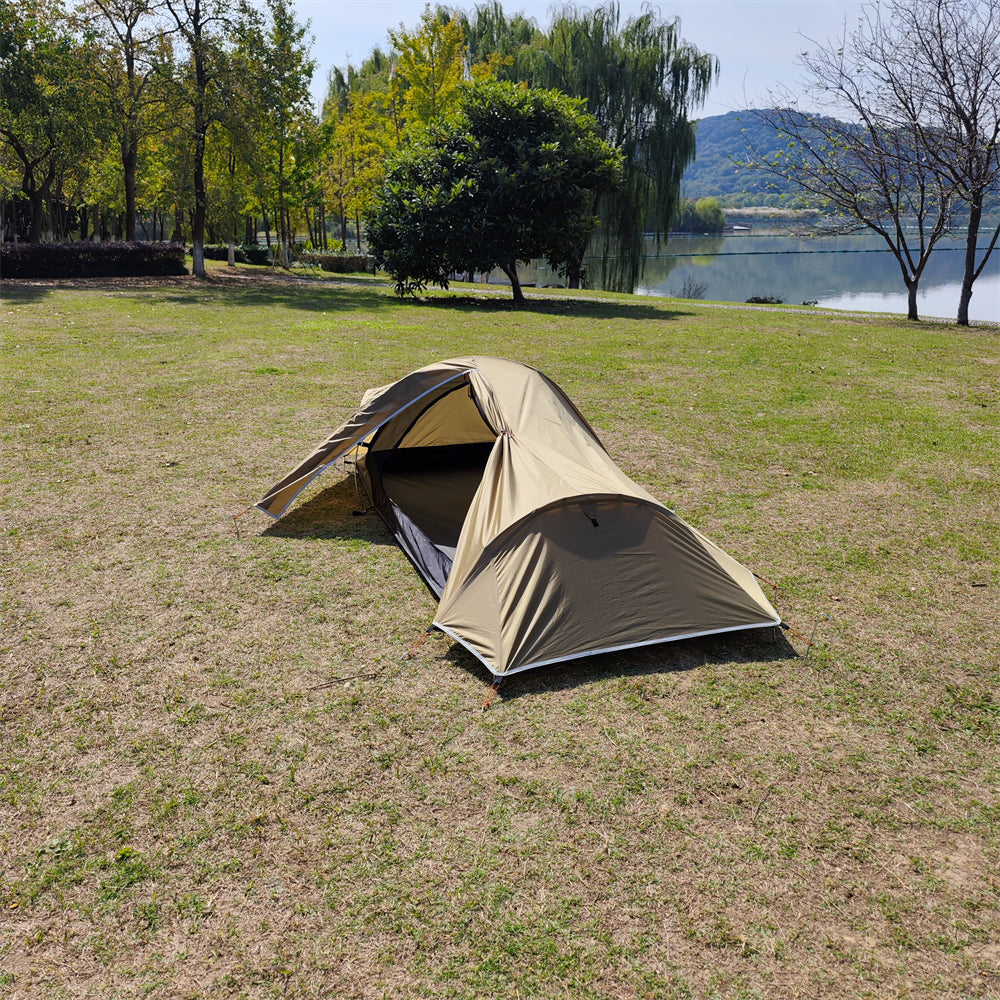
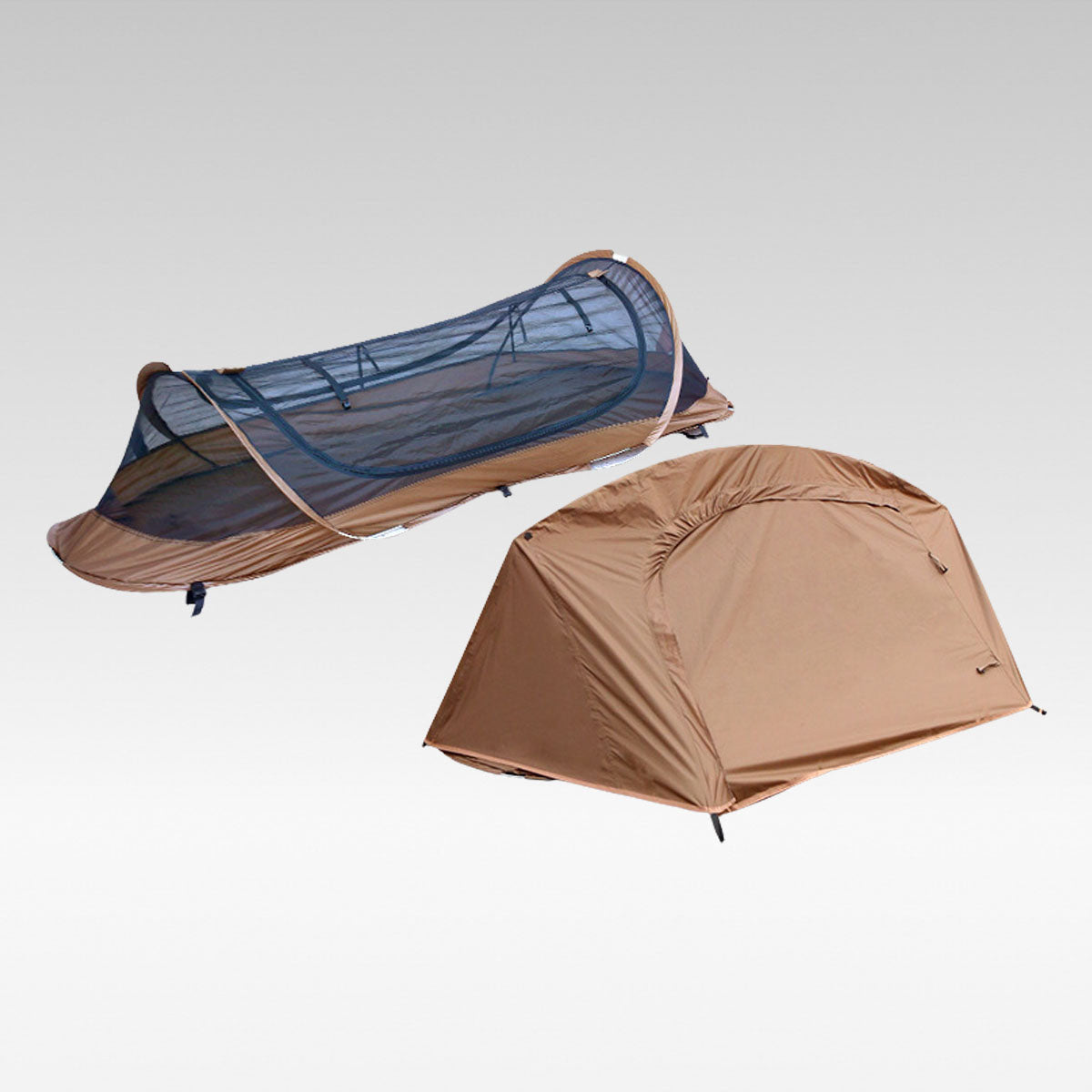
Ultralight 1P Backpacking Tent — 1.35 kg, Stealth Design, 4-Season Universal, Wind and Rainproof
TRAVERSEON PERFORMANCE SYSTEMS
Five Systems Built for Real Outdoor Use
Traverseon performance systems bring together lighter structural materials, faster setup logic, weather-rated protection, heat-management design, and longer-use thinking for real outdoor conditions.
Based on material density, aluminum is about 65% lighter than steel by volume. AeroCore™ uses selected 7001-T6 aircraft-grade aluminum to help reduce pole weight while maintaining stable outdoor support.
InstaFrame™ is designed to reduce loose parts, repeated alignment, and slow setup steps—helping campers build a stable shelter in minutes instead of spending extra time figuring out the frame.
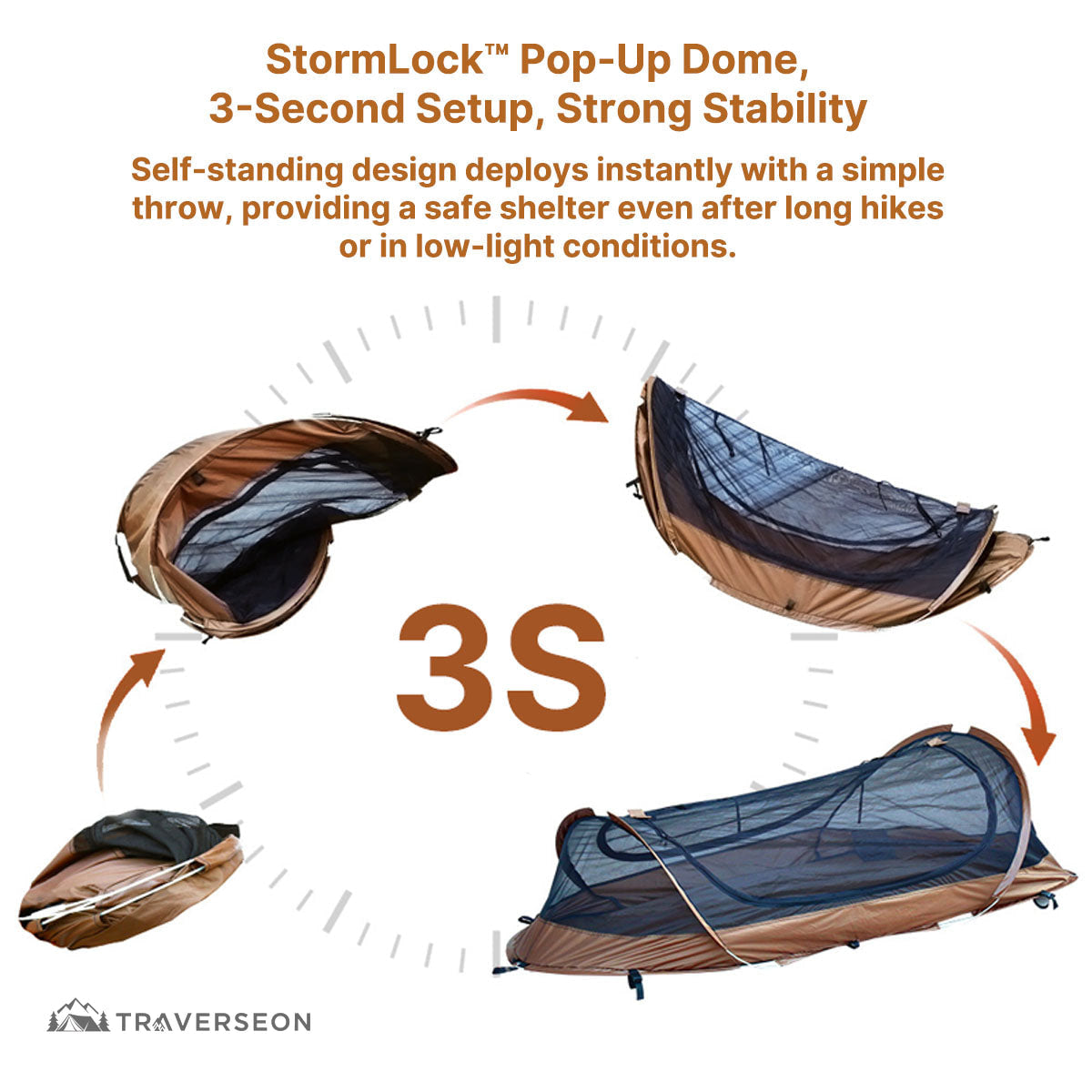
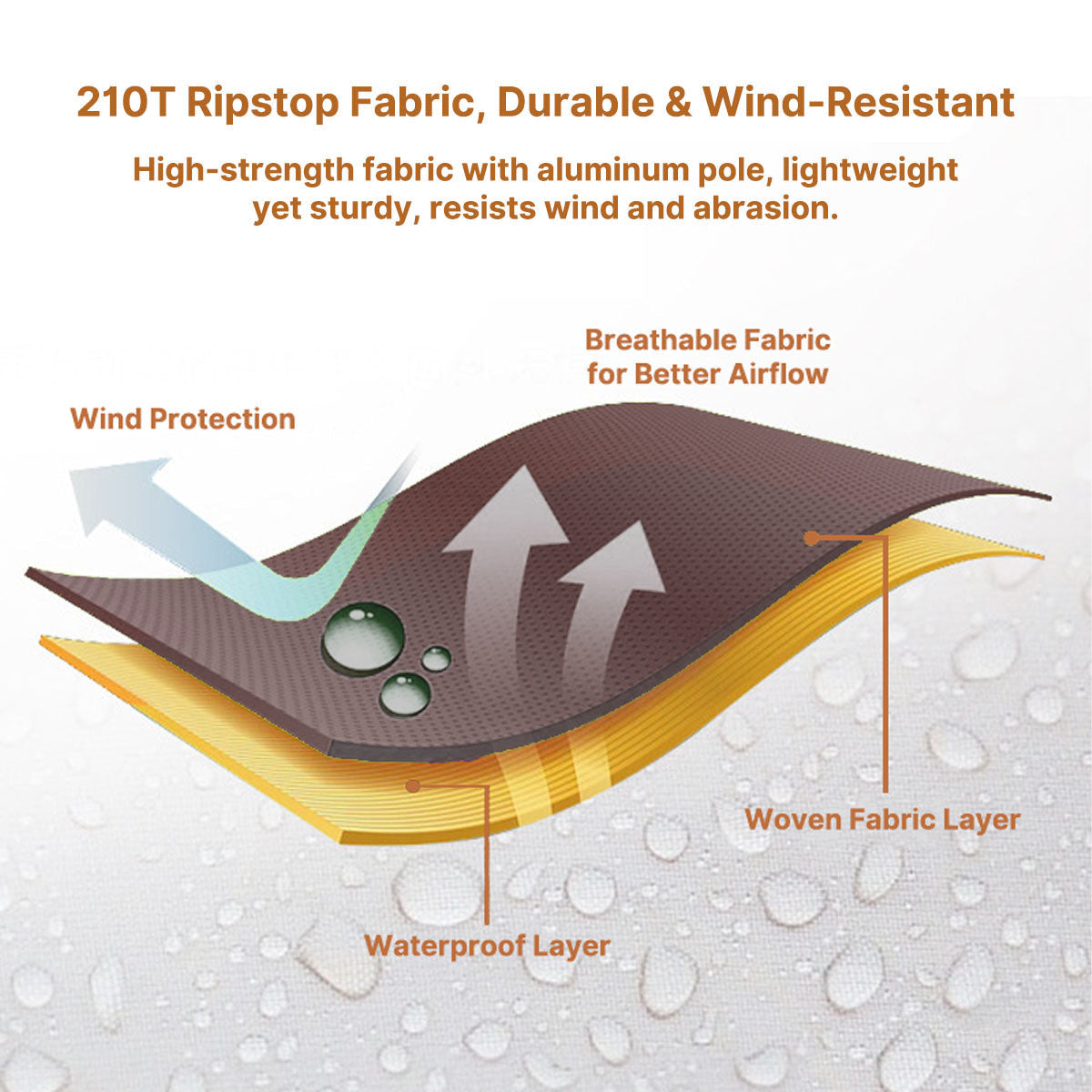
StormLock™ uses 3000mm+ waterproof-rated 210T fabric on applicable products to help resist rain, moisture, and changing outdoor conditions without relying on bulky shelter materials.
HeatCore™ focuses on reducing heat burden through airflow, shade, insulation, cooling support, and cold-storage design—helping hot-weather setups feel more comfortable without making unrealistic temperature claims.
EverCycle™ is designed around longer product value: modular use, replaceable parts where applicable, and multi-scenario adaptability that helps gear stay useful across more trips and outdoor situations.

Lighter material choice for stronger outdoor support.
Compared with steel by material density, aluminum offers a much lighter structure. AeroCore™ applies 7001-T6 aluminum to balance carry weight, bend resistance, and stability.

Designed for setup in minutes, not frustration.
Pre-connected and quick-deploy structure logic helps reduce setup friction, especially when arriving late, setting up alone, or packing down quickly.

Weather-rated protection for changing conditions.
3000mm+ waterproof-rated fabric helps protect outdoor setups from rain and moisture, while 210T construction keeps the material suitable for practical camping use.

A system approach to hot-weather comfort.
Instead of relying on one cooling method, HeatCore™ combines ventilation, shade, sun protection, cold storage, and heat-aware design to help manage outdoor heat buildup.

Built to stay useful across more outdoor scenarios.
EverCycle™ focuses on practical longevity through modular thinking, adaptable use, and replaceable-part potential—helping reduce unnecessary replacement without overstating environmental claims.
Lighter material choice for stronger outdoor support.
Compared with steel by material density, aluminum offers a much lighter structure. AeroCore™ applies 7001-T6 aluminum to balance carry weight, bend resistance, and stability.
Designed for setup in minutes, not frustration.
Pre-connected and quick-deploy structure logic helps reduce setup friction, especially when arriving late, setting up alone, or packing down quickly.
Weather-rated protection for changing conditions.
3000mm+ waterproof-rated fabric helps protect outdoor setups from rain and moisture, while 210T construction keeps the material suitable for practical camping use.
A system approach to hot-weather comfort.
Instead of relying on one cooling method, HeatCore™ combines ventilation, shade, sun protection, cold storage, and heat-aware design to help manage outdoor heat buildup.
Built to stay useful across more outdoor scenarios.
EverCycle™ focuses on practical longevity through modular thinking, adaptable use, and replaceable-part potential—helping reduce unnecessary replacement without overstating environmental claims.
Bivy Tent
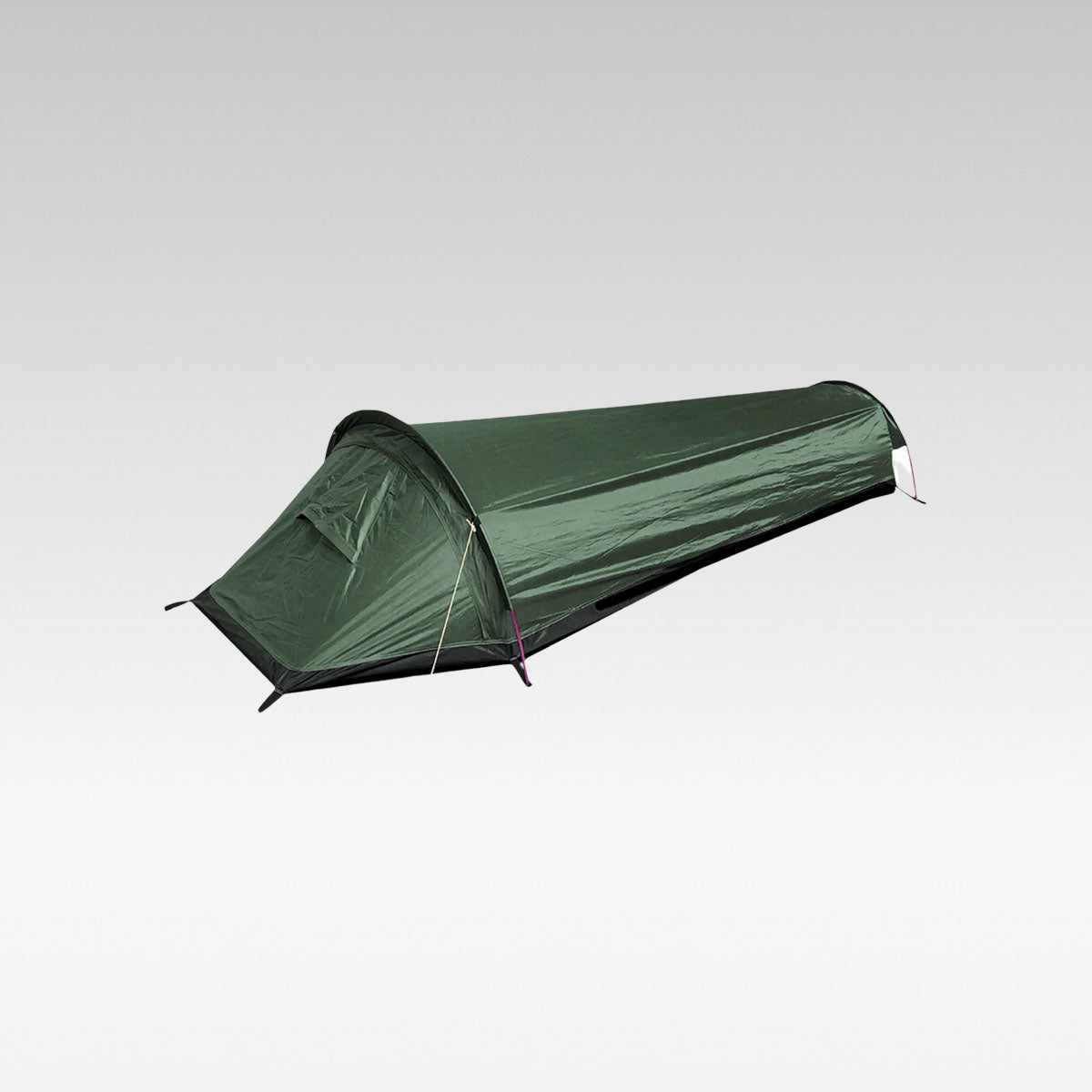
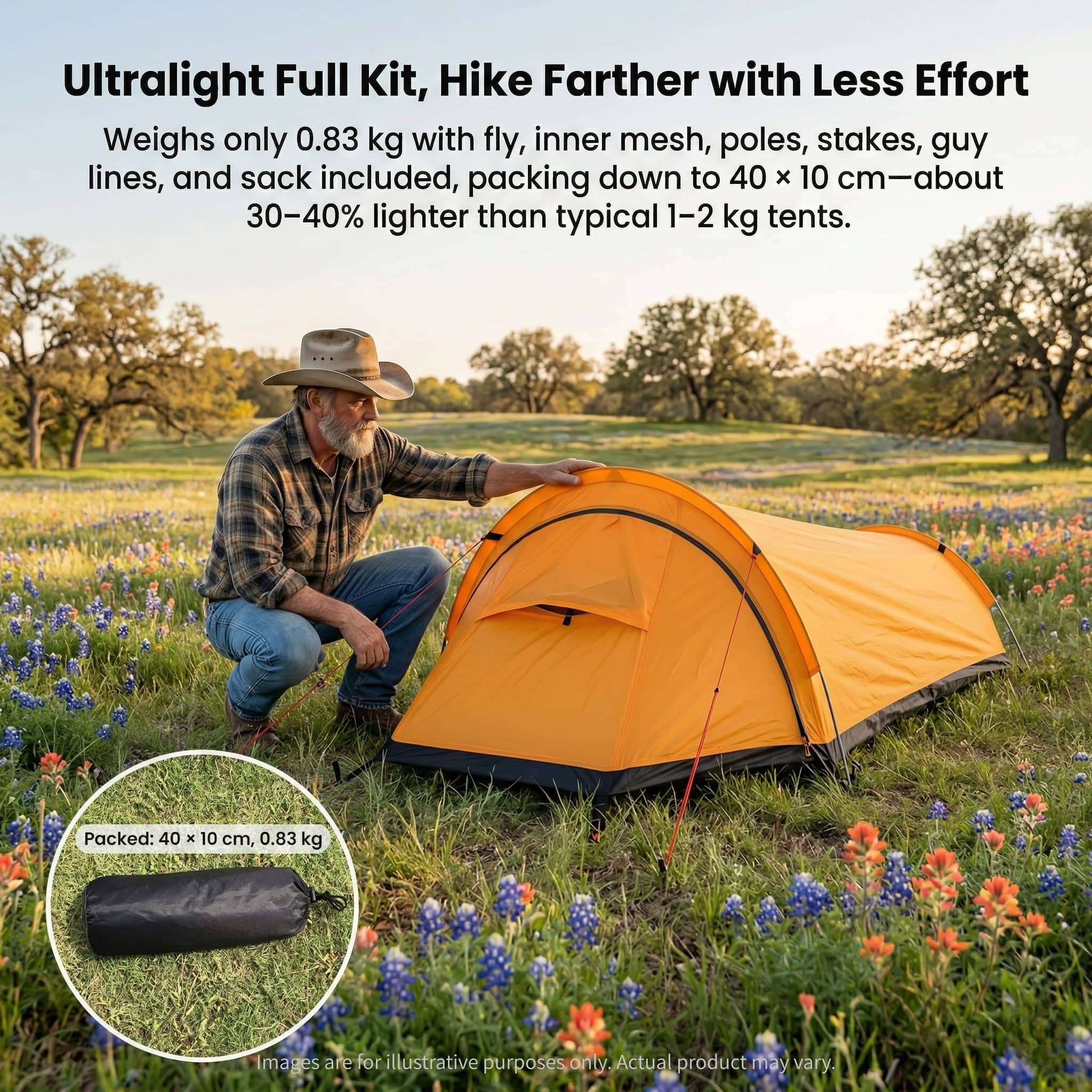
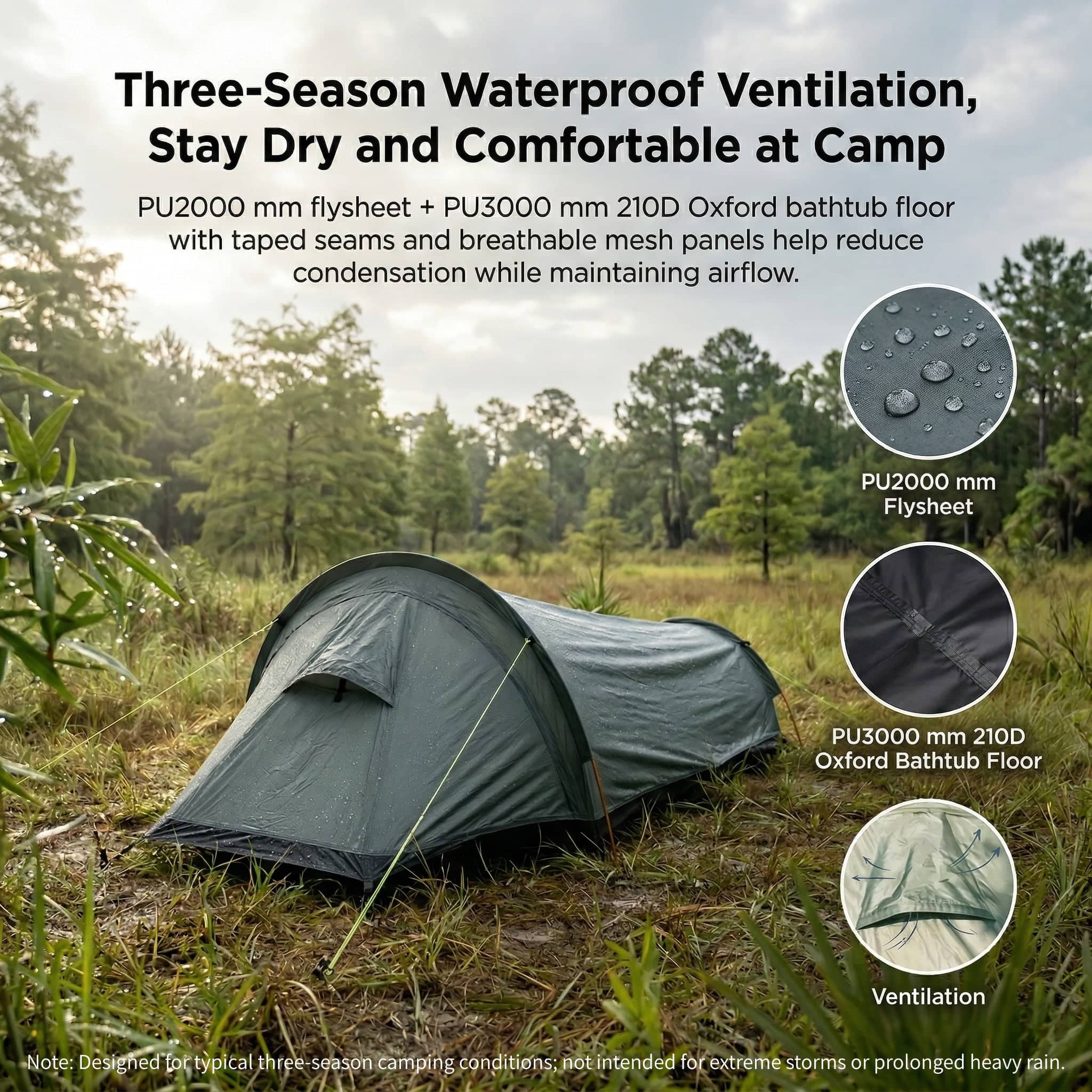
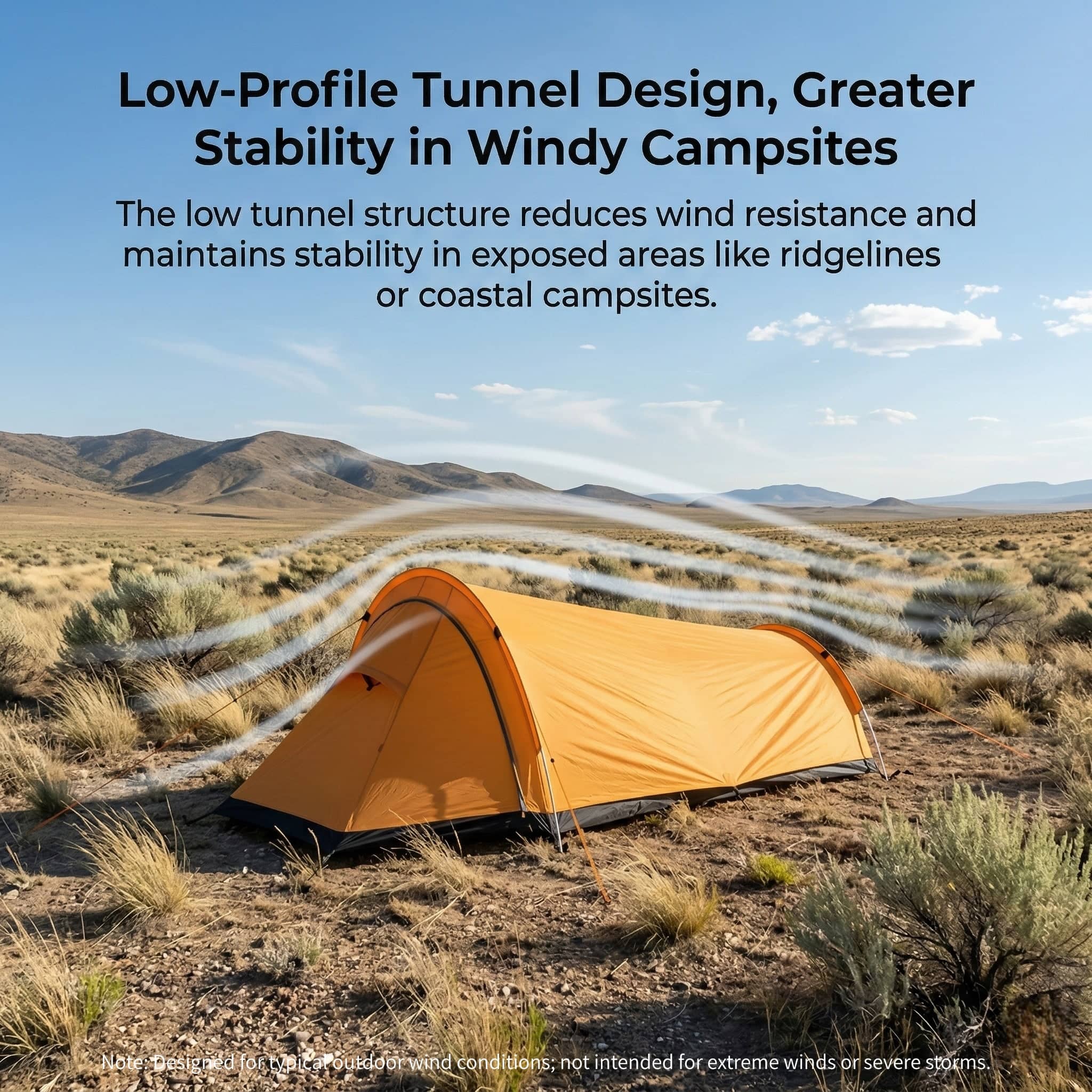
Traverseon Bivy Tent, 830g Ultralight Backpacking Shelter
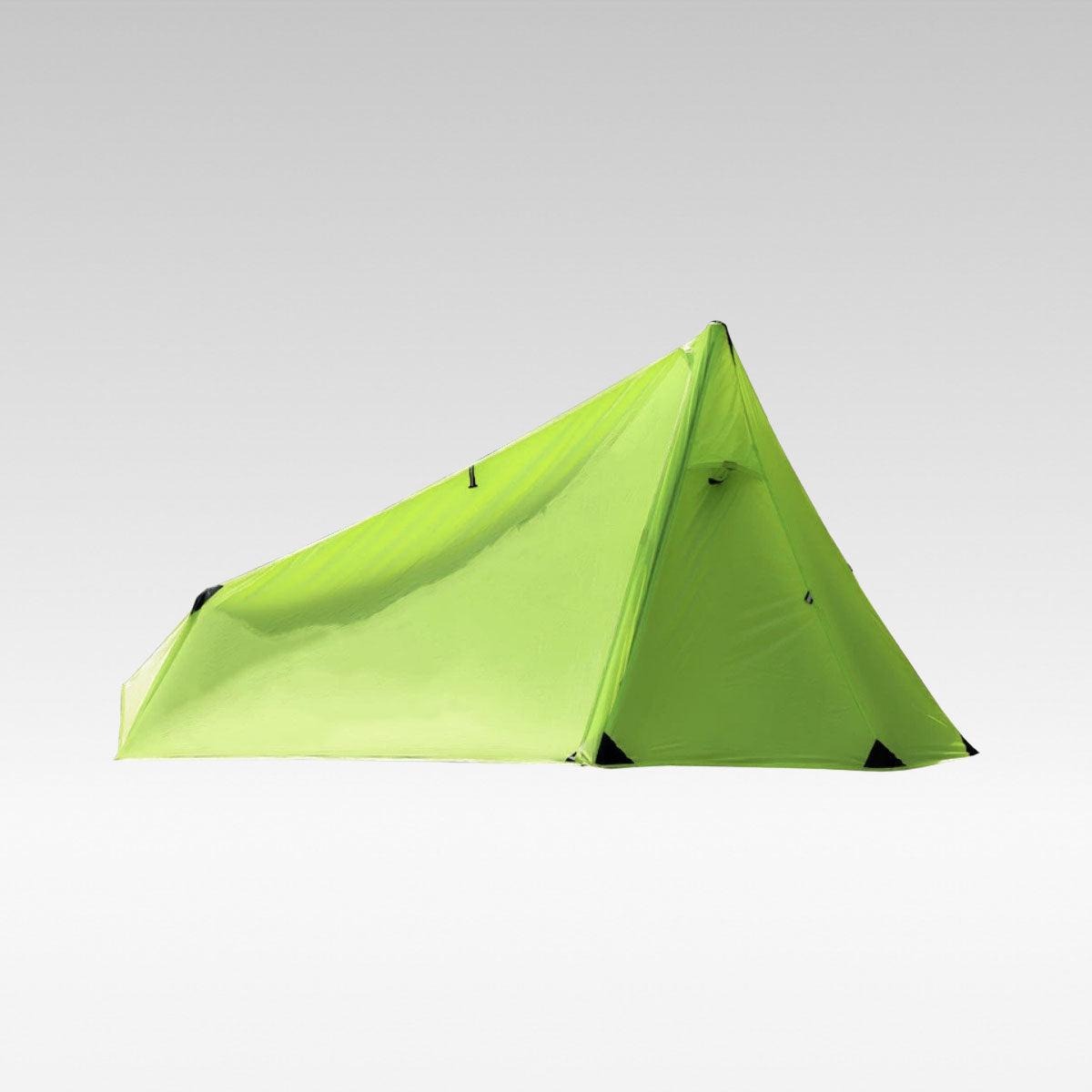
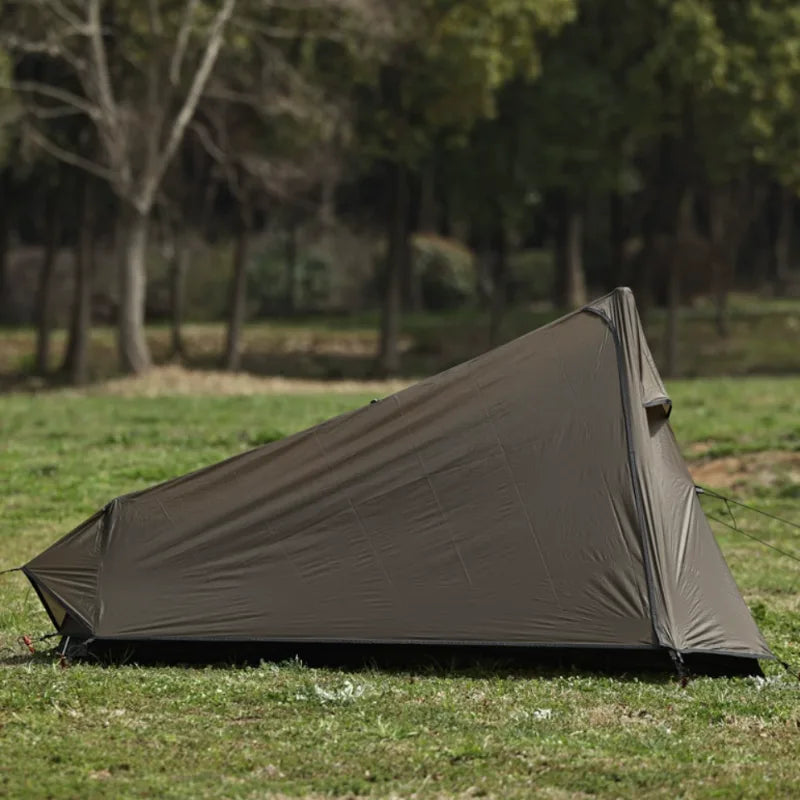
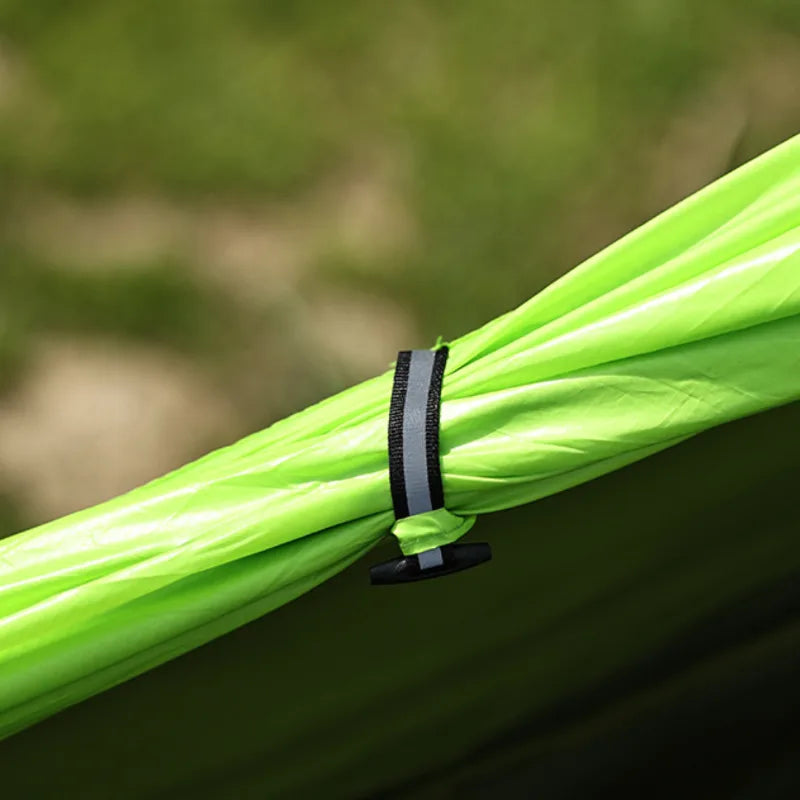
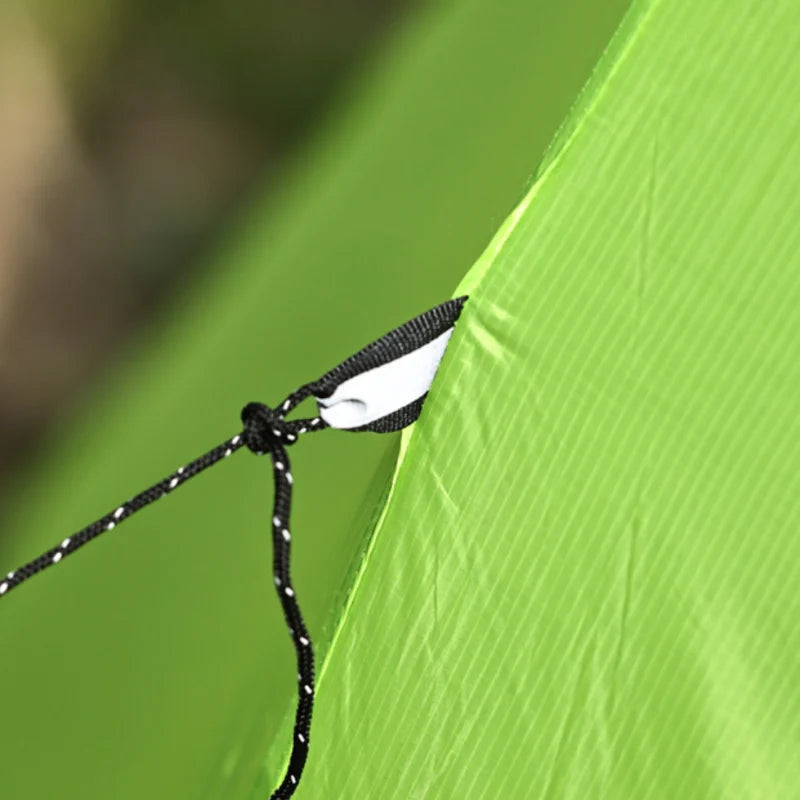
Ultralight Backpacking Tent – 1 kg 1 Person Trekking Pole Tent | Traverseon
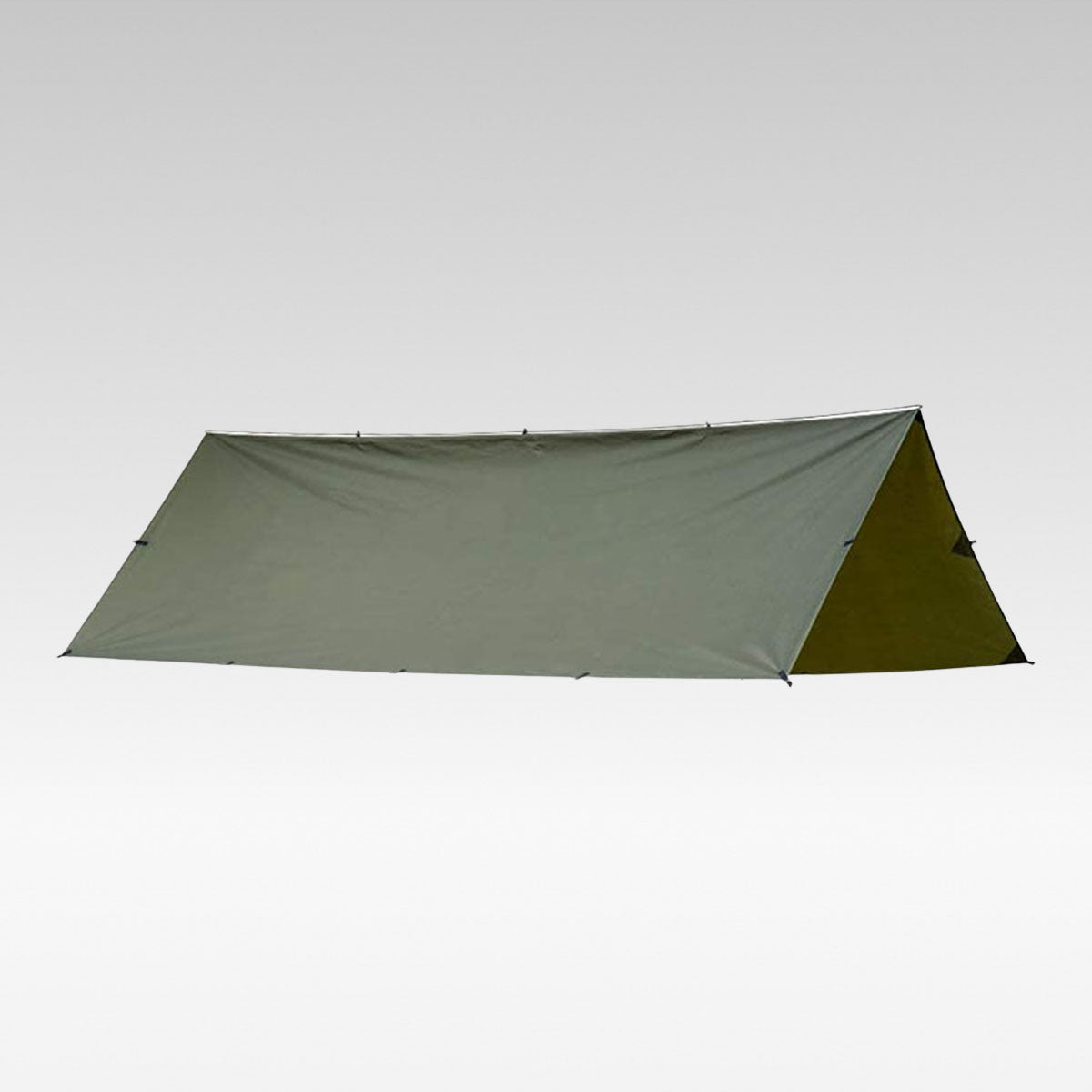
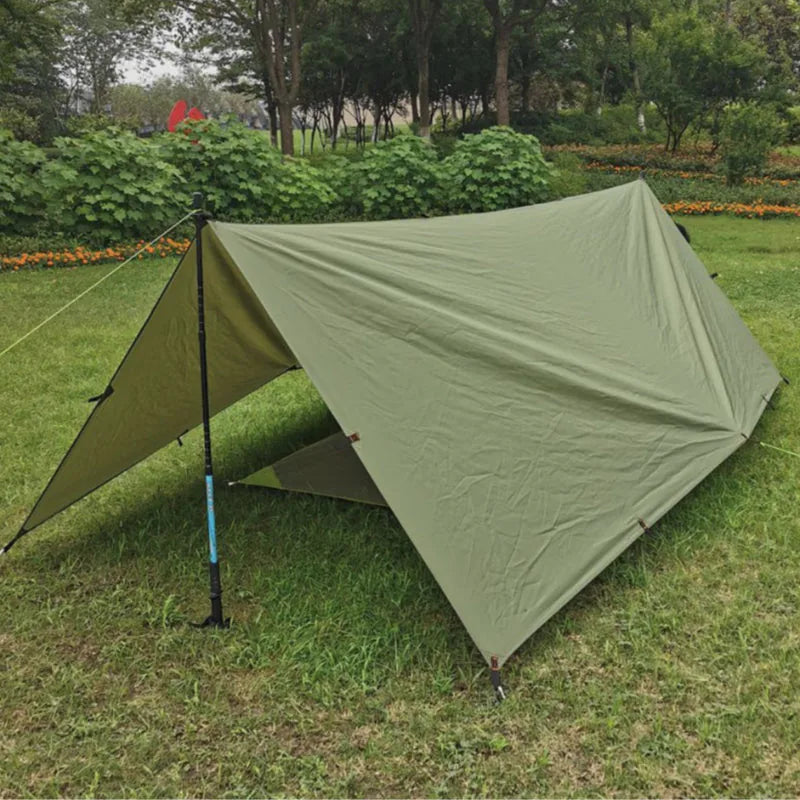
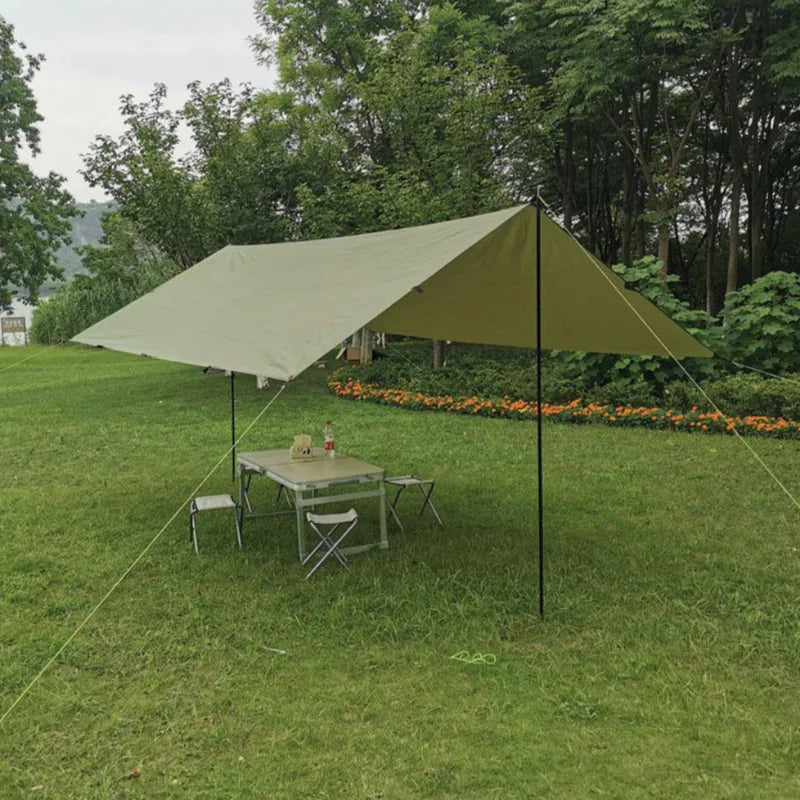
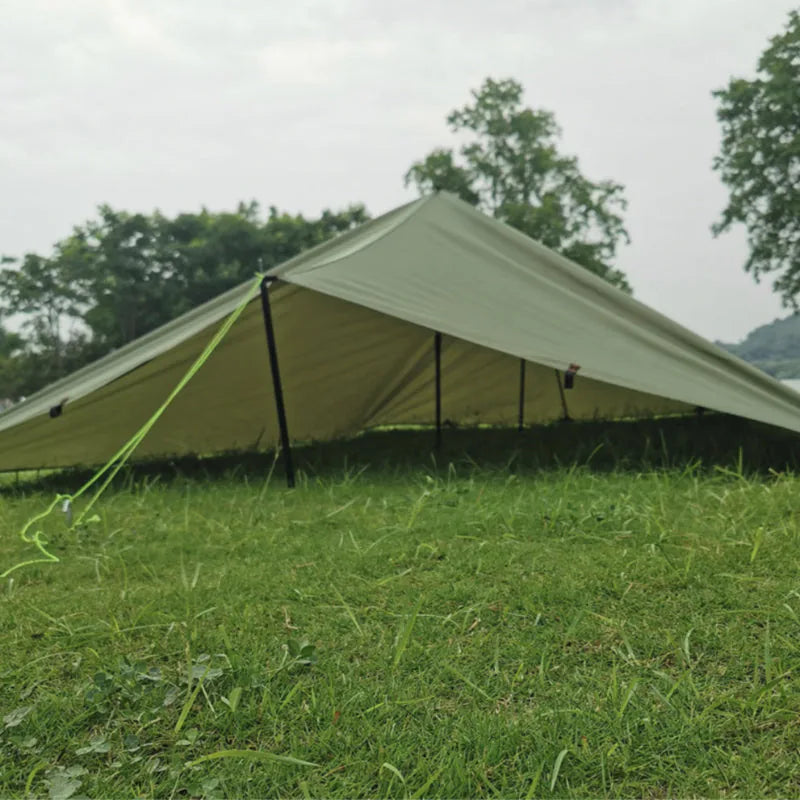
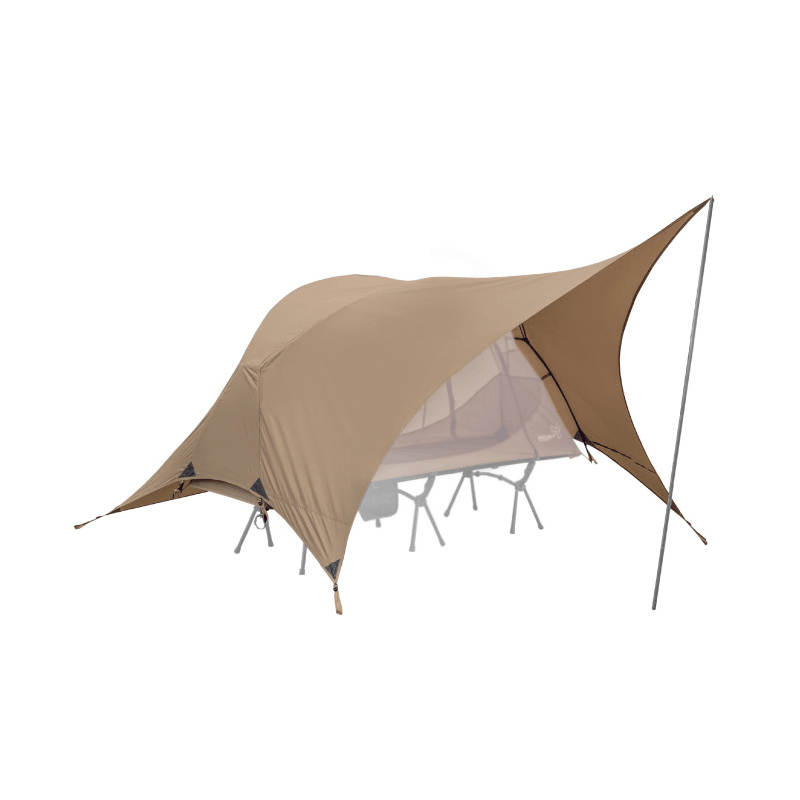
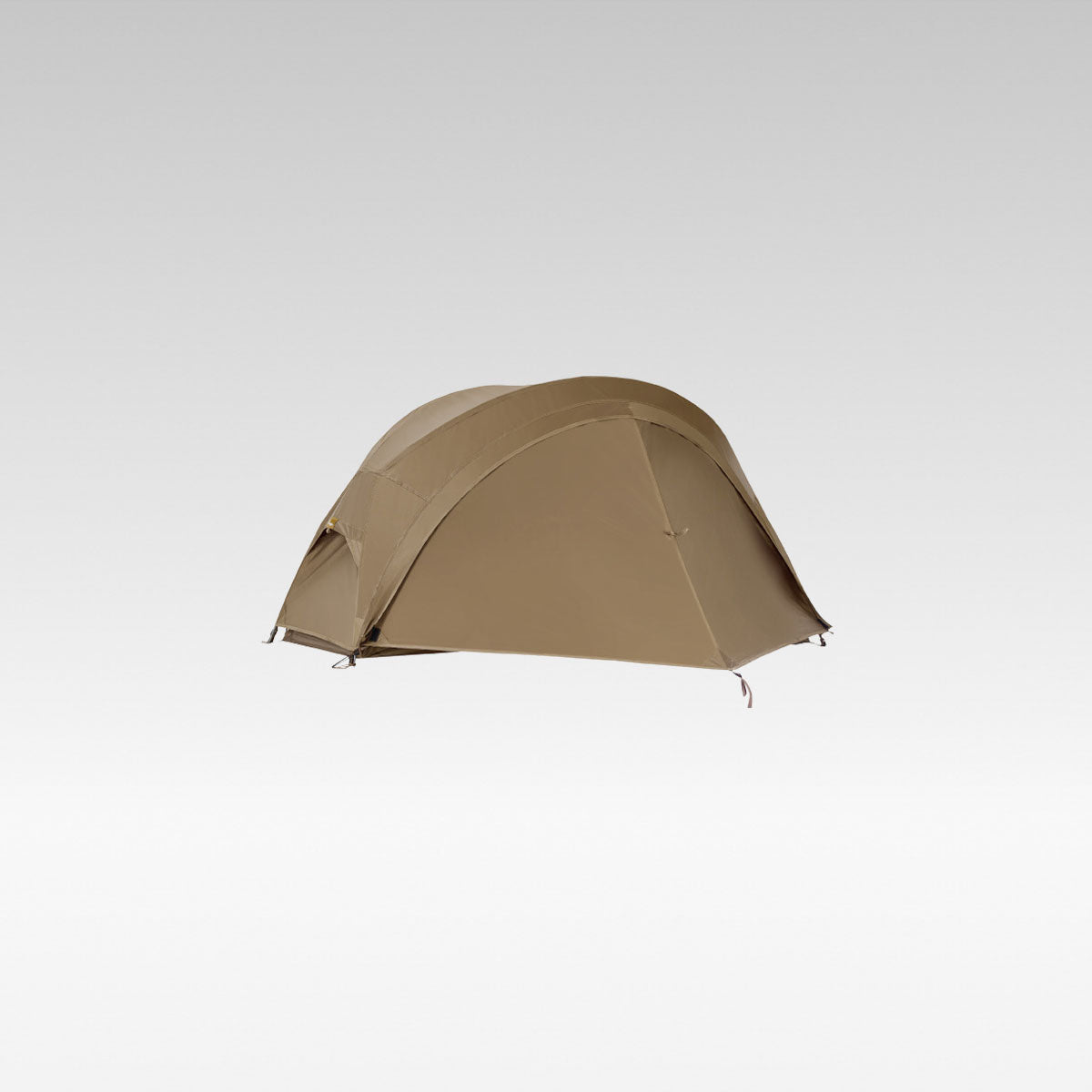
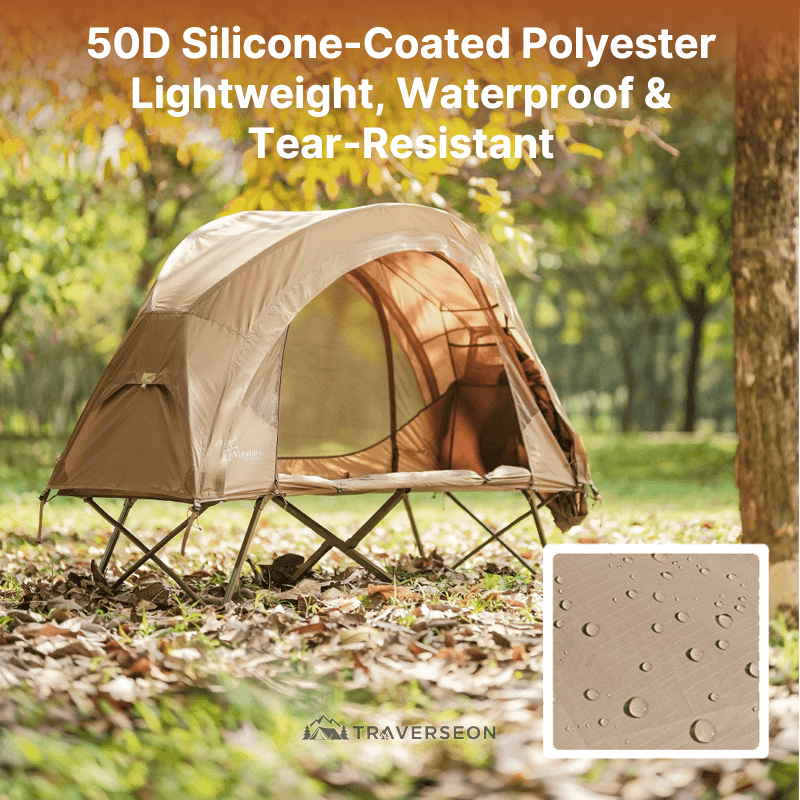
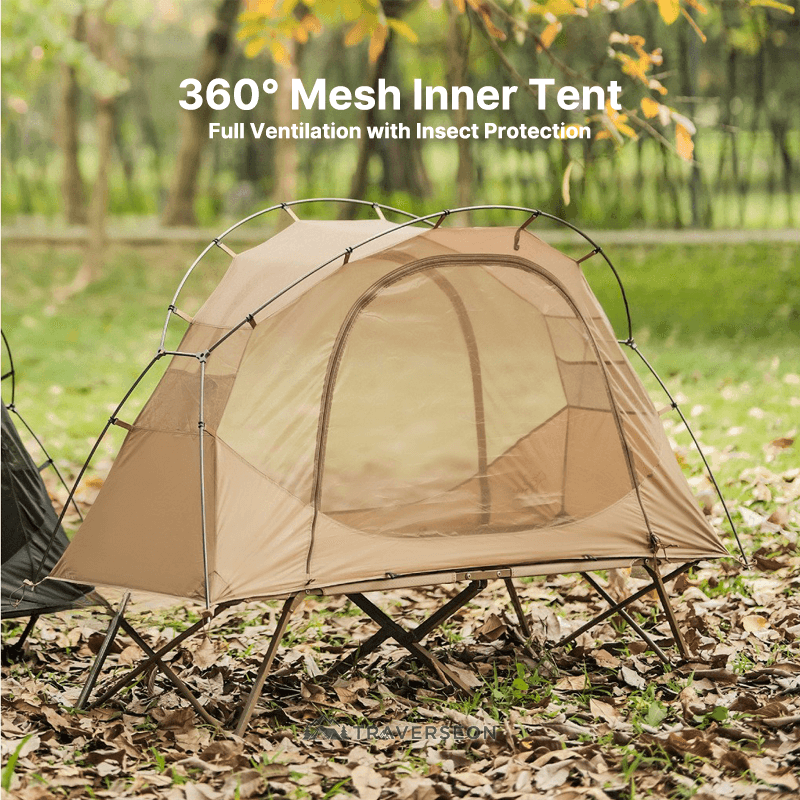
1 Person Cot Tent – 190 × 65 cm Off-Ground Camping Bivy Shelter | Traverseon
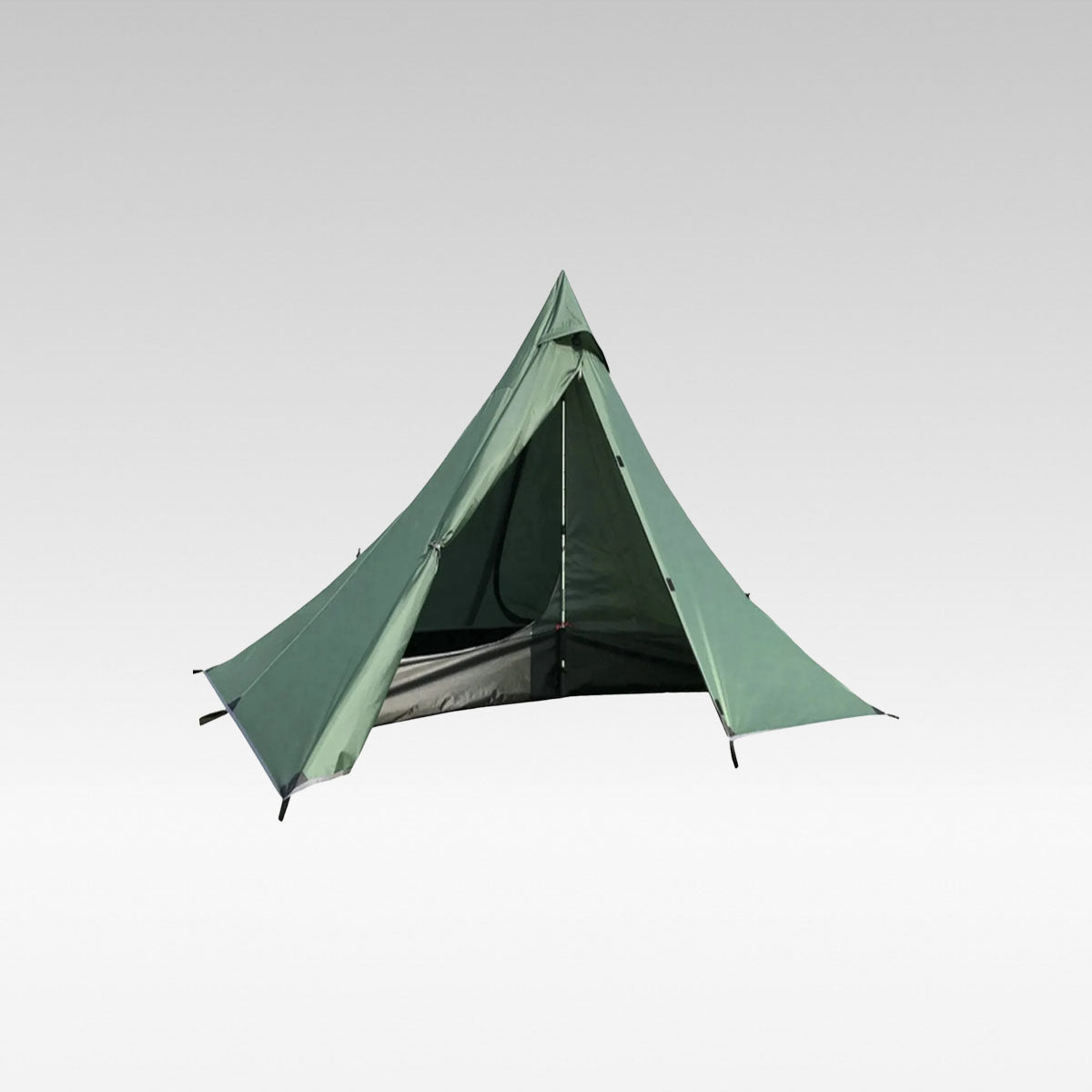
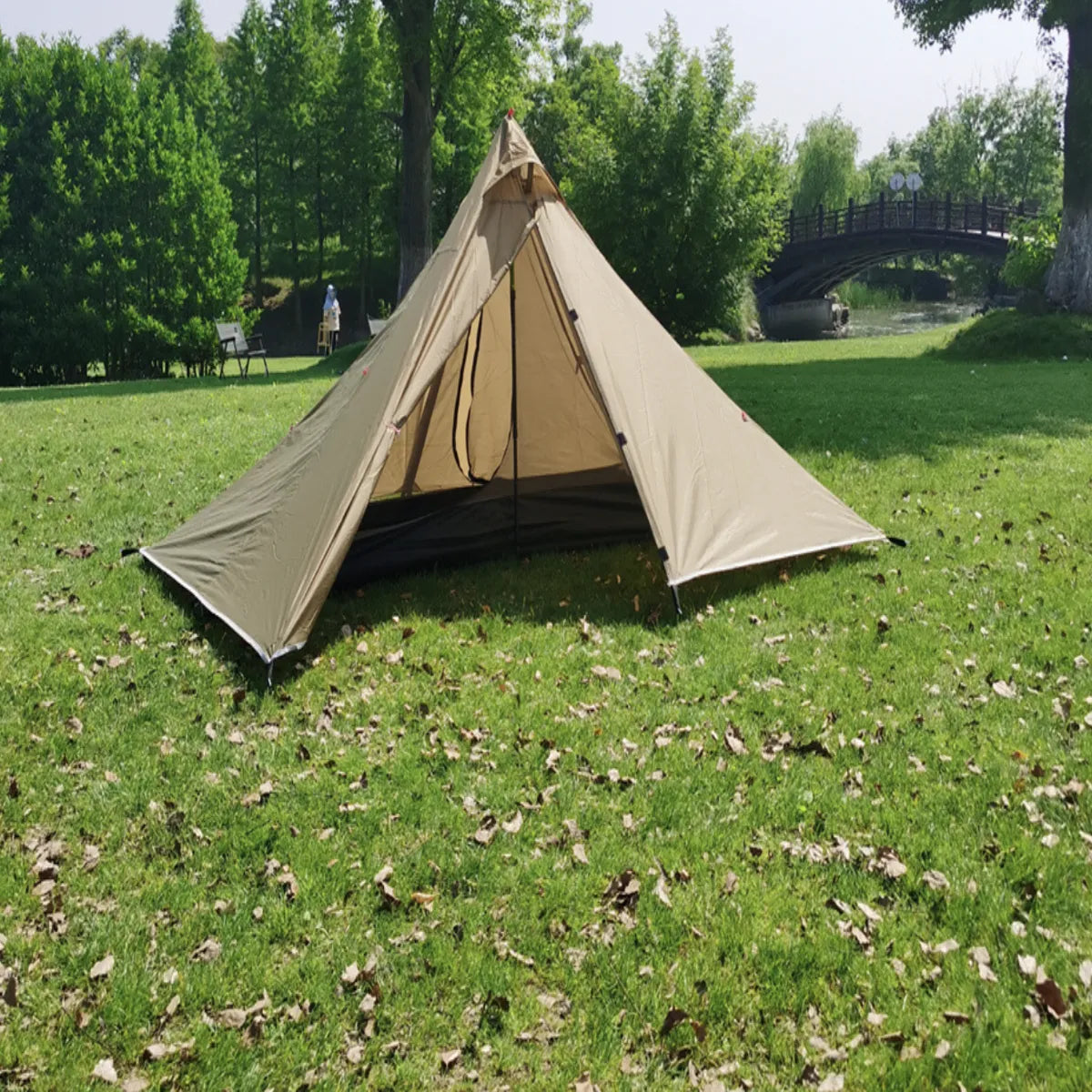
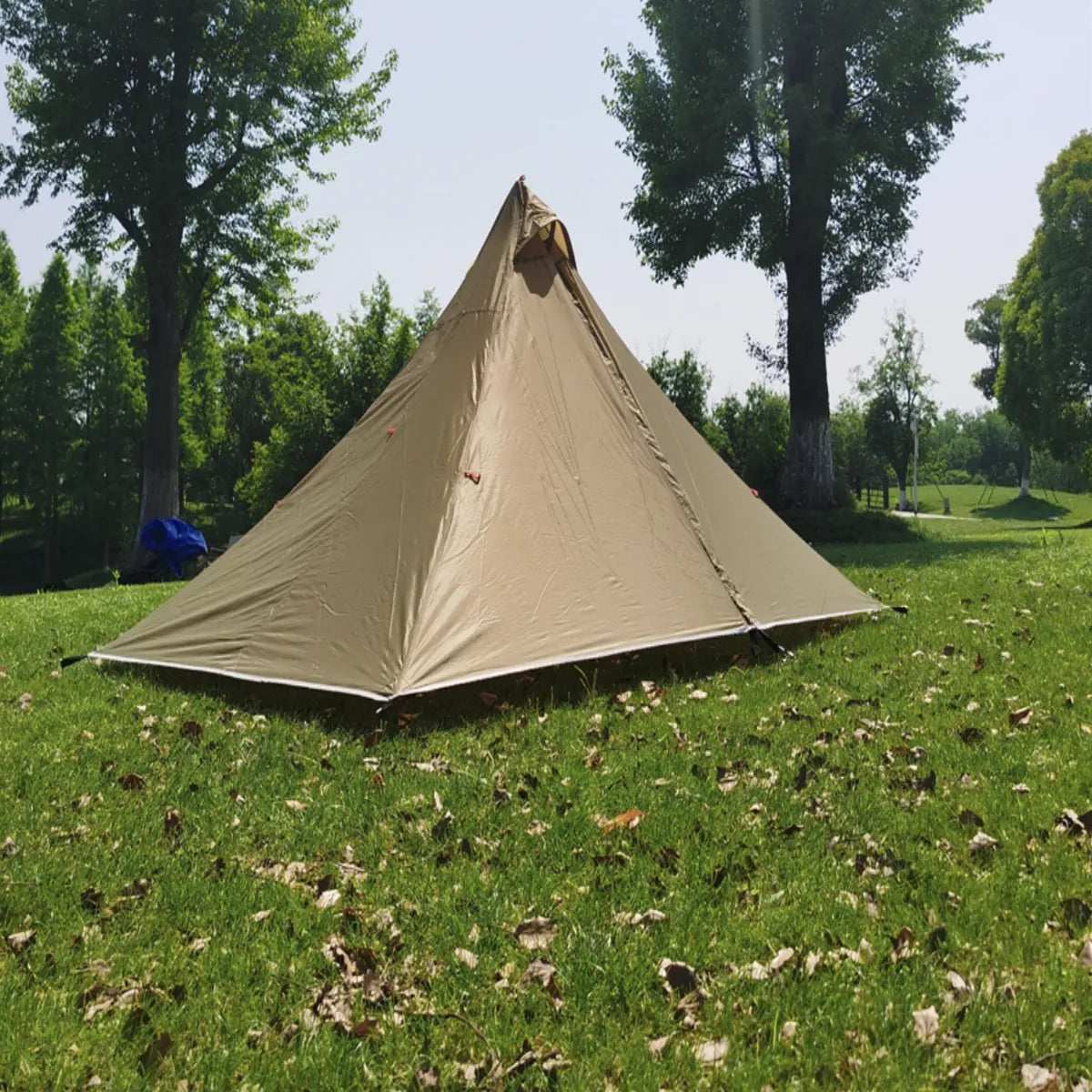
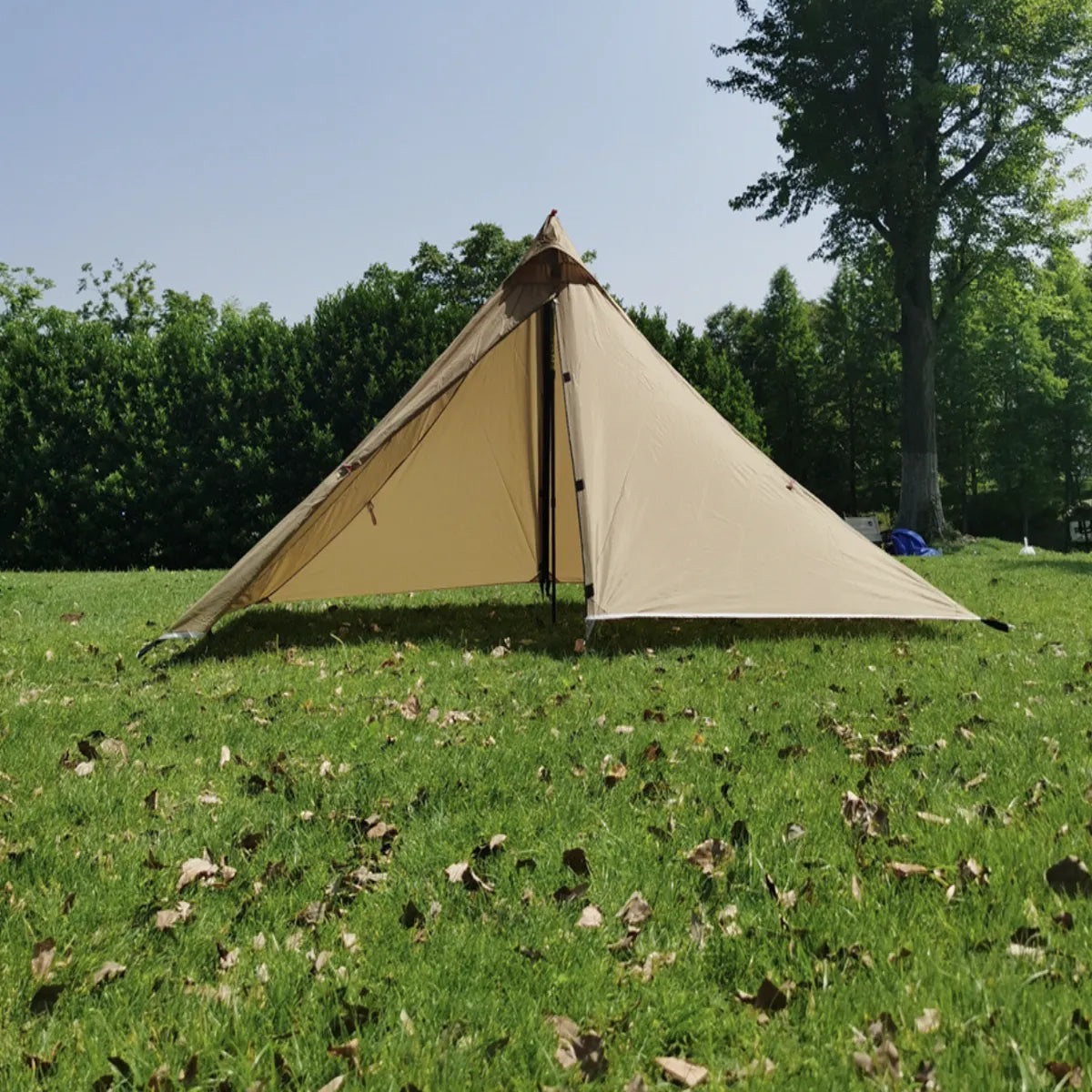
Trekking Pole Tent – 1–2 Person Ultralight Pyramid Backpacking Tent | Traverseon
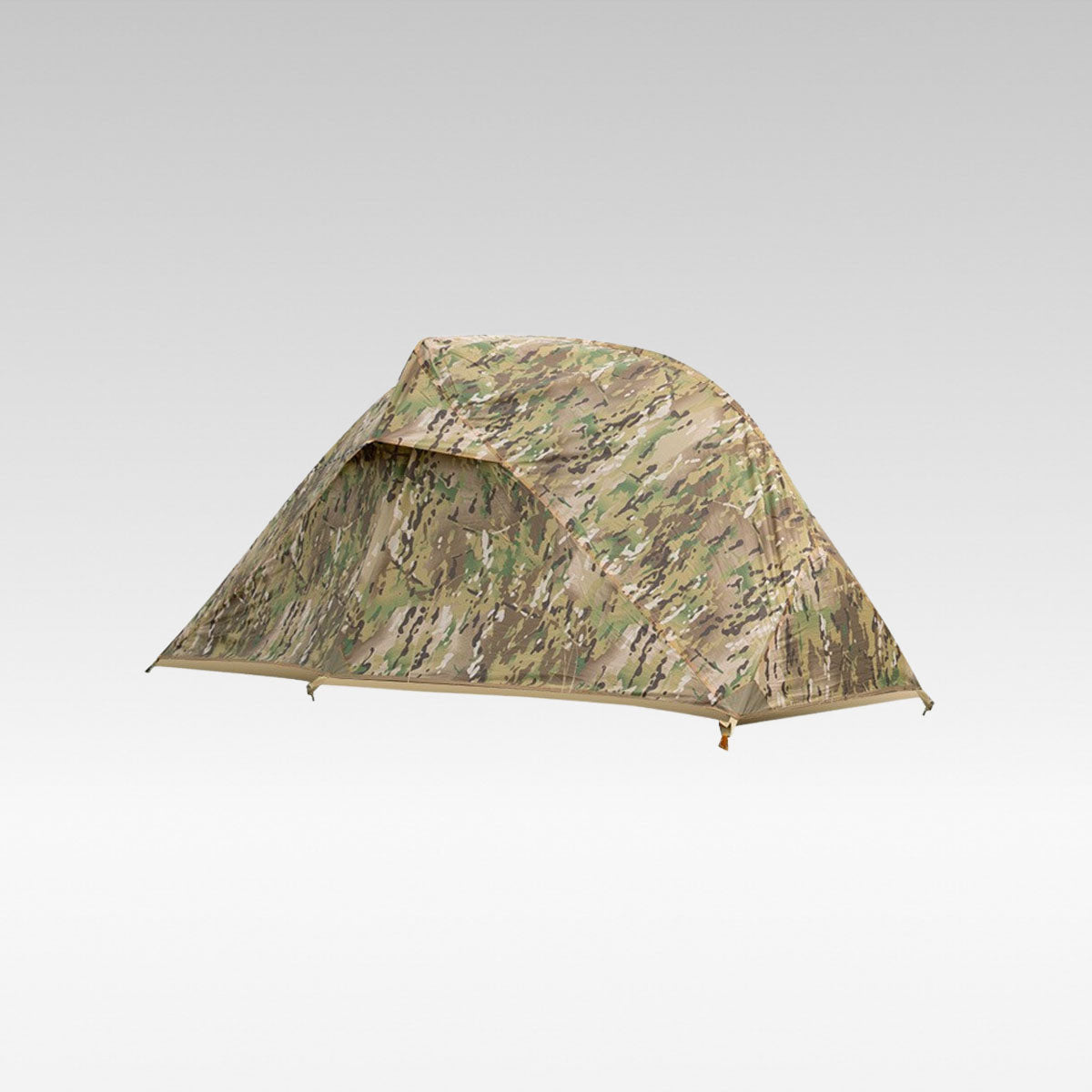
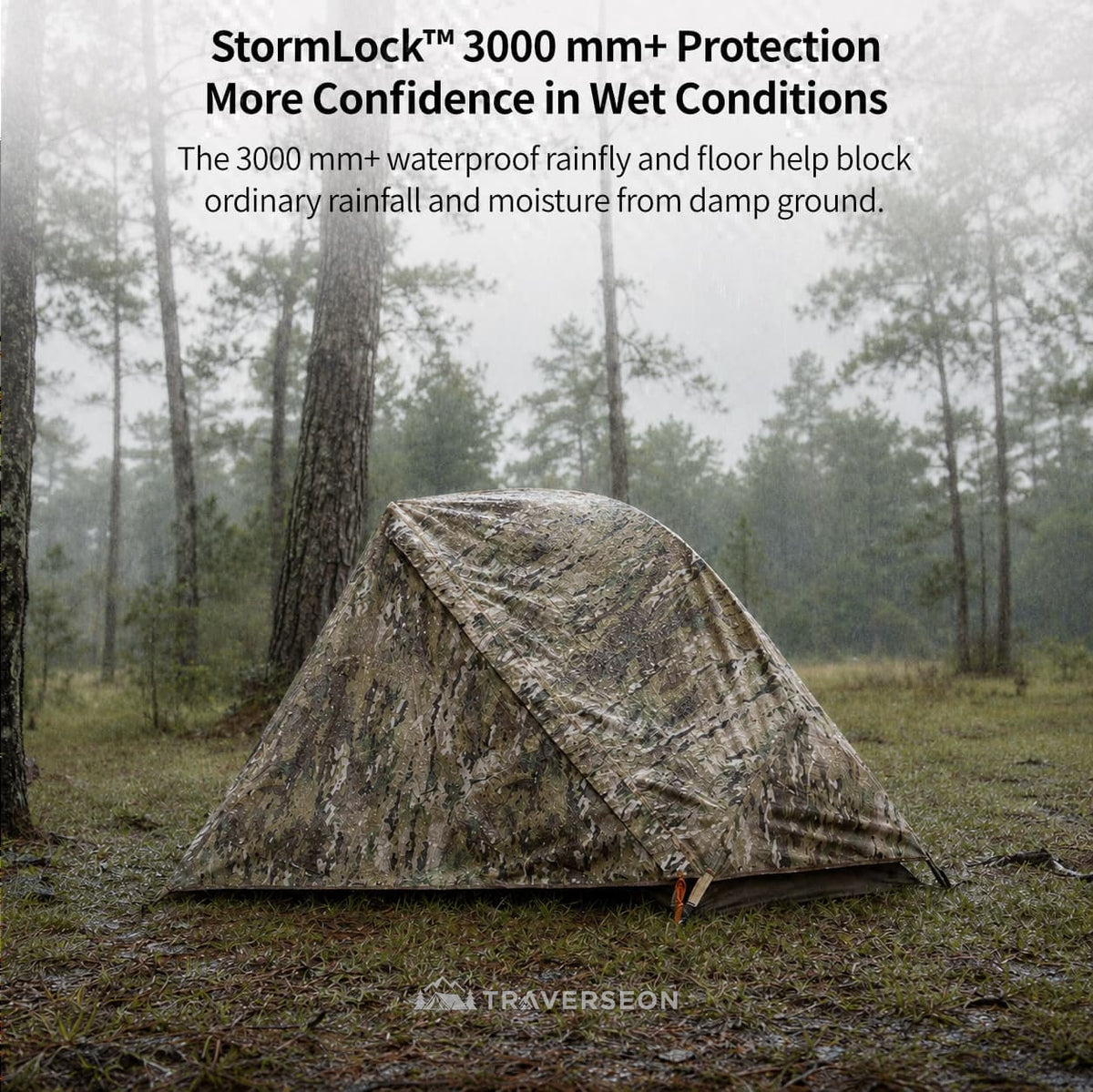
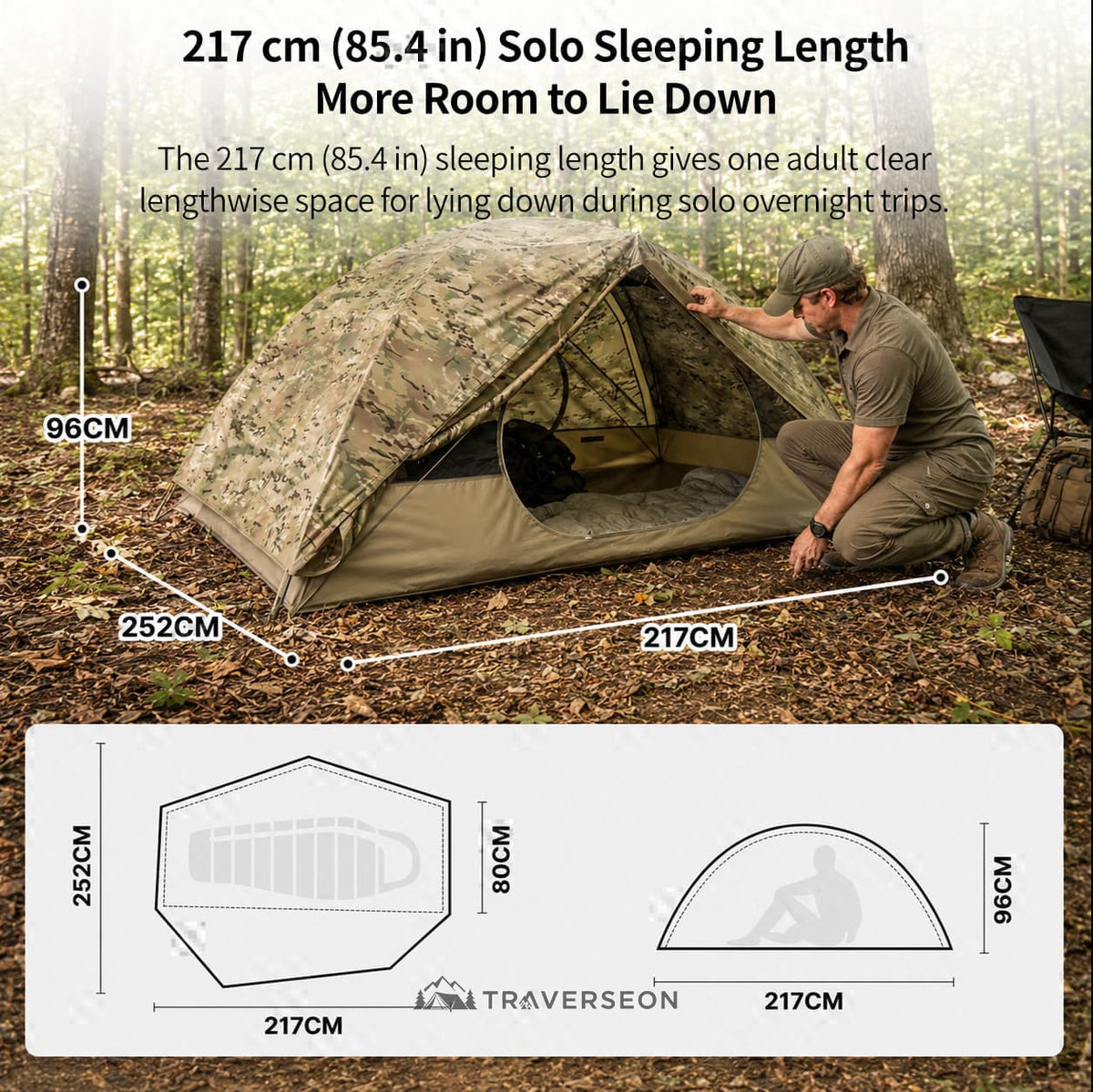
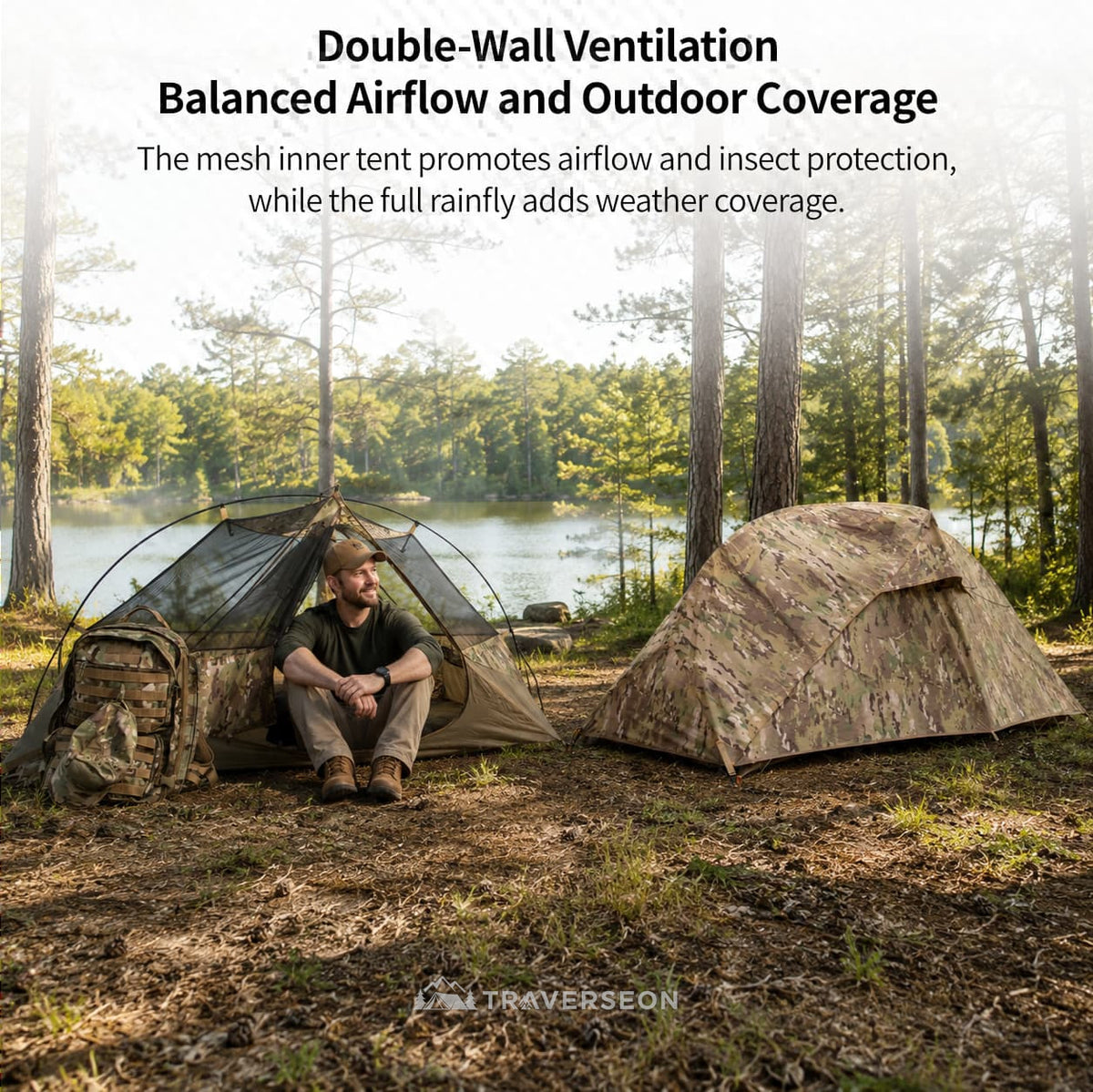
1 Person Backpacking Tent – 4 lb, 3000mm+ Waterproof Double-Wall | Traverseon
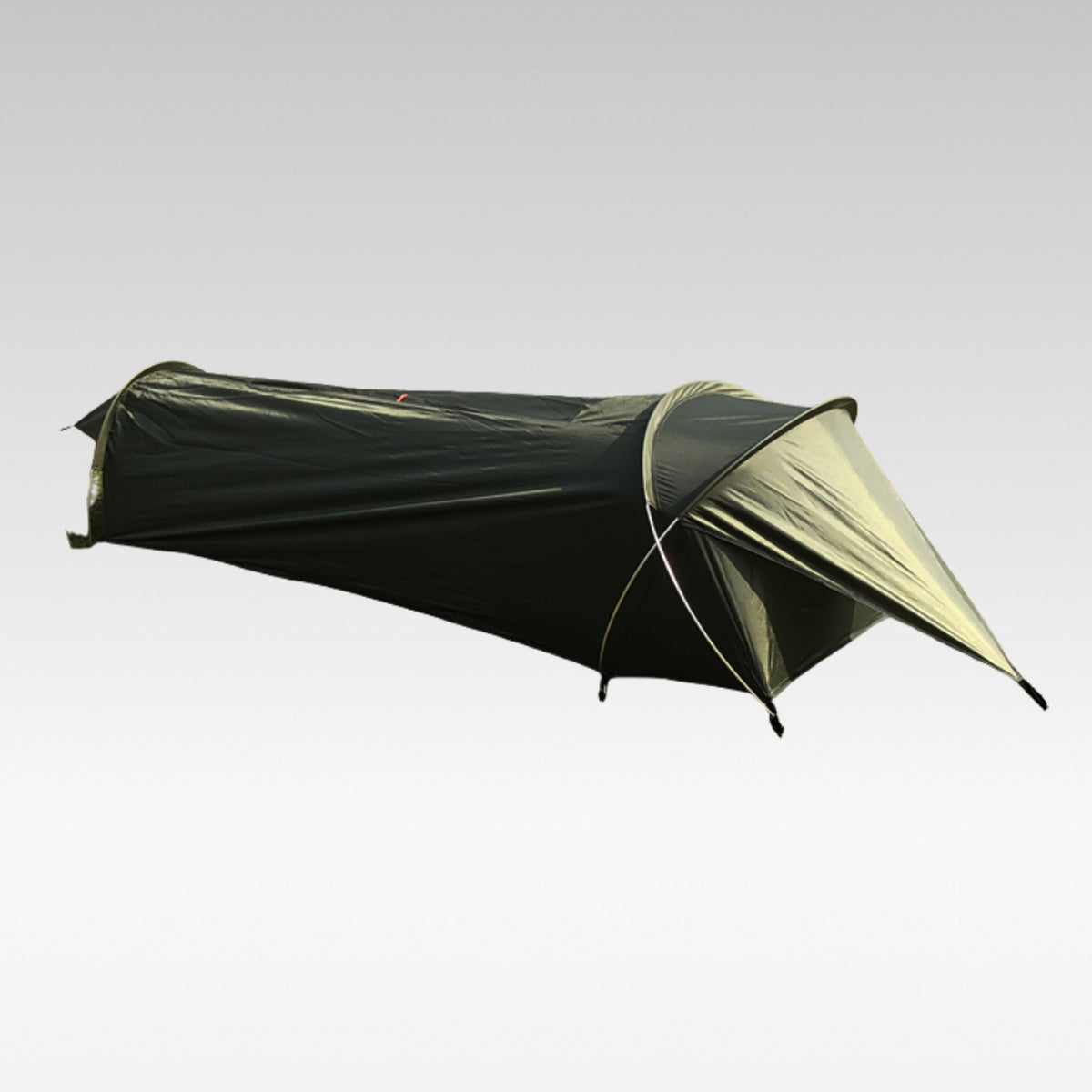
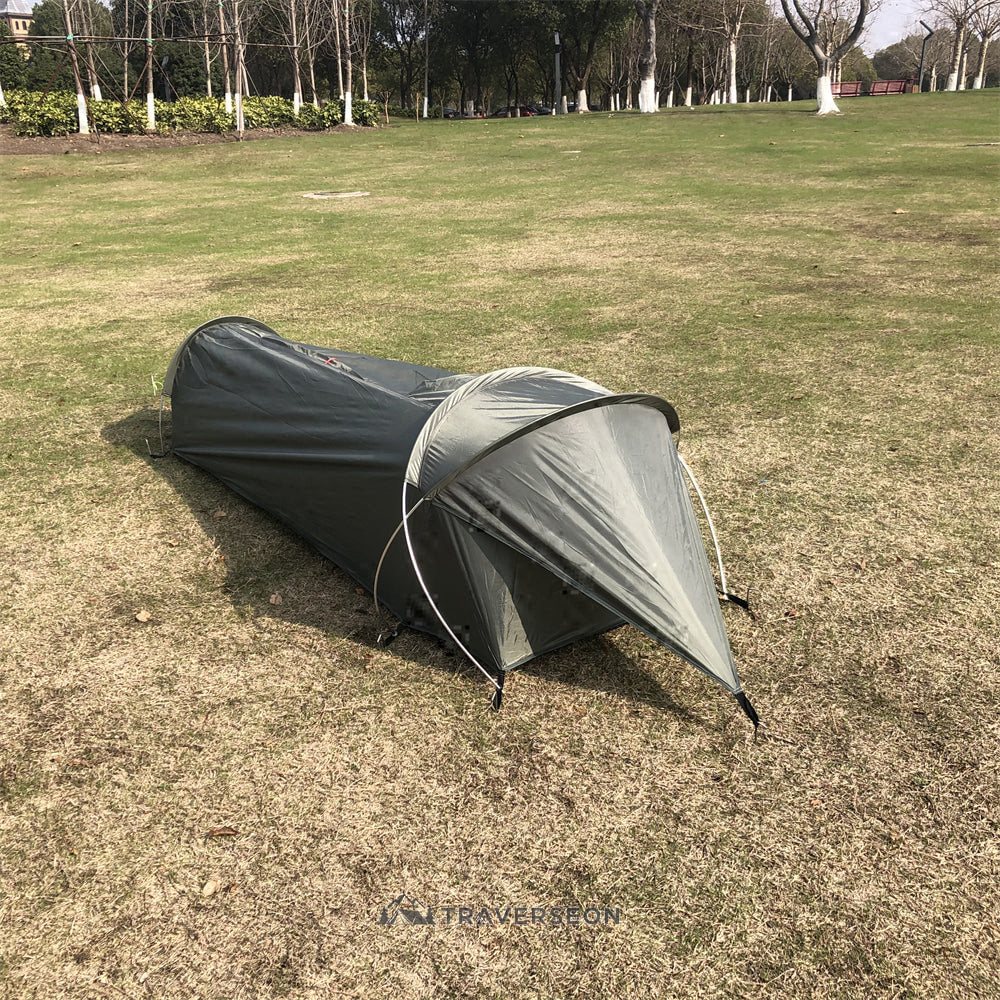
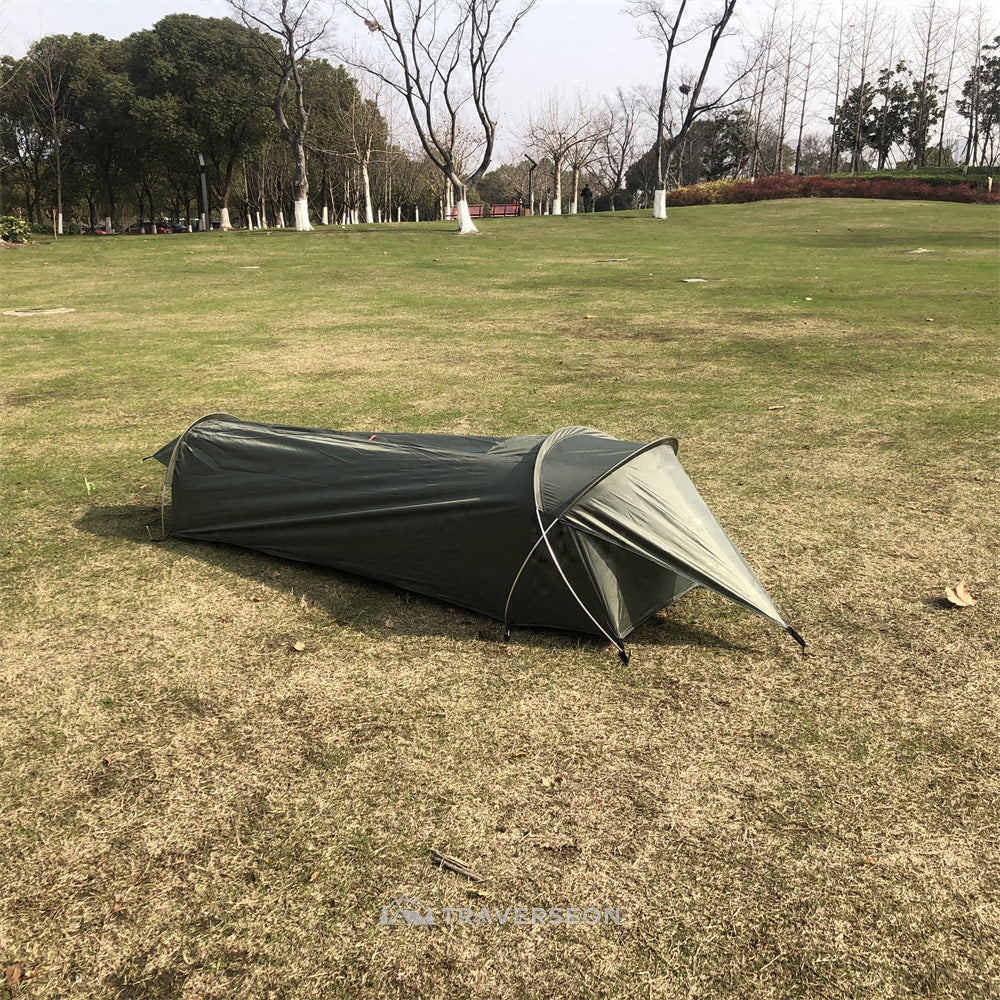
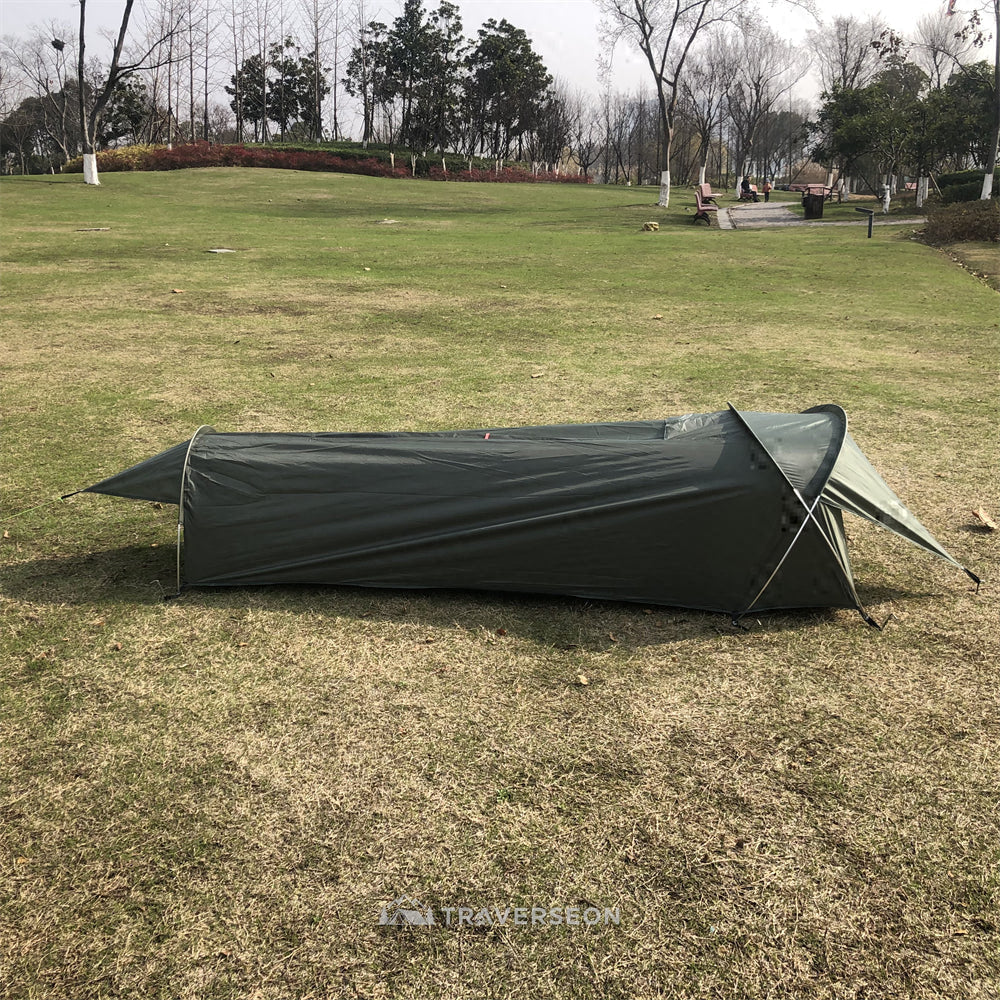
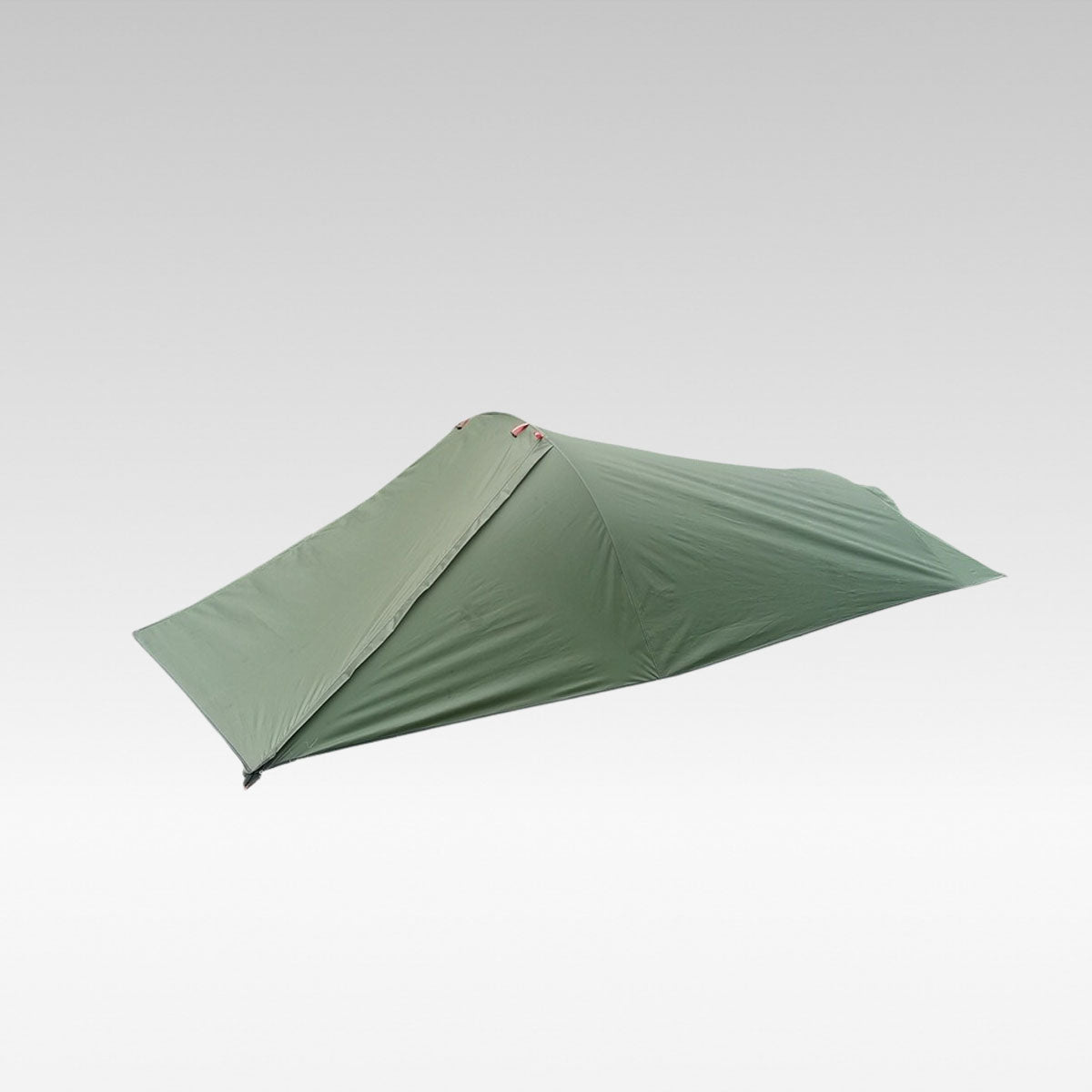
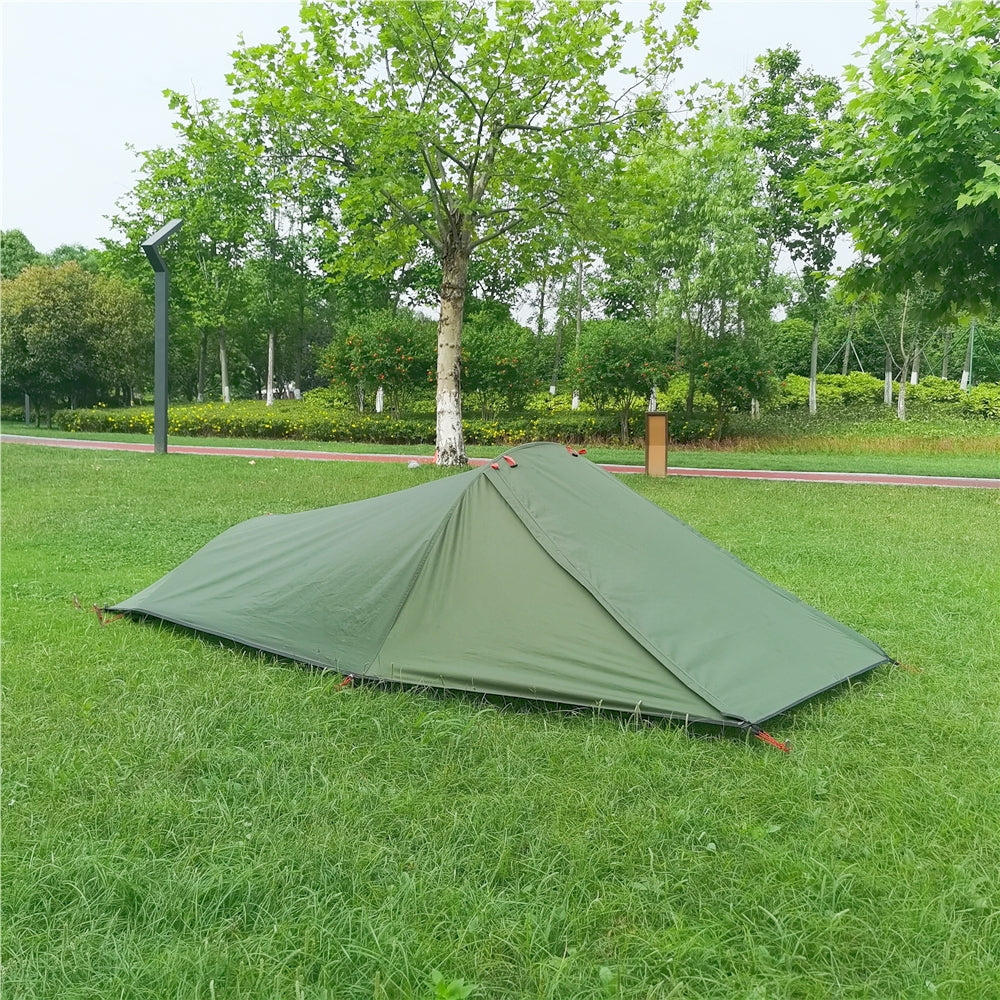
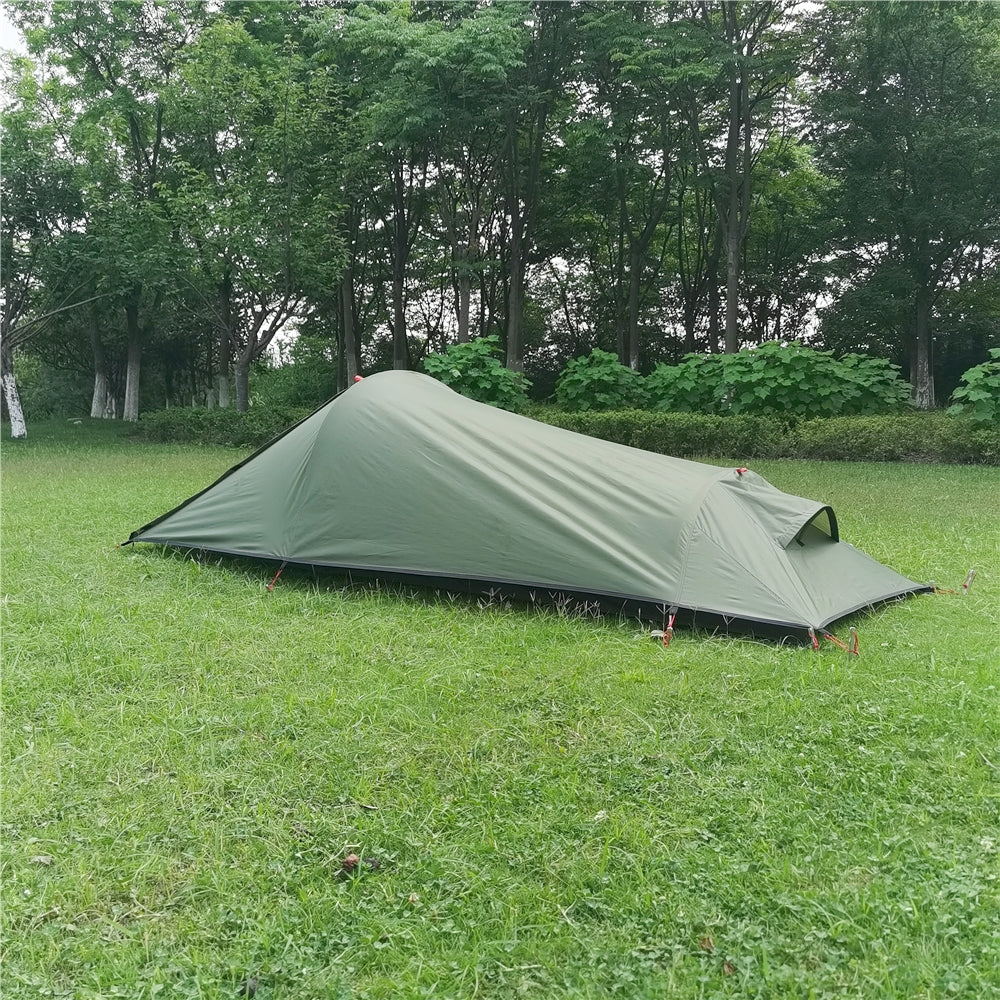
1 Person Backpacking Tent – 1 kg Ultralight Waterproof Bivy Tent | Traverseon
Ultralight 1P Backpacking Tent — 1.35 kg, Stealth Design, 4-Season Universal, Wind and Rainproof
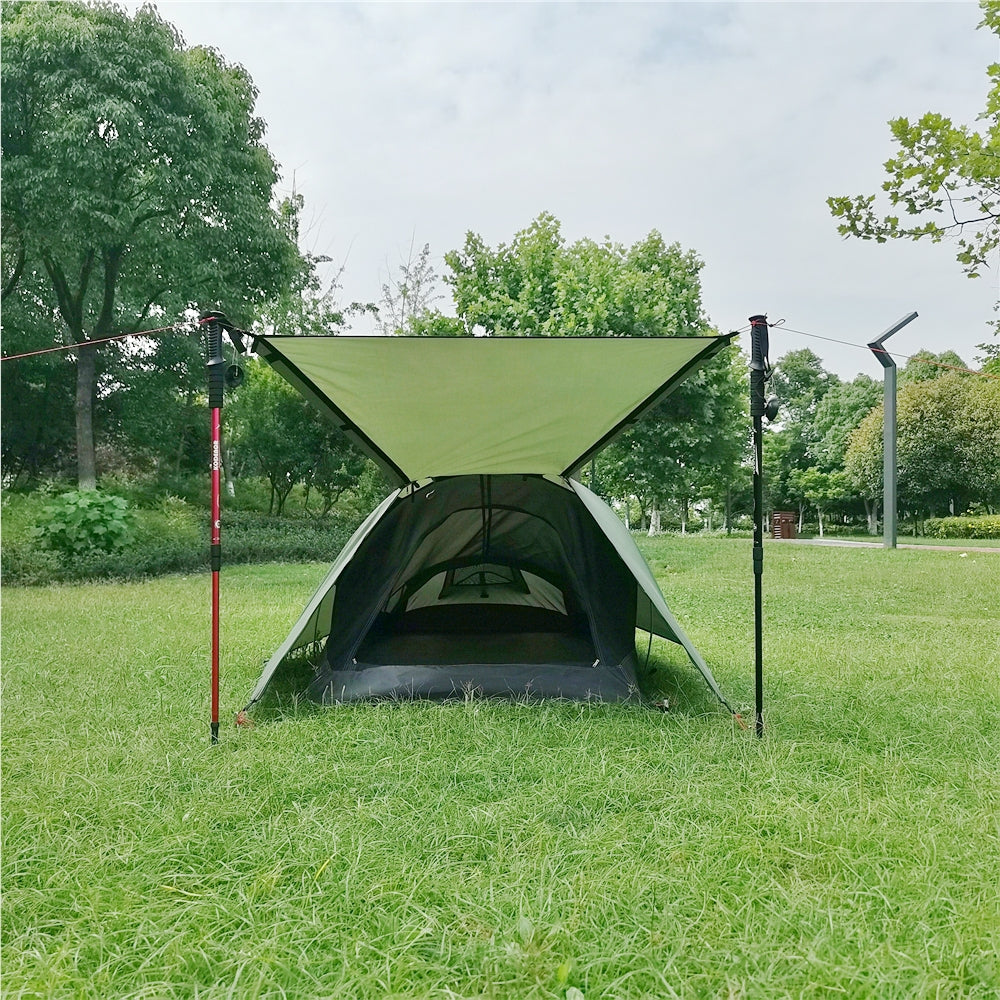
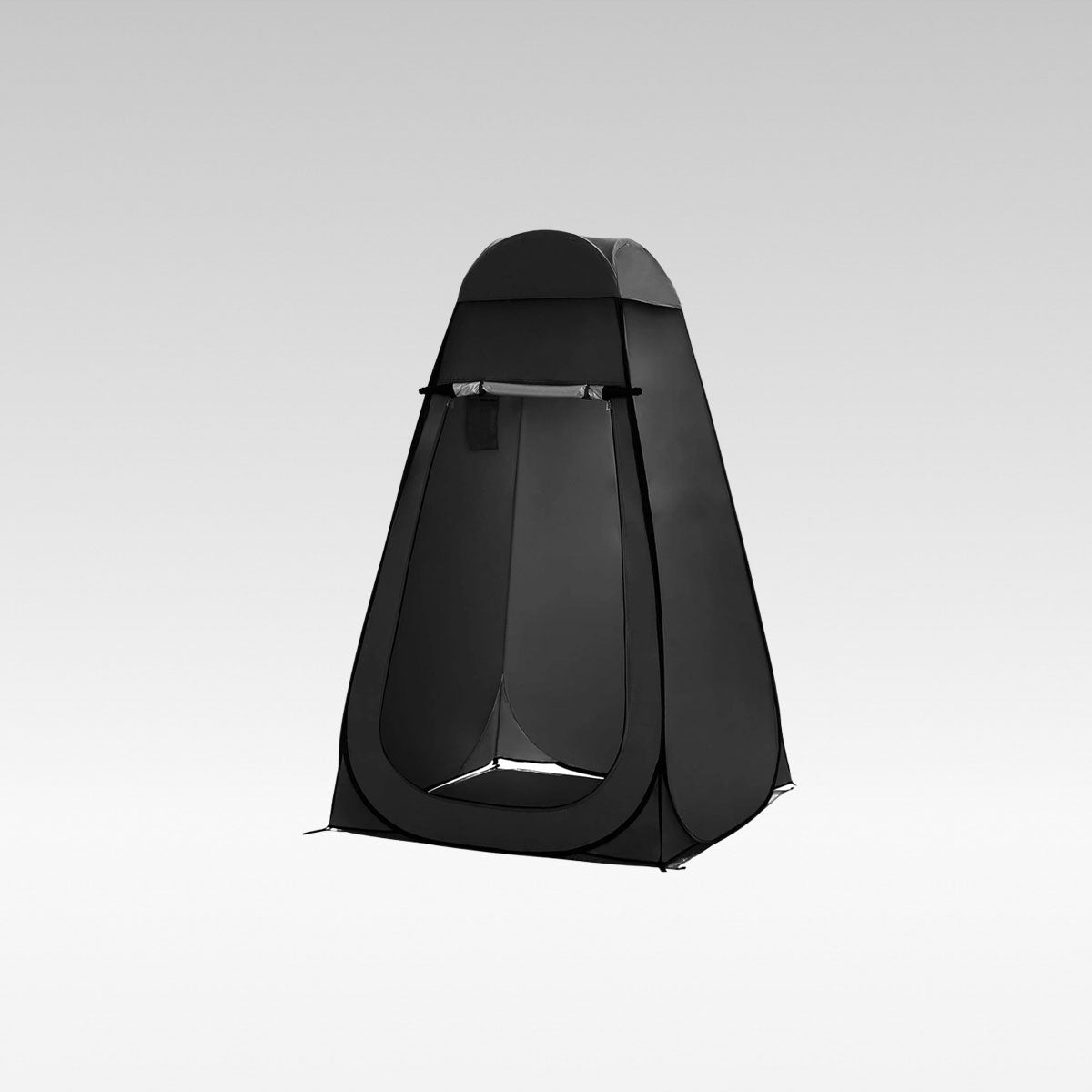
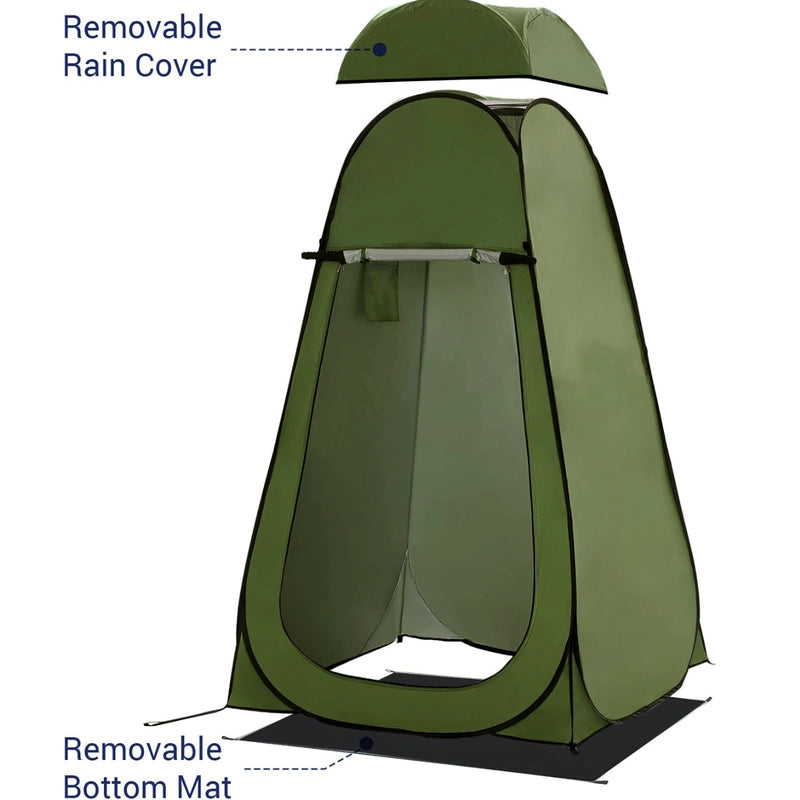
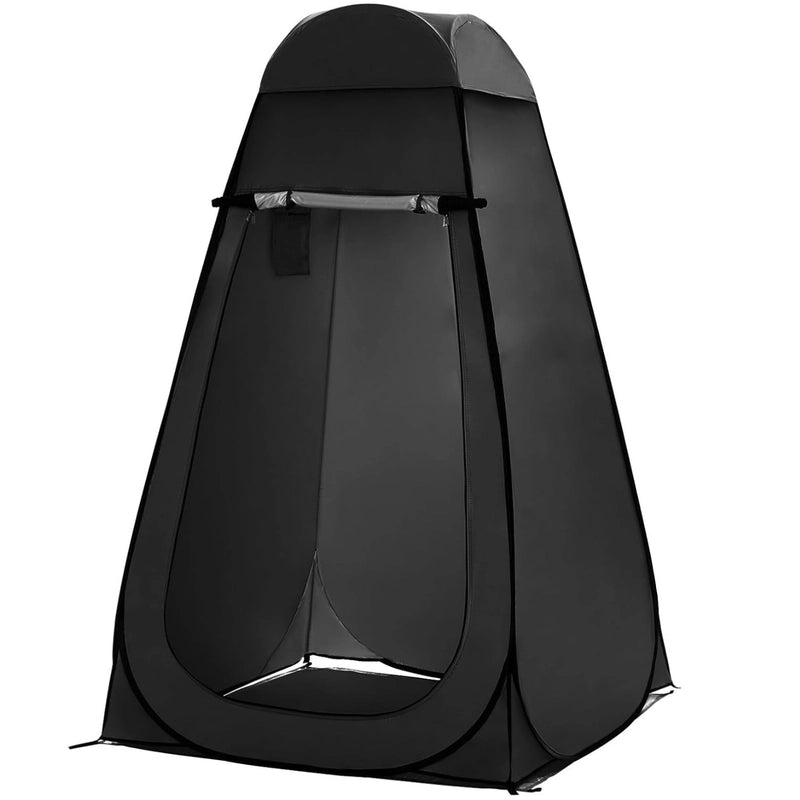
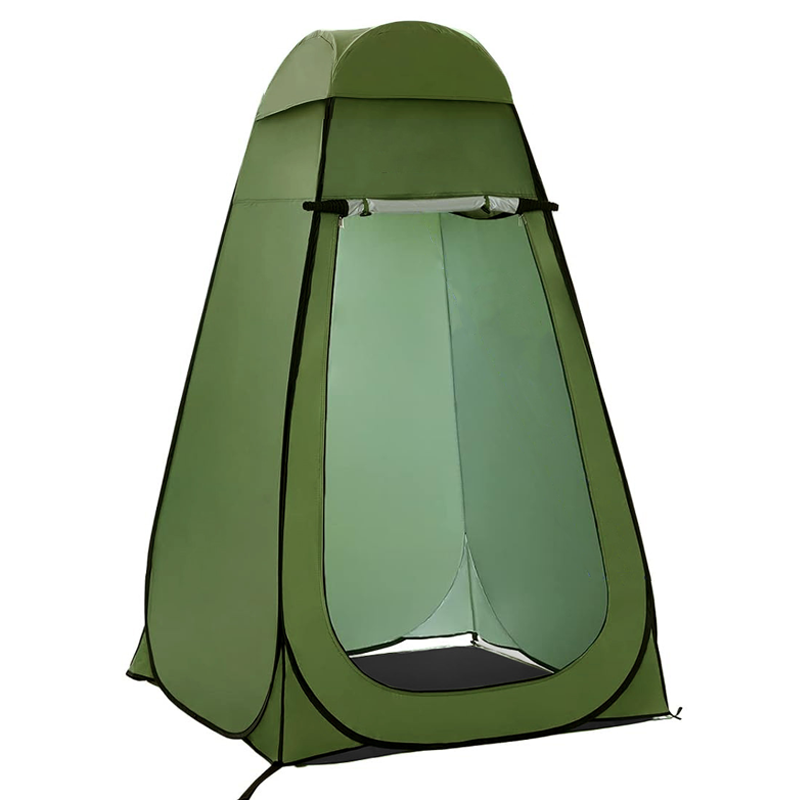
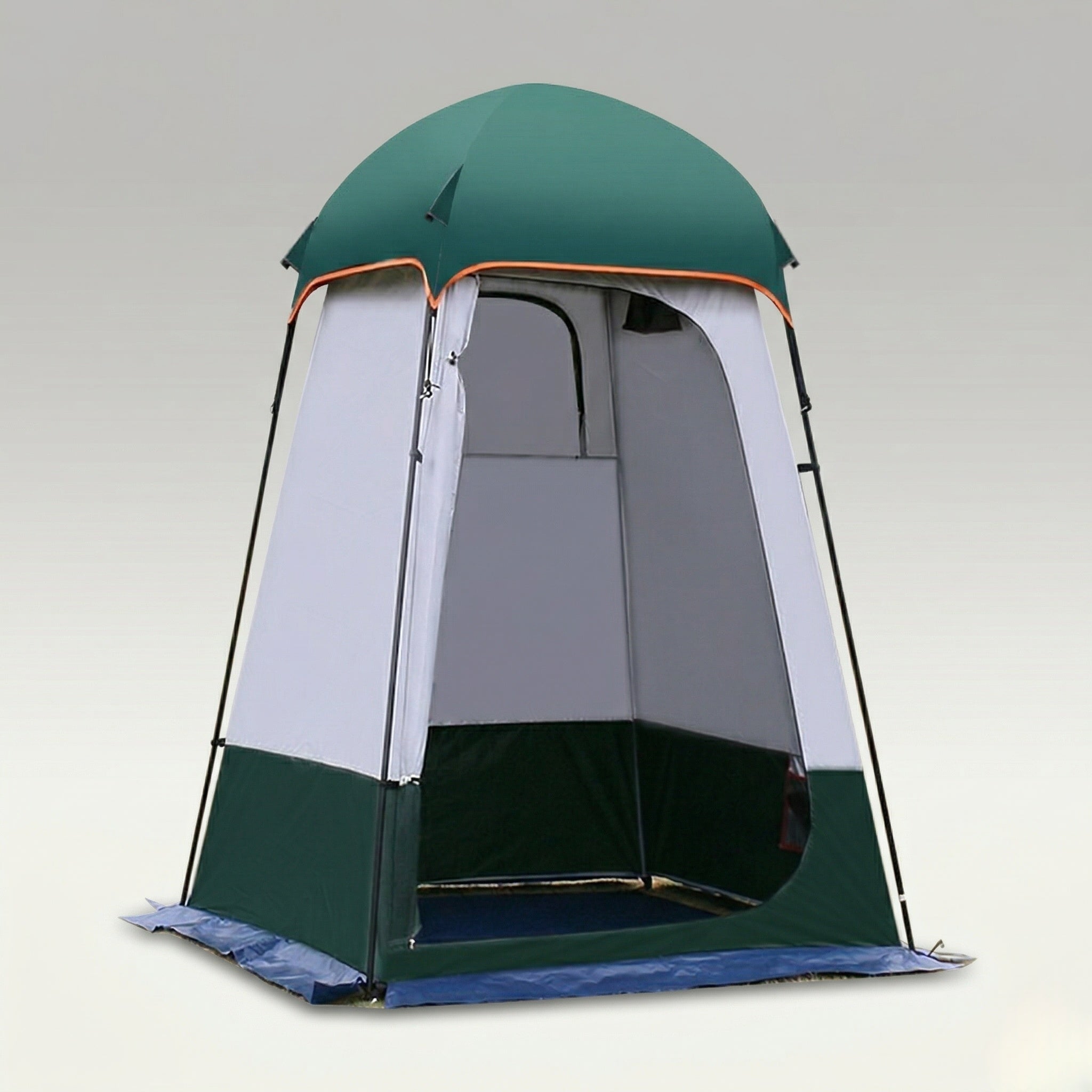
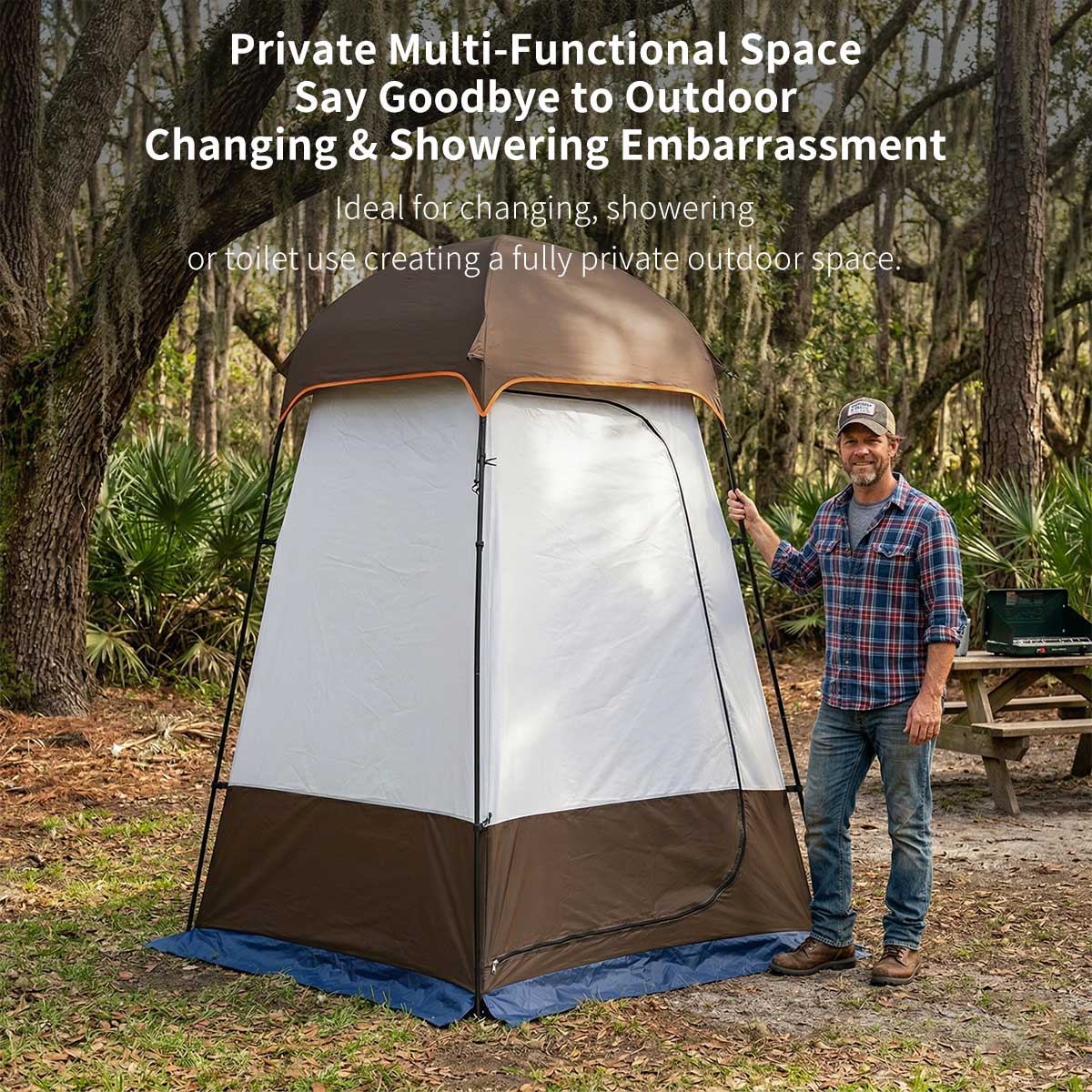
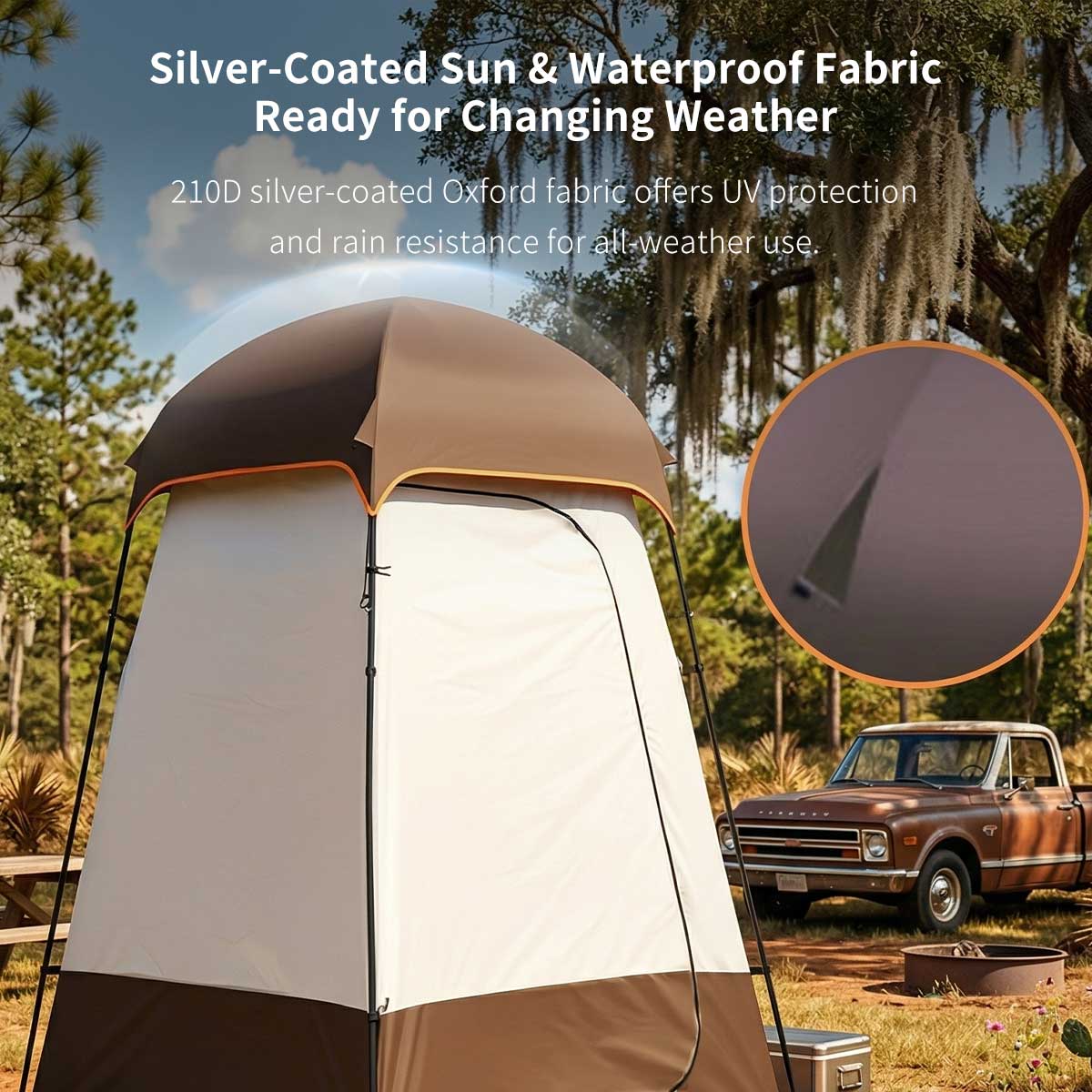
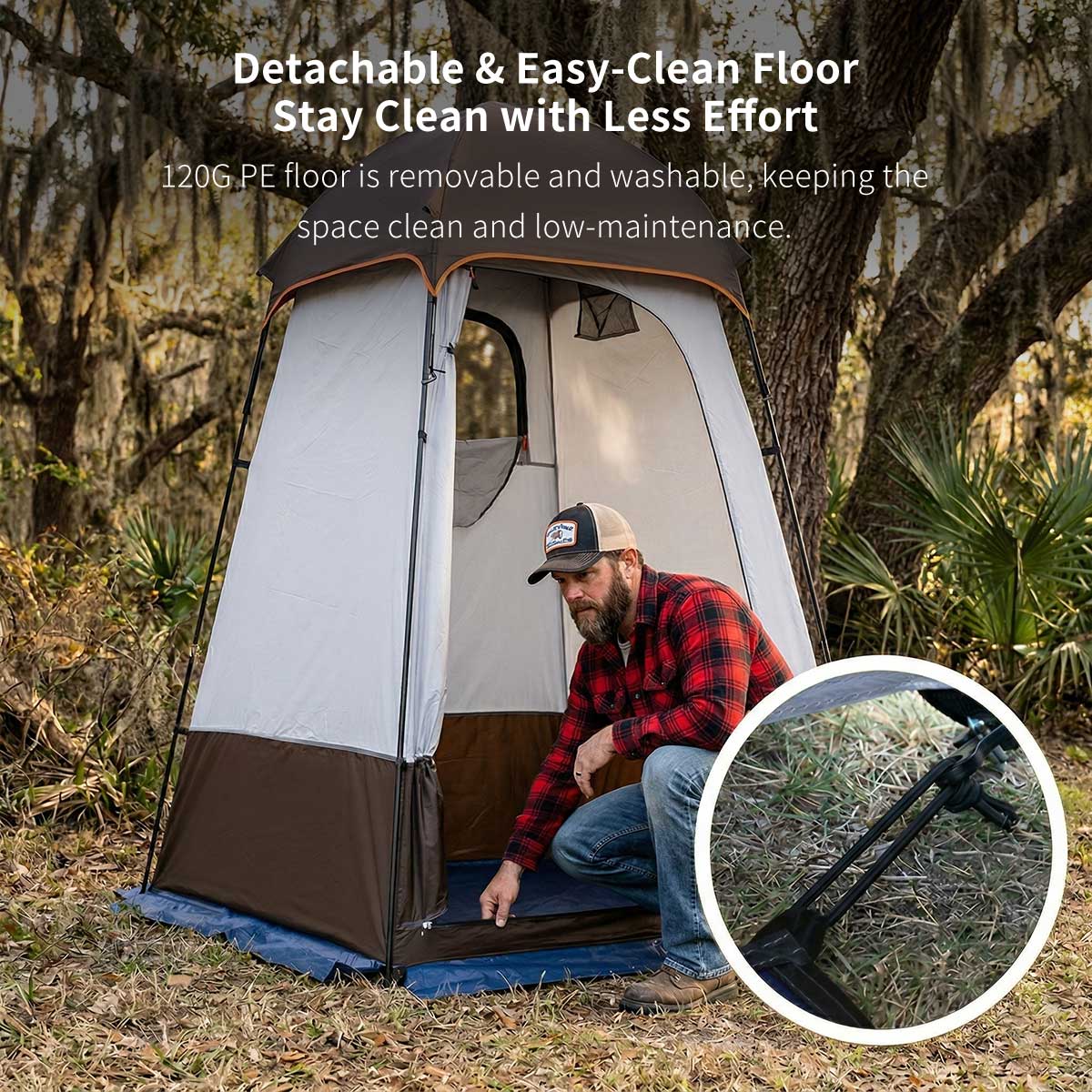
Pop Up Shower Tent – 2-Second Privacy Tent for Camping & Changing | Traverseon
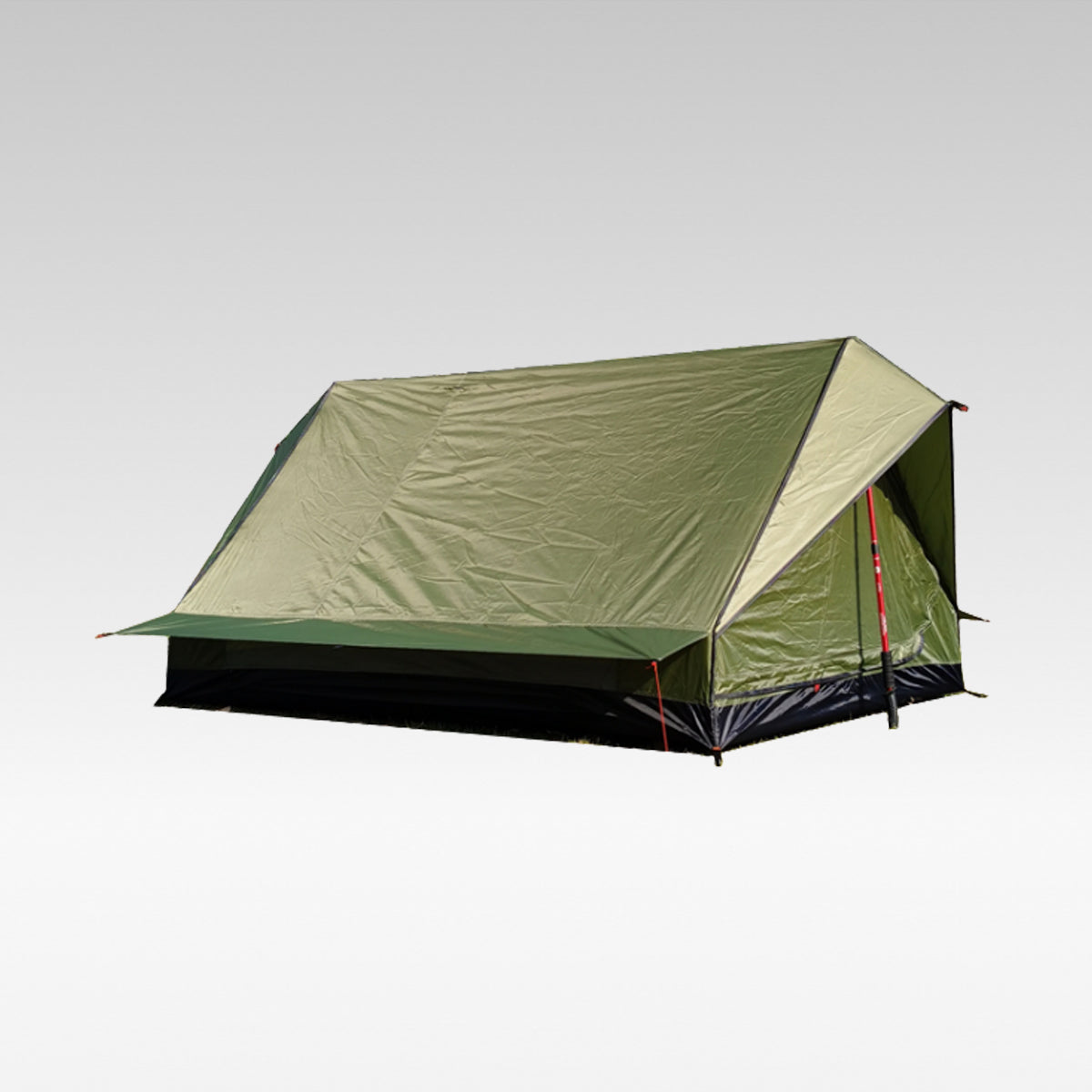
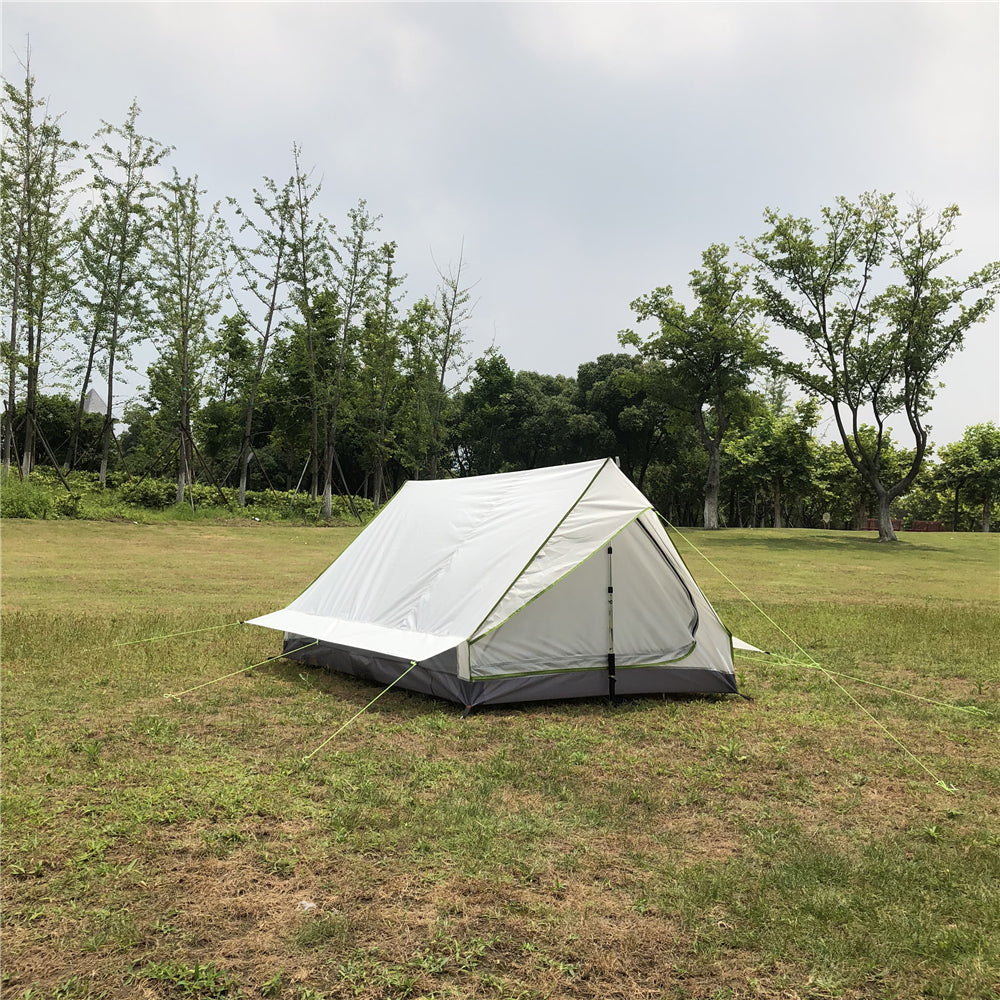
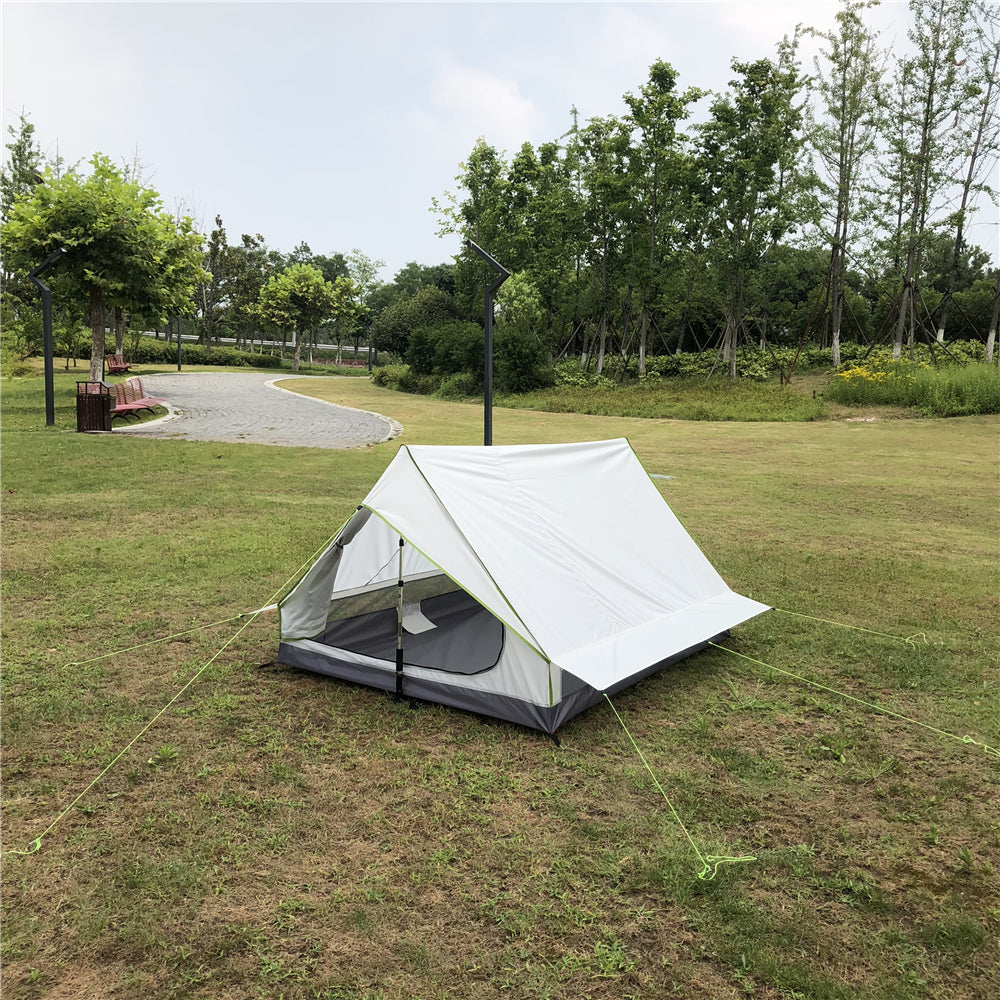
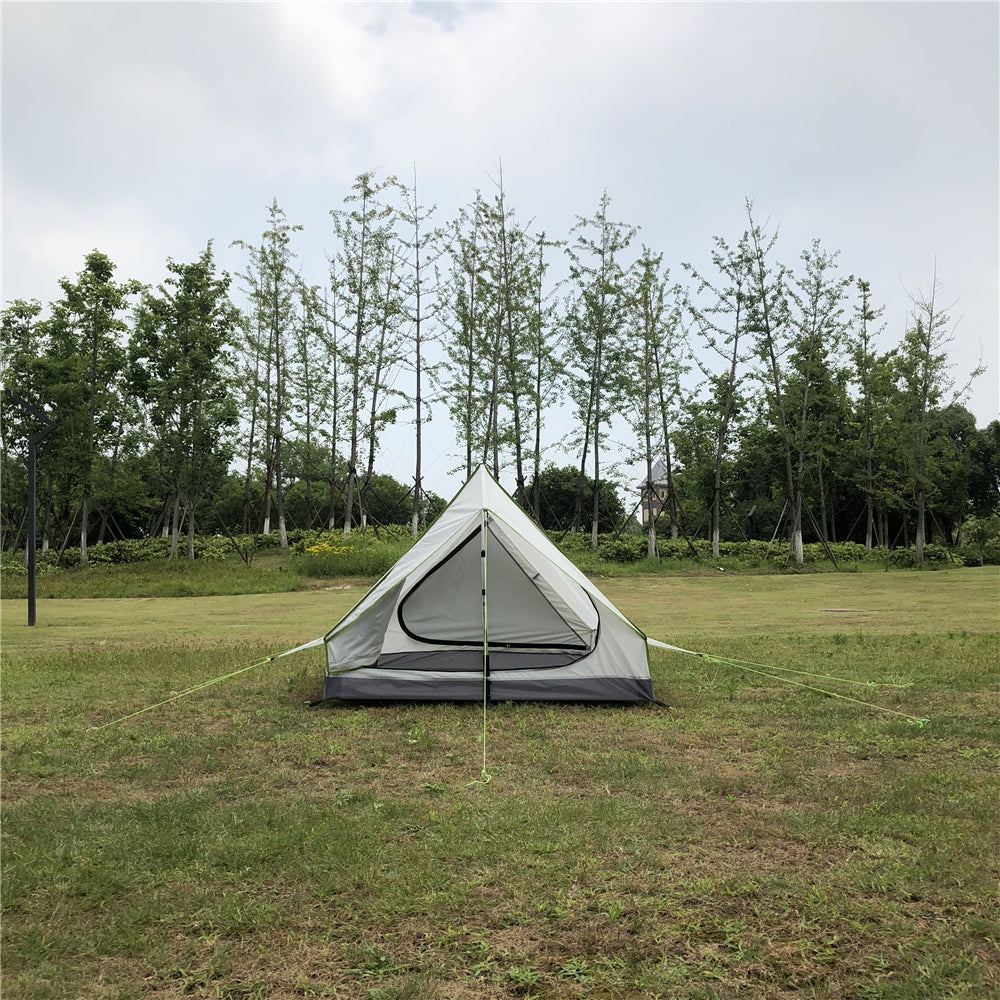
Backpacking Tent – 1–2 Person Trekking Pole Tent, 1.4/1.6 kg | Traverseon
Multi-Person Tent
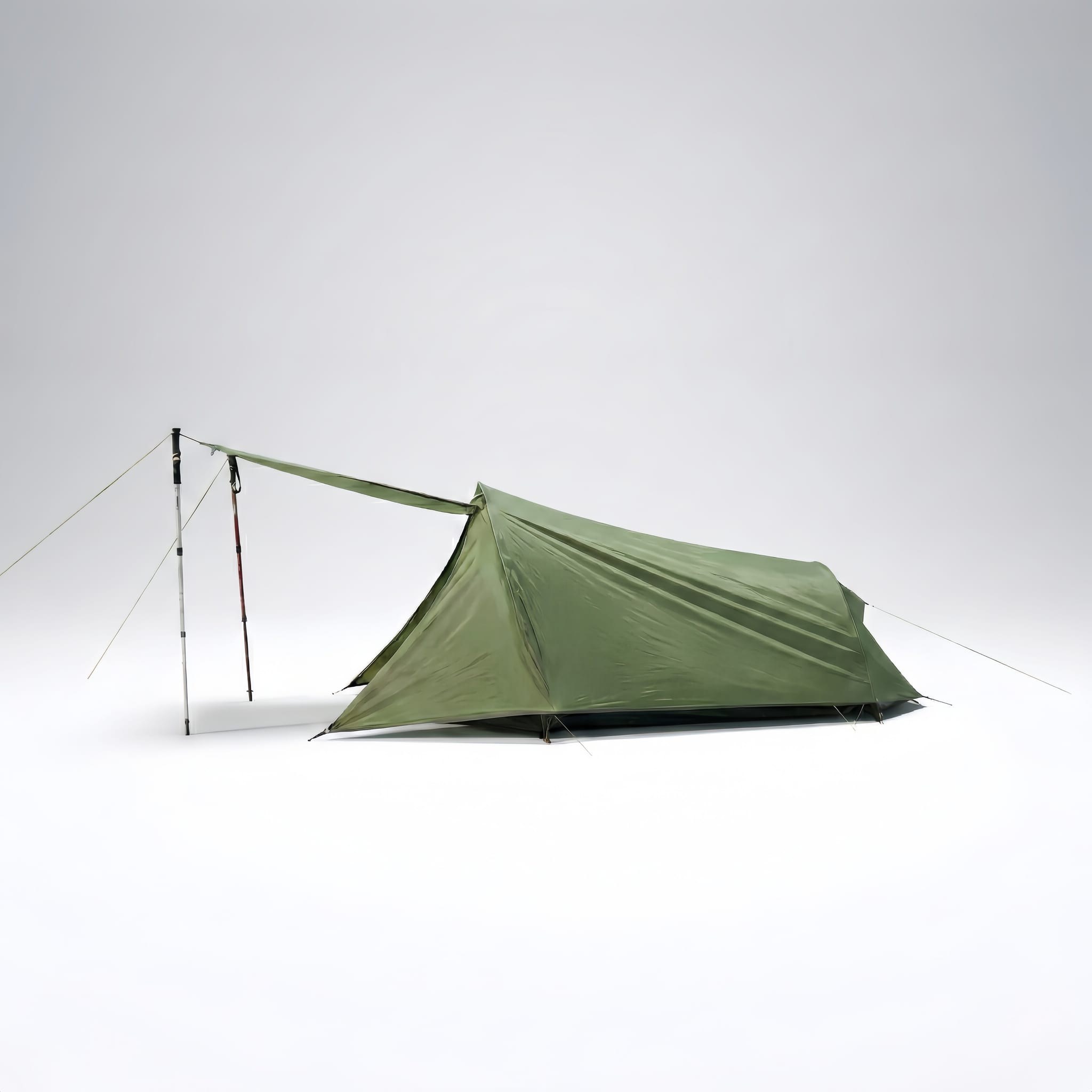
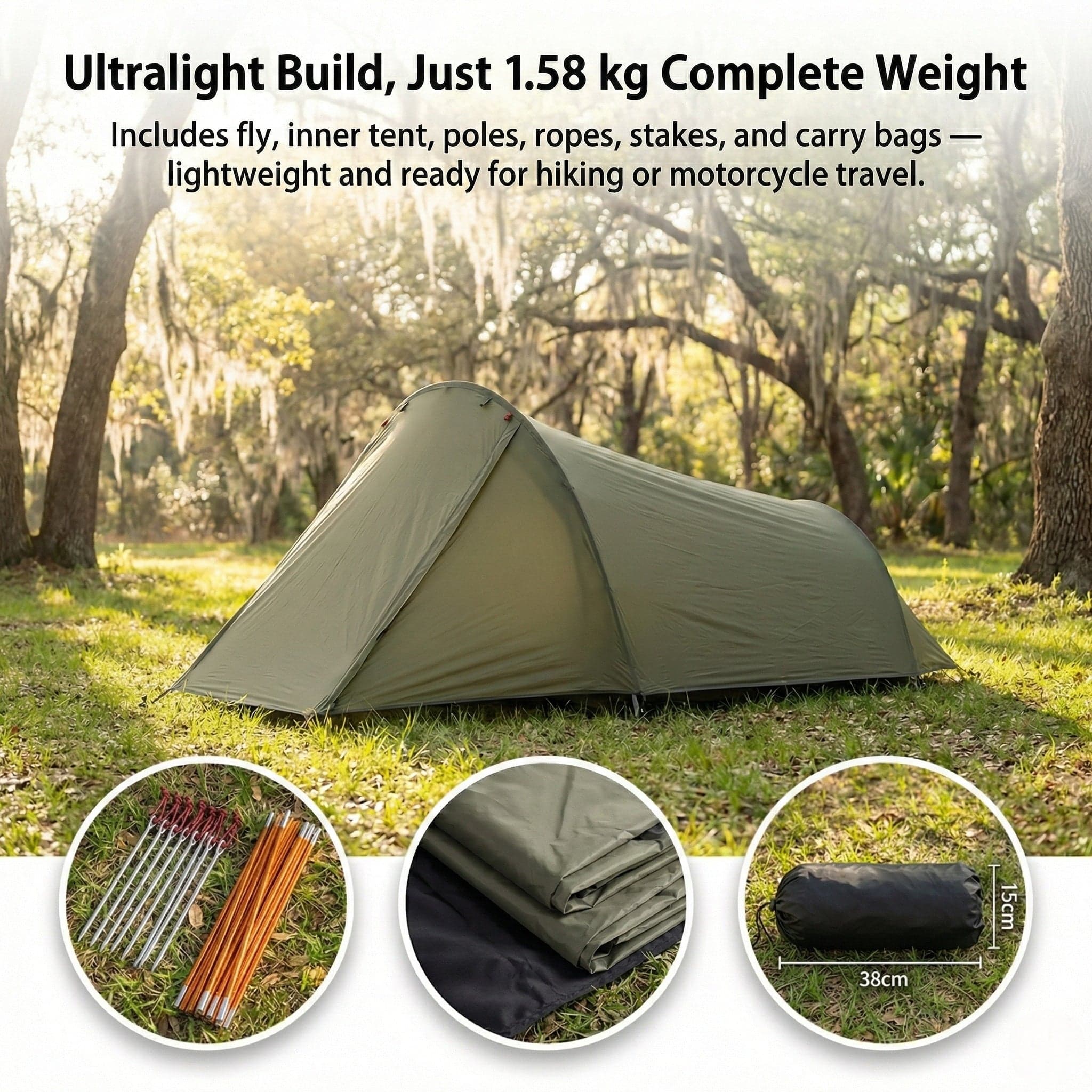
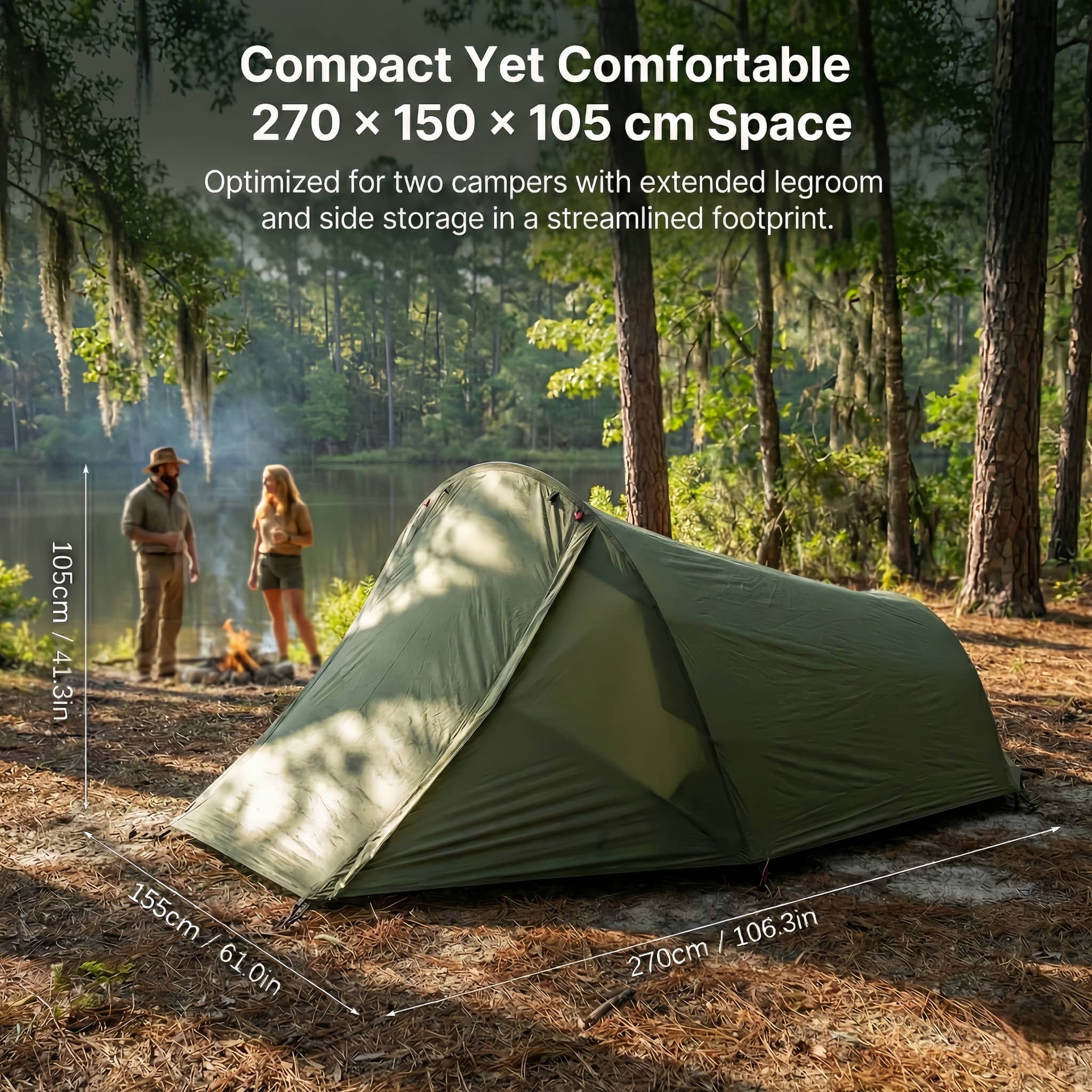
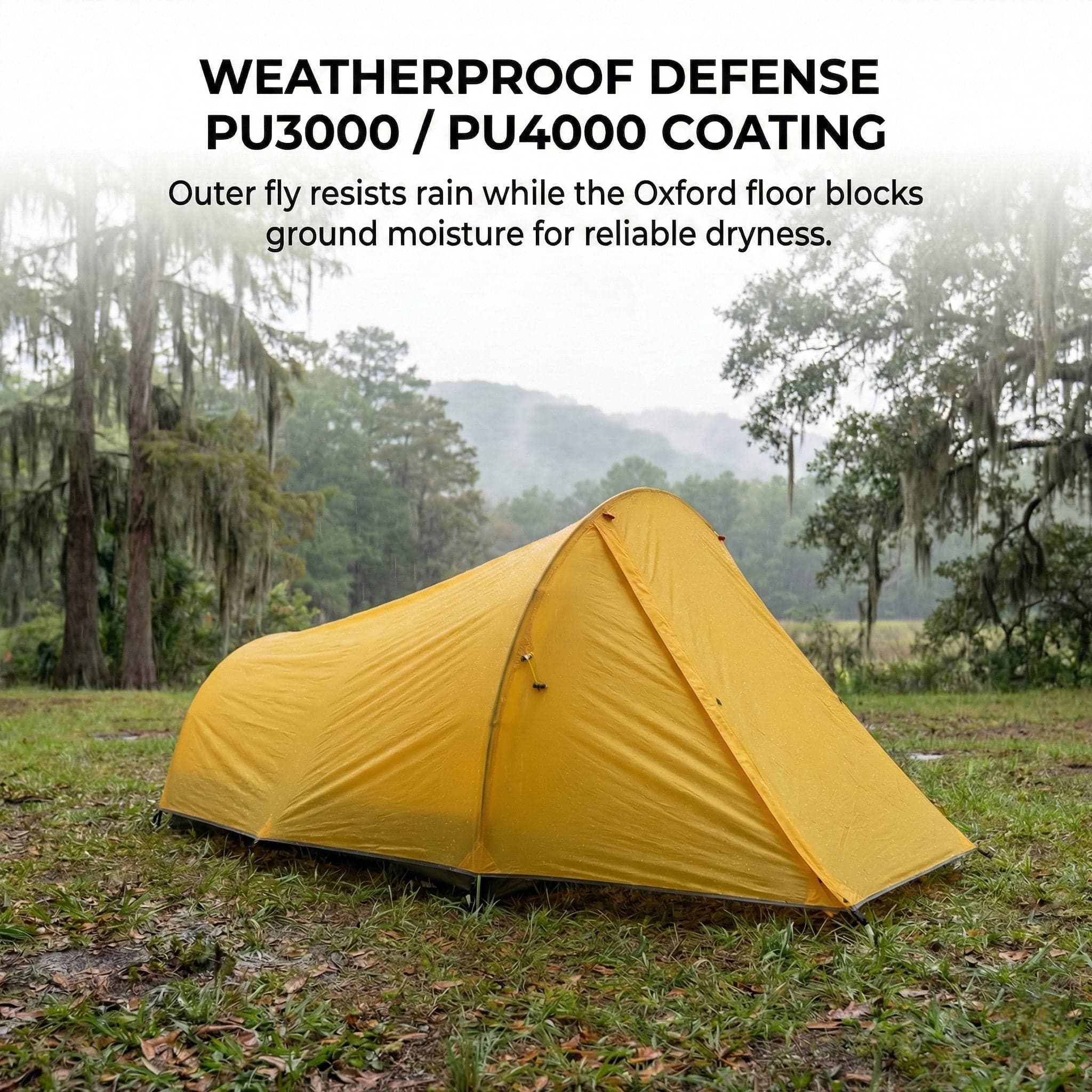
AeroDuo 2P Ultralight Tunnel Tent — 1.58 kg Compact Shelter
1–2 Person Ultralight Backpacking Tent – Freestanding Camping Tent | Traverseon
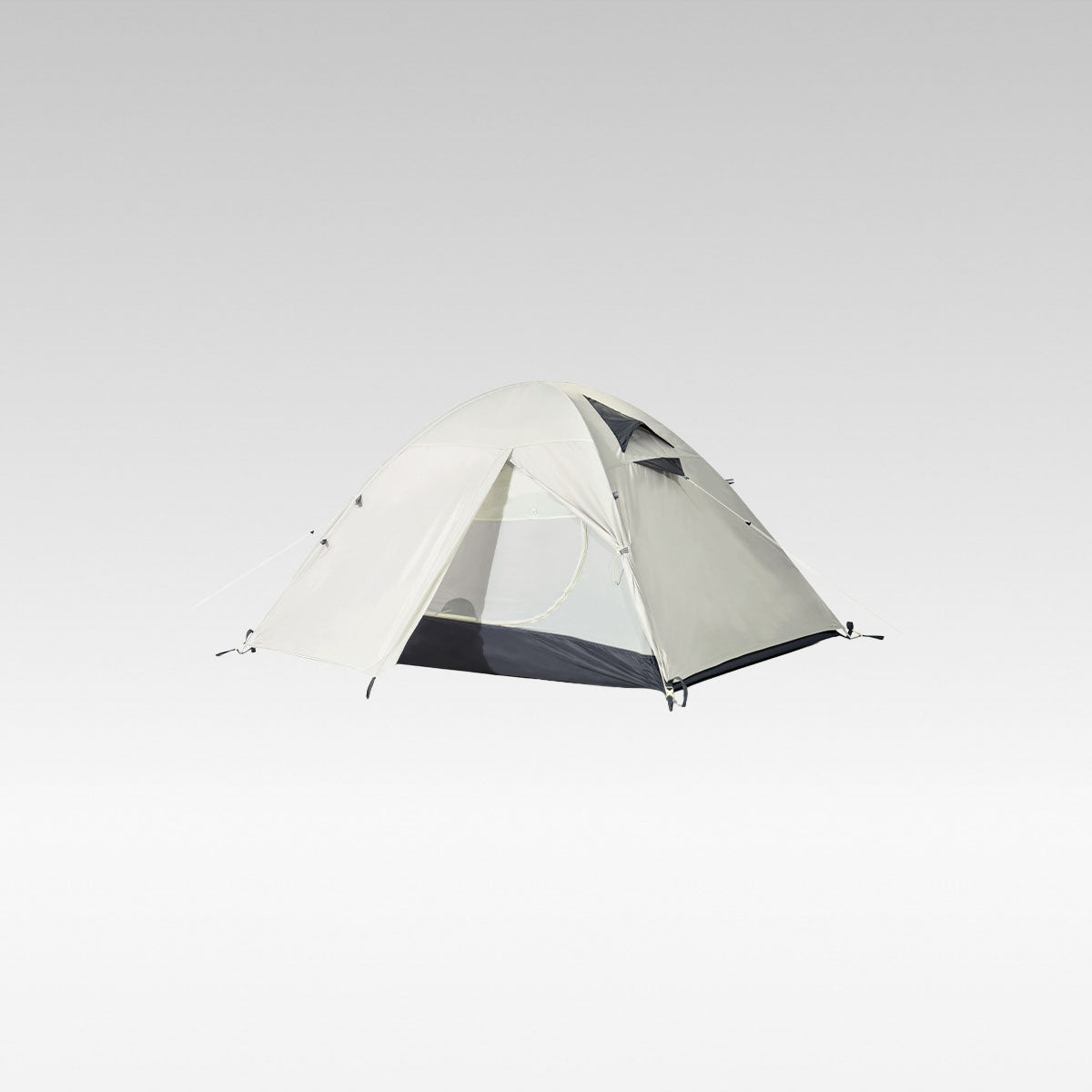
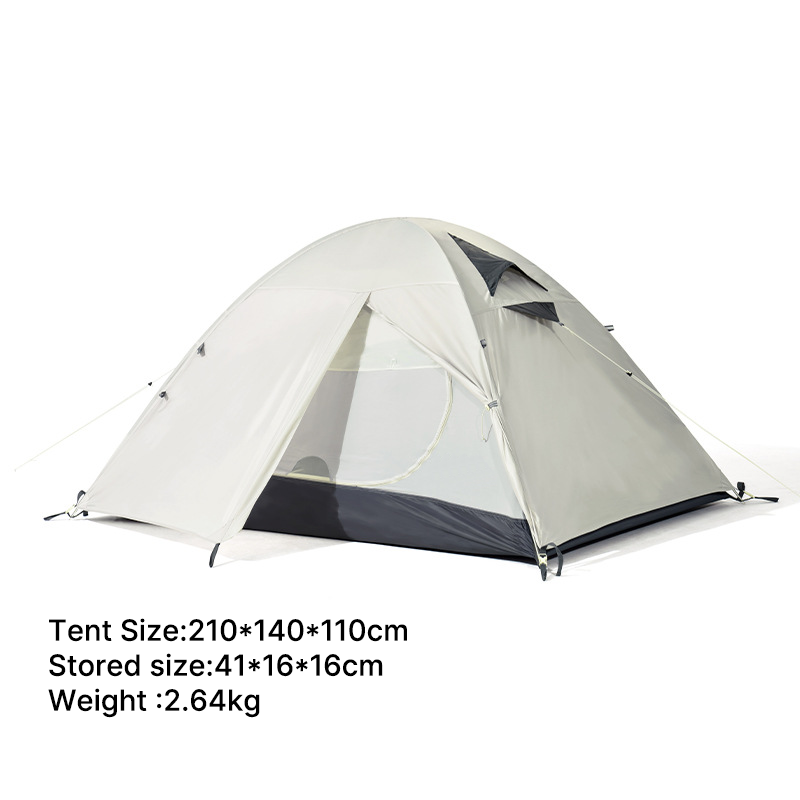
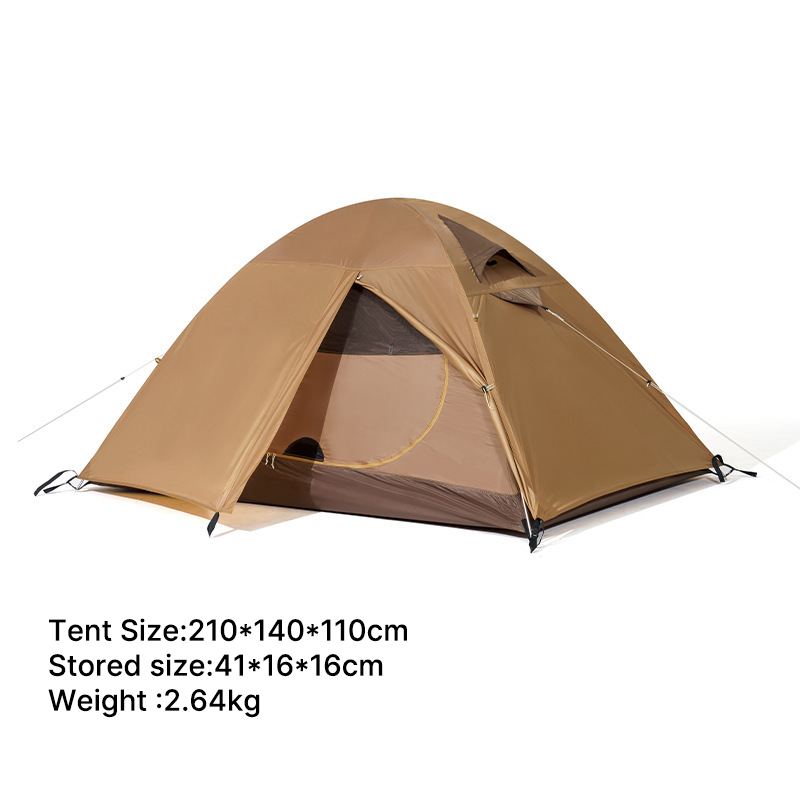
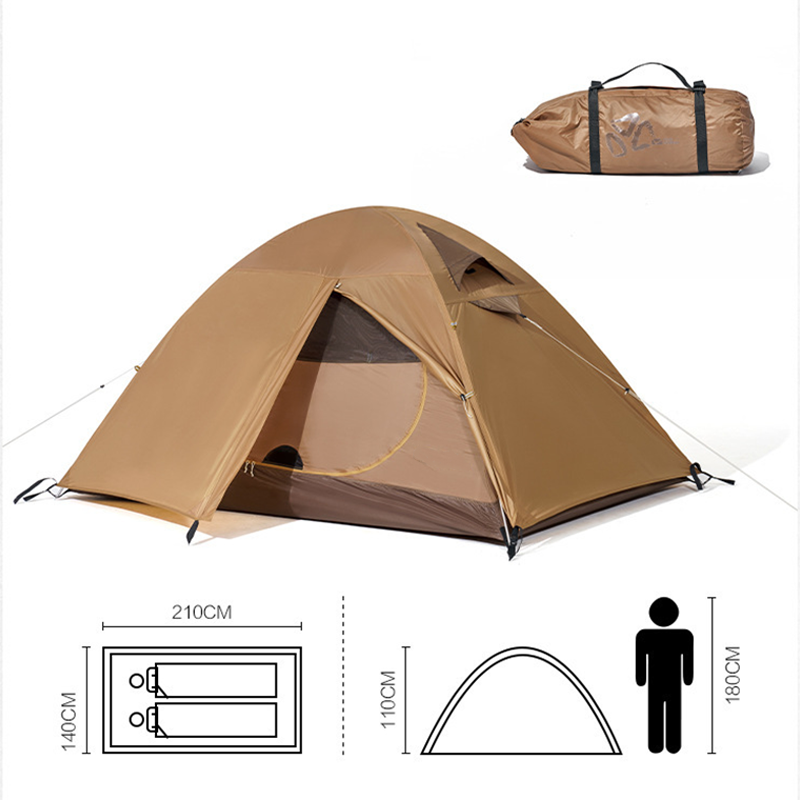
Traverseon InstaFrame™ Quick-Deploy Tent – 2-Person Freestanding Tent with Fast Setup
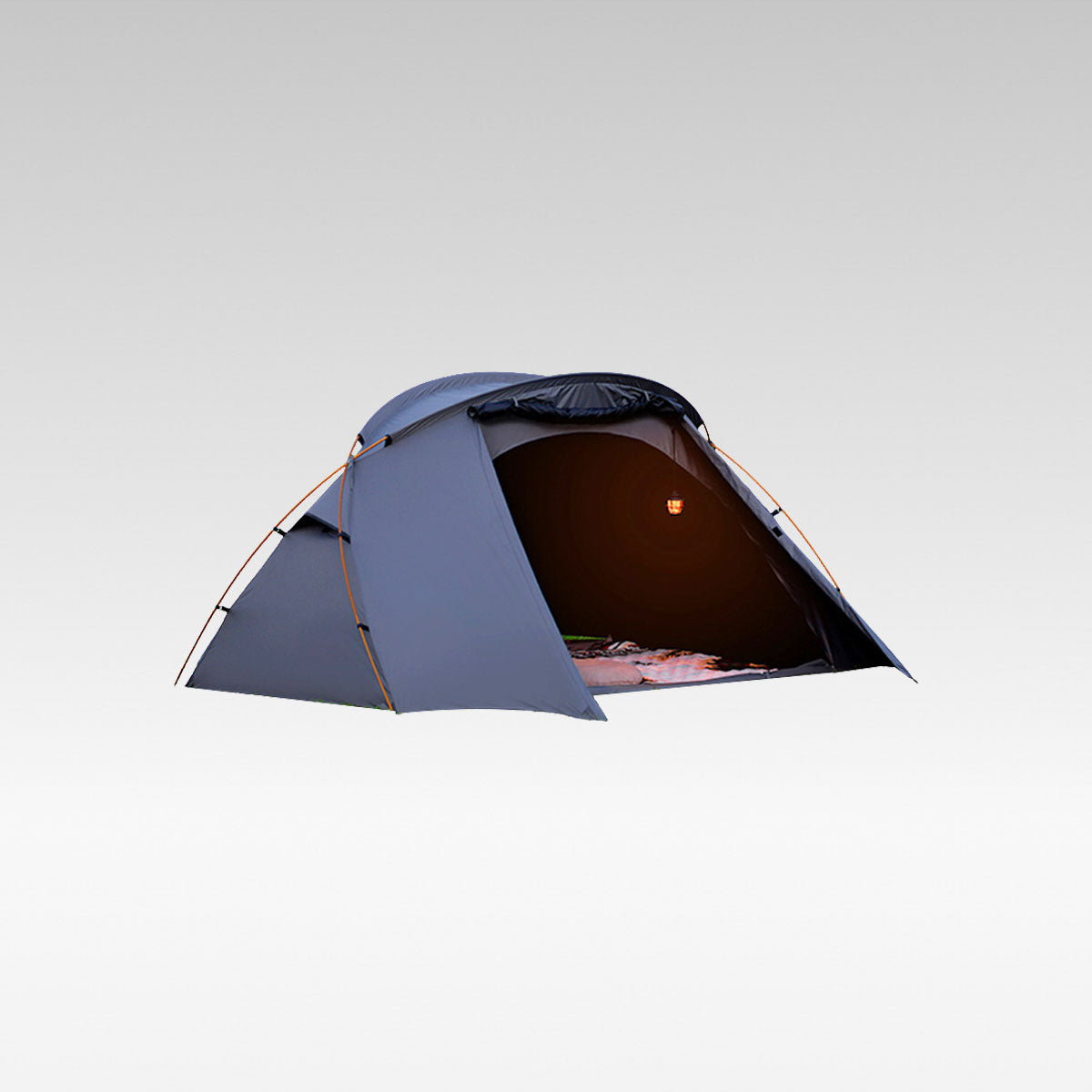
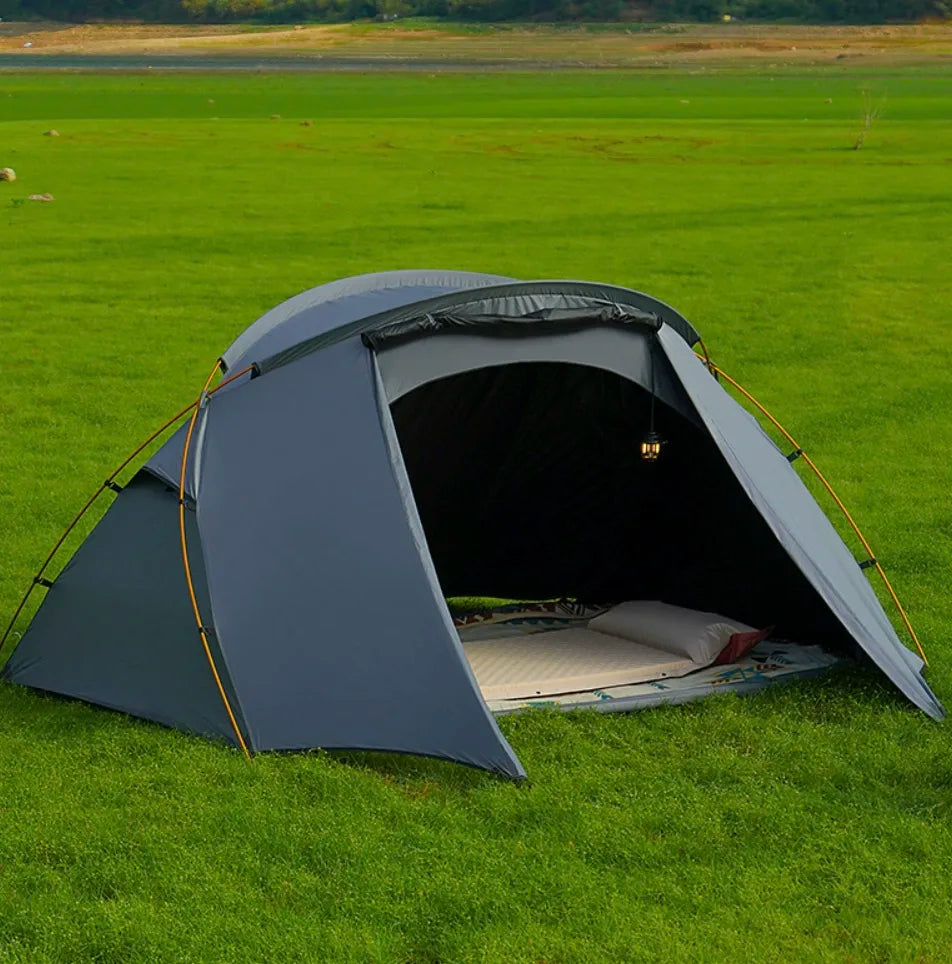
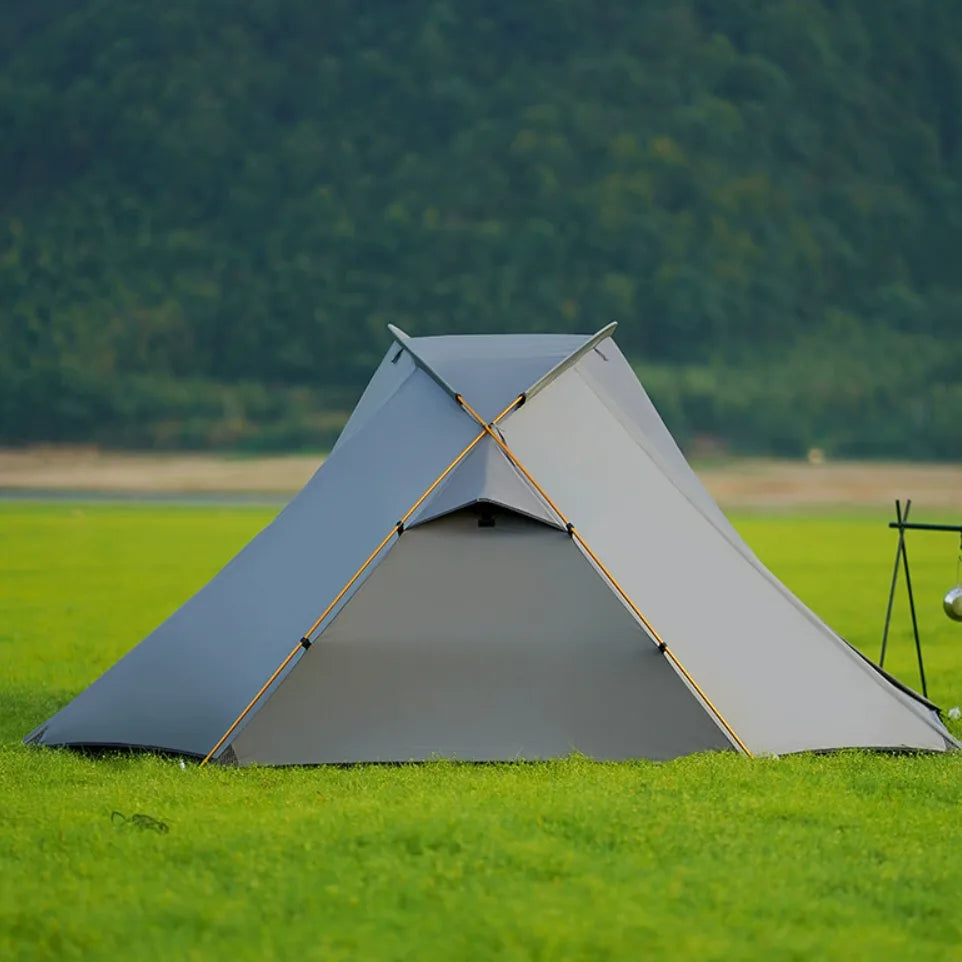
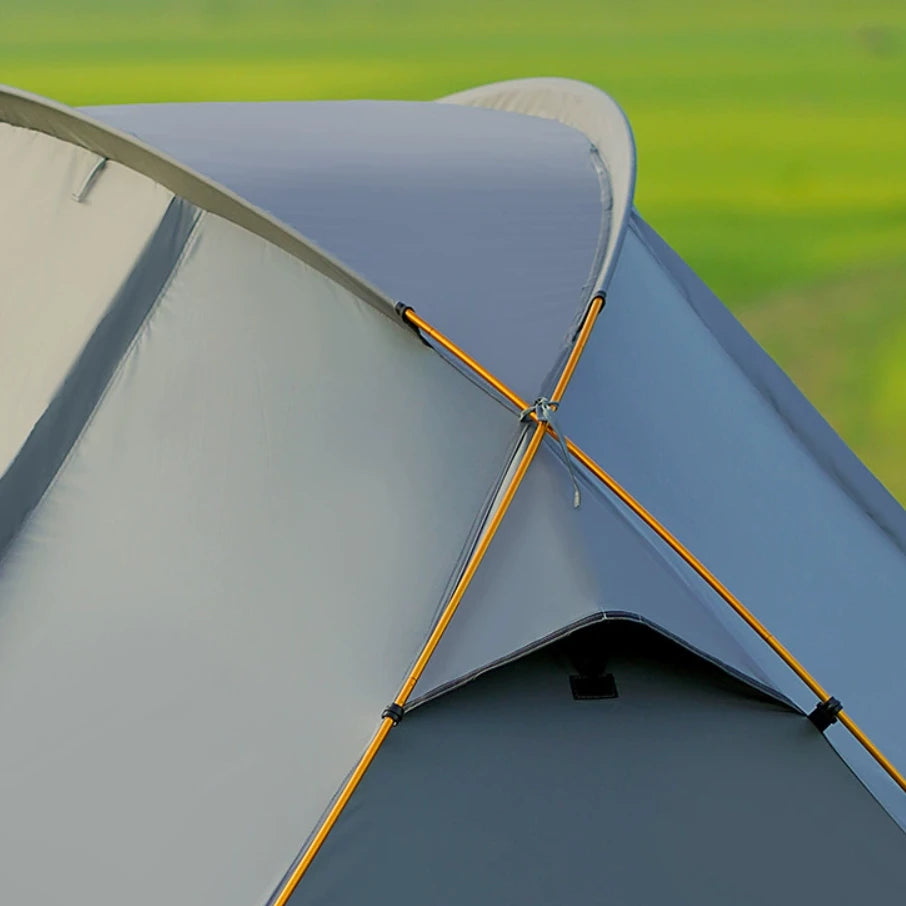
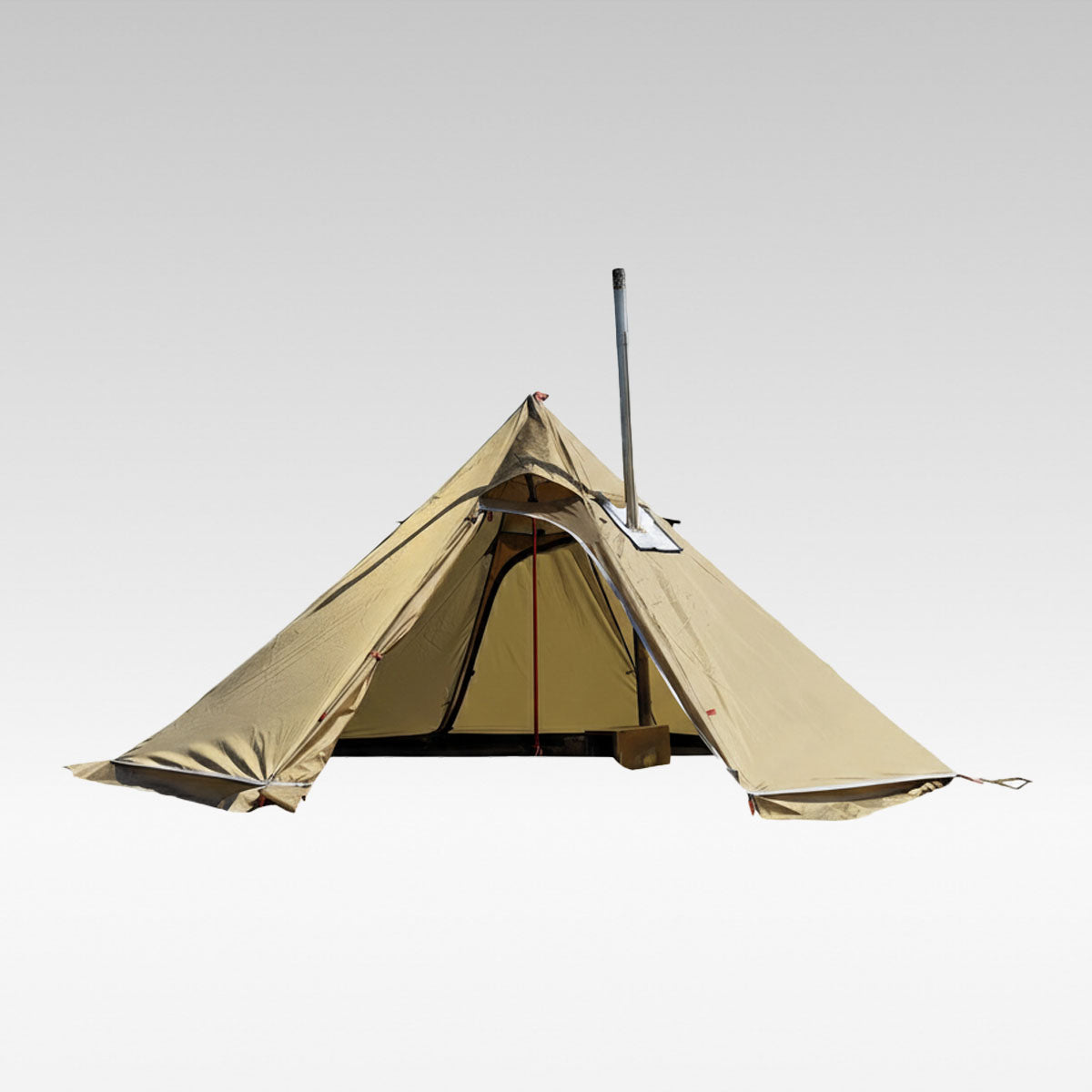
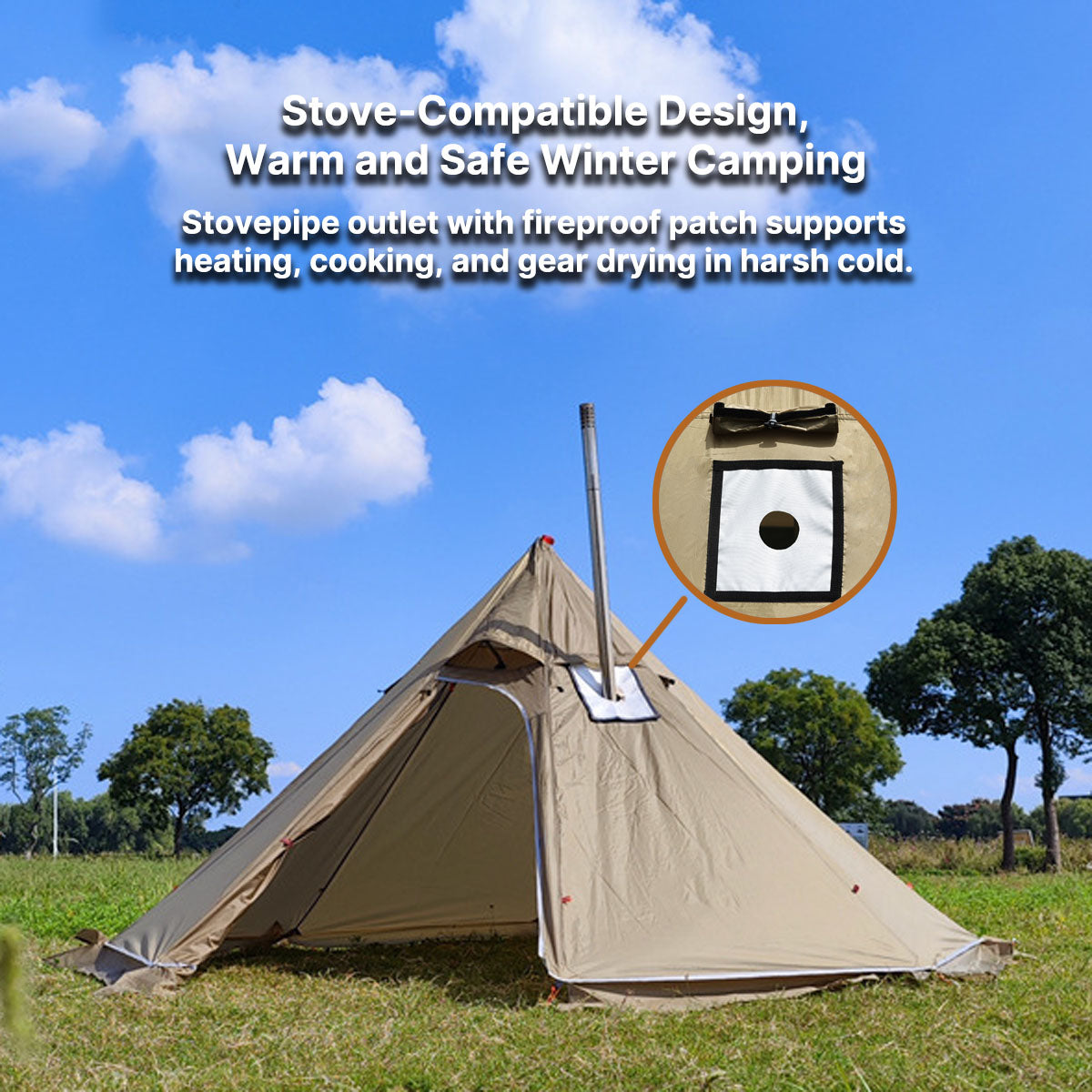
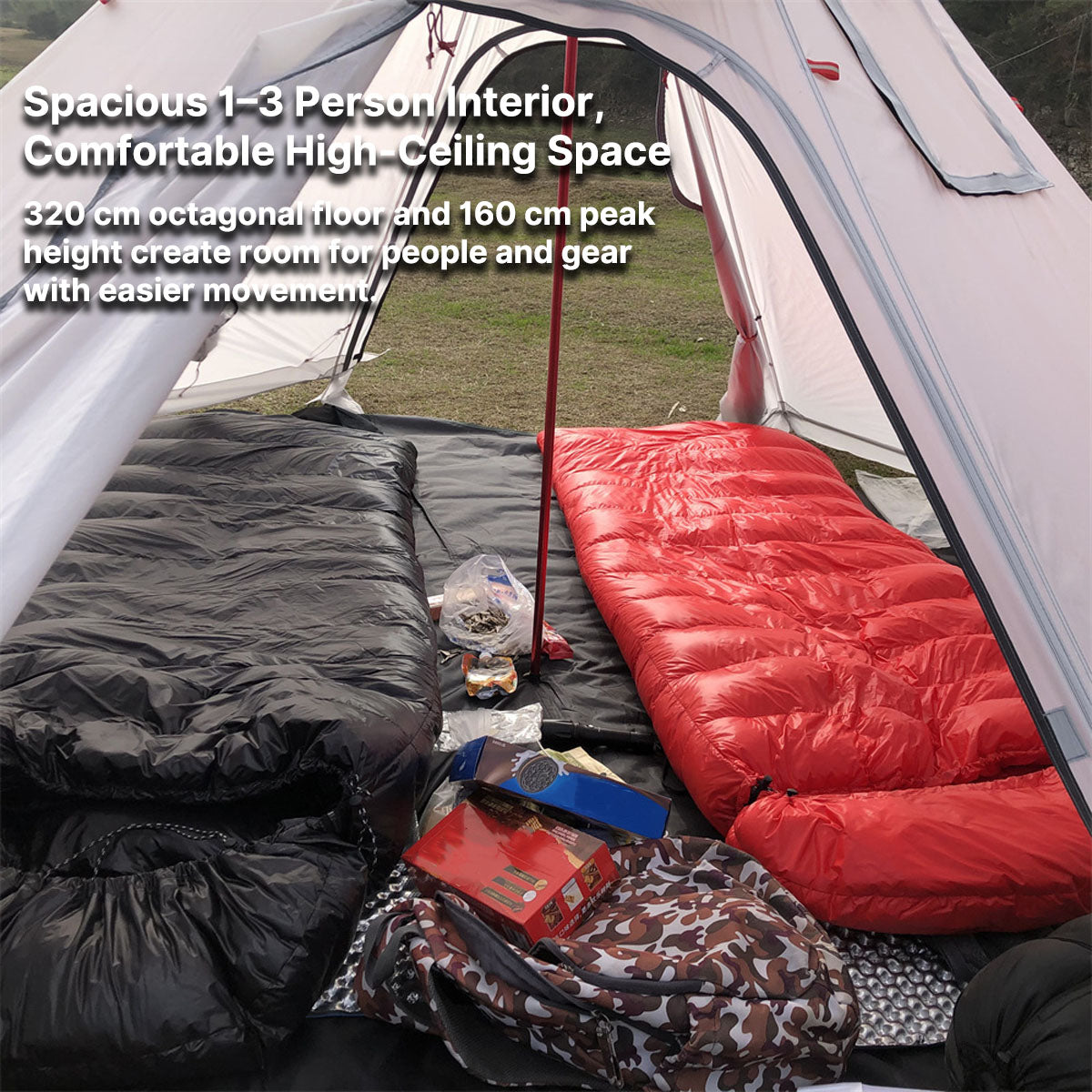
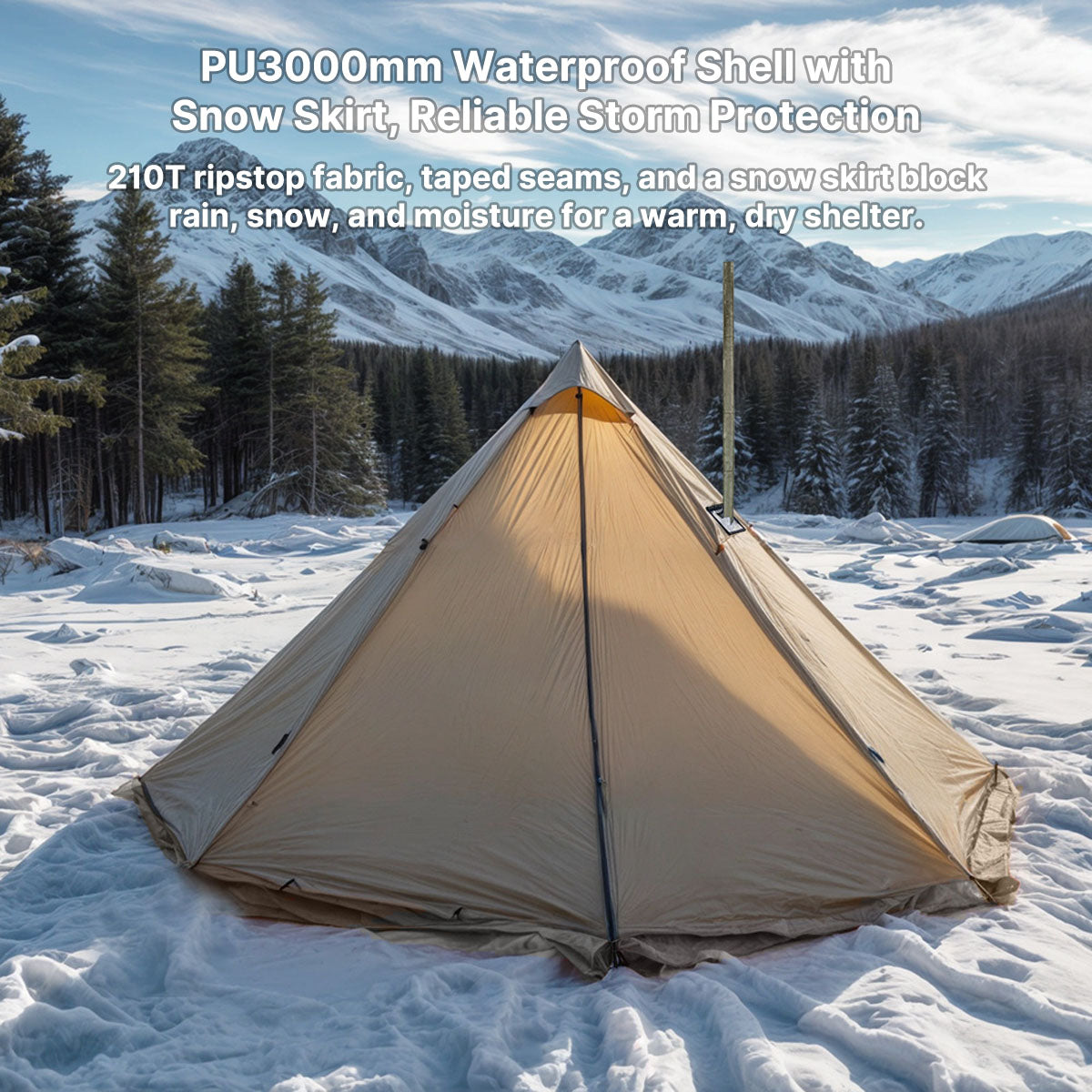
All-Season Family Hot Camping Tent with Stove Jack
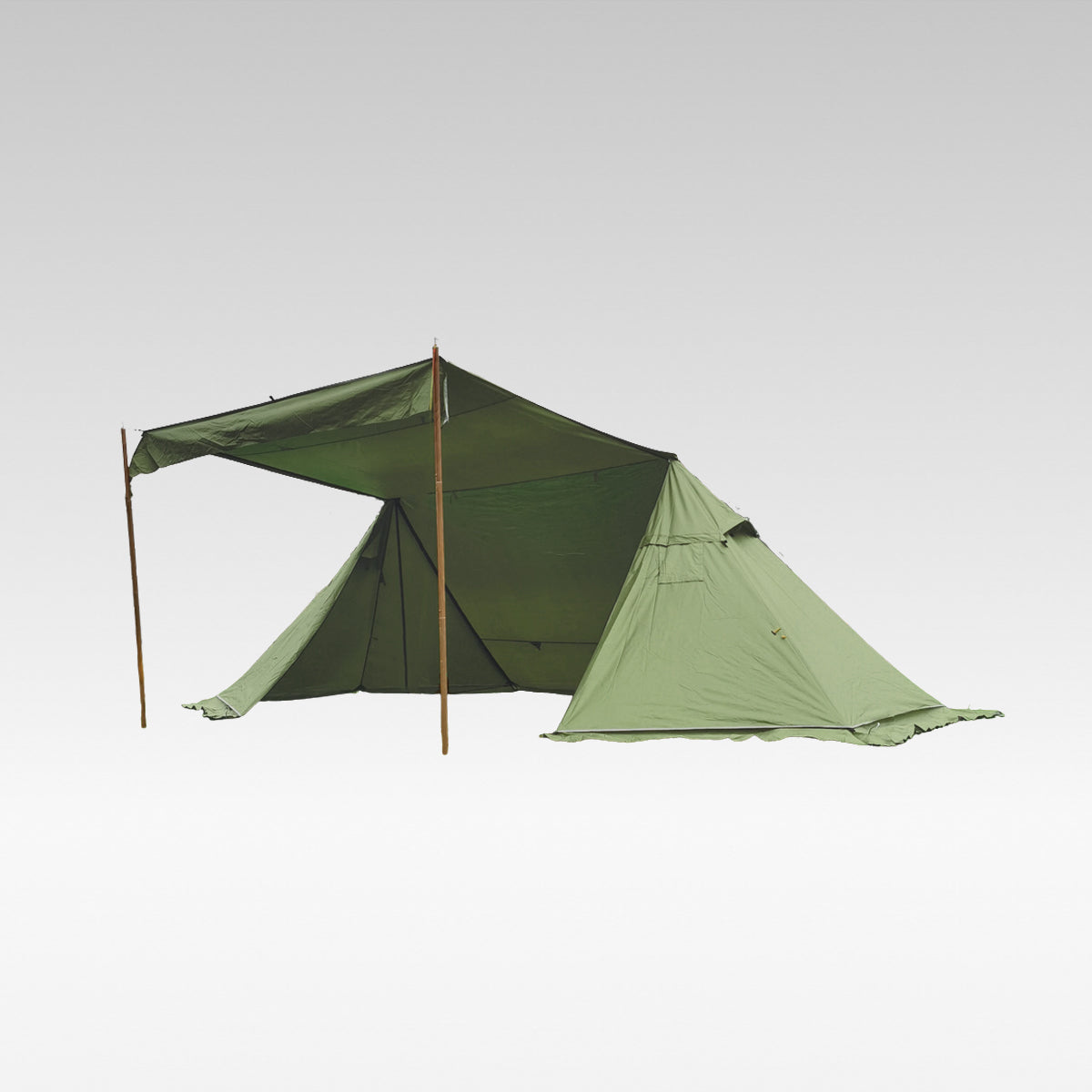
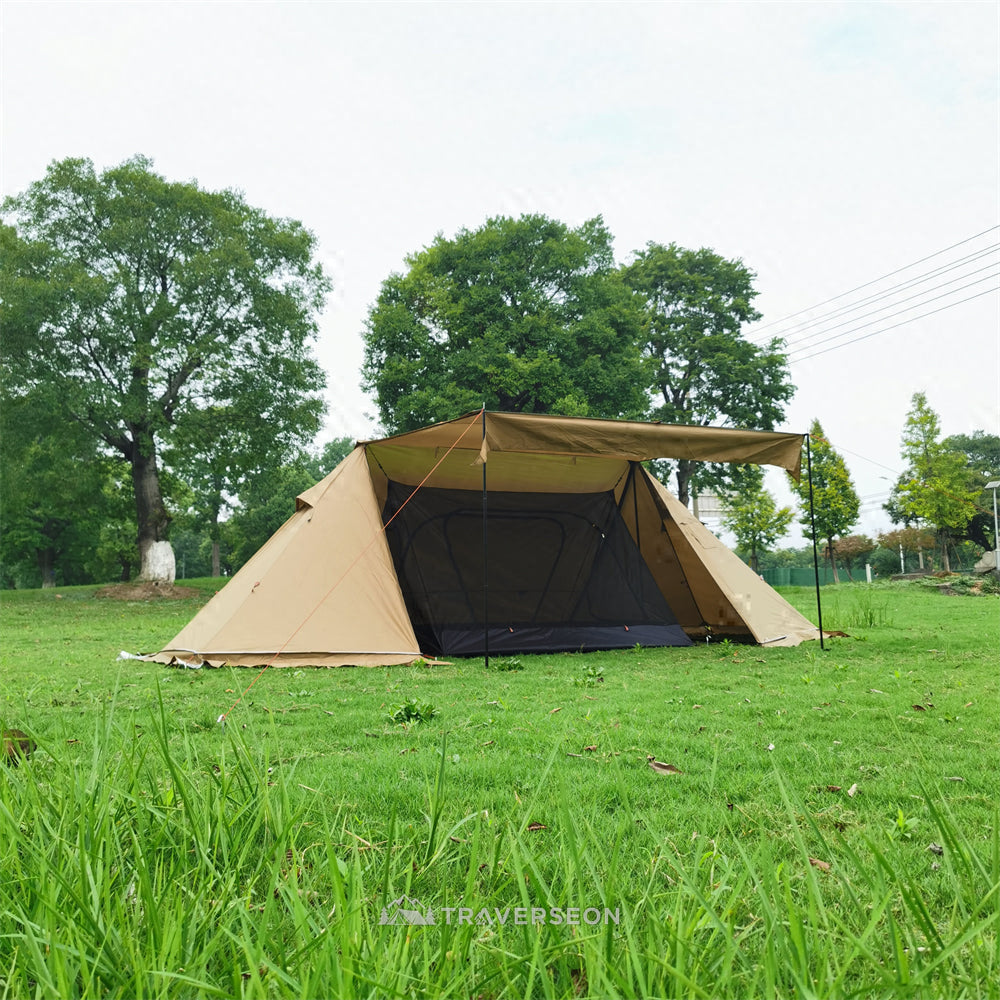
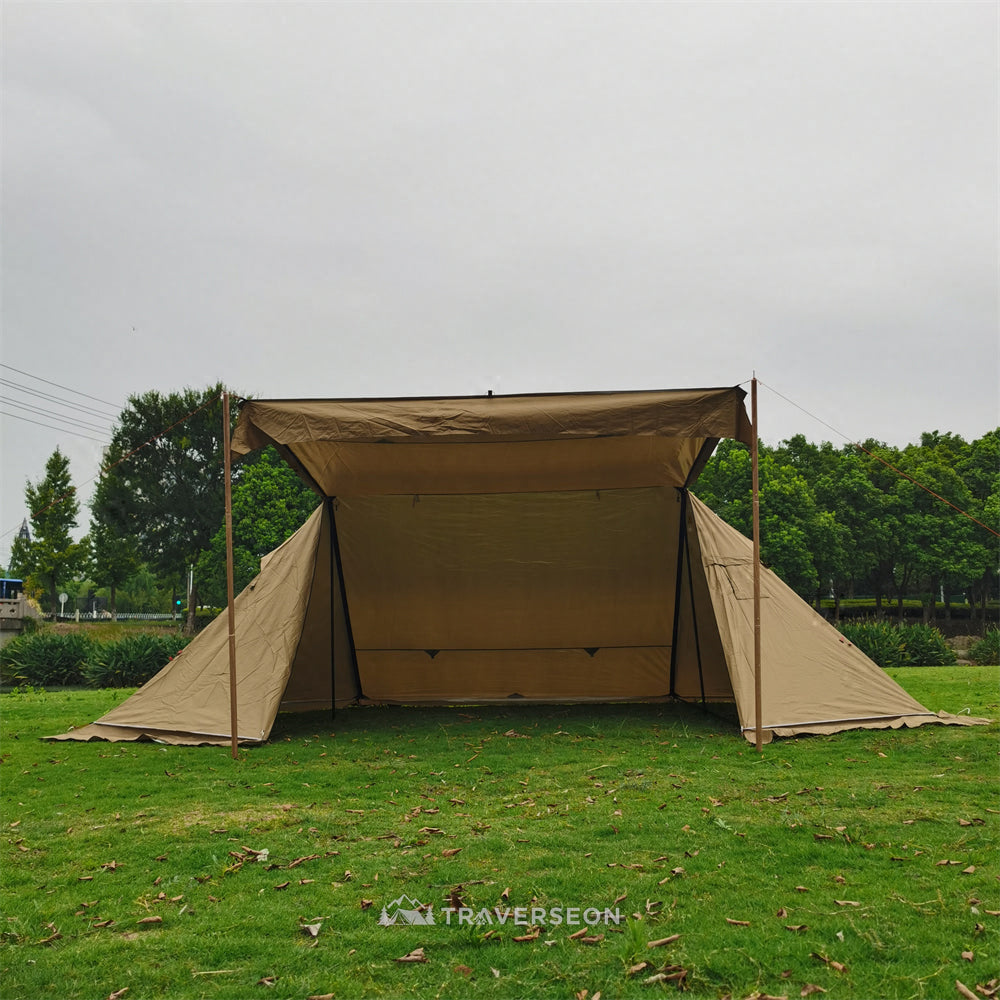
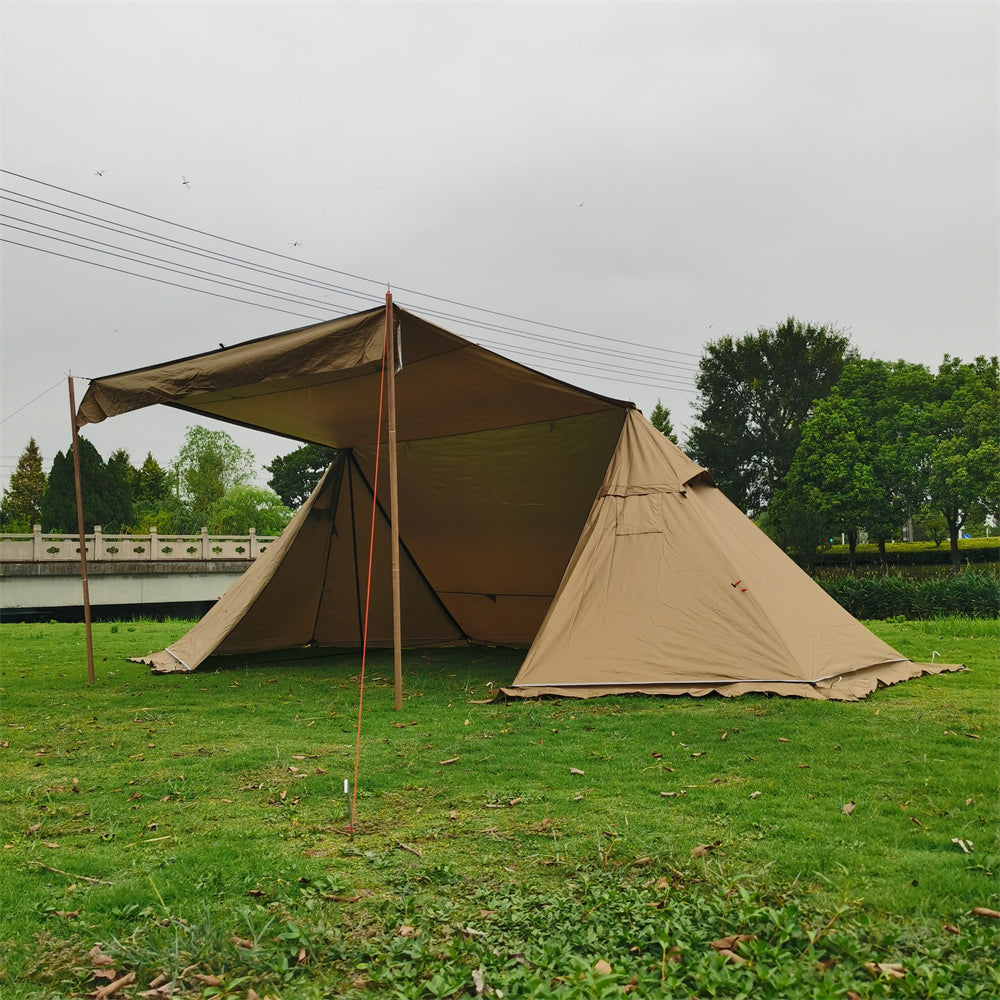
2–7 Person Camping Tent & Shelter – 4-Season Waterproof, Stove Jack Option | Traverseon
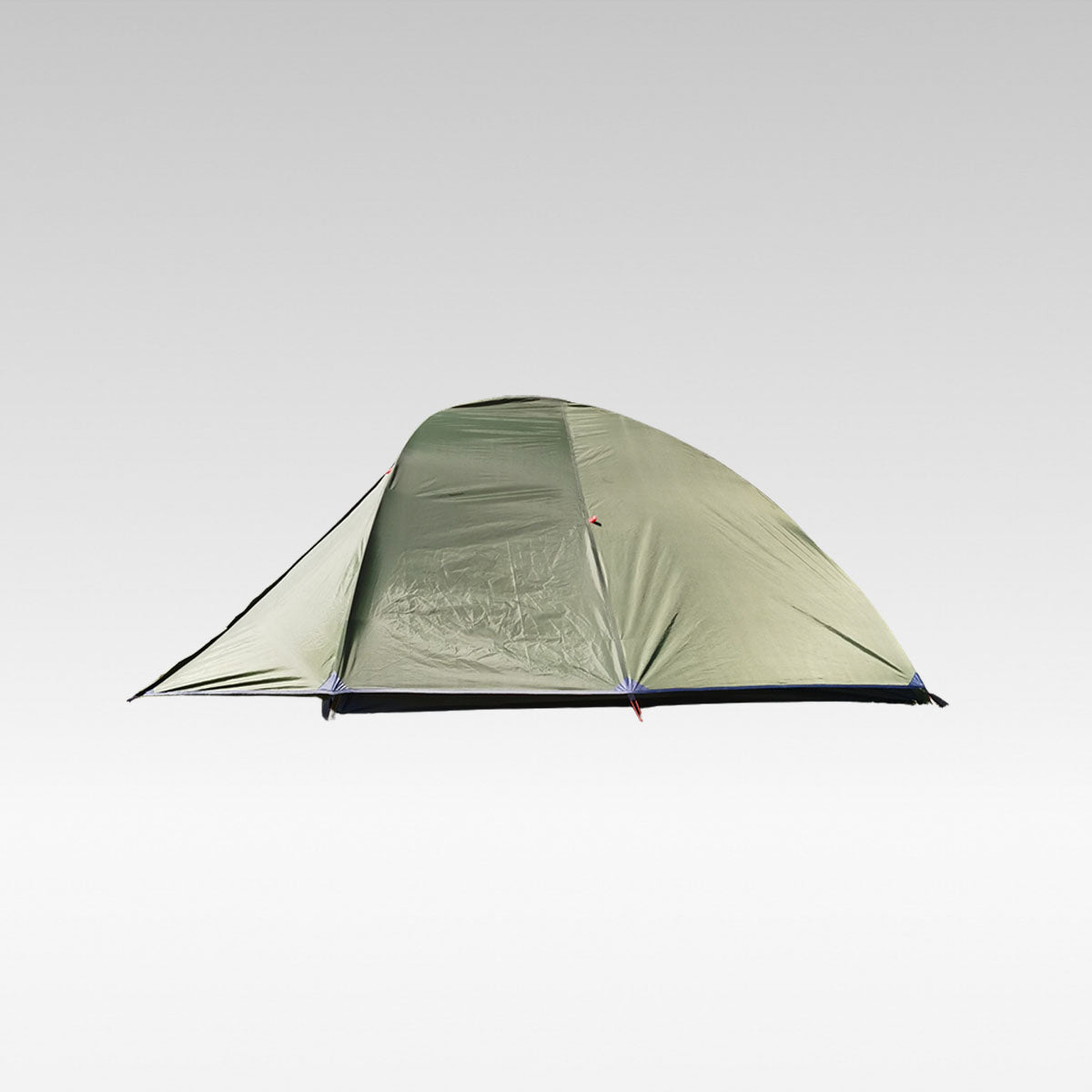
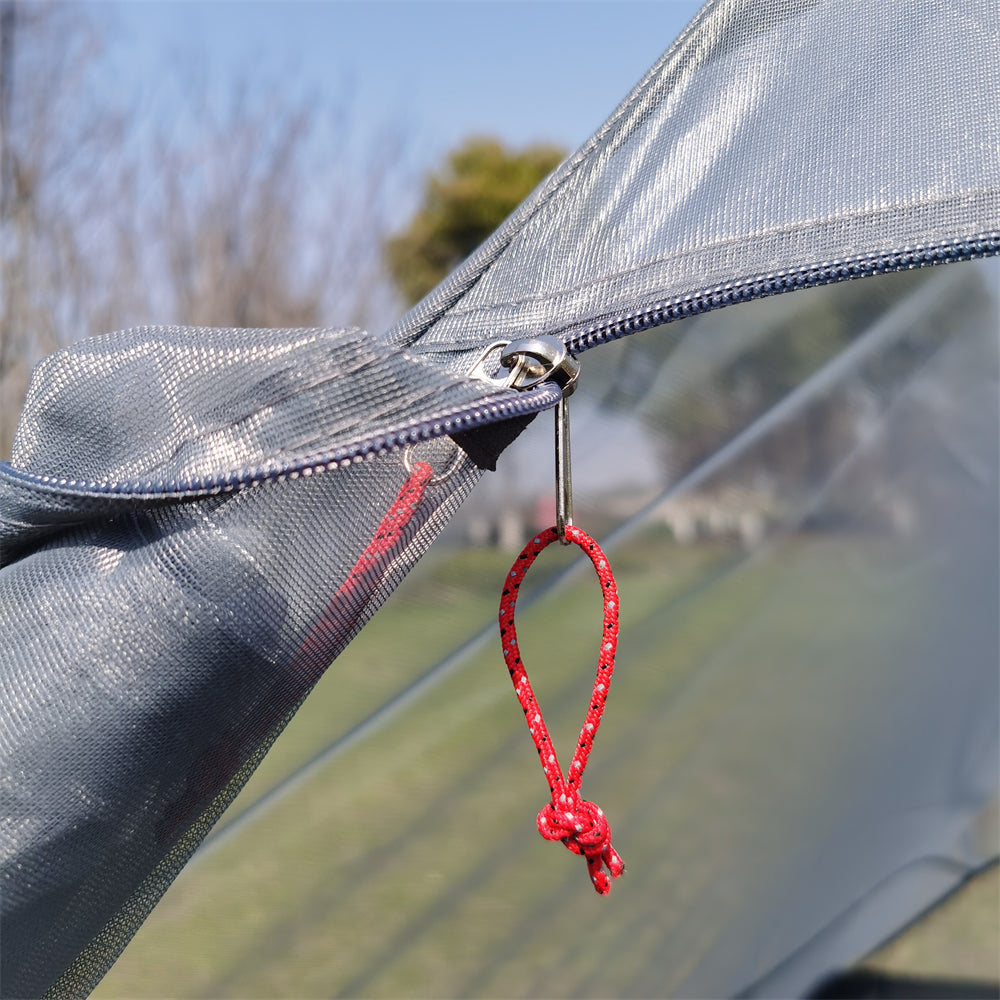
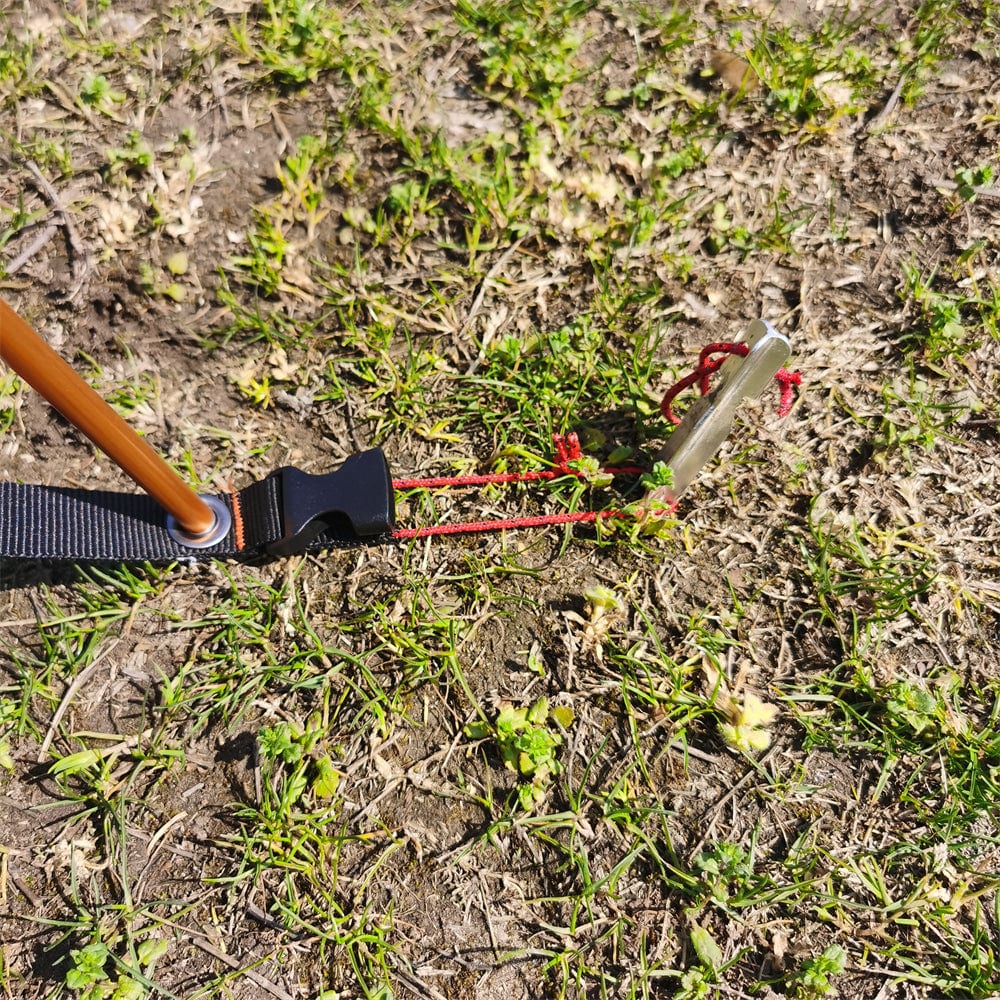
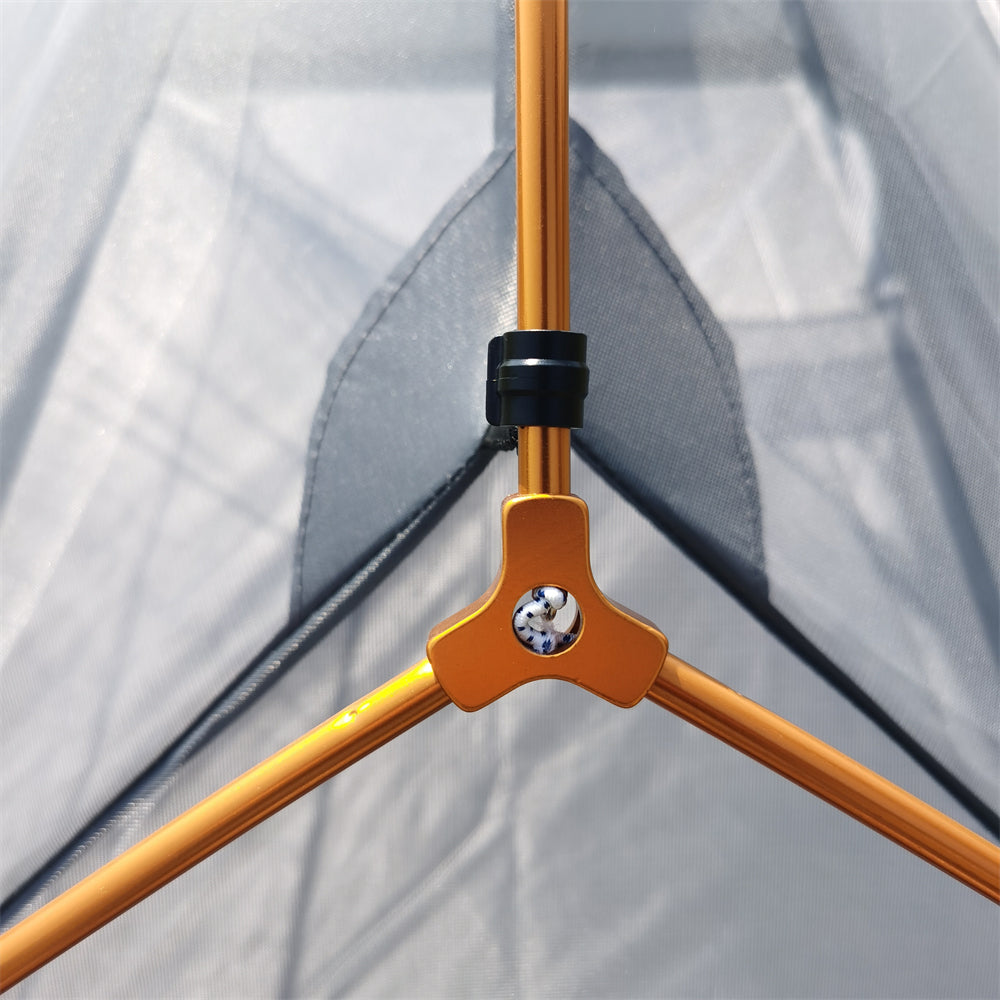
Backpacking Tent - Ultralight All-Season Waterproof 2-3 Person Camping Tent | Traverseon
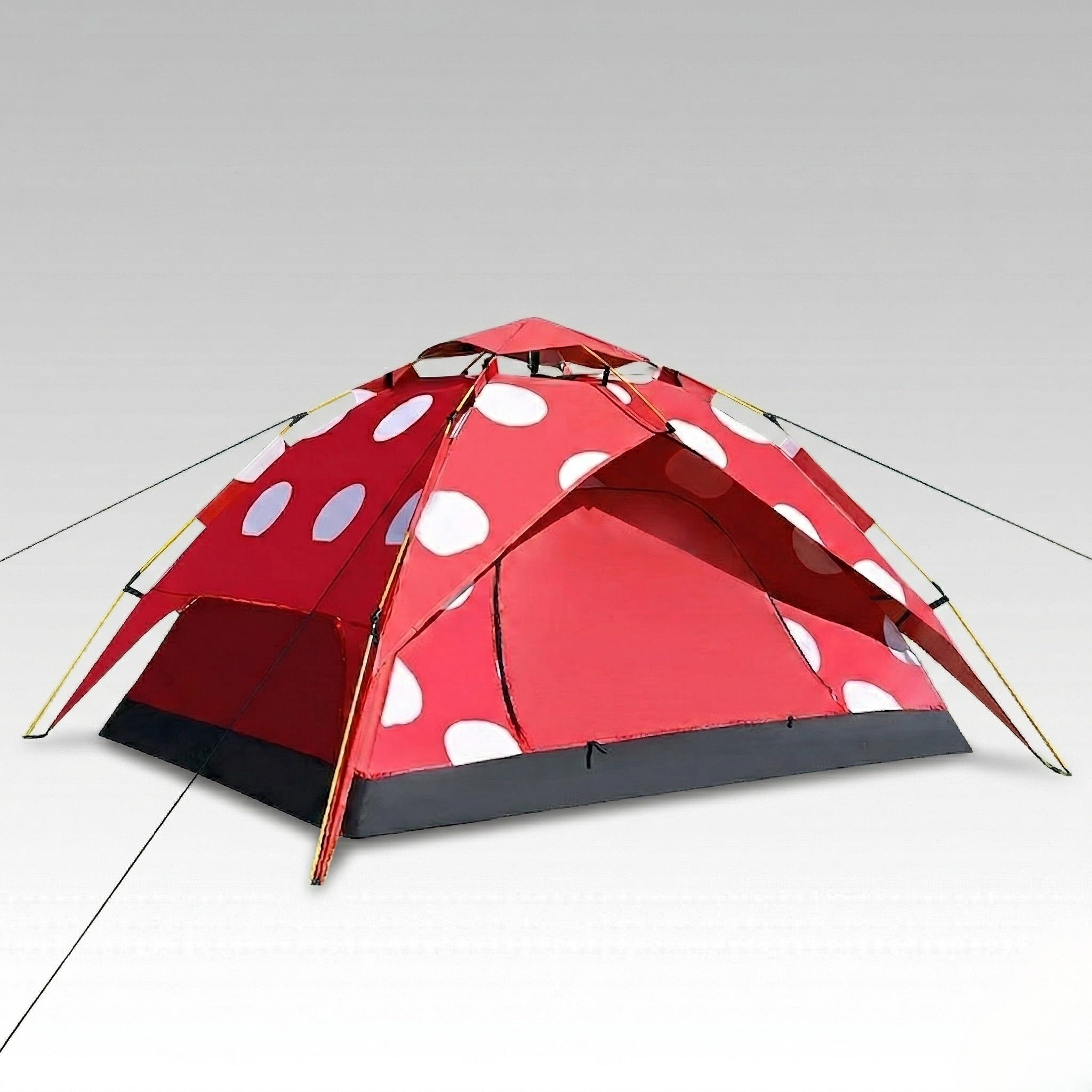
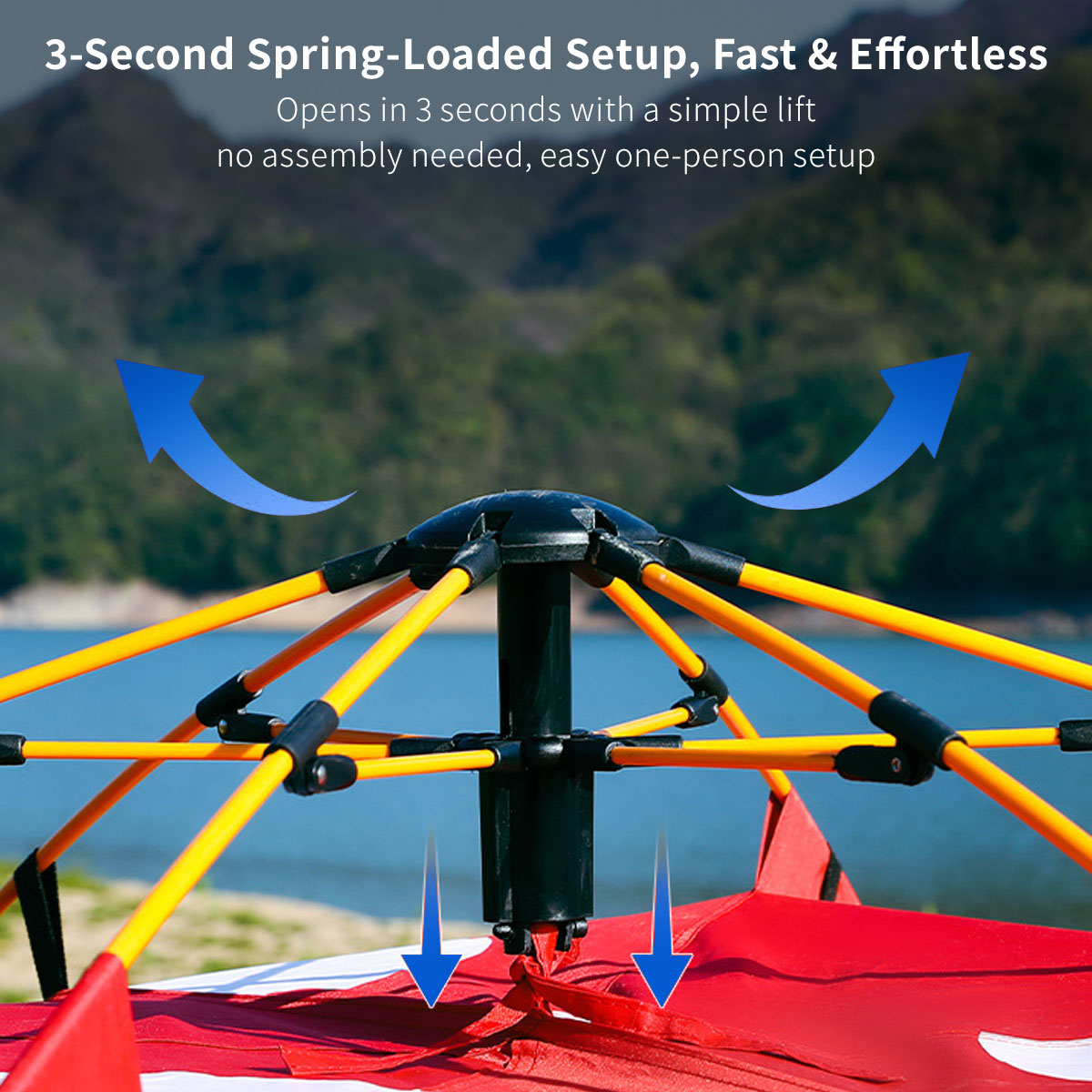
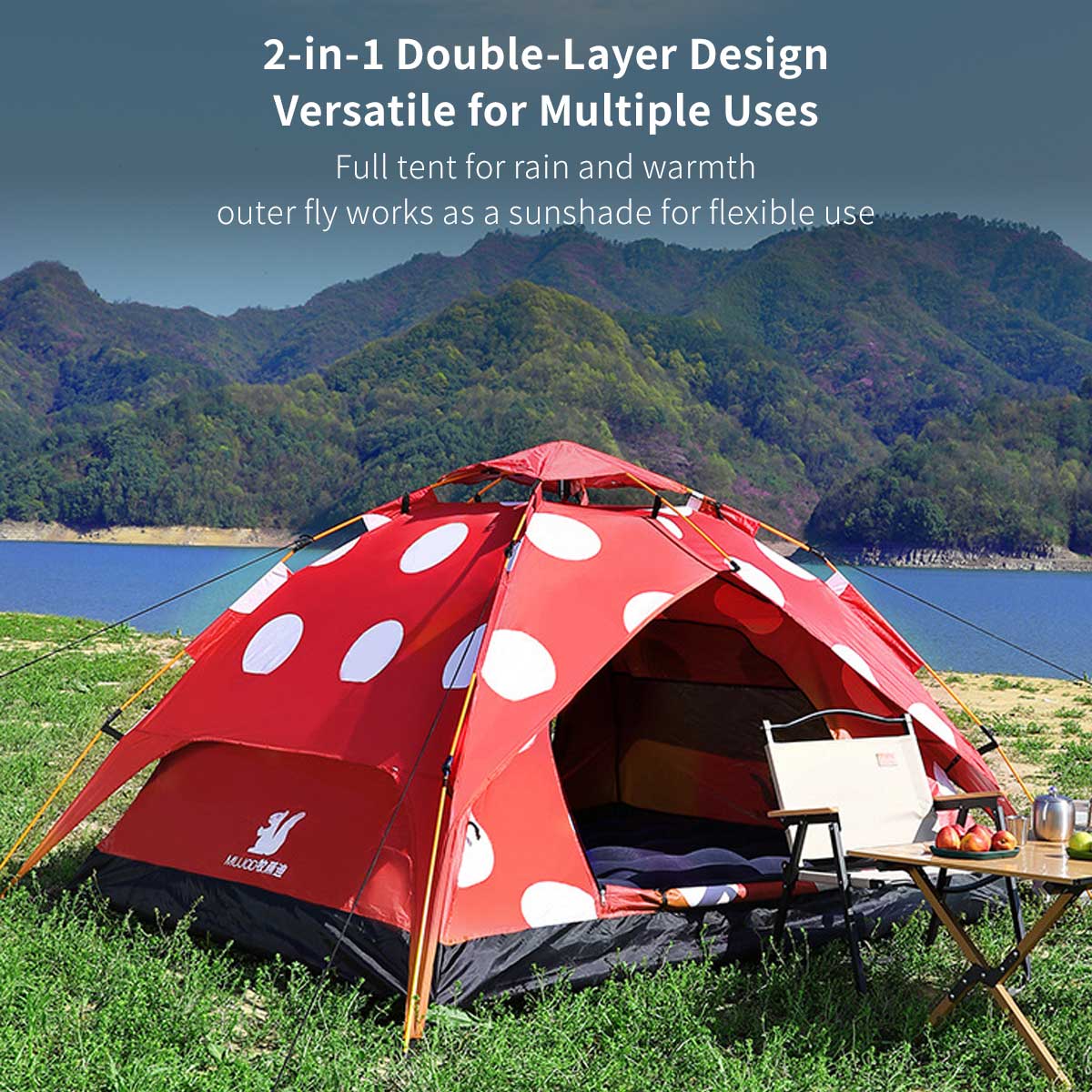
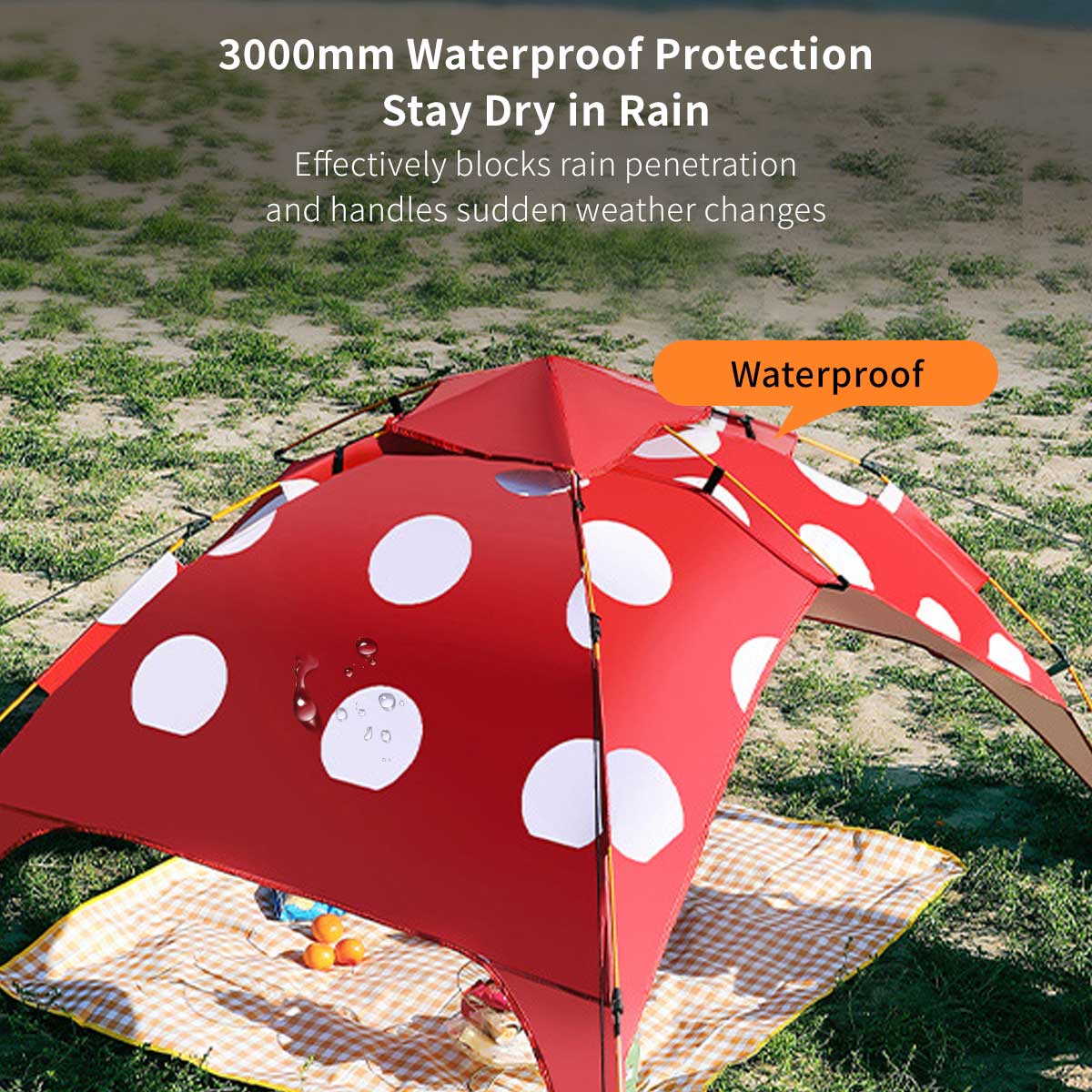
Spring Automatic Camping Tent – 3–4 Person Waterproof UV Sun Shelter | Traverseon
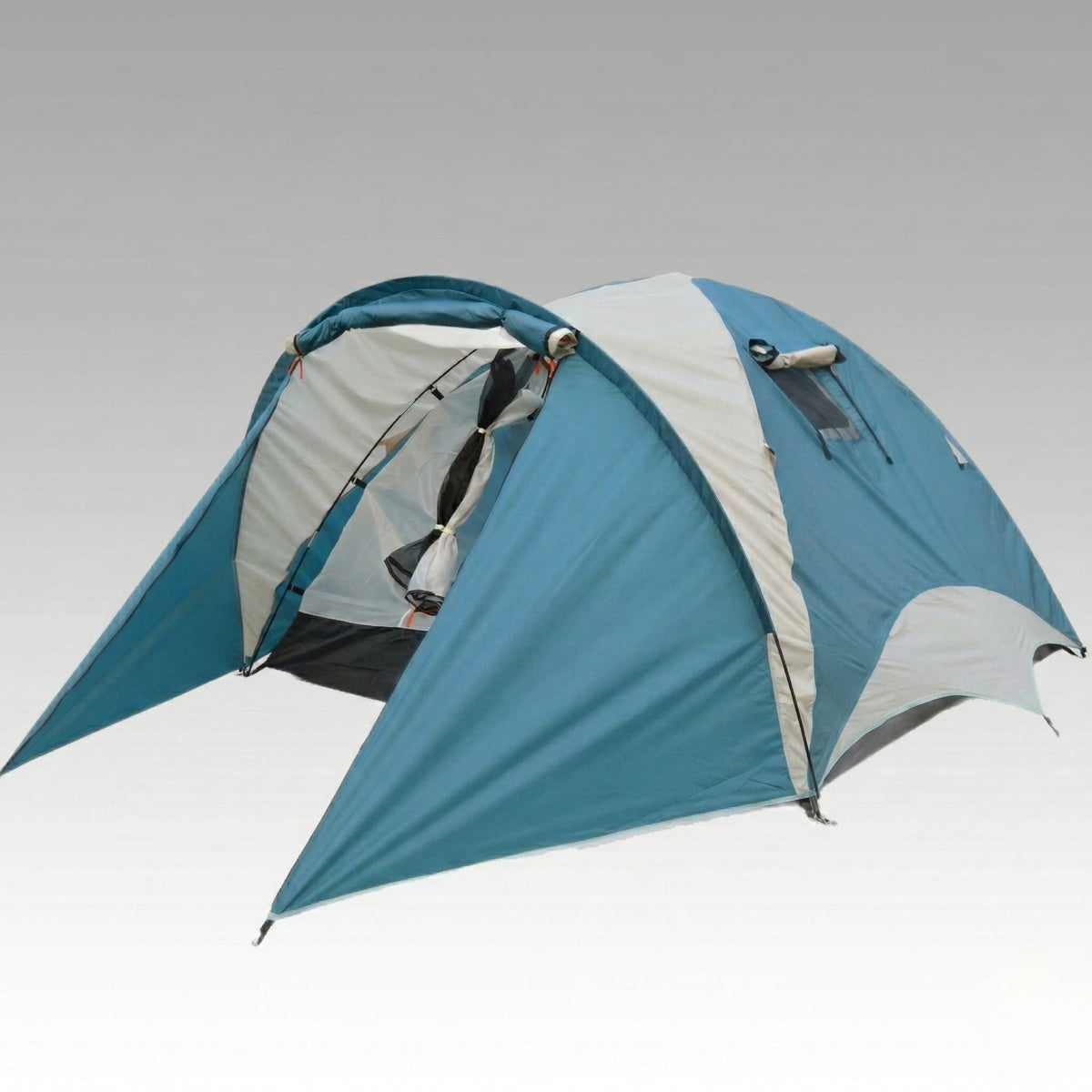
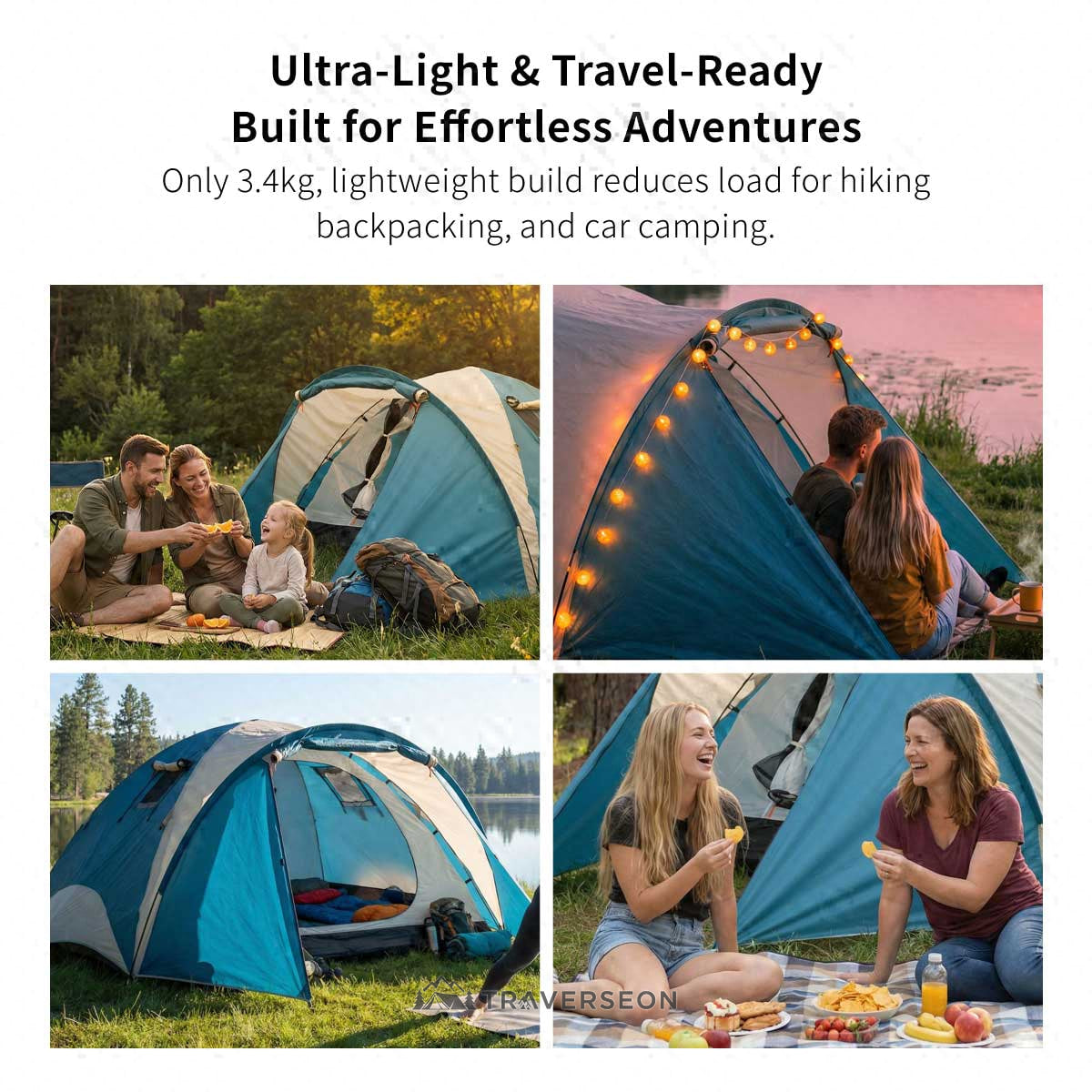
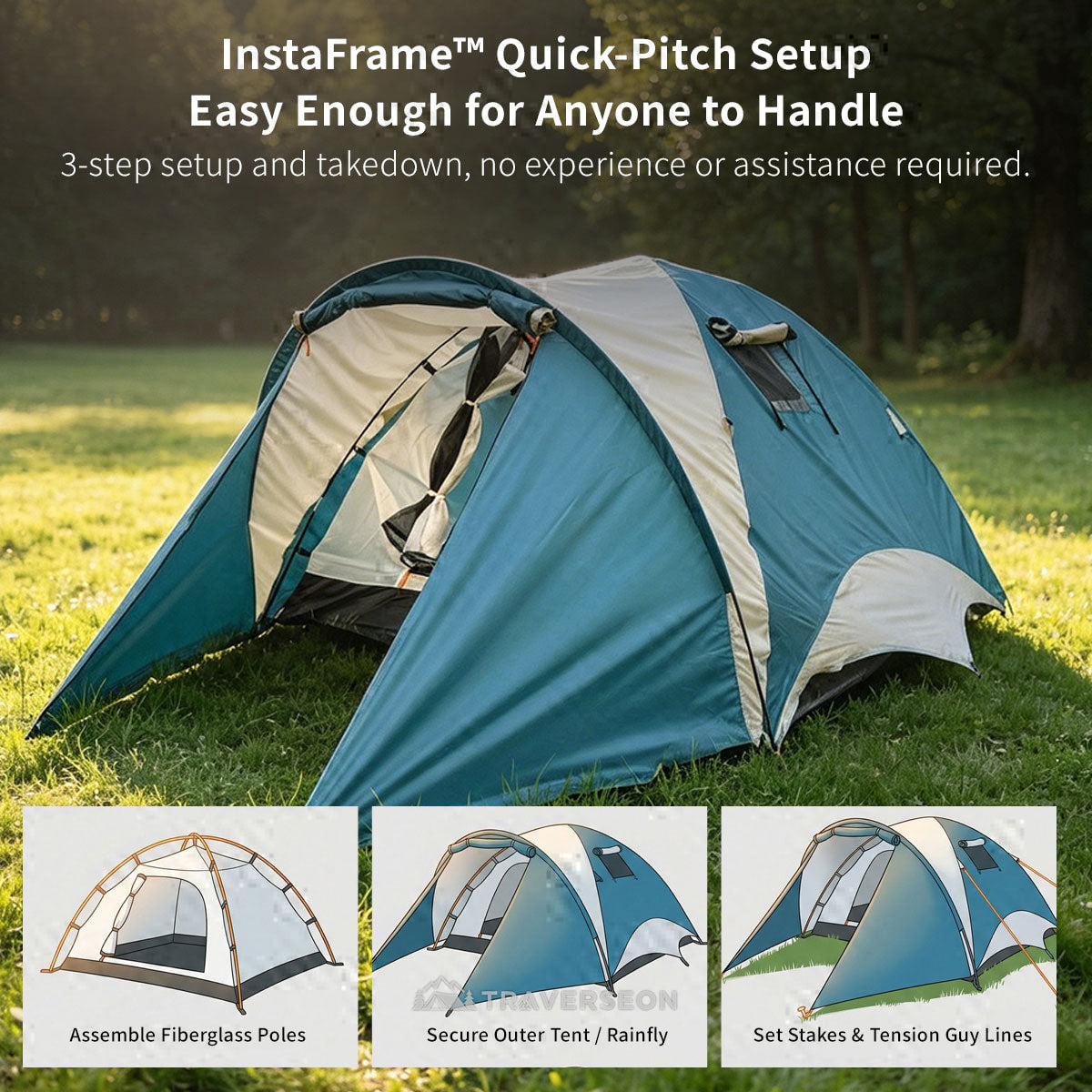
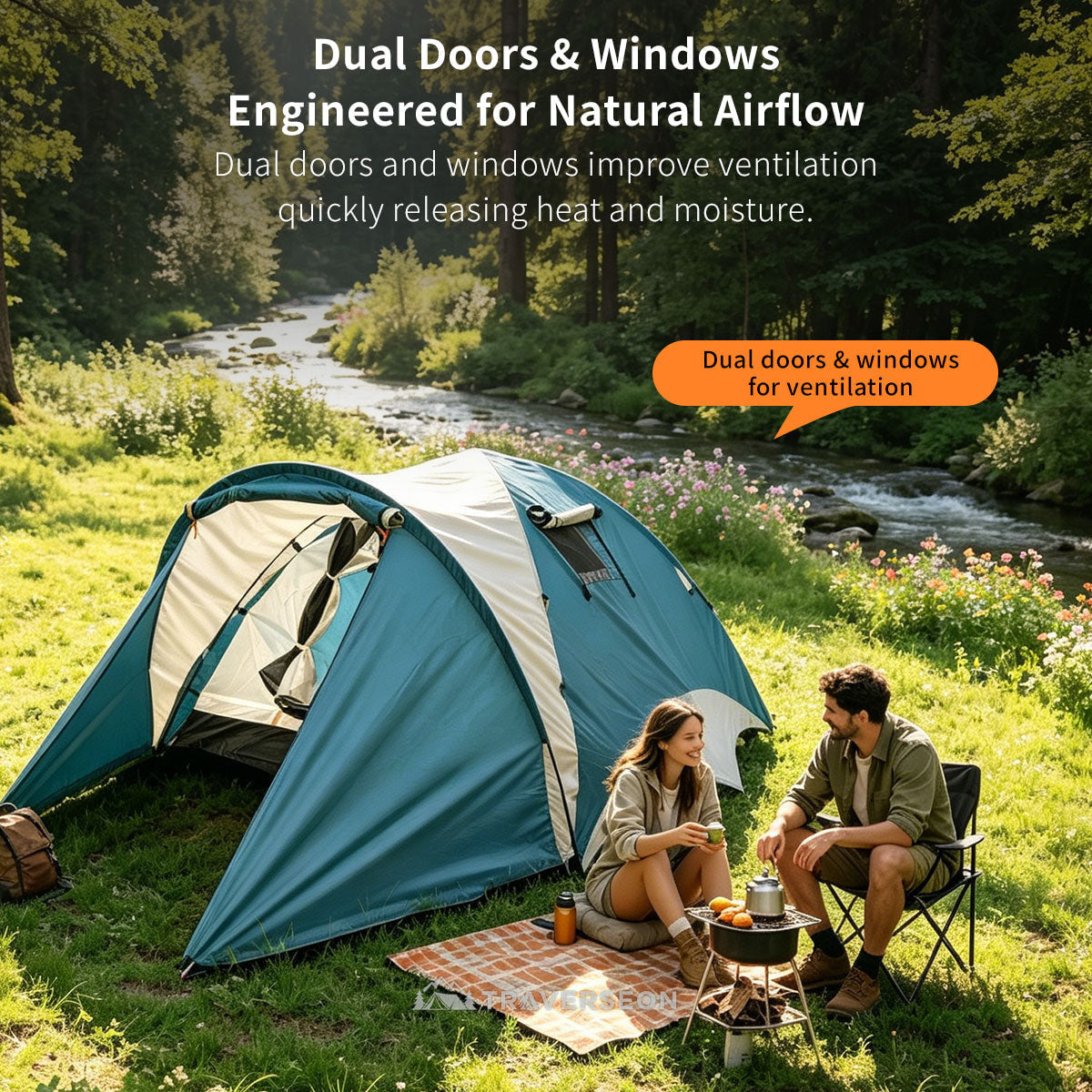
2–3 Person Camping Tent – 7.5 lb Lightweight, 3-Season, Easy Setup | Traverseon
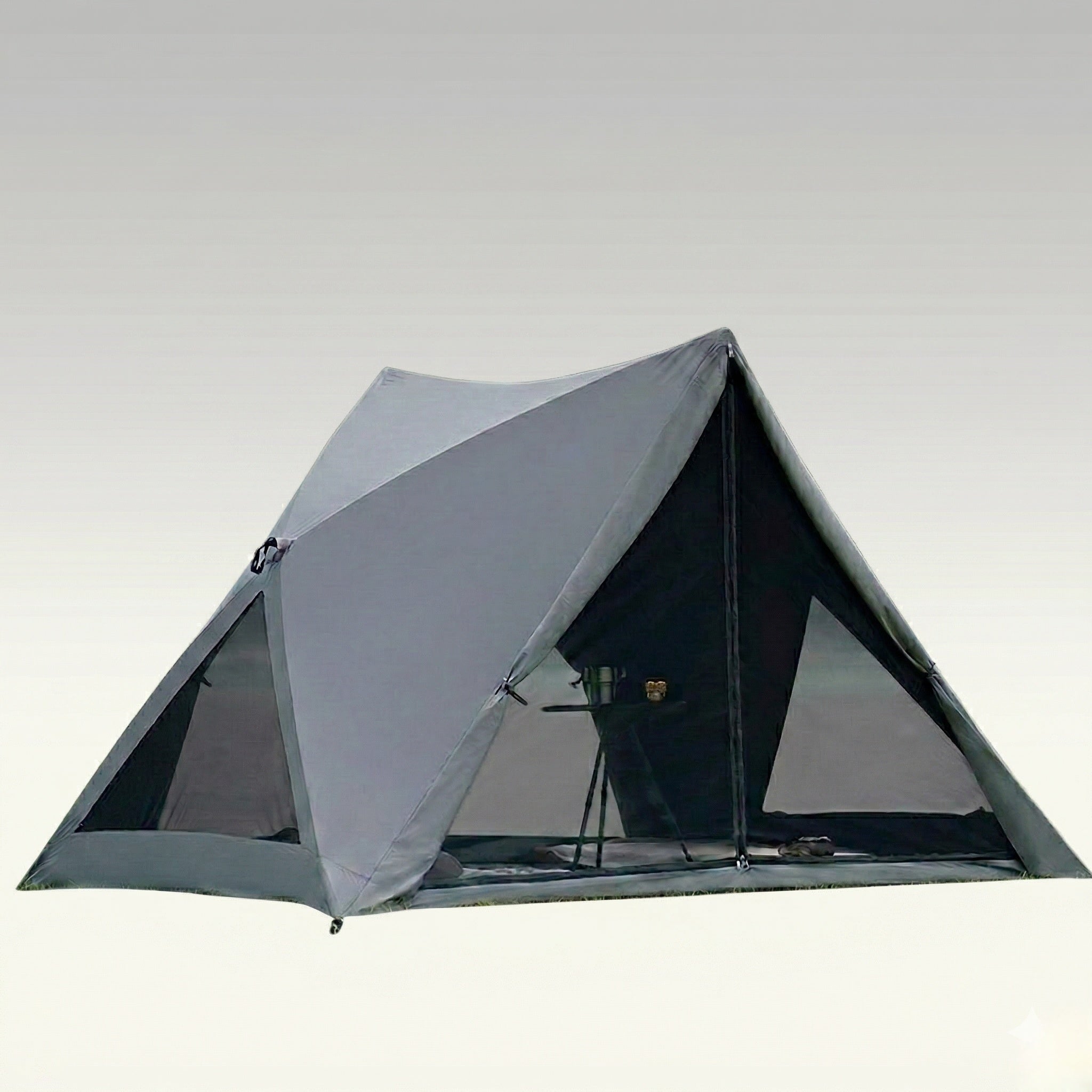
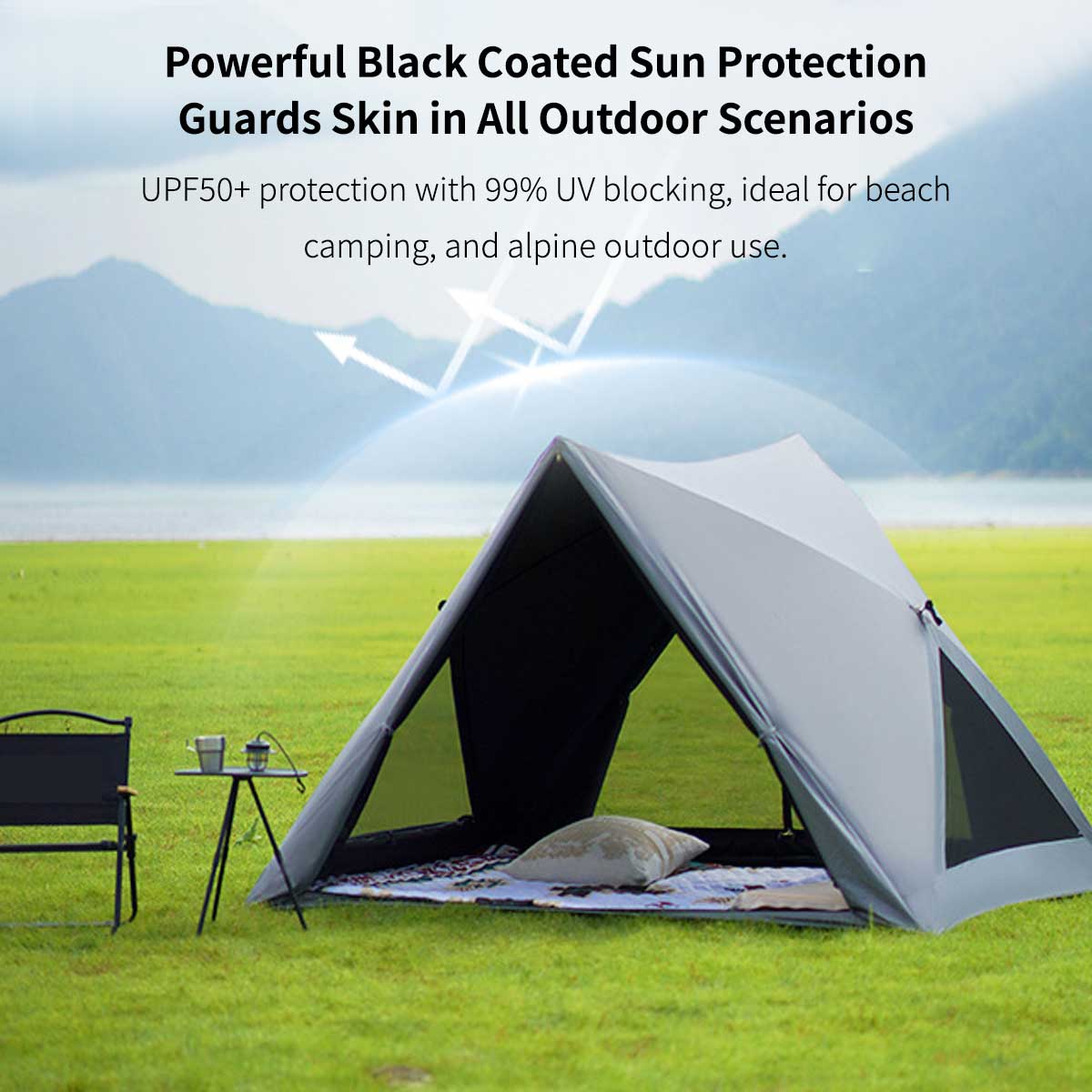
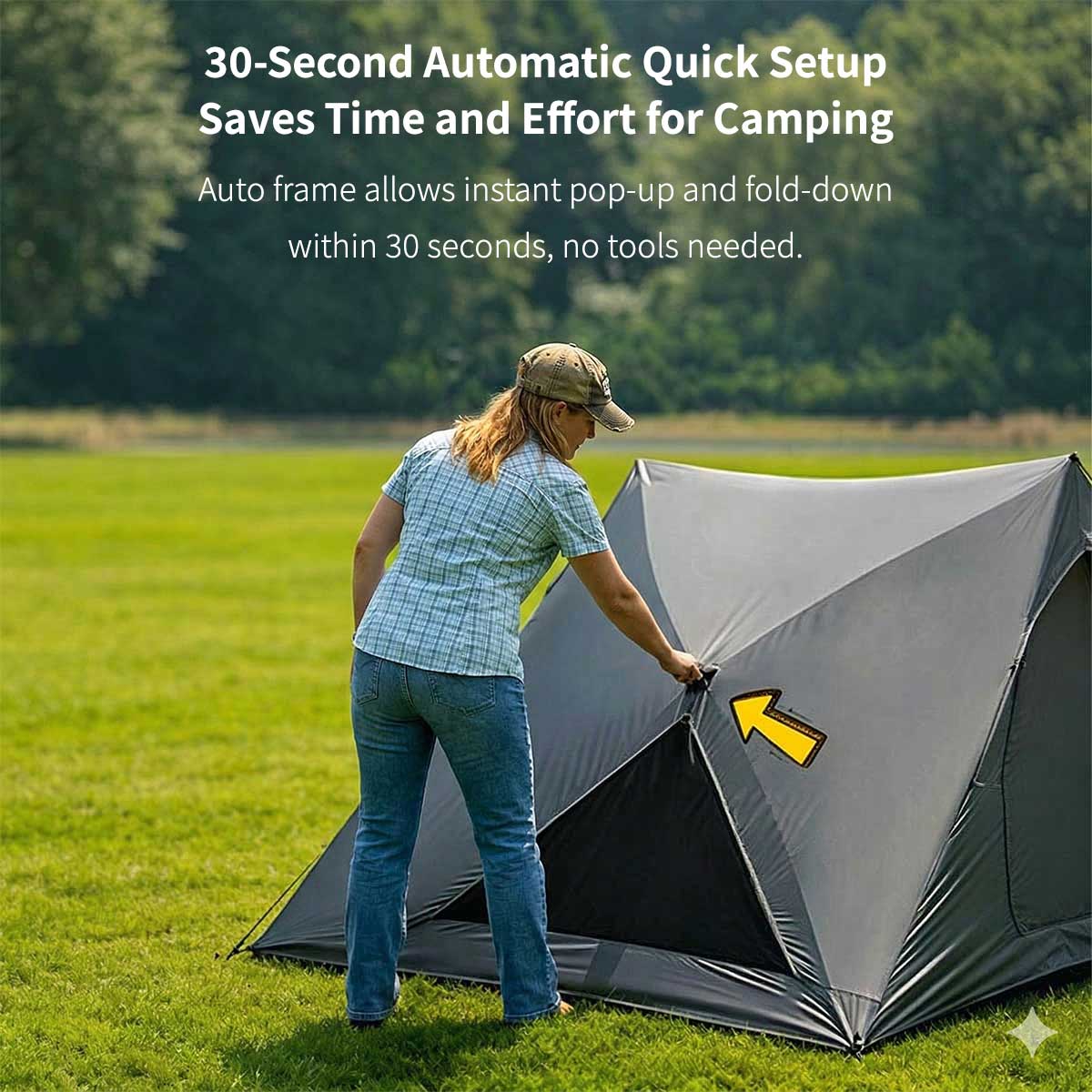
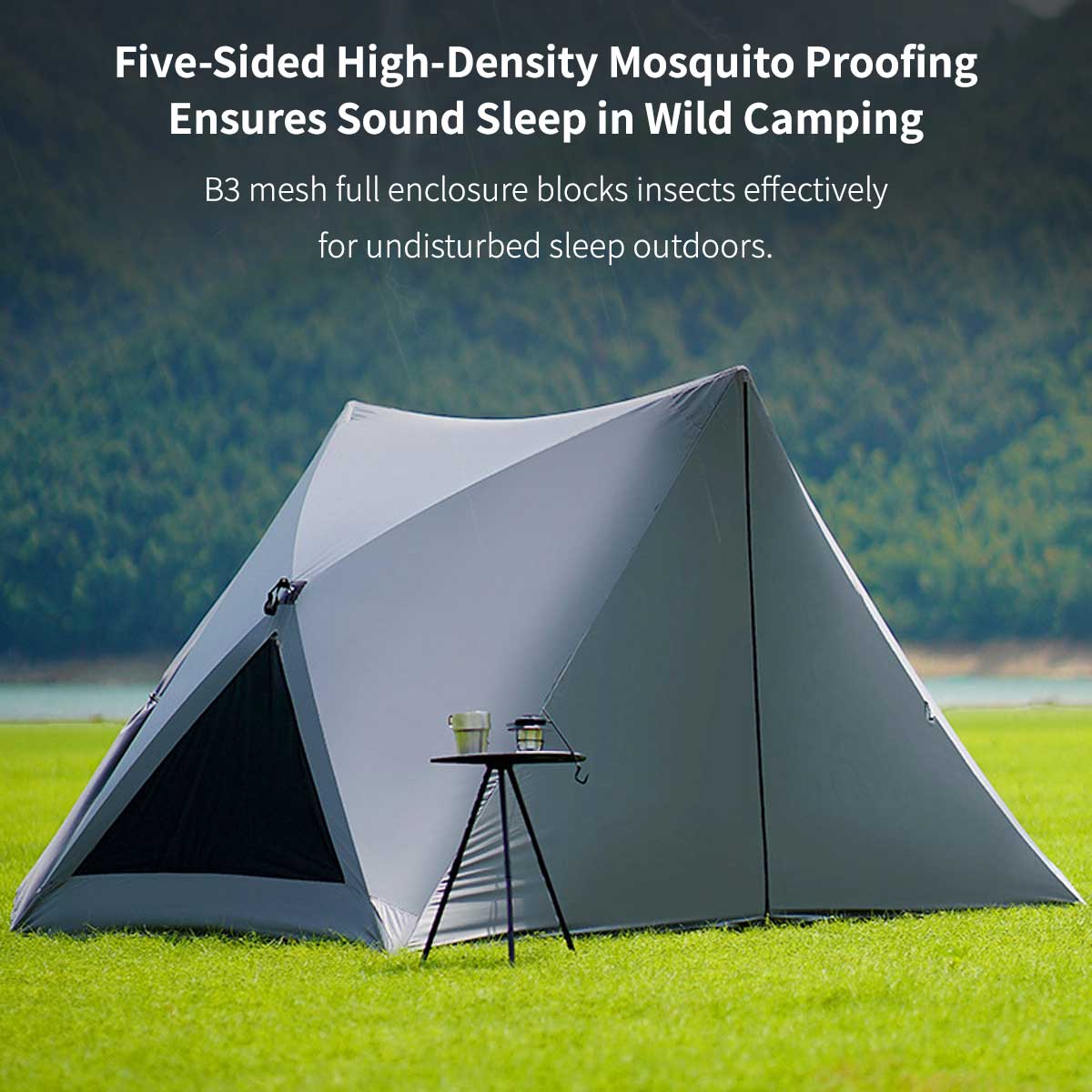
Black Coated Automatic Camping Tent – UPF50+ Waterproof Pop Up Shelter | Traverseon
Automatic Pop-up Camping Tent – 3-8 Person Waterproof Instant Setup Shelter with Porch | Traverseon
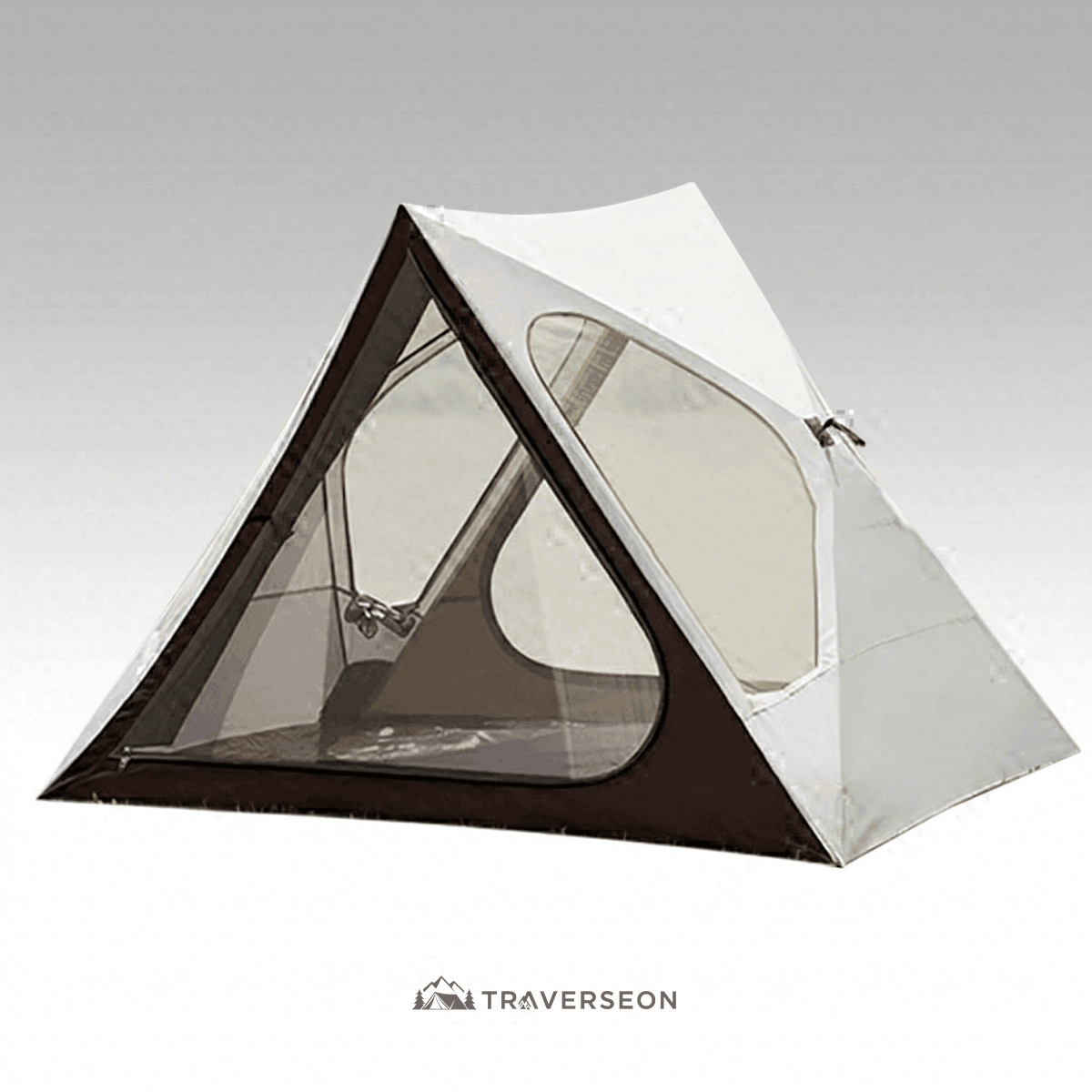
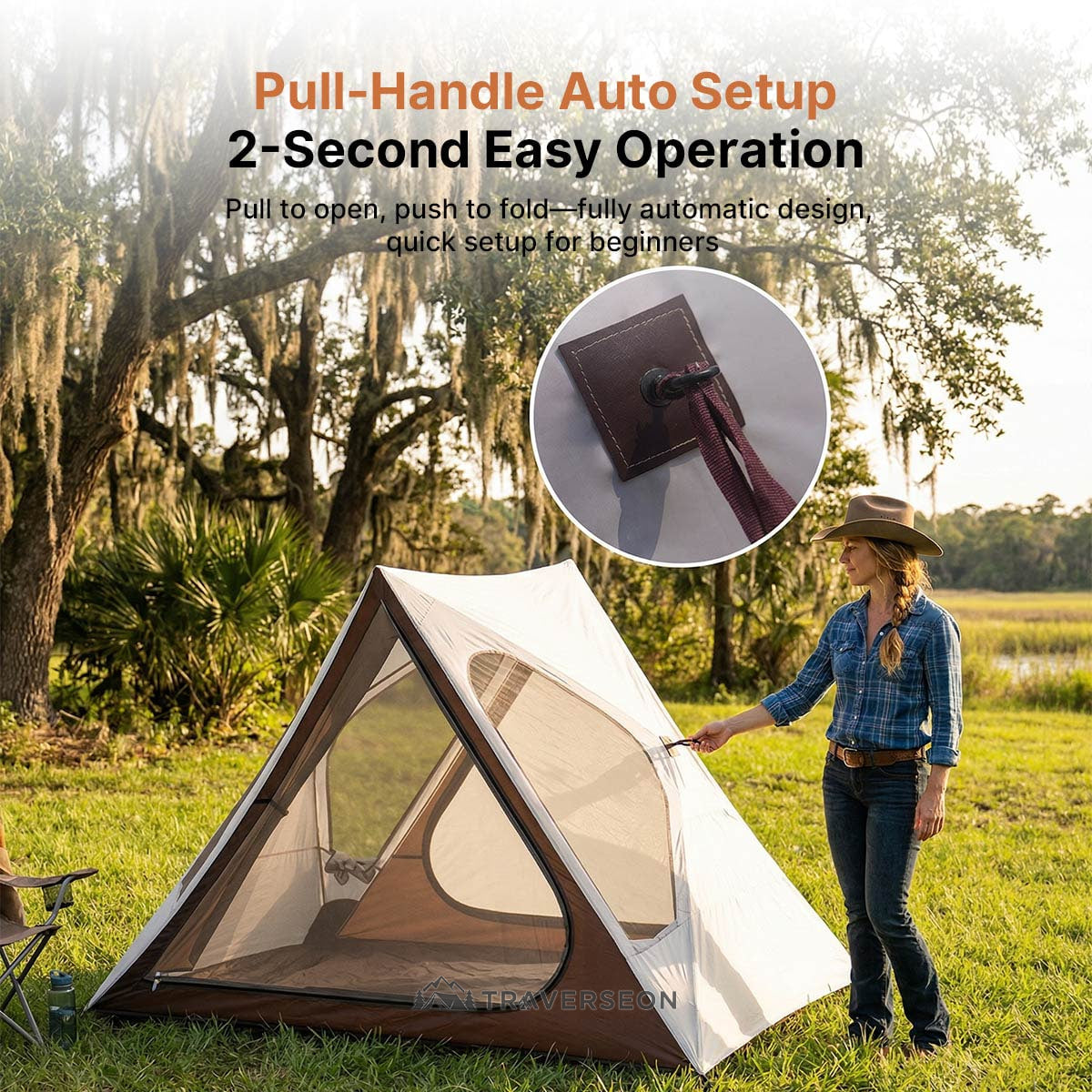
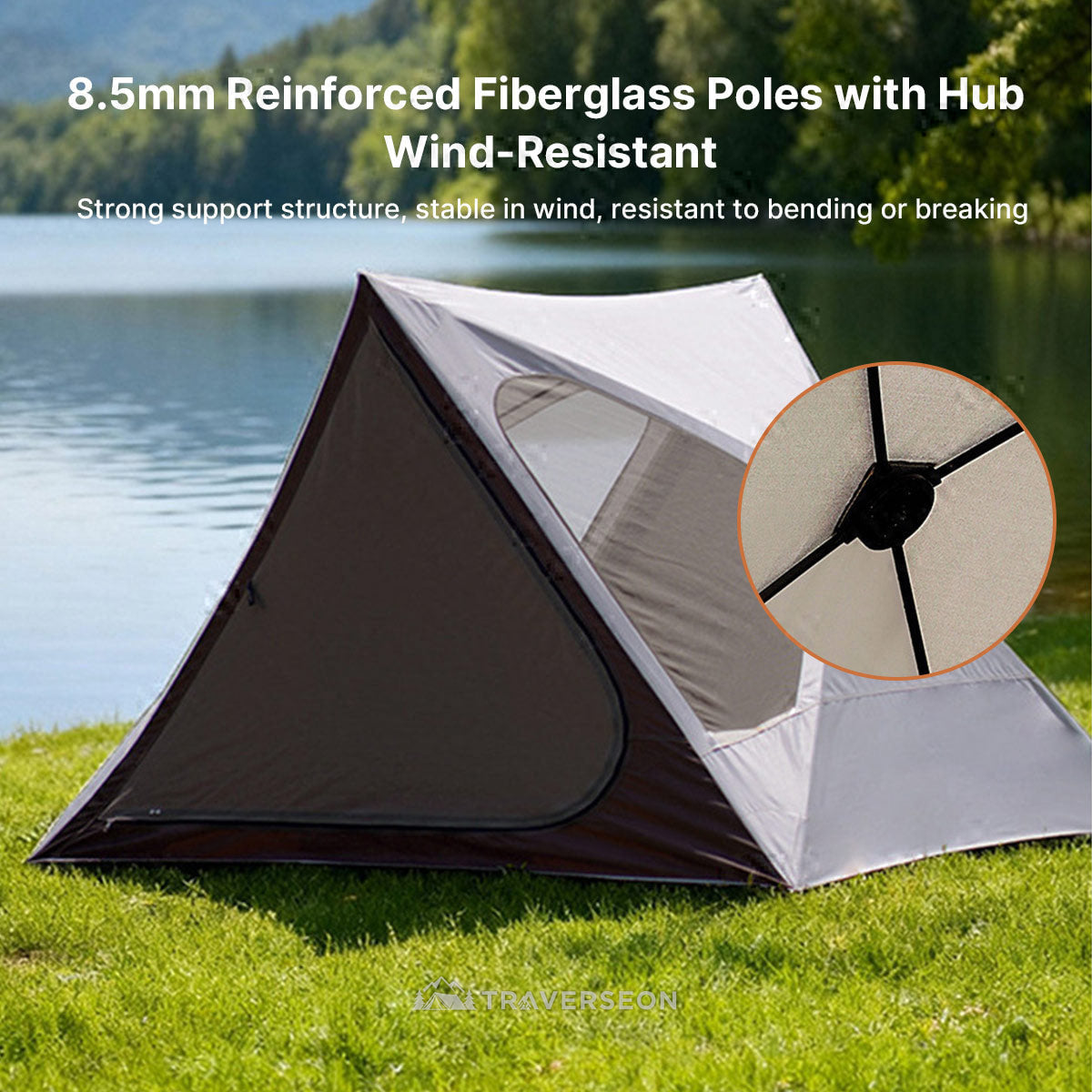
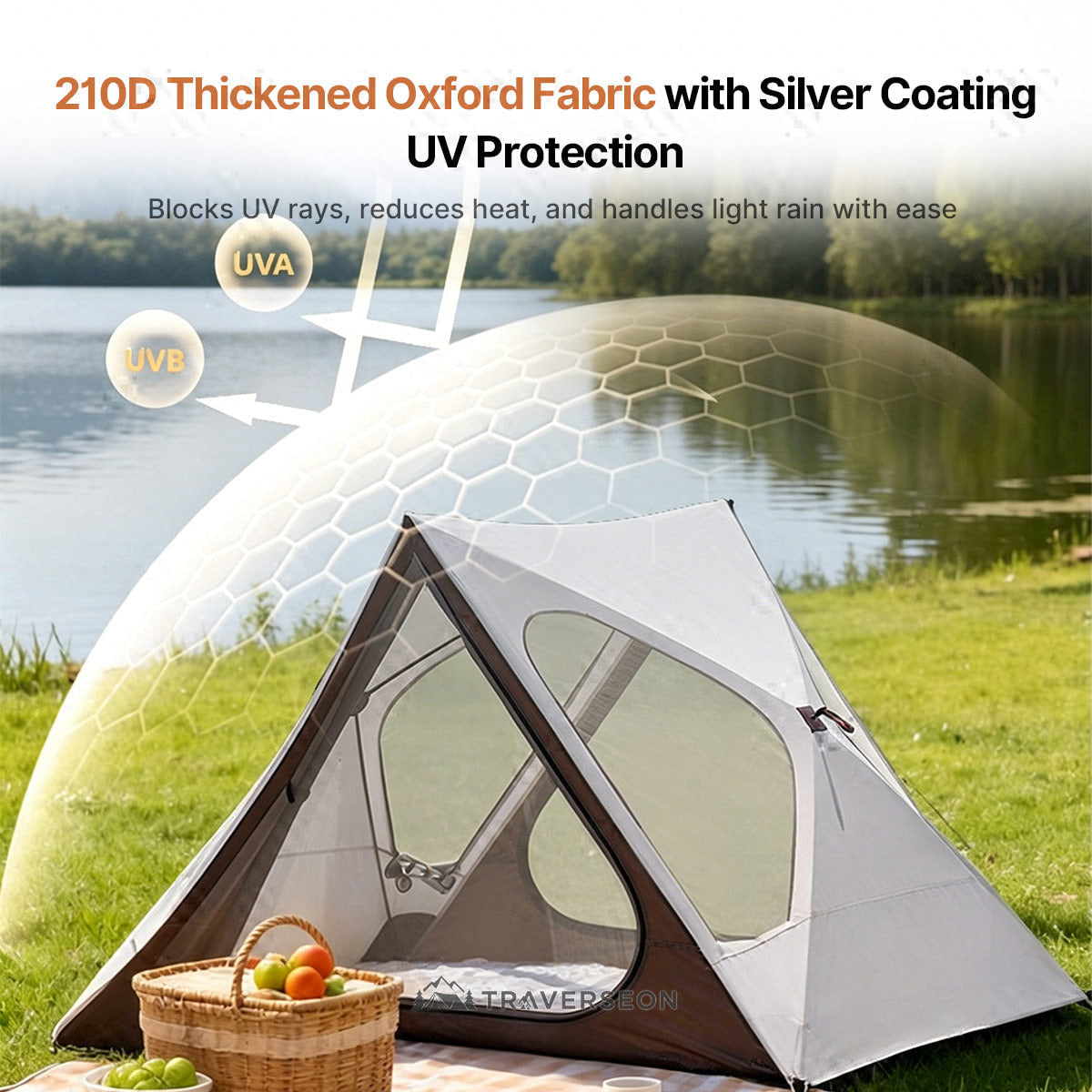
2-3 Person Pop Up Tent - UV Waterproof Triangle for Camping Beach Hiking | Traverseon
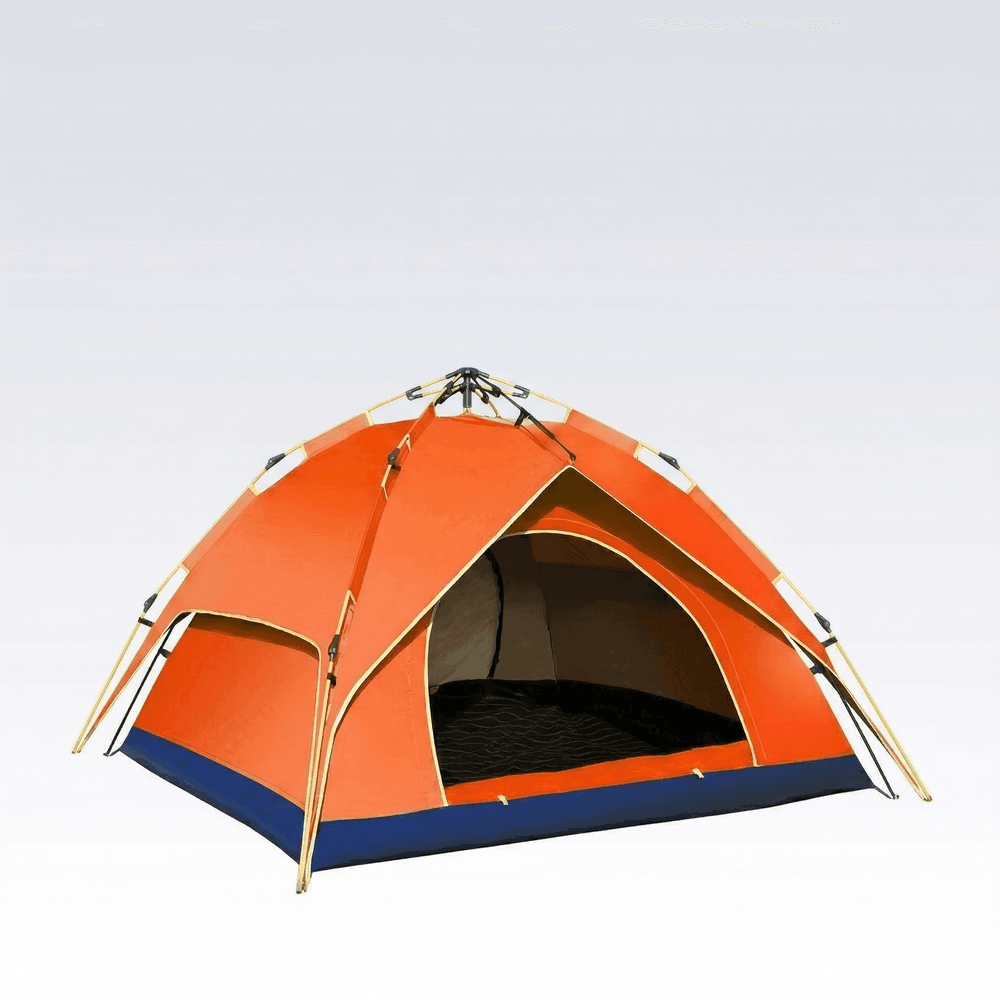
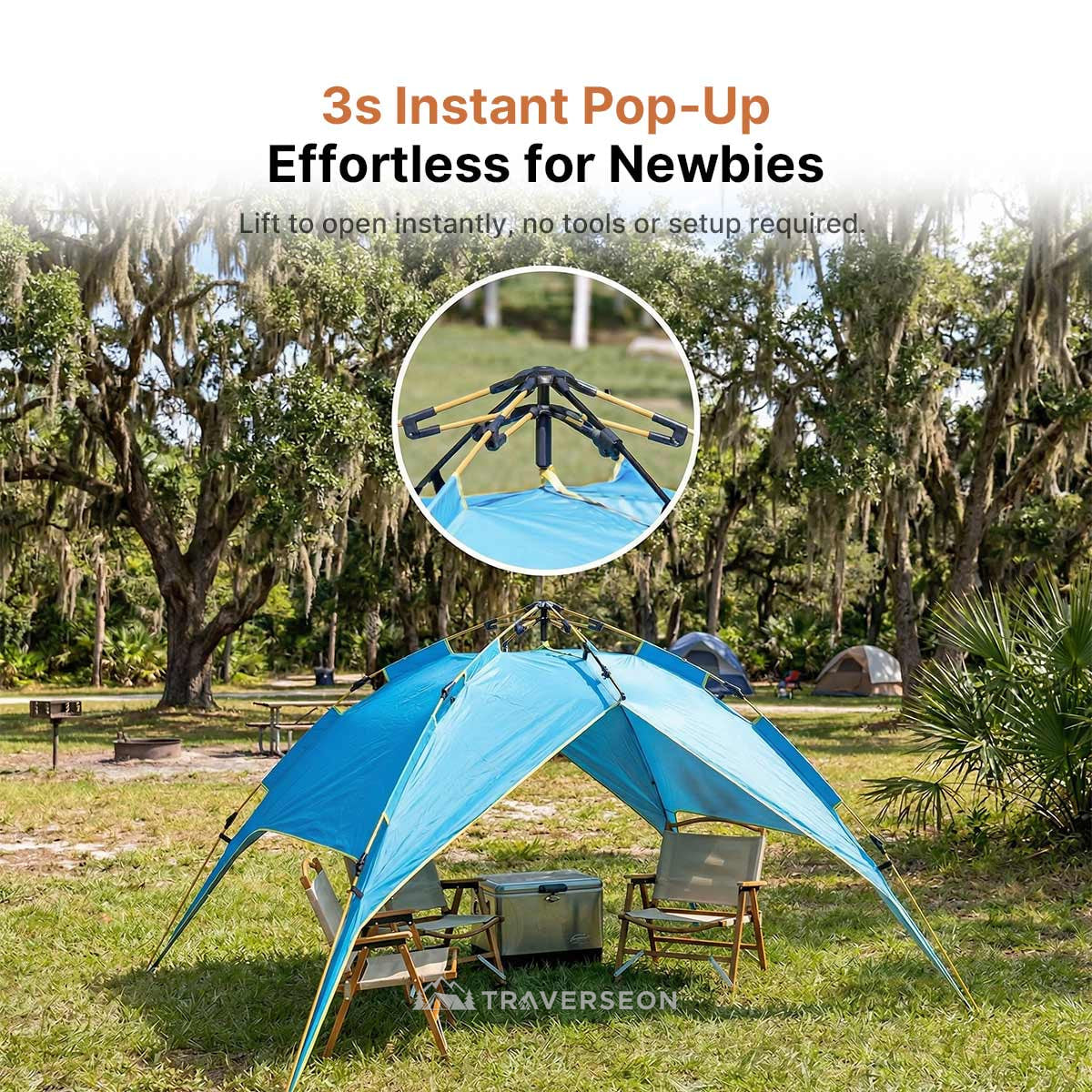
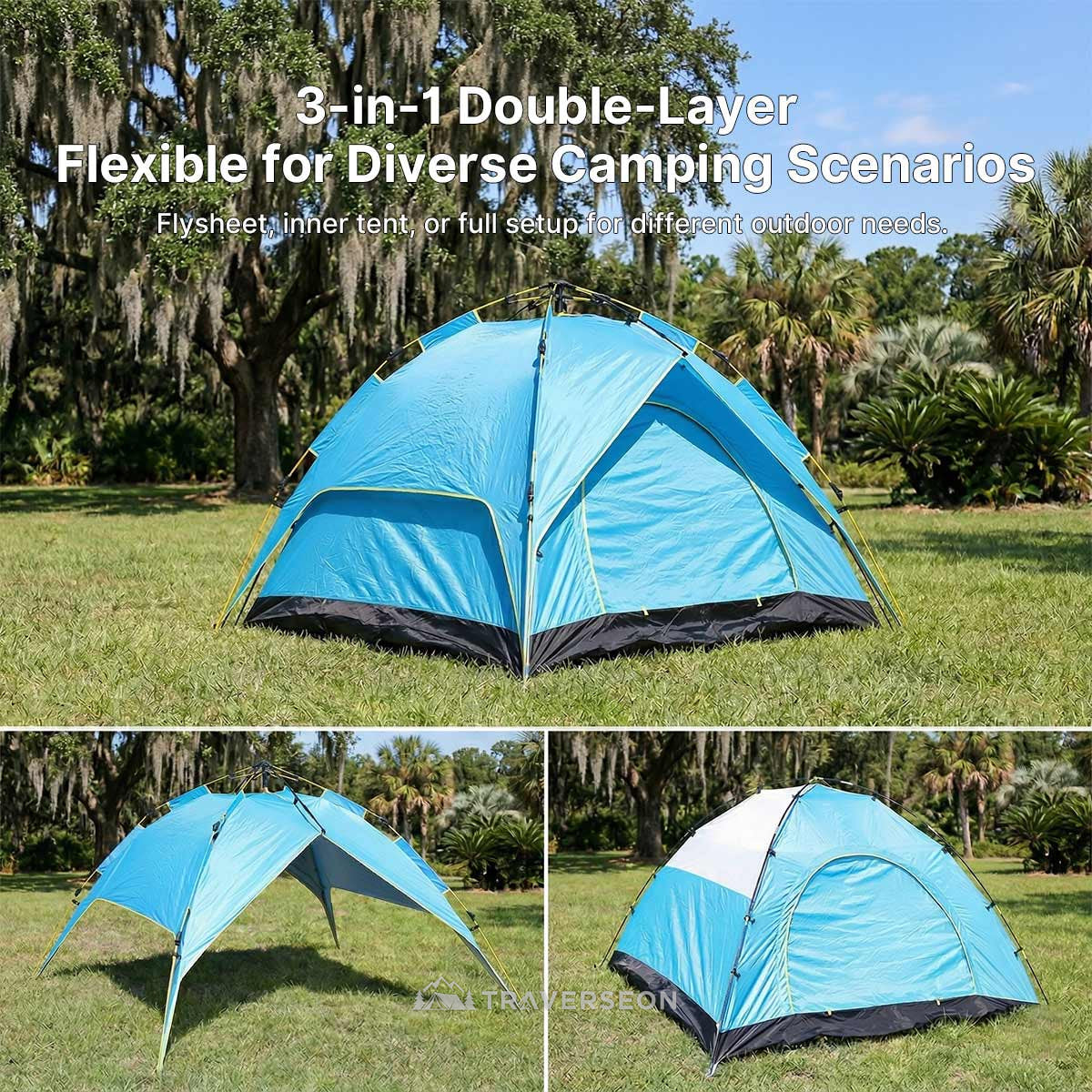
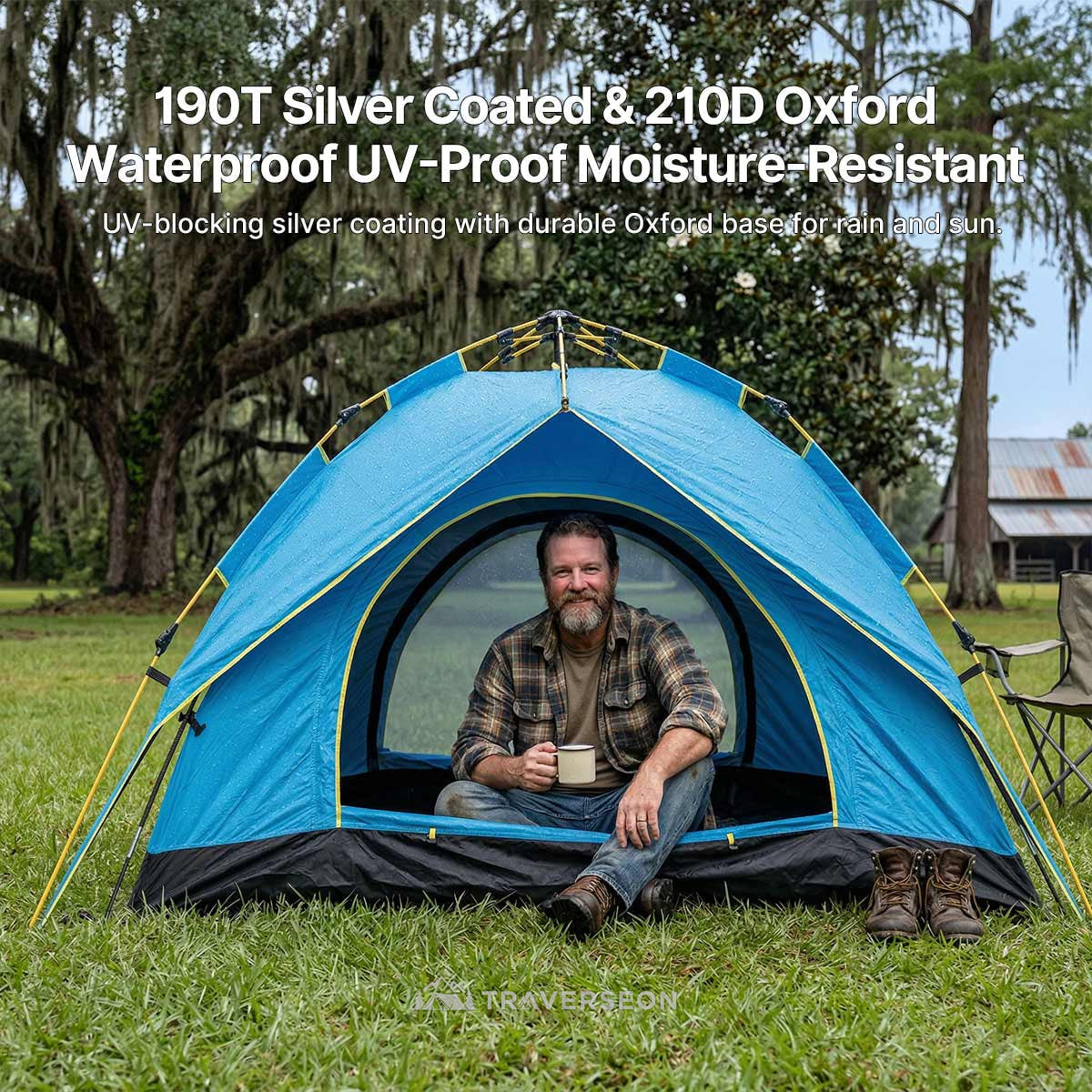
2 Person Instant Pop Up Camping Tent – 3s Setup, Double Layer | Traverseon
Anti-Mosquito Tent
Screen House Tent – 4-8 Person Outdoor Gazebo with Mosquito Netting | Traverseon
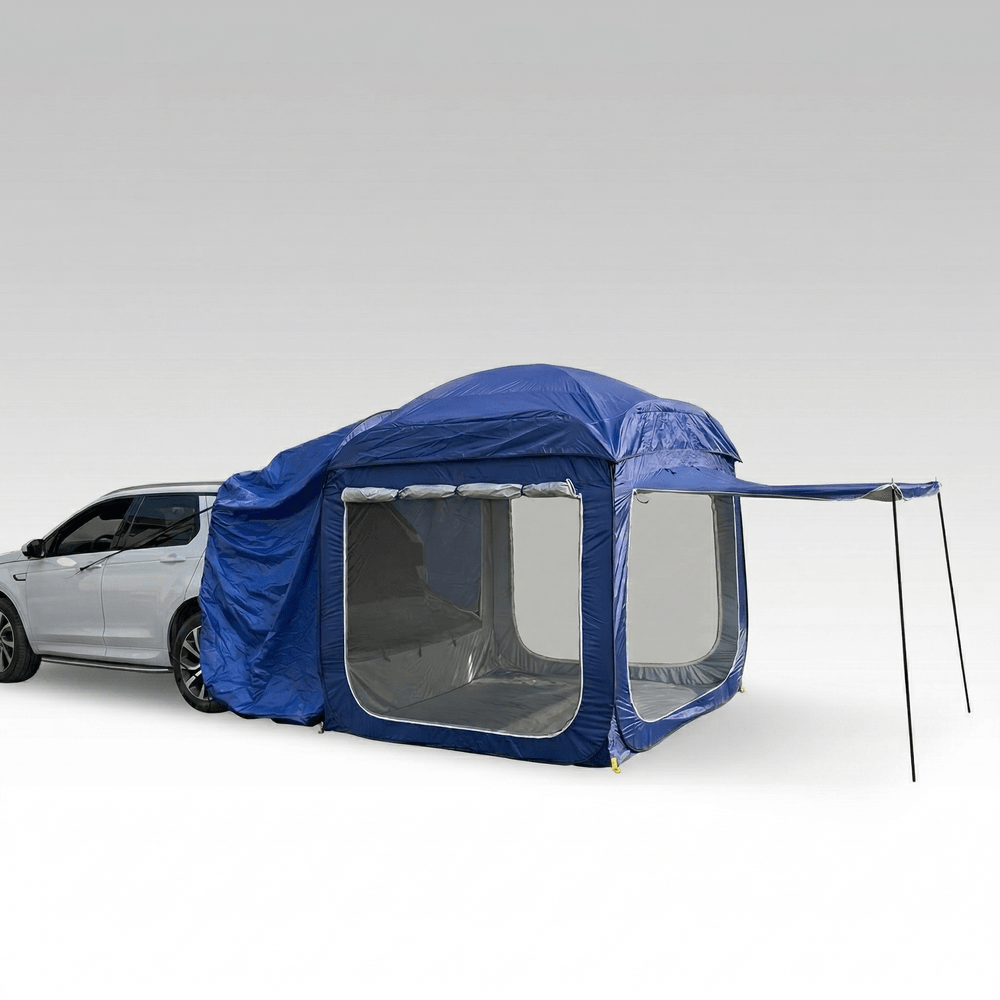


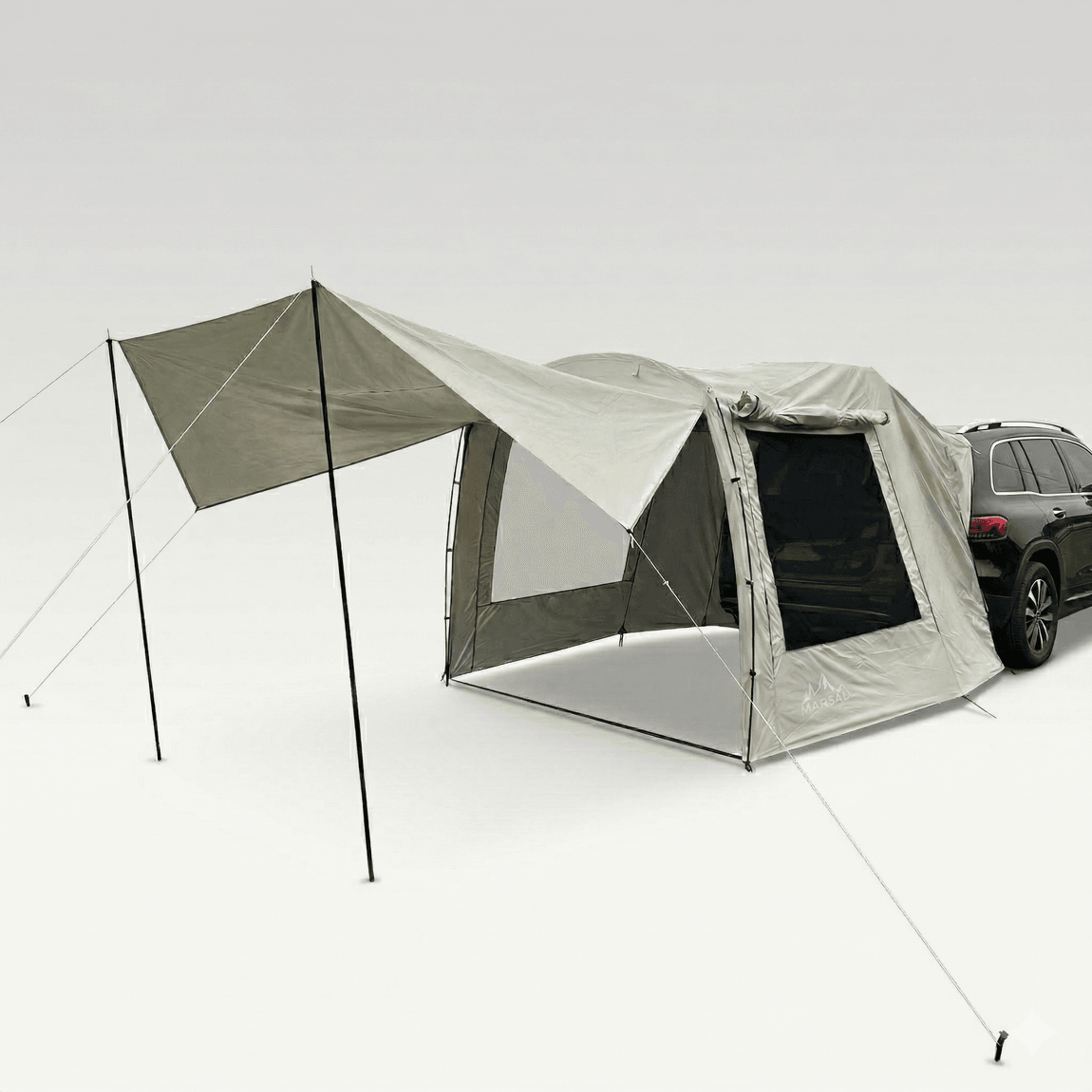
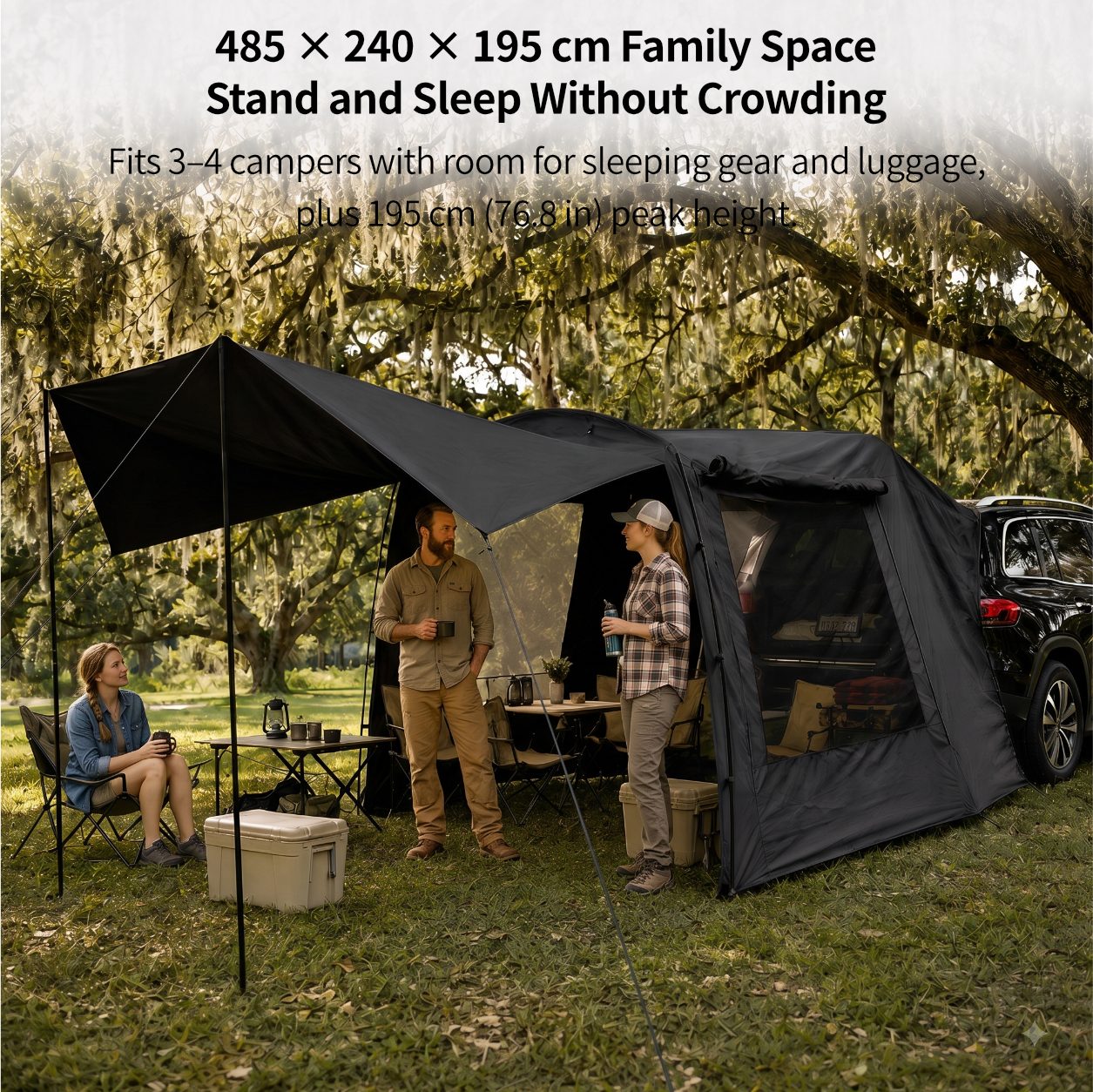
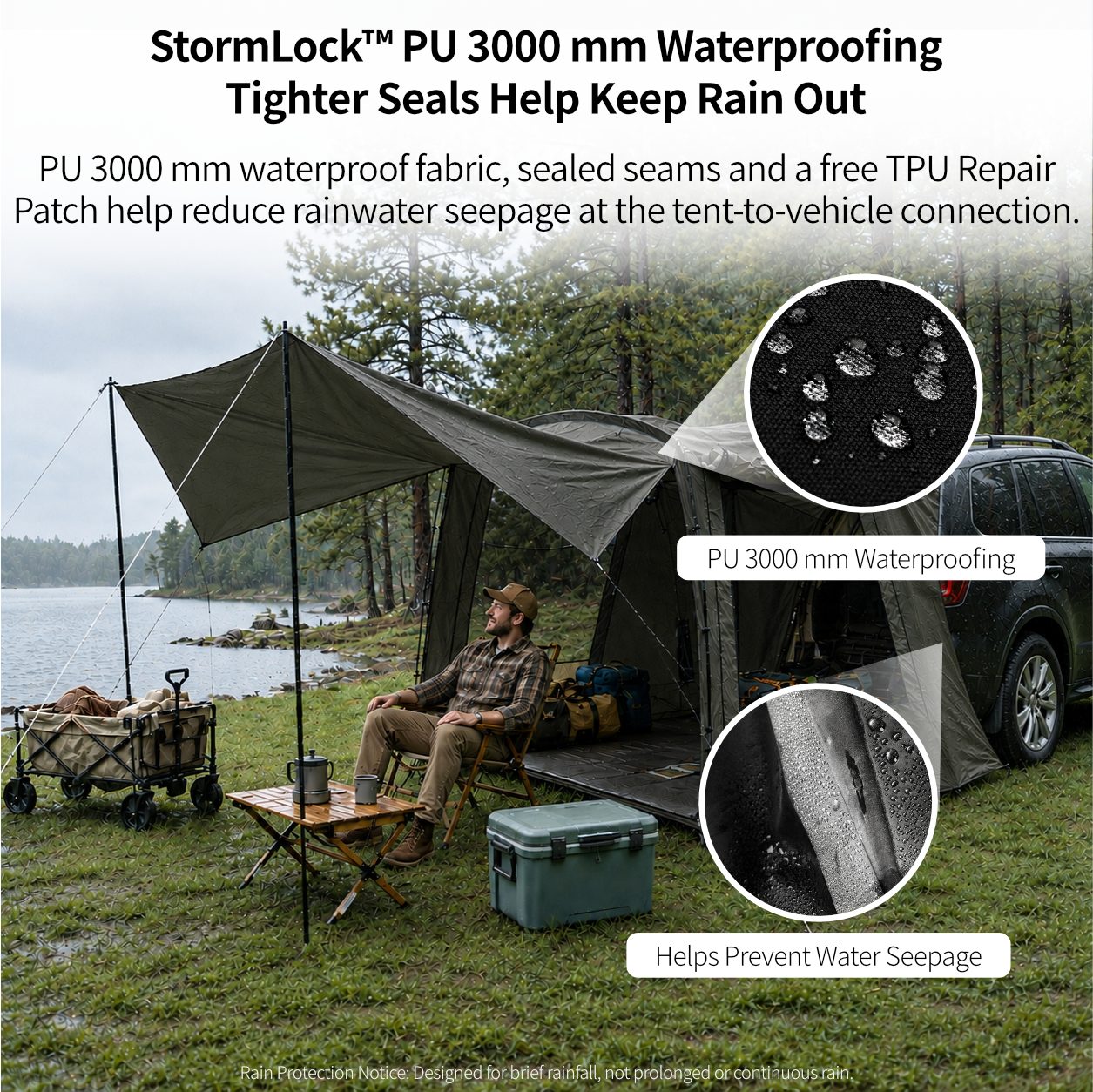
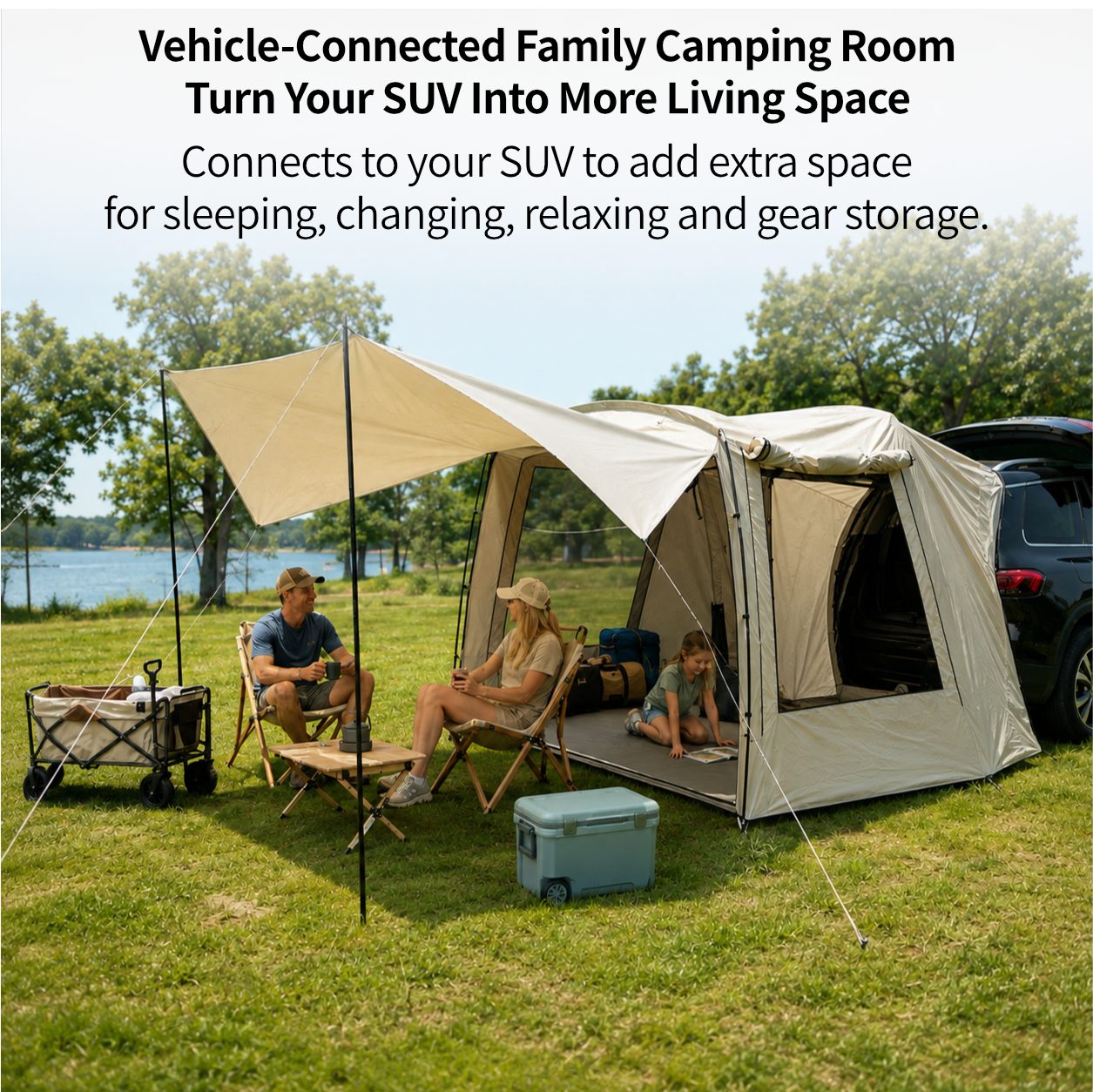
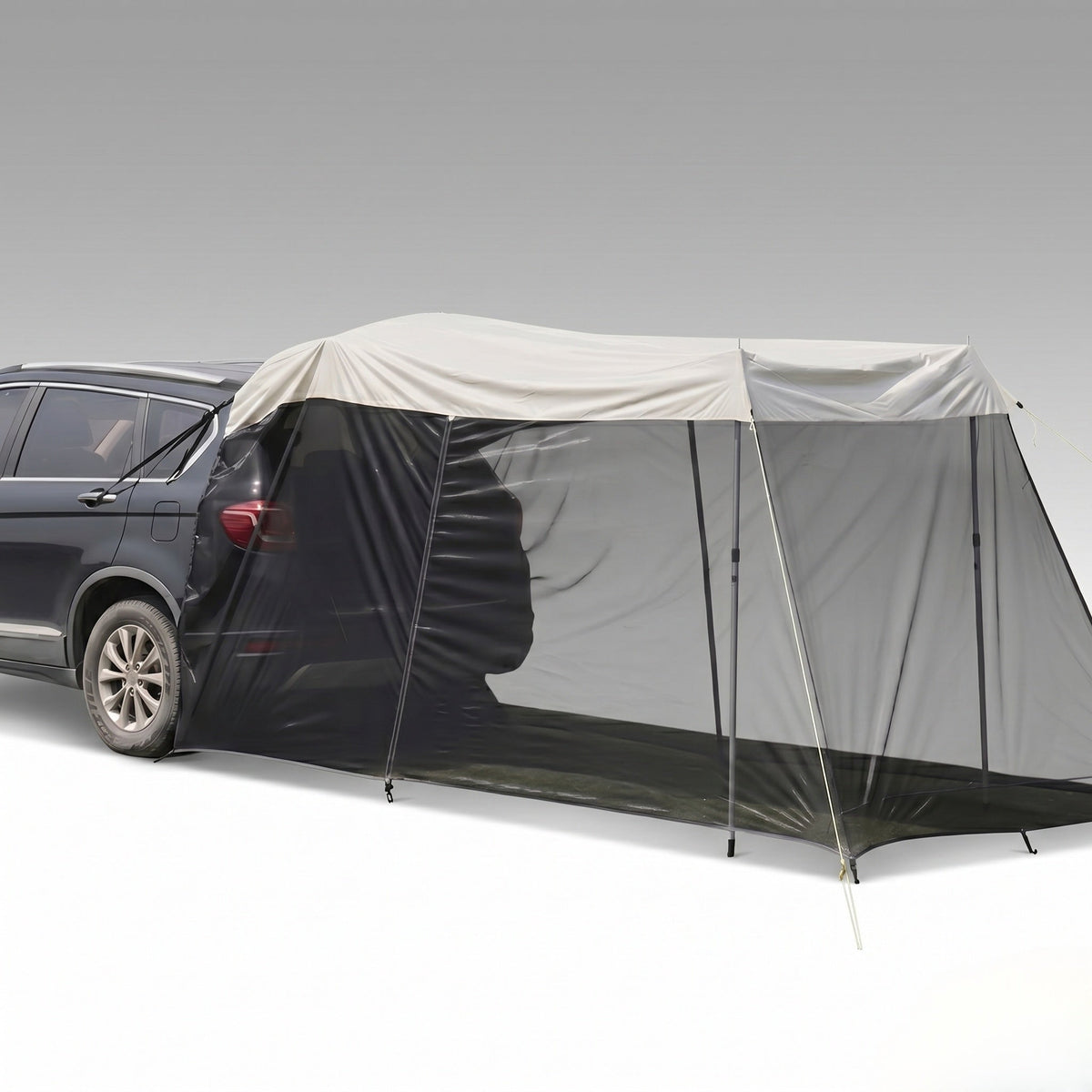
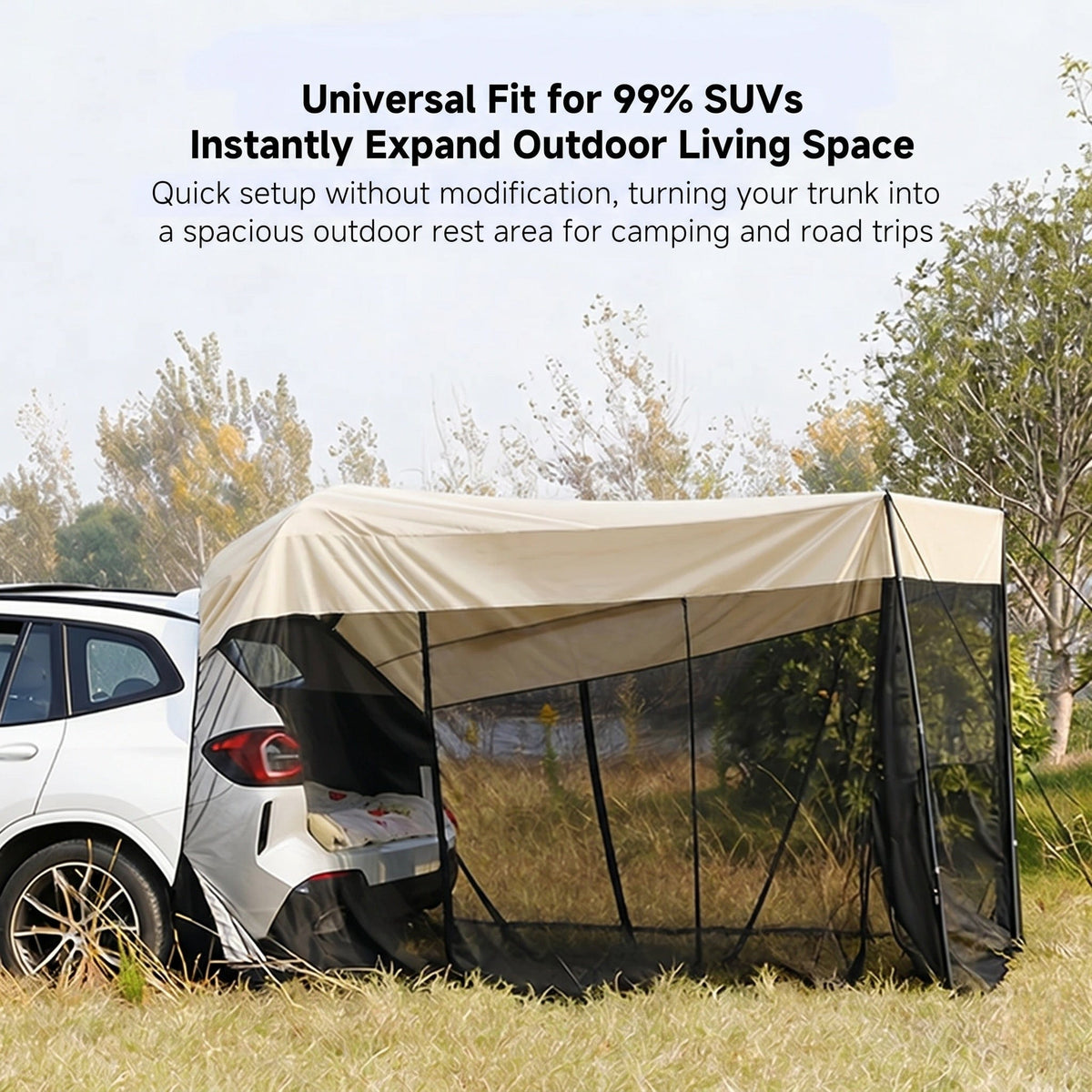
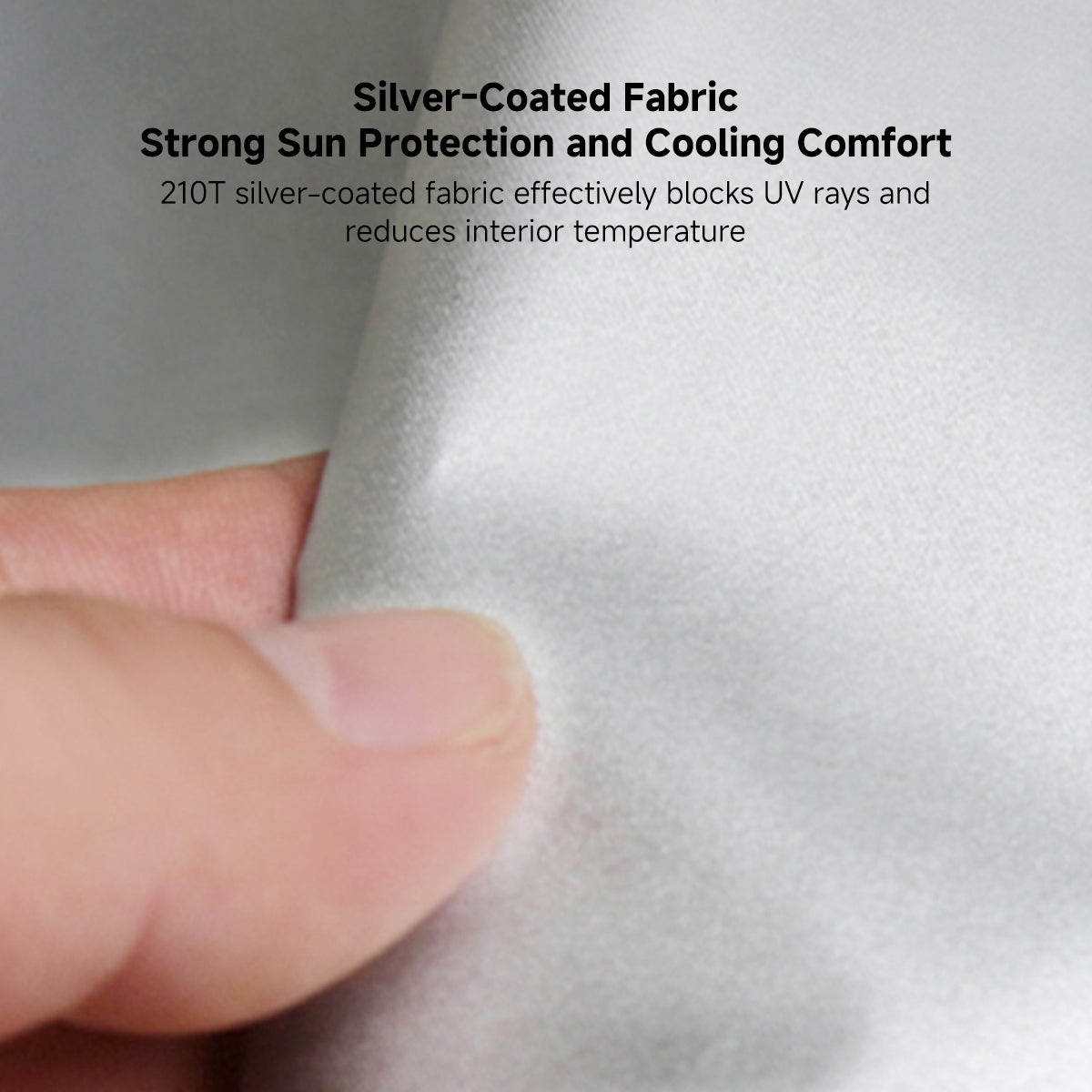
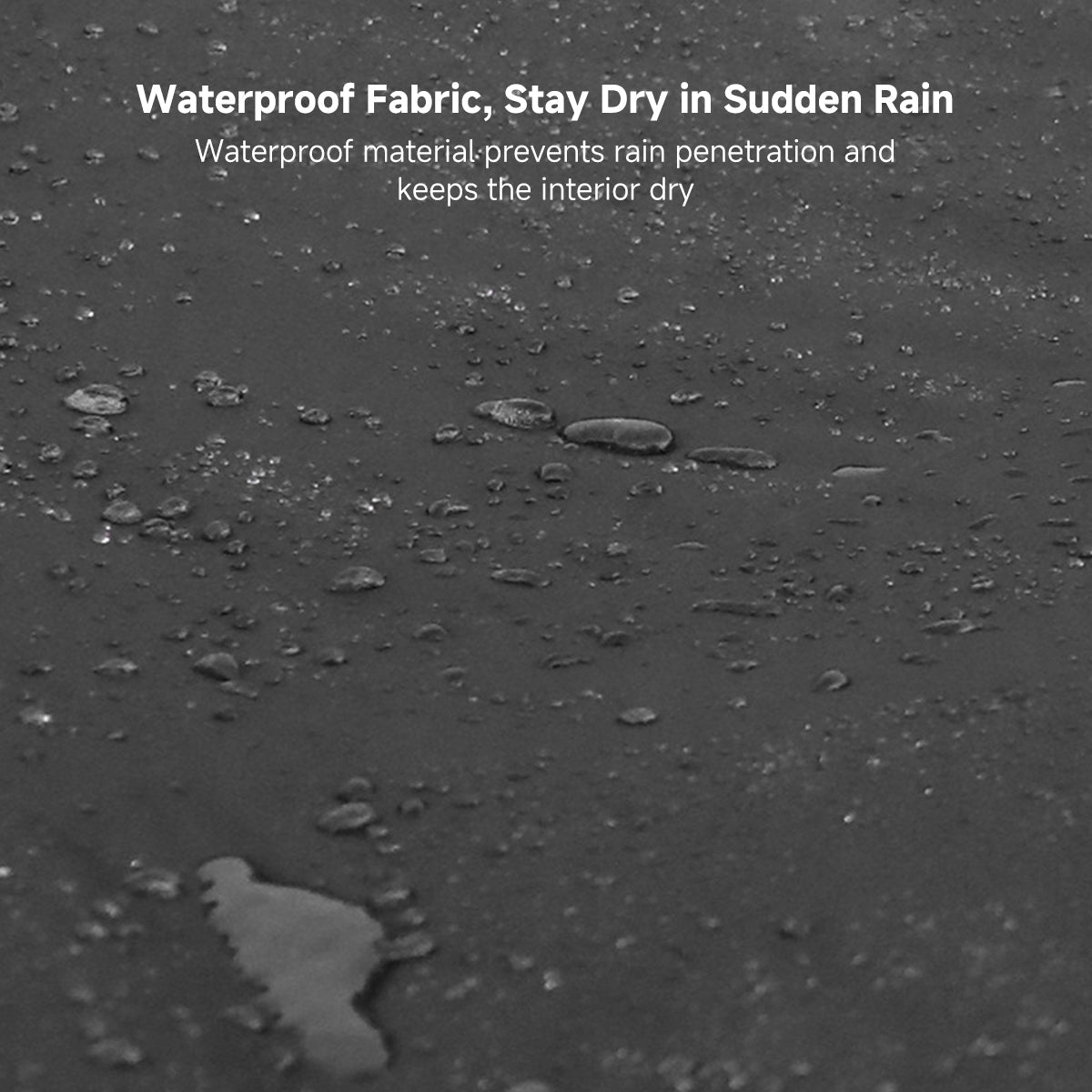
SUV Tent – 390 × 200 cm Waterproof Tailgate Tent for Car Camping | Traverseon
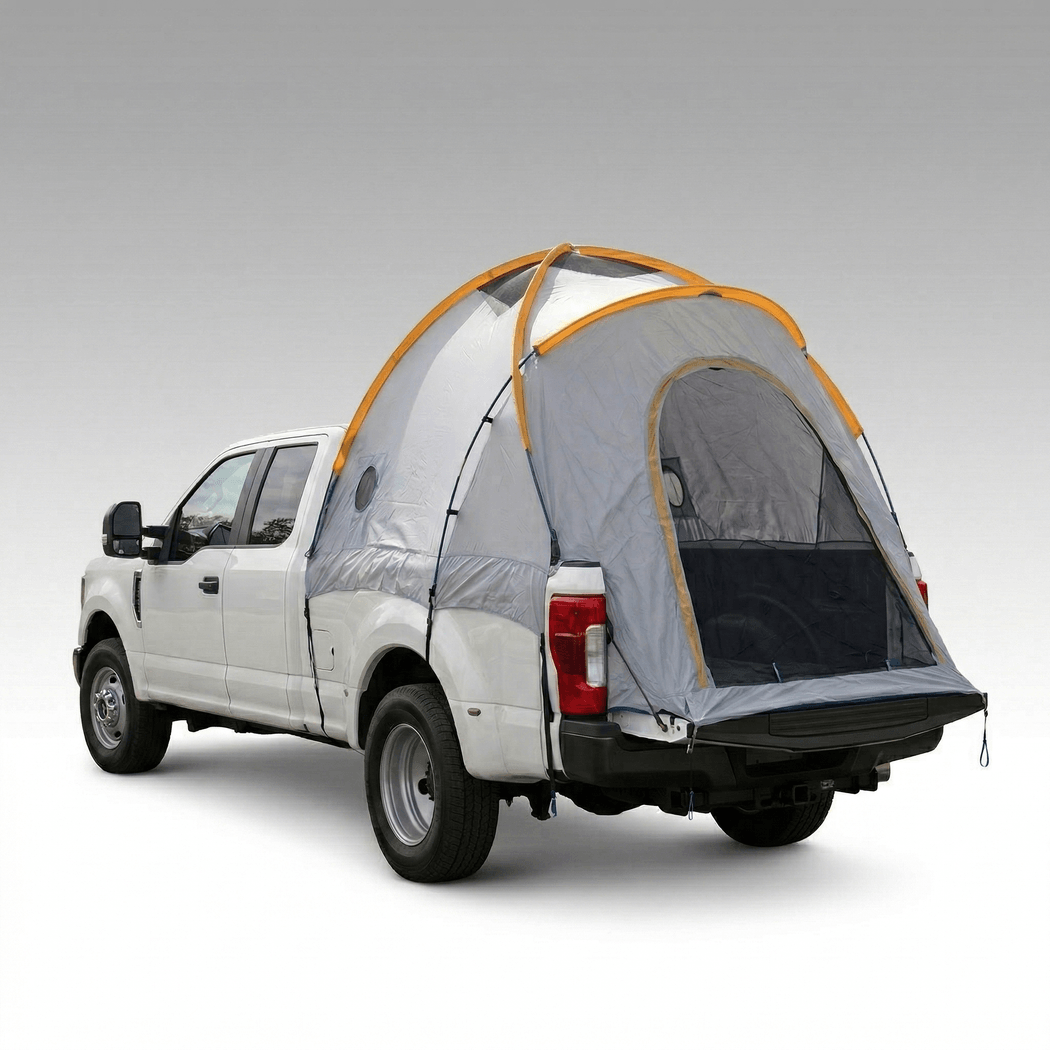
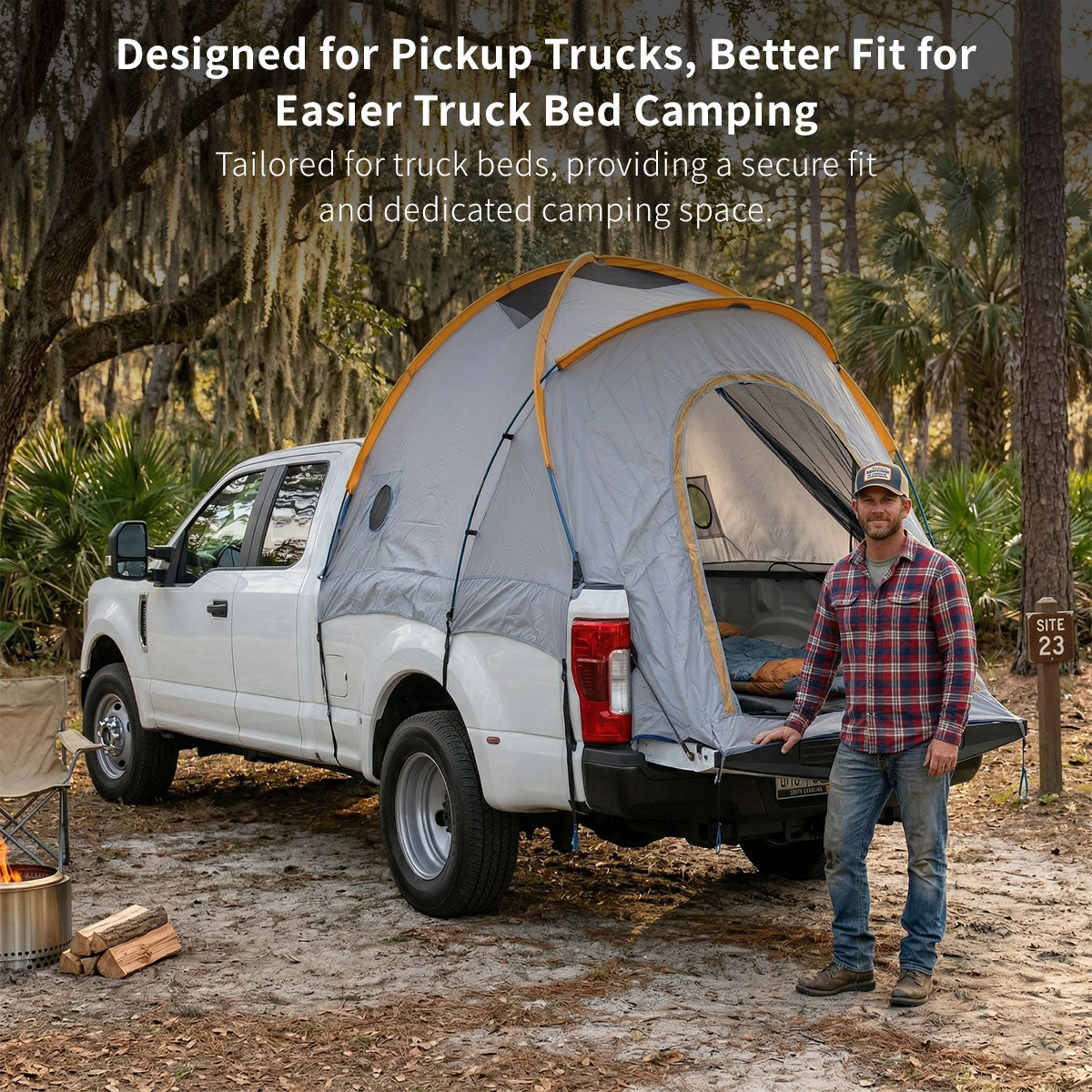
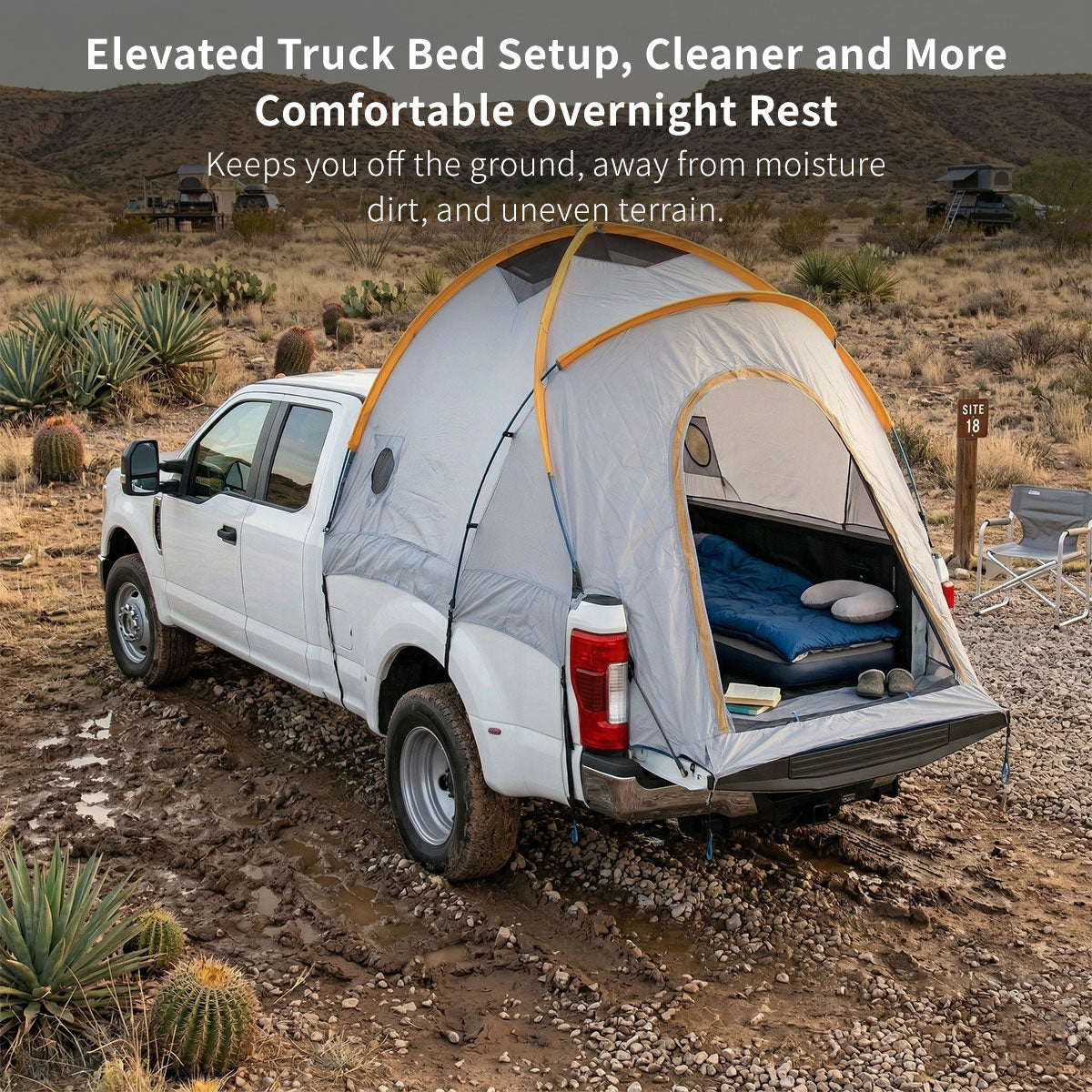
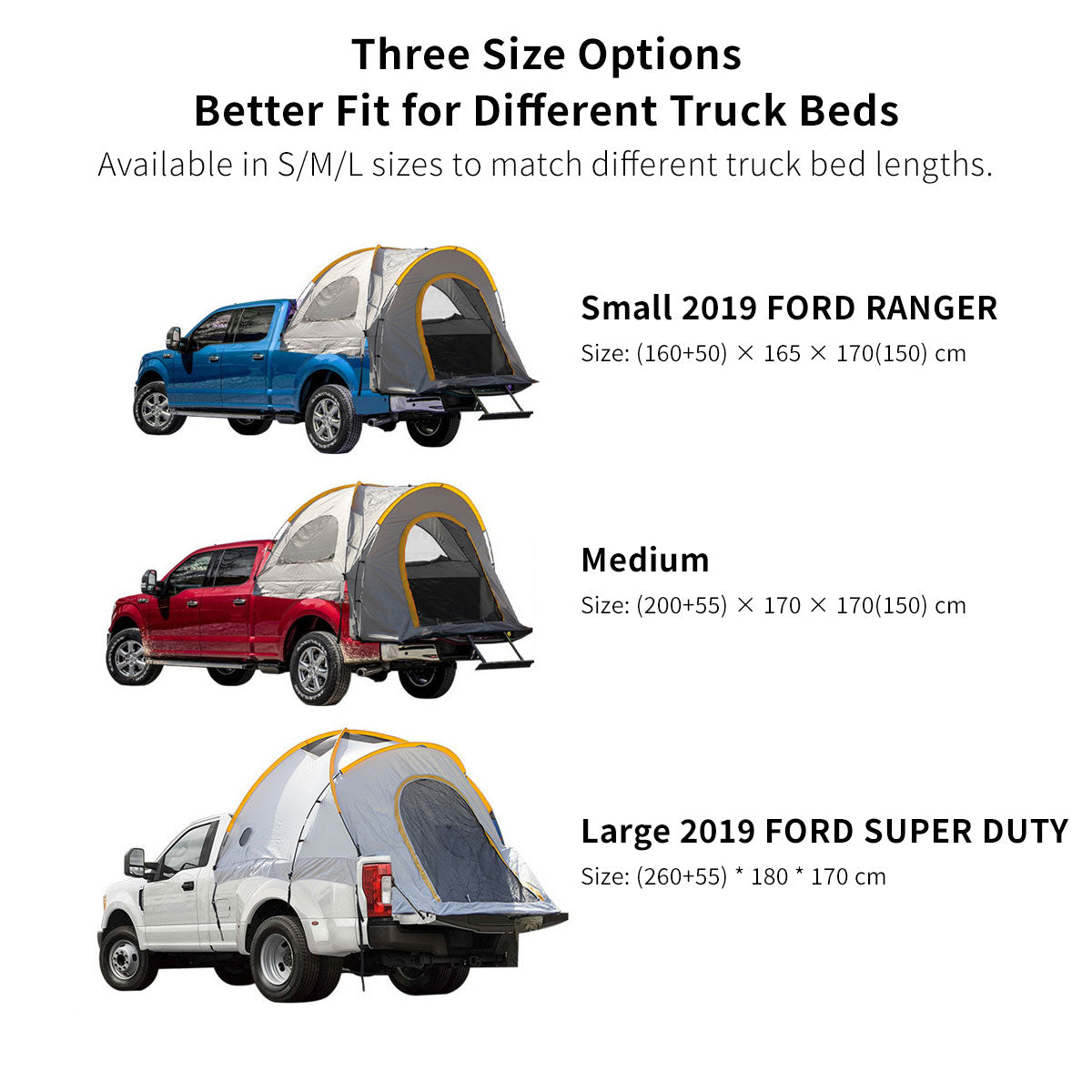
Pickup Truck Bed Tent with Rainfly – Waterproof Camping Shelter for 5.5–8 ft Beds | Traverseon
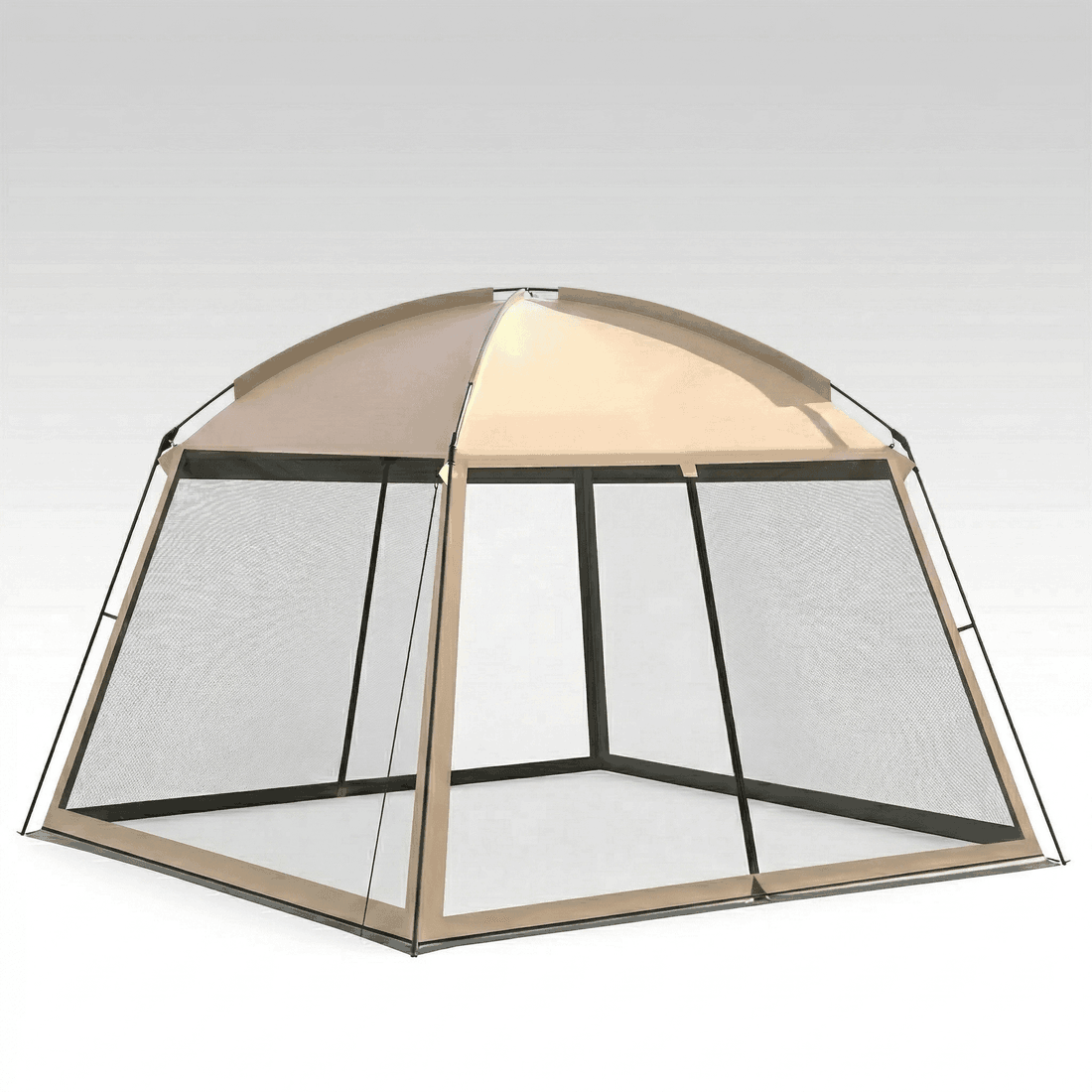
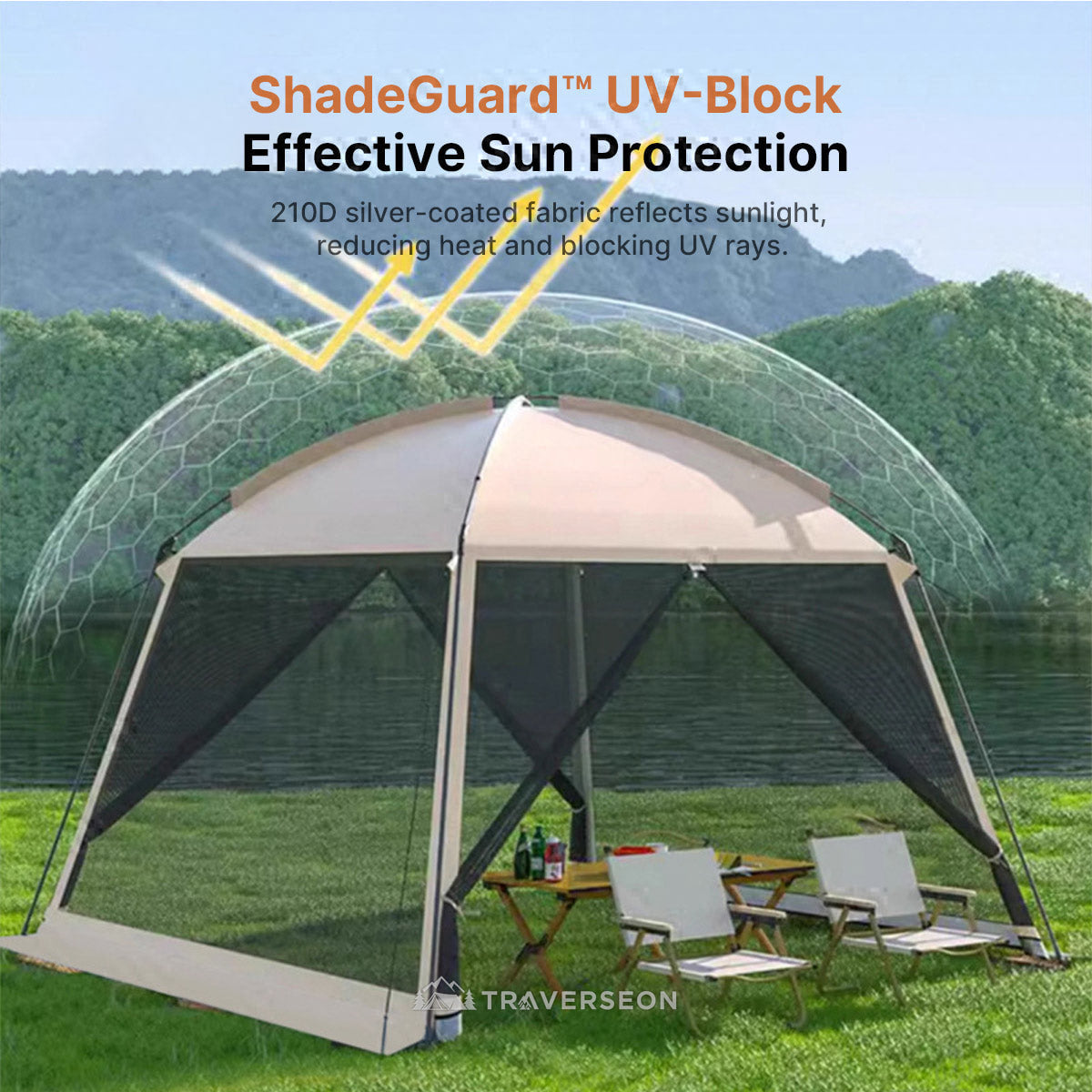
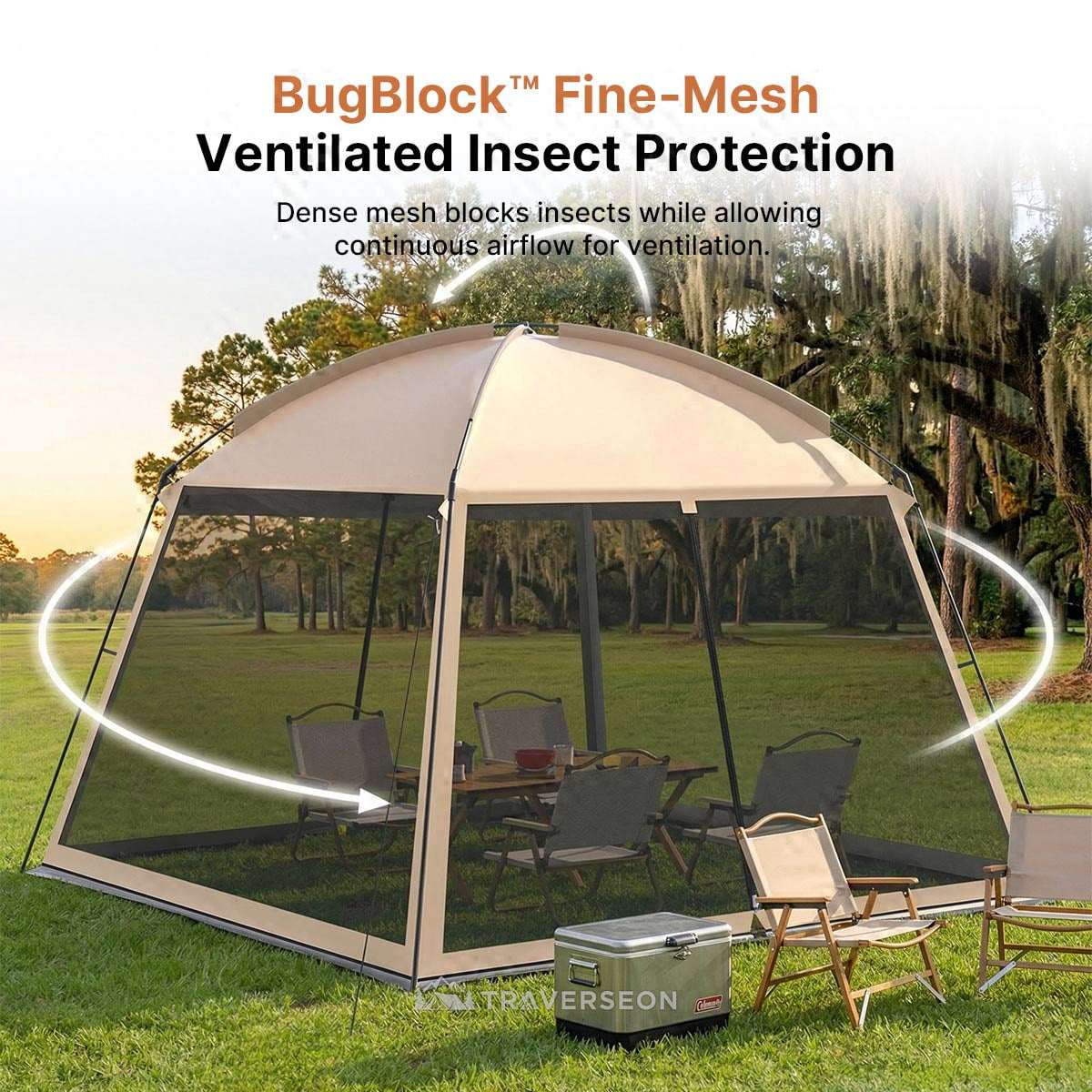
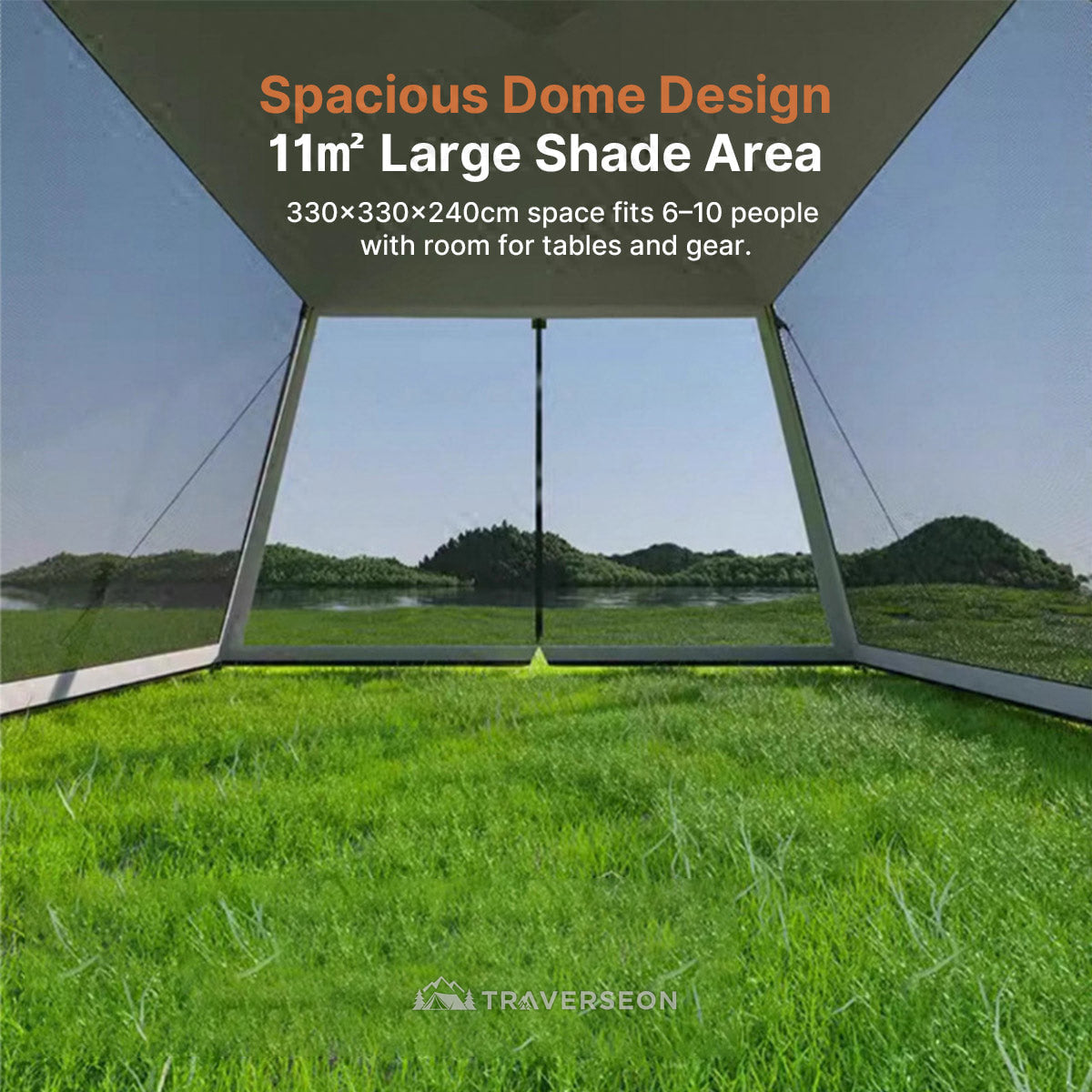
6-10 Person Portable Camping Screen Tent - UV & Bug Proof Canopy Shelter | Traverseon
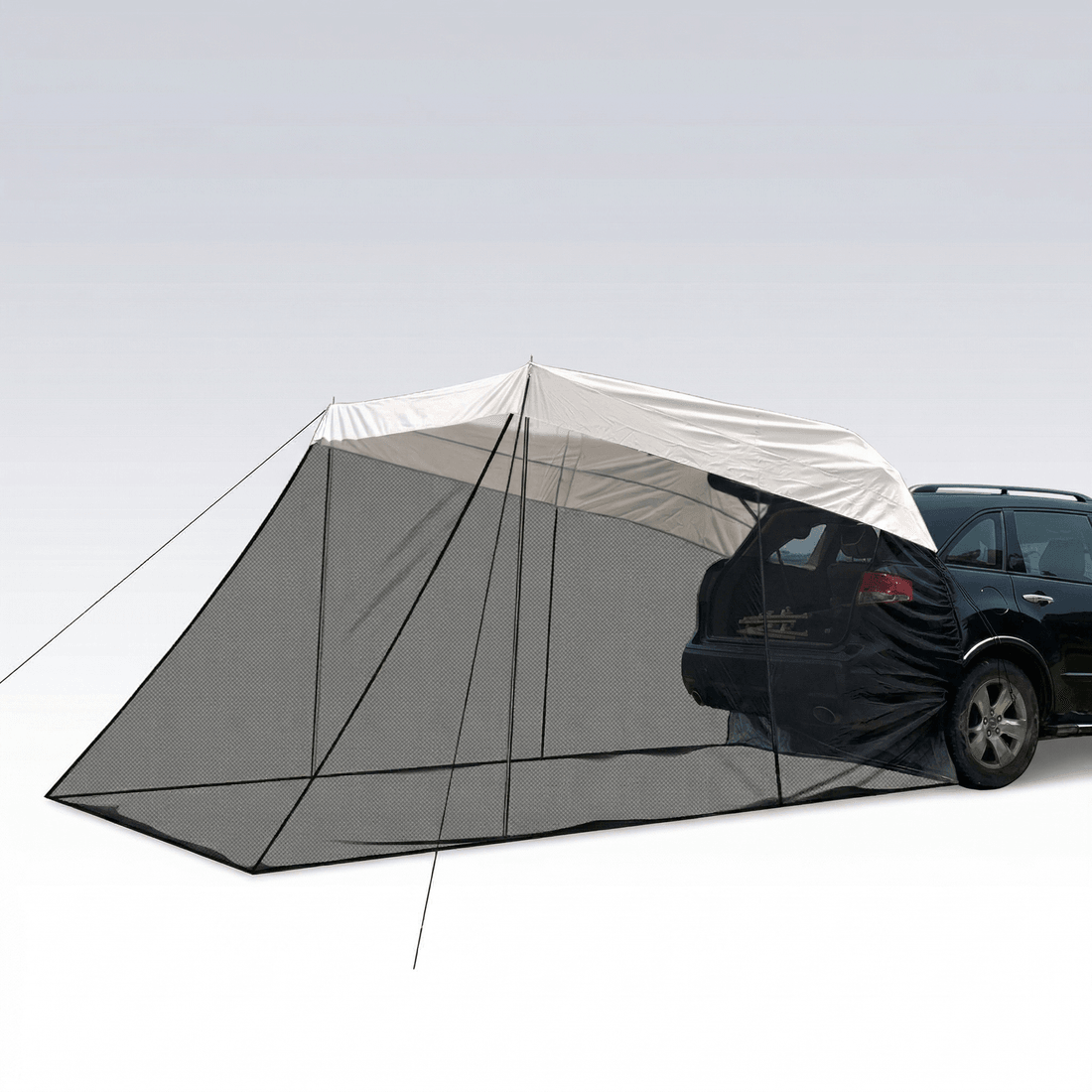
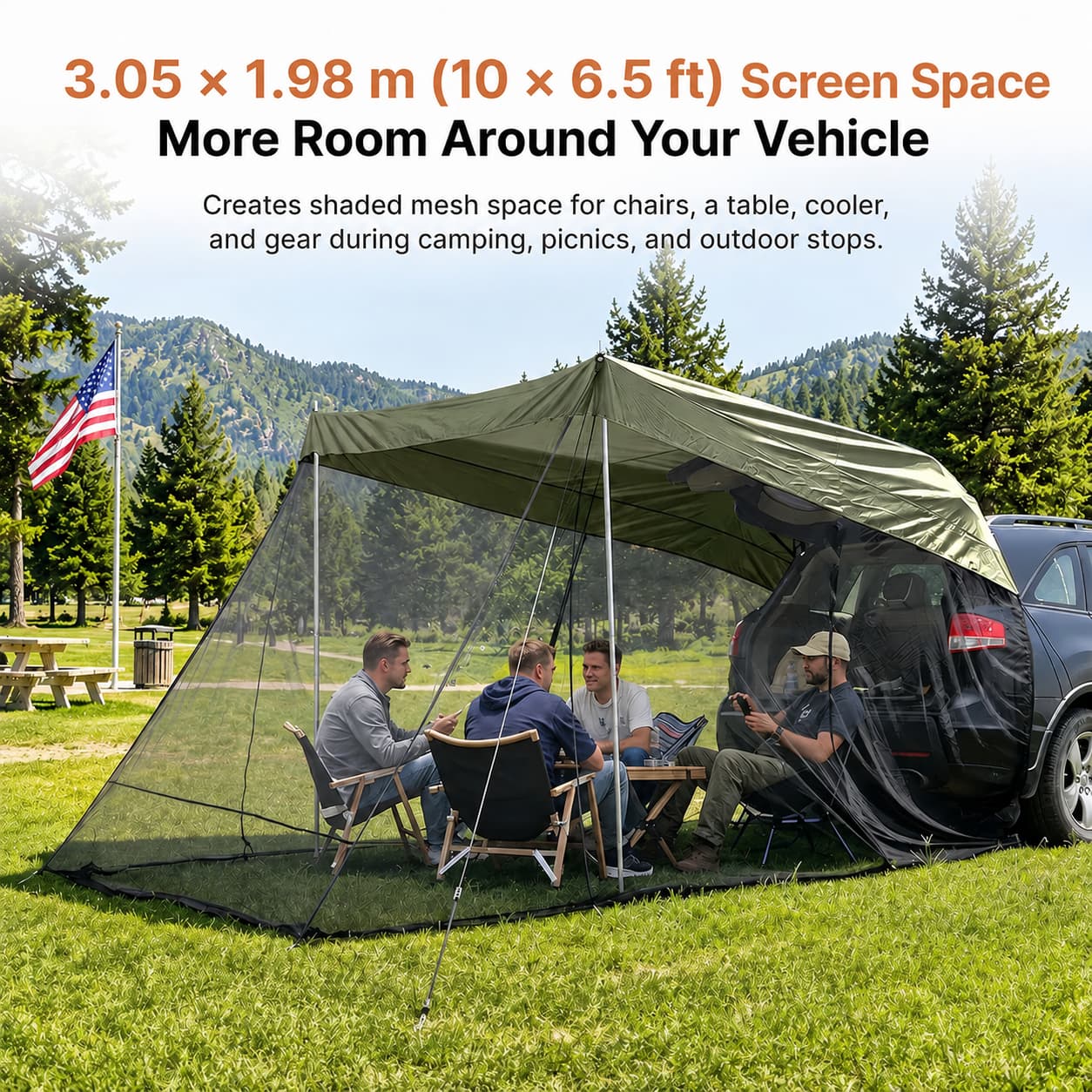
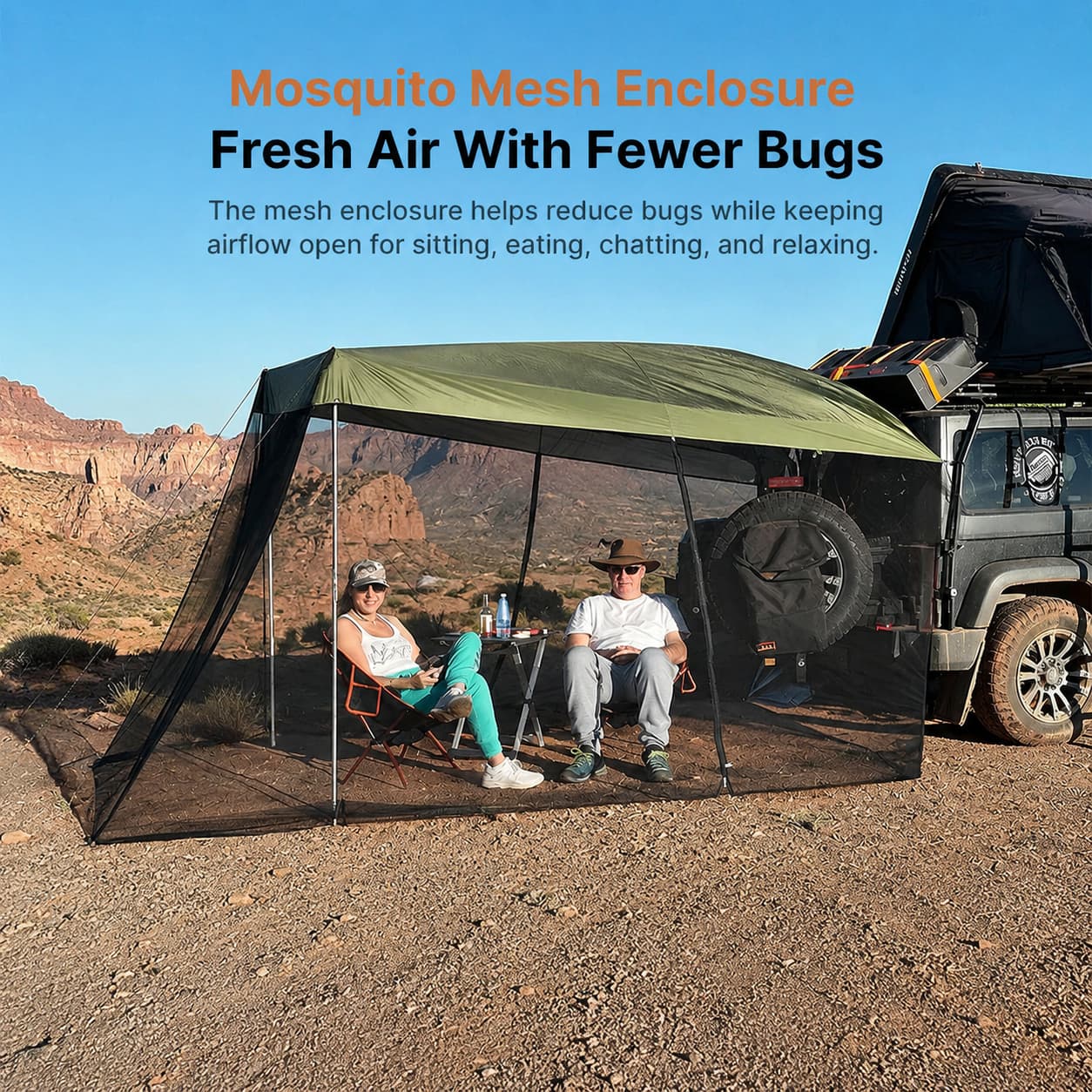
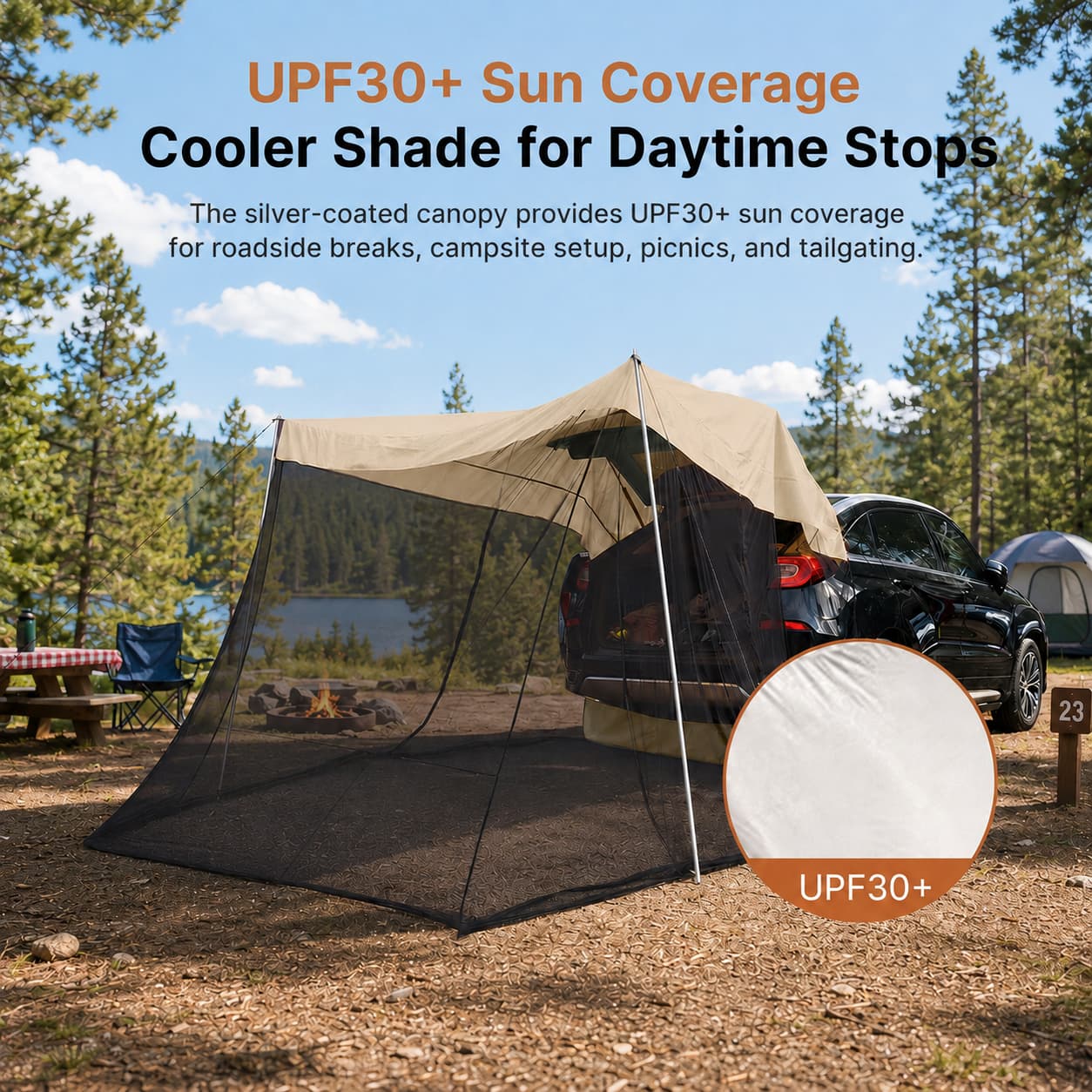
SUV Tailgate Screen Canopy – 3.05 × 1.98 m Mosquito Net Sun Shade | Traverseon
Basecamp
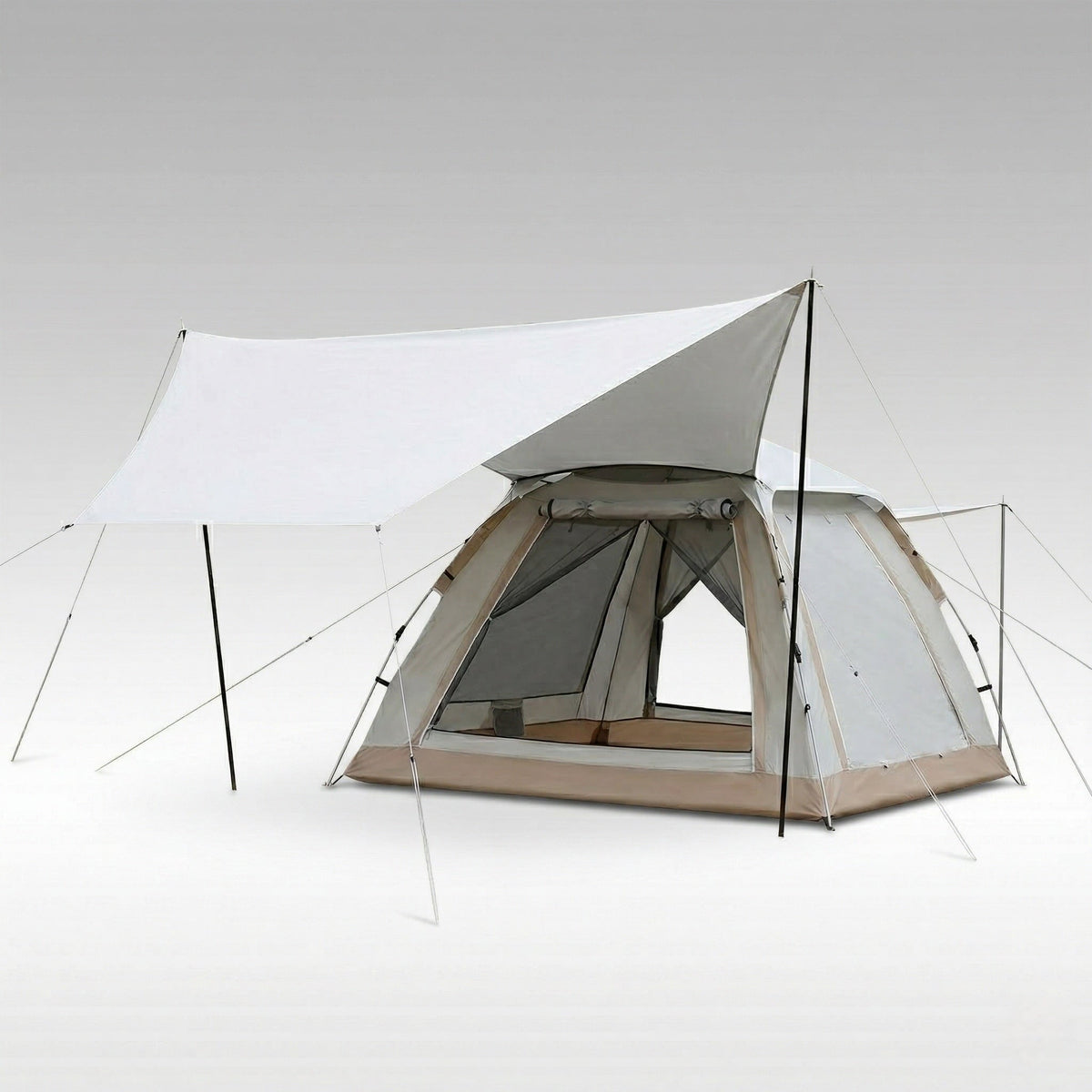
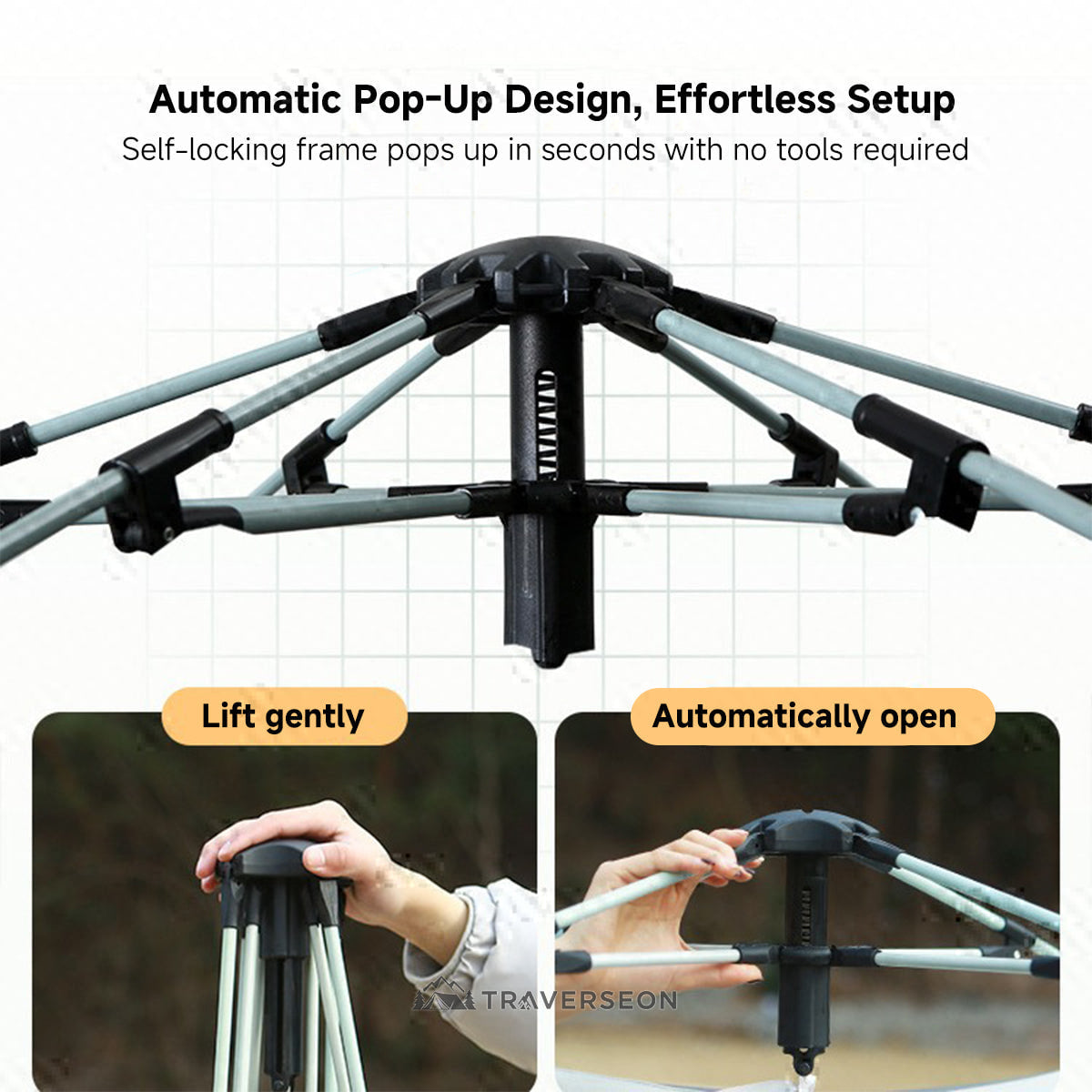
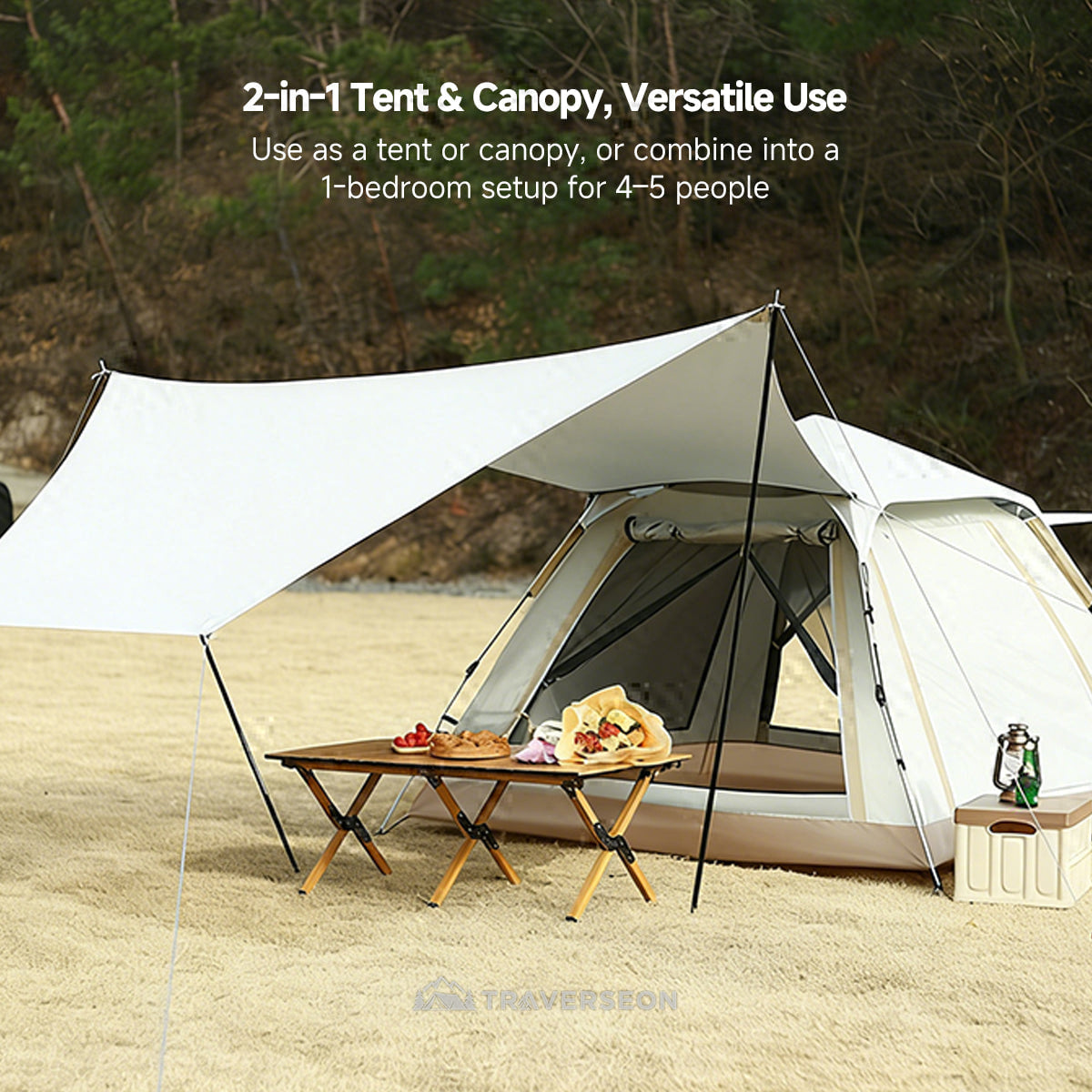
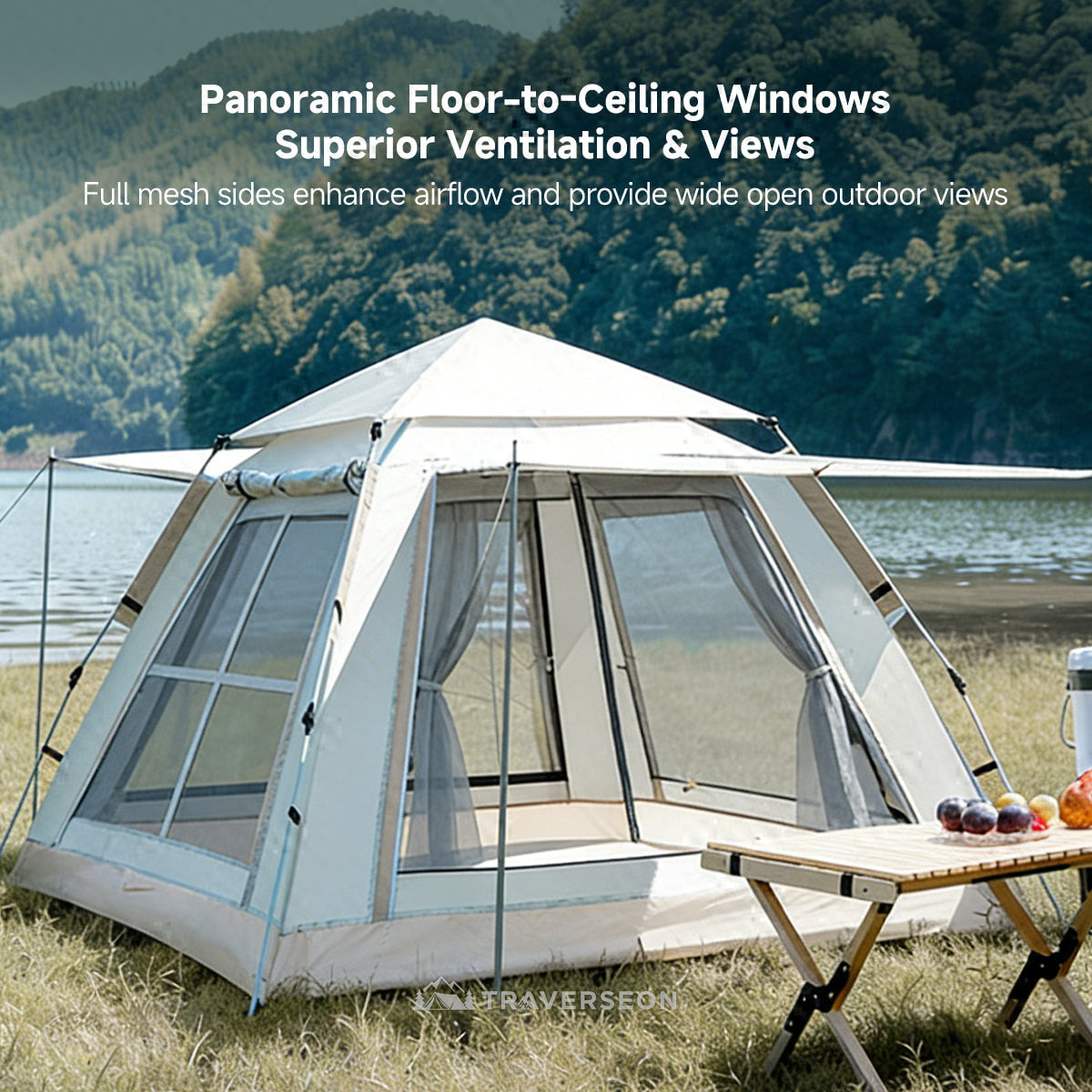
2-in-1 Automatic Pop Up Canopy & Camping Tent- Instant Setup,Versatile Shelter | Traverseon
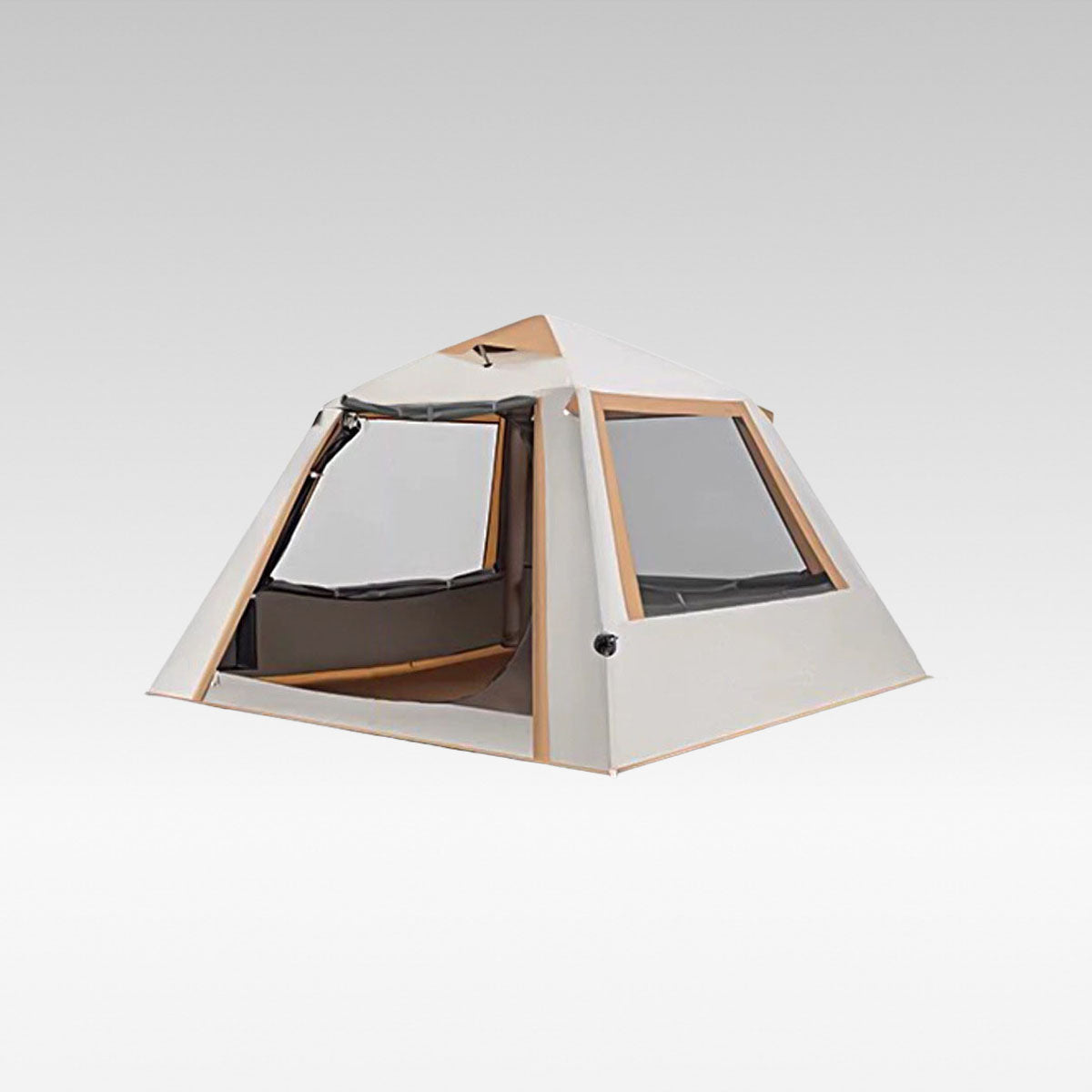
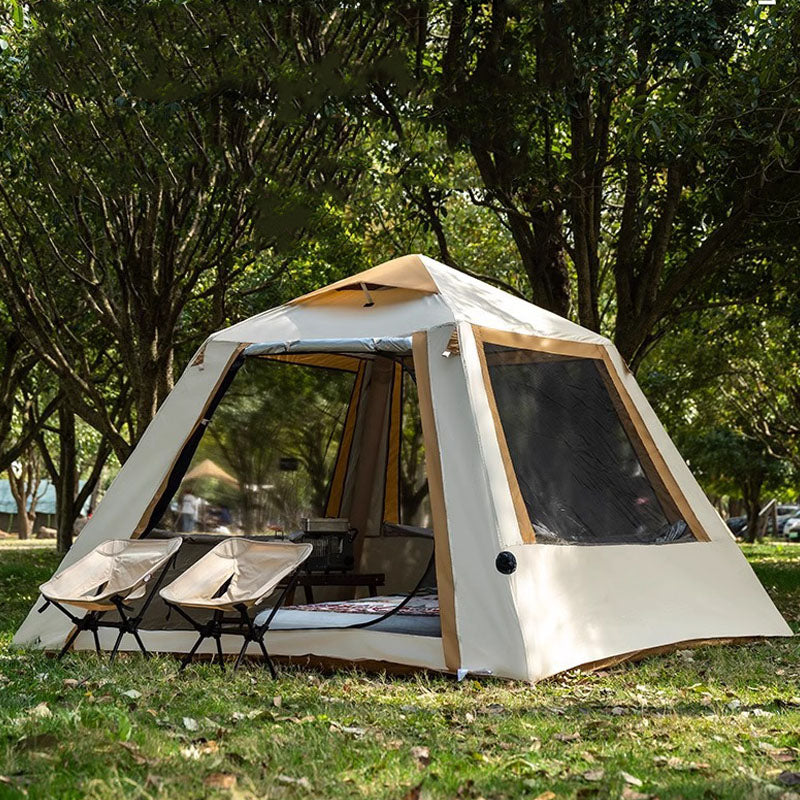
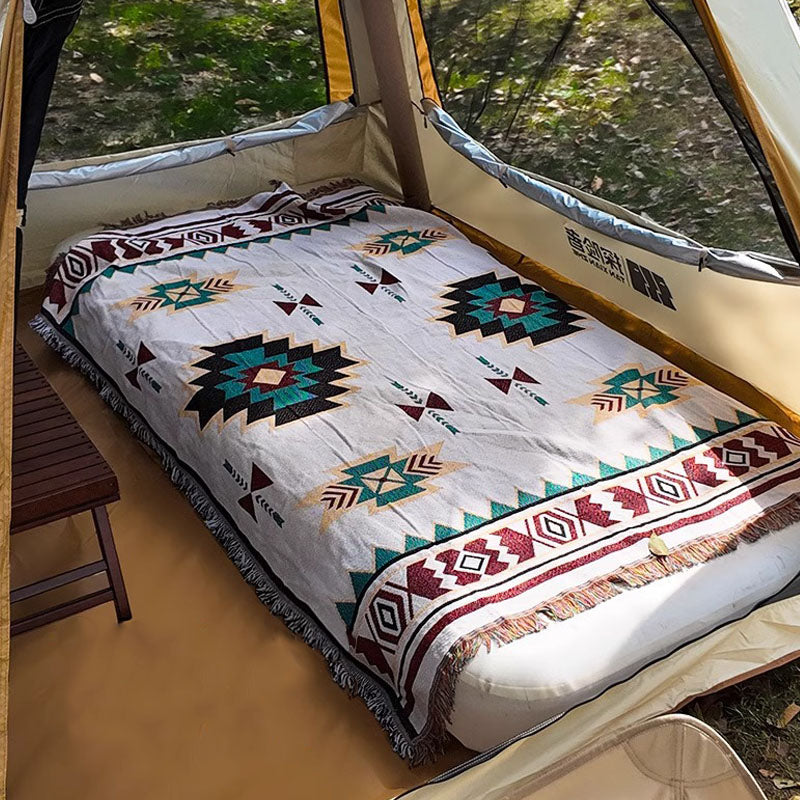
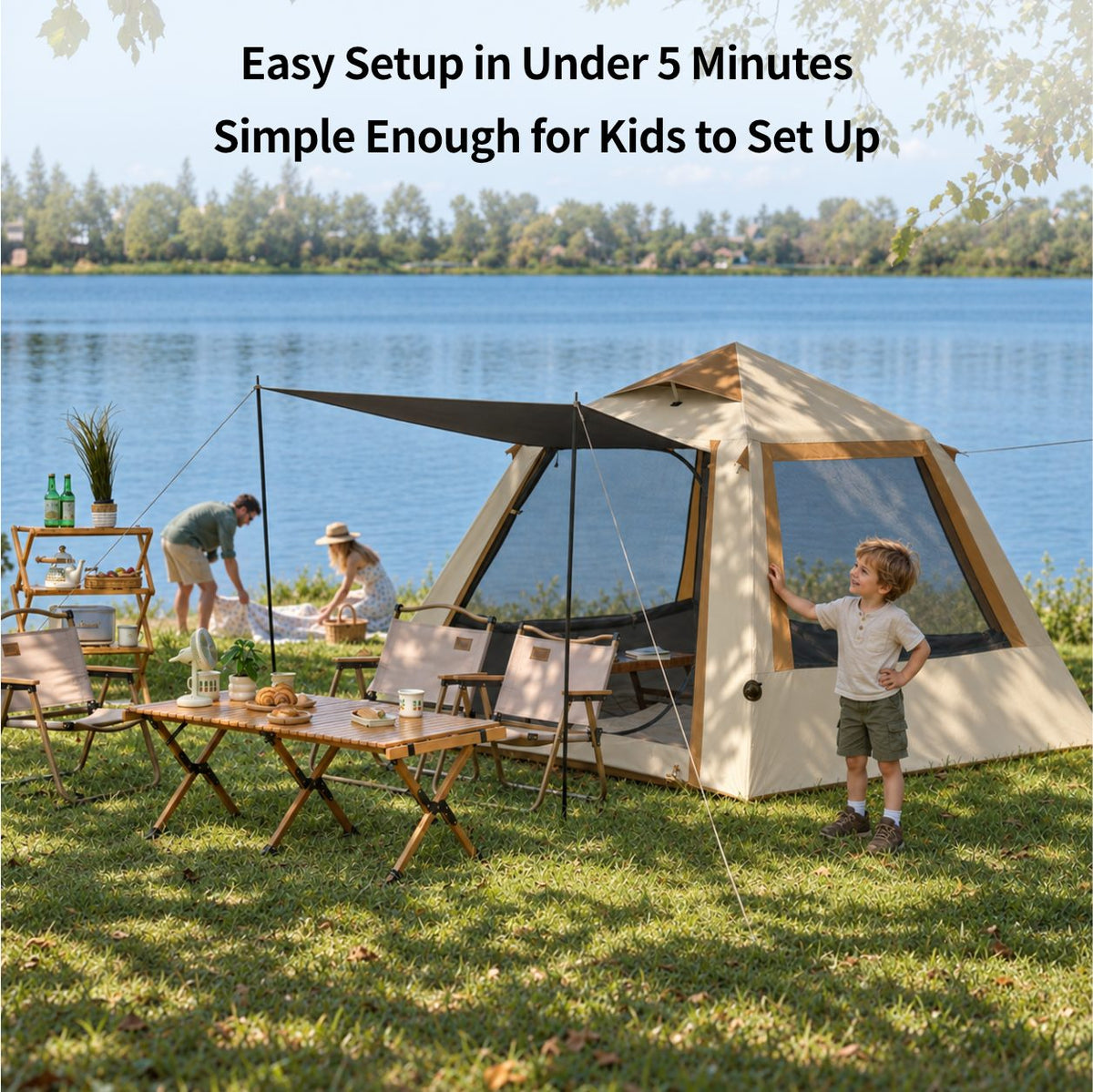
Traverseon Pole-Free Air Tent – 4–8 Person Inflatable Pop-Up Tent with Canopy
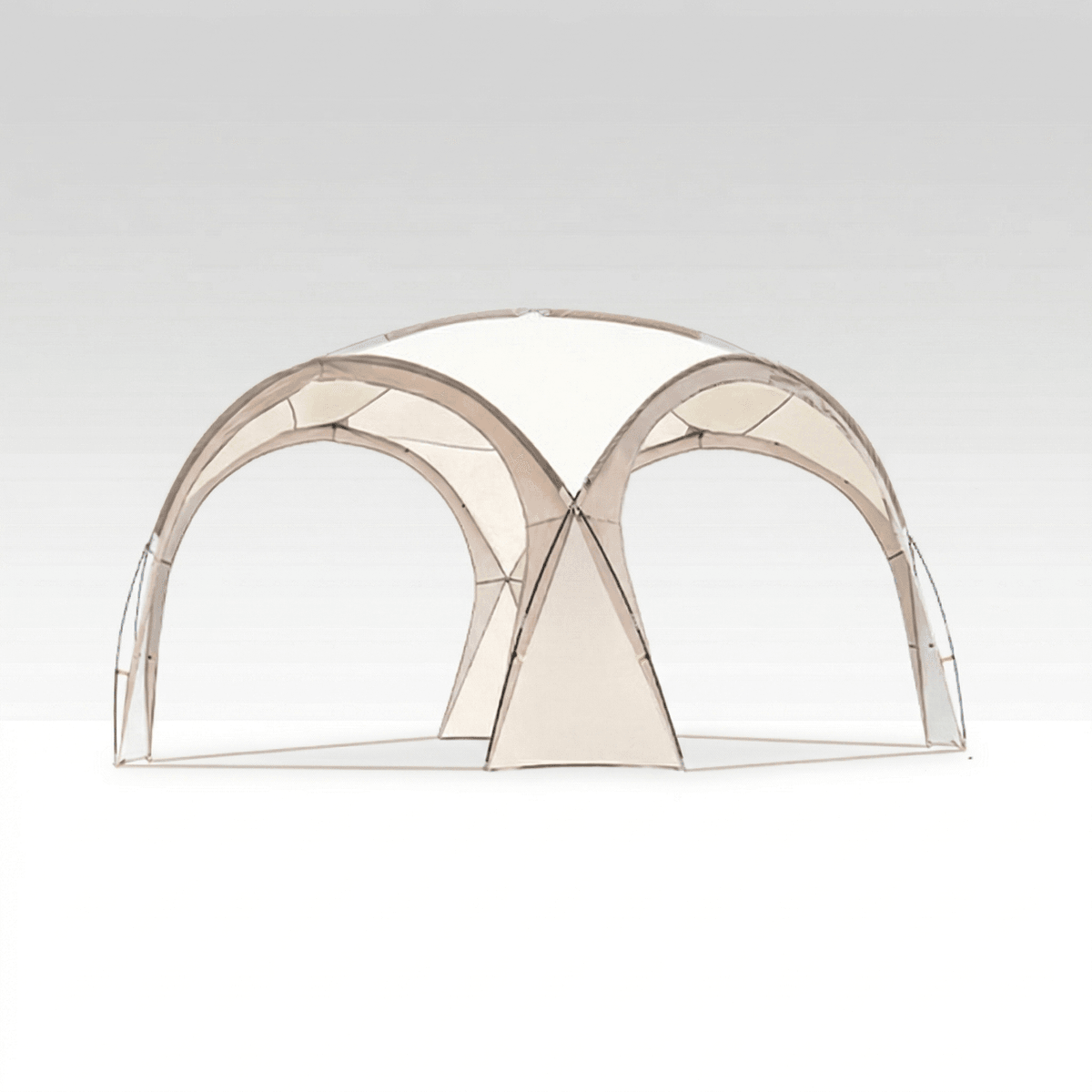
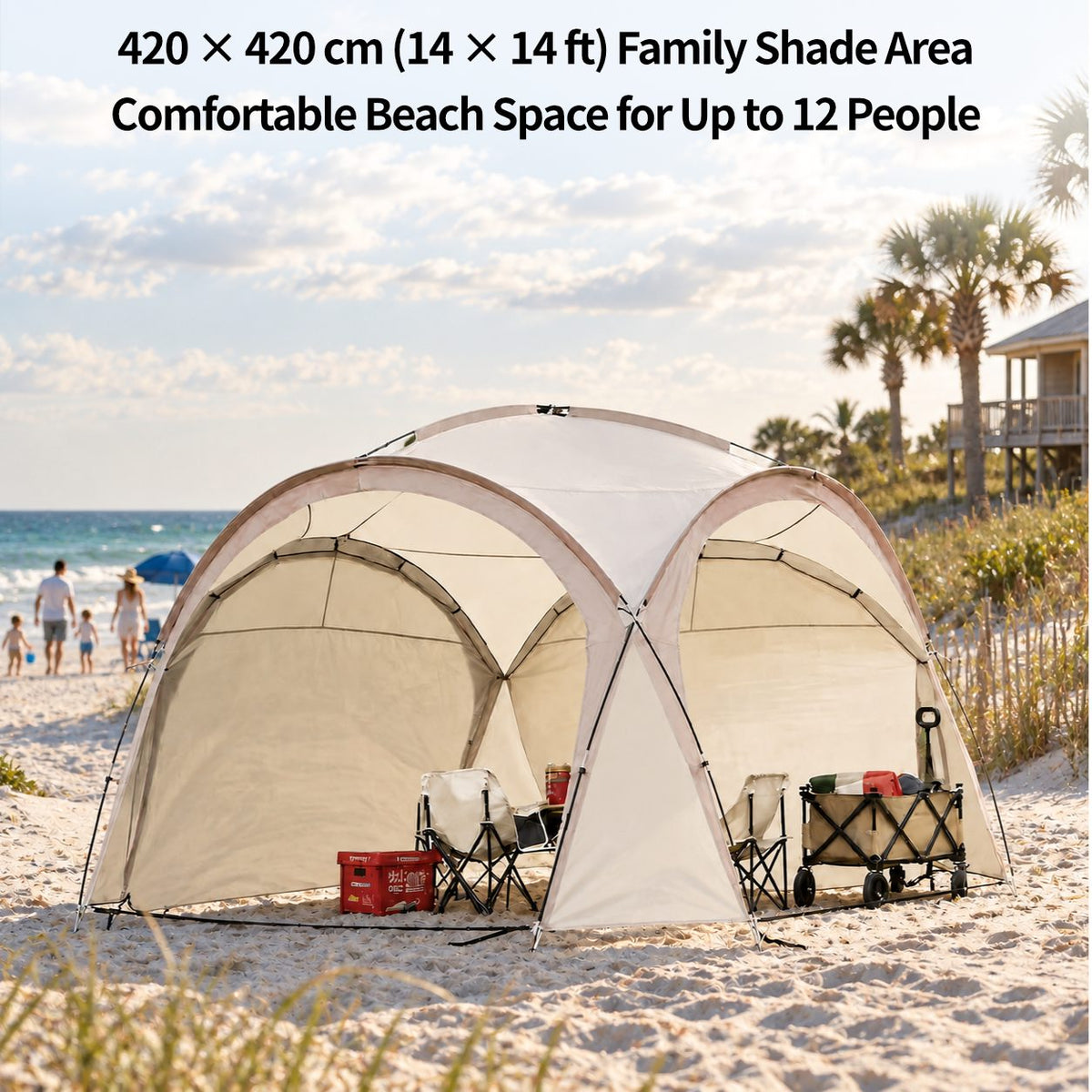
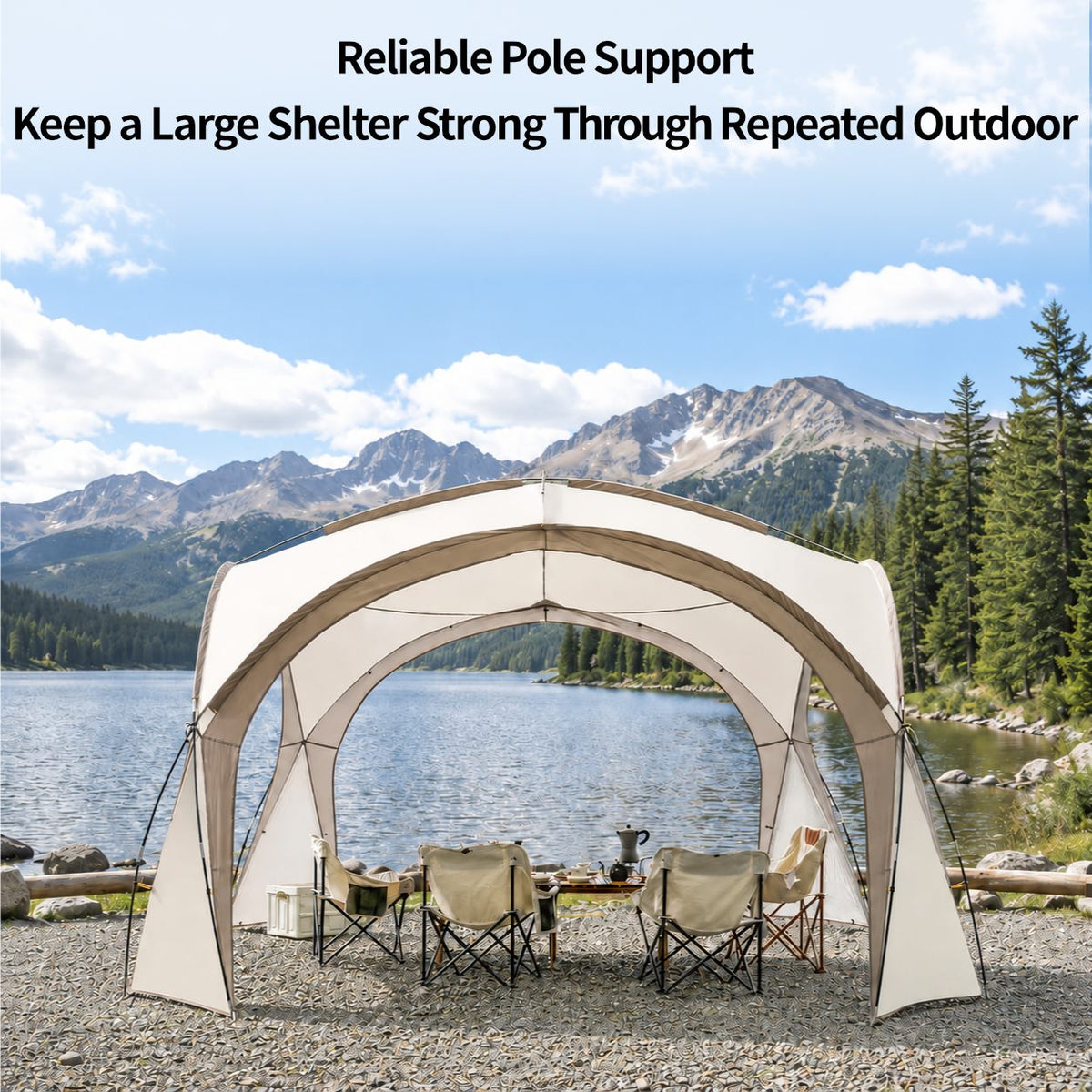
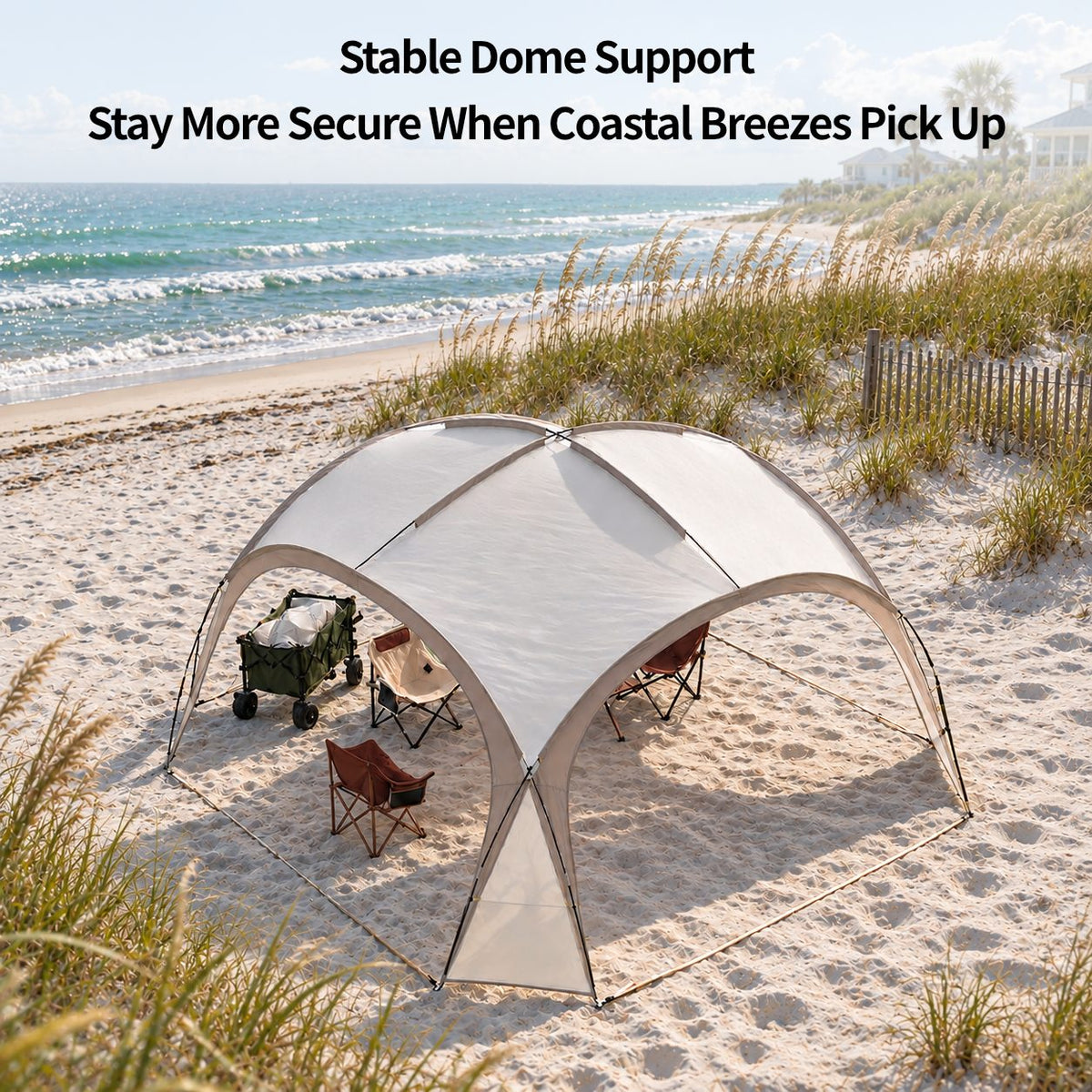
Family Dome Canopy Tent – 4–12 Person Sun Shelter, 10x10 & 14x14 ft | Traverseon
6-Person 4-Season Hot Tent with Awning | Traverseon
3-Person Camping Tent – Waterproof Lightweight Easy-Setup Canopy | Traverseon
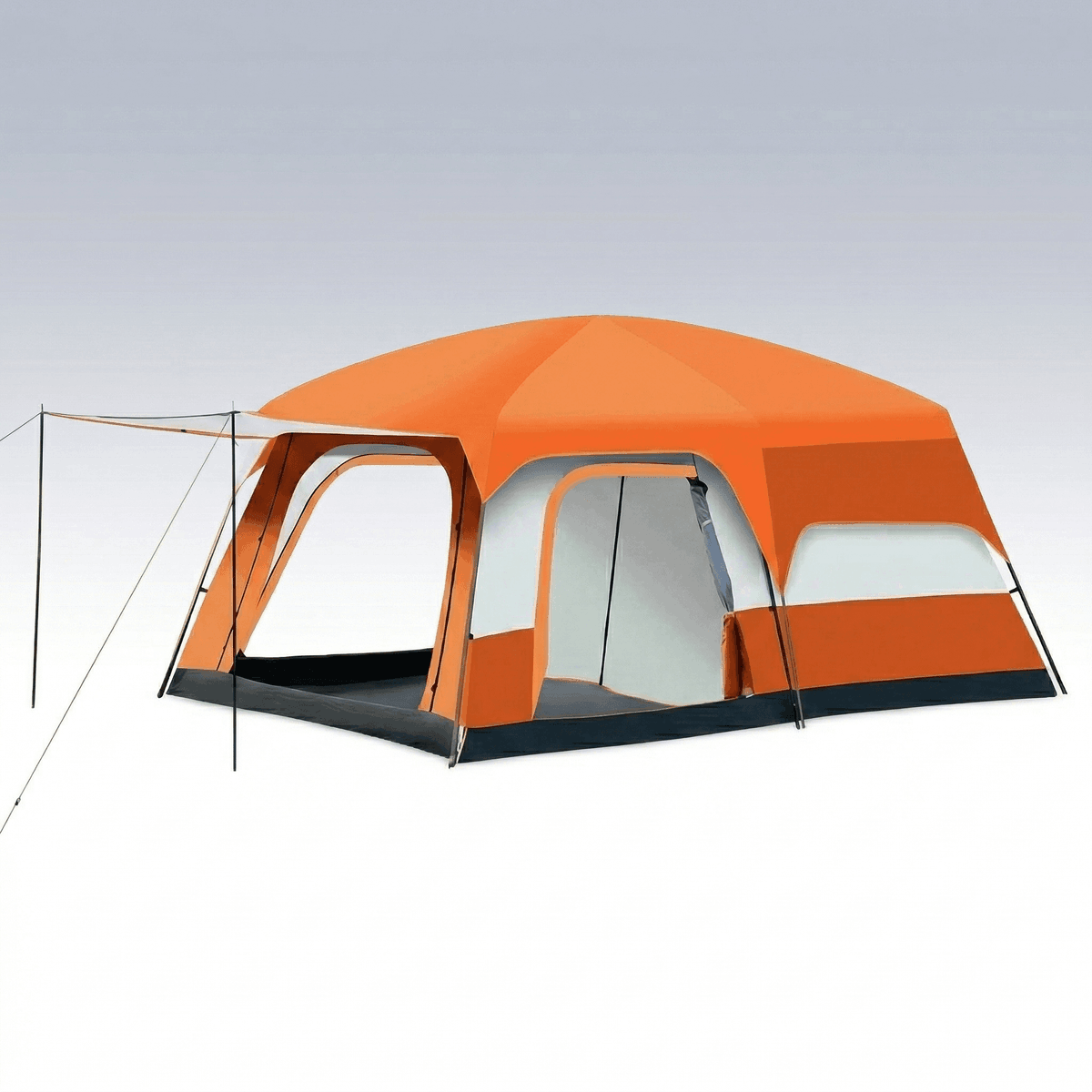
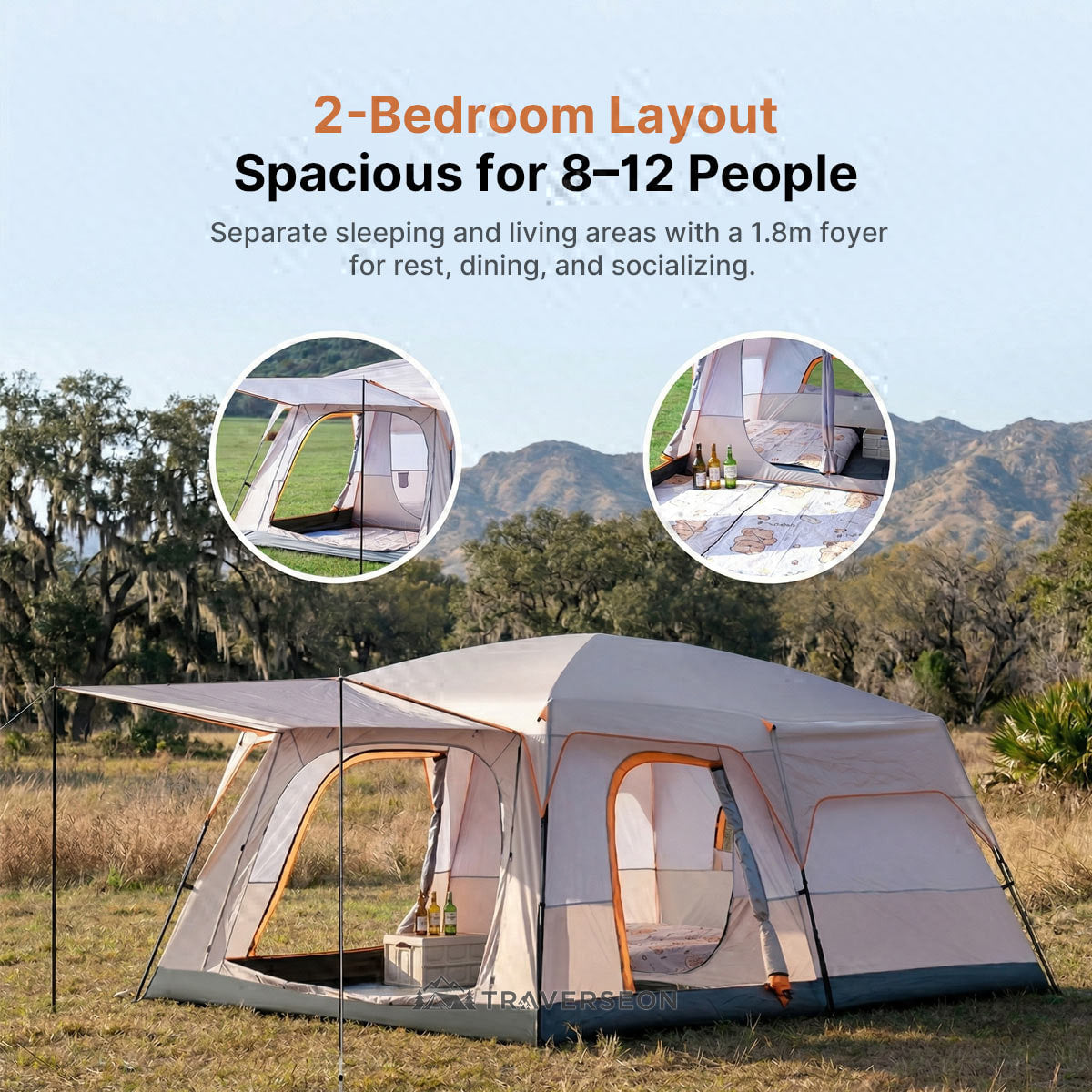
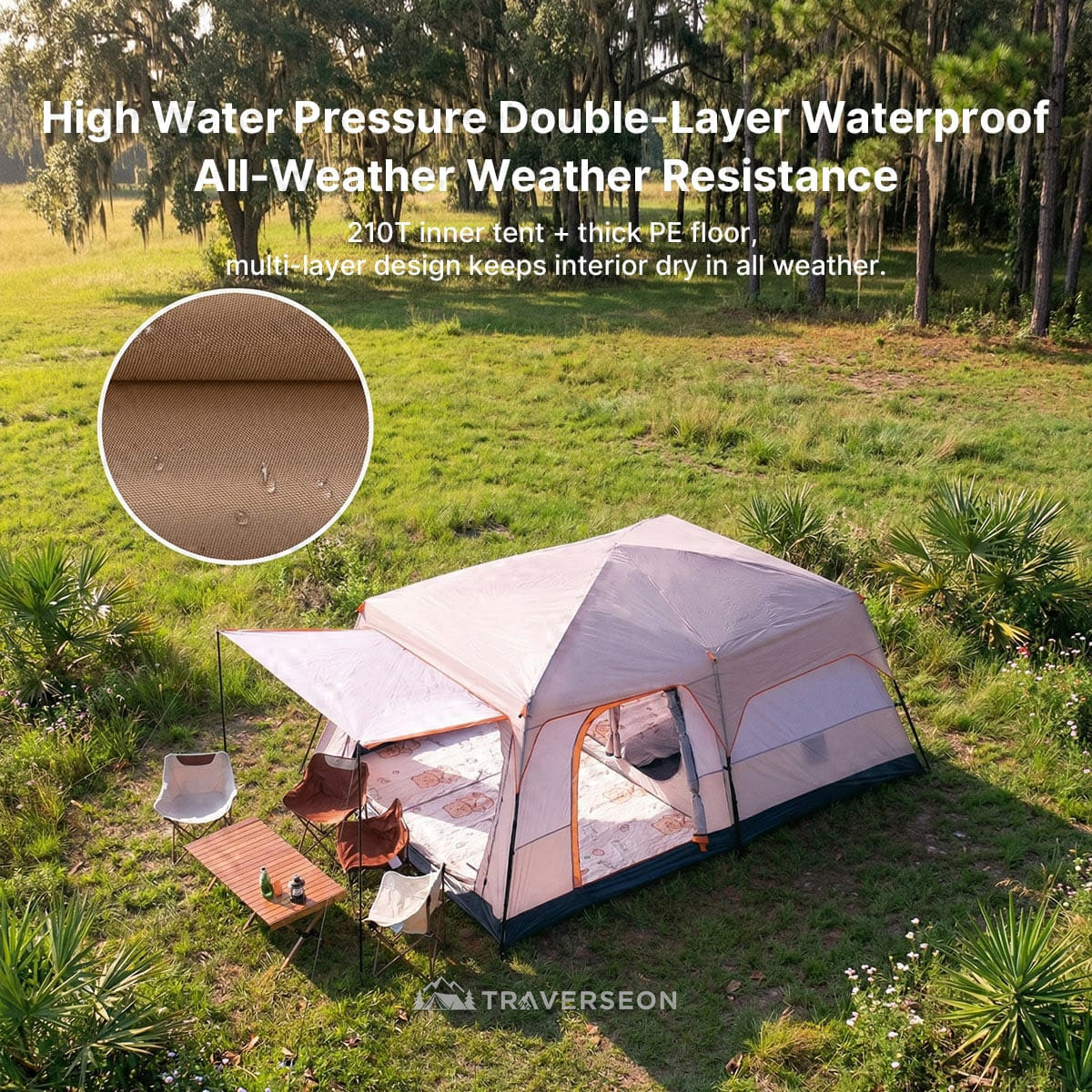
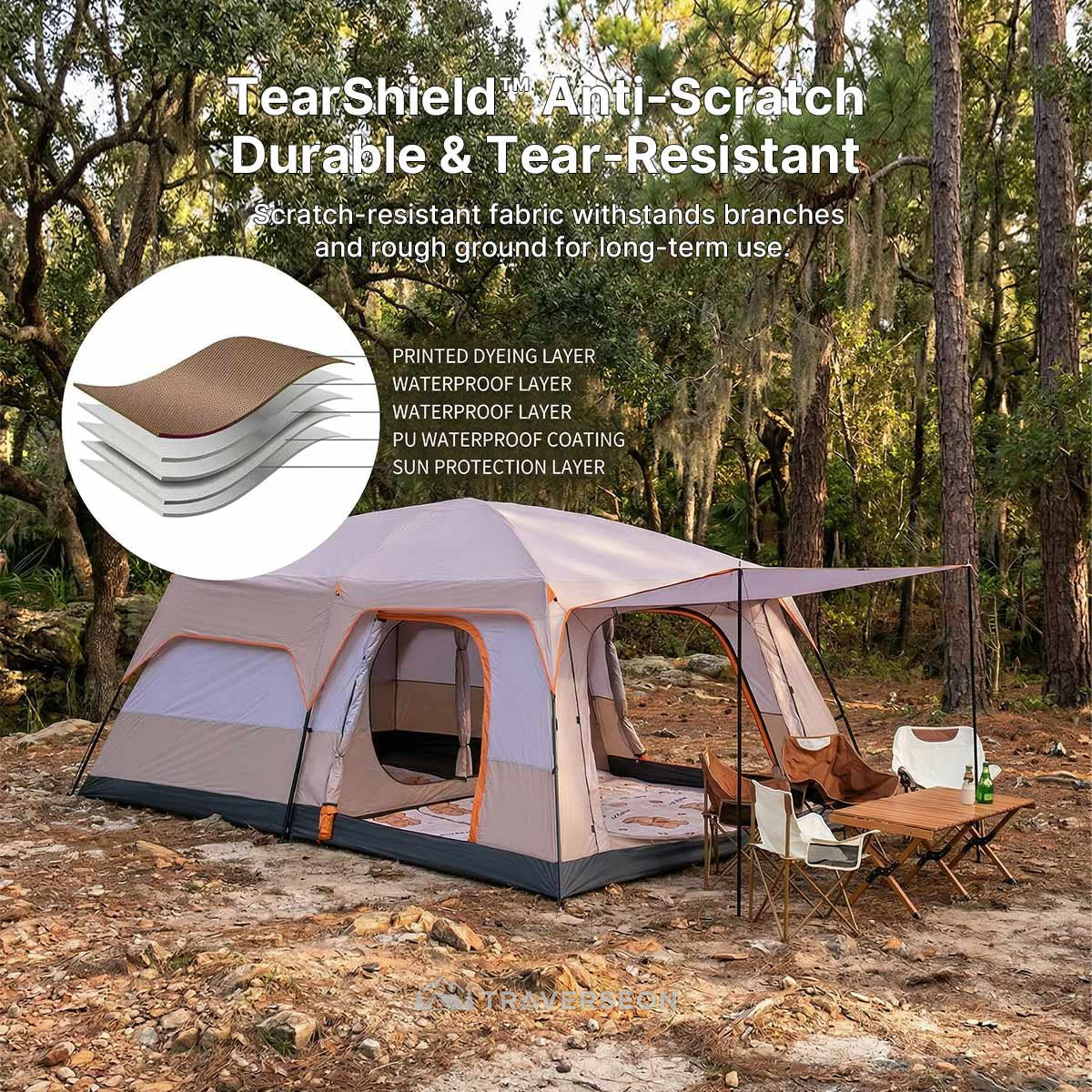
12 Person Family Camping Tent – 14.1 × 10 ft, 3-Room Waterproof | Traverseon
Beach Shade
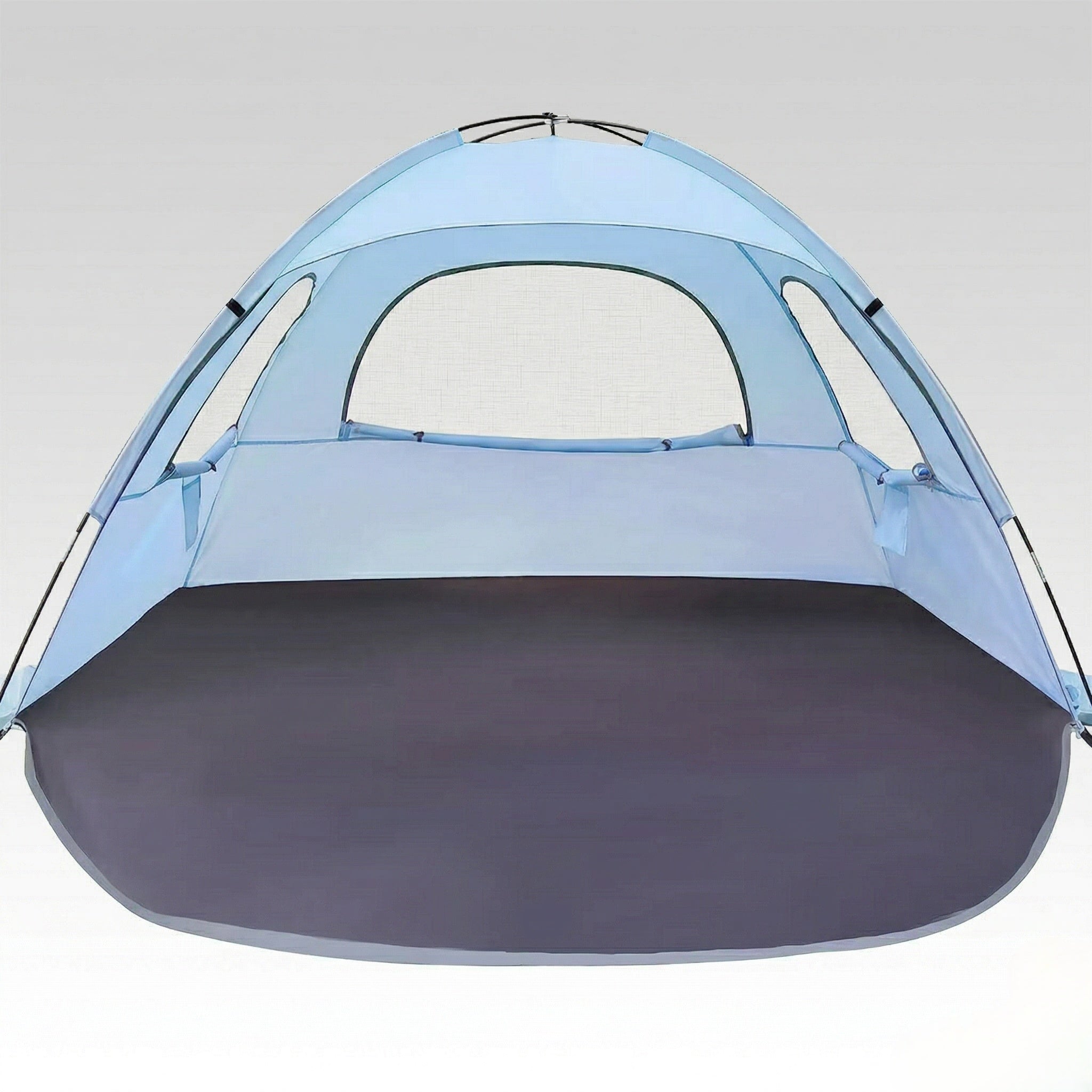
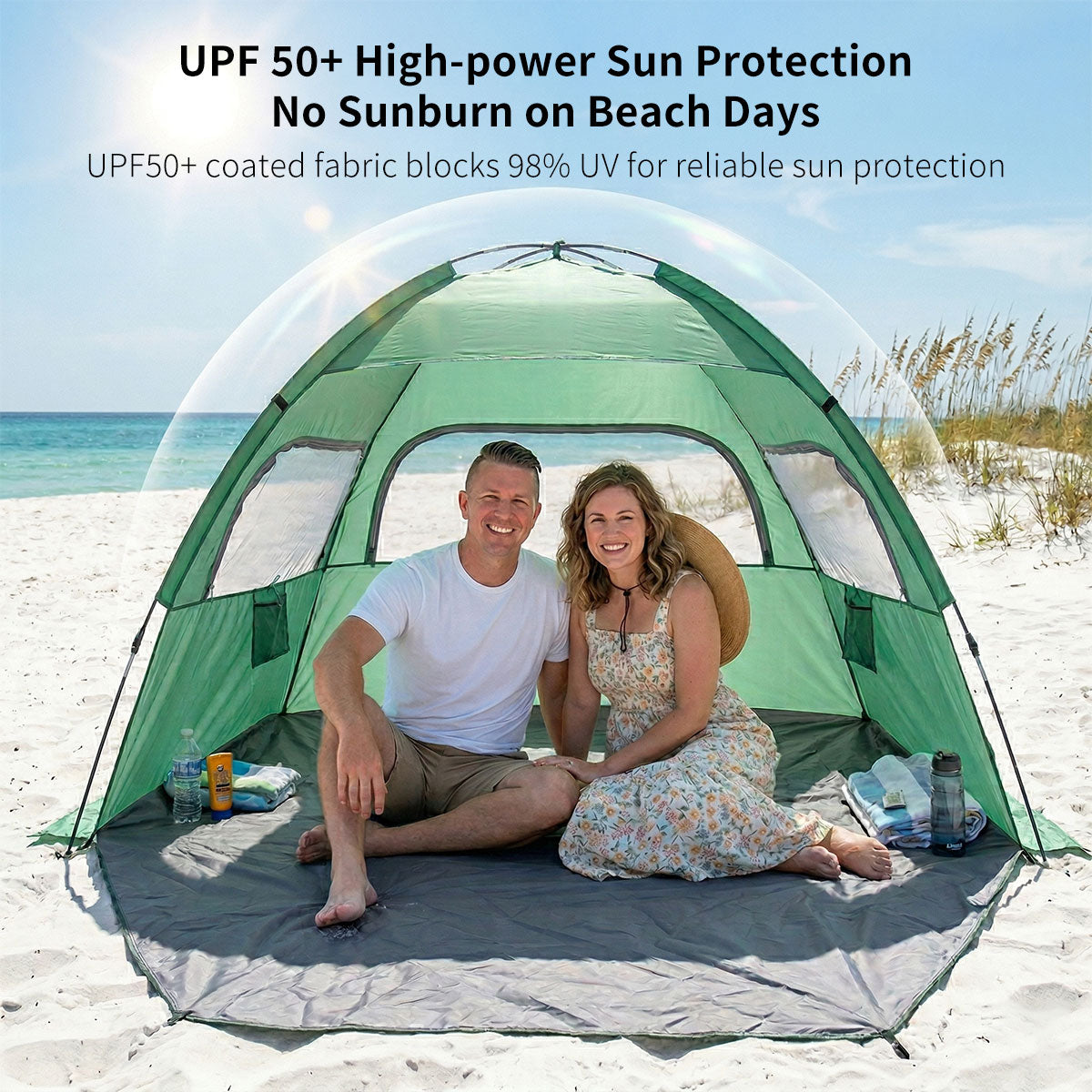
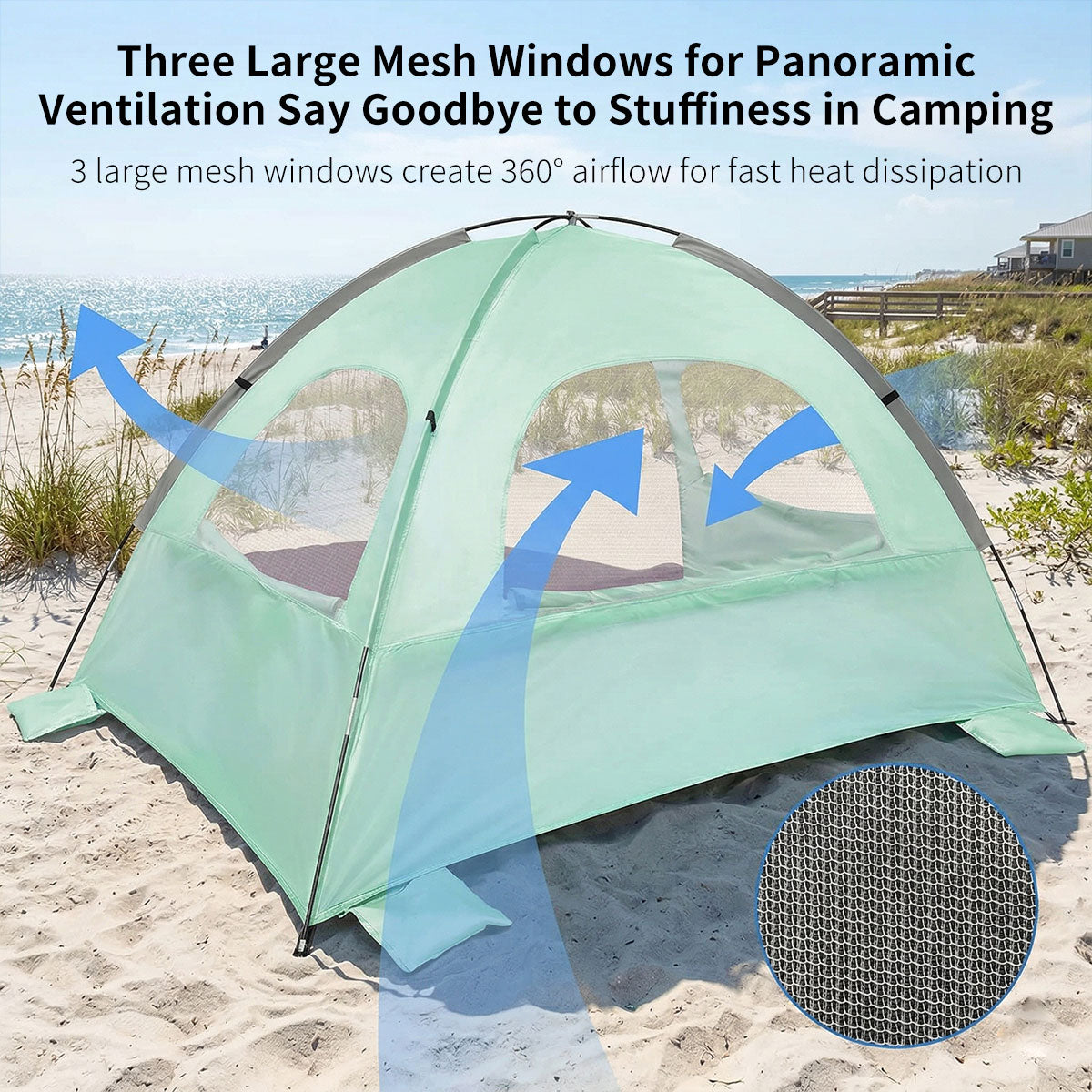
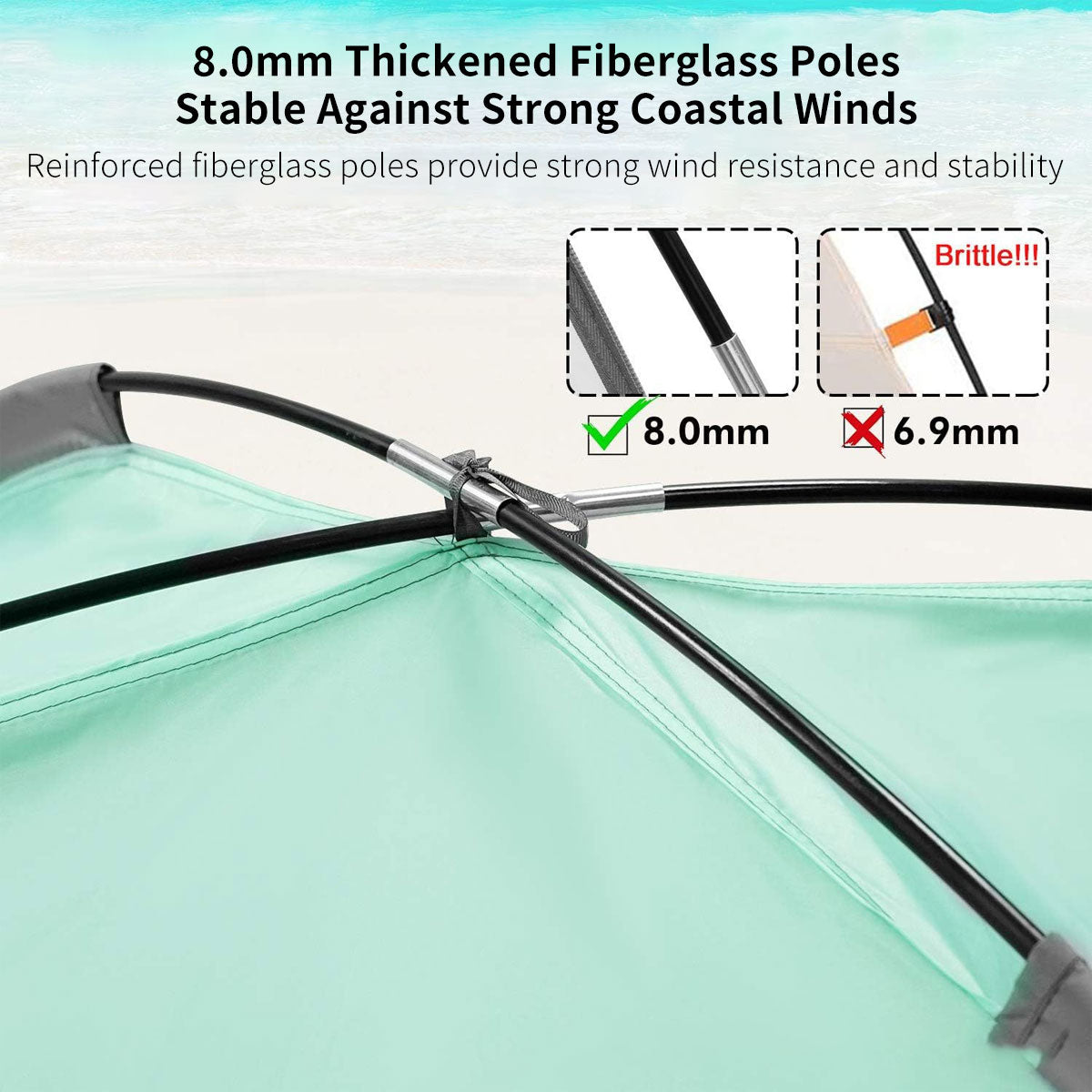
Beach Sun Shelter Tent – UPF50+ UV Protection Windproof Lightweight Canopy | Traverseon
Sleeping Bags
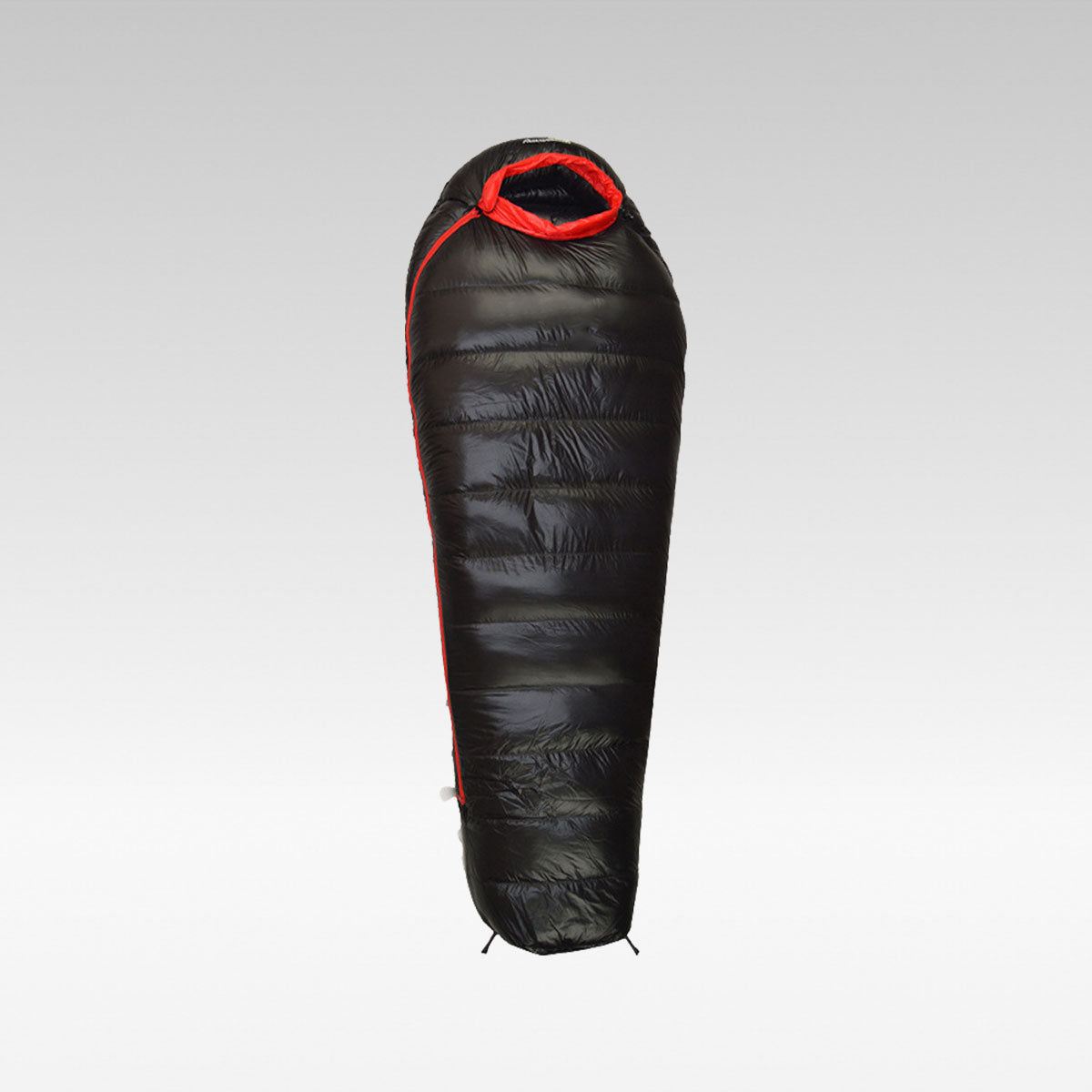
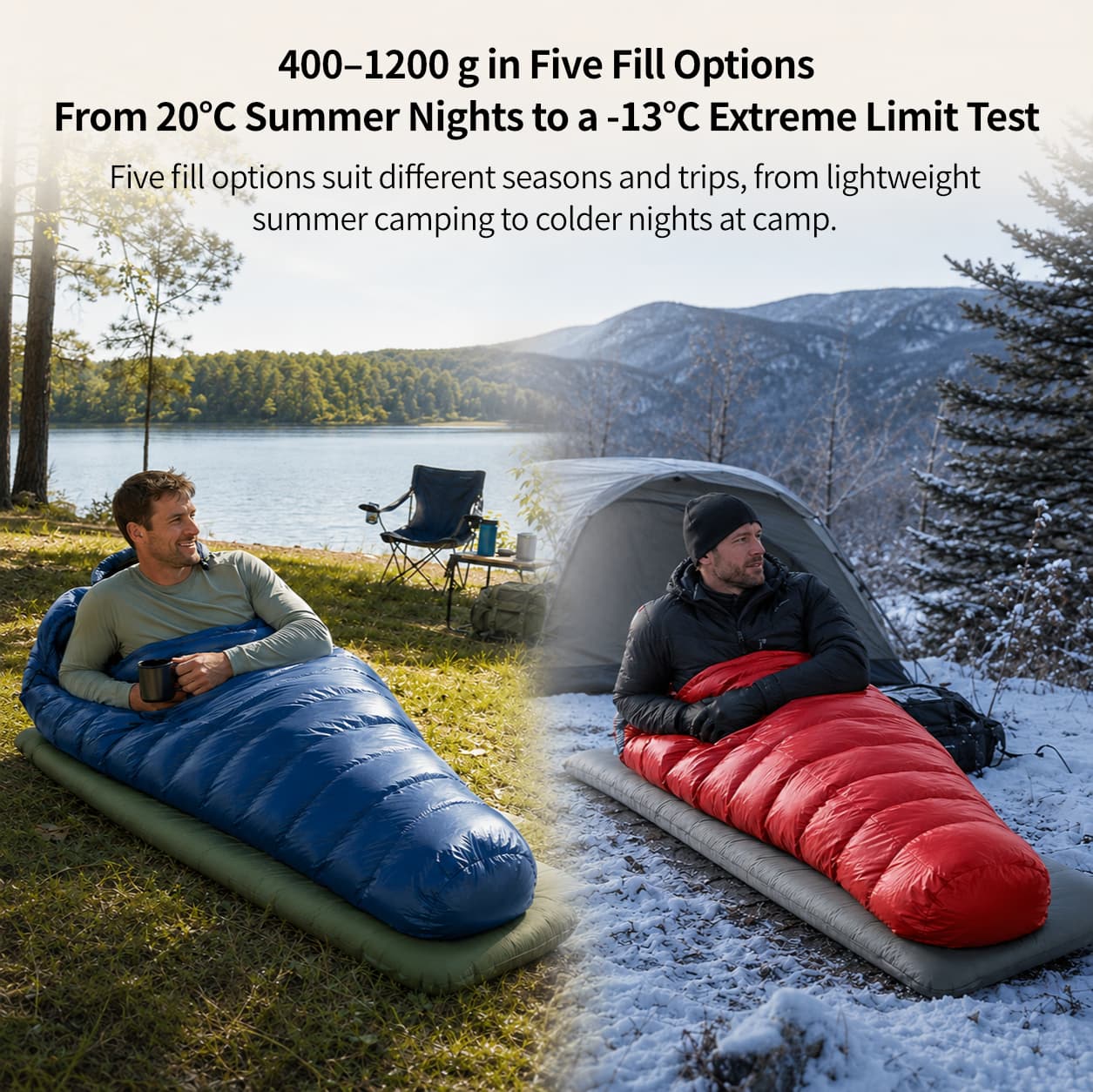
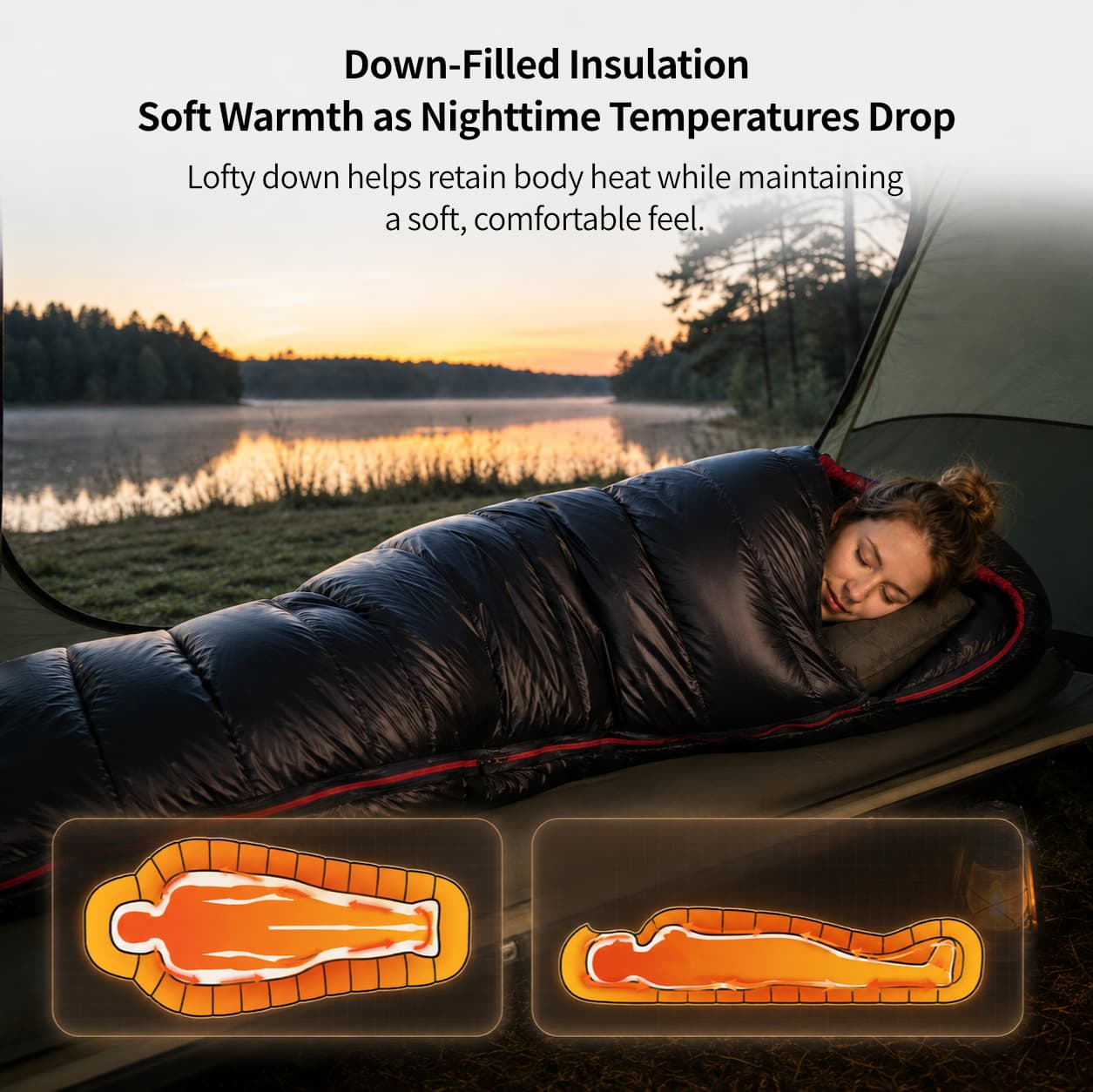
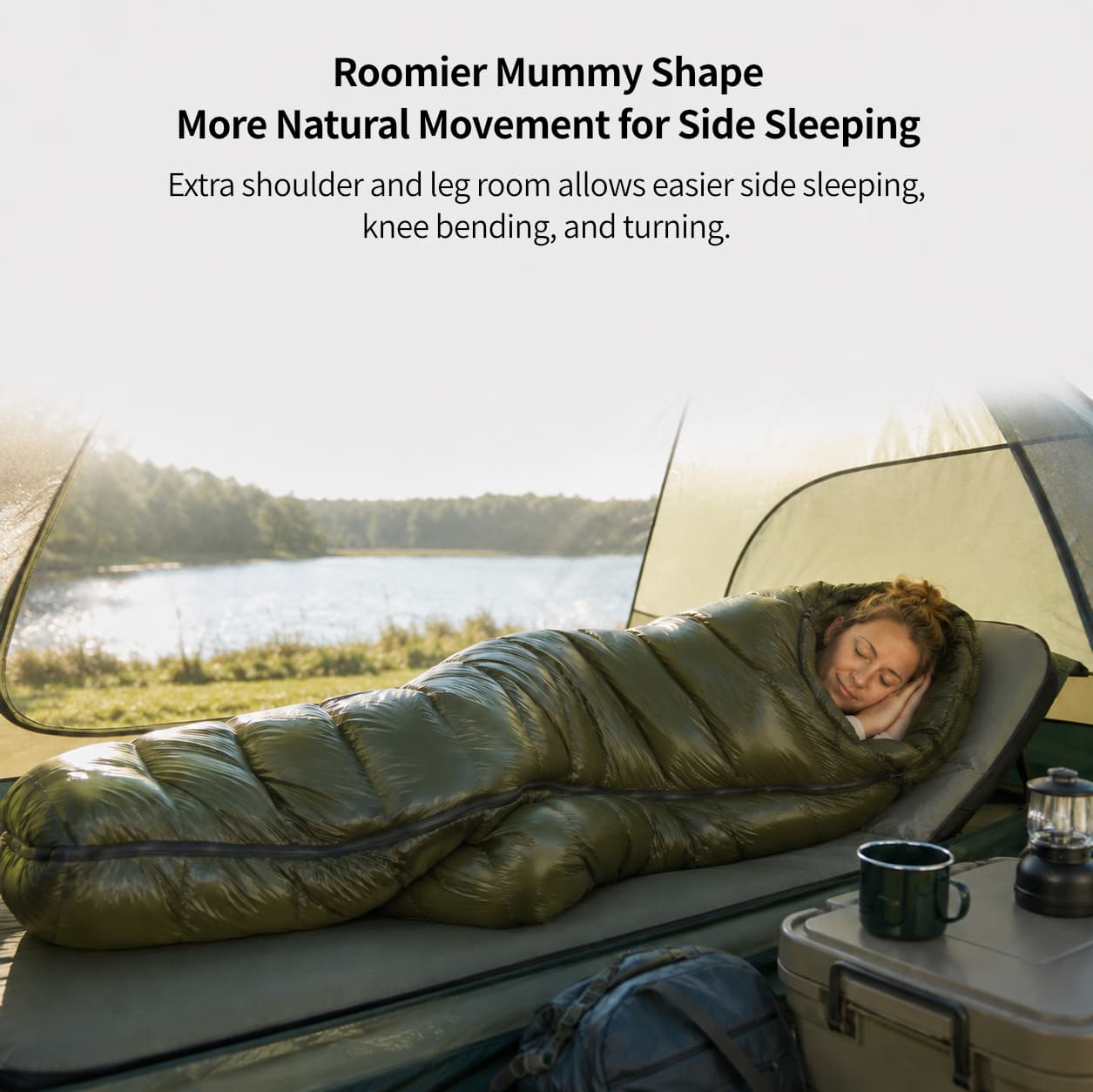
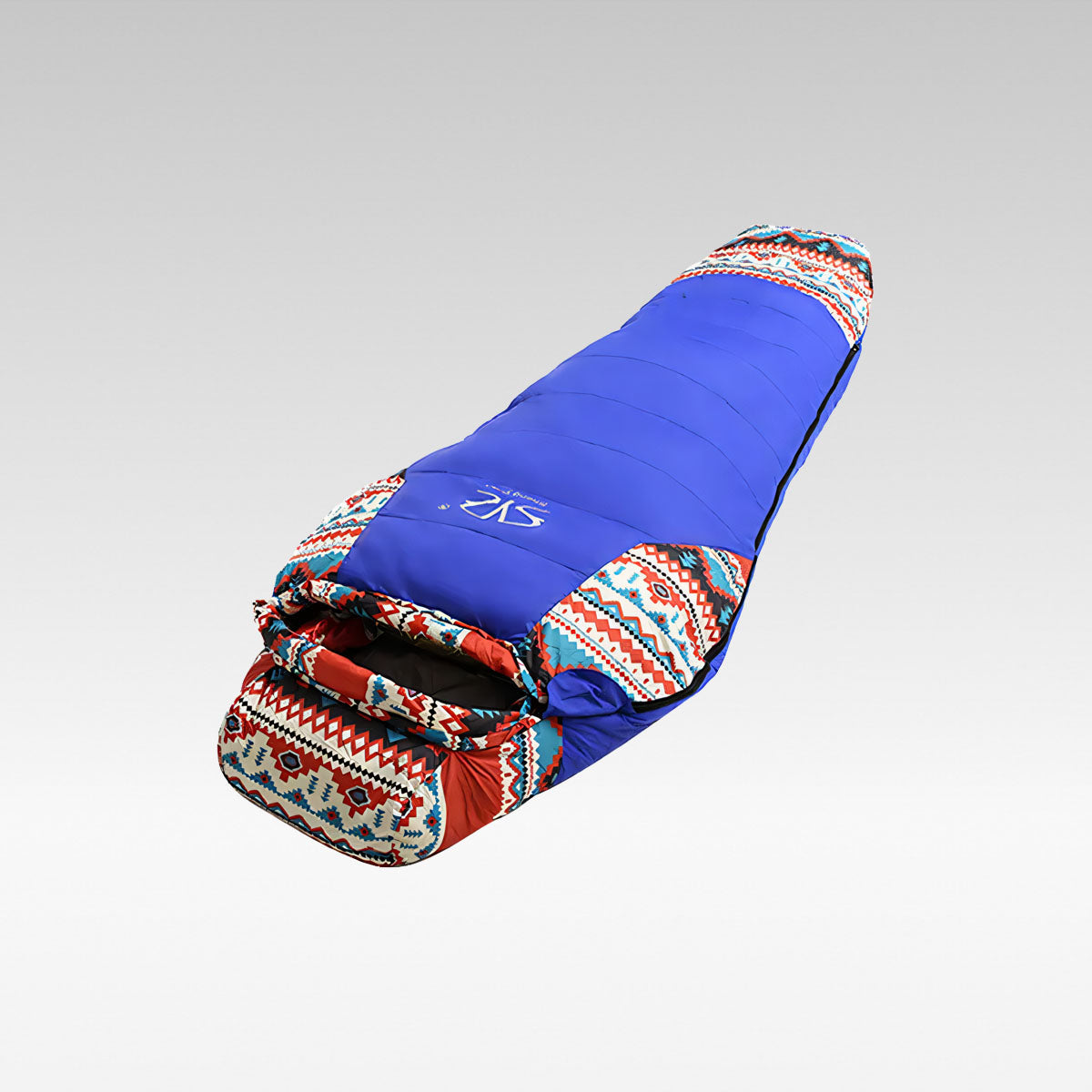
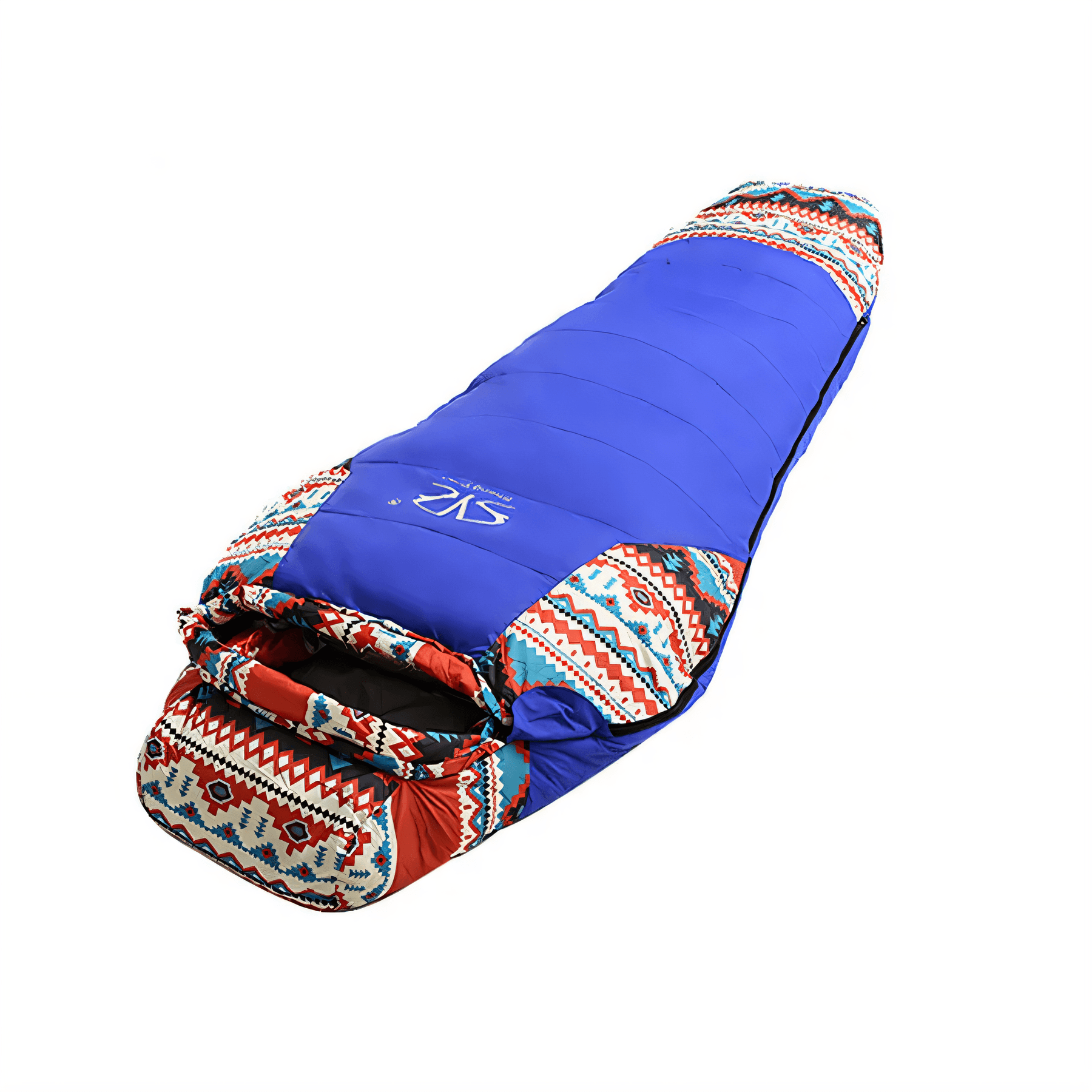
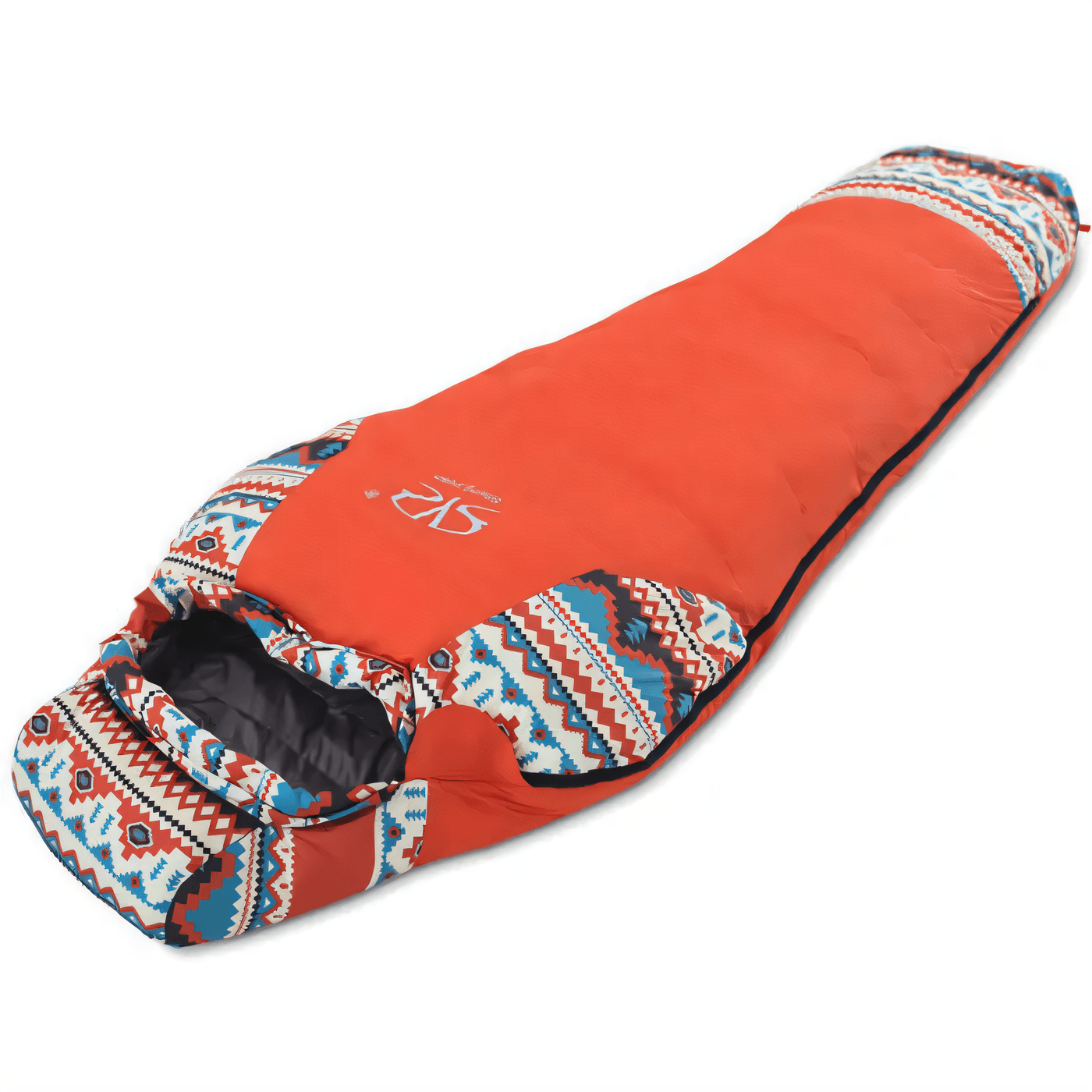
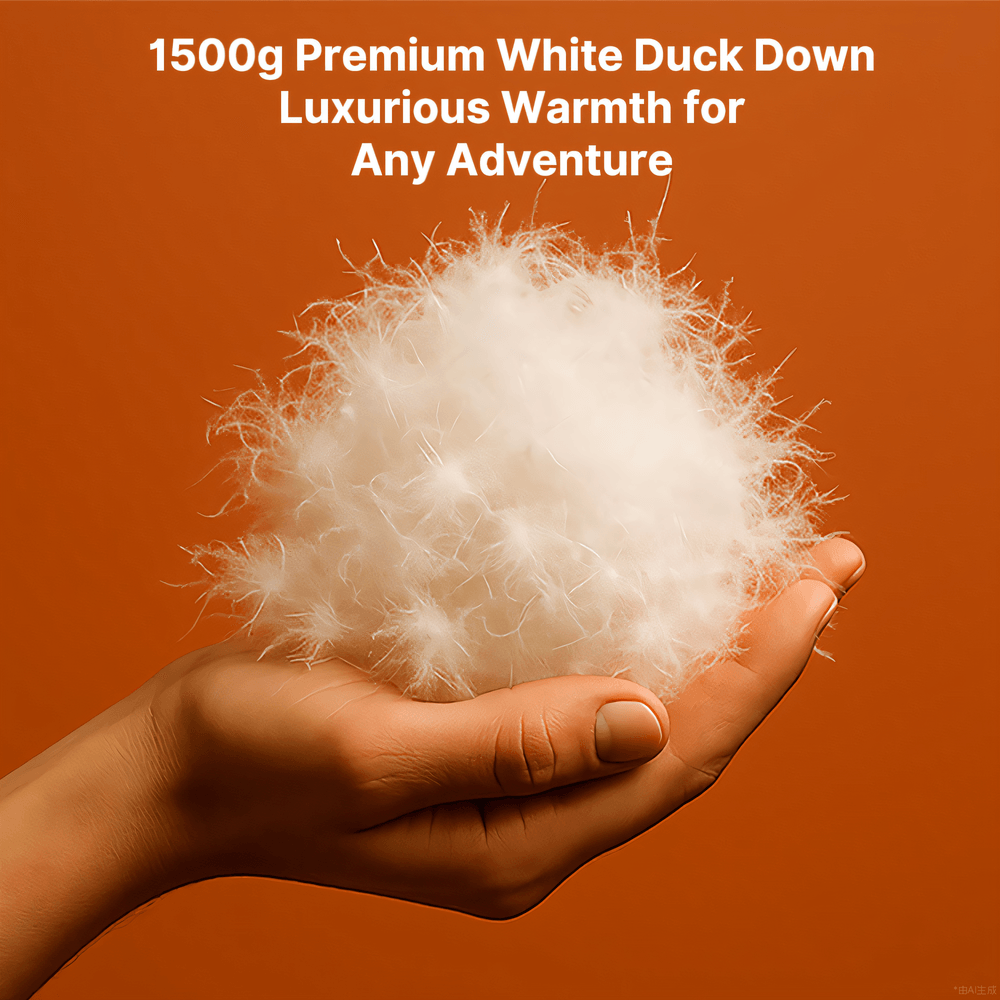
Down Sleeping Bag for Adults – Cold Weather Duck Down Mummy Bag | Traverseon
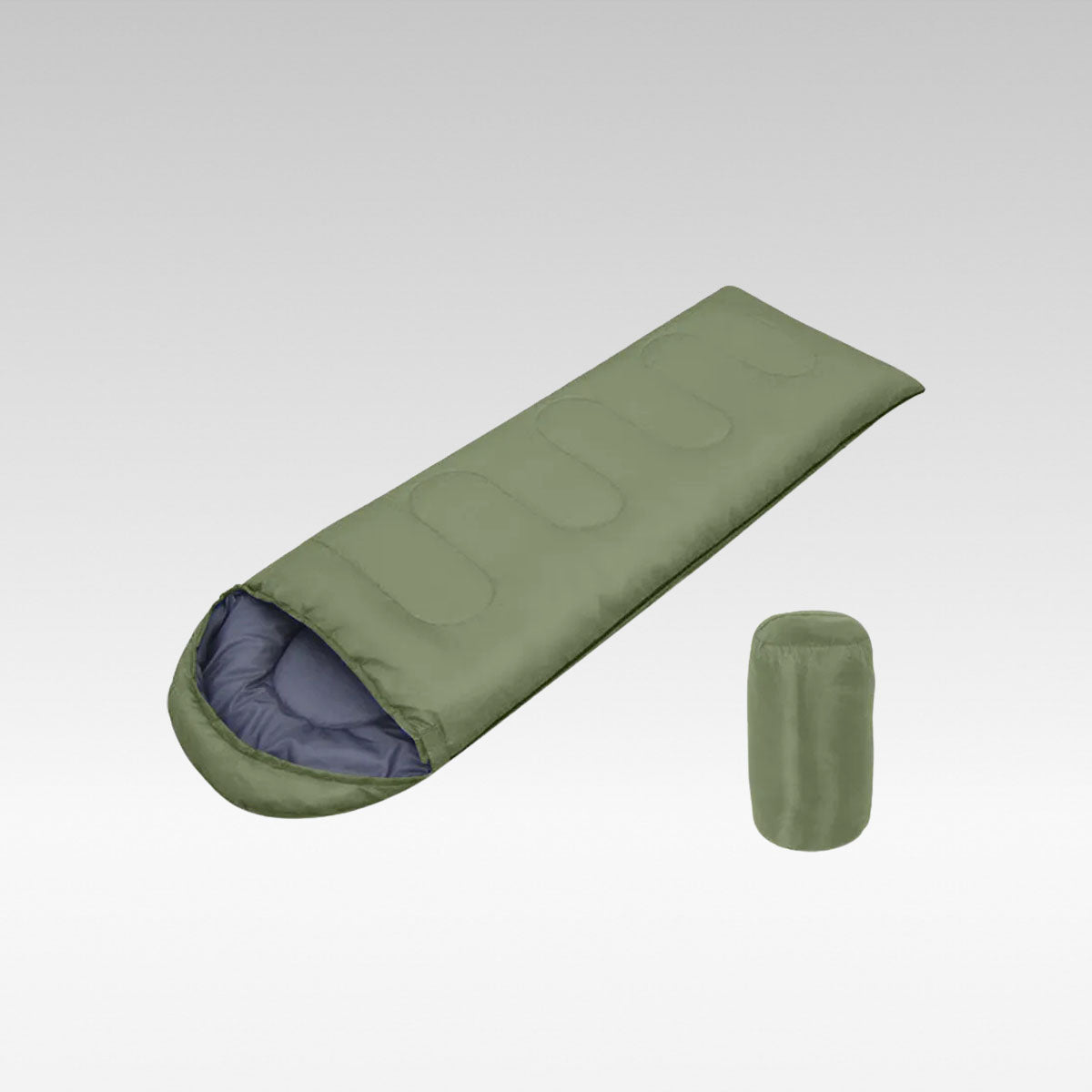
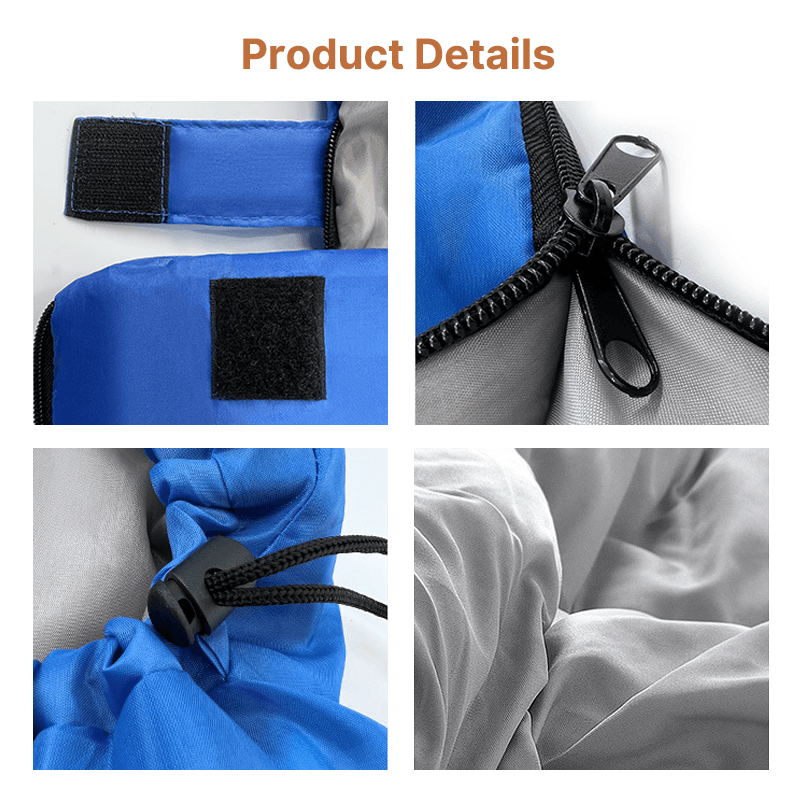
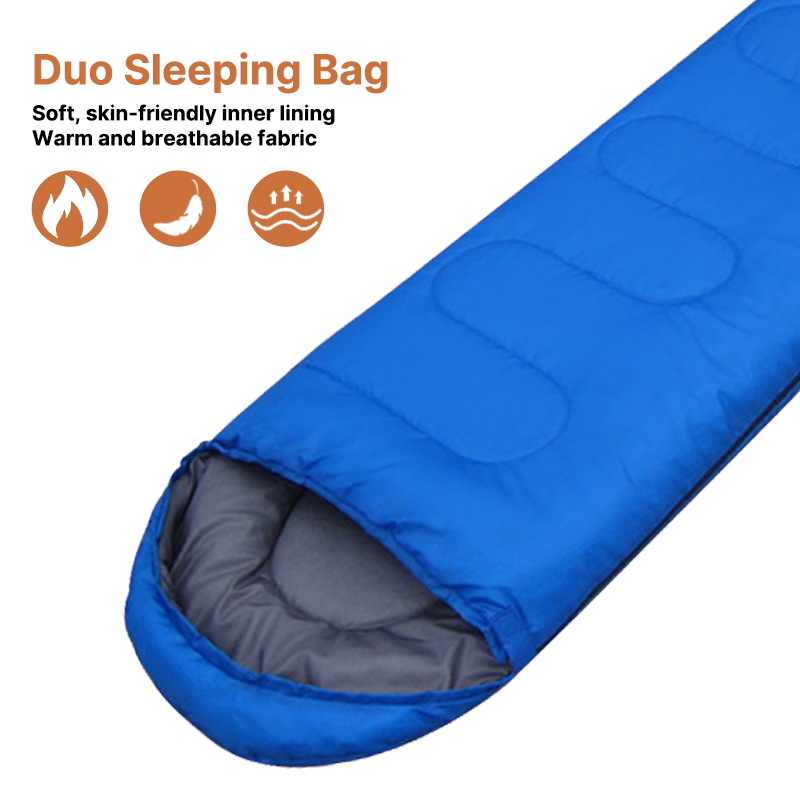
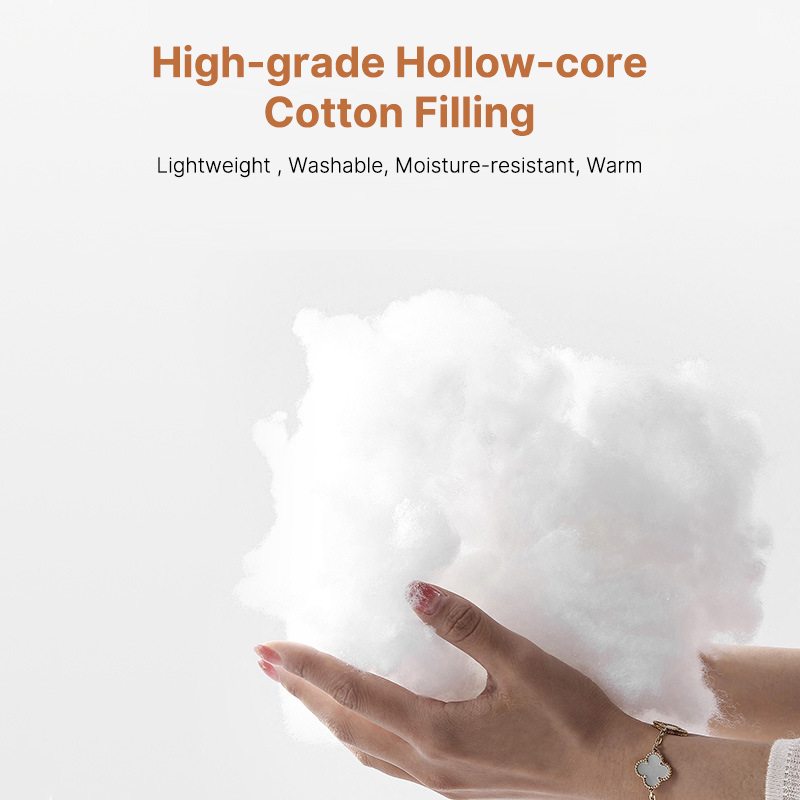
Military Modular Sleep System – All-Season Convertible Sleeping Bag|Traverseon
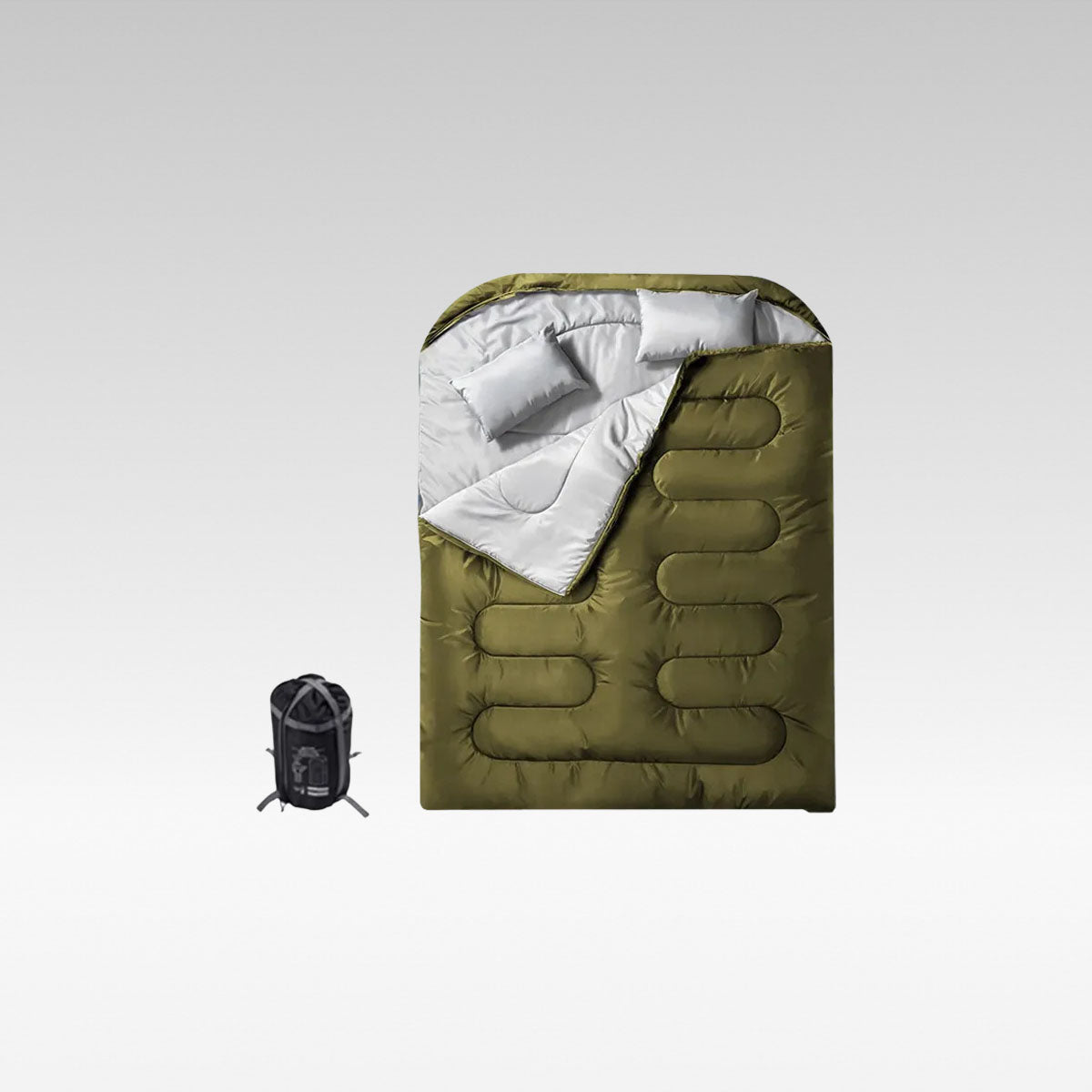
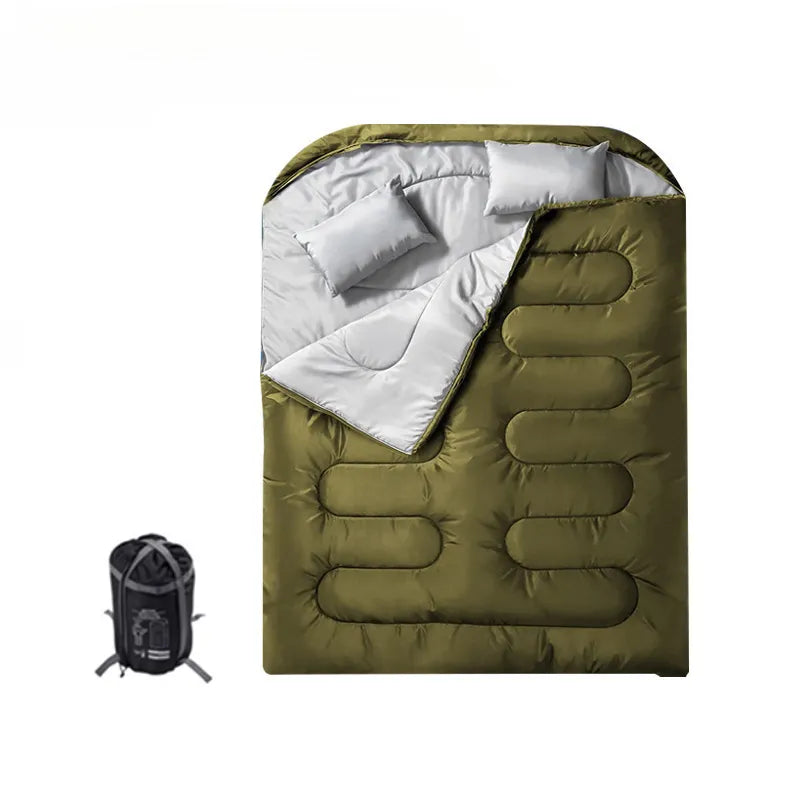
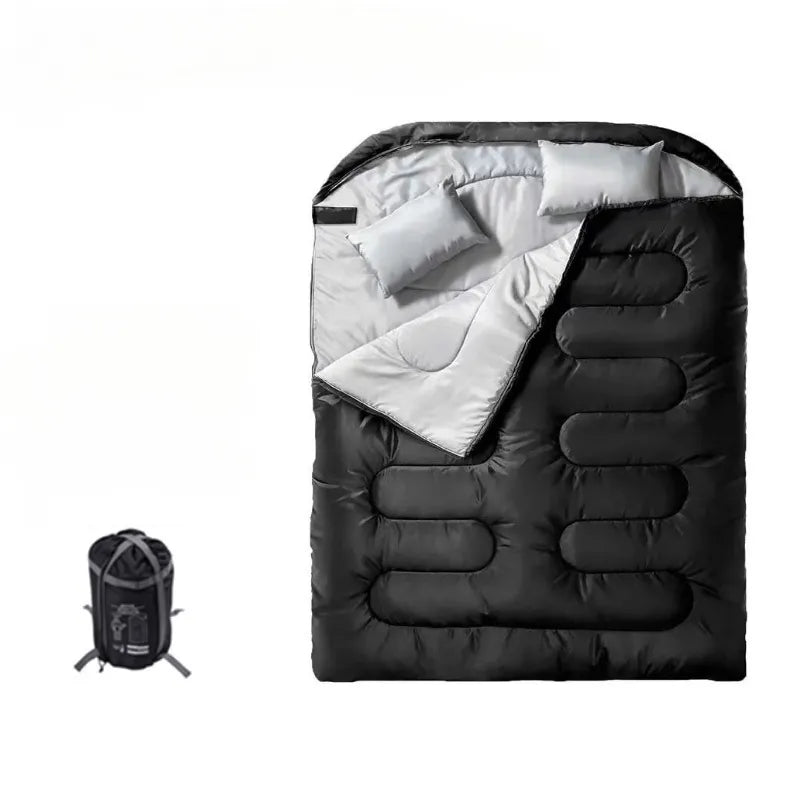
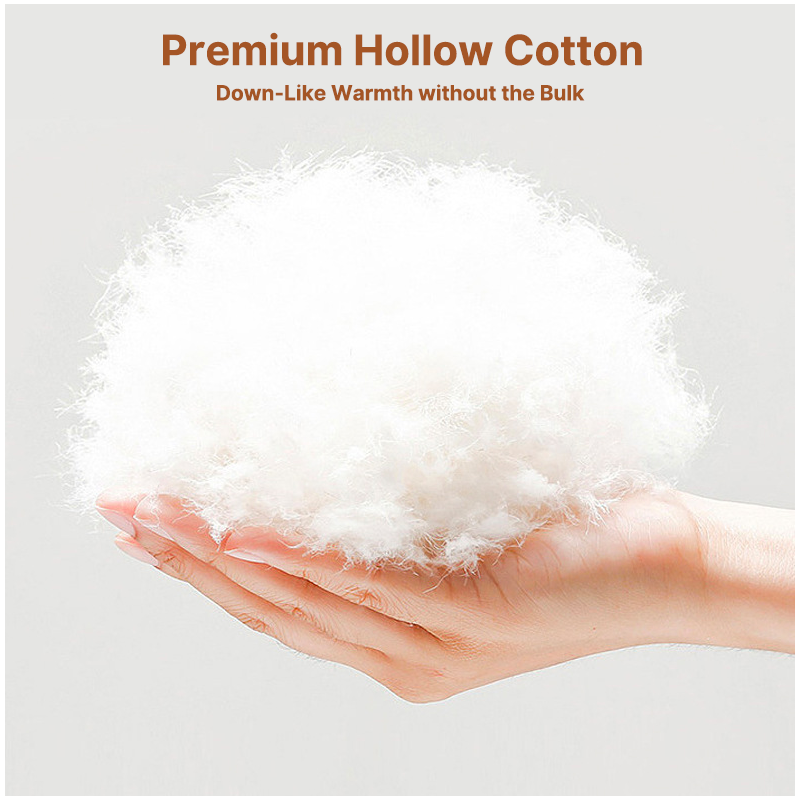
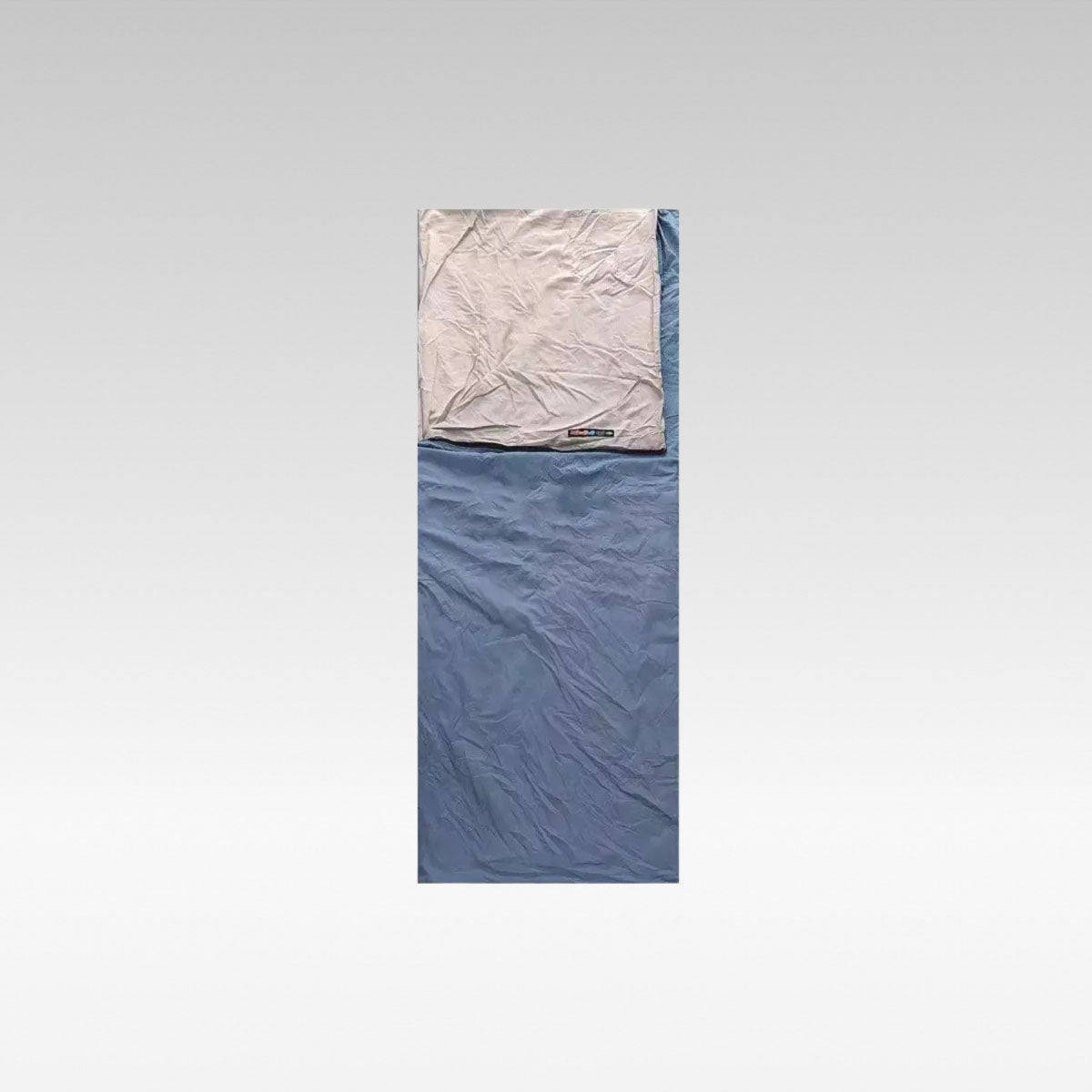
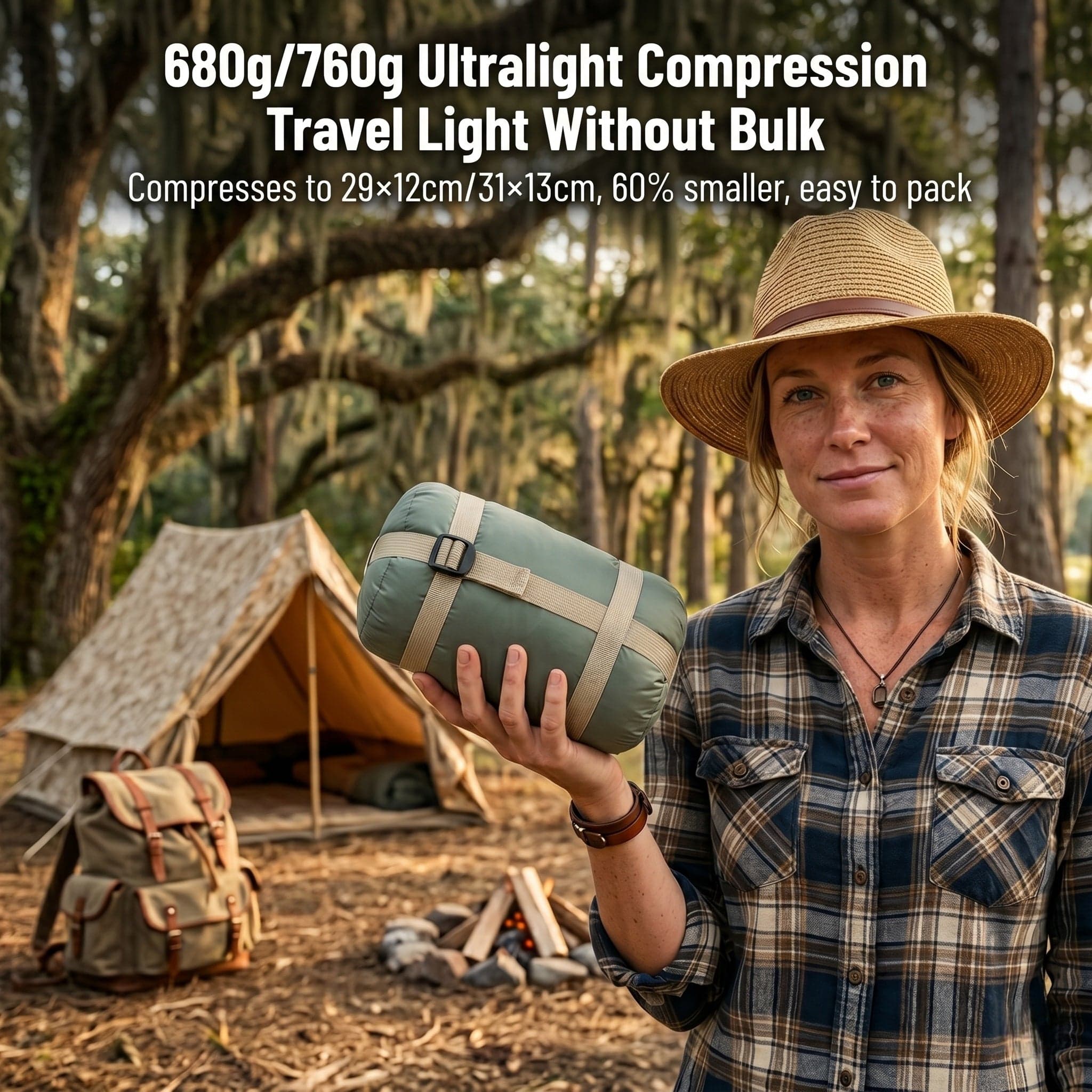
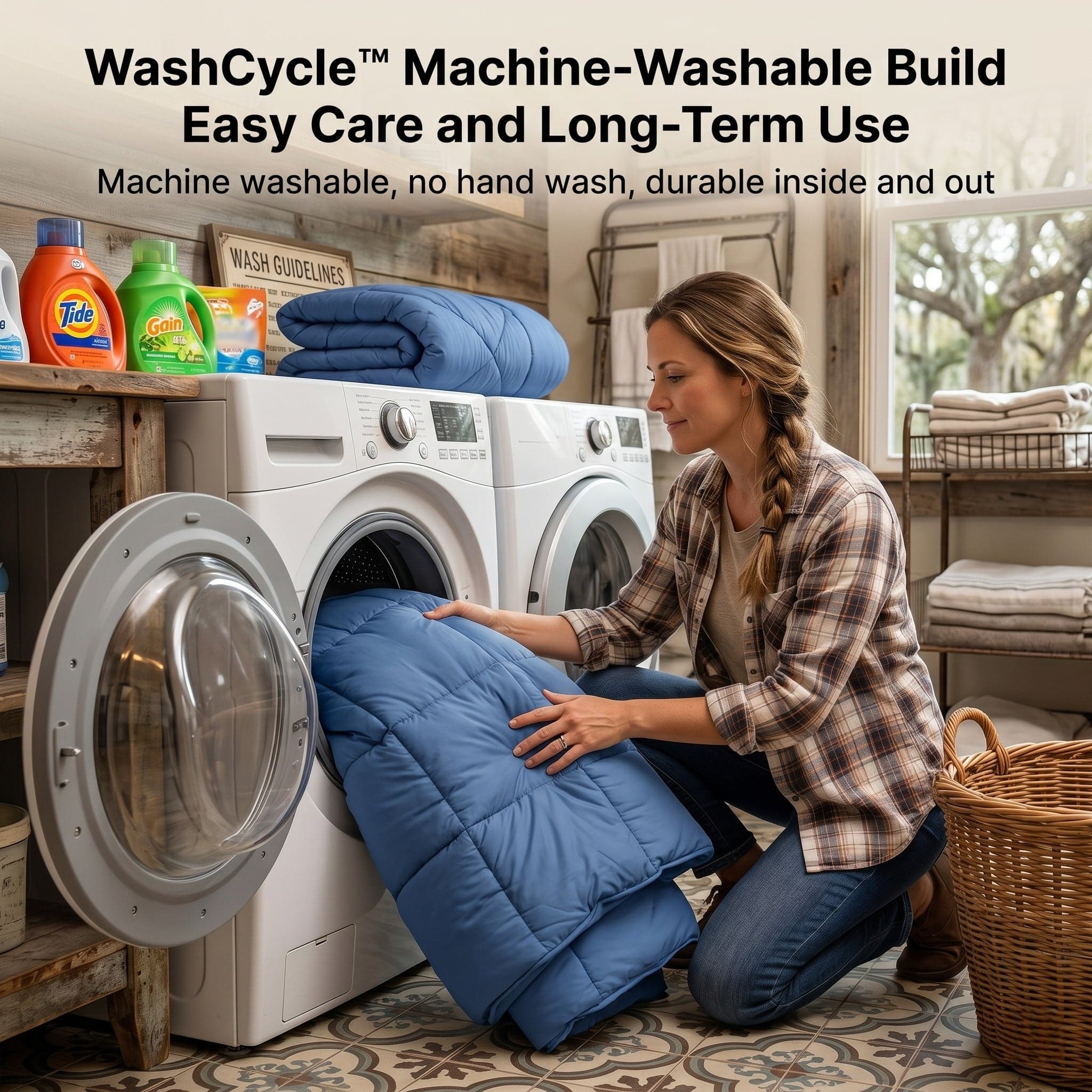
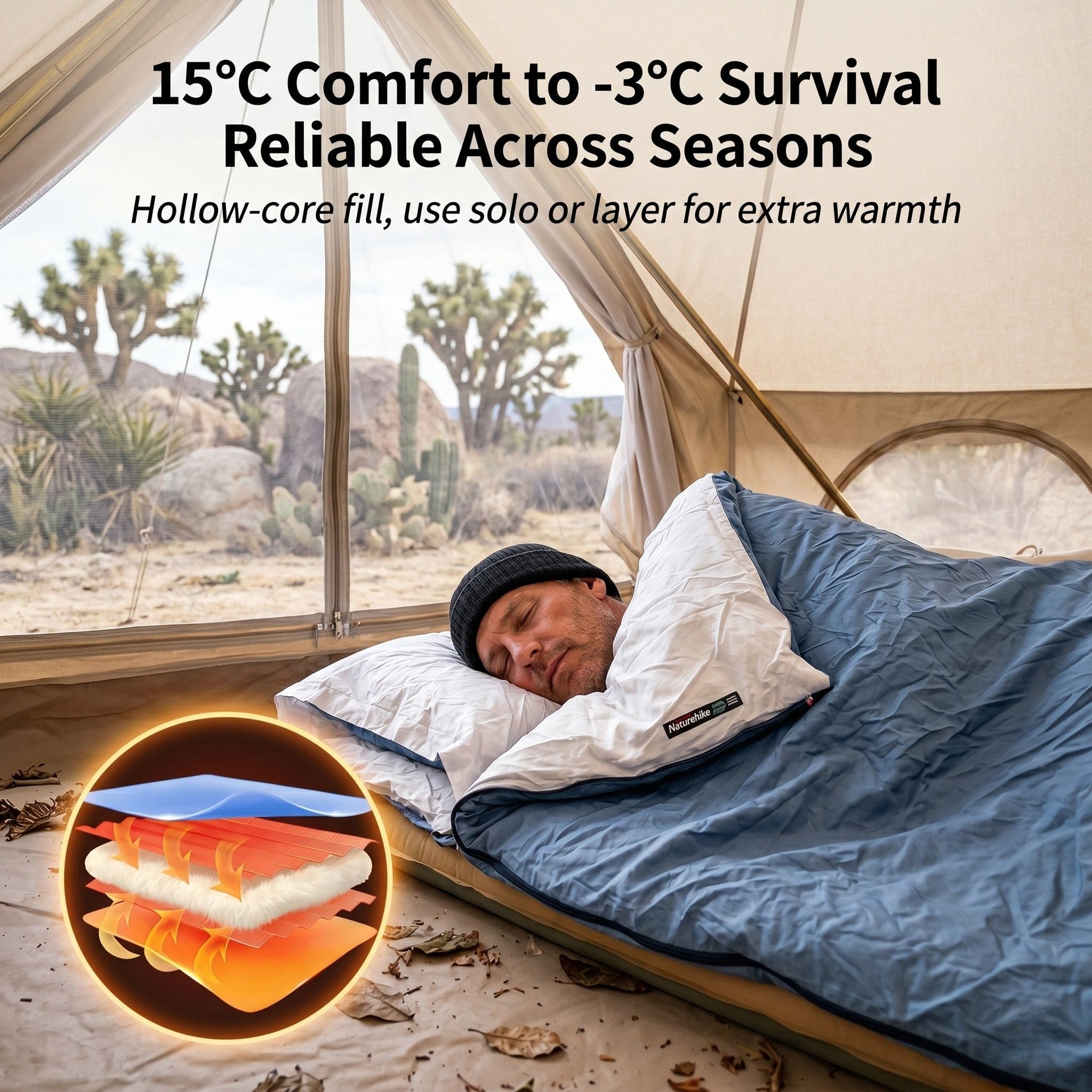
Traverseon 1P All-Season Ultralight Washable Envelope Sleeping Bag
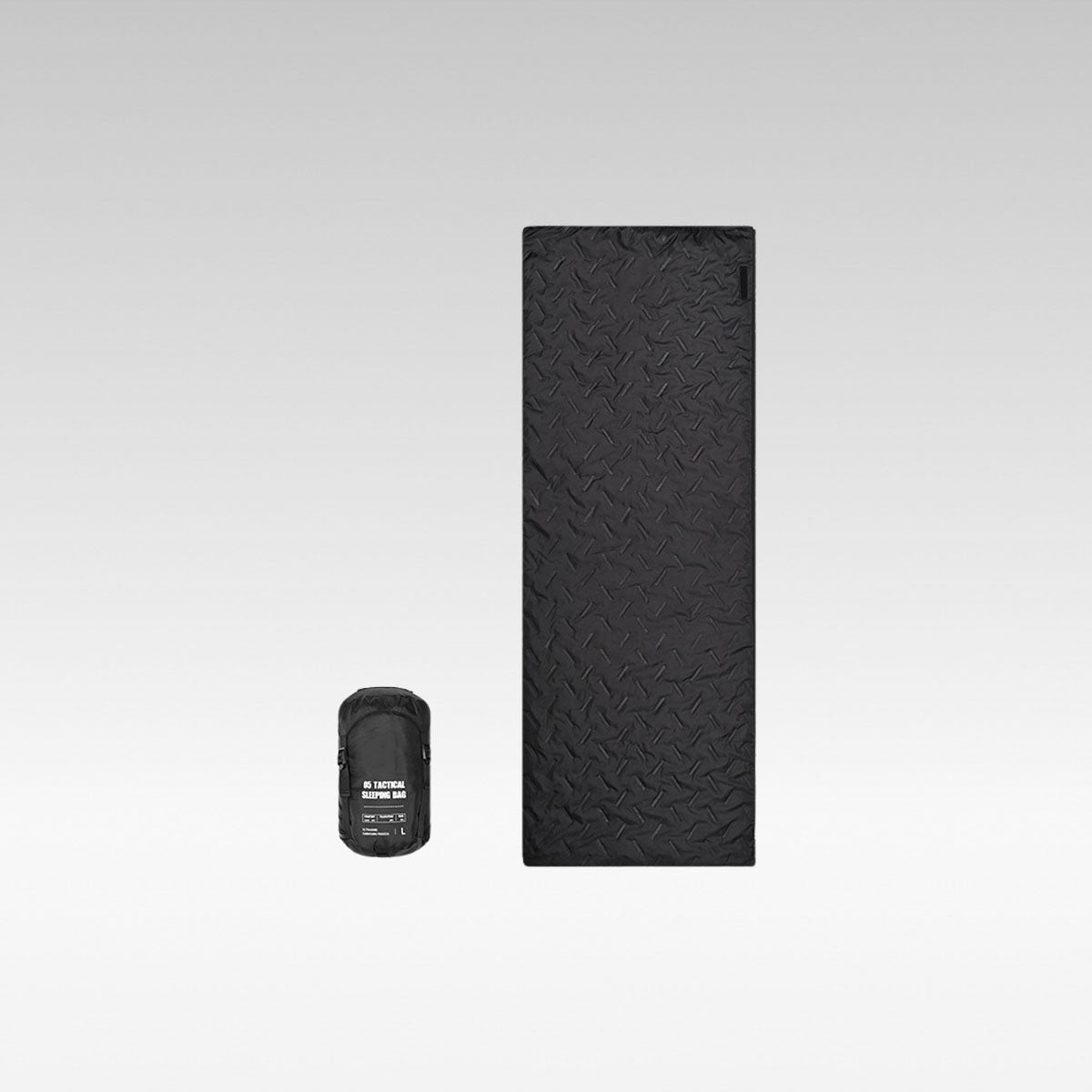
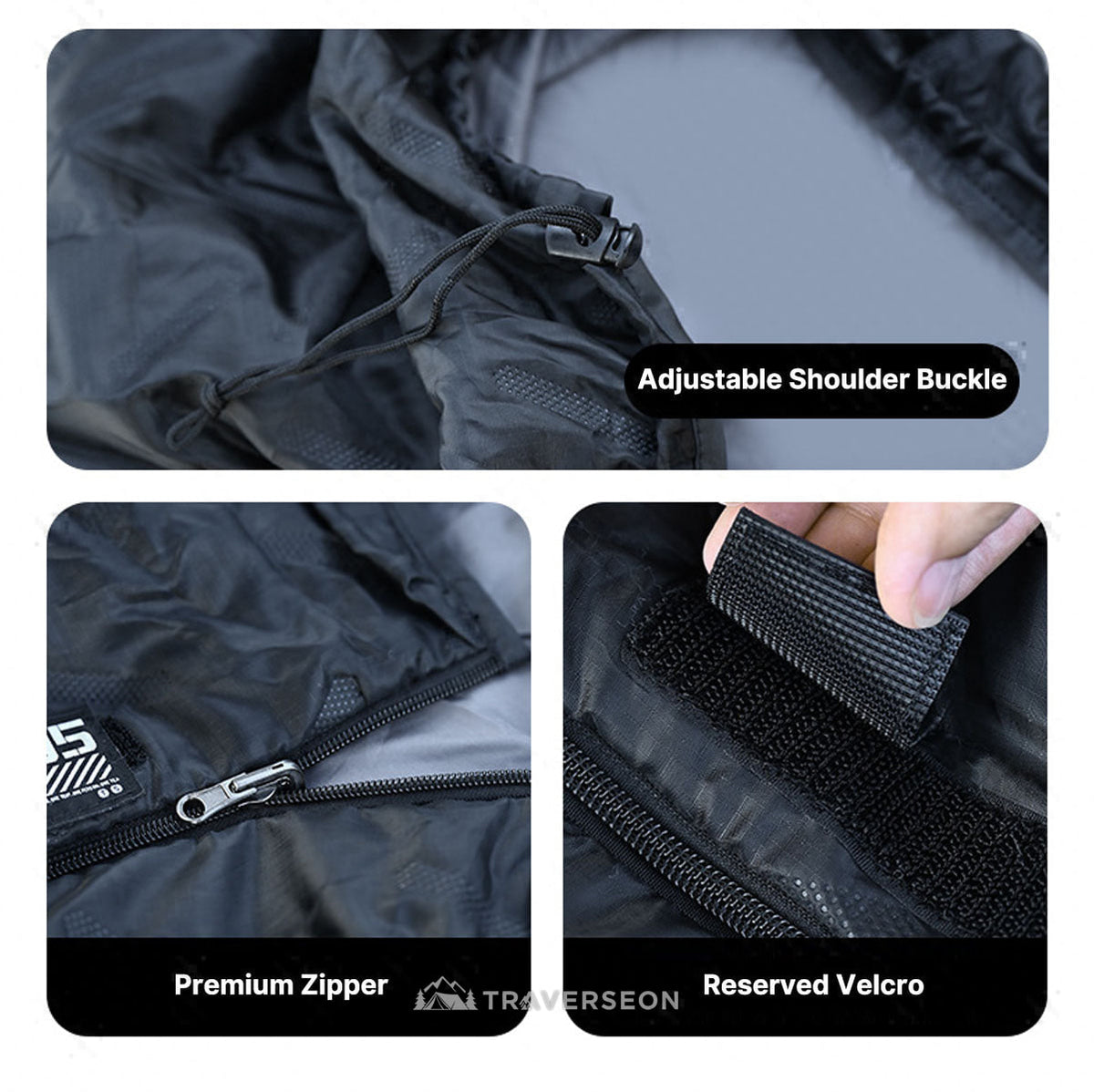
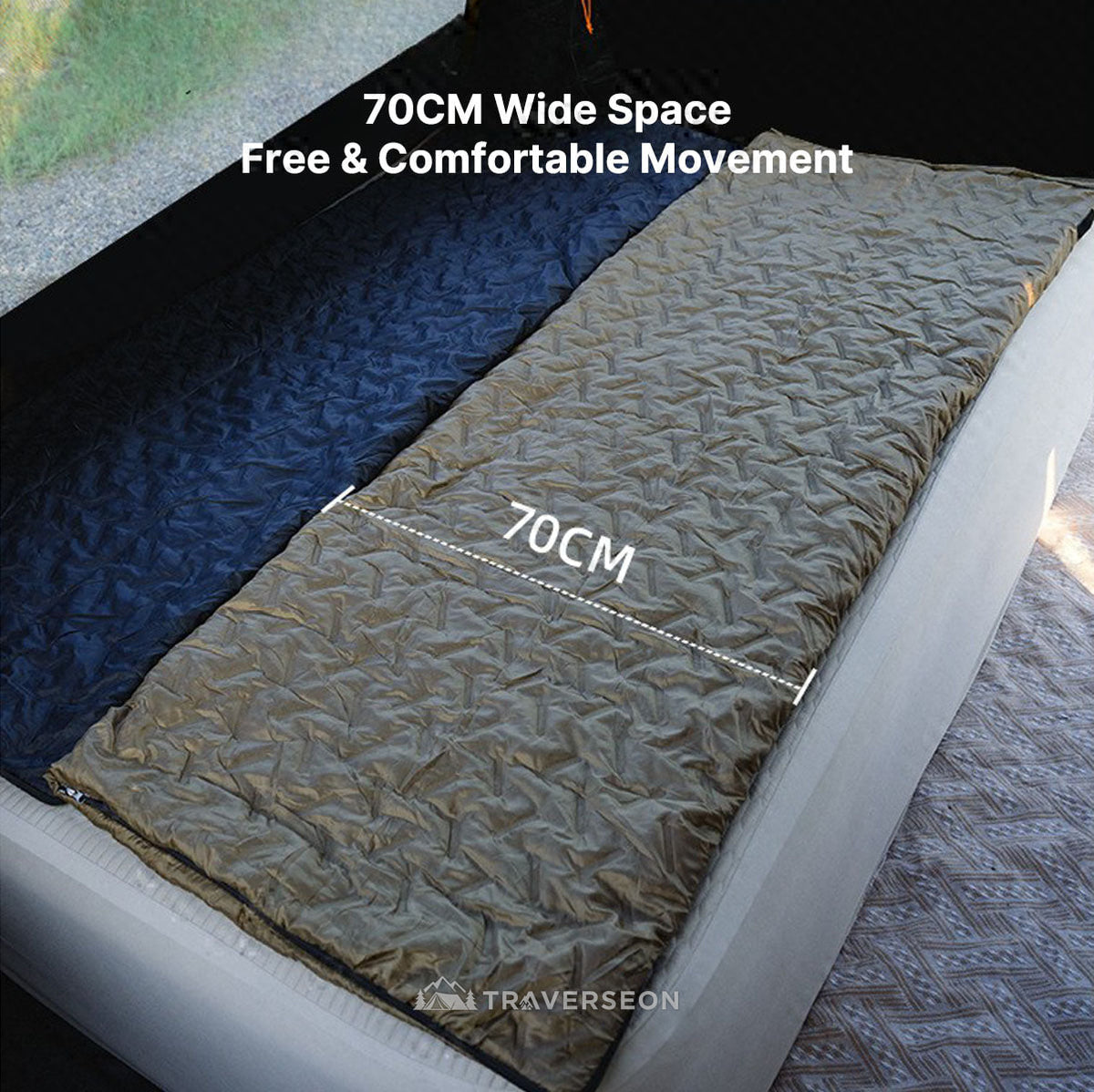
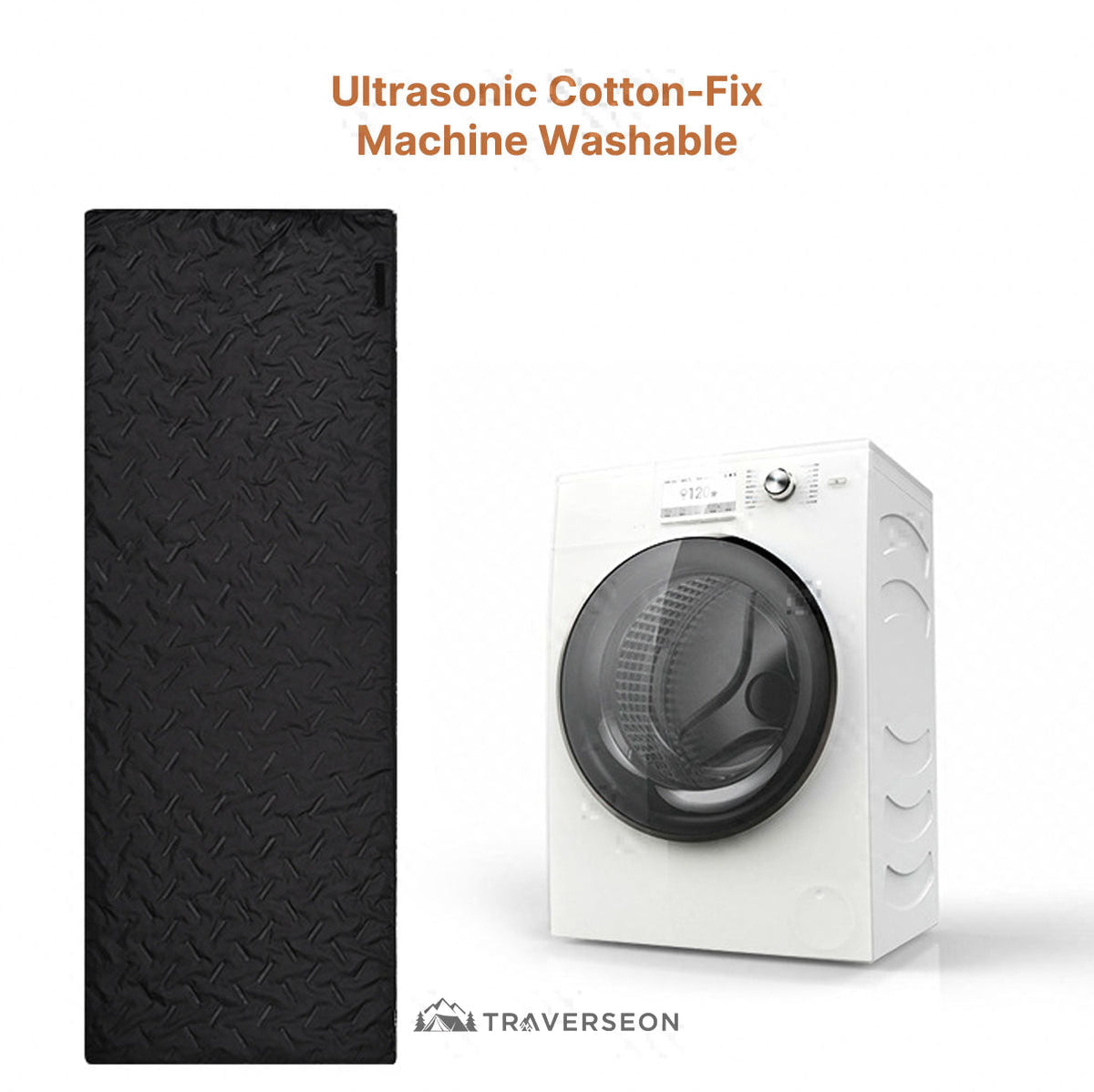
1P All-Season Sleeping Bag | Lightweight, WideFit Design for Outdoor Camping
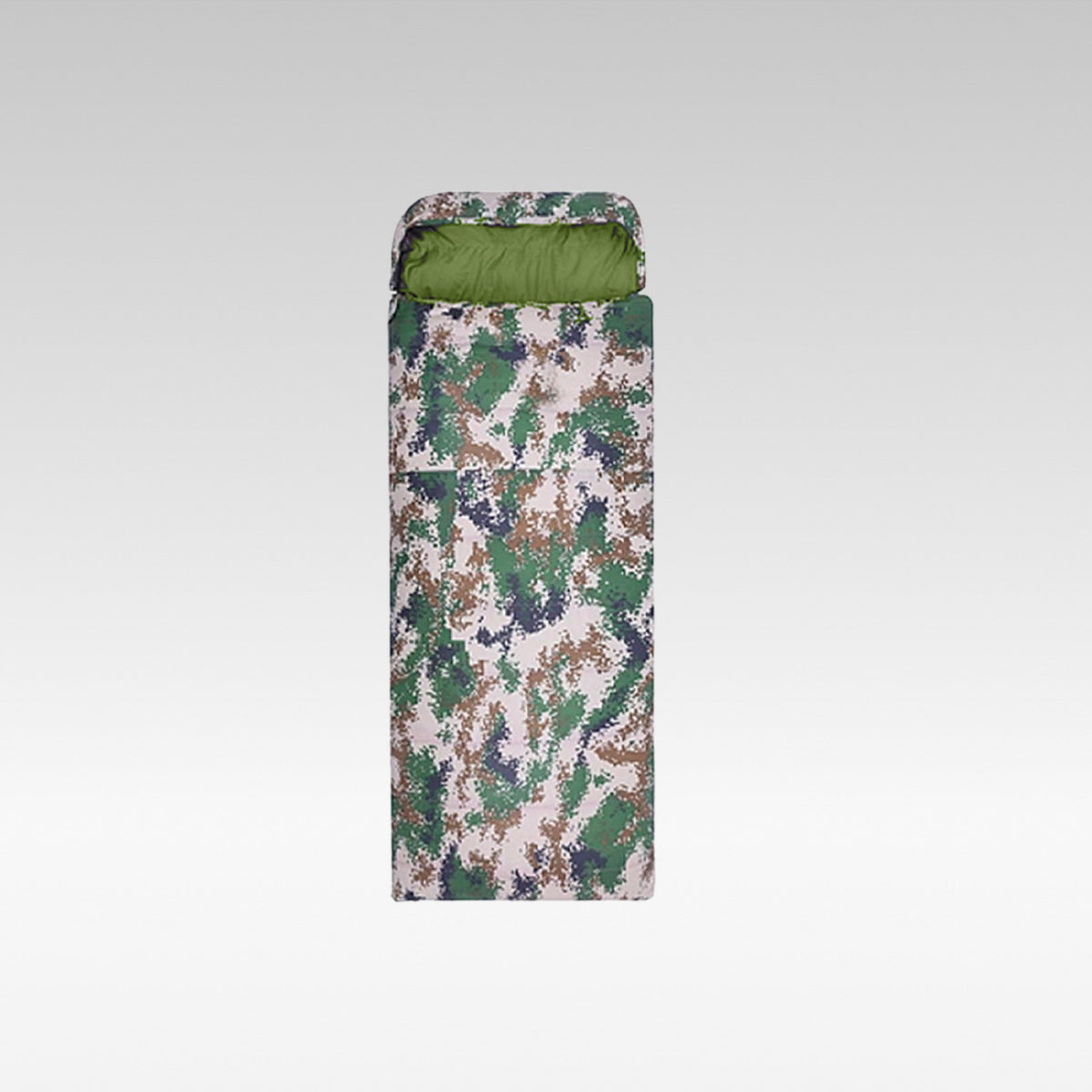
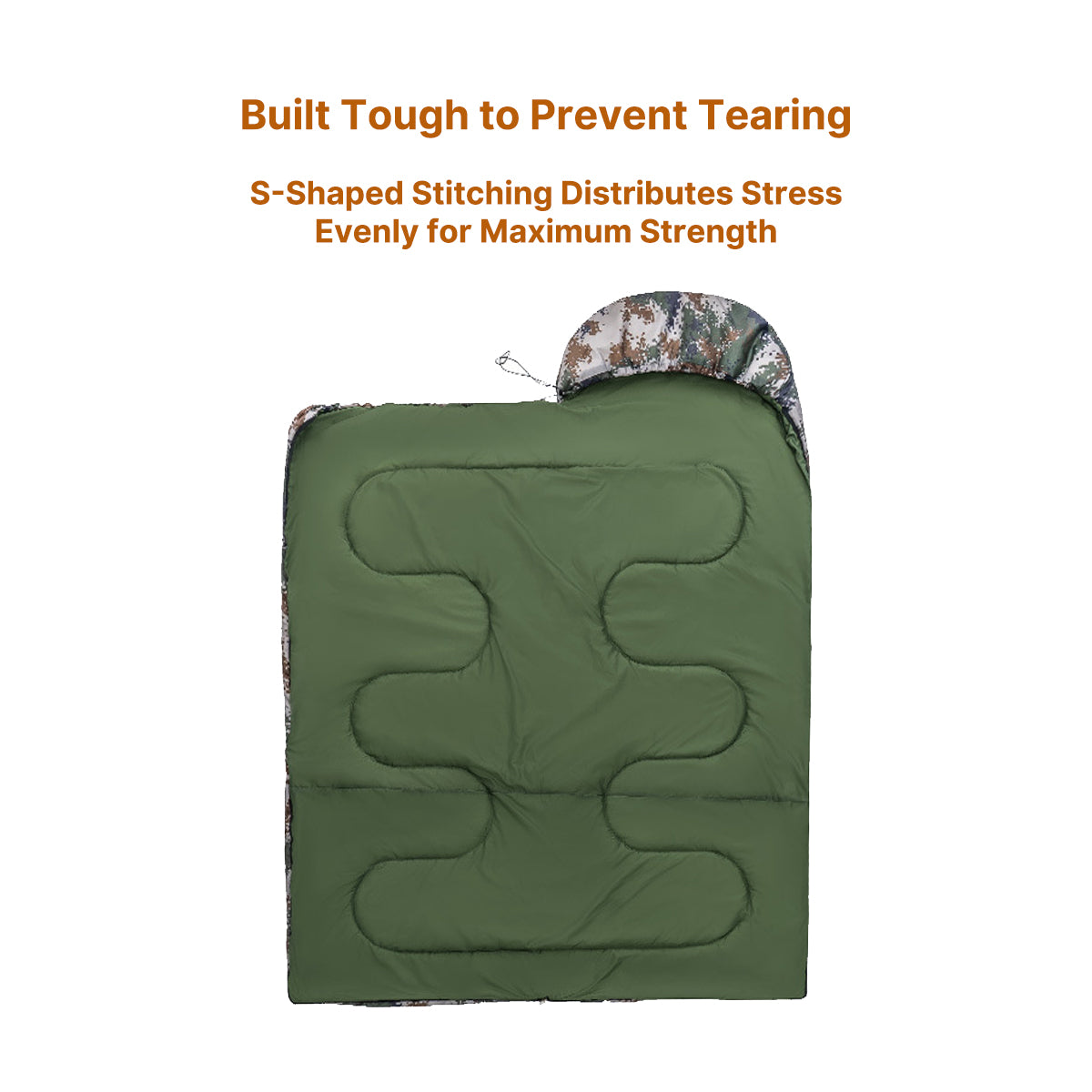
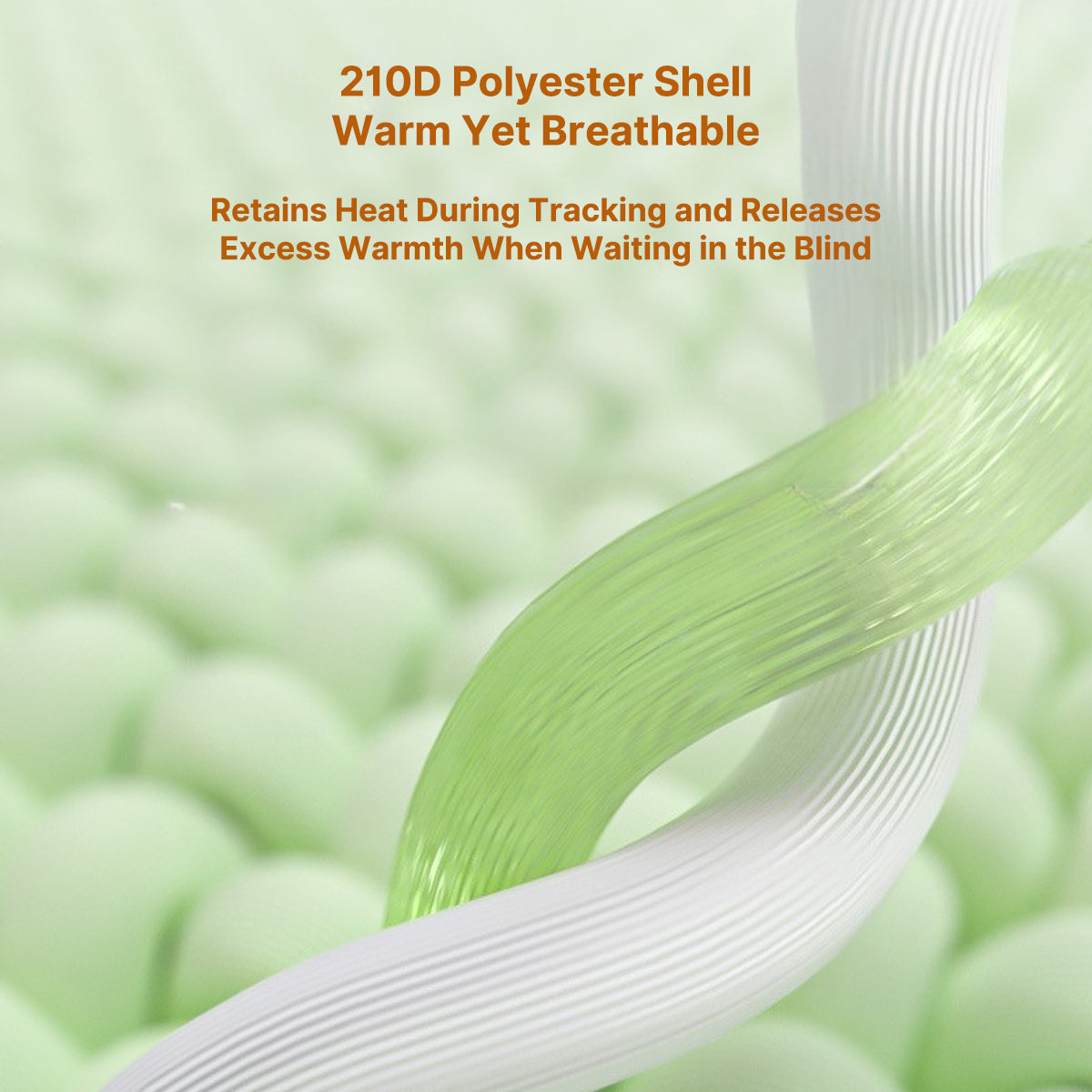
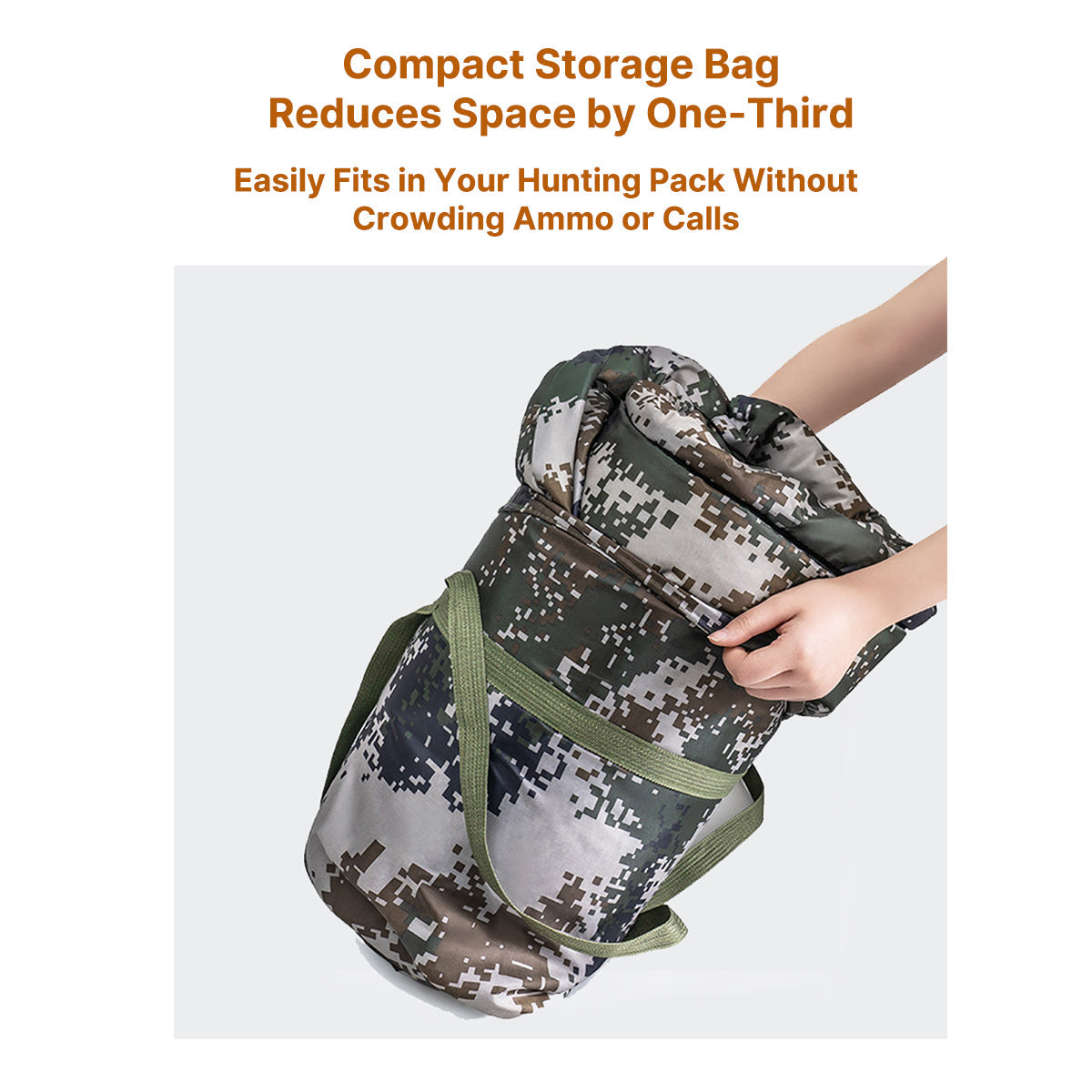
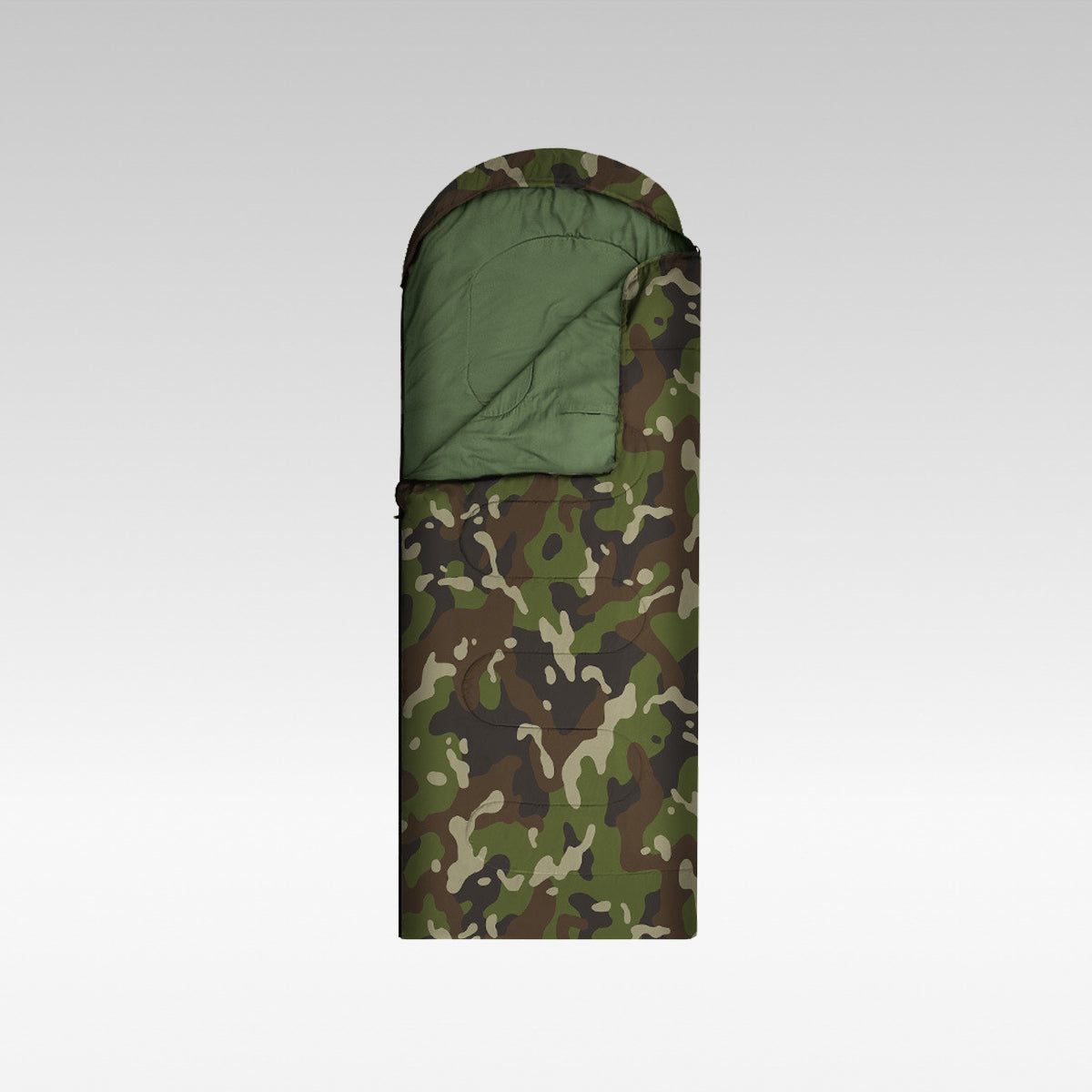
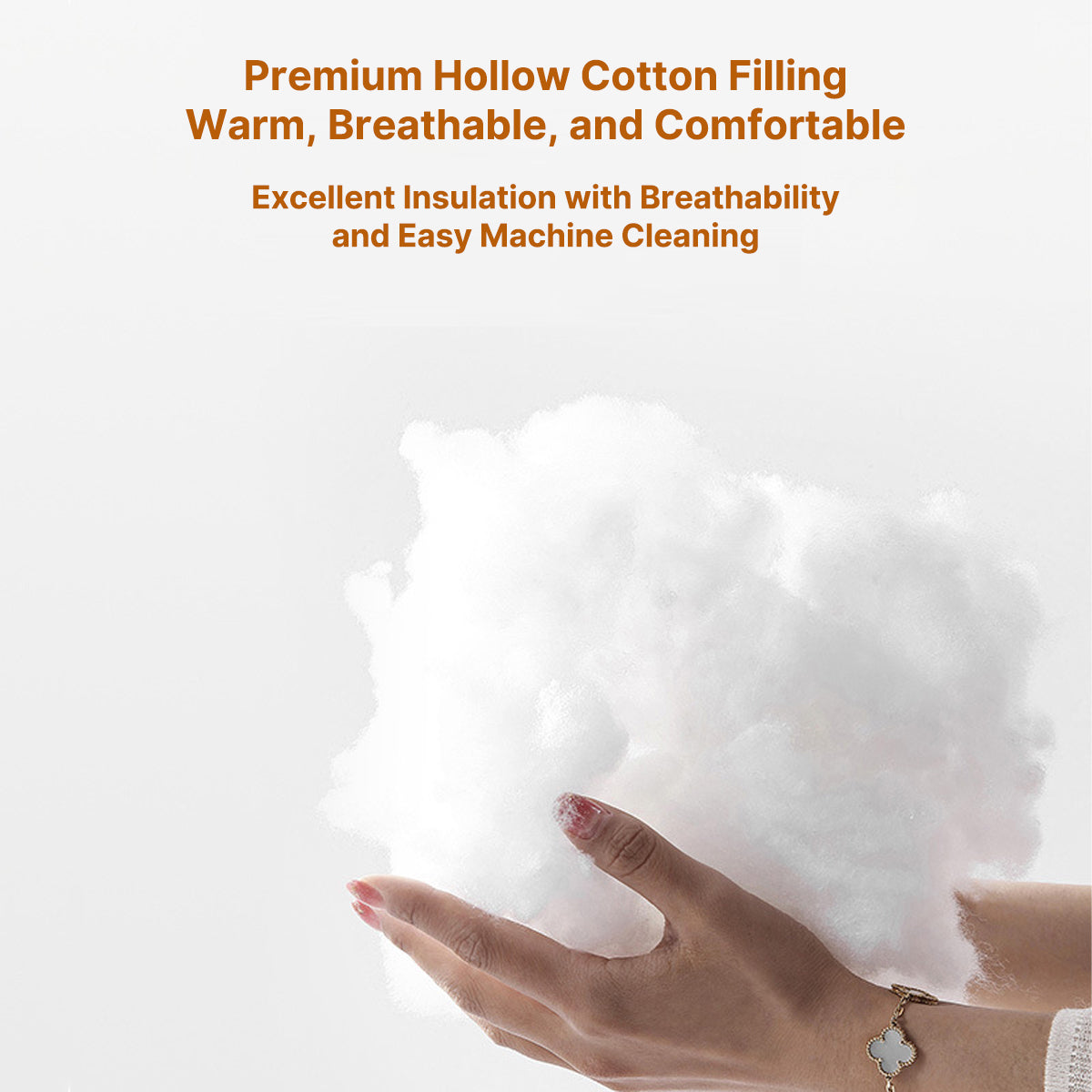
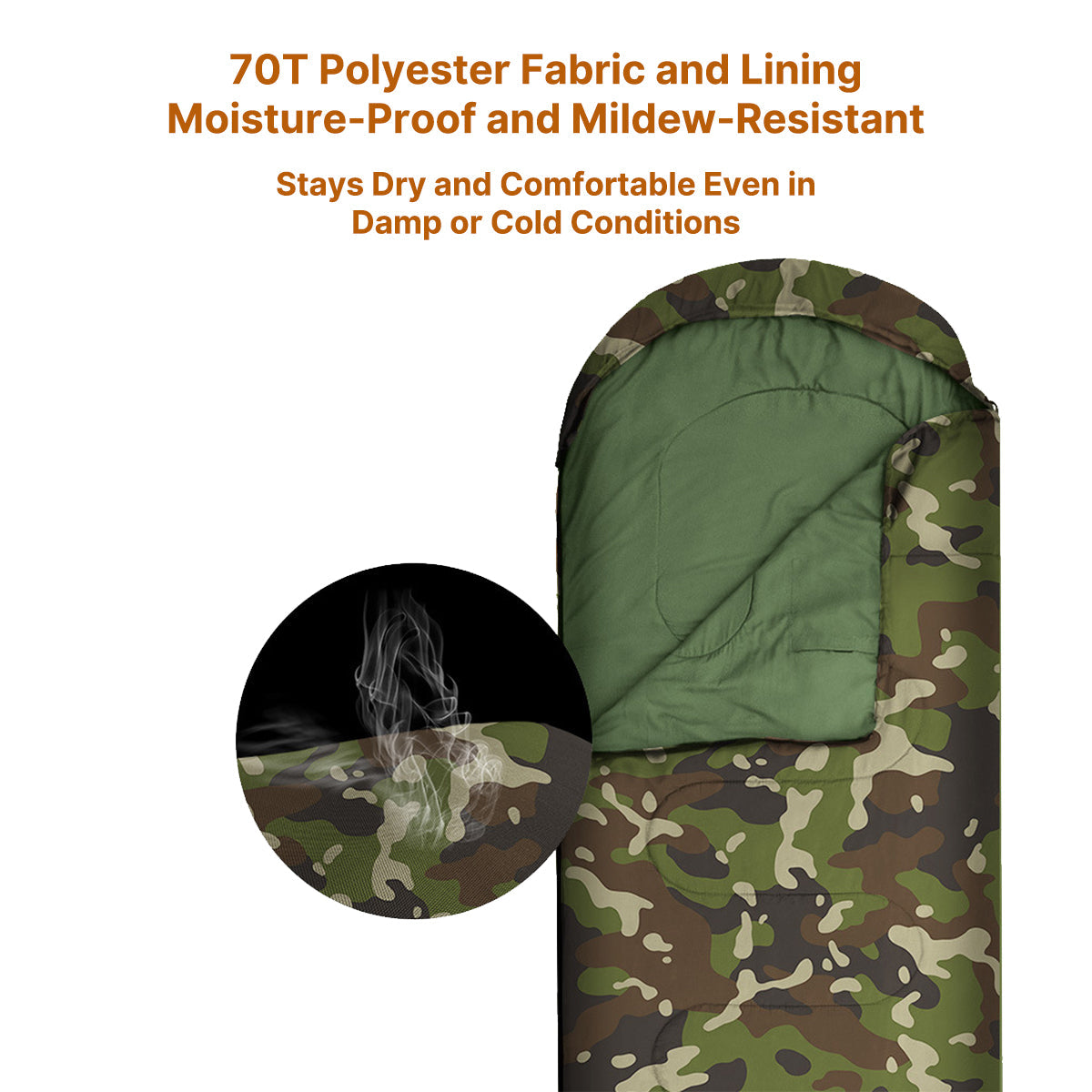
Camouflage Envelope-Style Single Sleeping Bag – Suitable for Temperatures Above -5°C
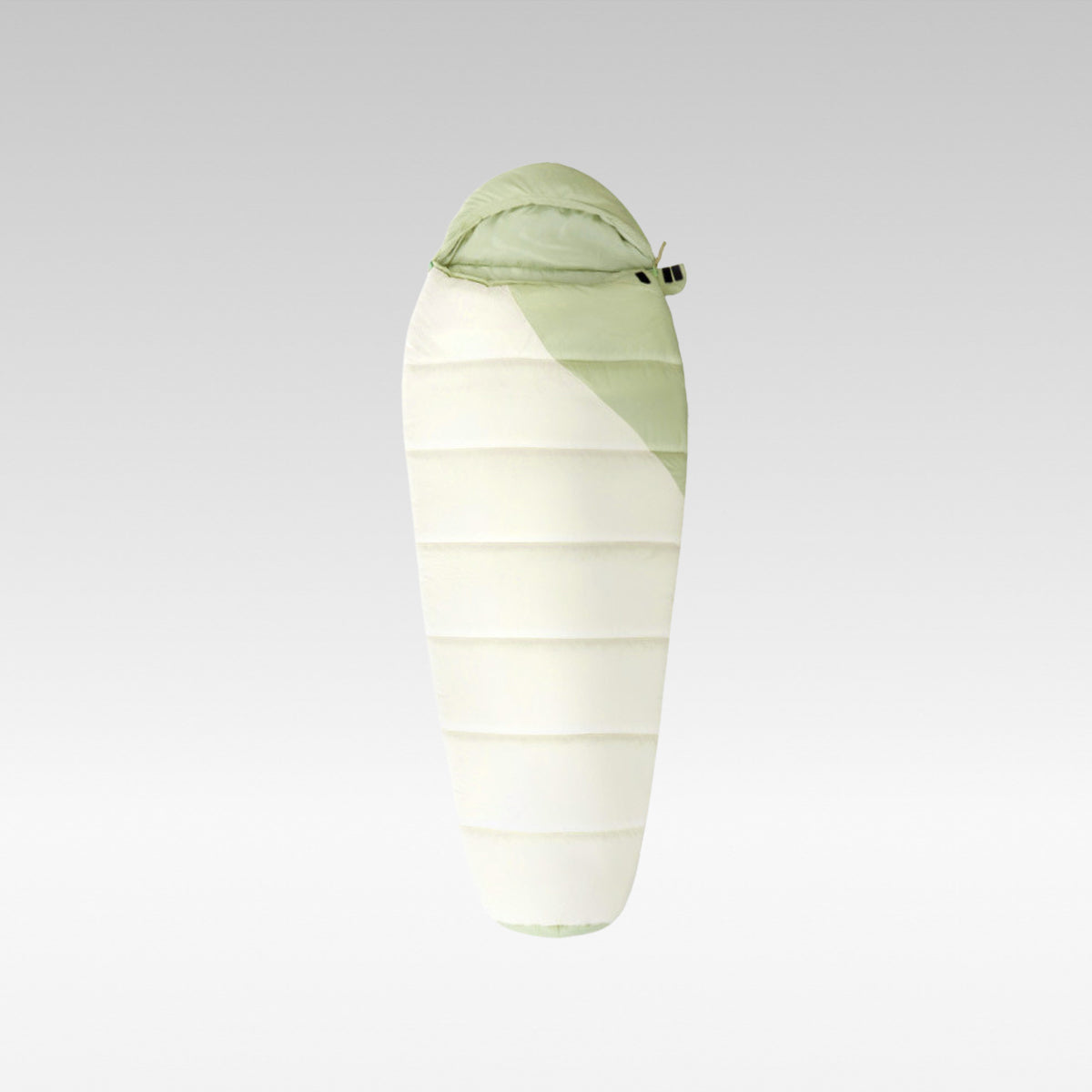
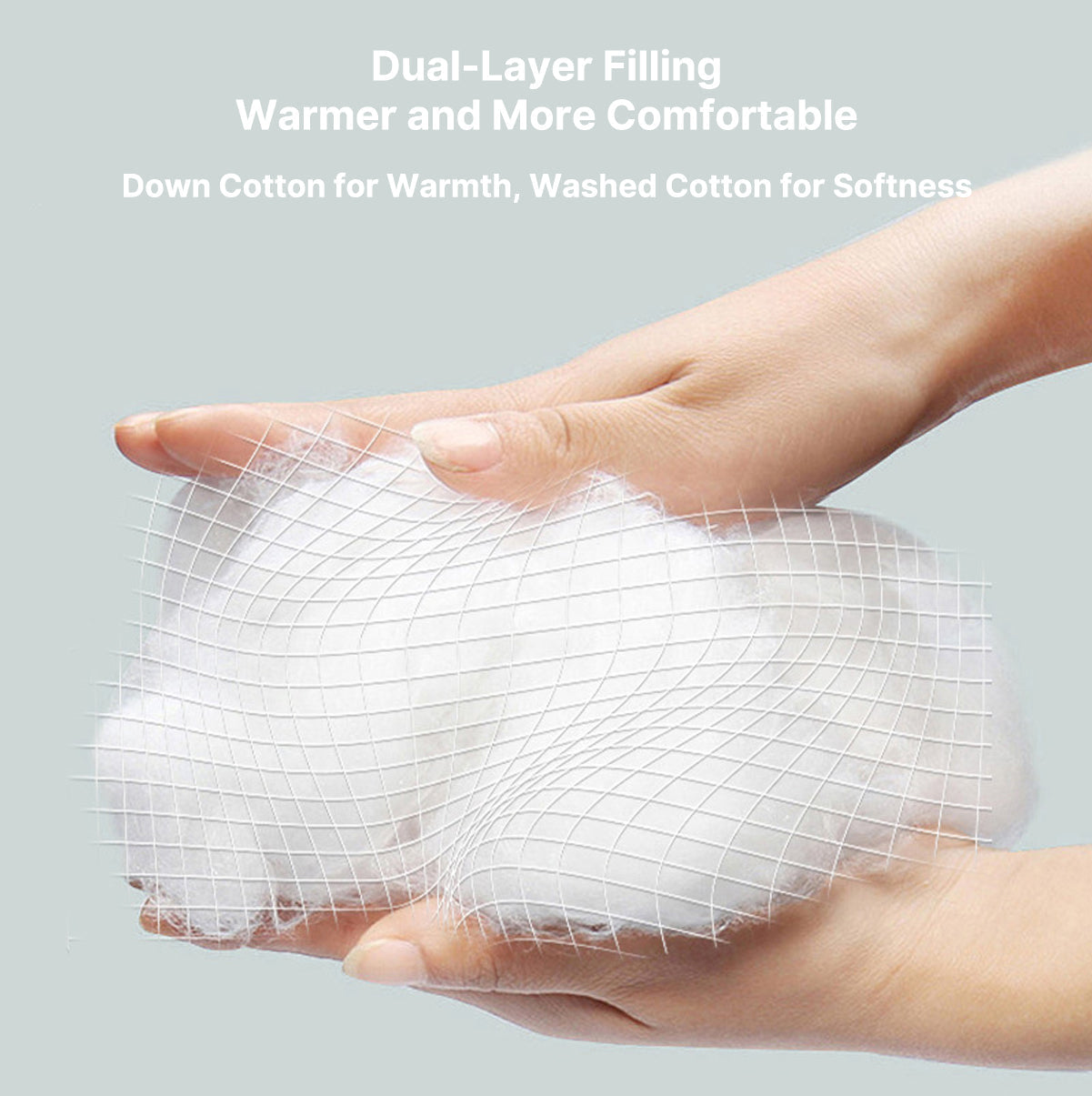
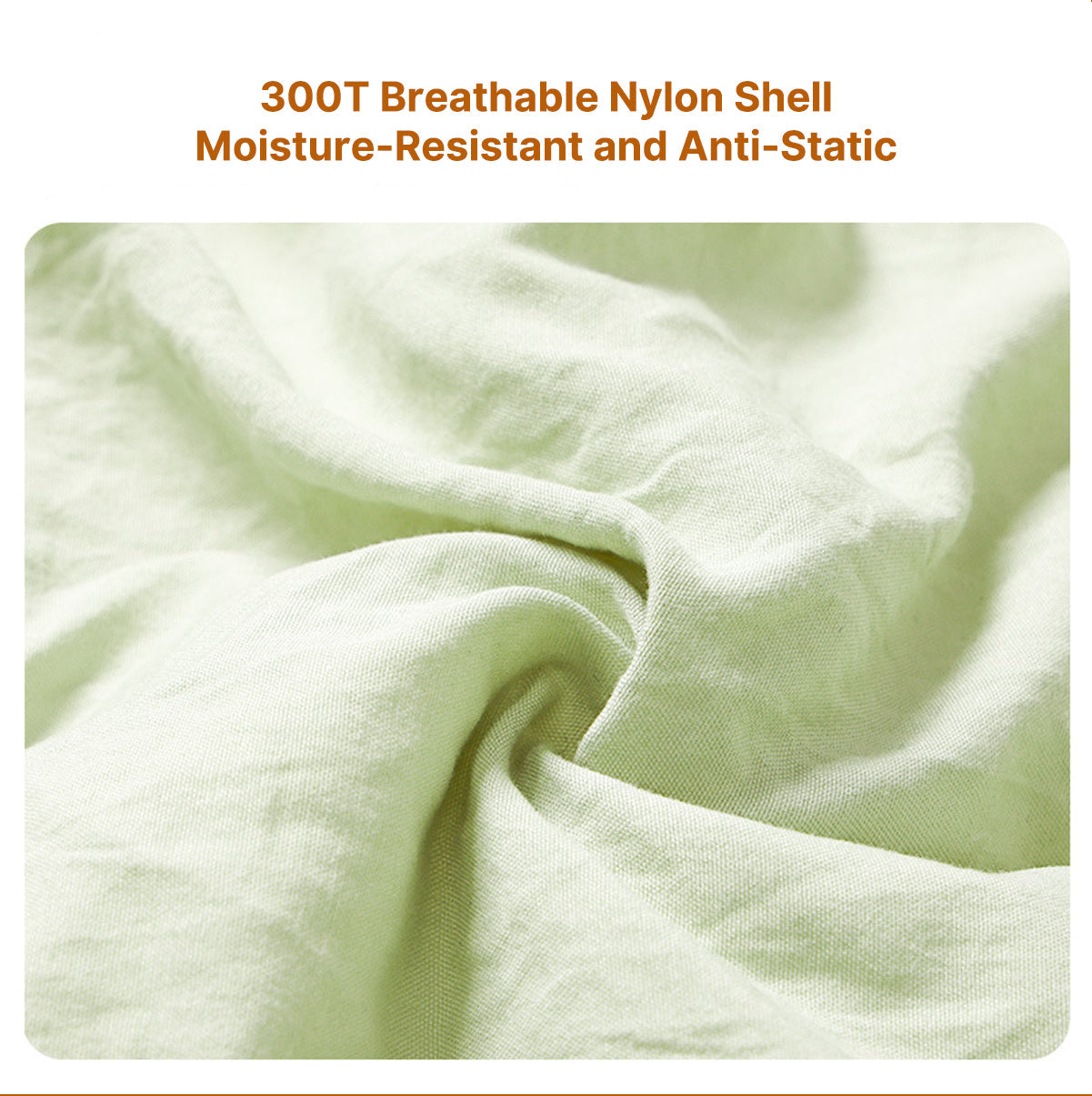
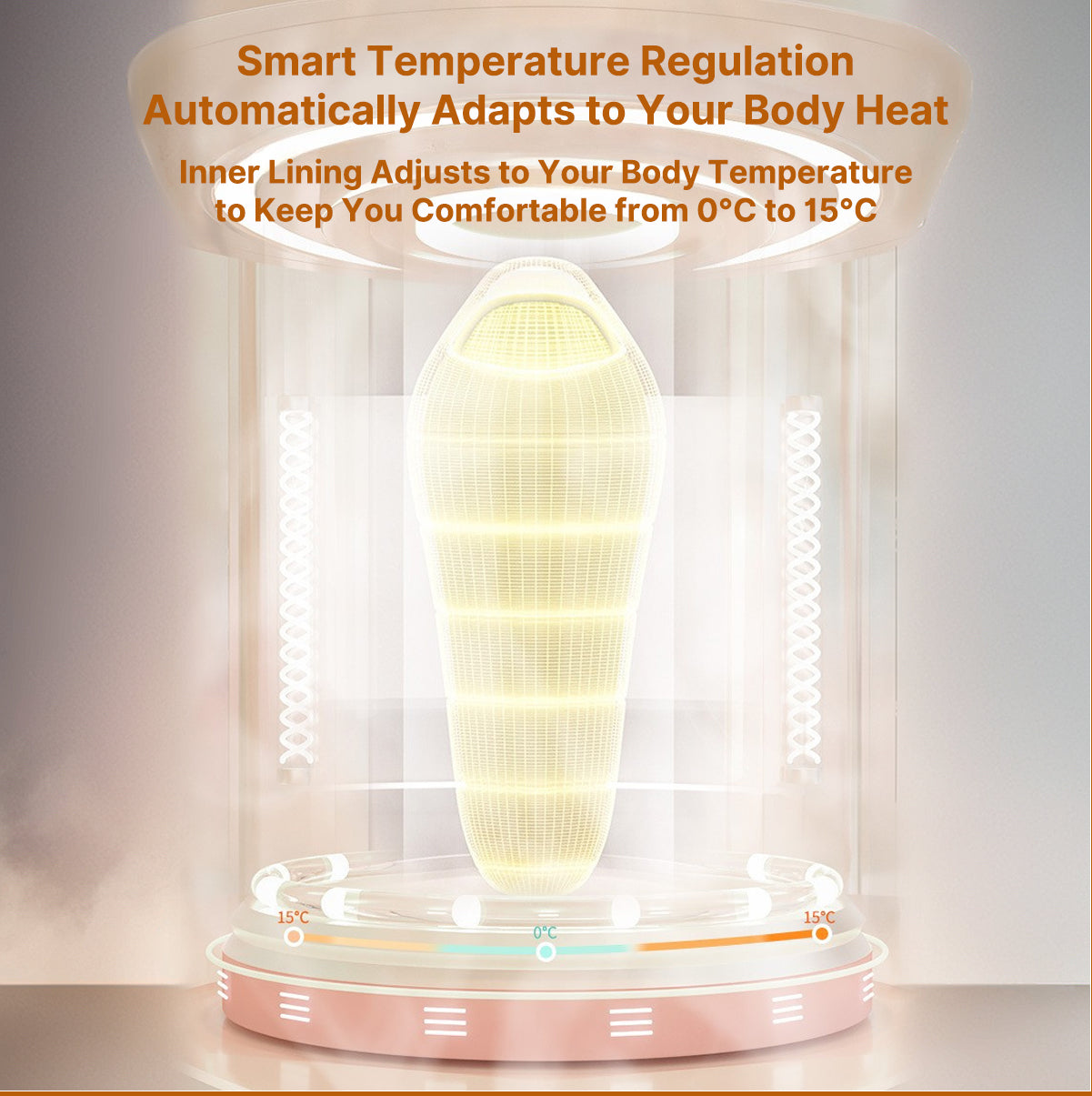
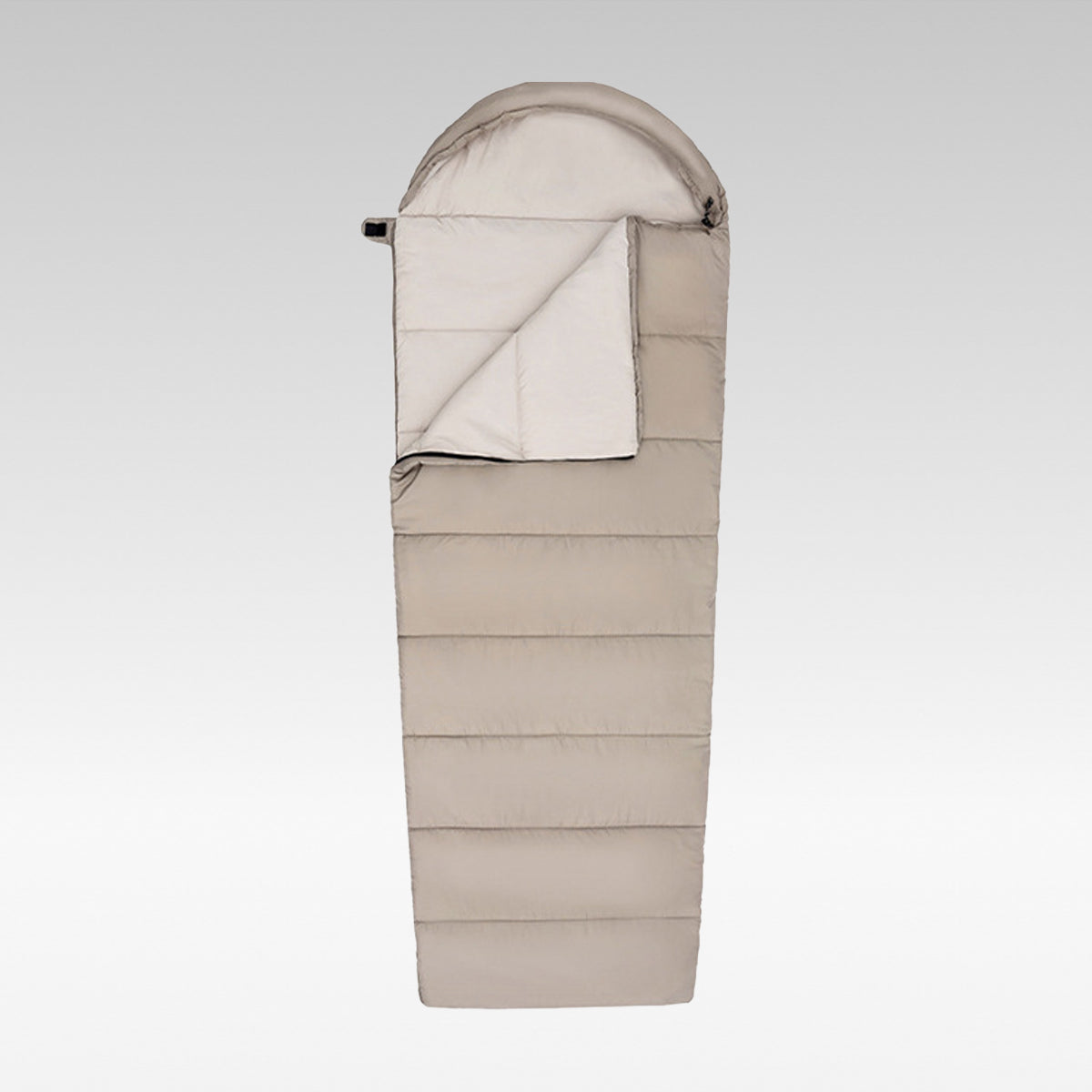
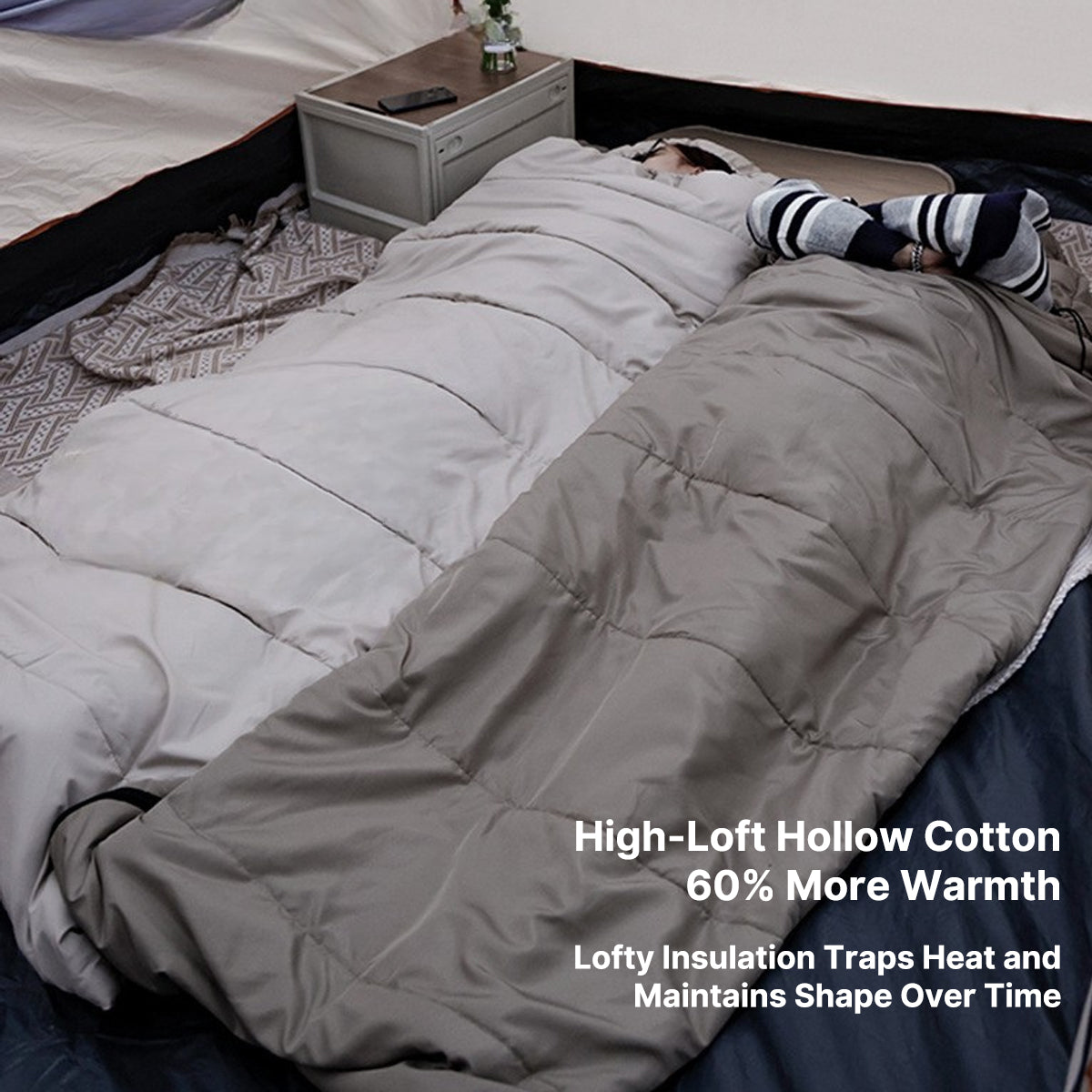
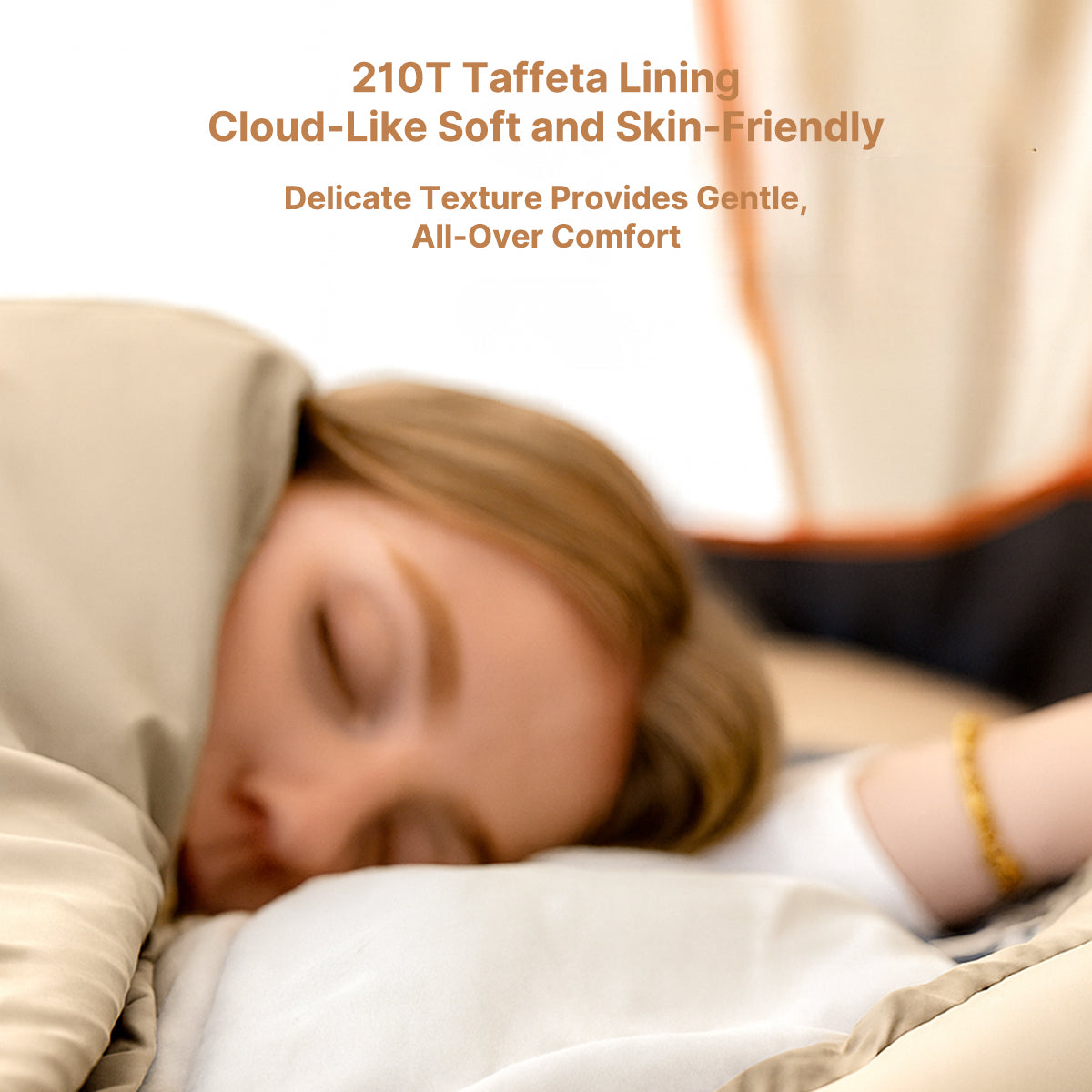
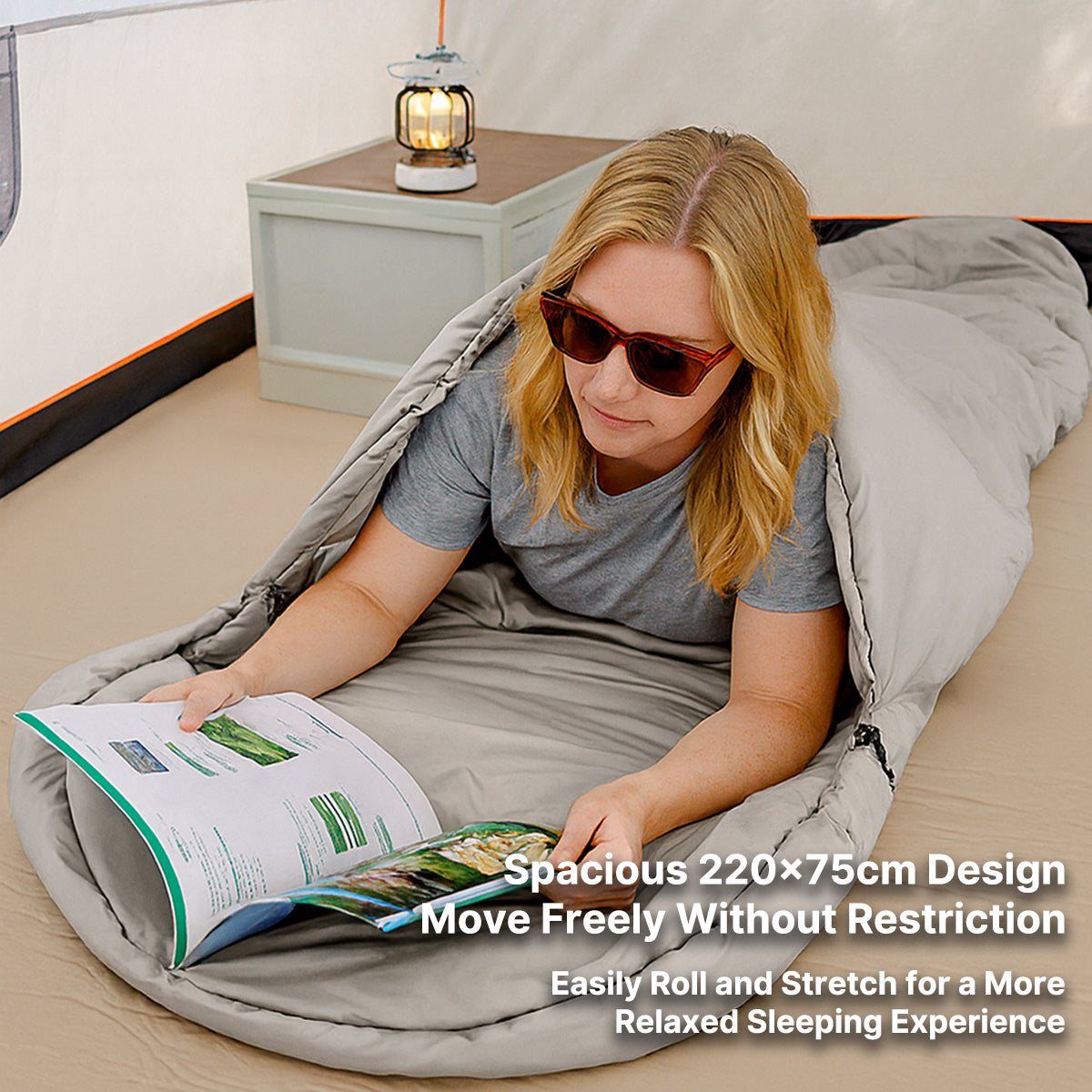
Cold Weather Sleeping Bag for Adults – Winter Camping Above -15°C | Traverseon
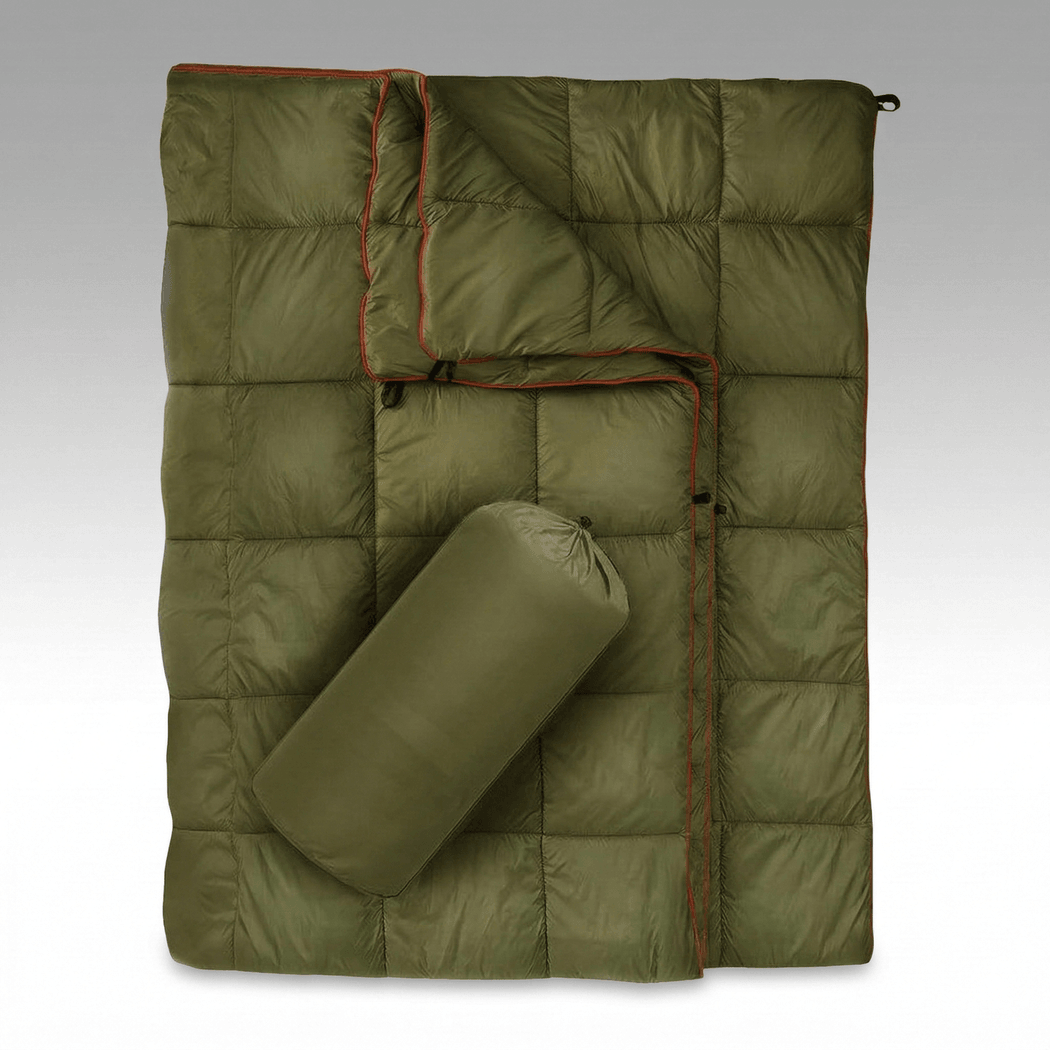

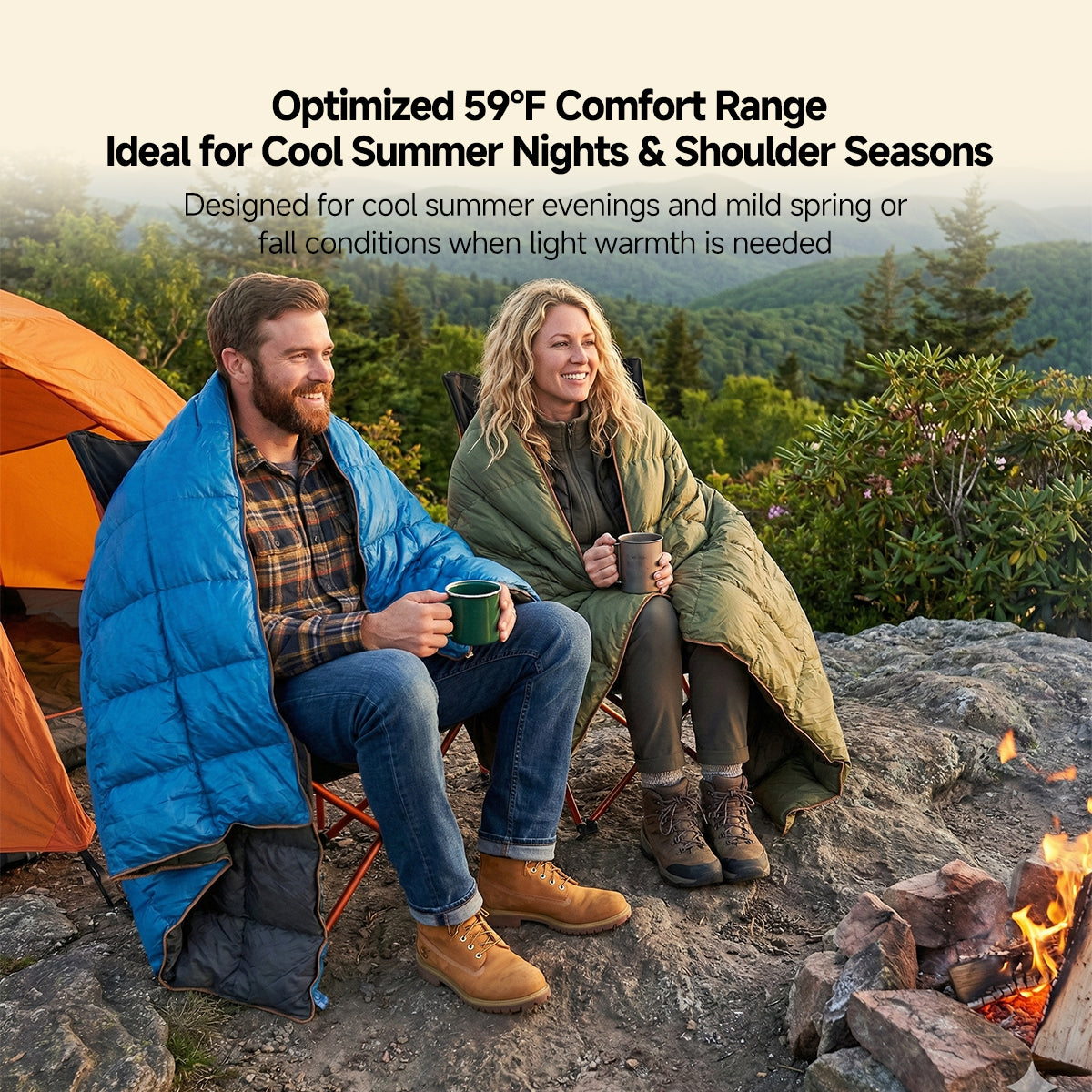
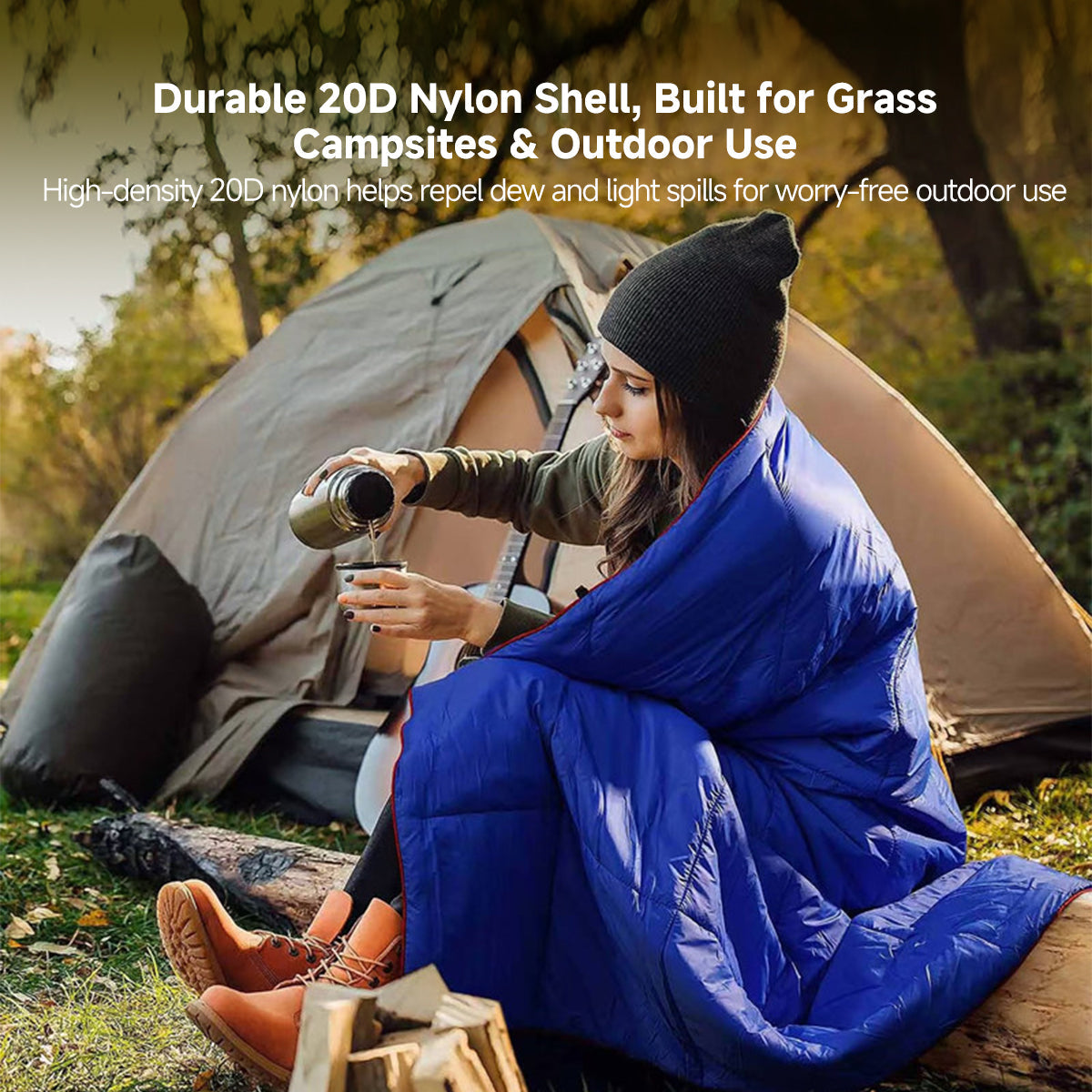
Camping Blanket – Ultralight 79x55 in Wearable Water-Resistant Outdoor | Traverseon
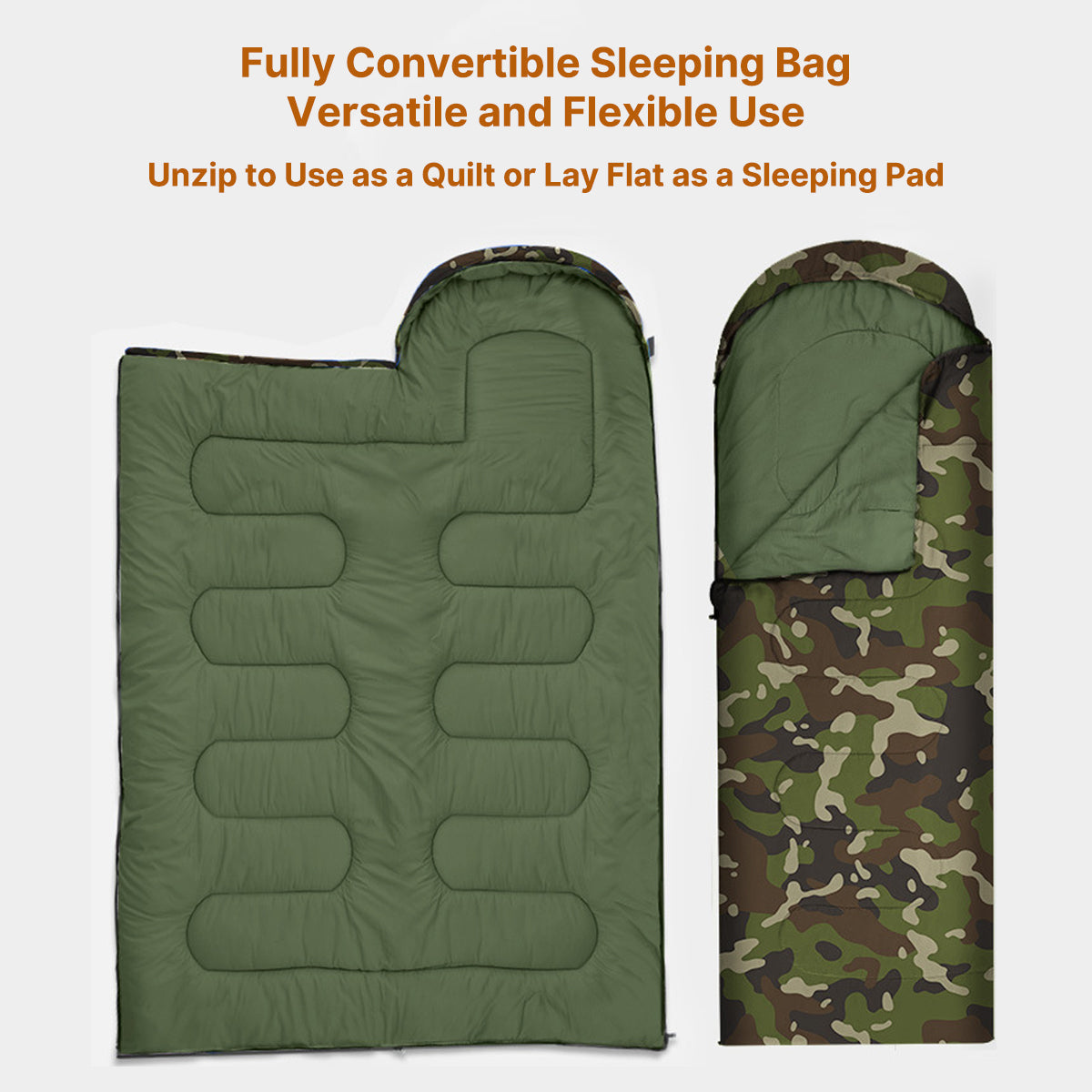
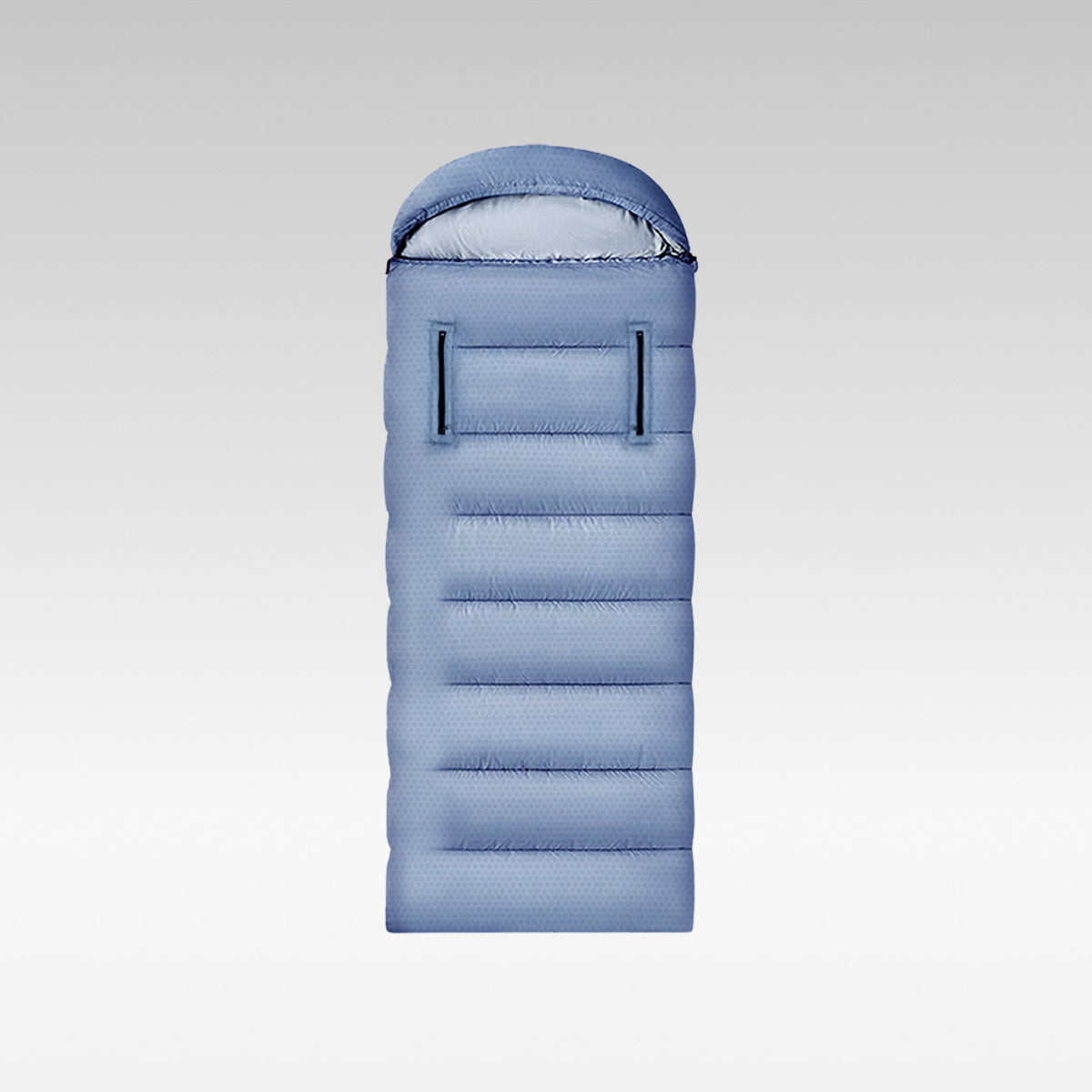
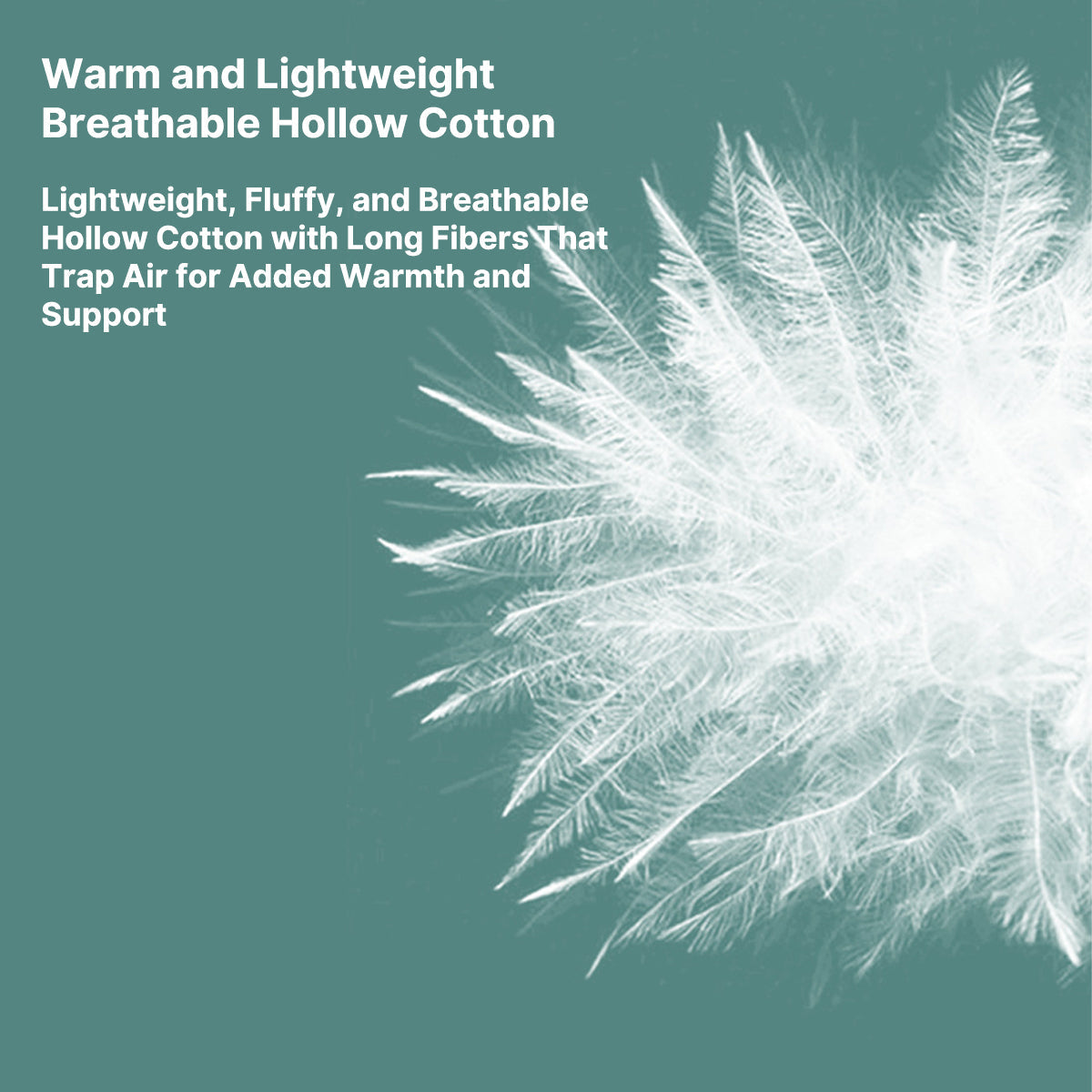
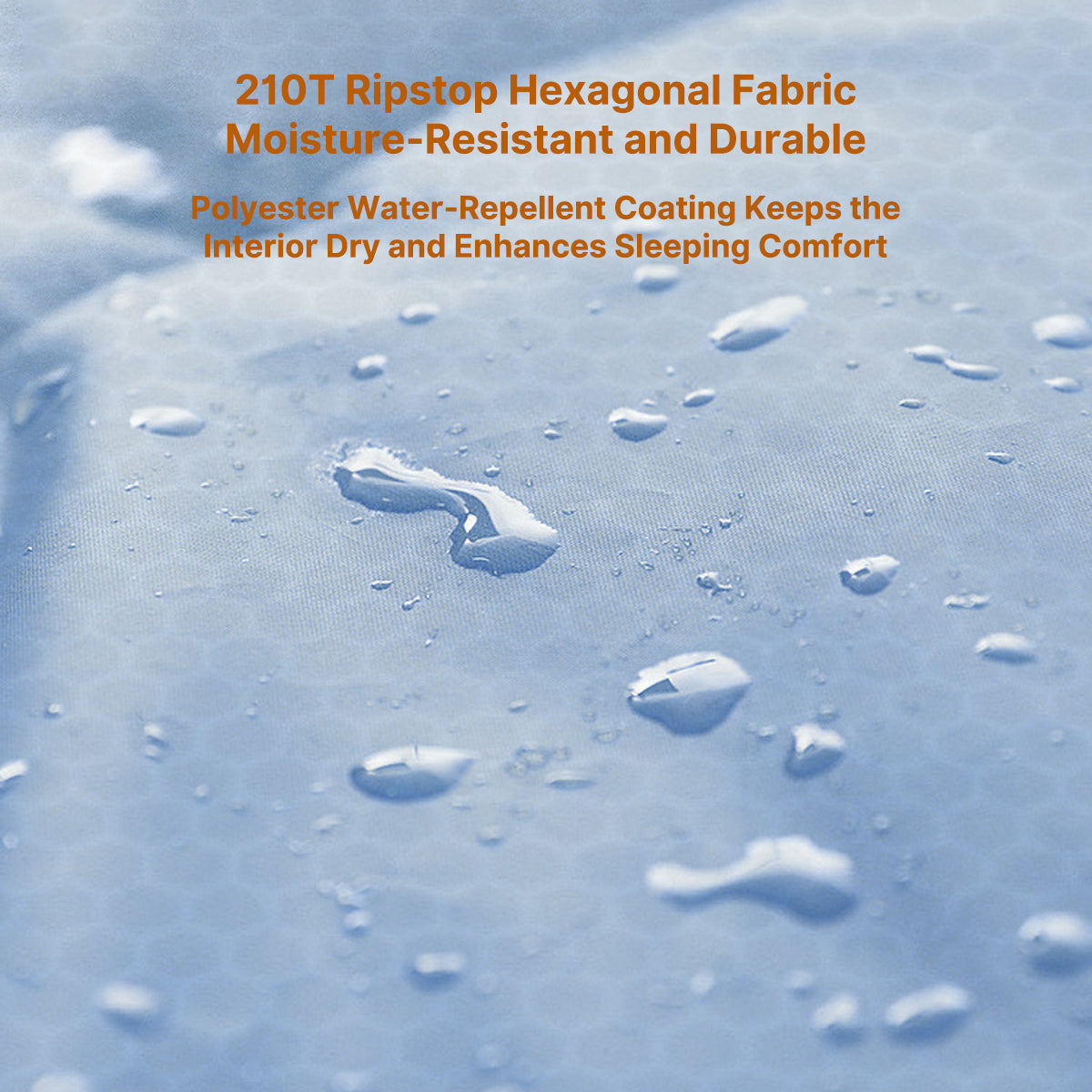
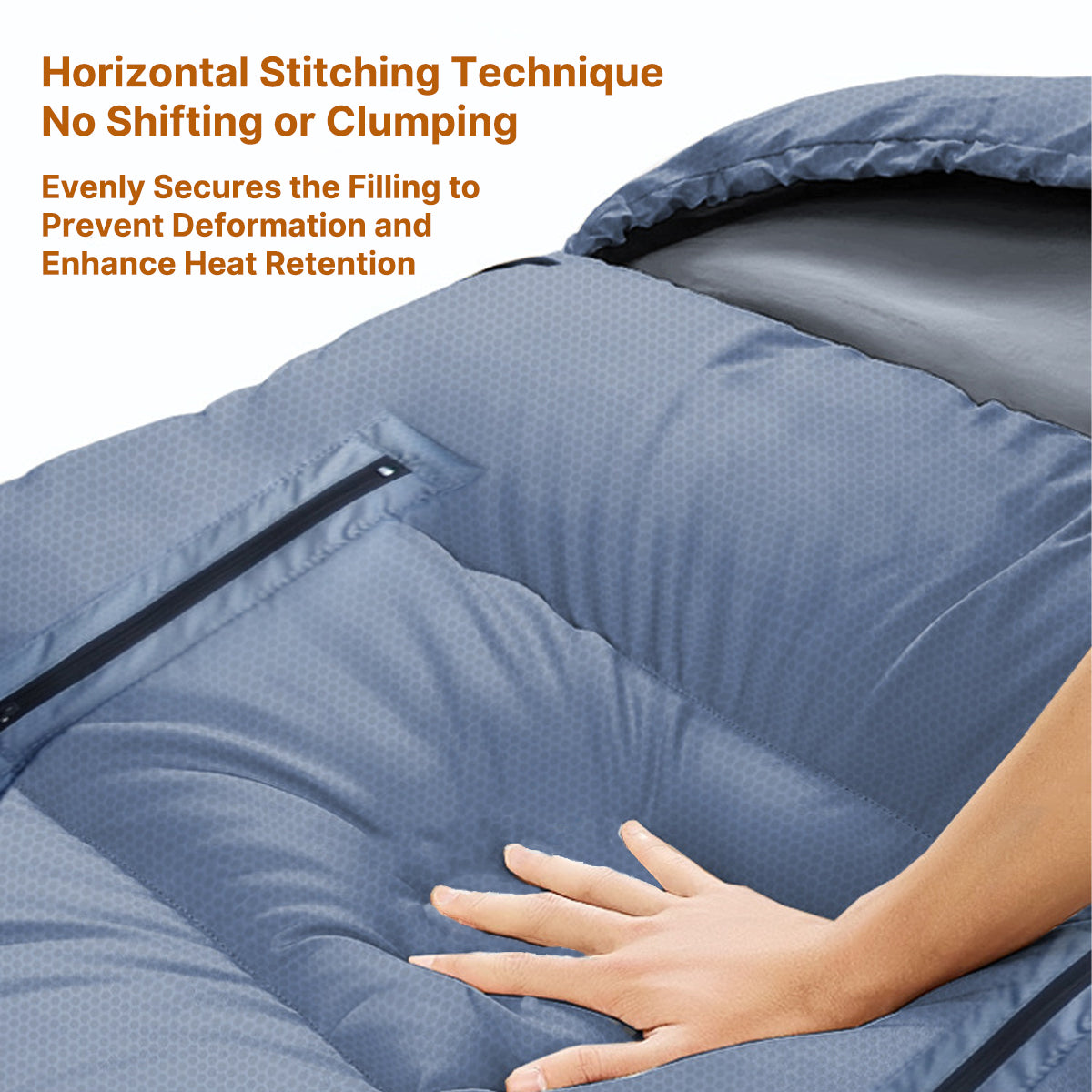
Winter USB-Powered Heating Sleeping Bag – Hands Free and Suitable for Temperatures Above -20°C
Mattress & Mat
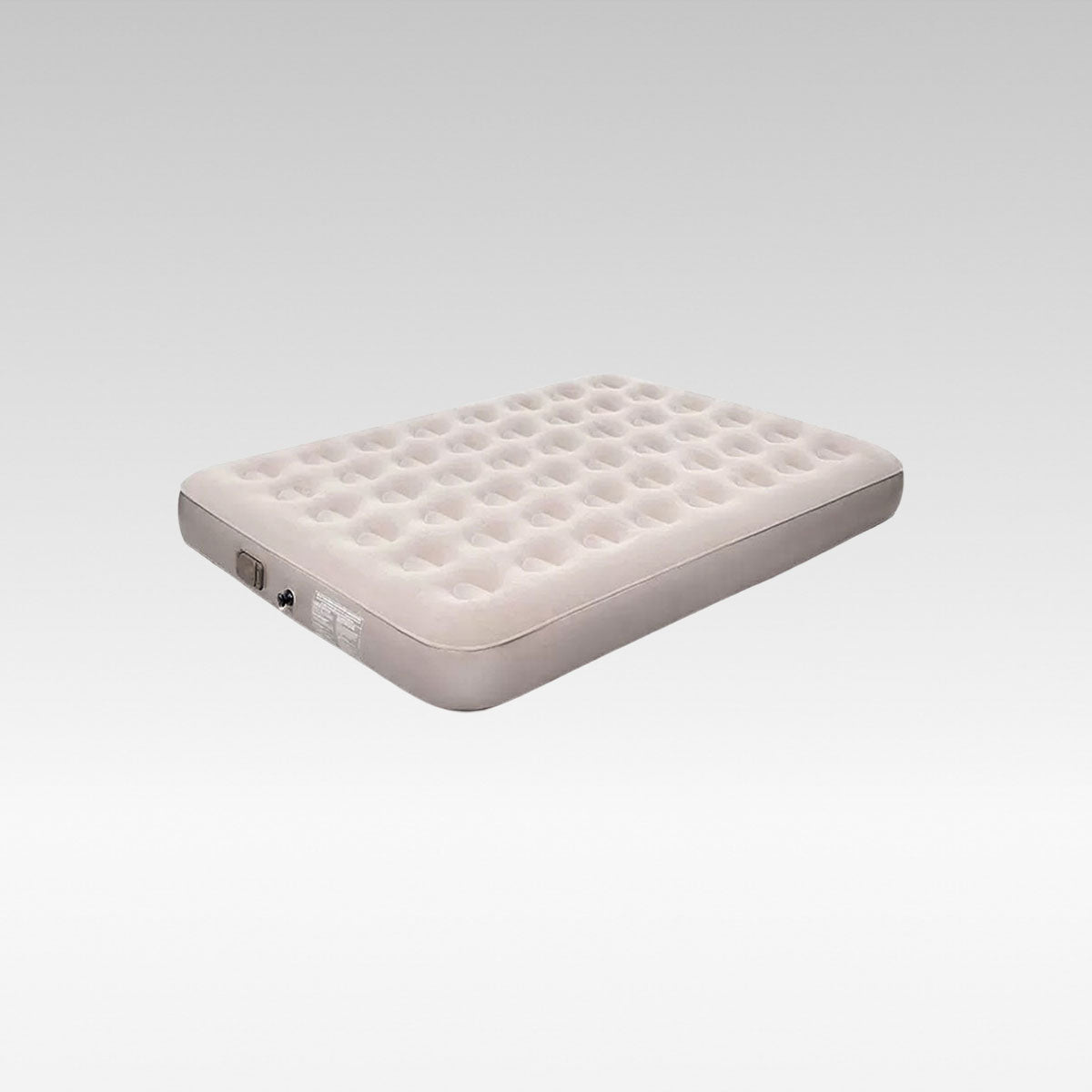
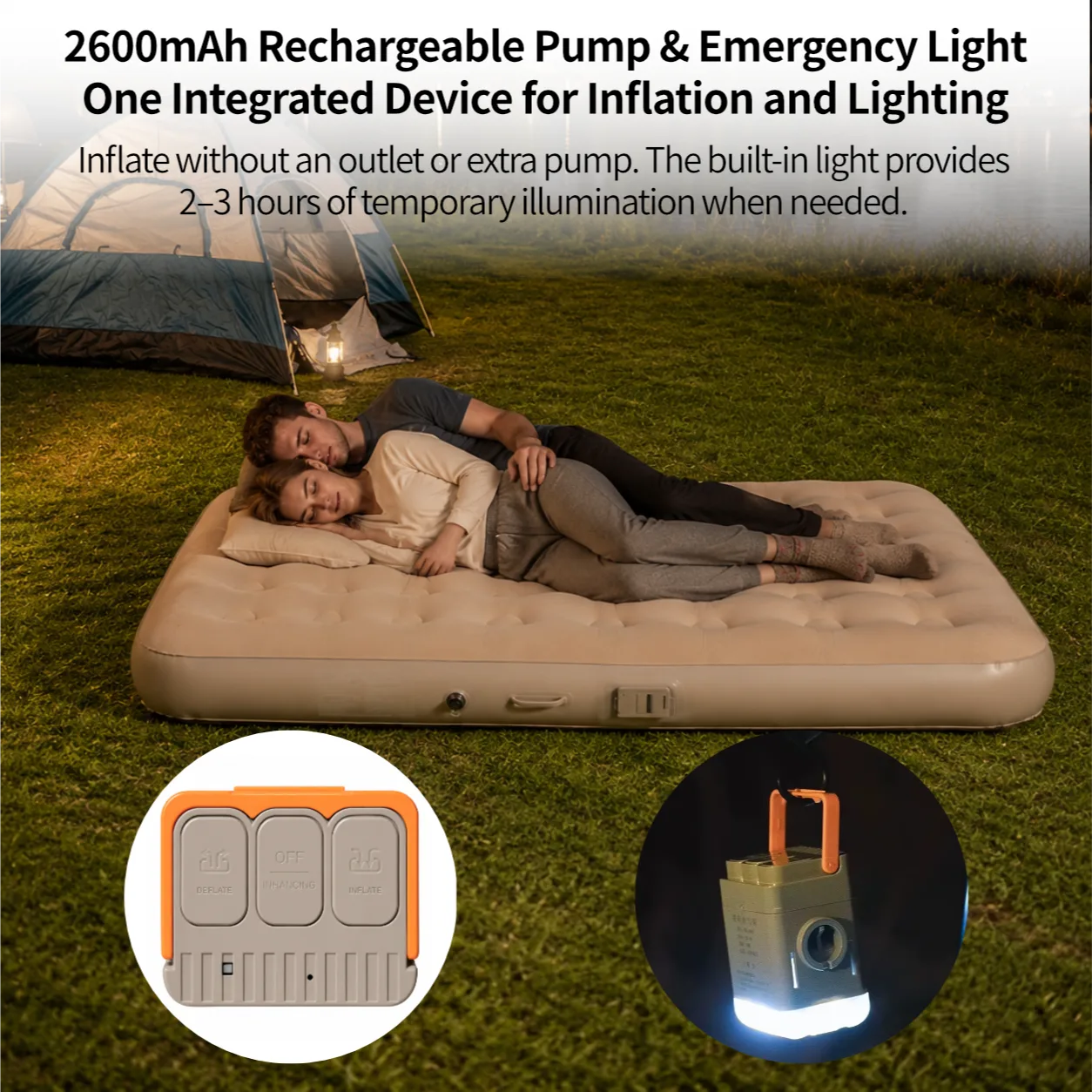
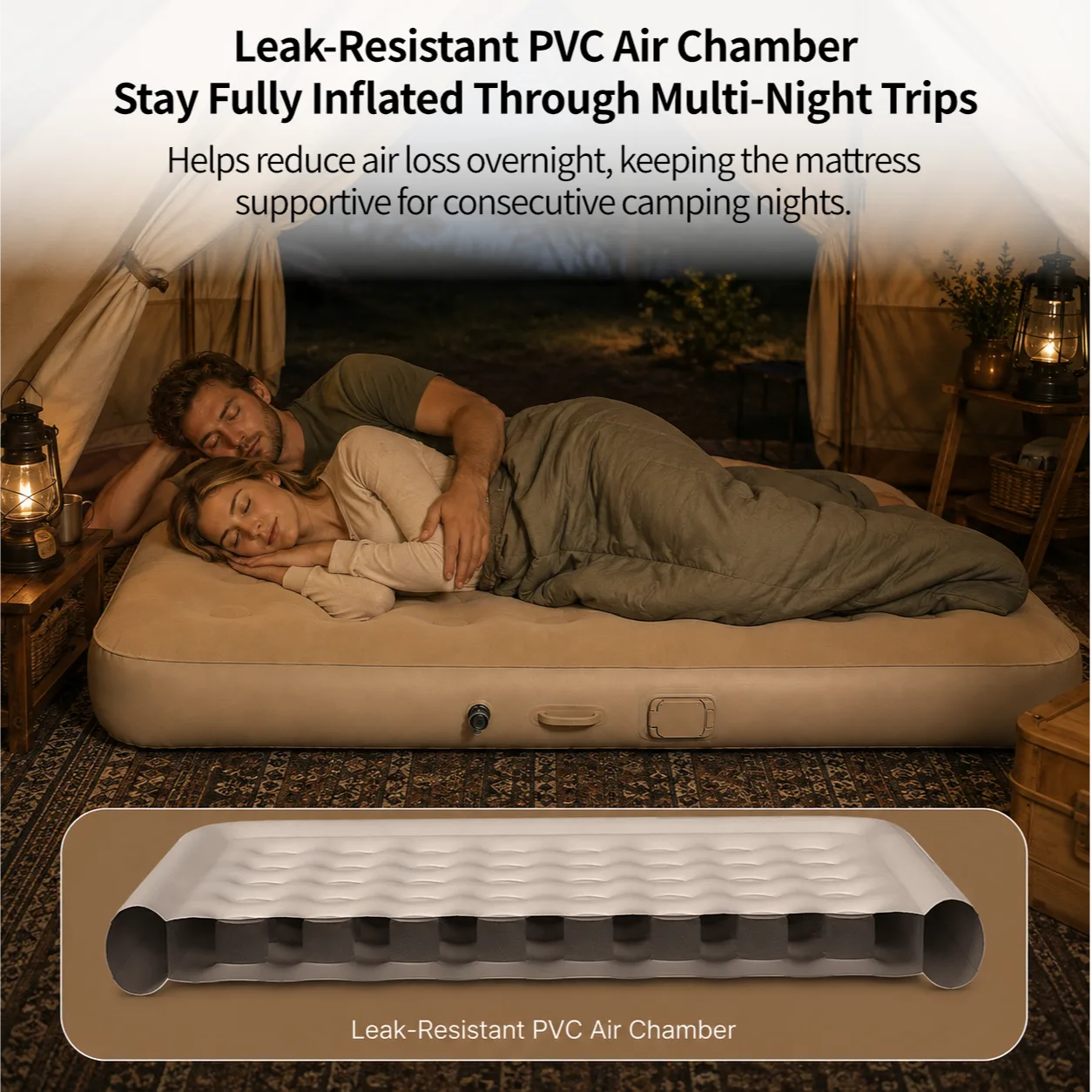
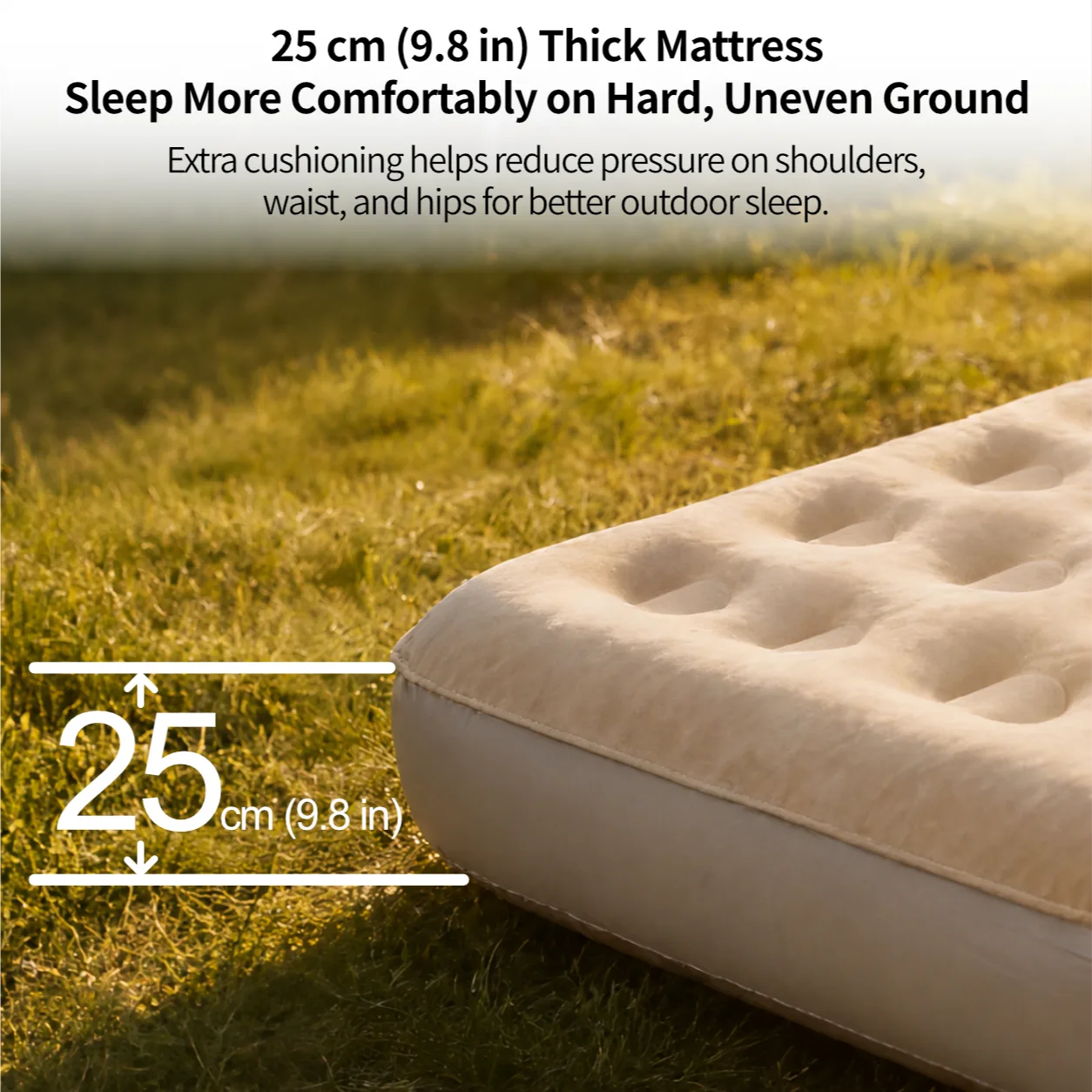
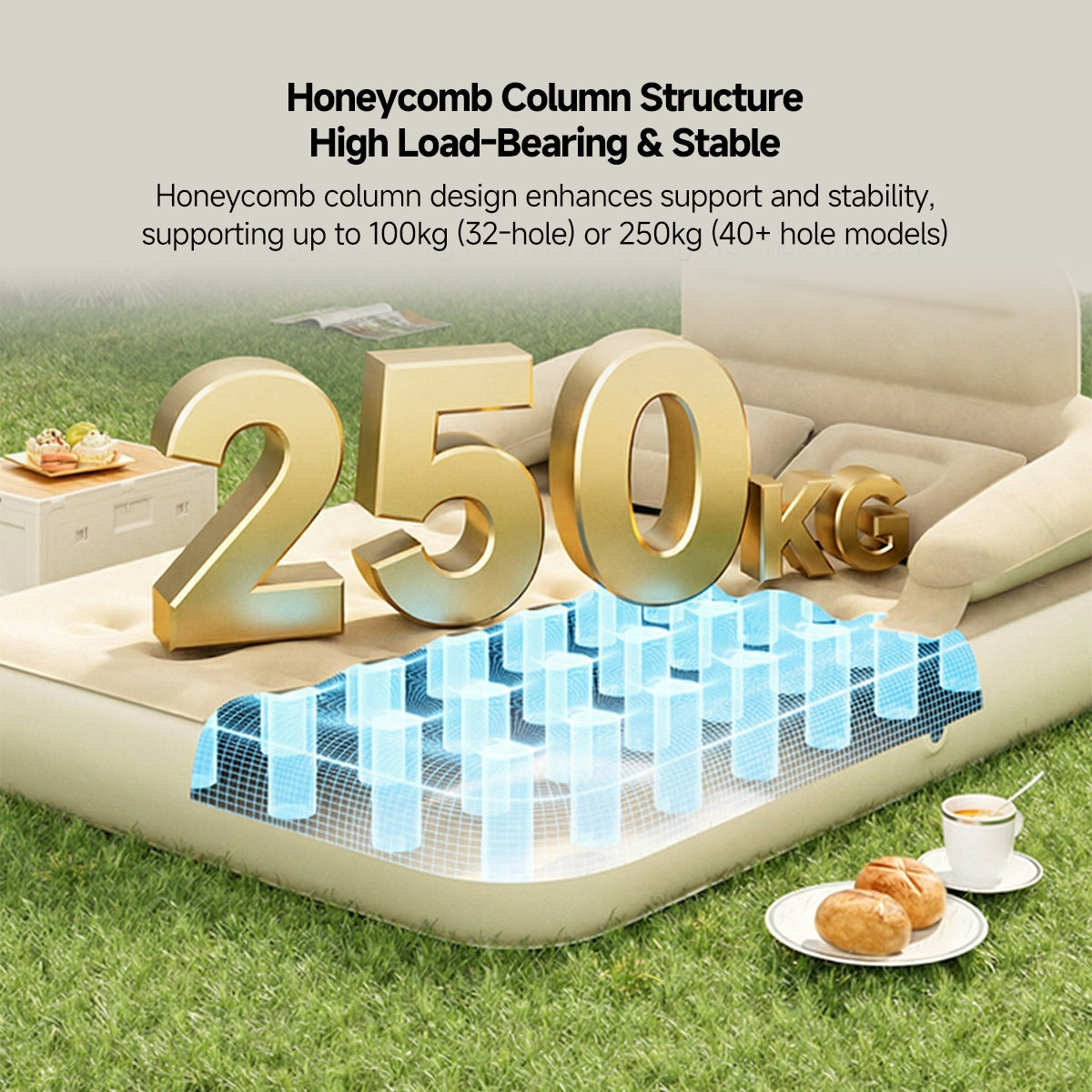
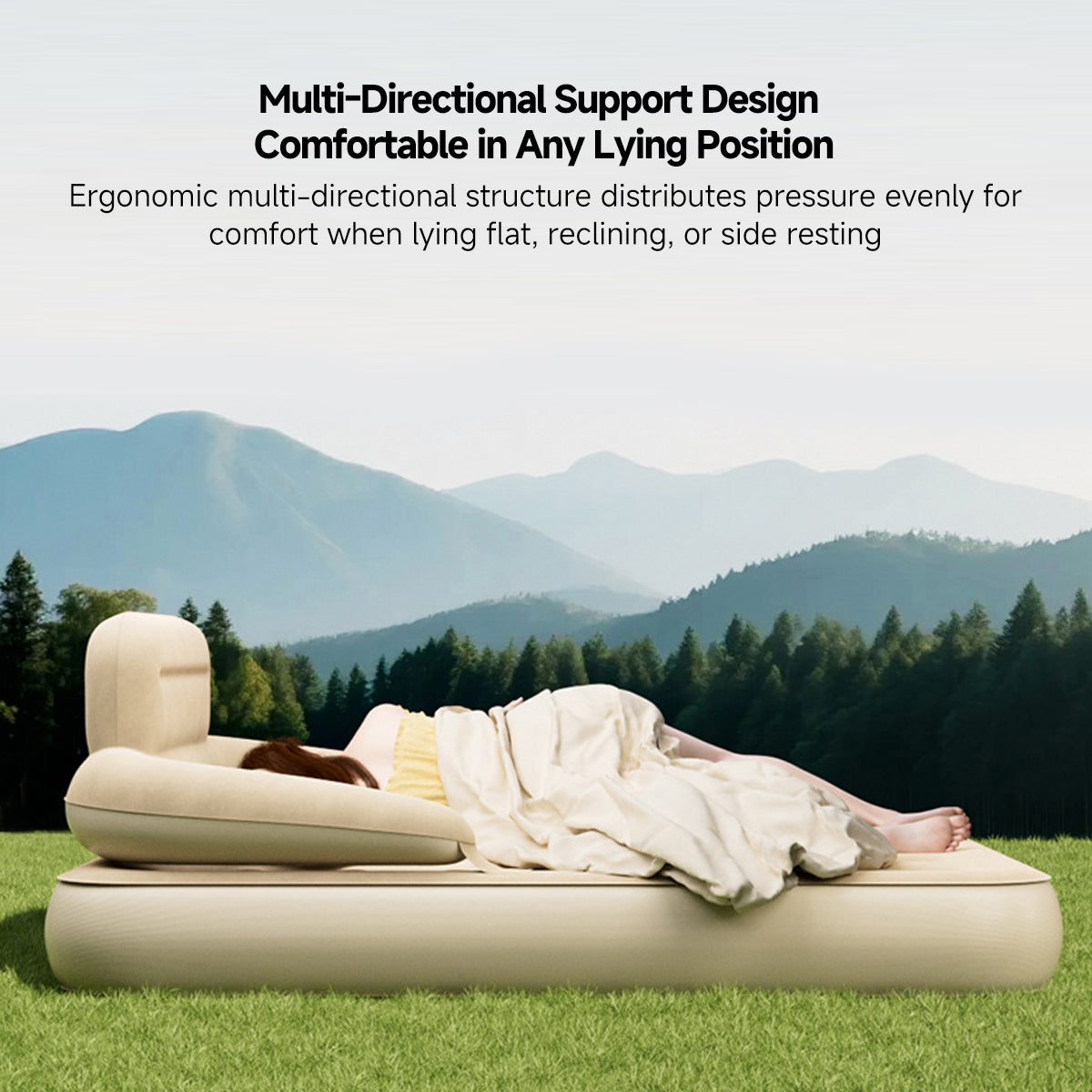
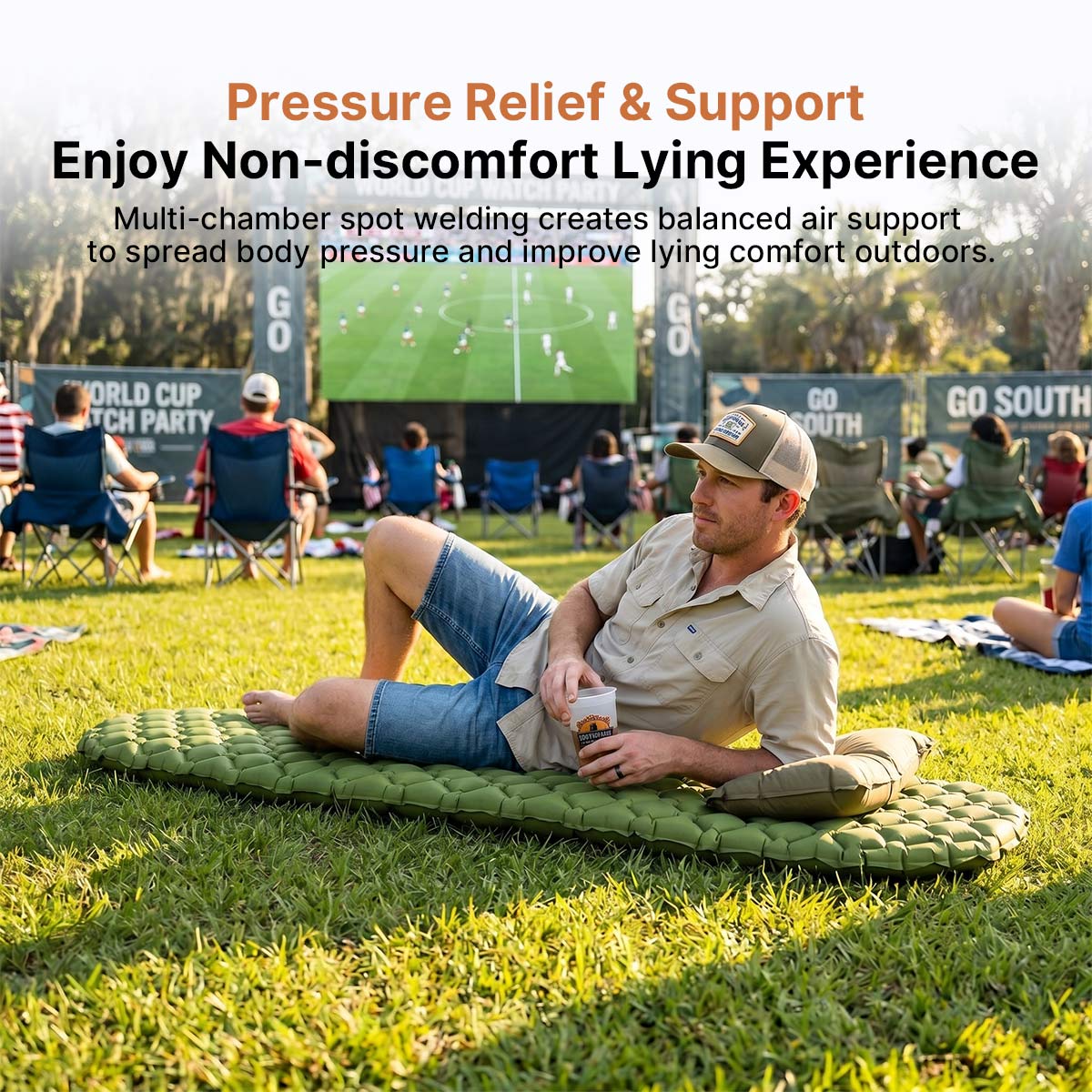
Self-Inflating Air Mattress | 300lbs Support | Traverseon
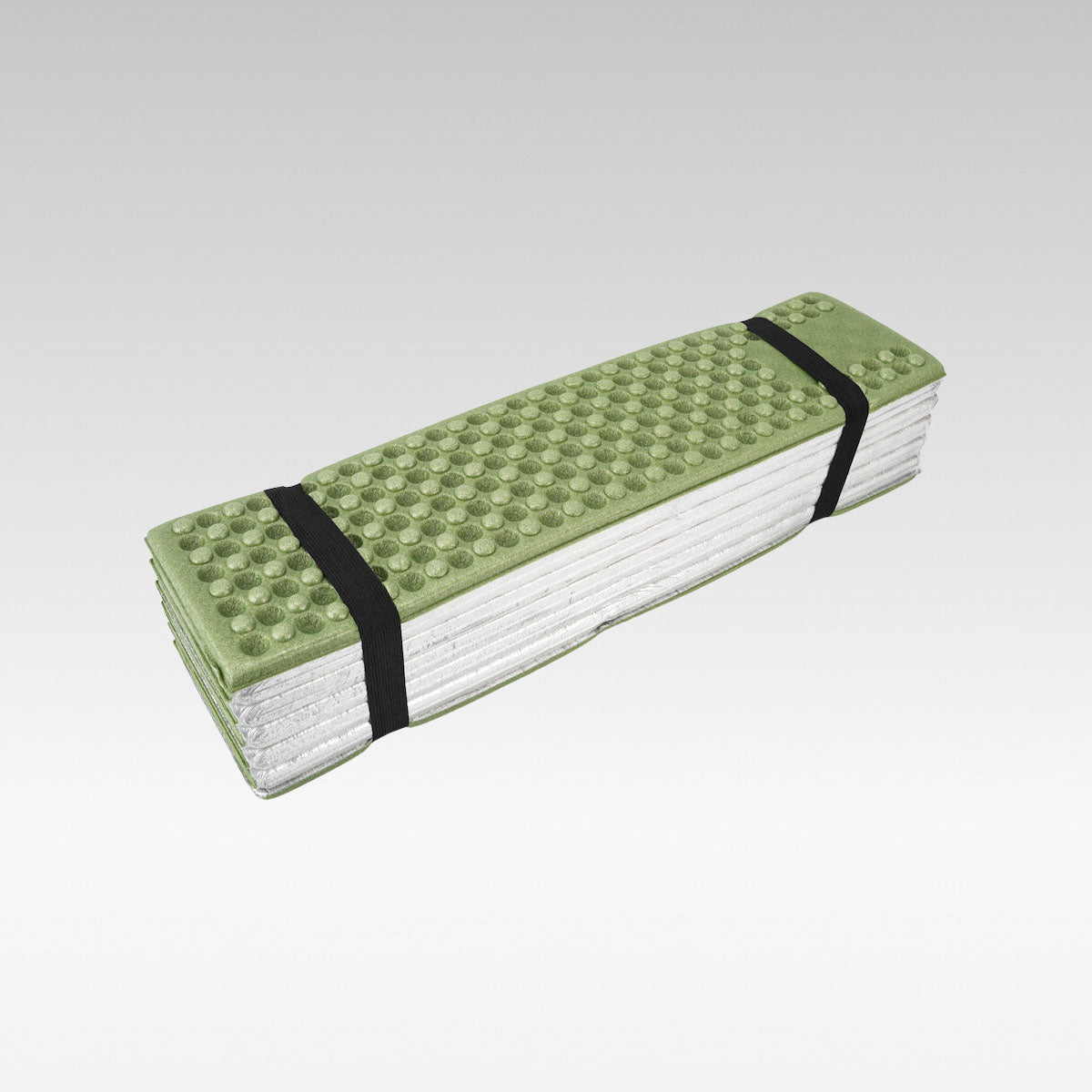
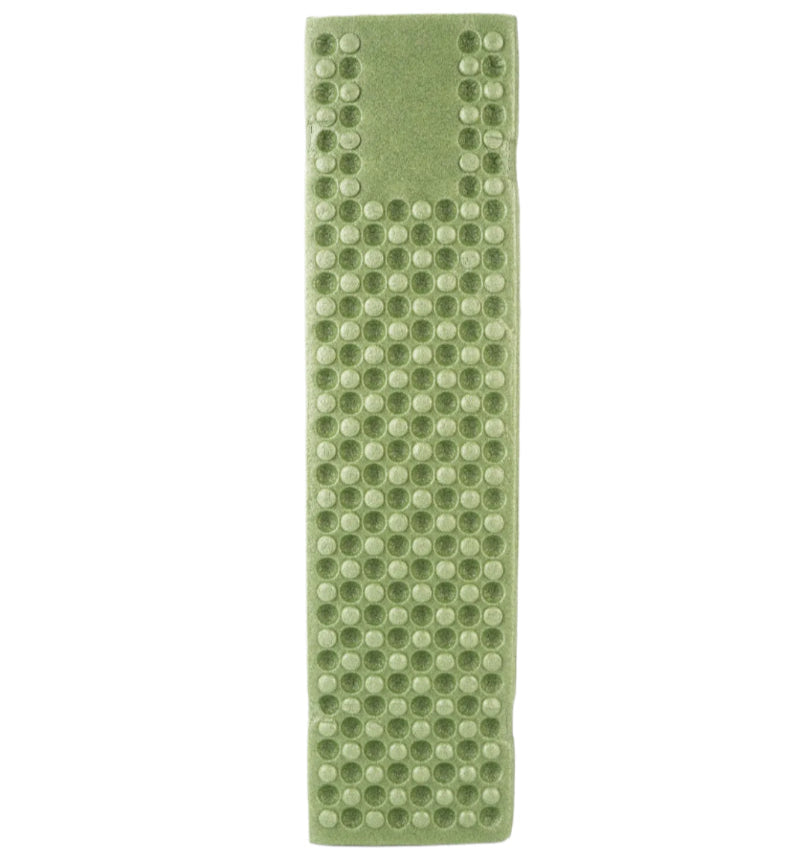
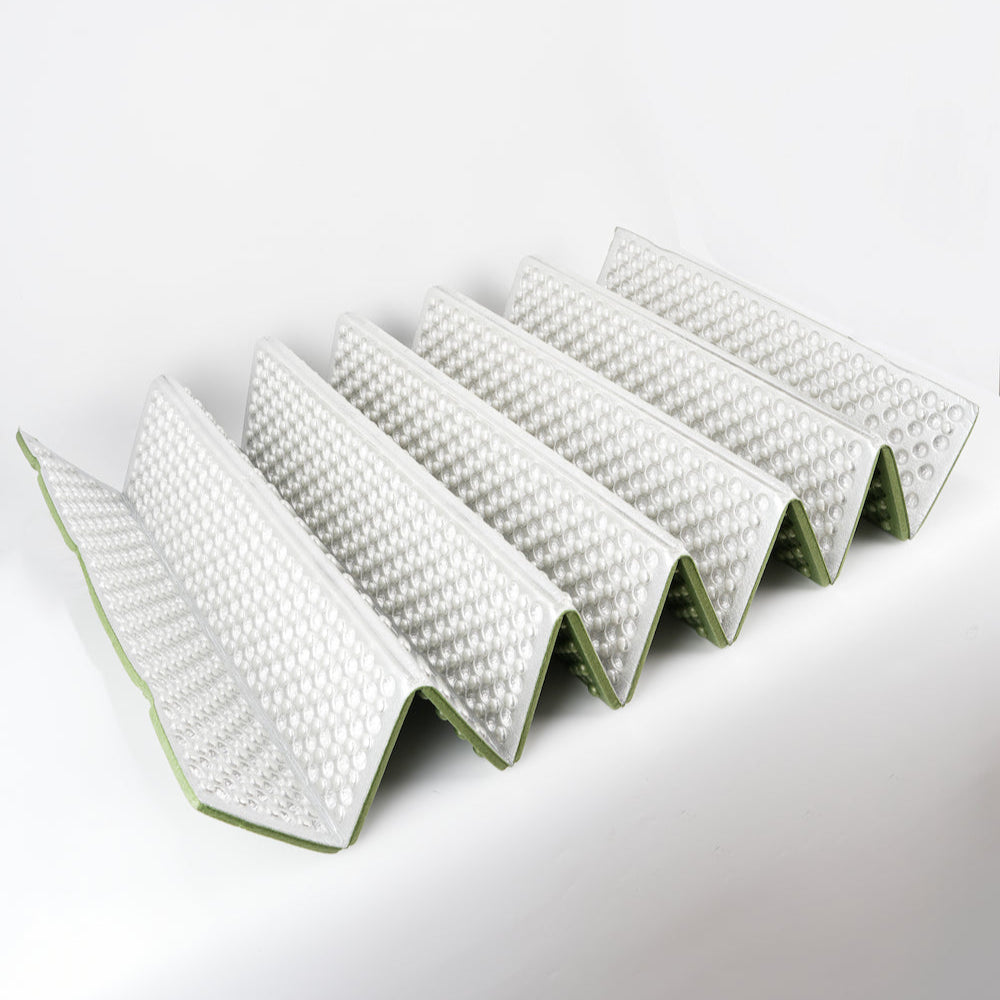
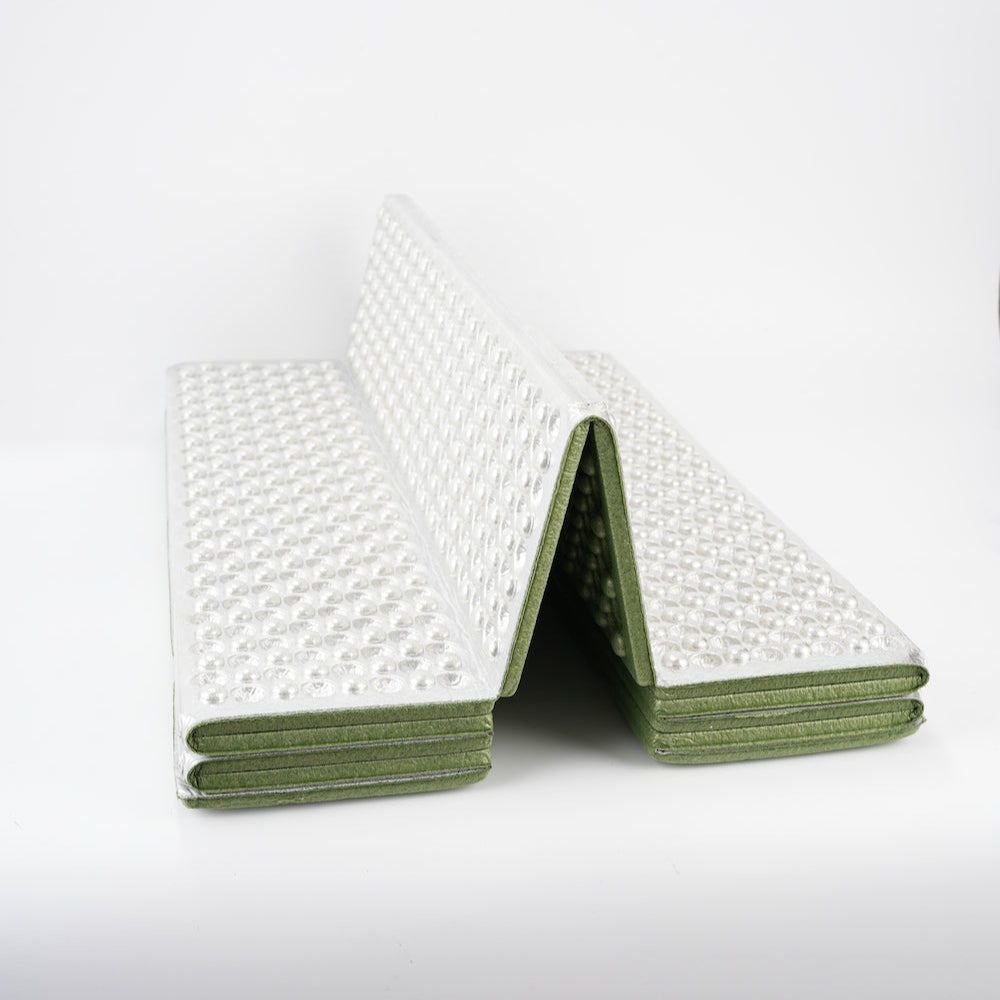
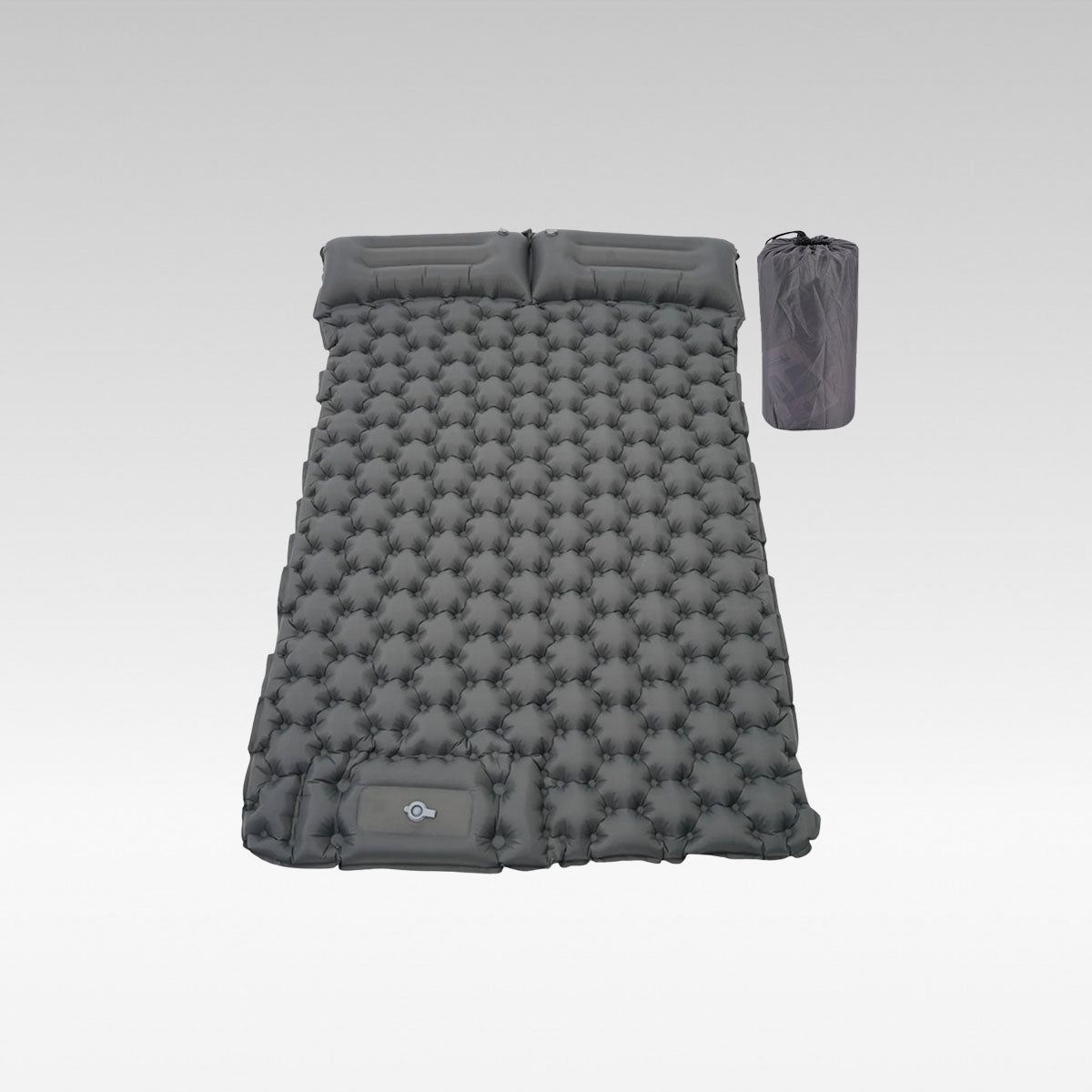
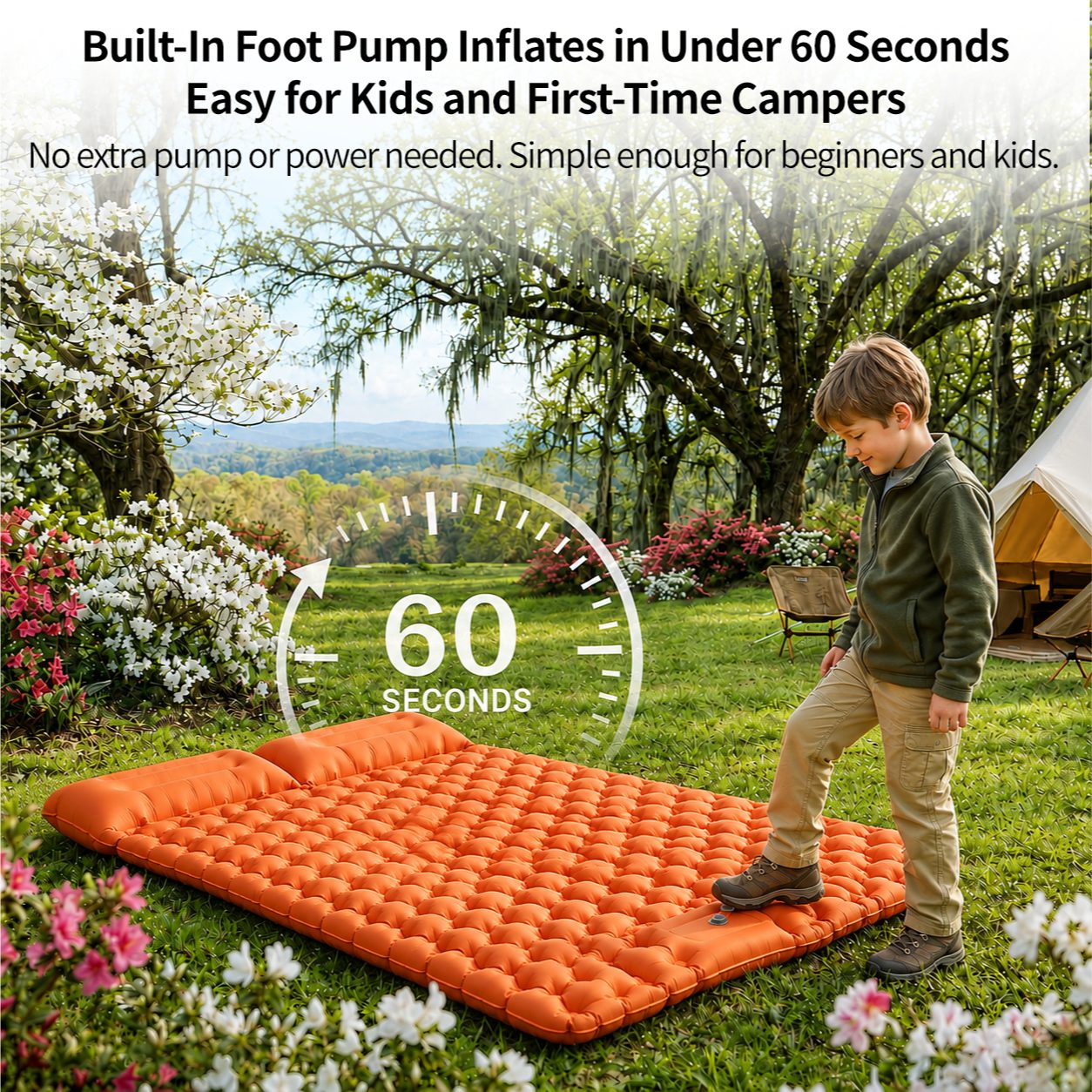
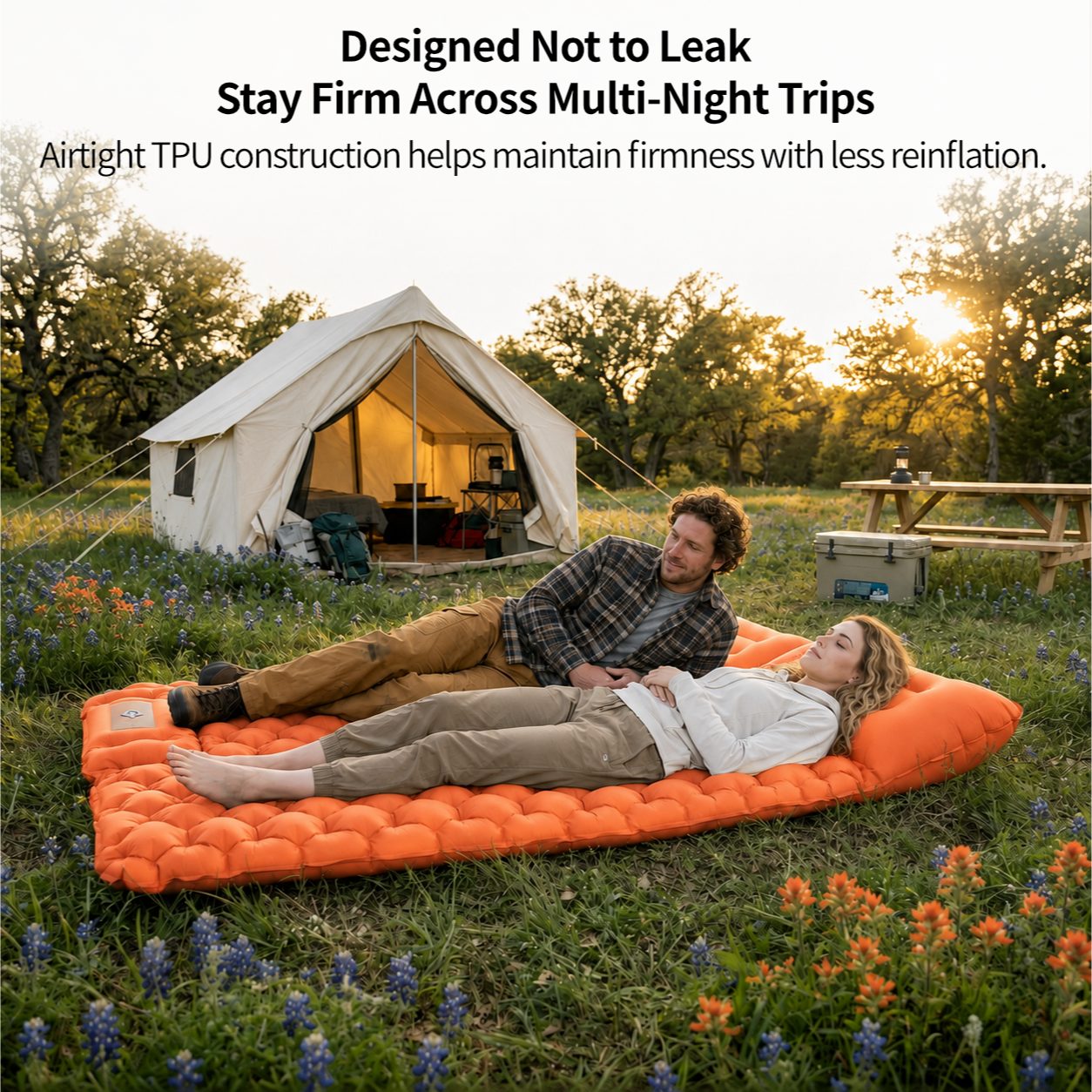
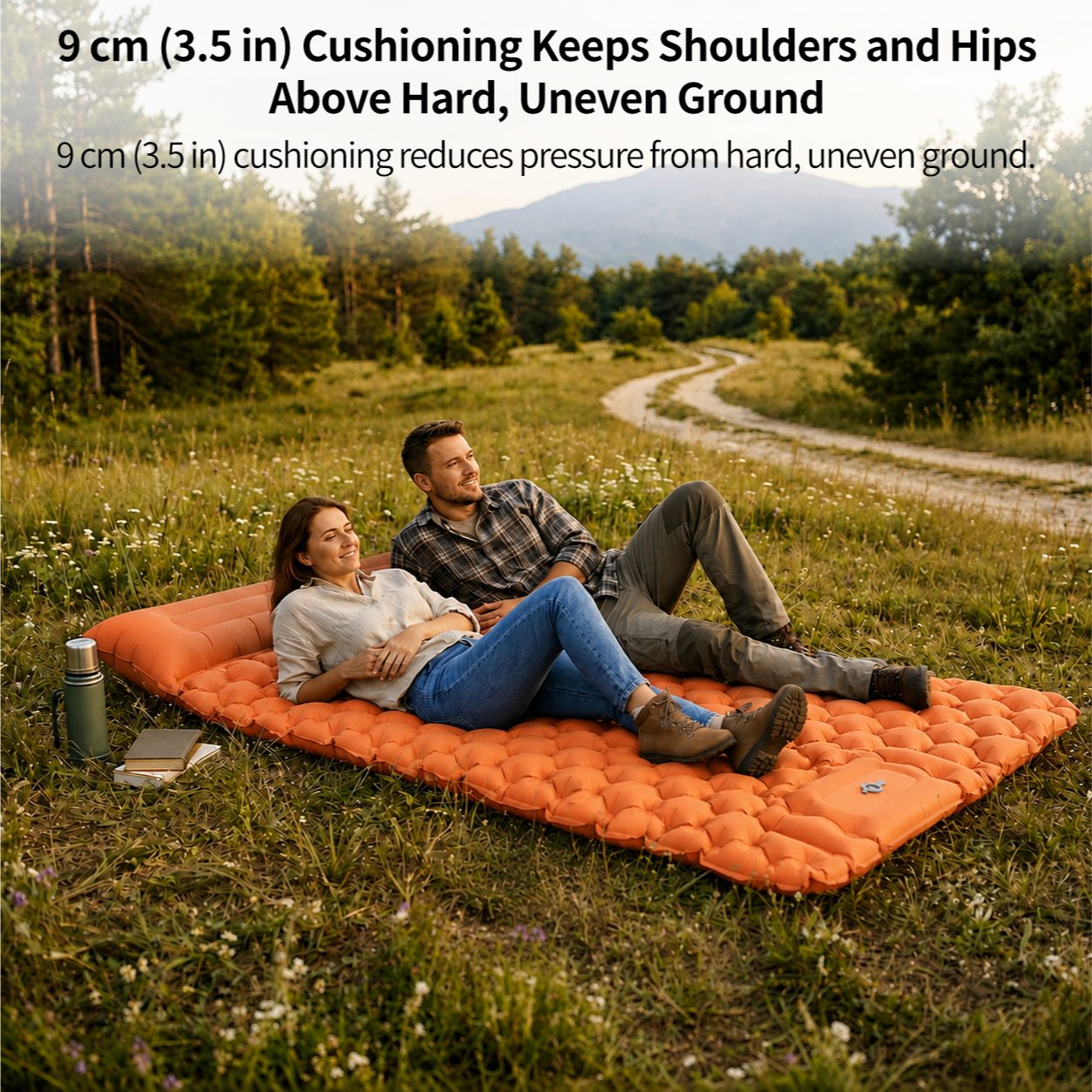
Traverseon AirLift™ Ultralight Quick Inflate Camping Mattress
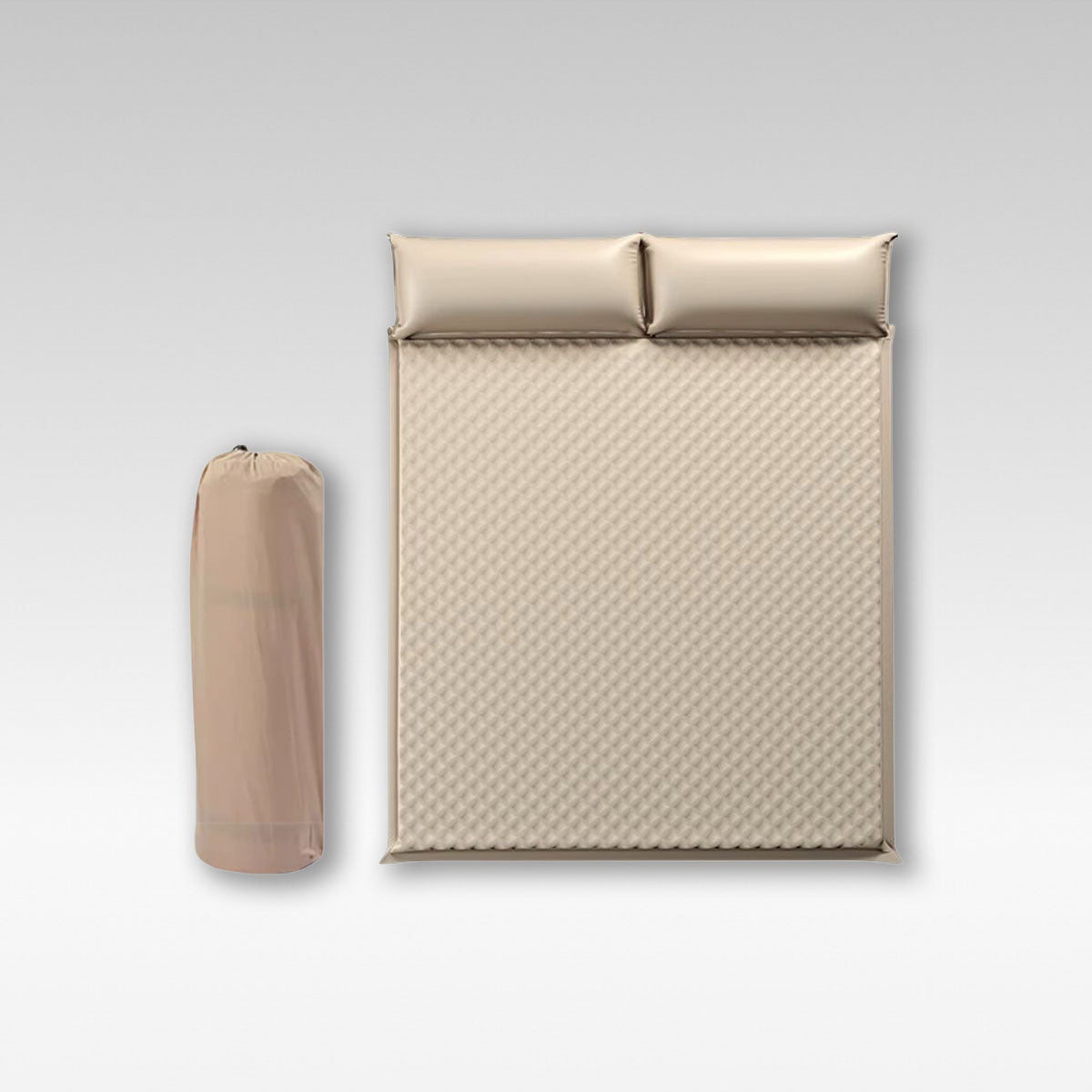
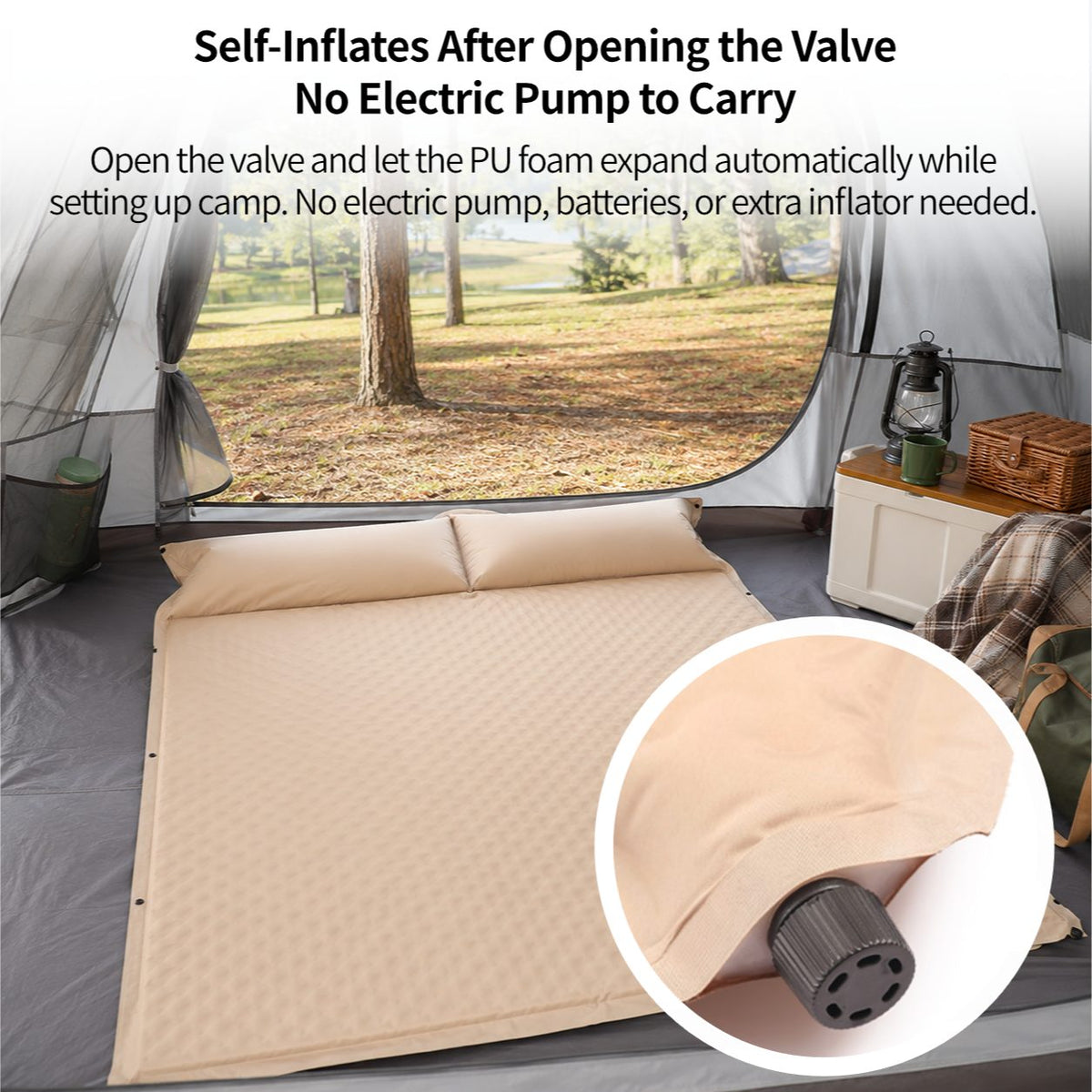
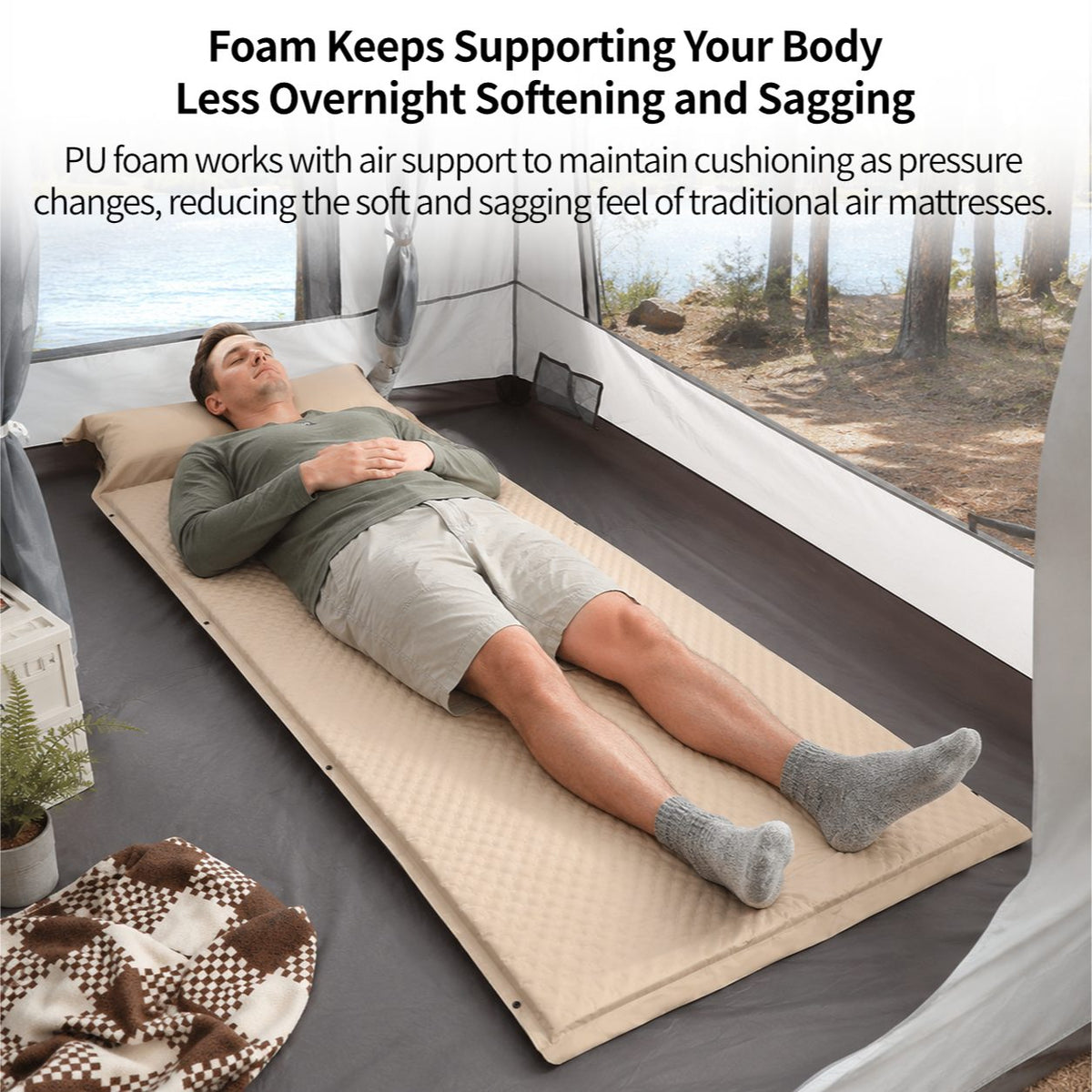
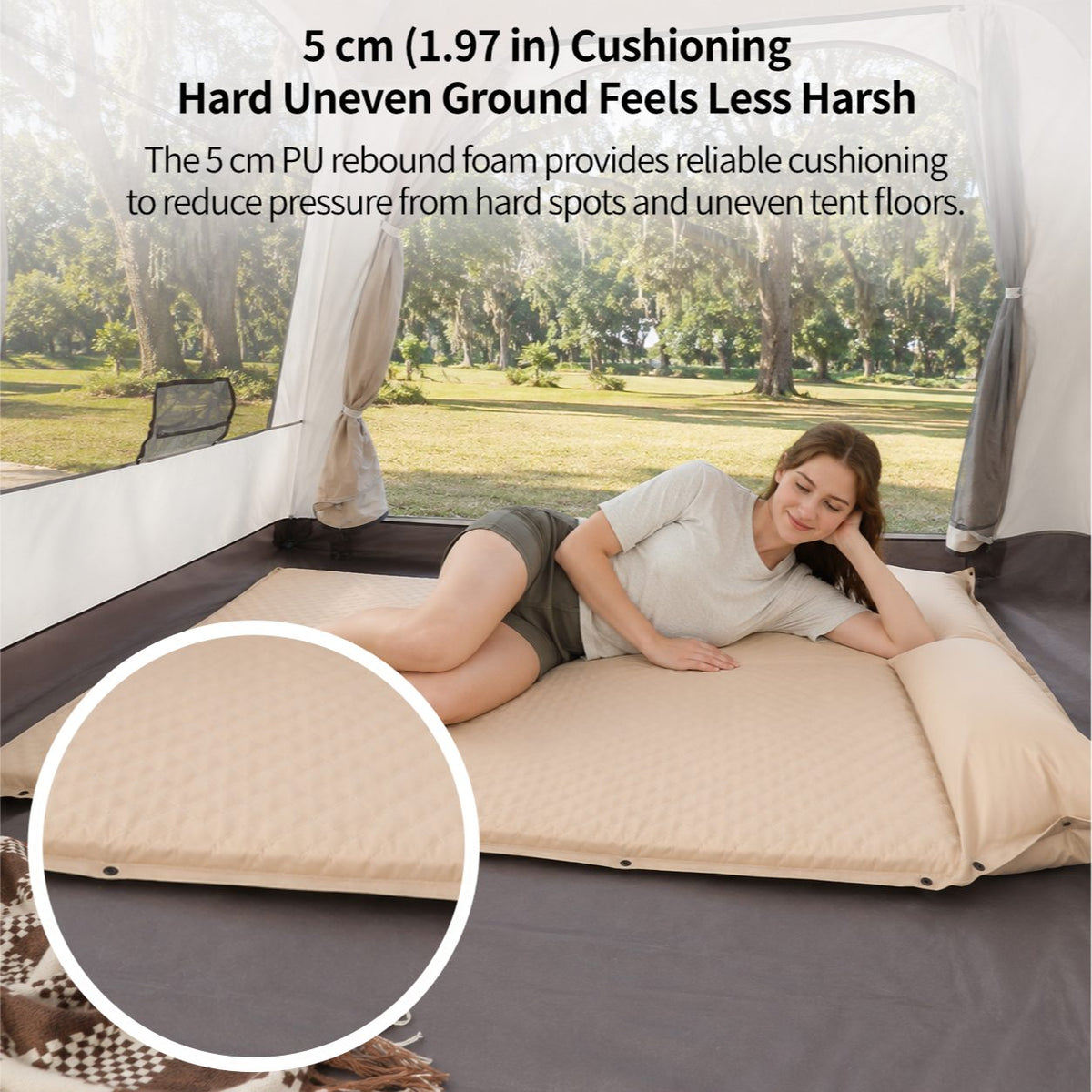
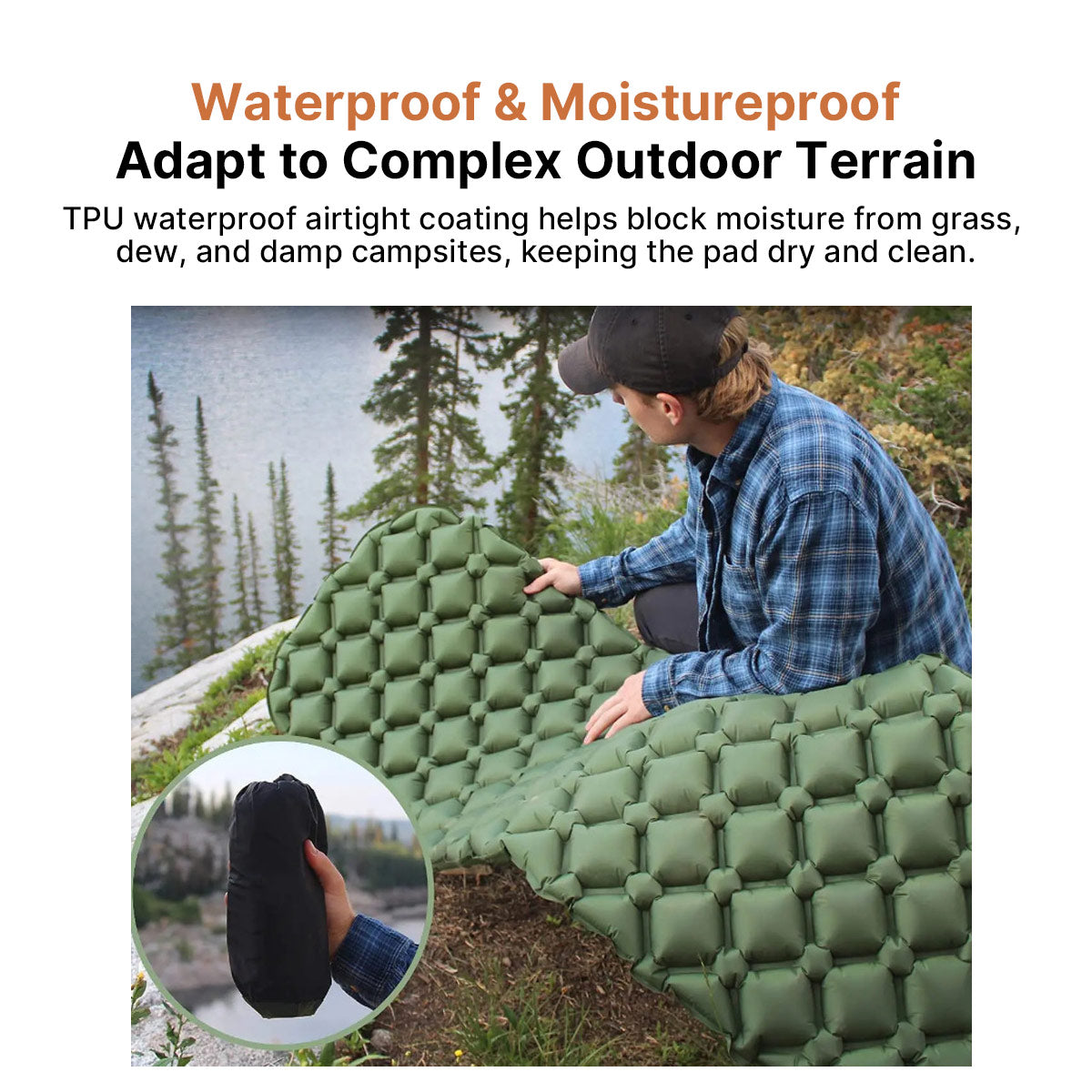
Automatic Inflatable Camping Mattress – Moisture-Proof,Back-Support,Portable|Traverseon
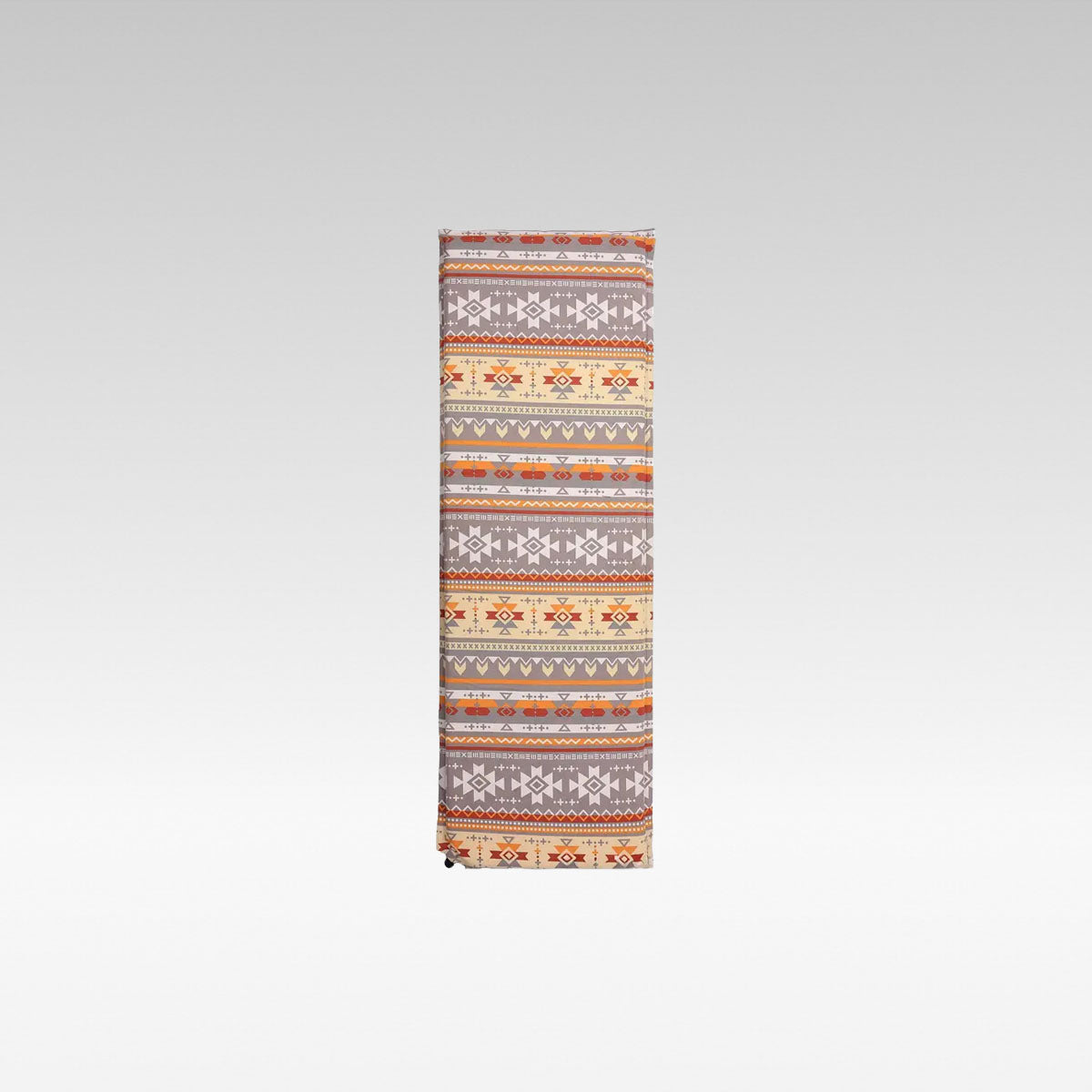
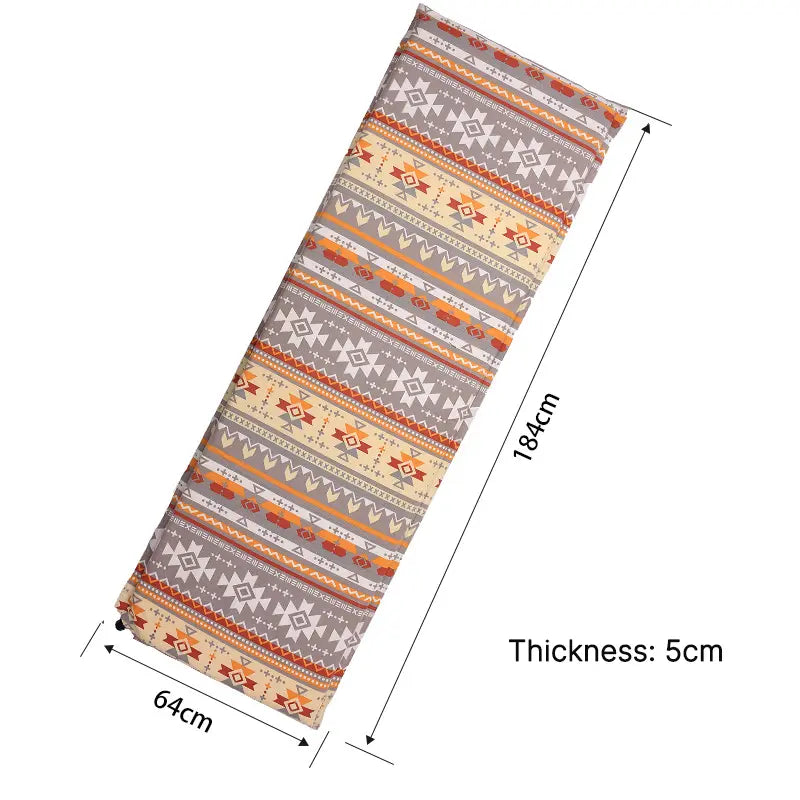
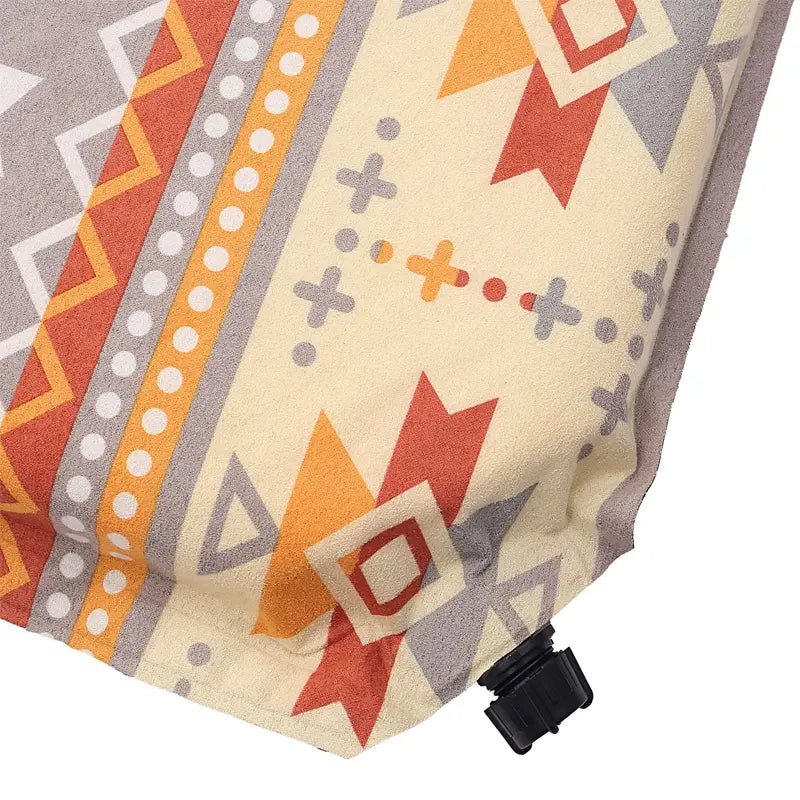
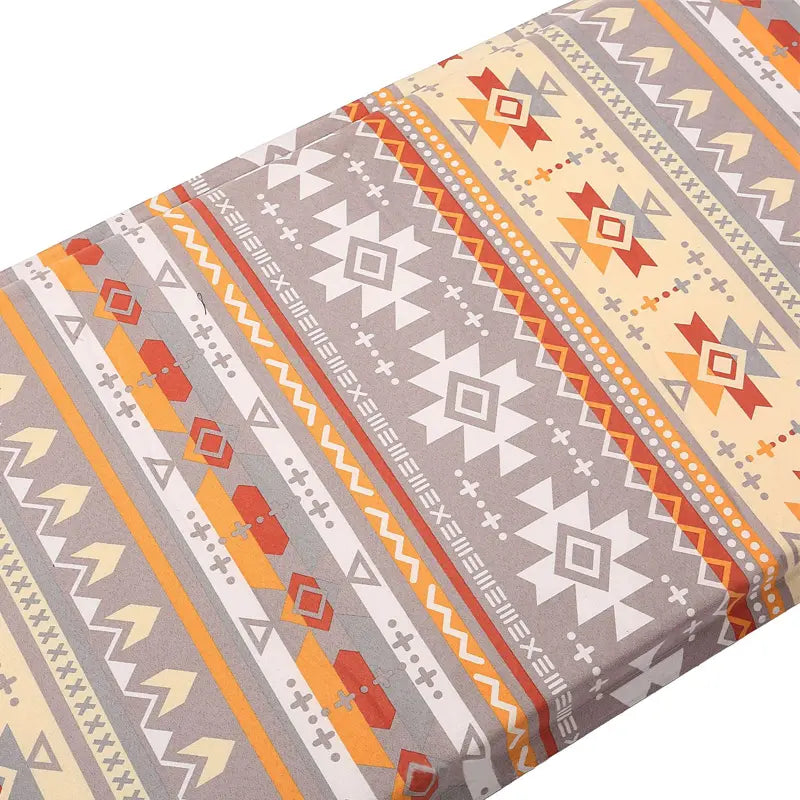
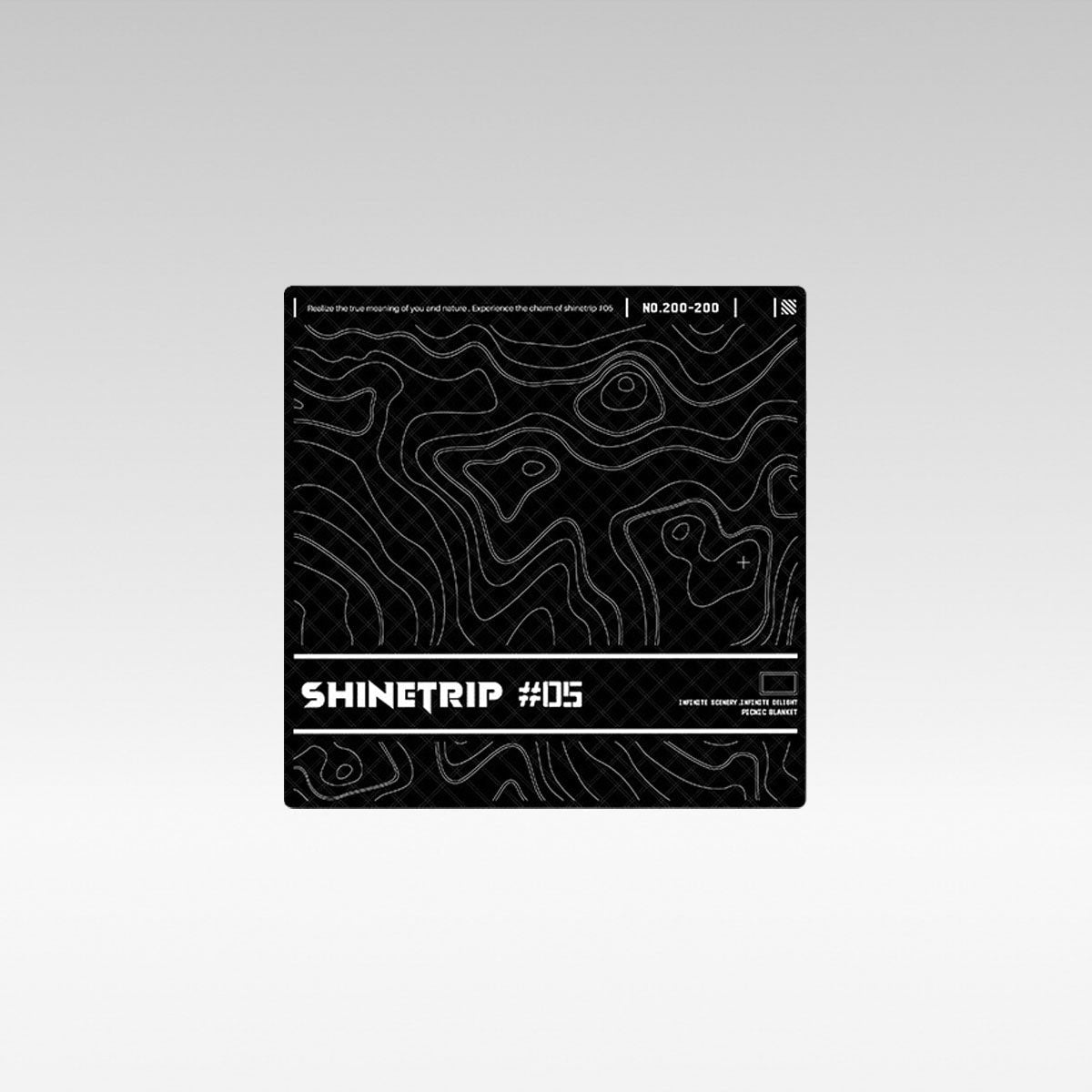
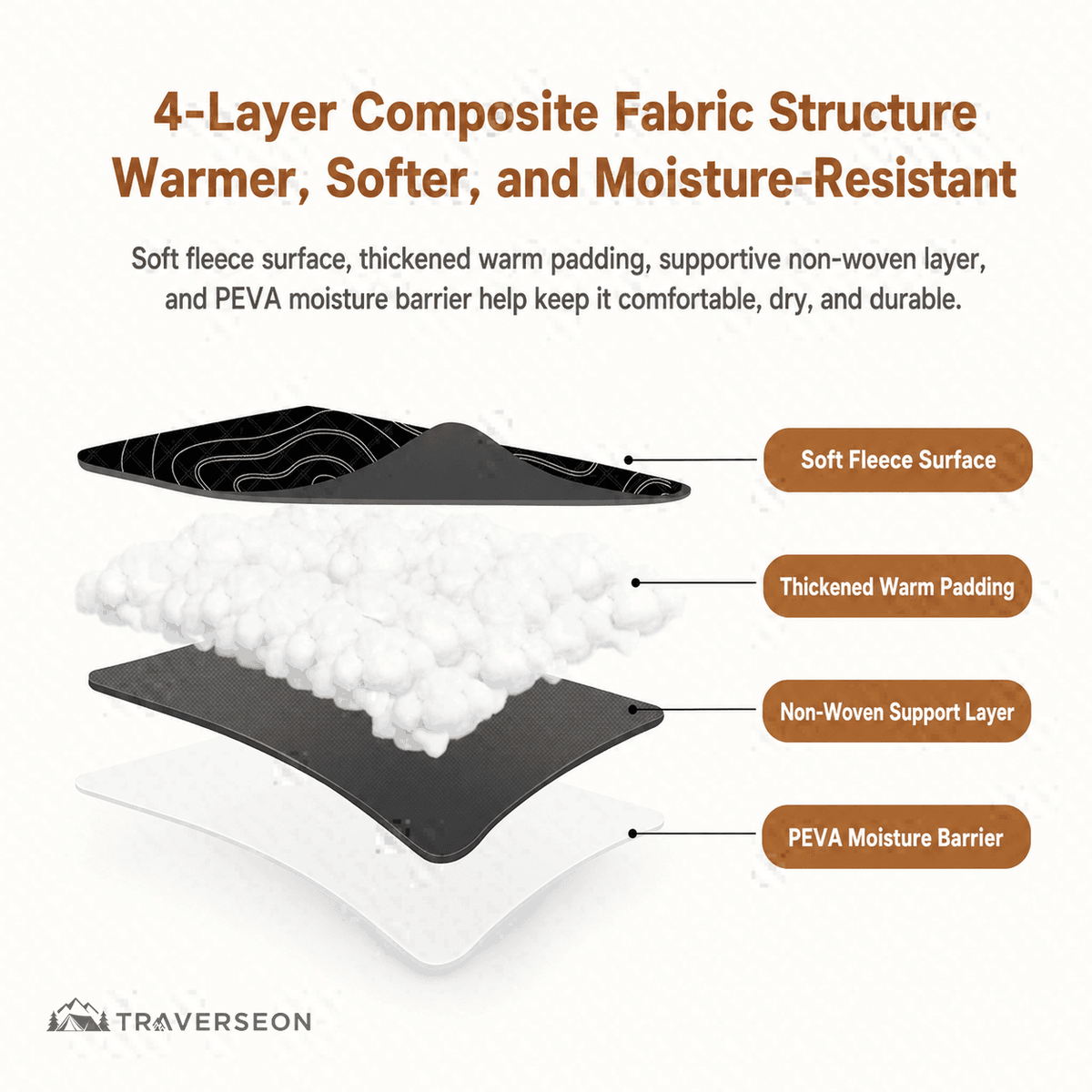
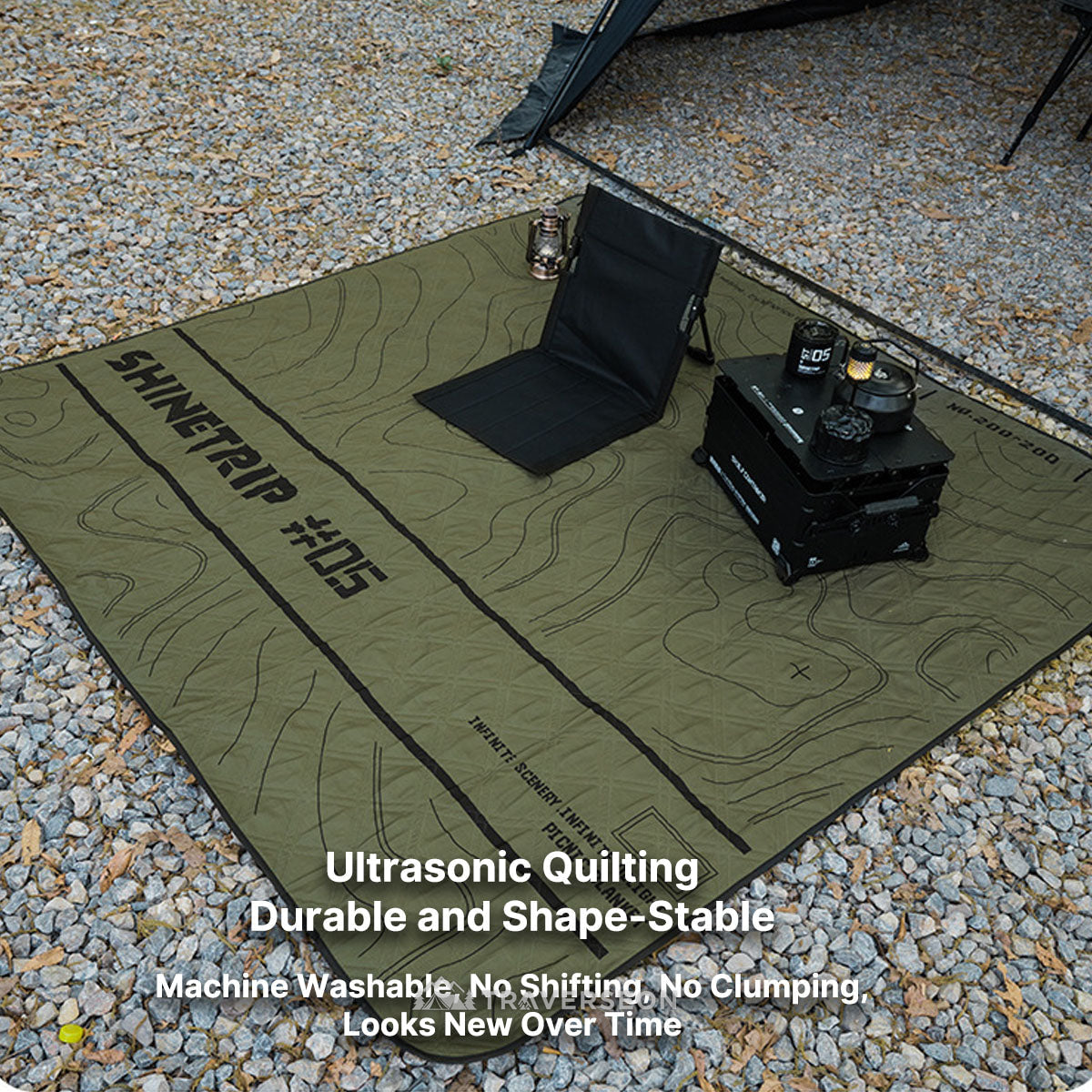
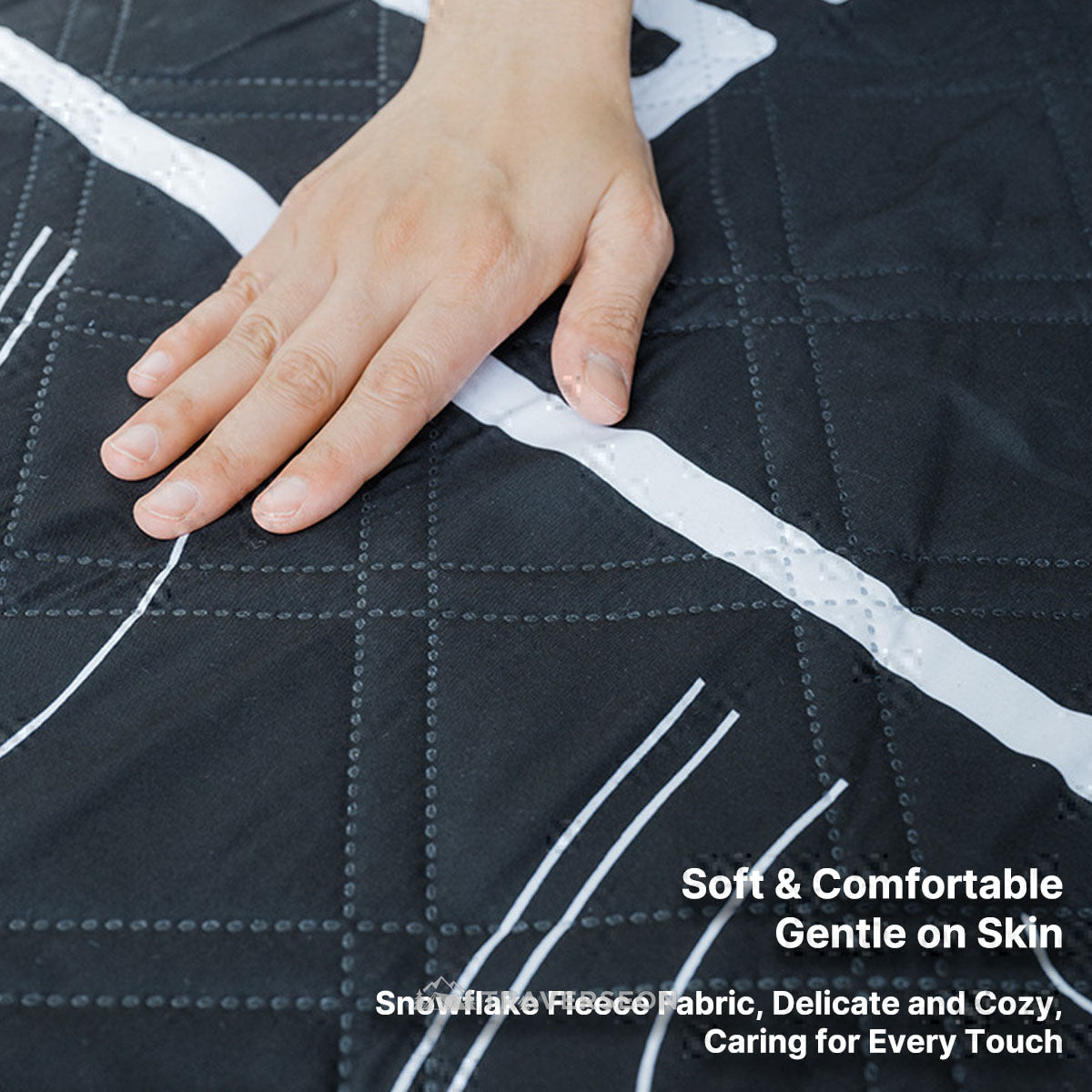
4-Layer Camping Blanket, Cushioned Waterproof Picnic Mat for 4–10 People | Traverseon
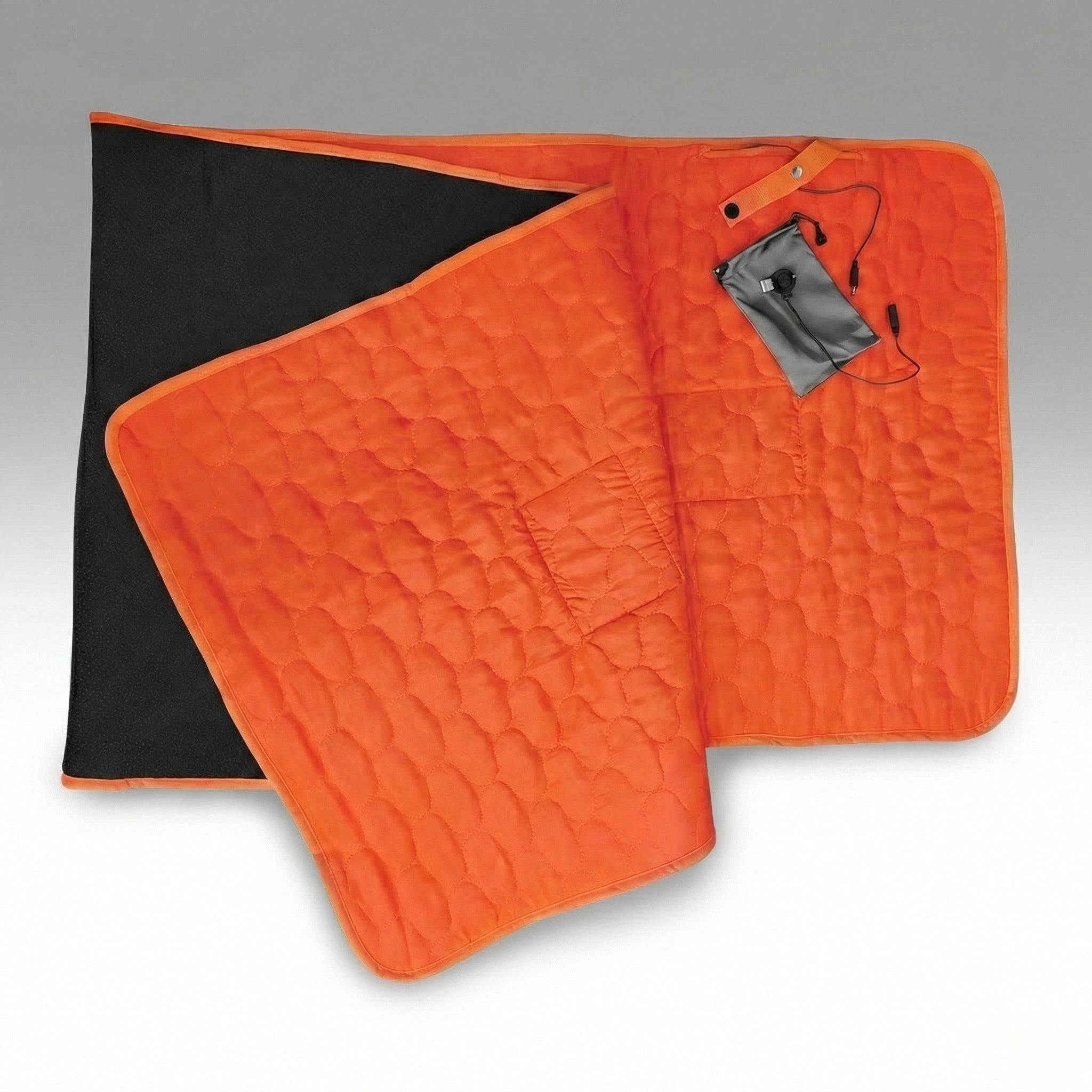


Heated Yoga Pad – USB Powered Electric Camping Sleeping Mat for Home & Outdoor | Traverseon
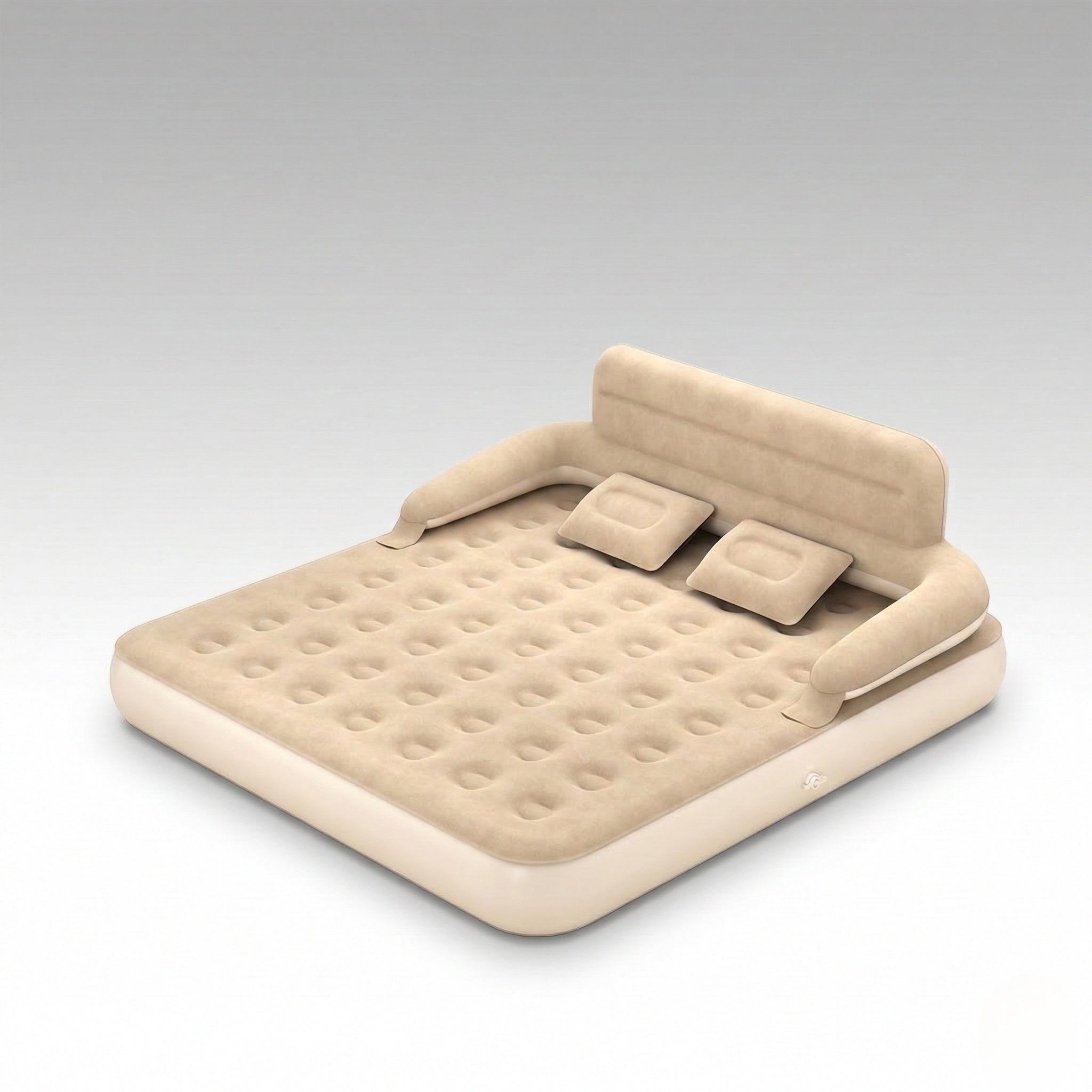
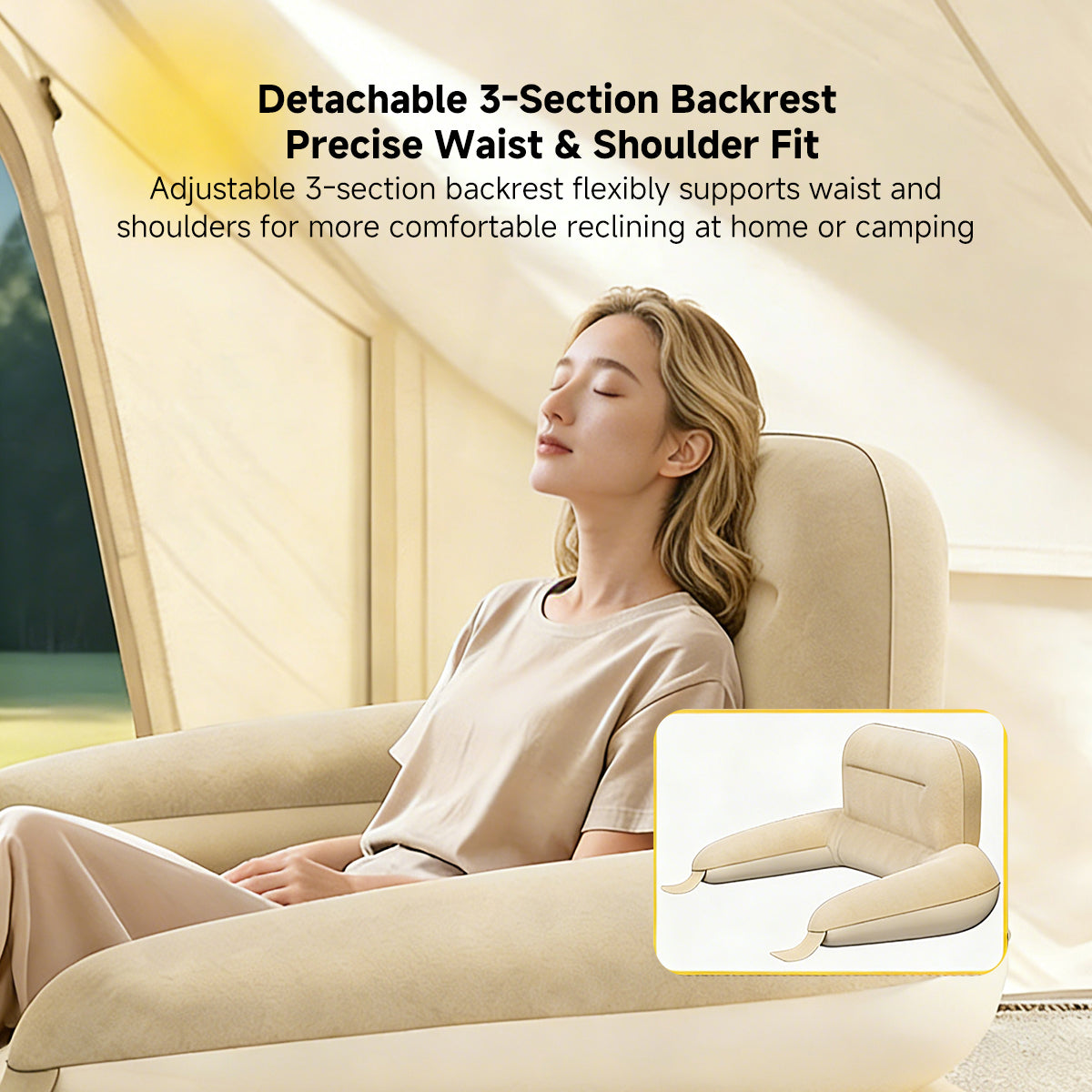
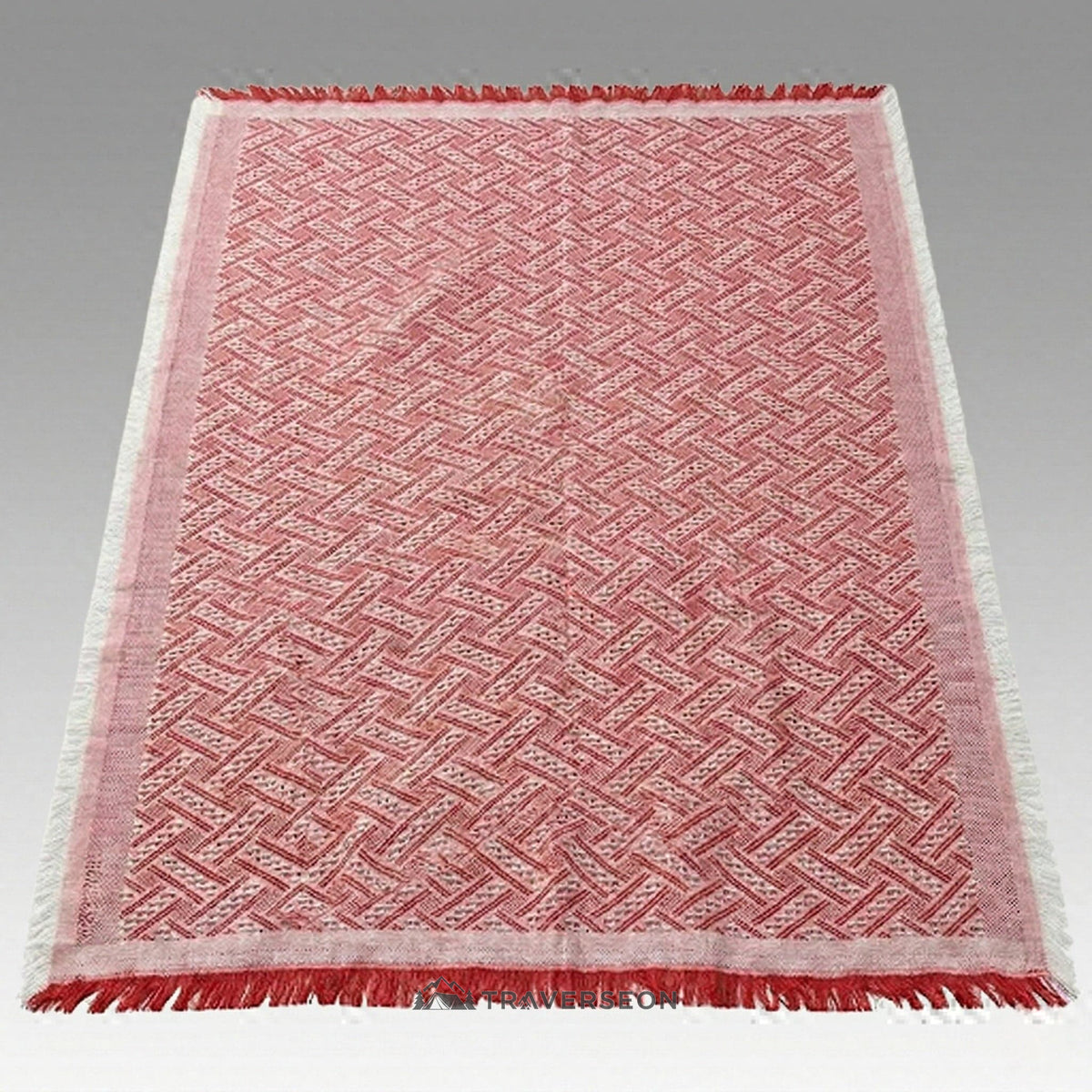
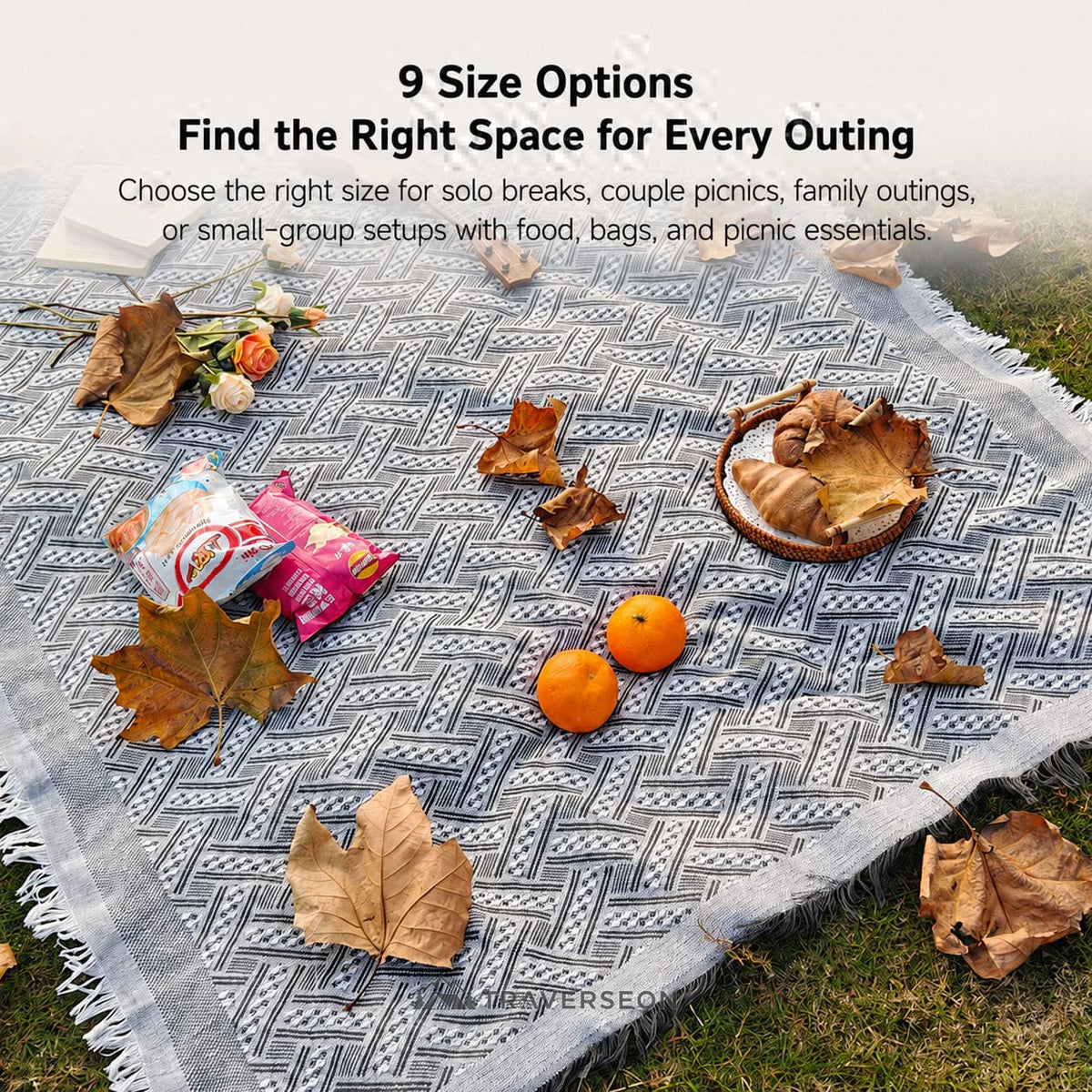
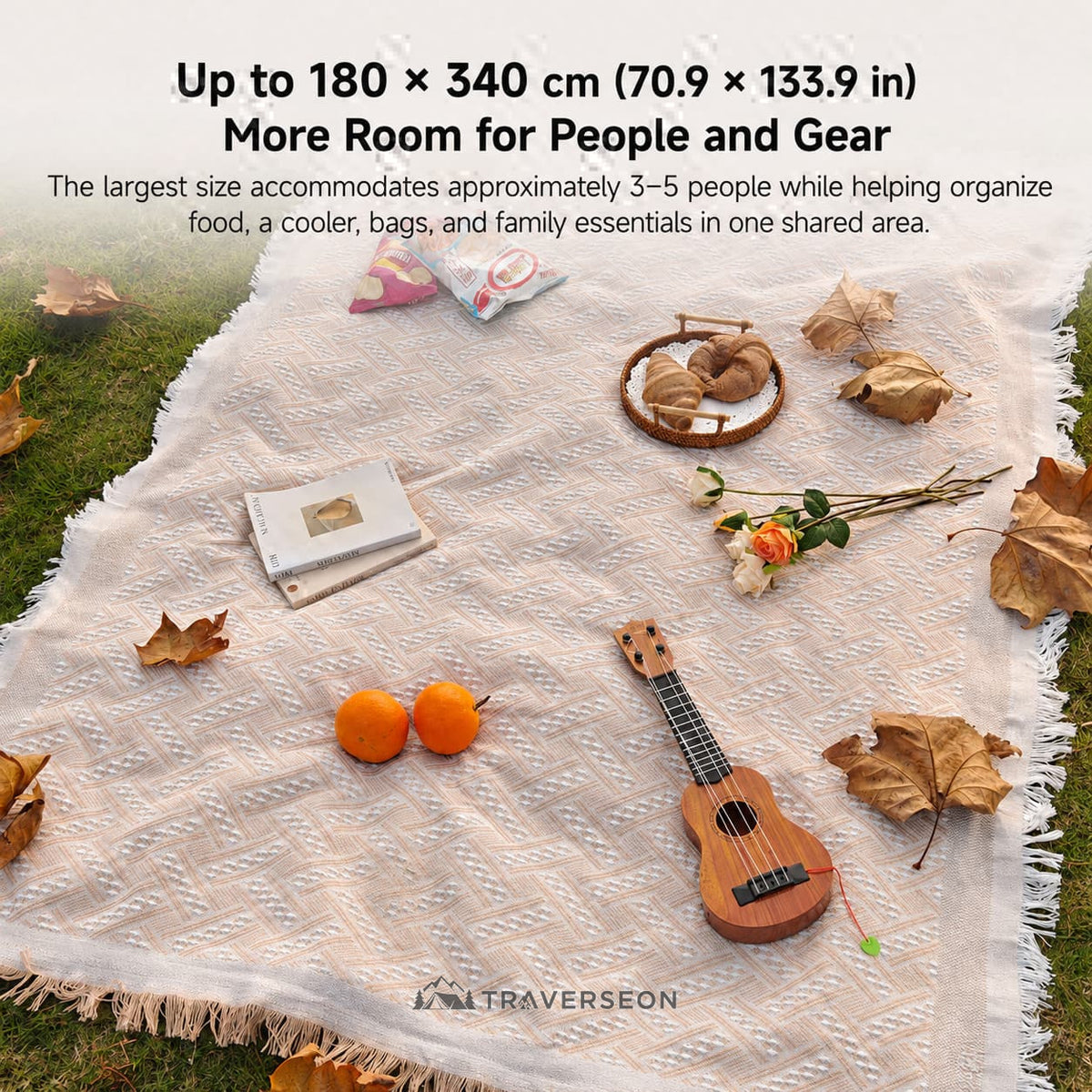
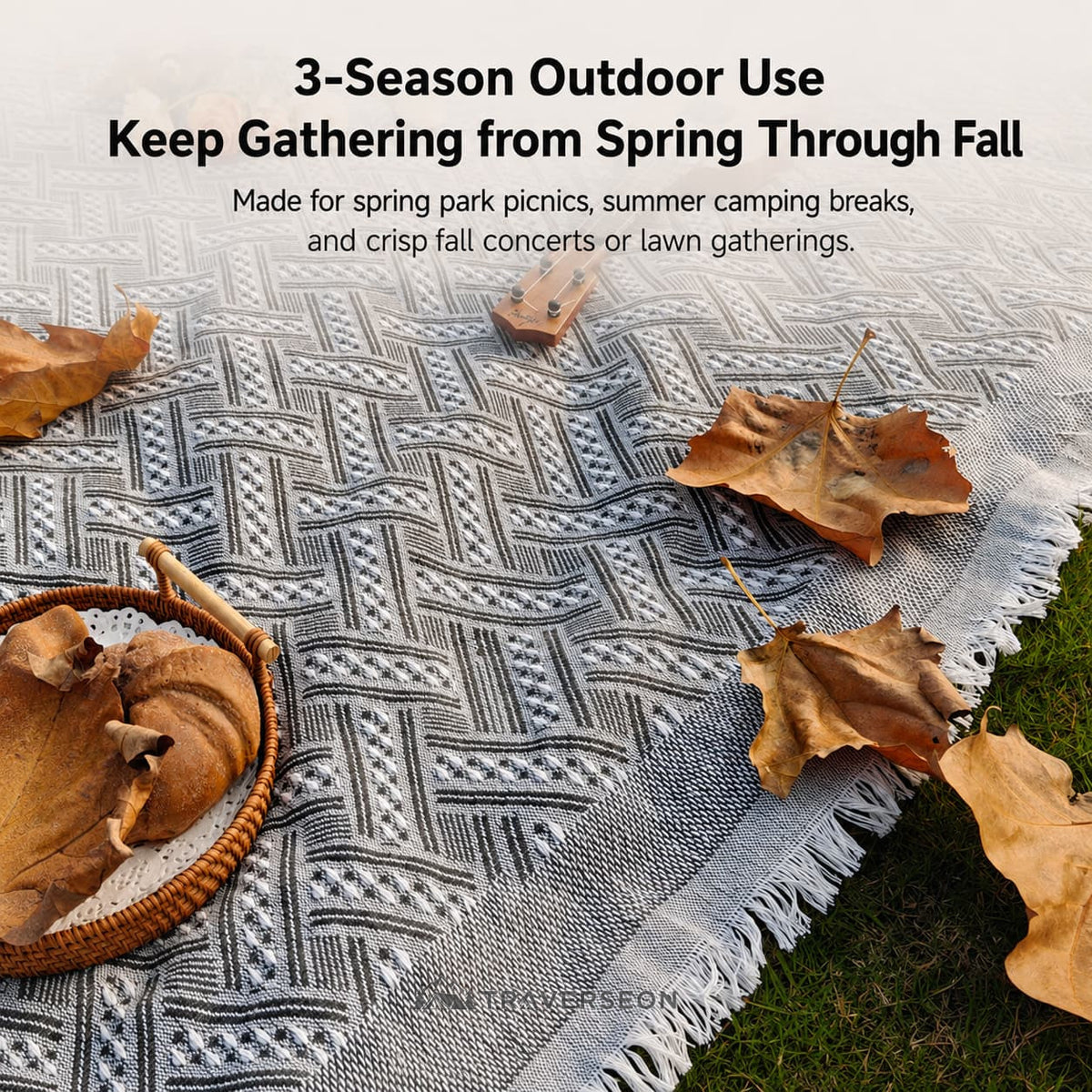
3-Season Woven Picnic Blanket – 9 Sizes for Indoor-Outdoor Use | Traverseon
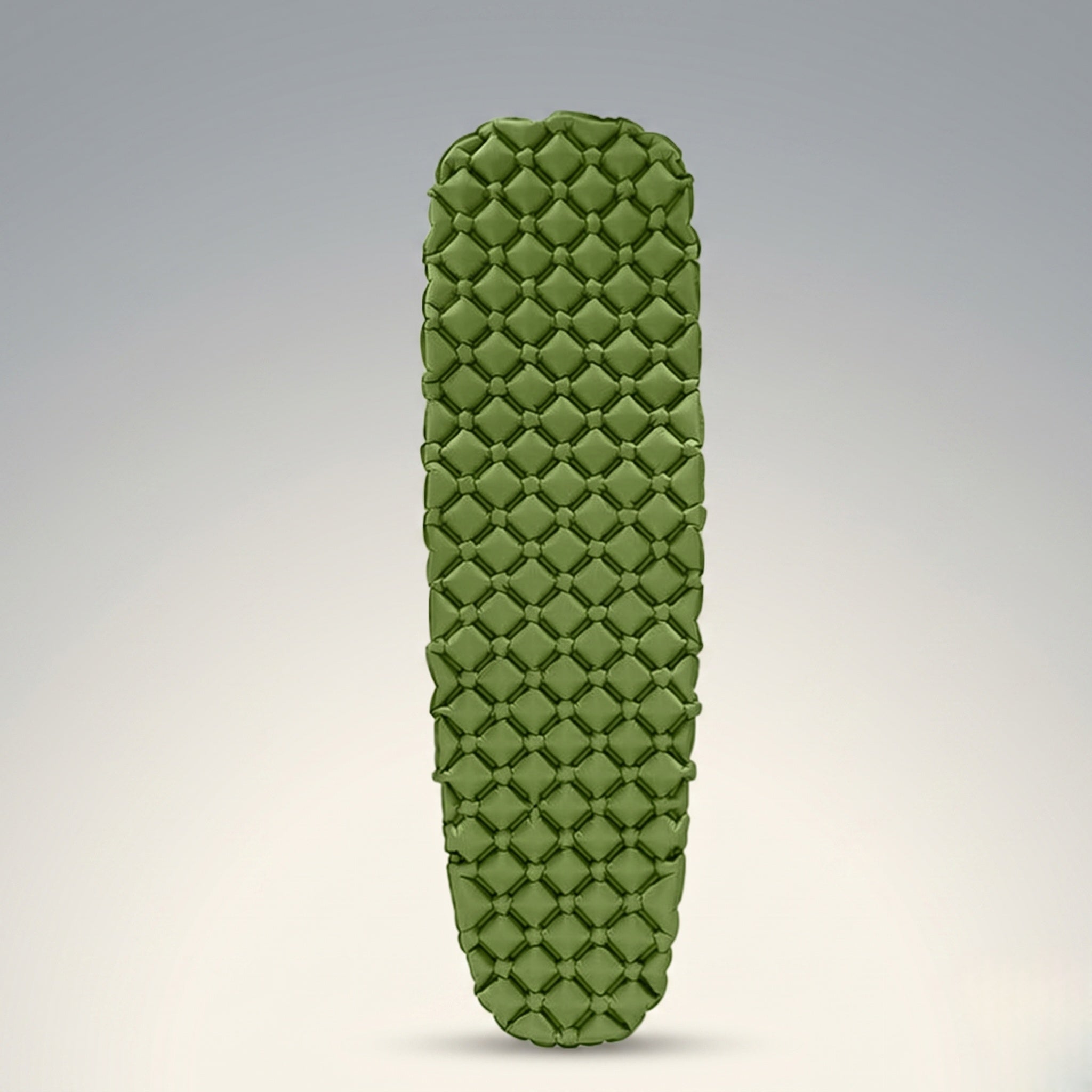
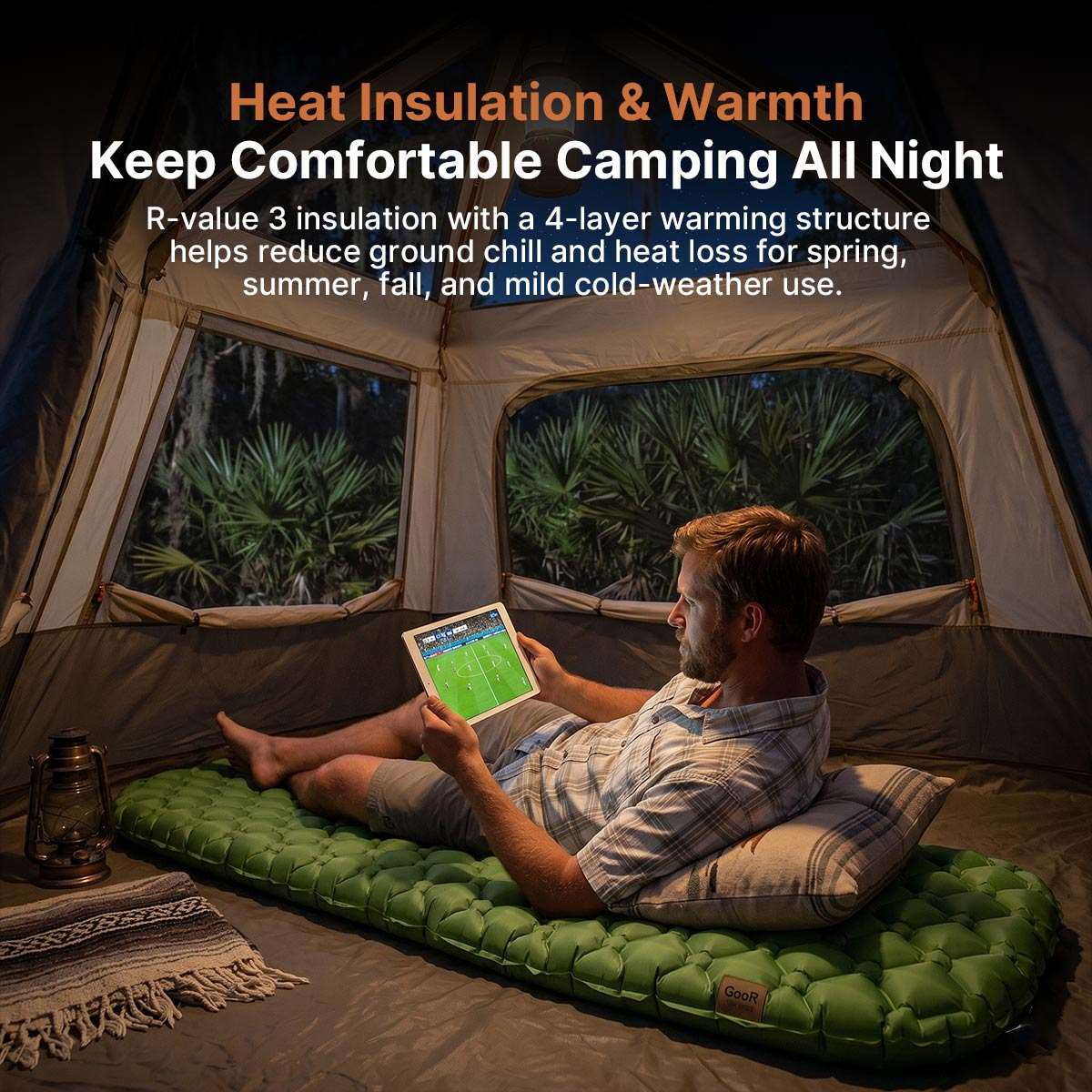
Hammock
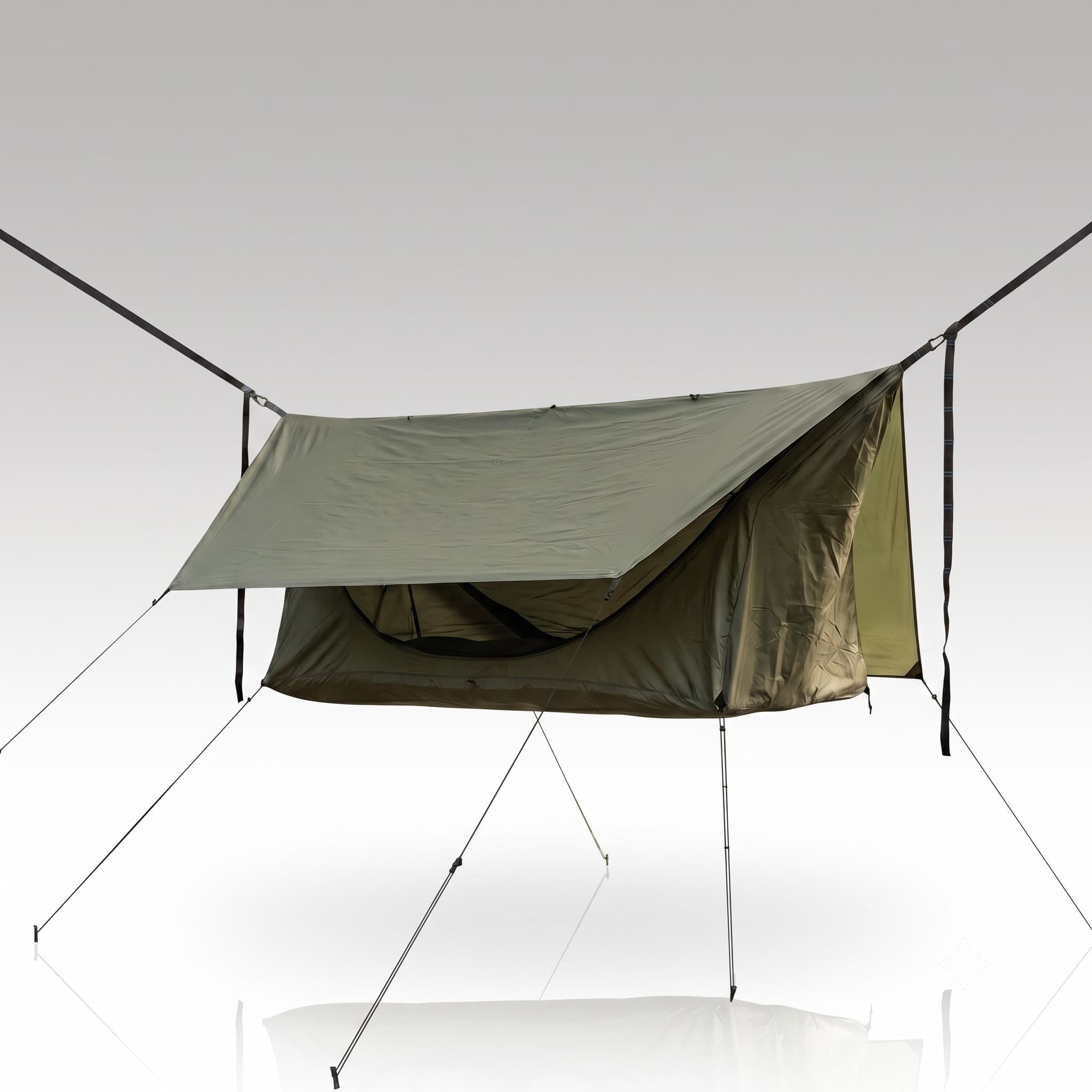
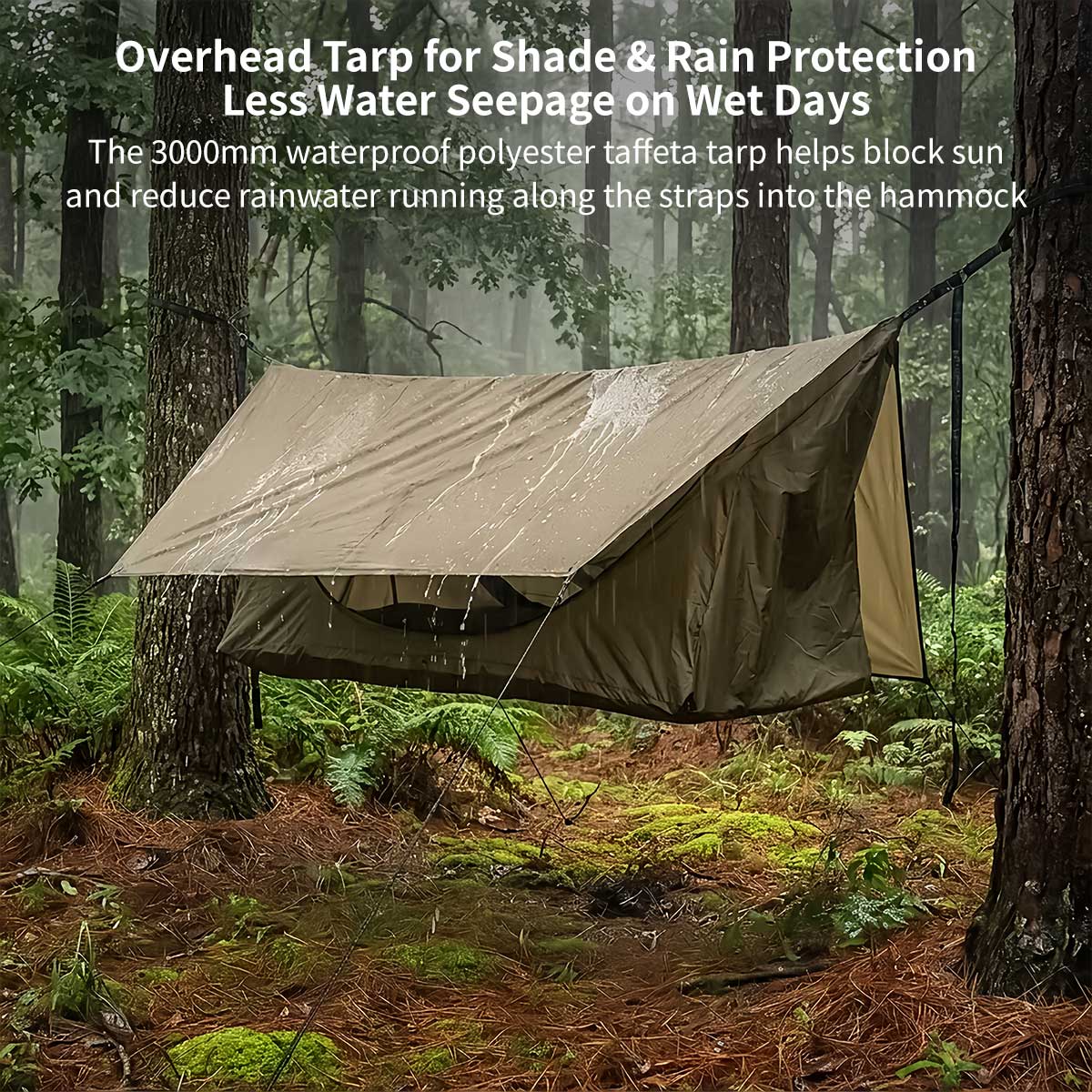
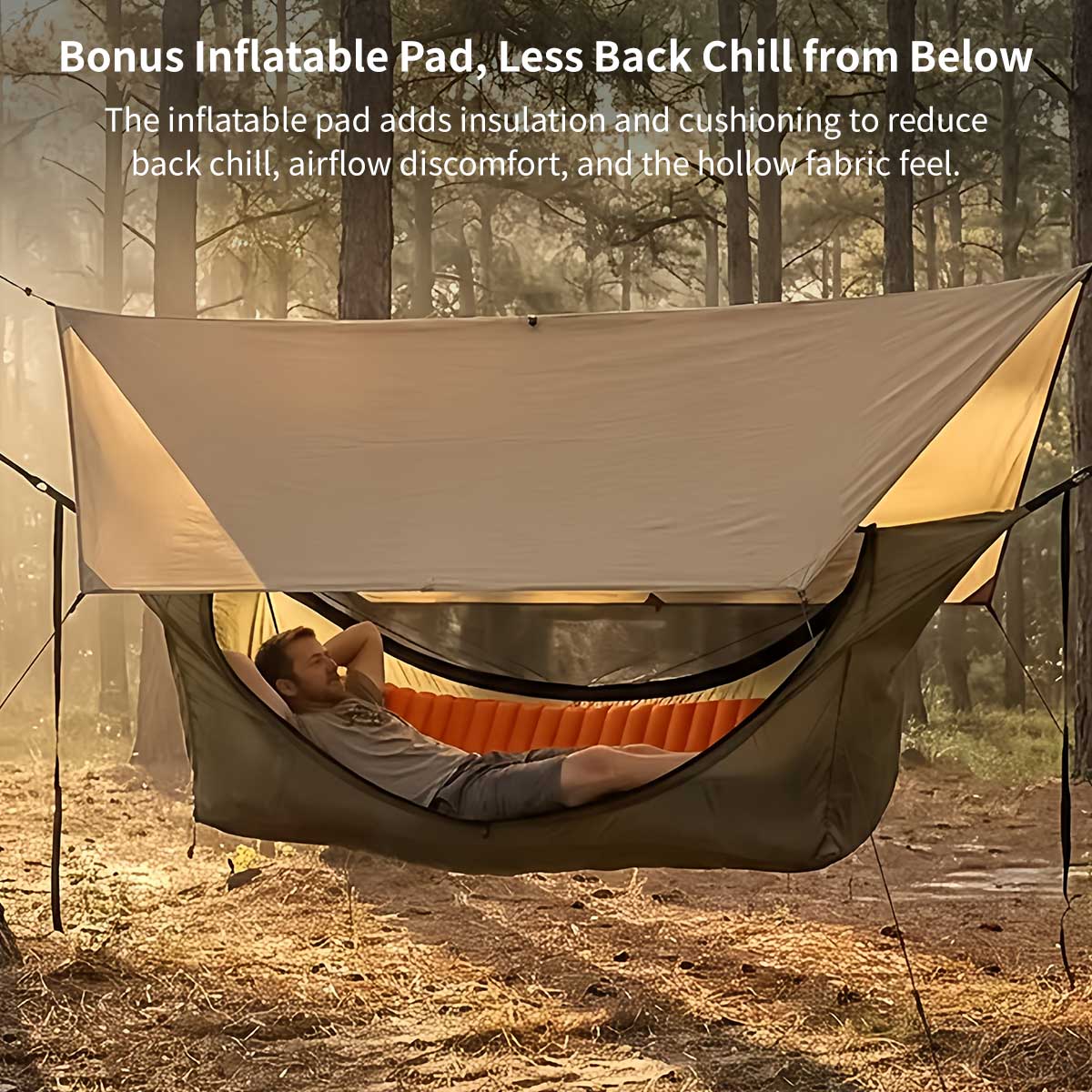
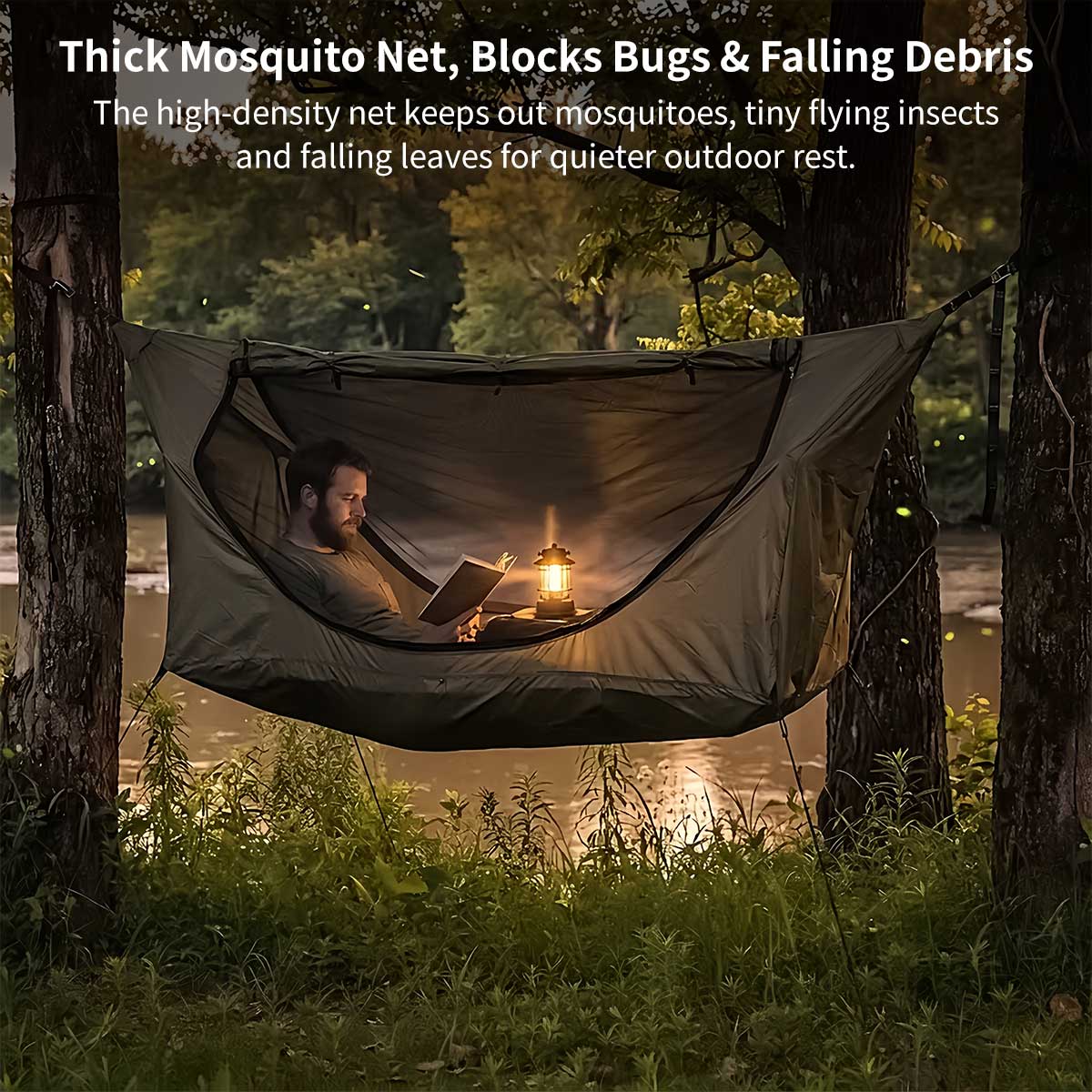
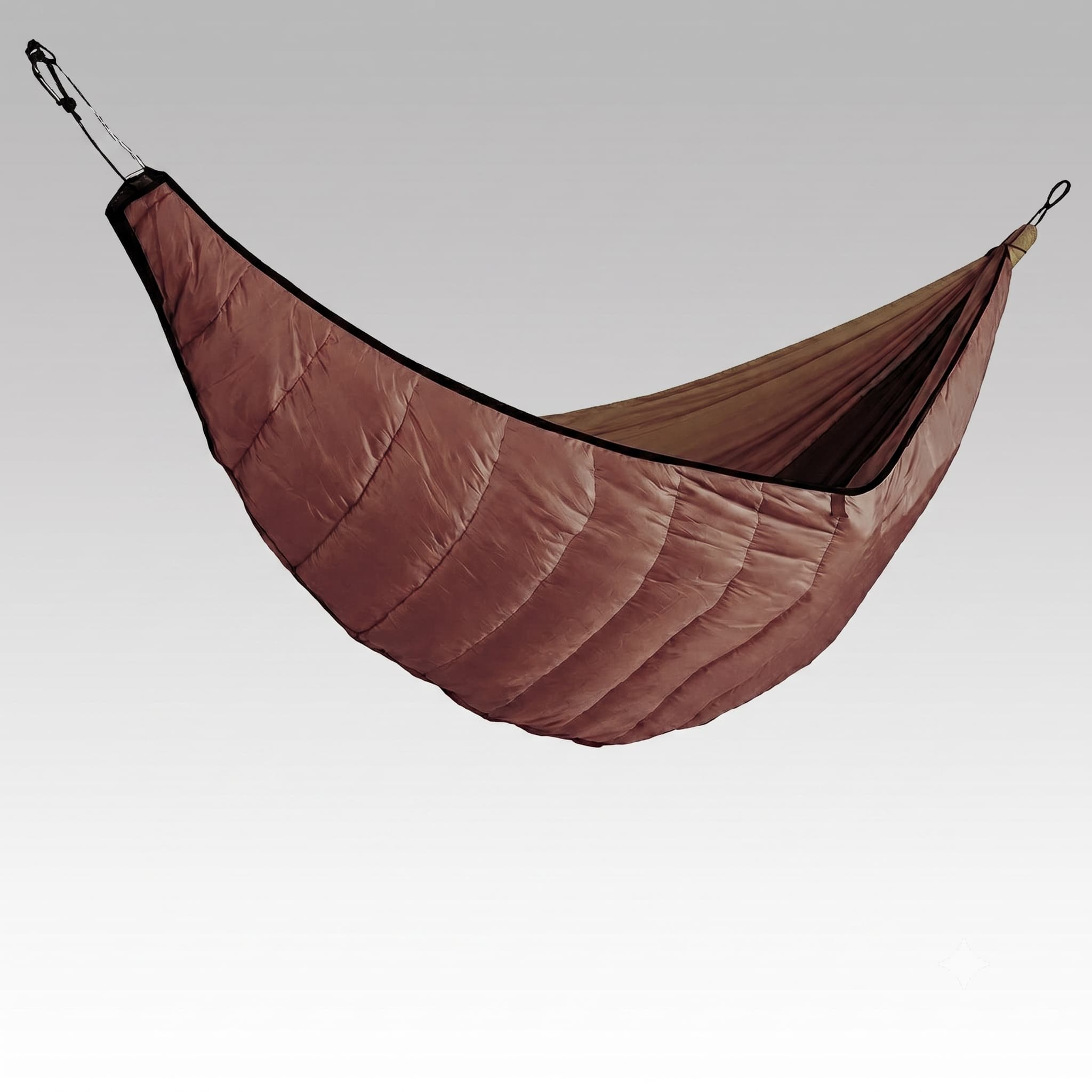
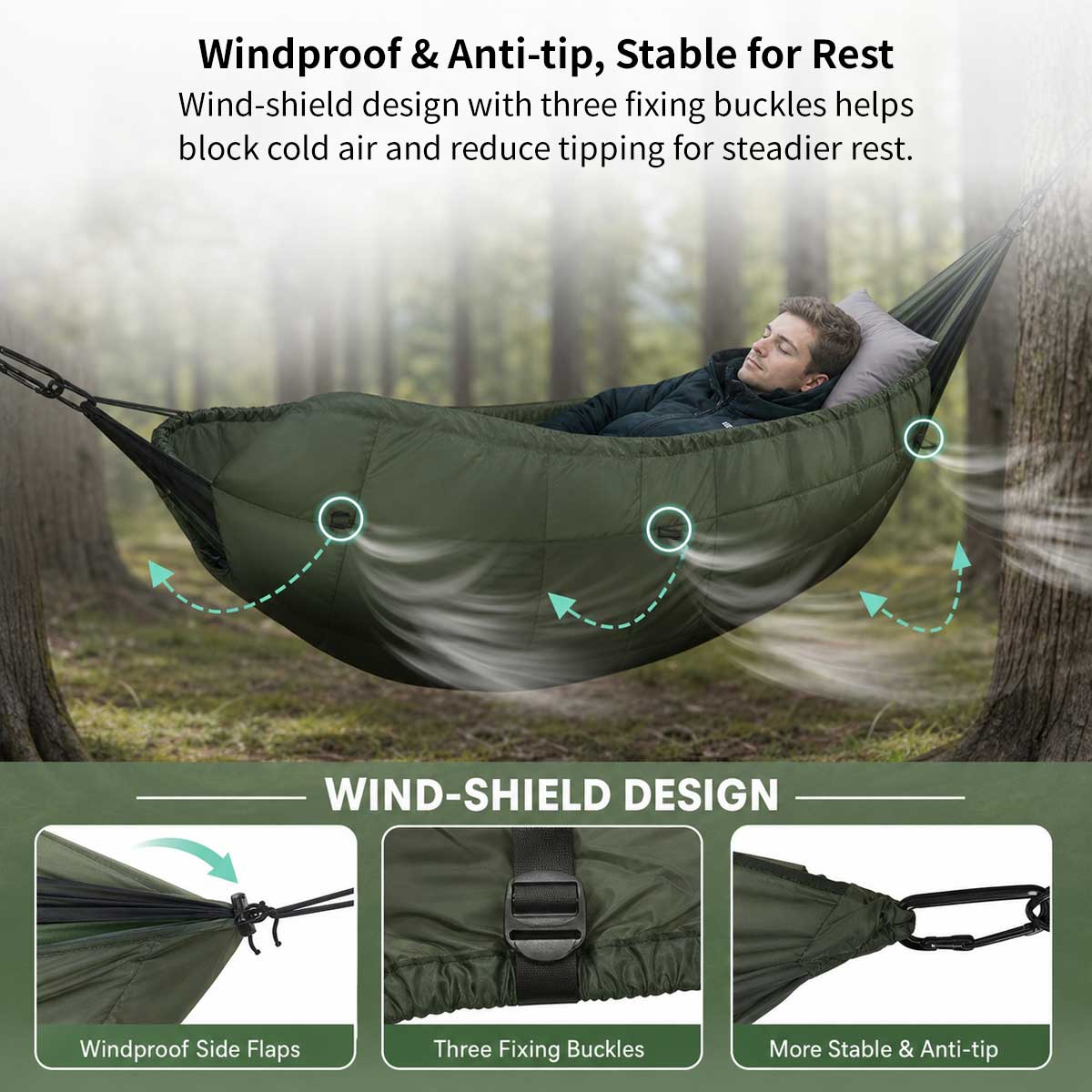
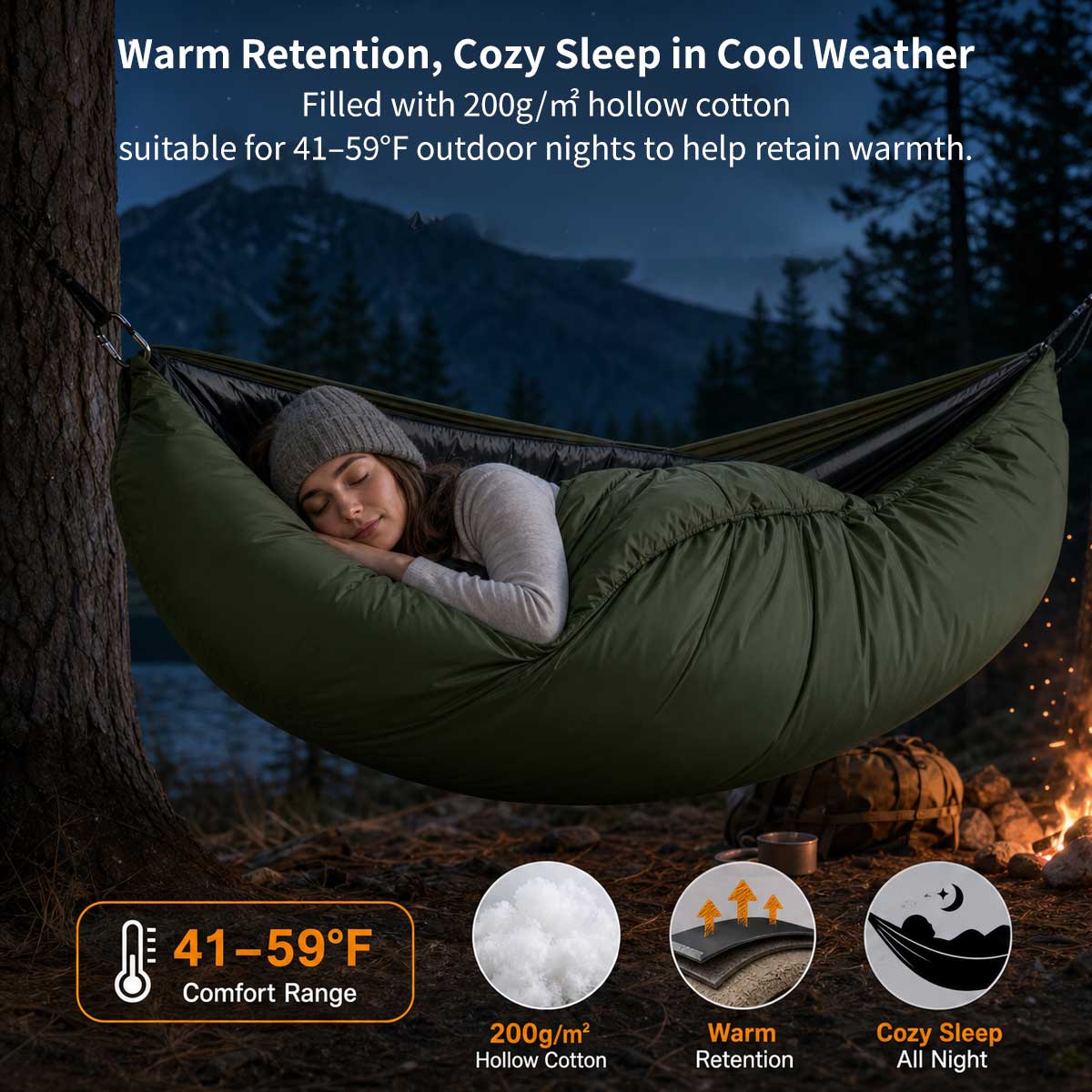
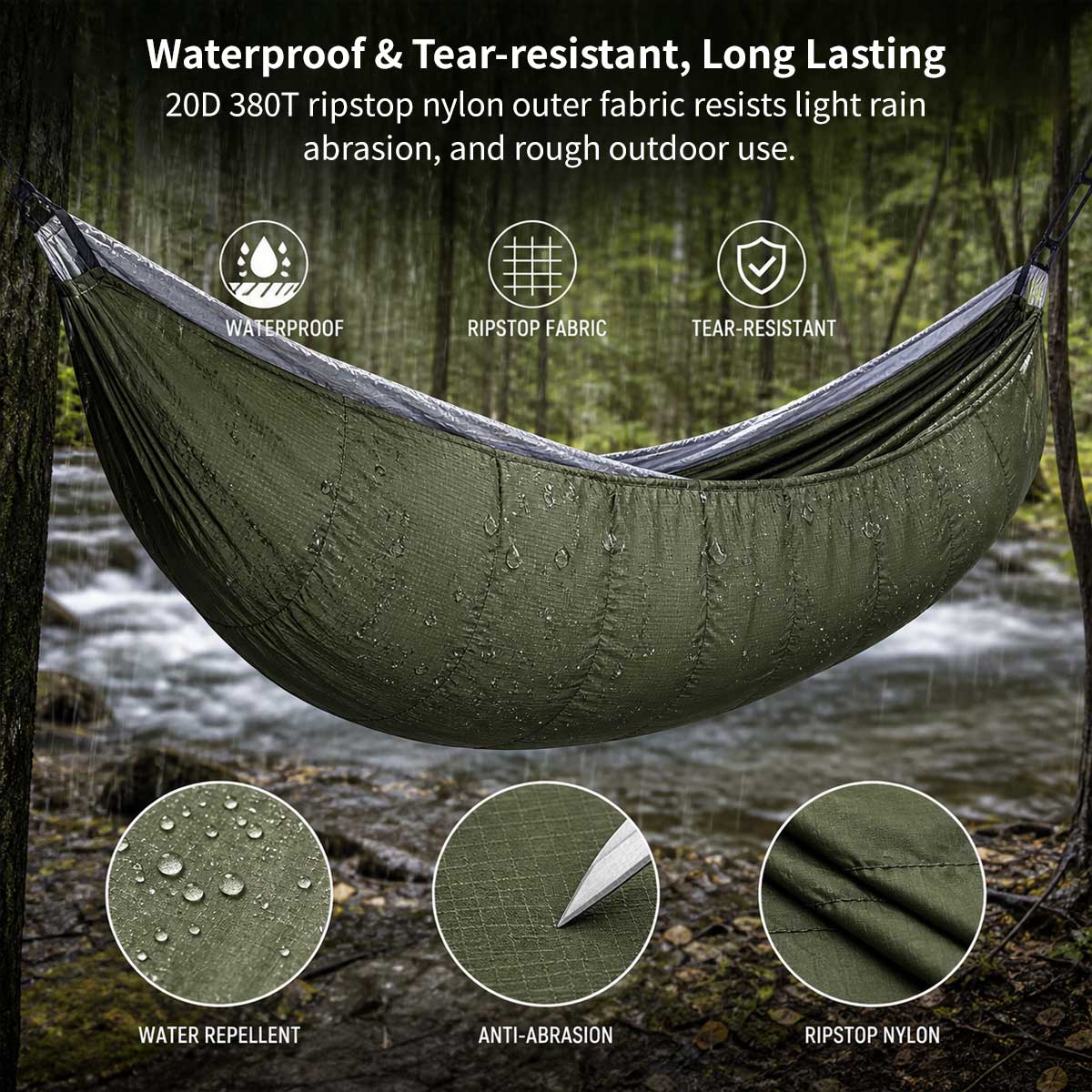
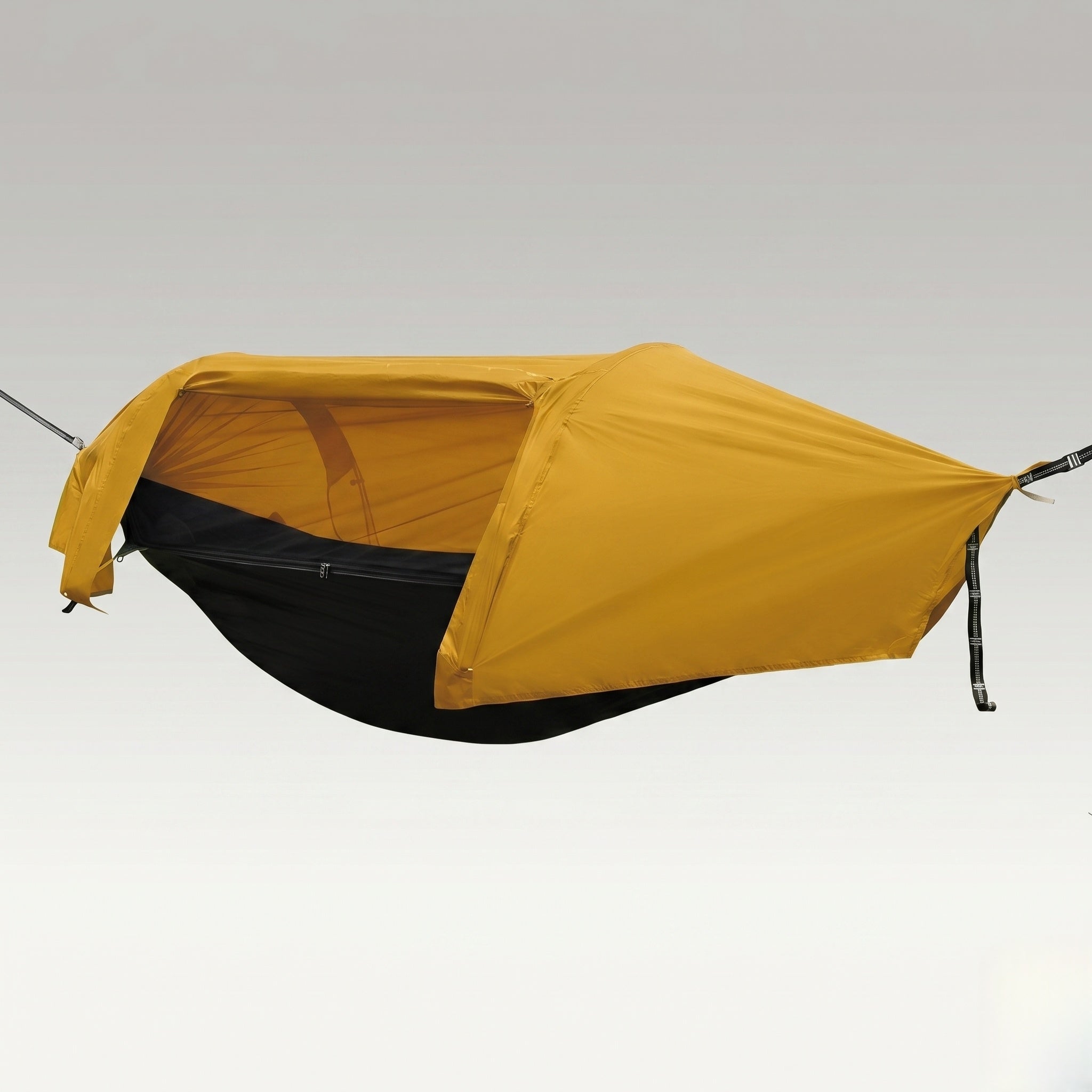
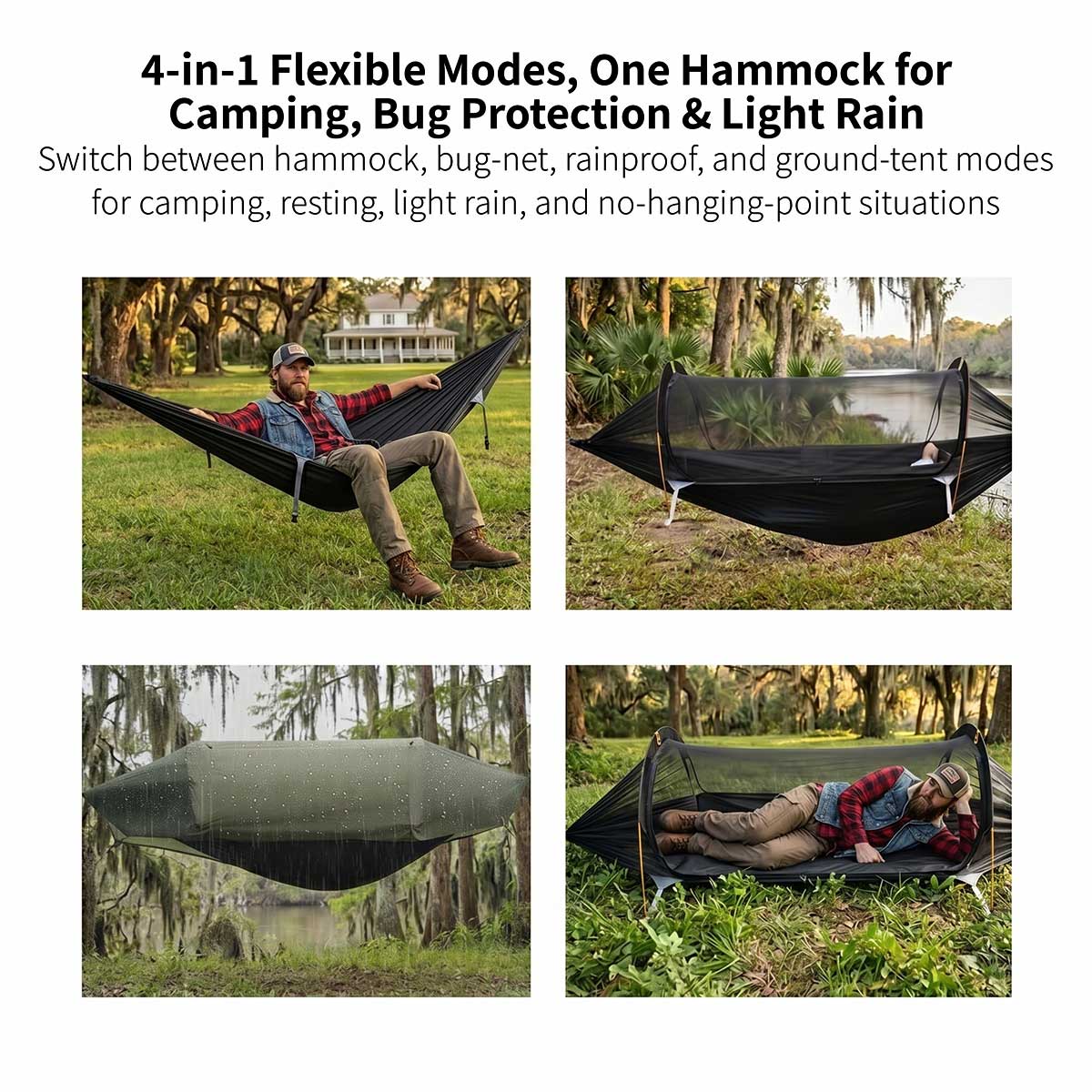
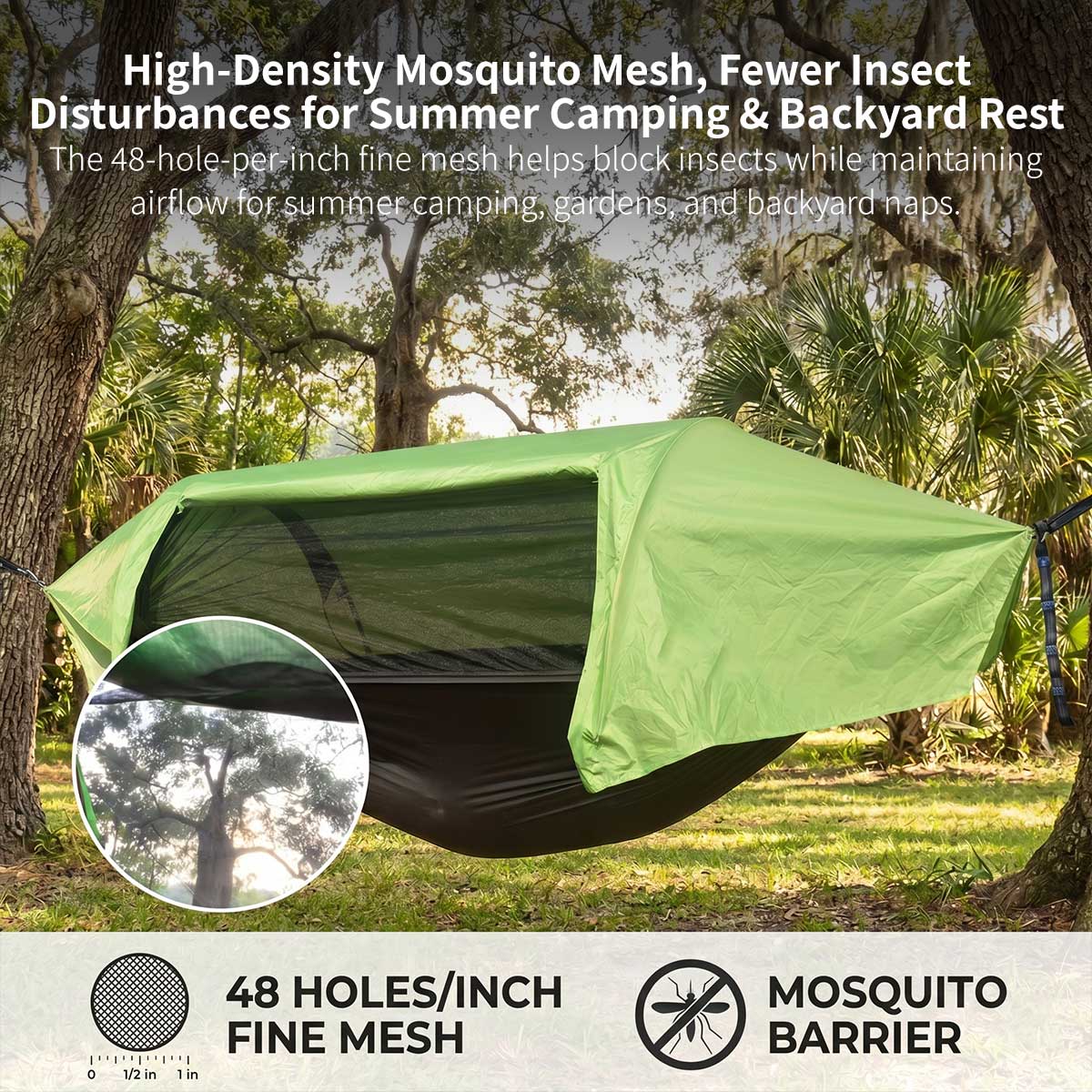
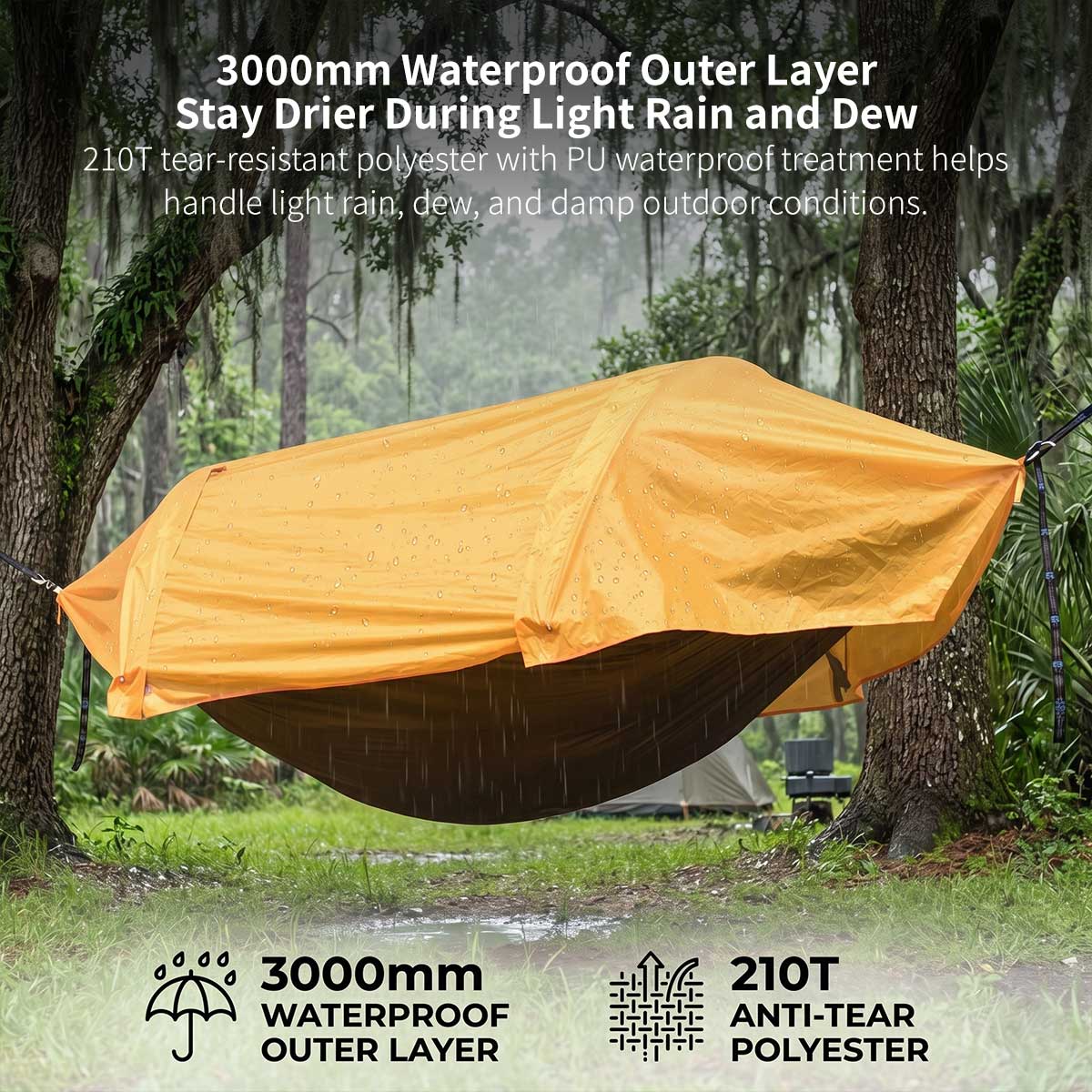
Camping Hammock Tent – Waterproof Mosquito Net Hammock | Traverseon
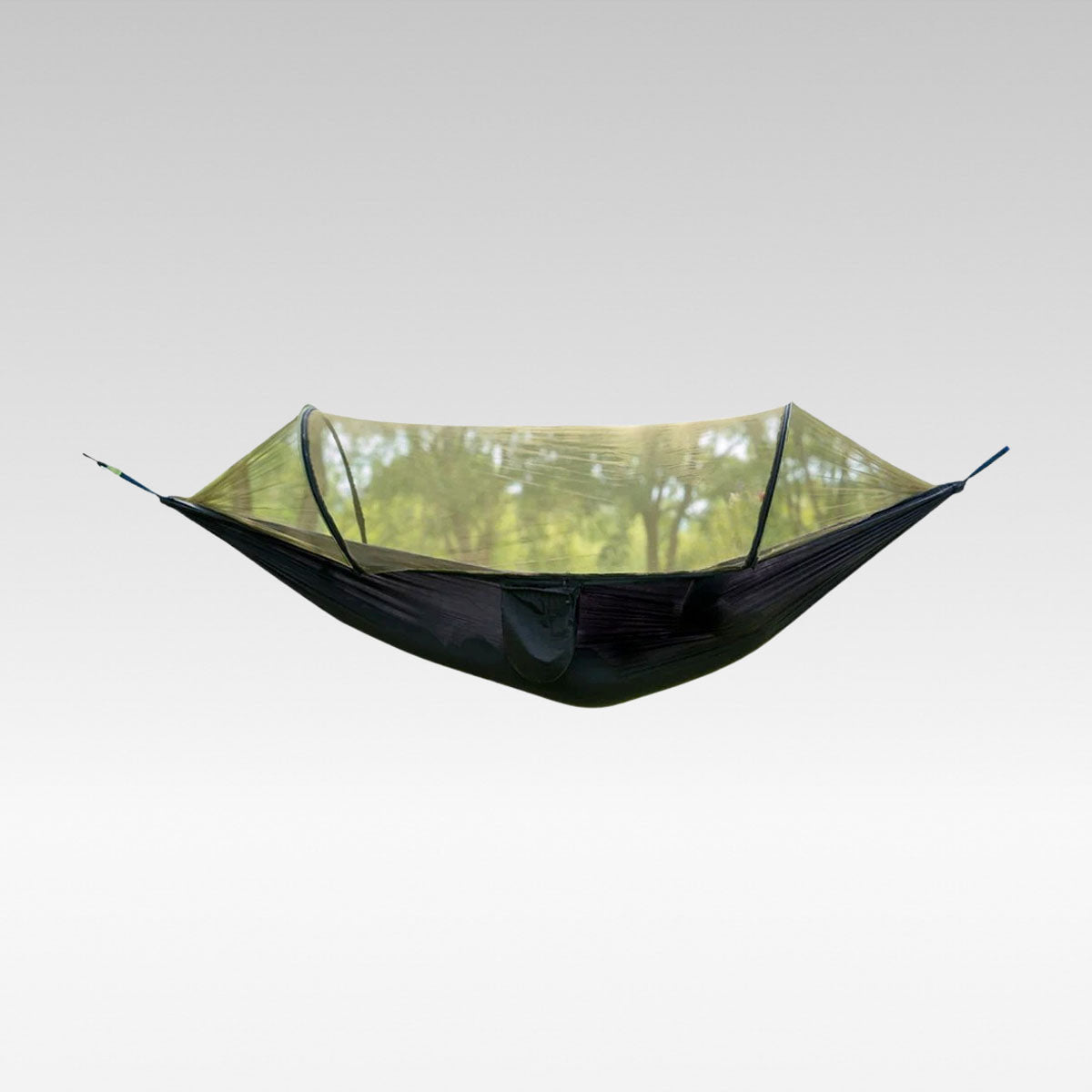
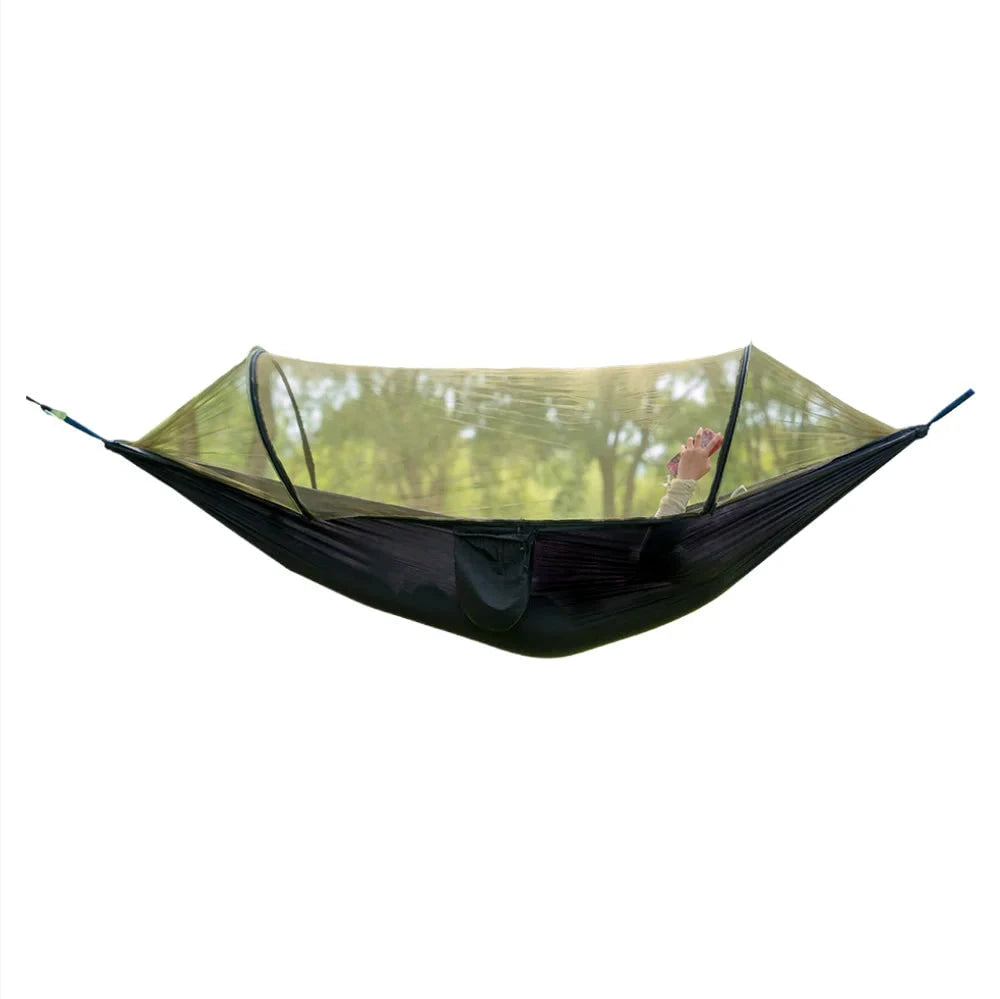
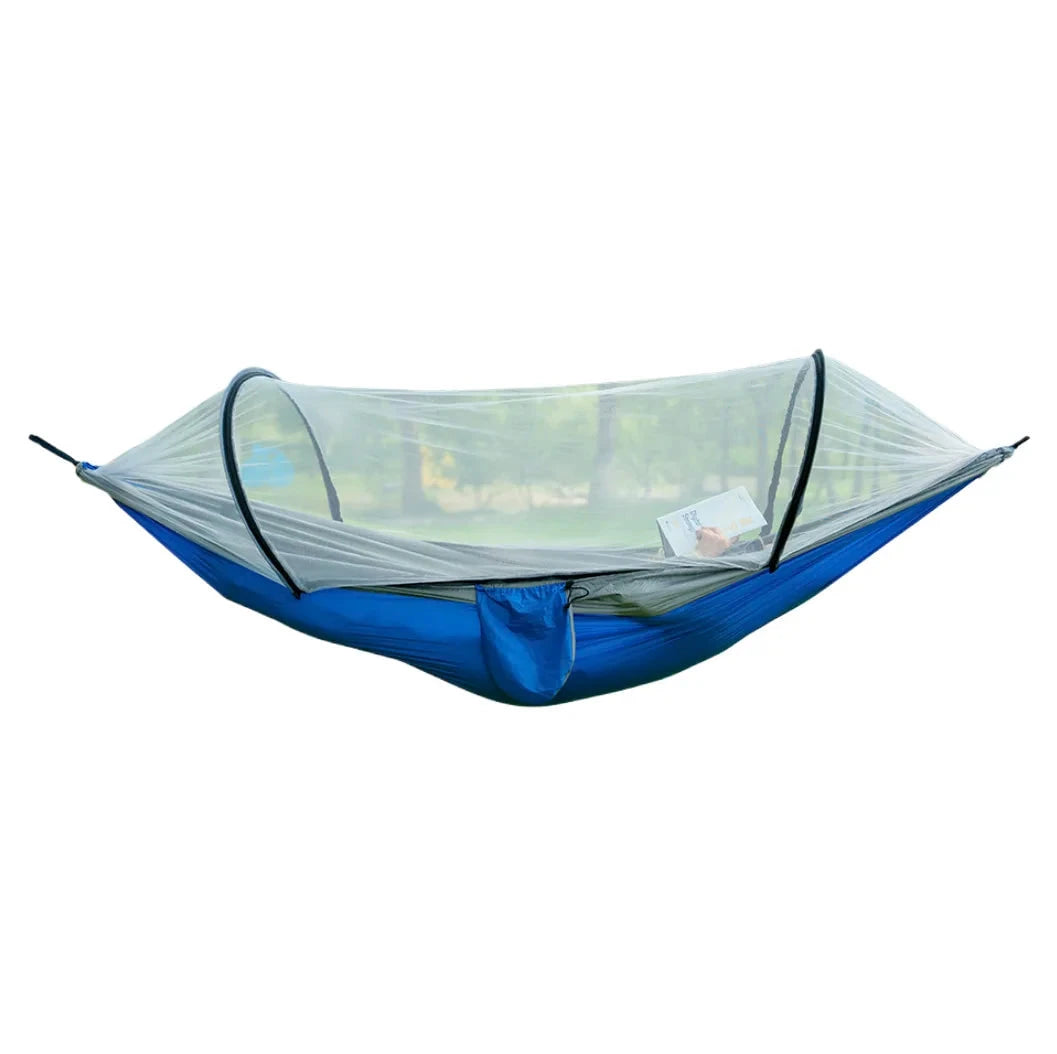
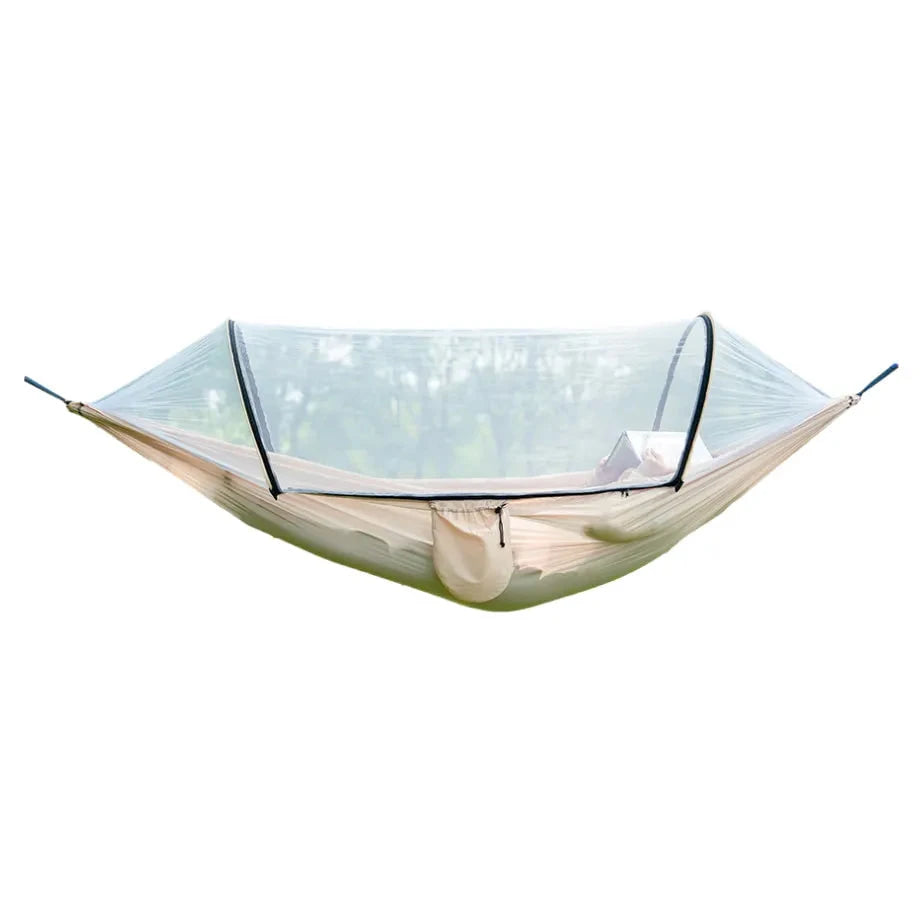
10s Setup Mosquito Hammock – Portable Camping Hammock with Net | Traverseon
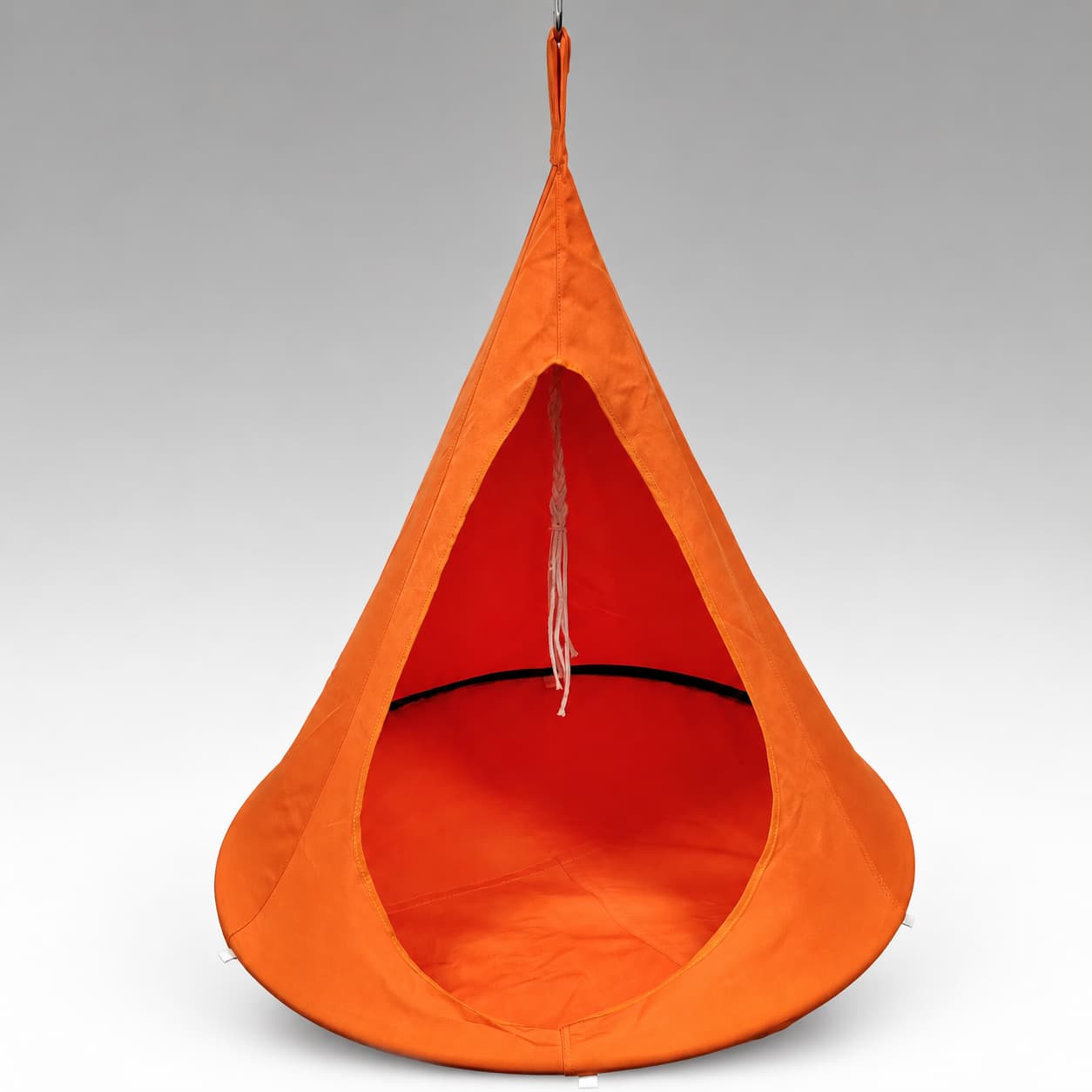
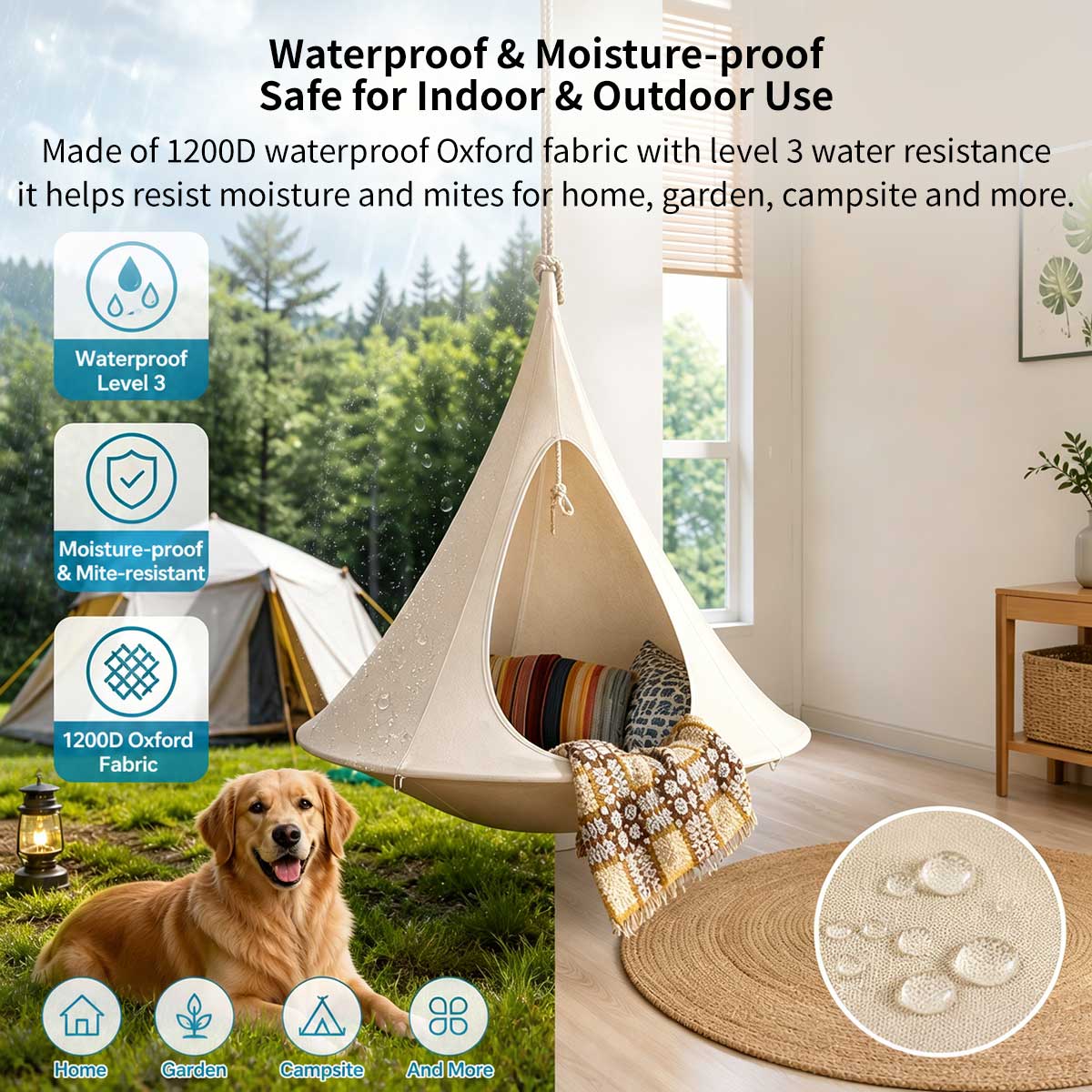
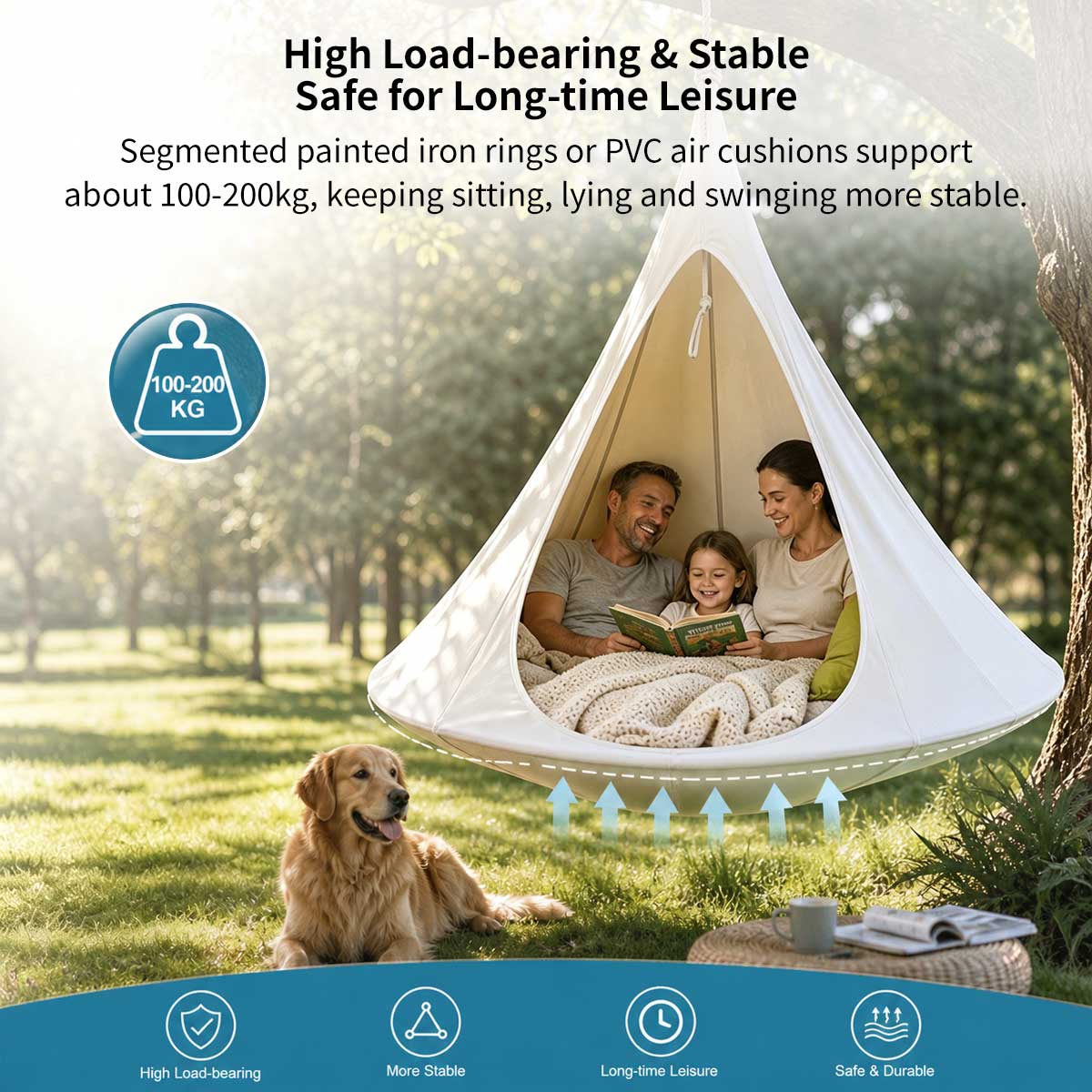
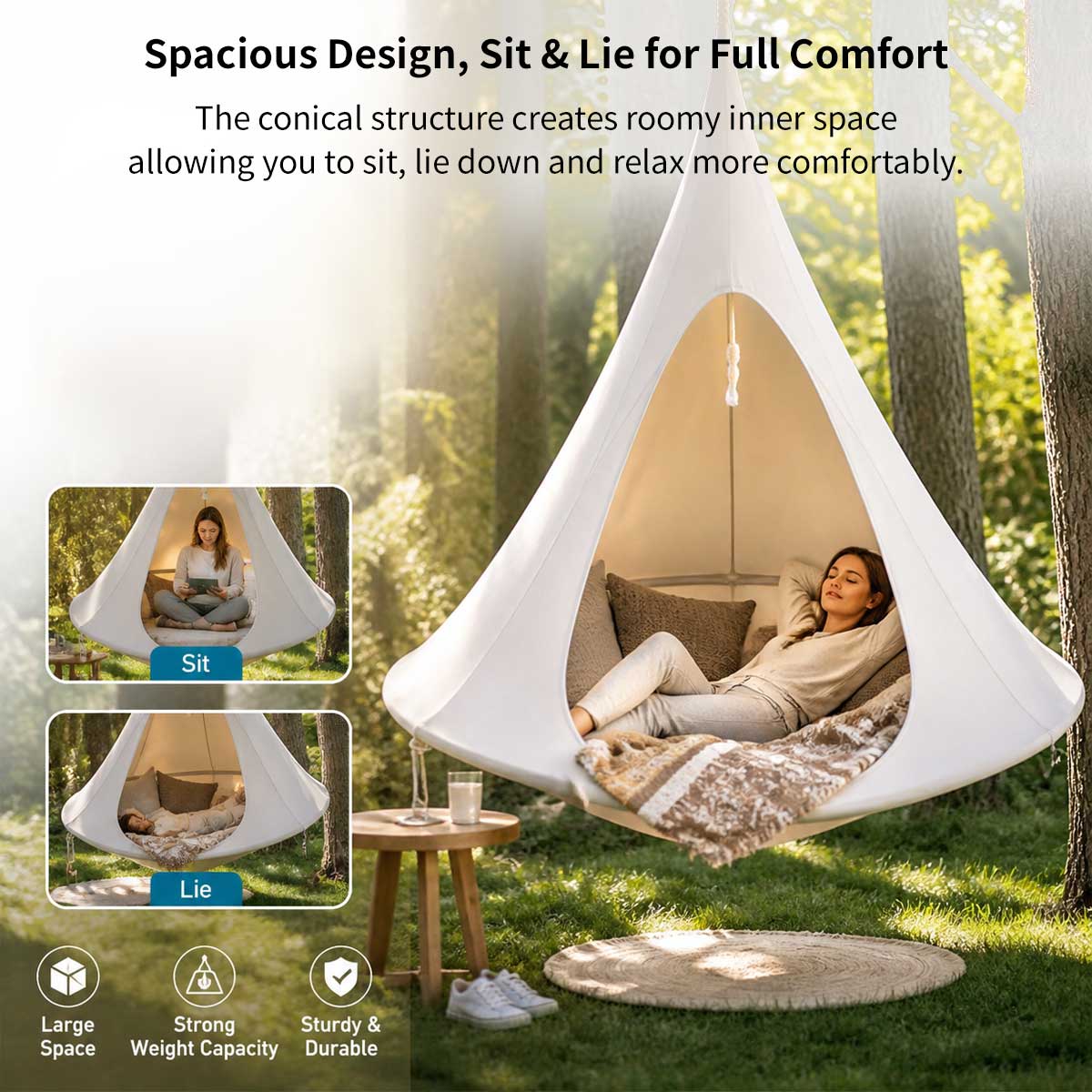
Conical Hanging Hammock Chair – 441 lb Waterproof Outdoor Swing | Traverseon
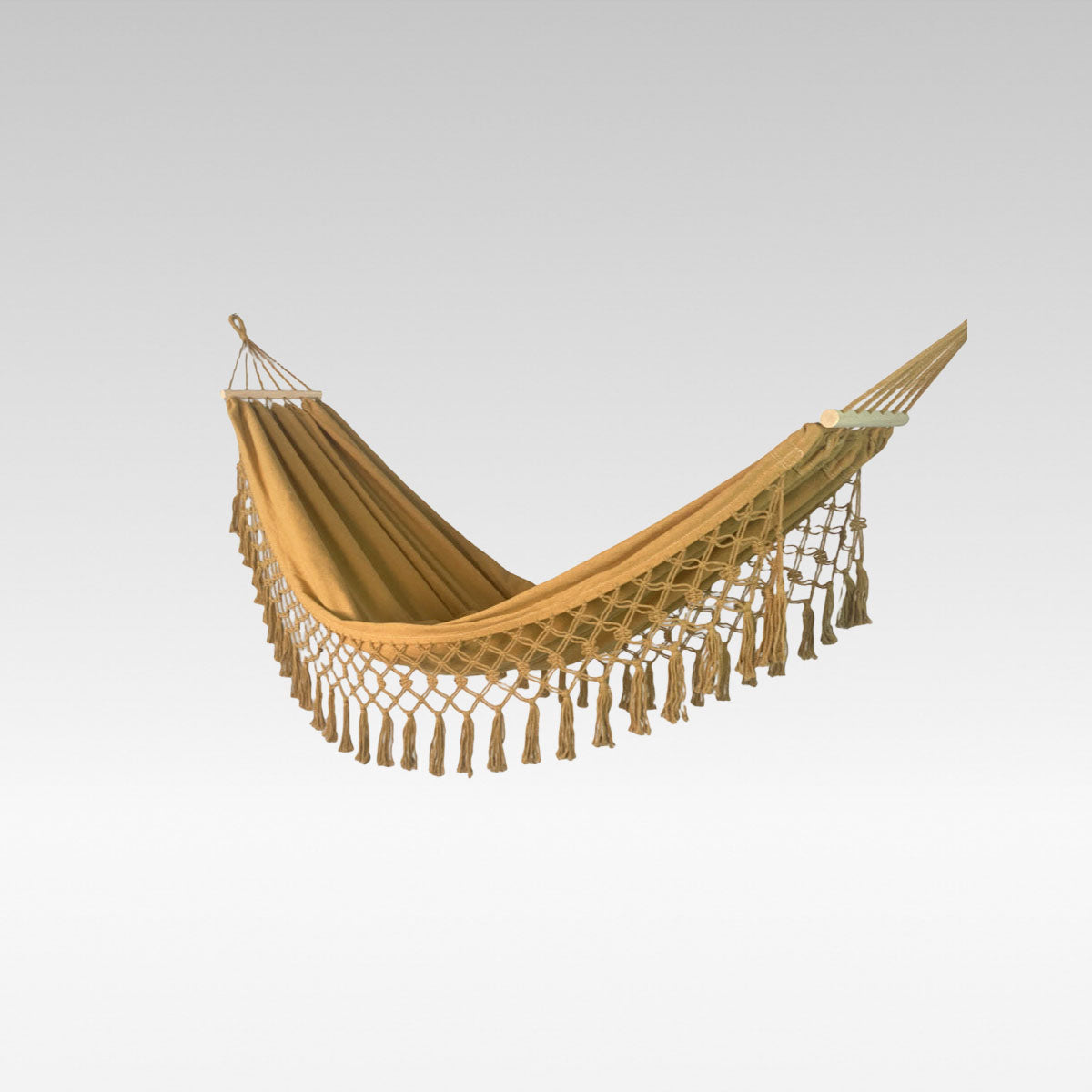
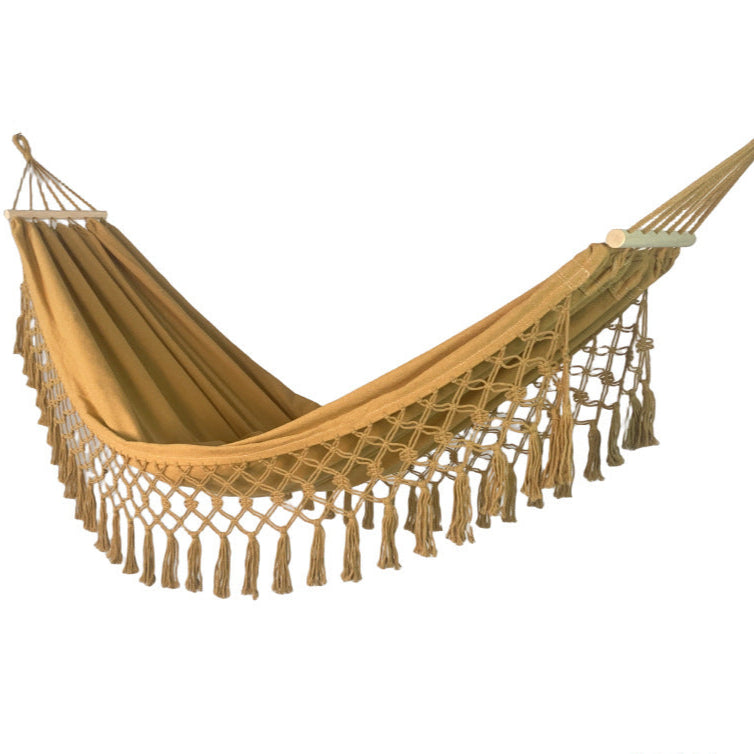
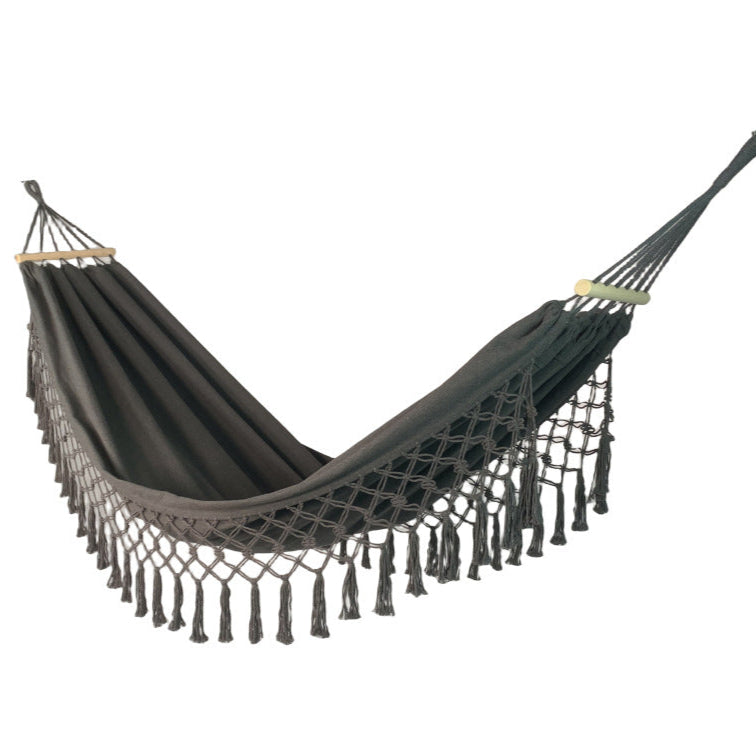
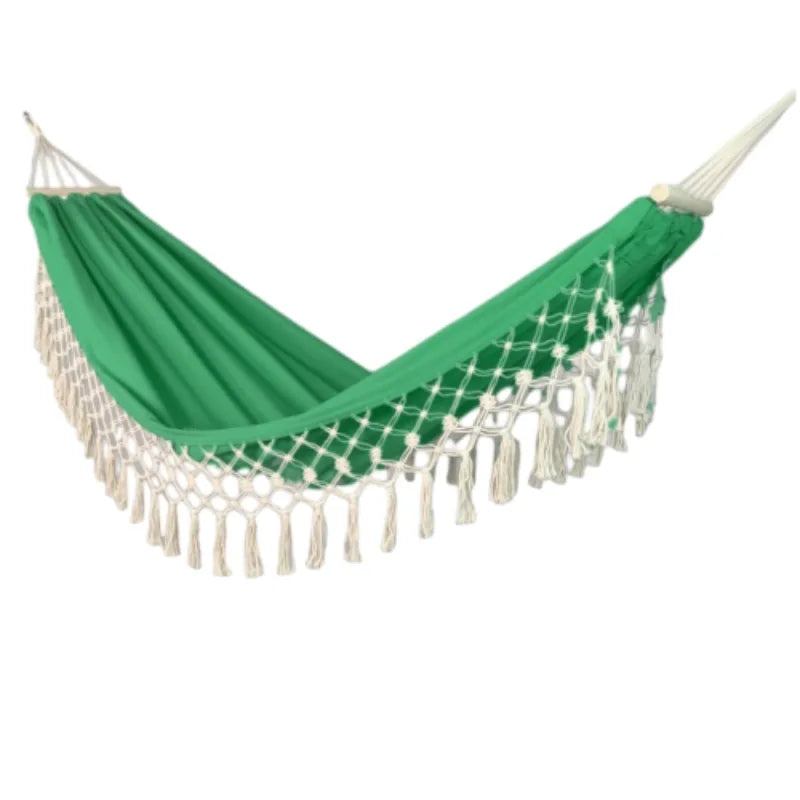
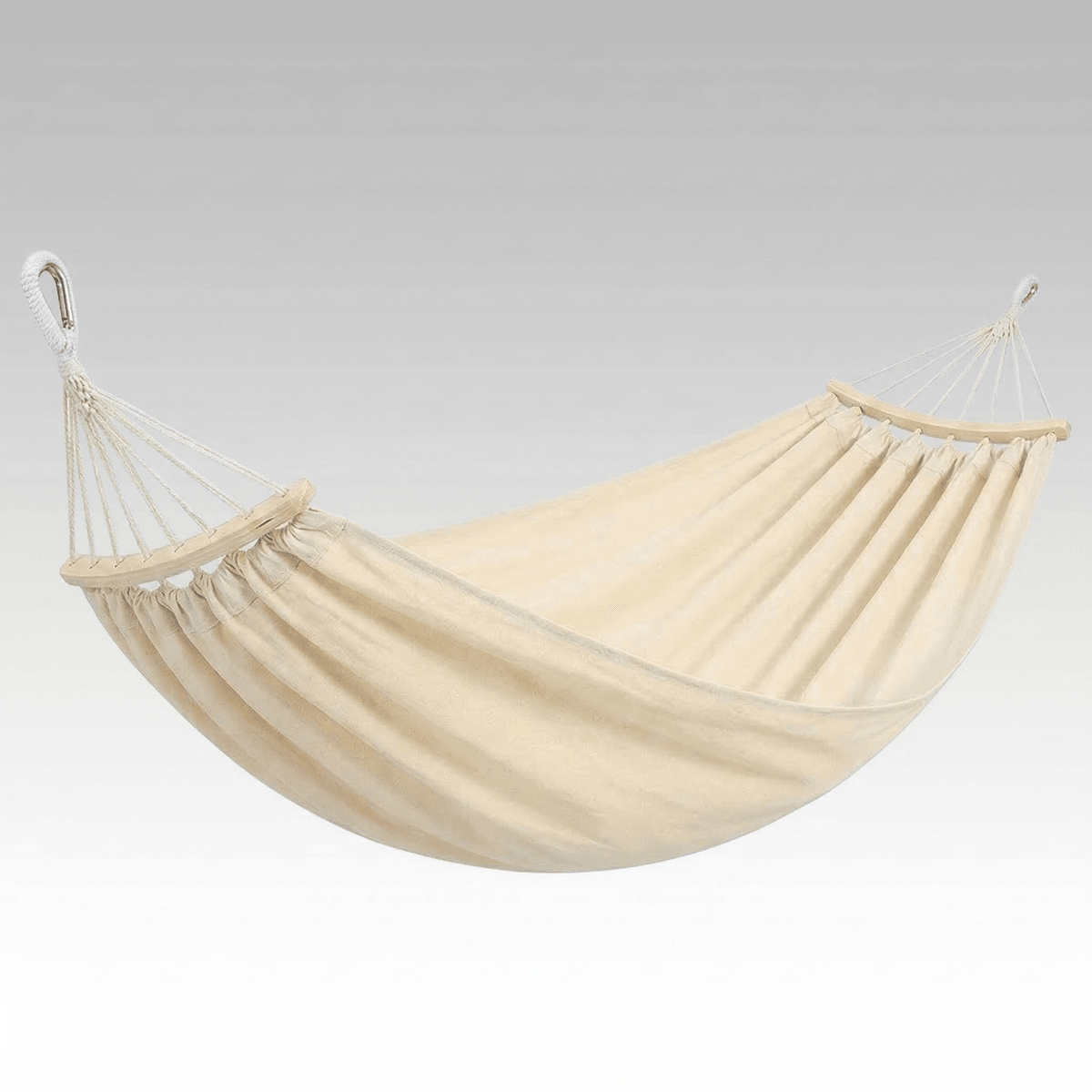
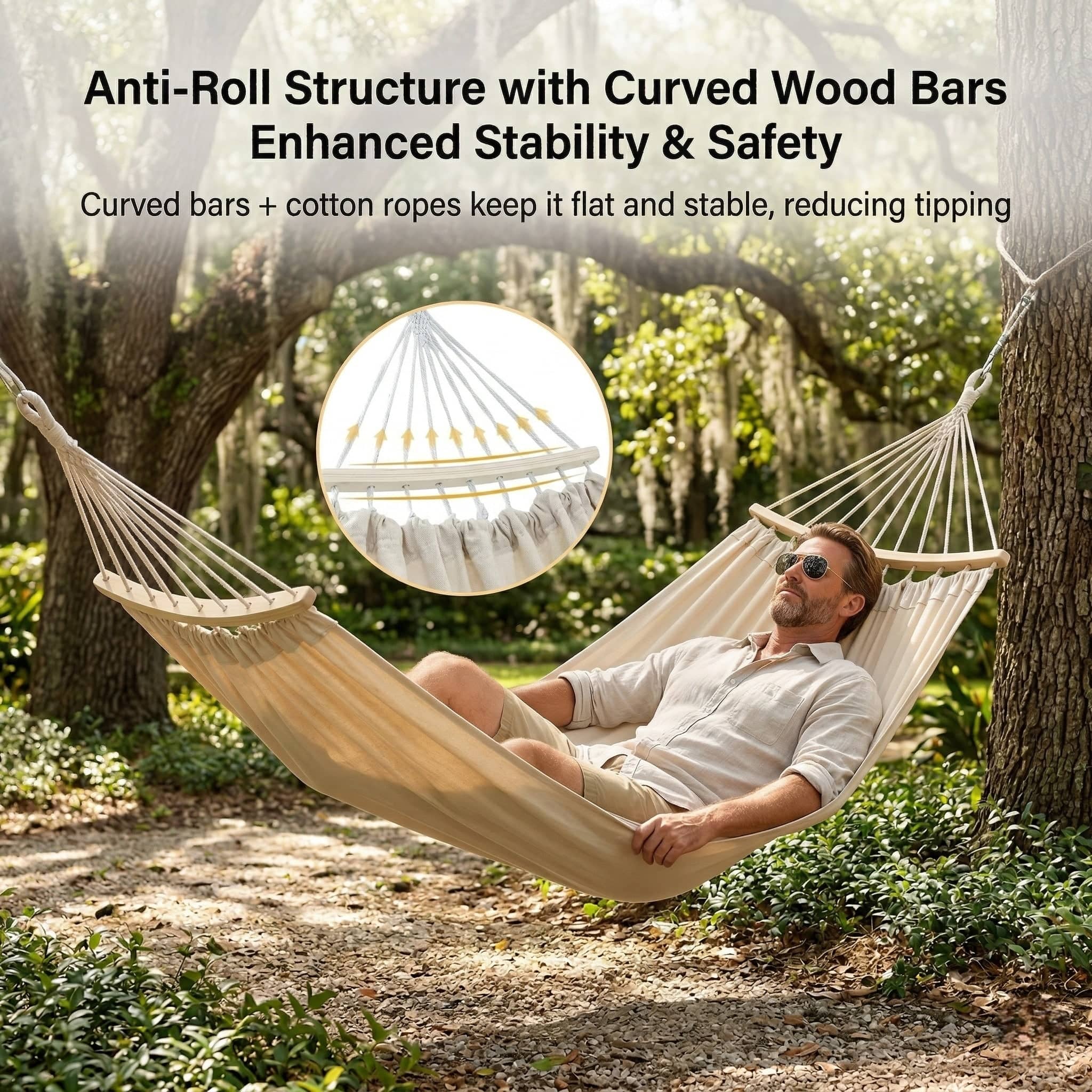
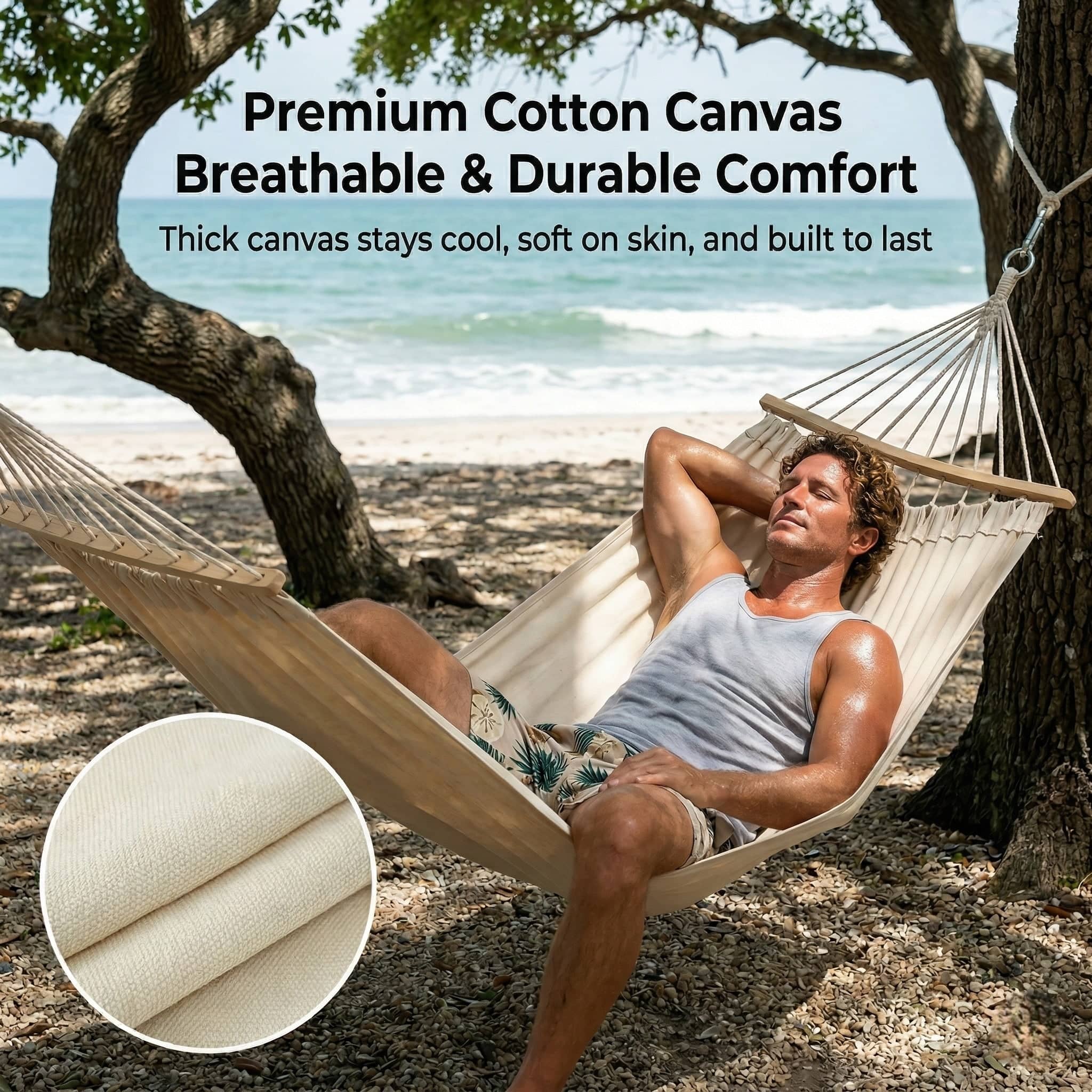
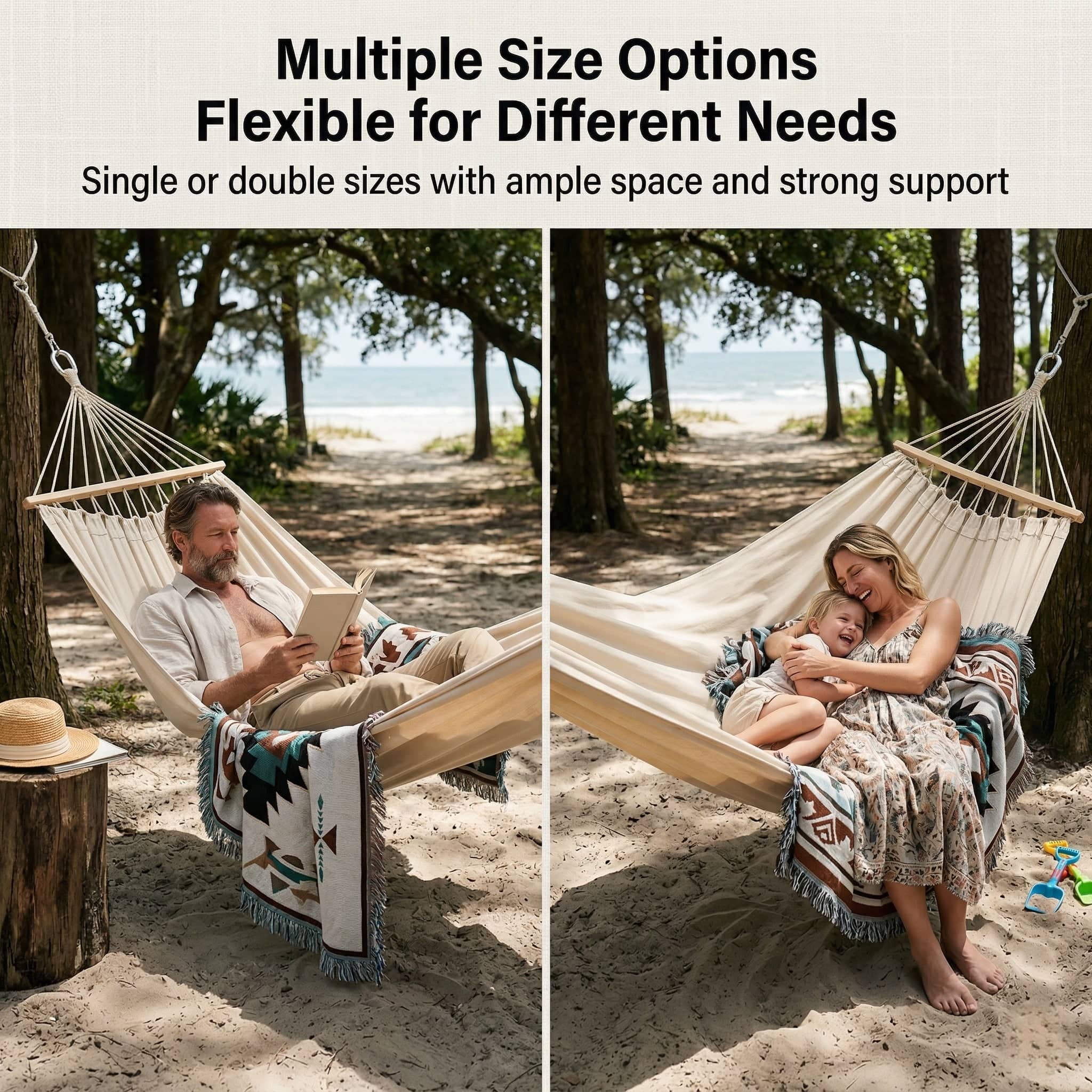
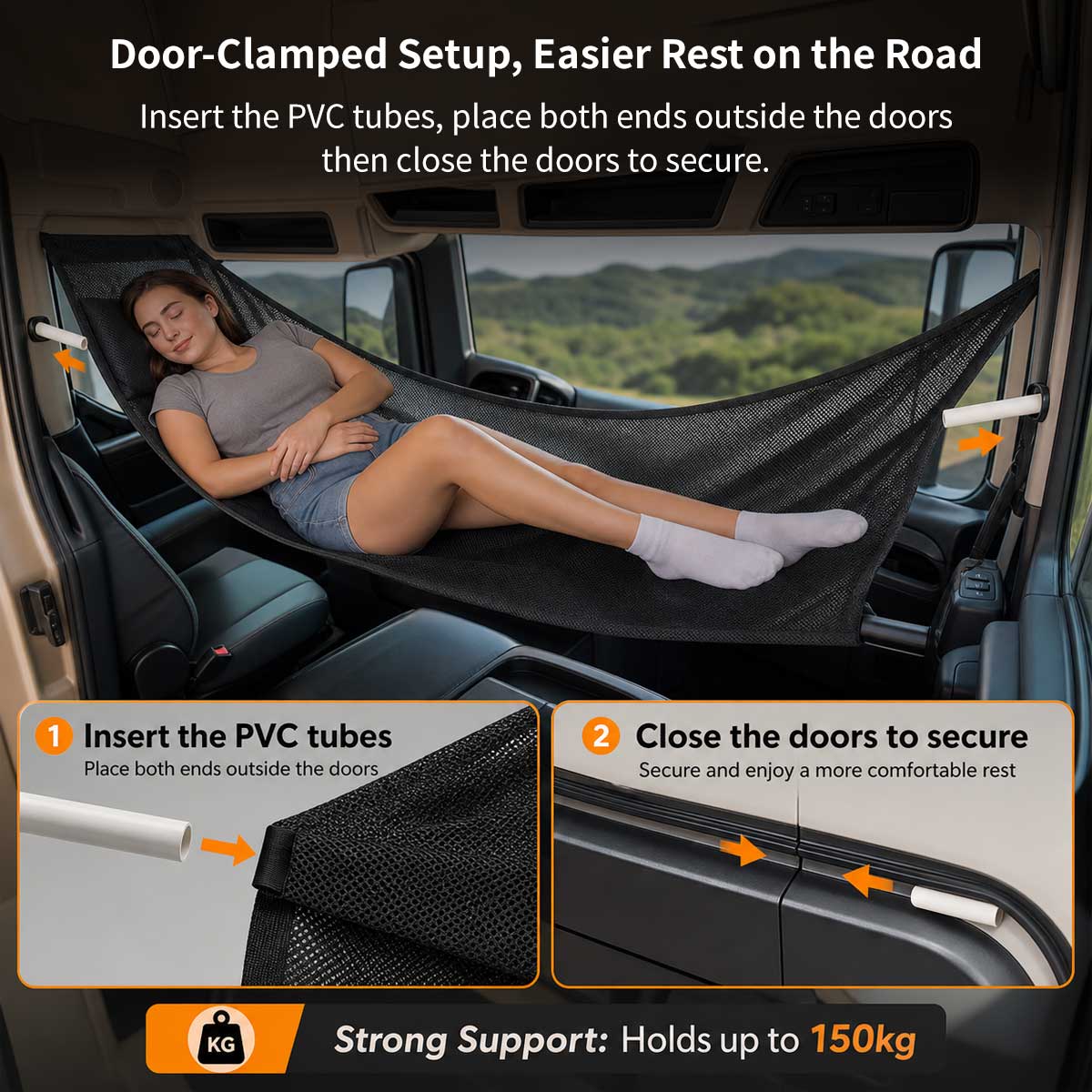
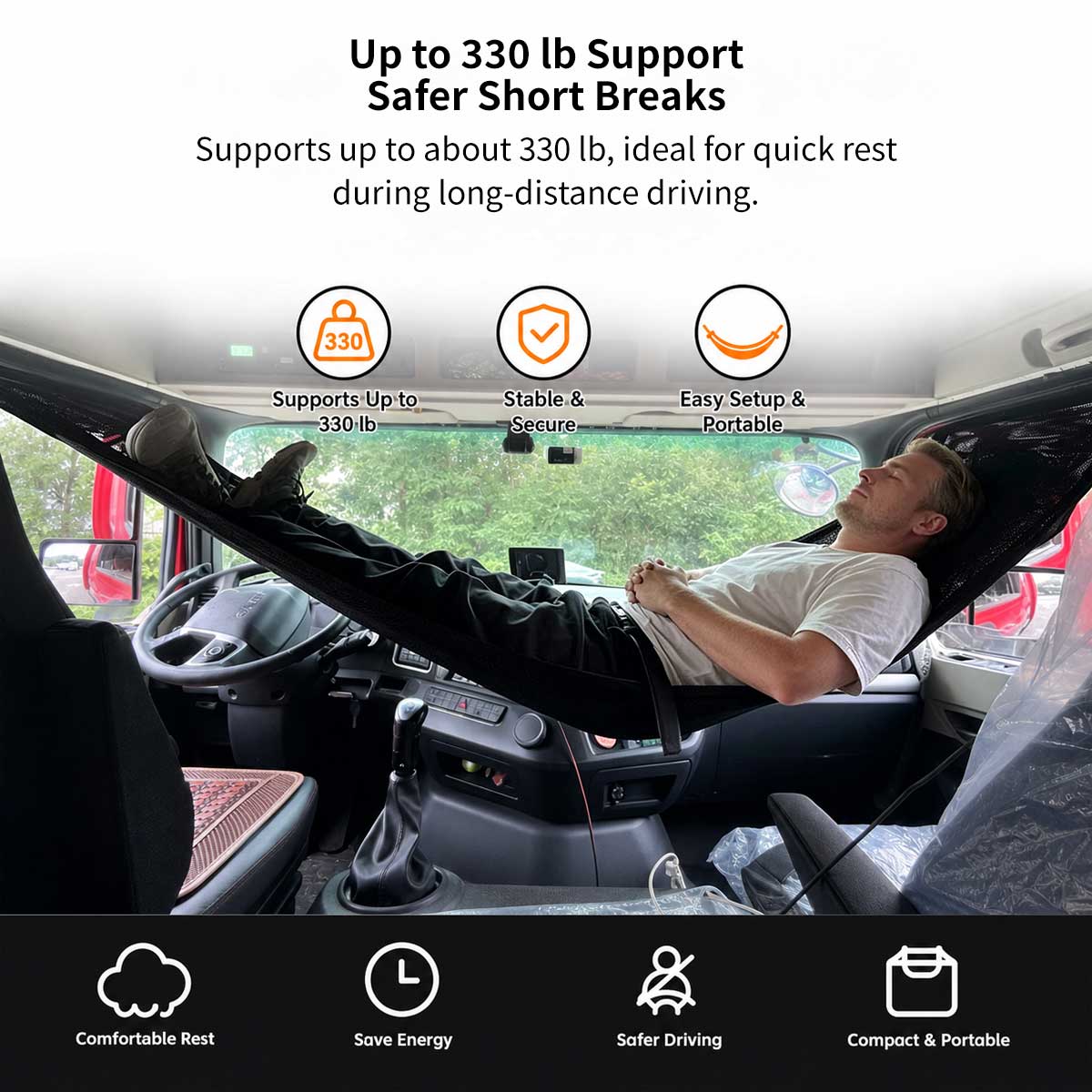
Traverseon Classic Canvas Anti-Rollover Hammock
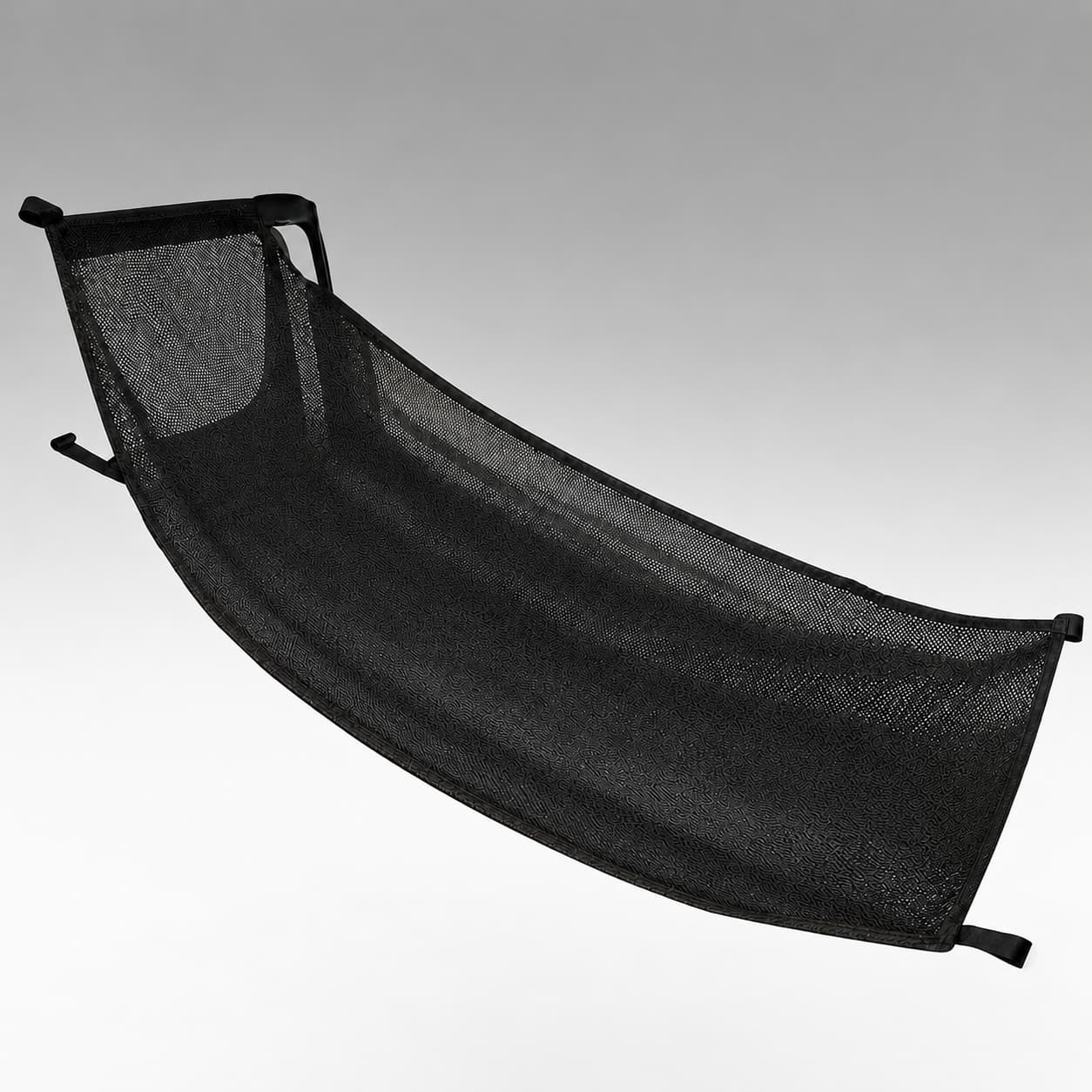
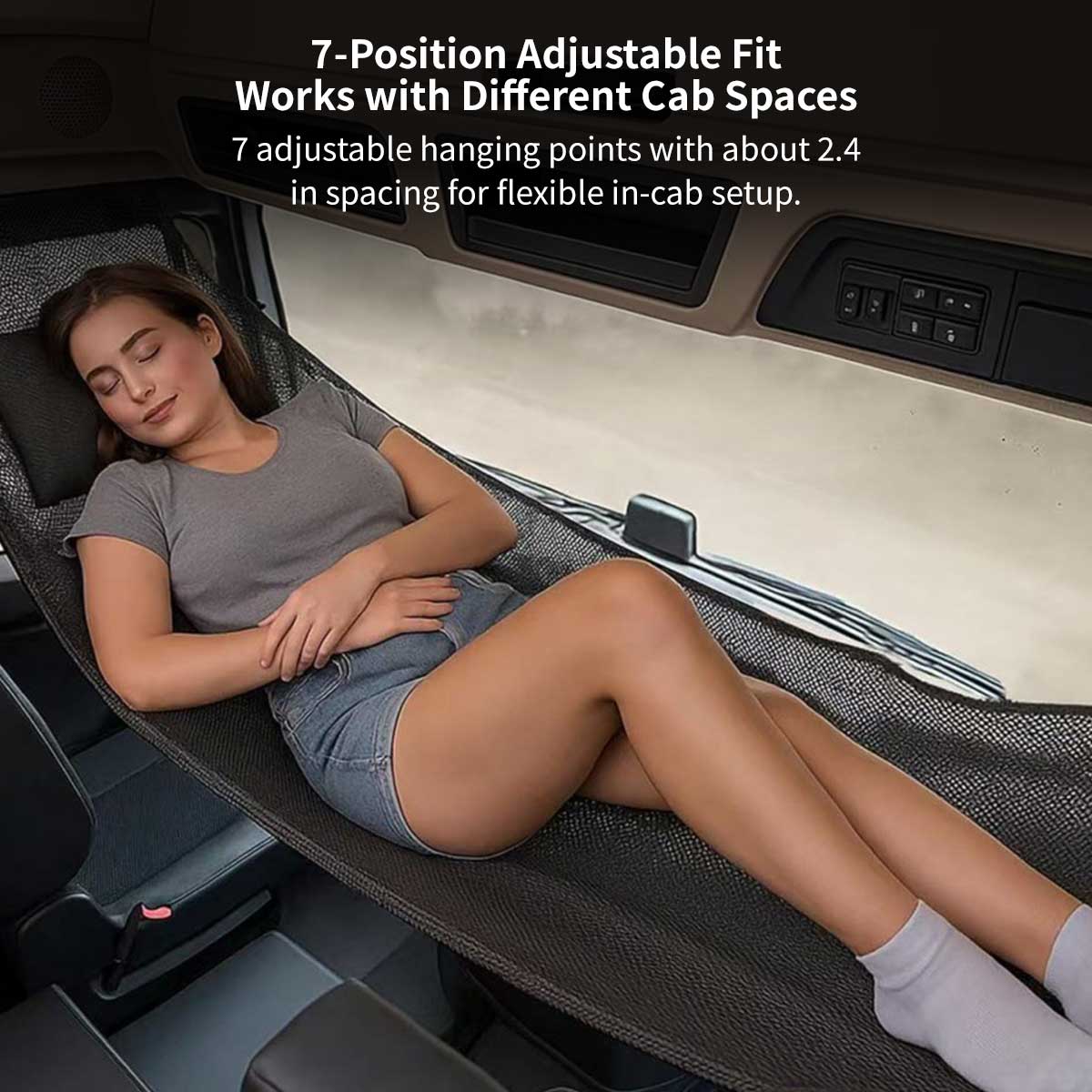
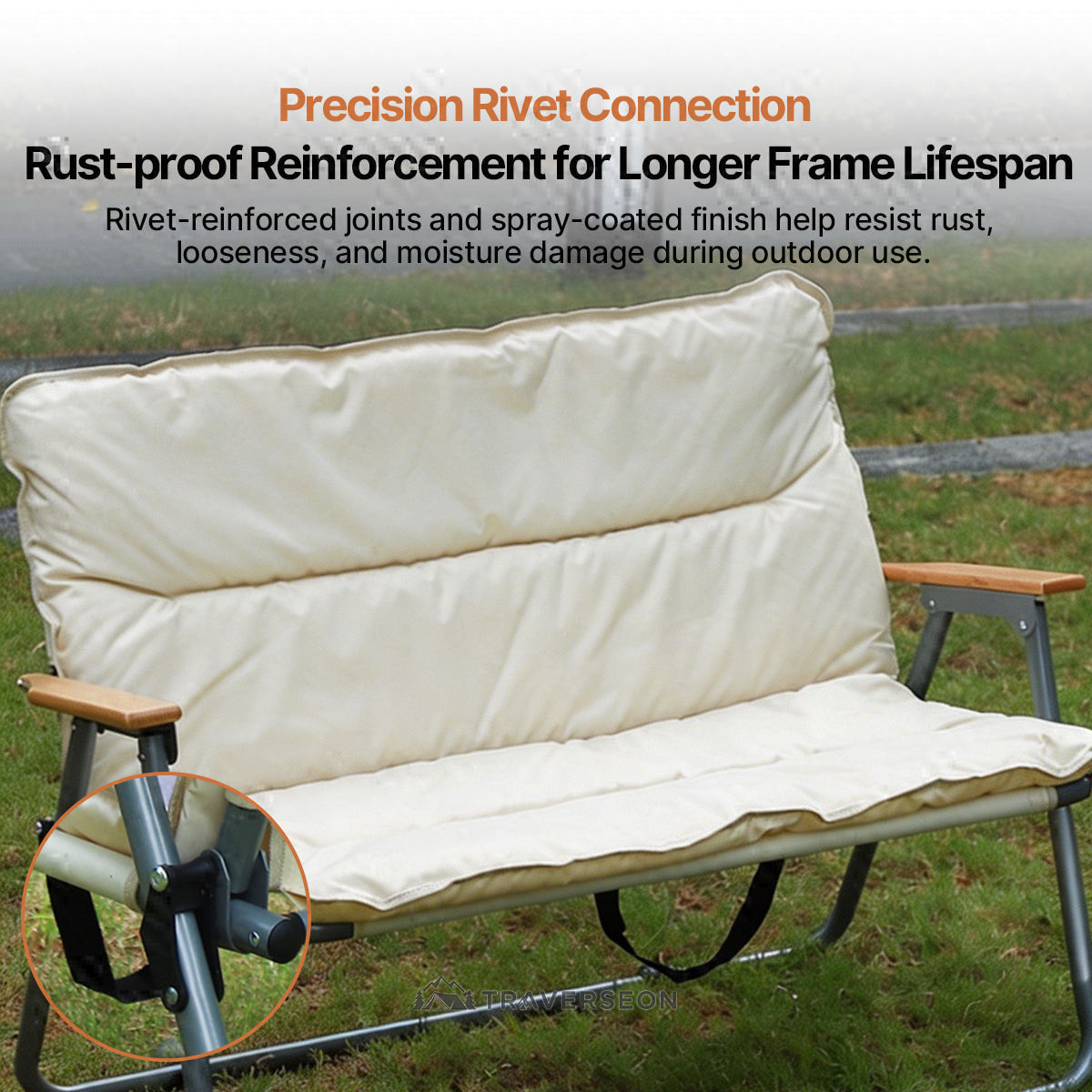
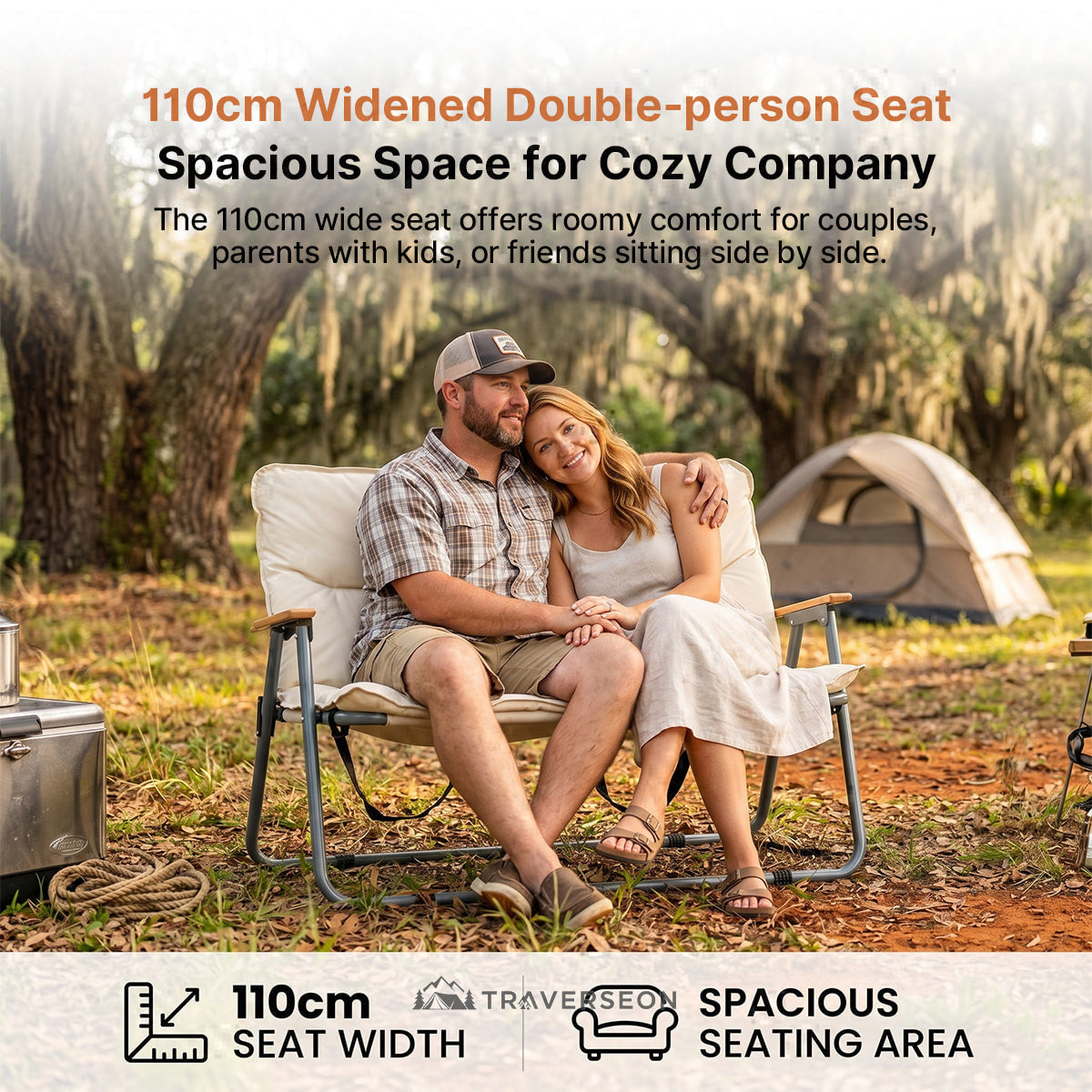
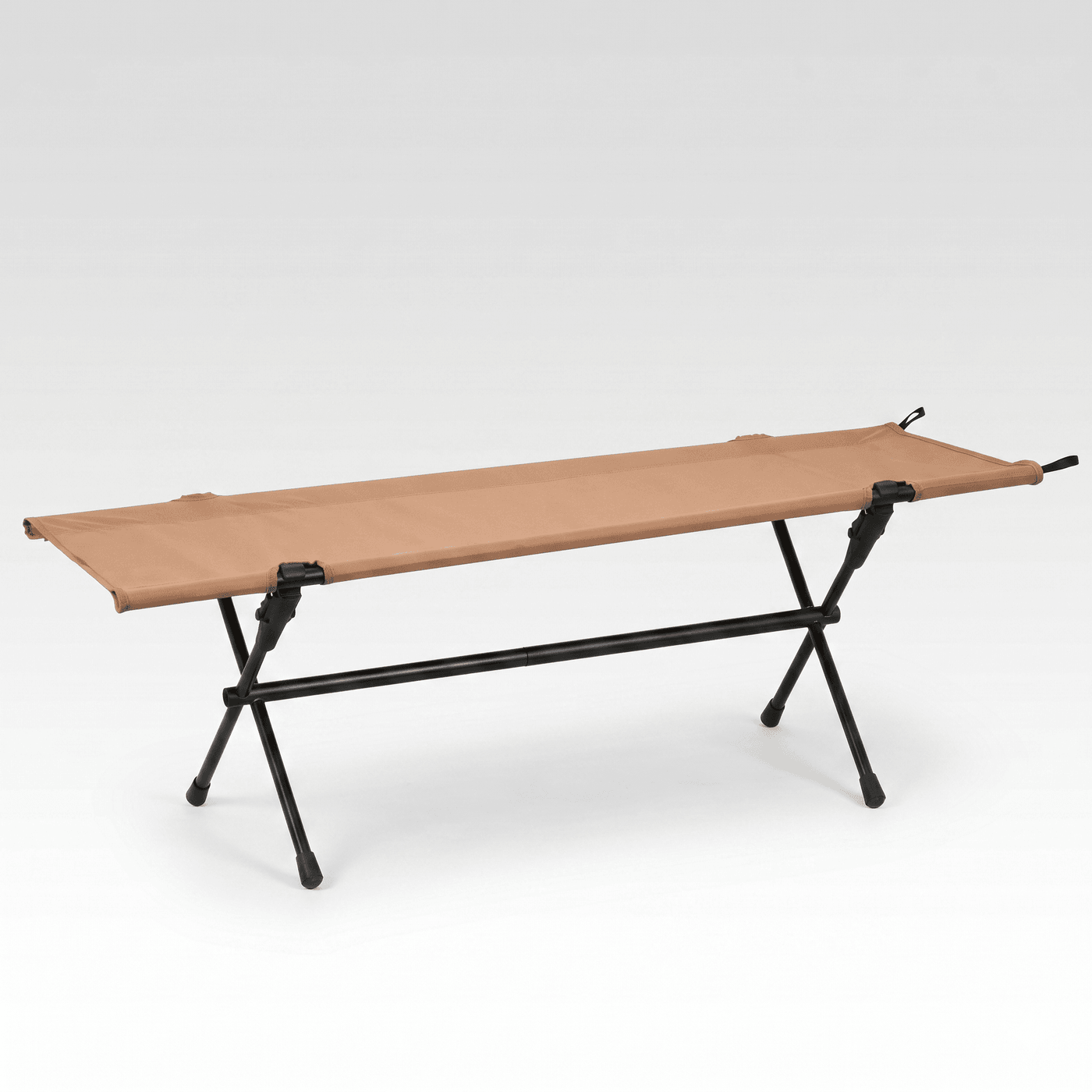
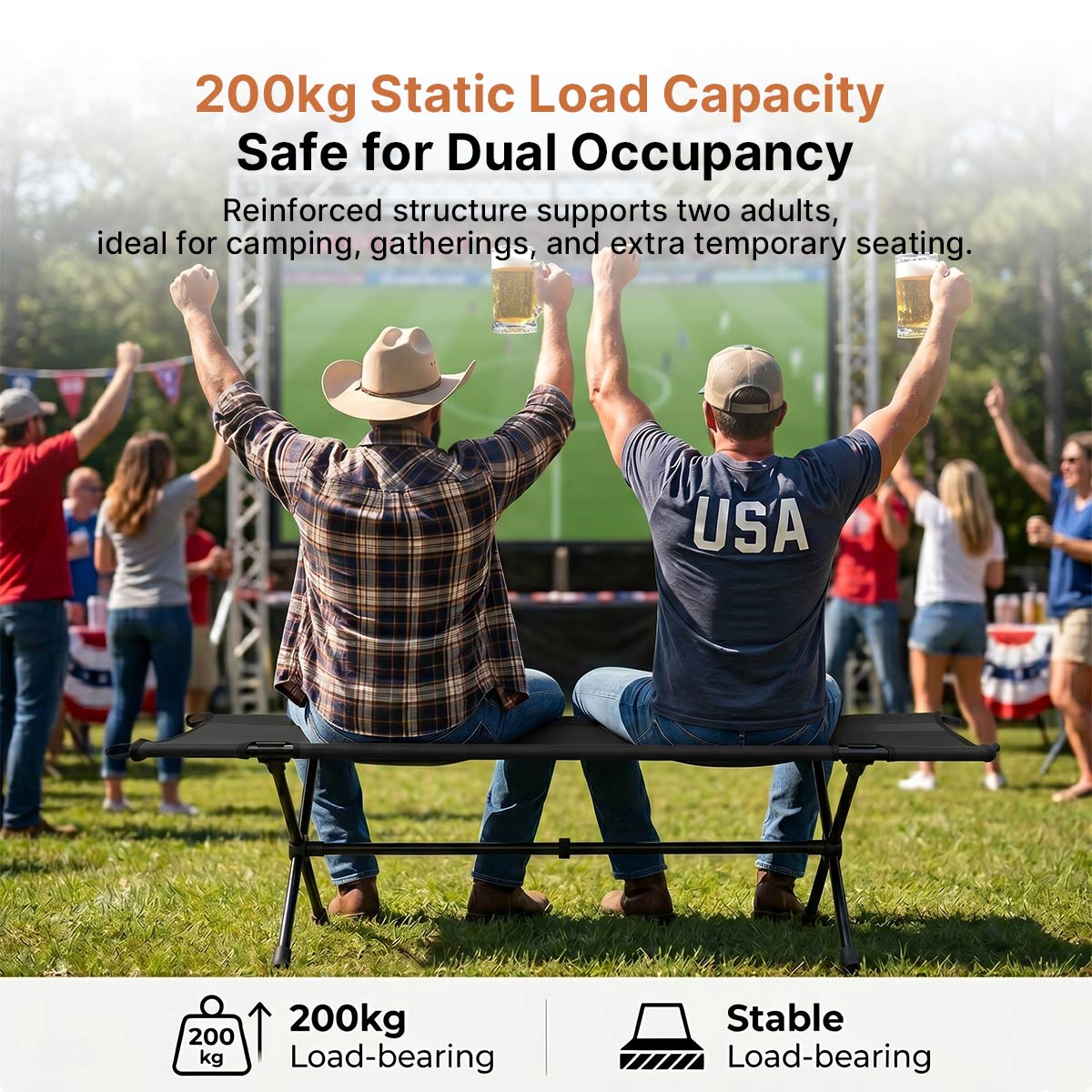
Chair & Table
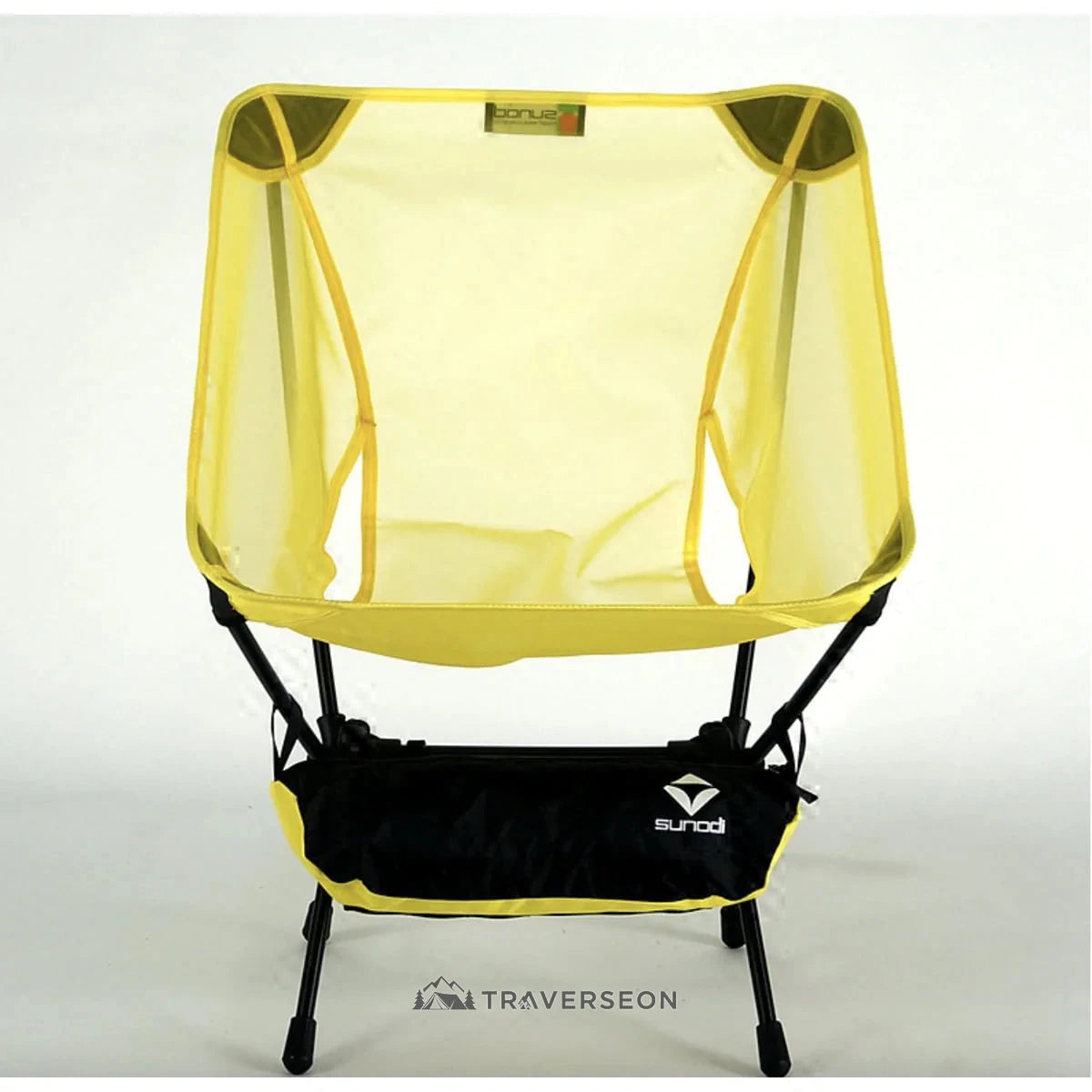
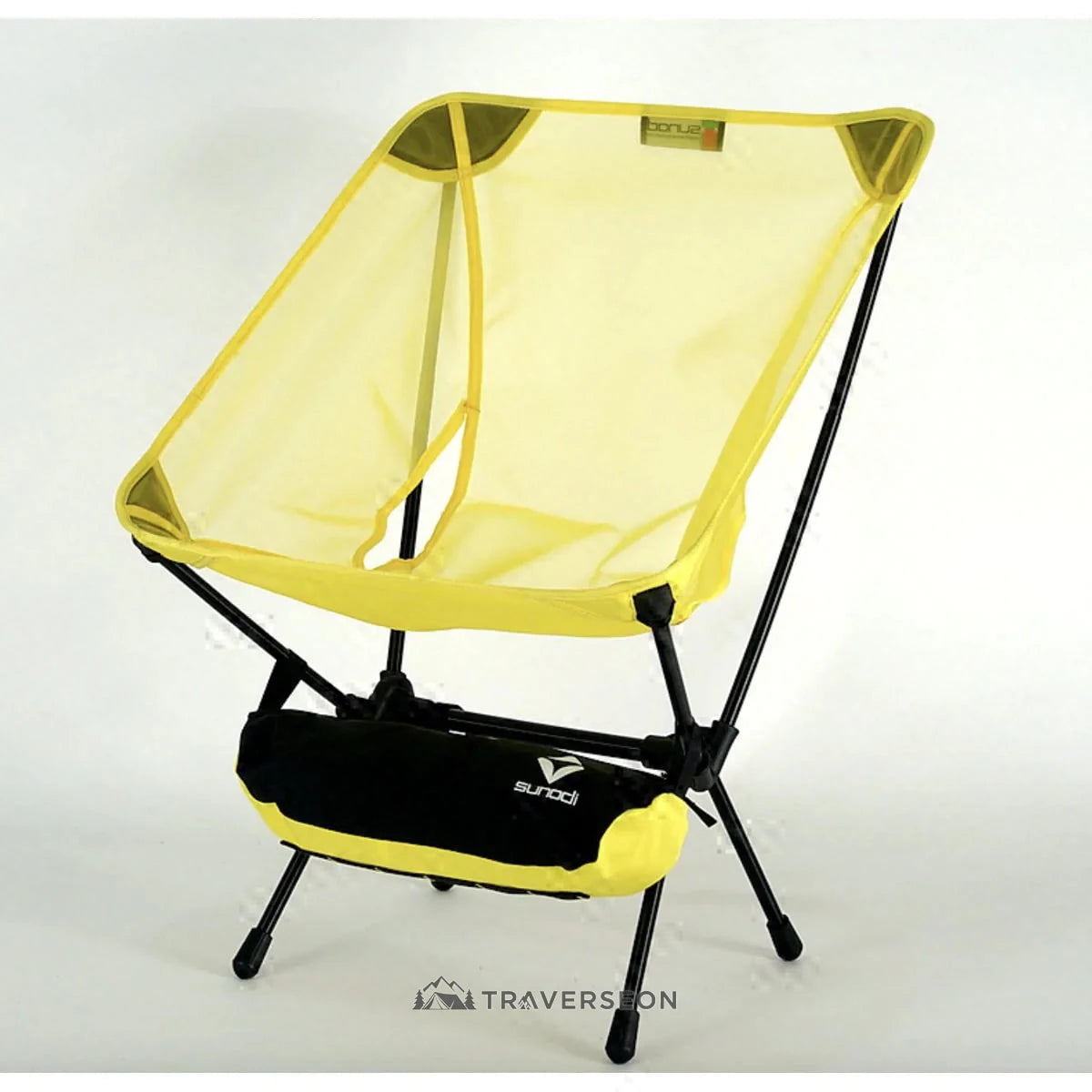
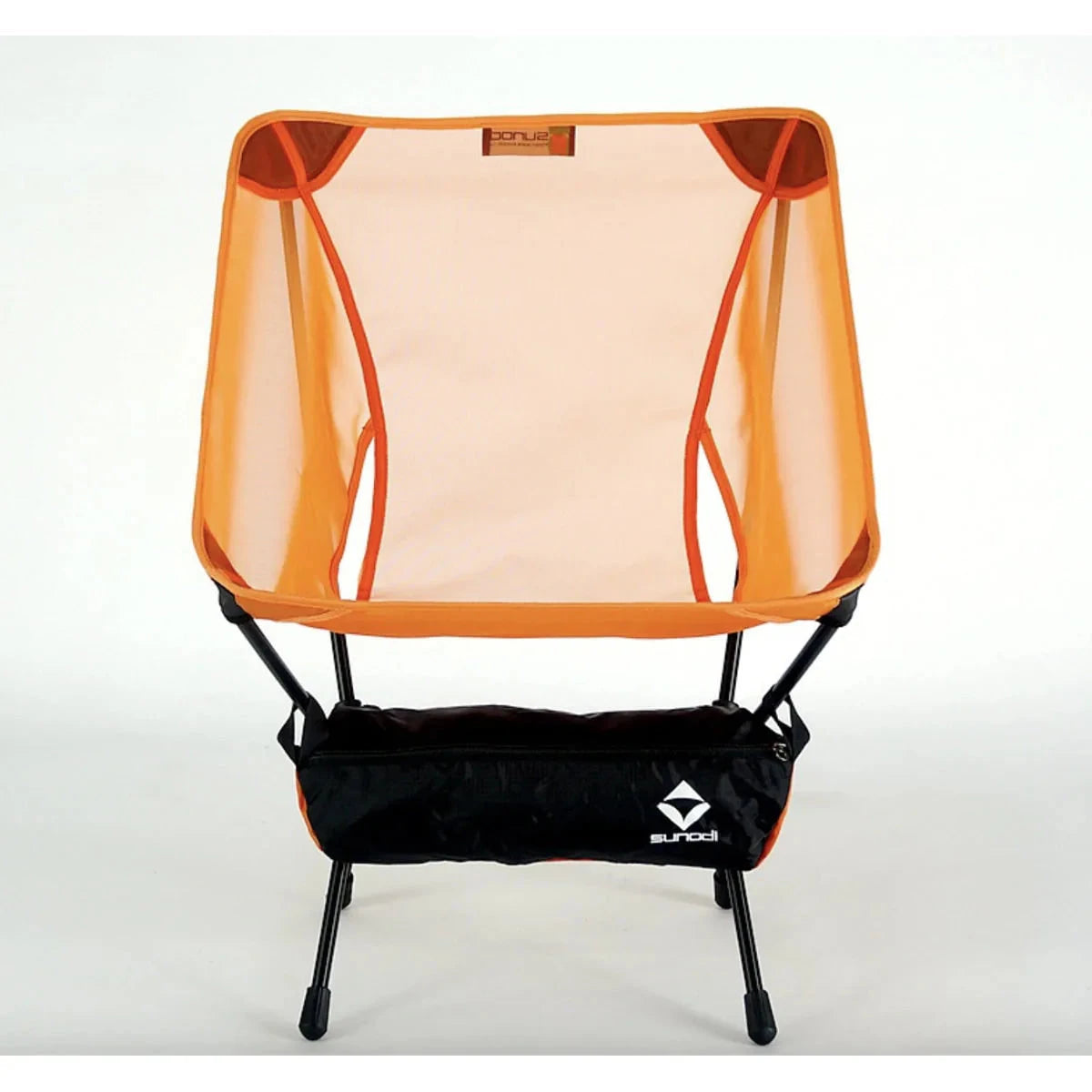
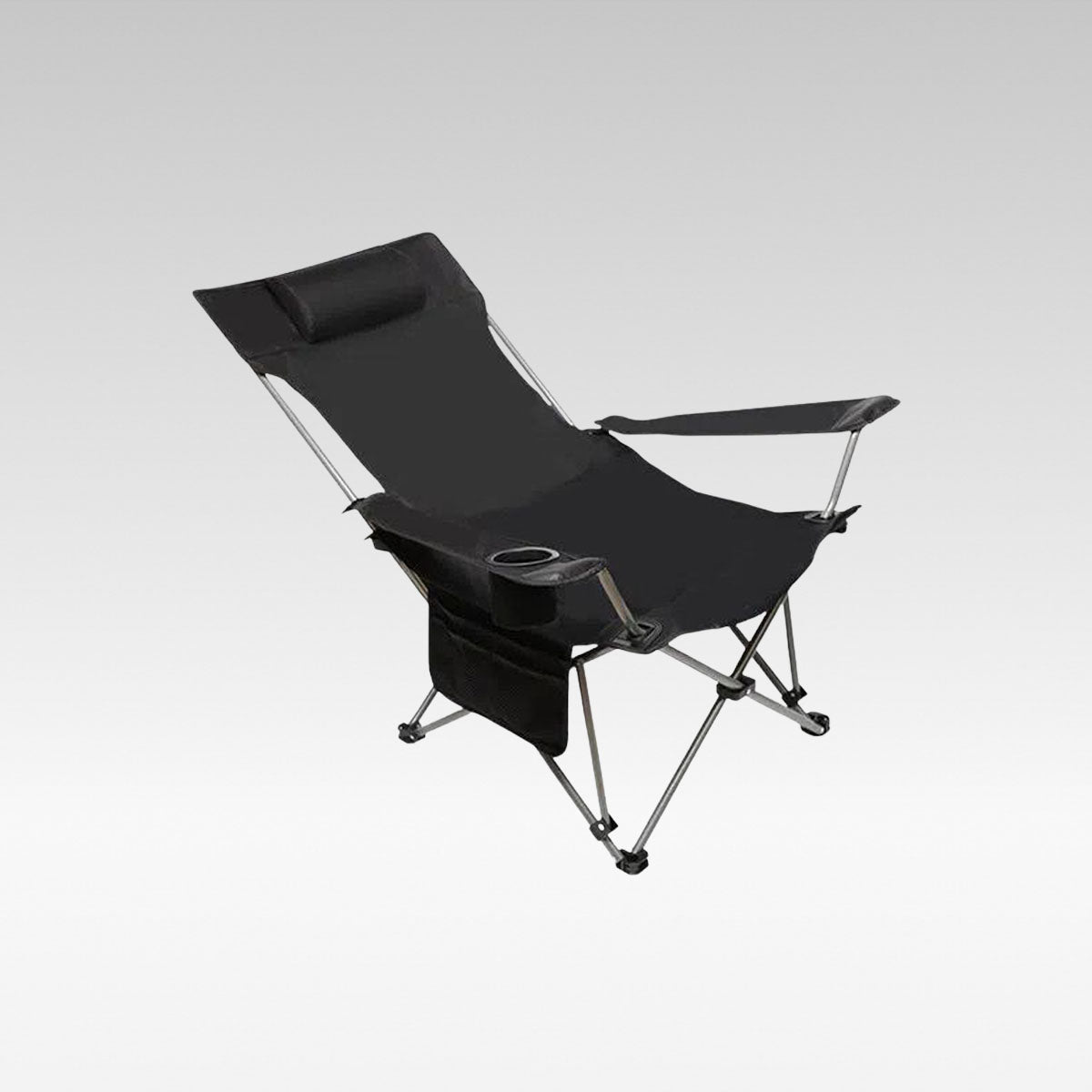
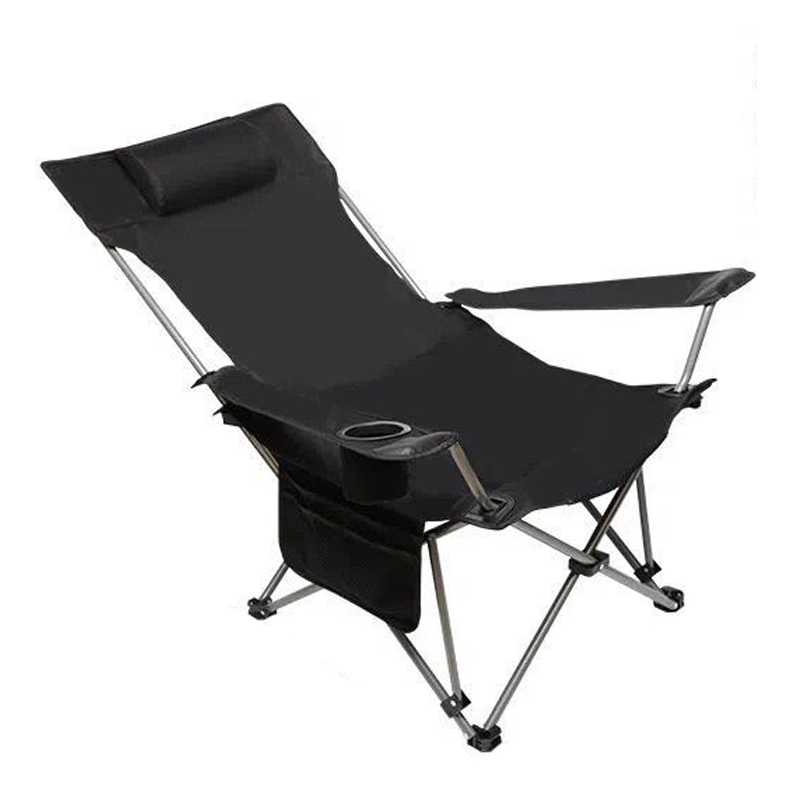
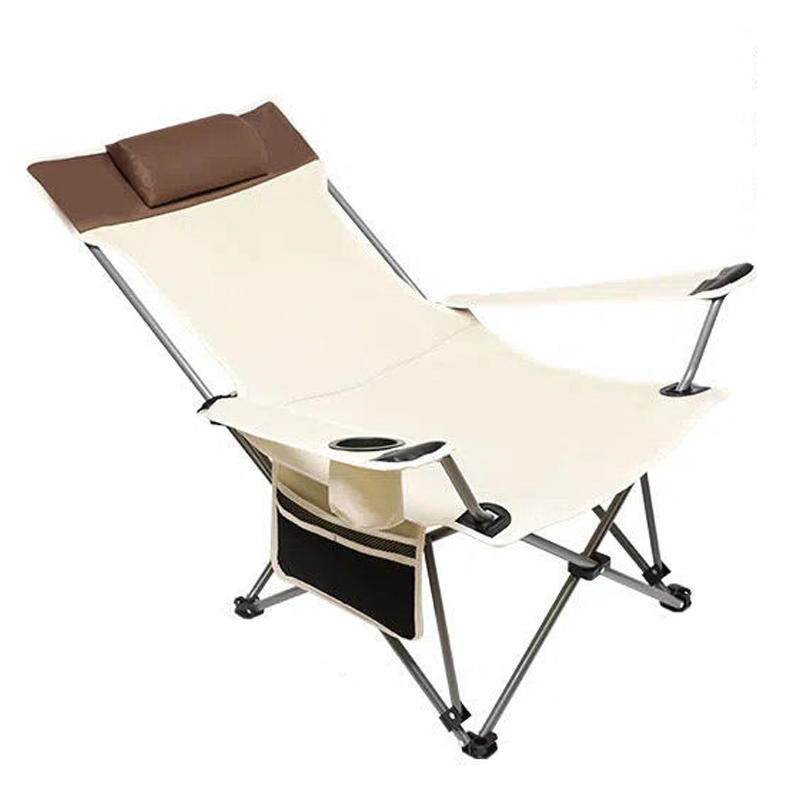
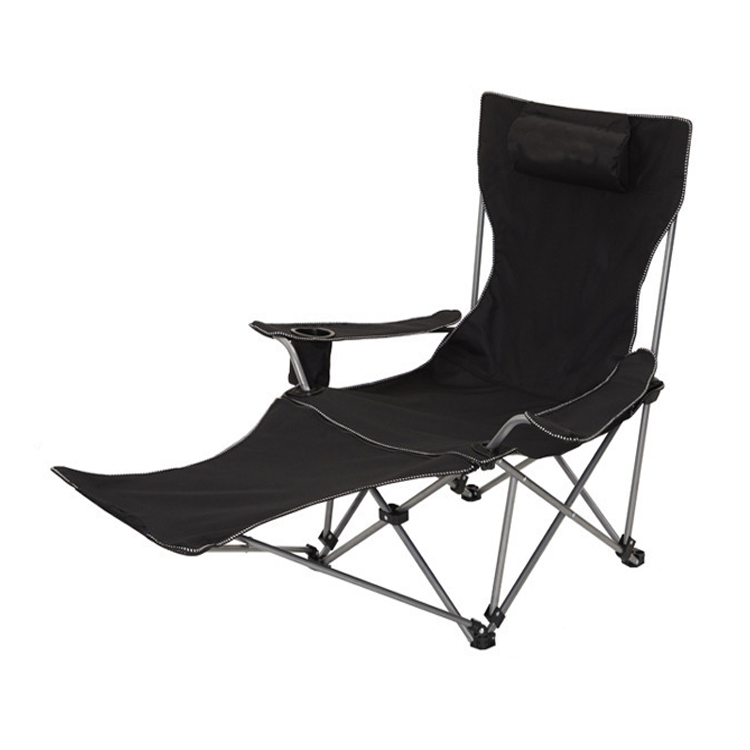
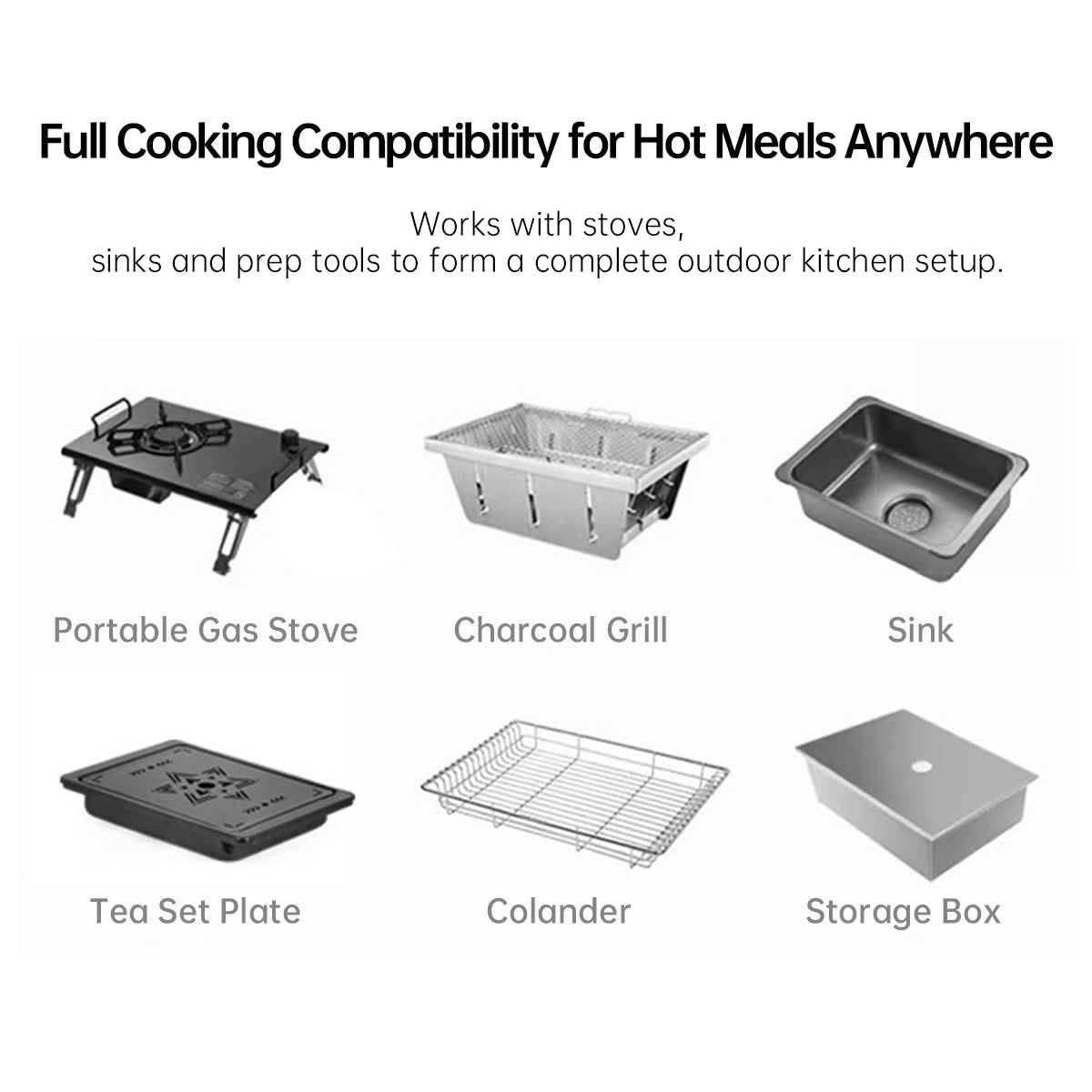
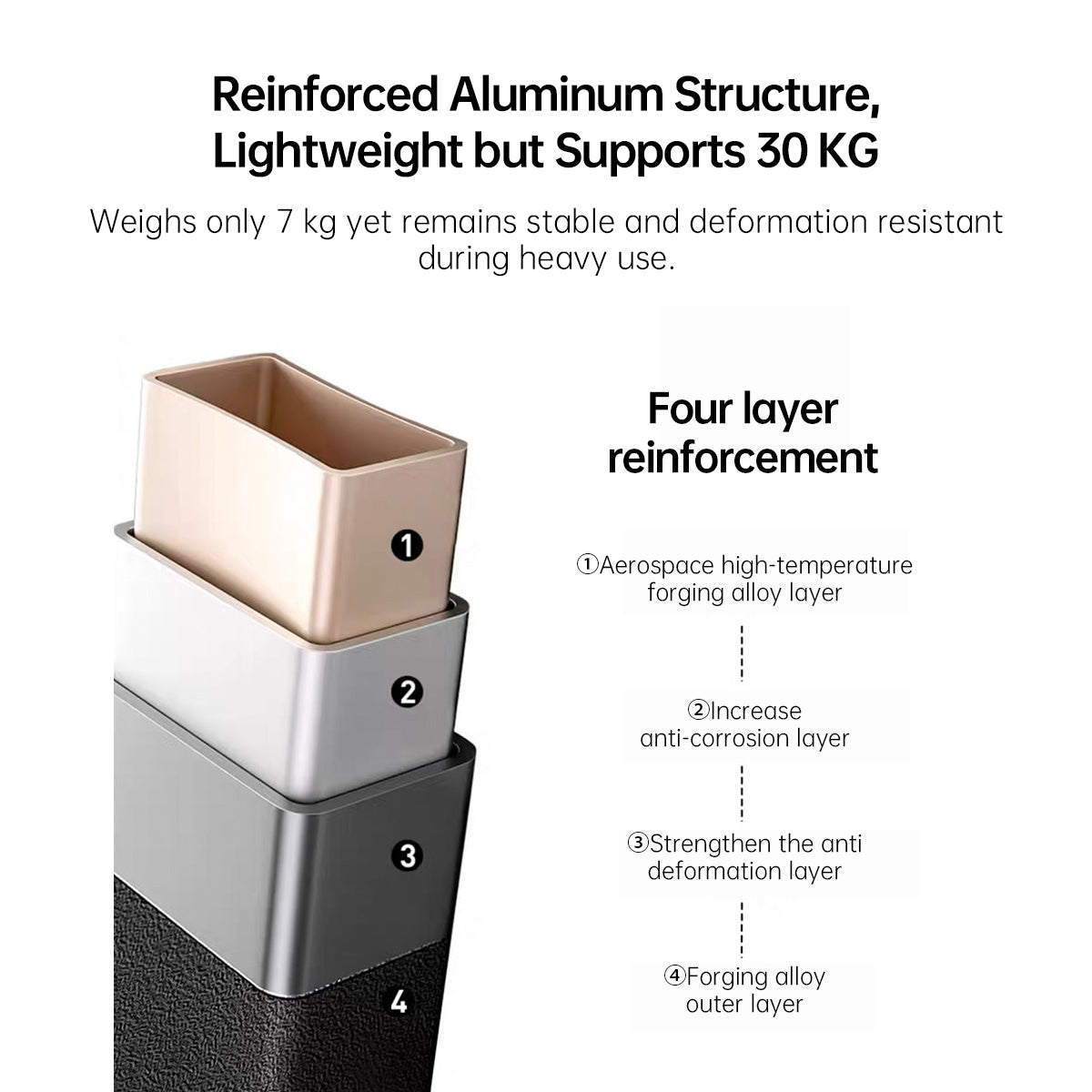
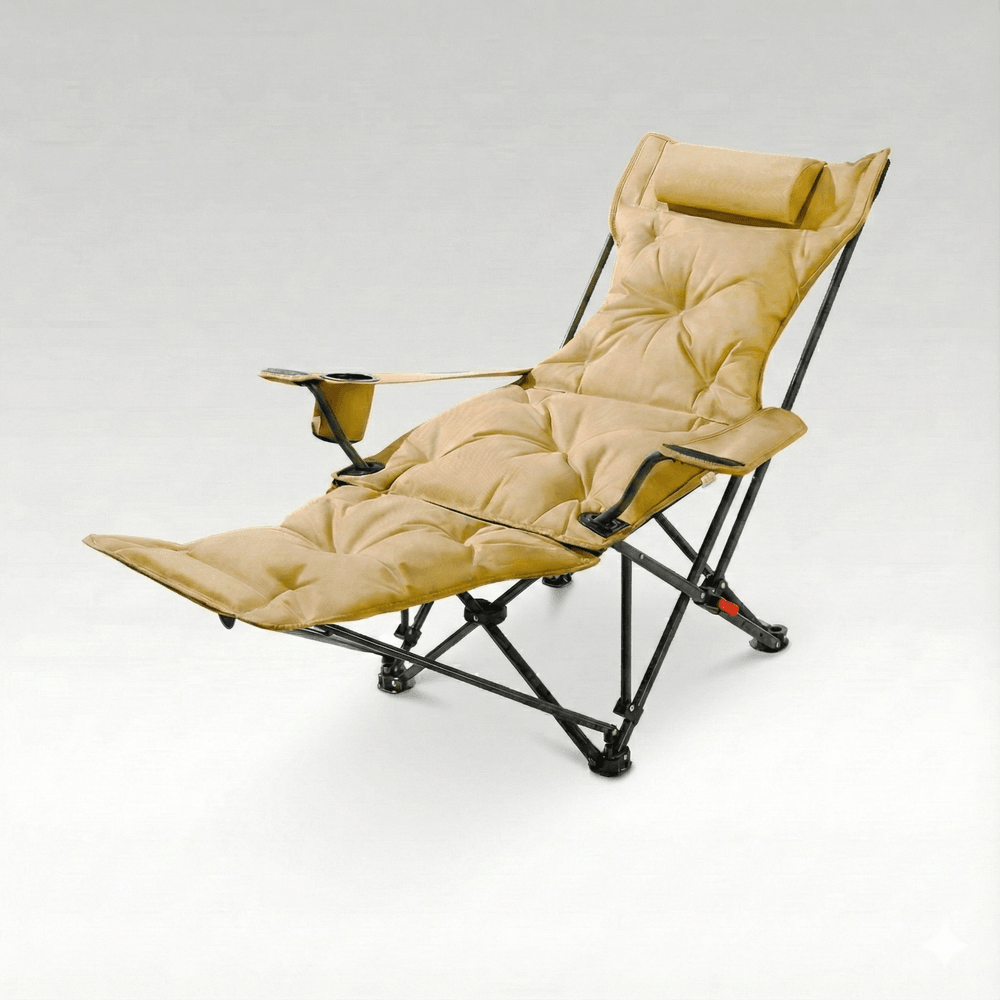
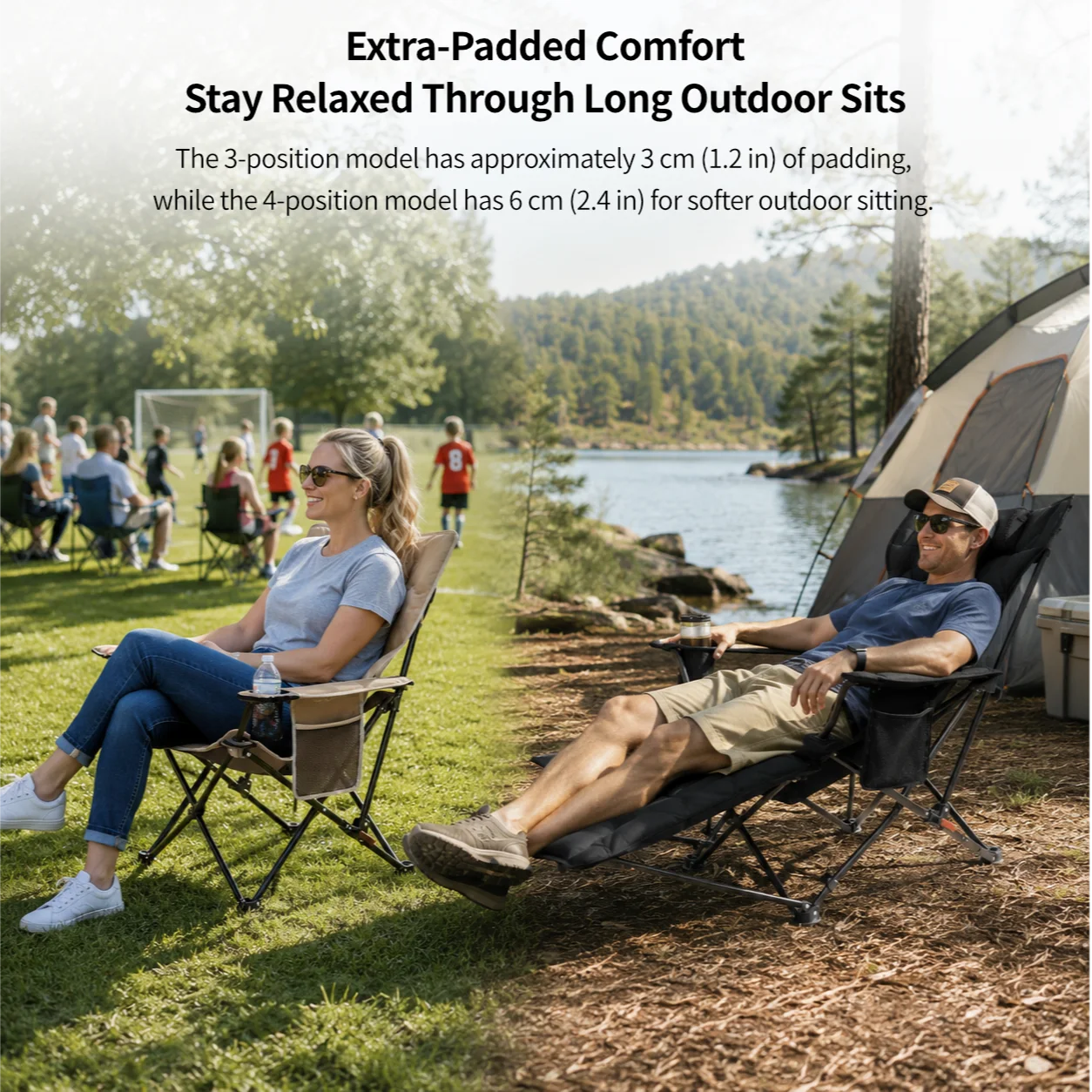
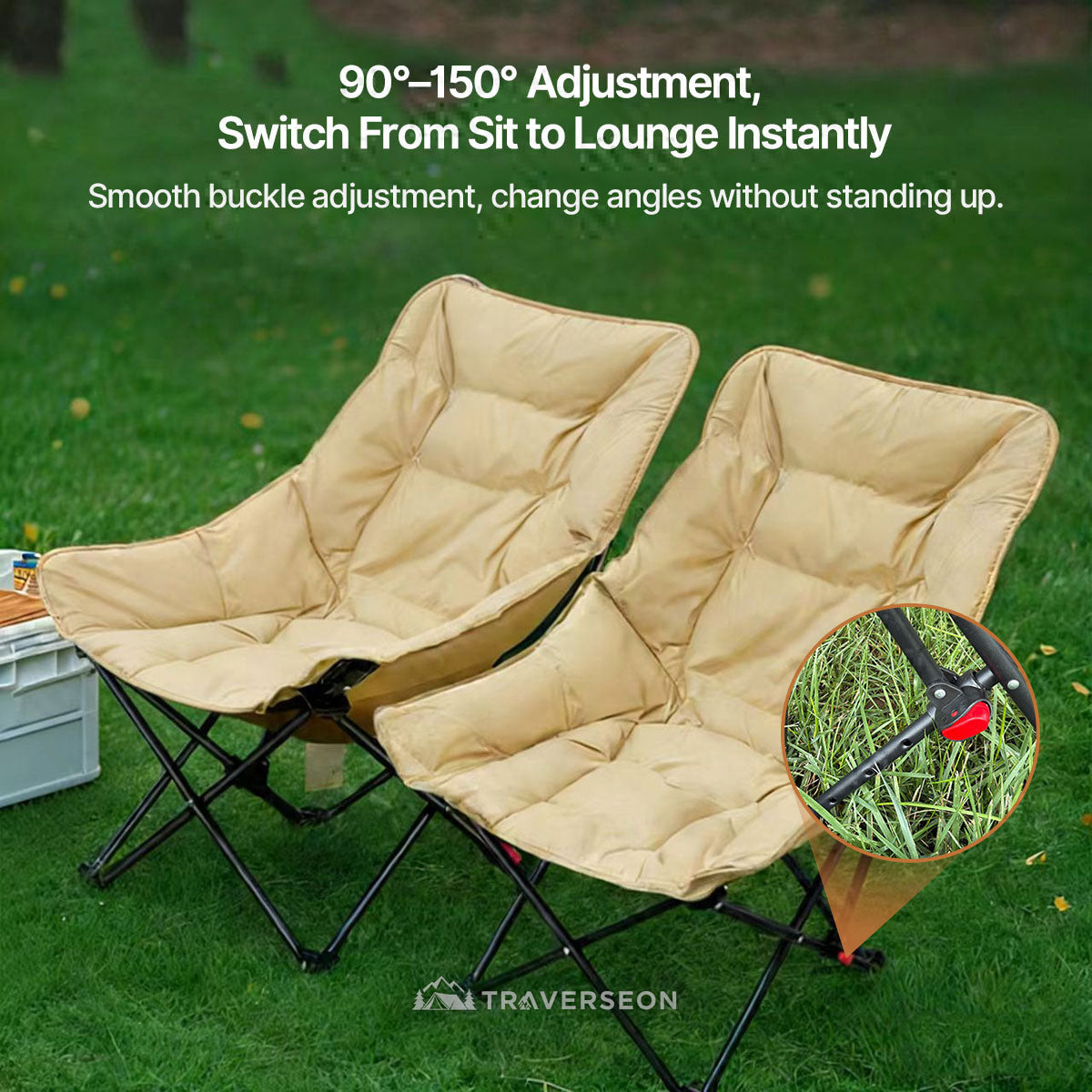
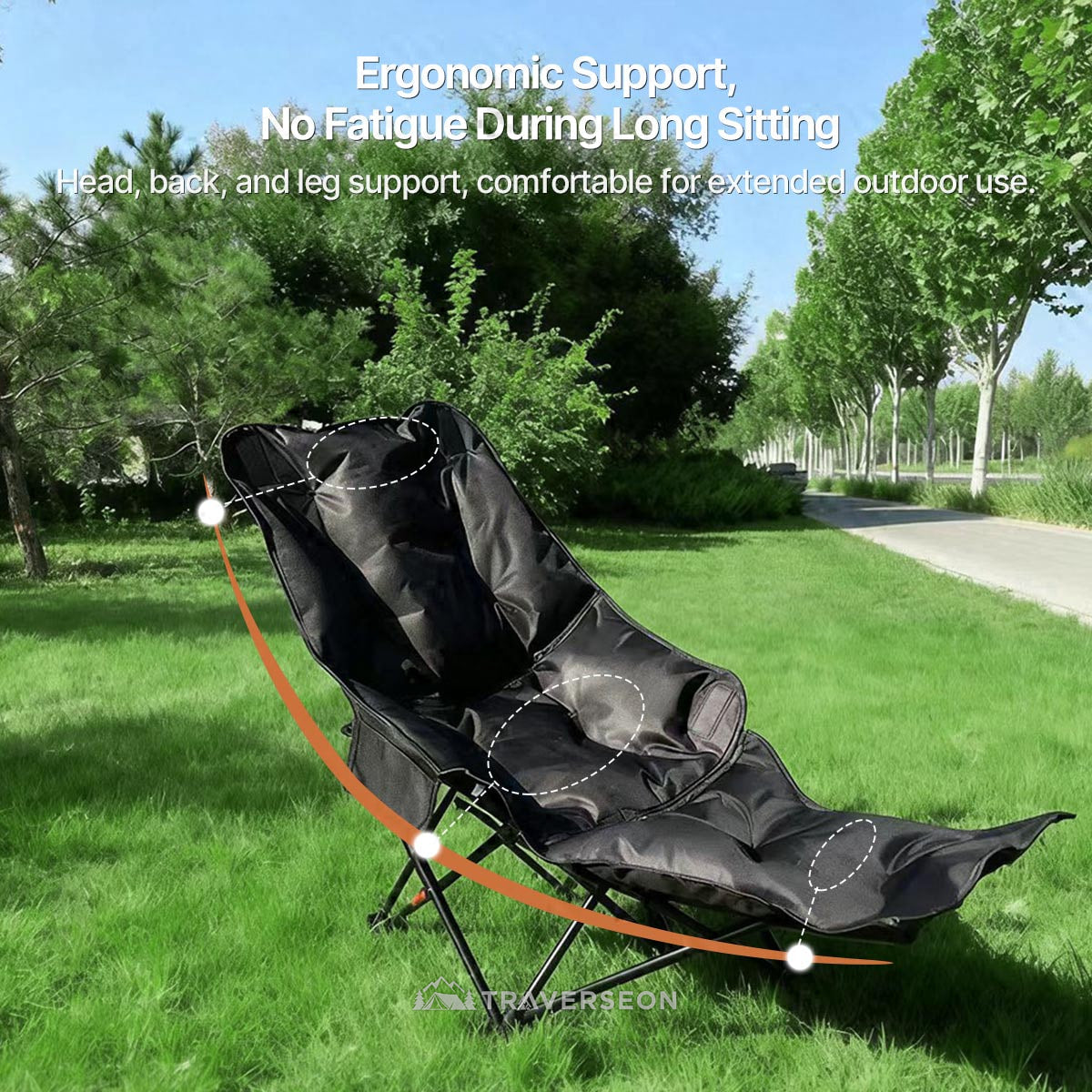
Traverseon Aerospace Aluminum Reclining Chair
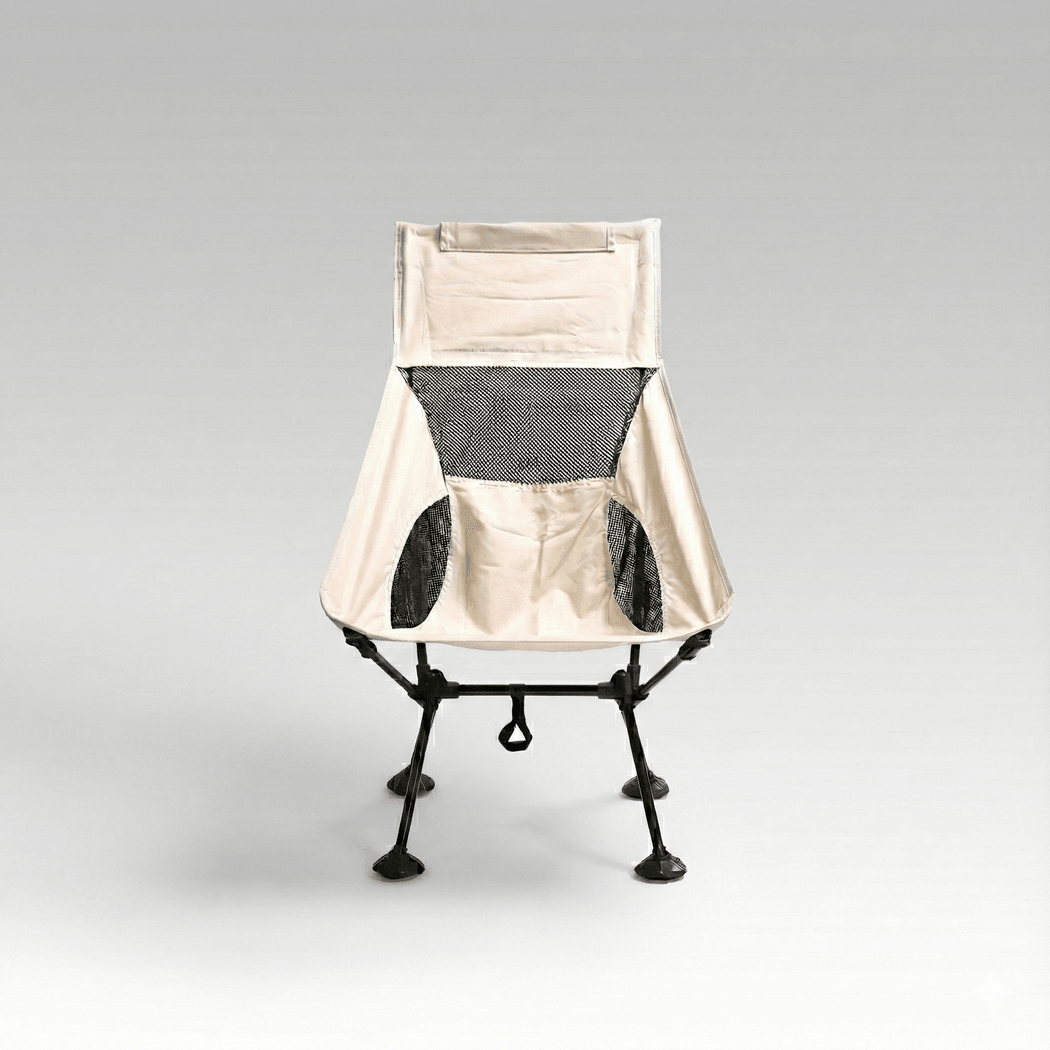
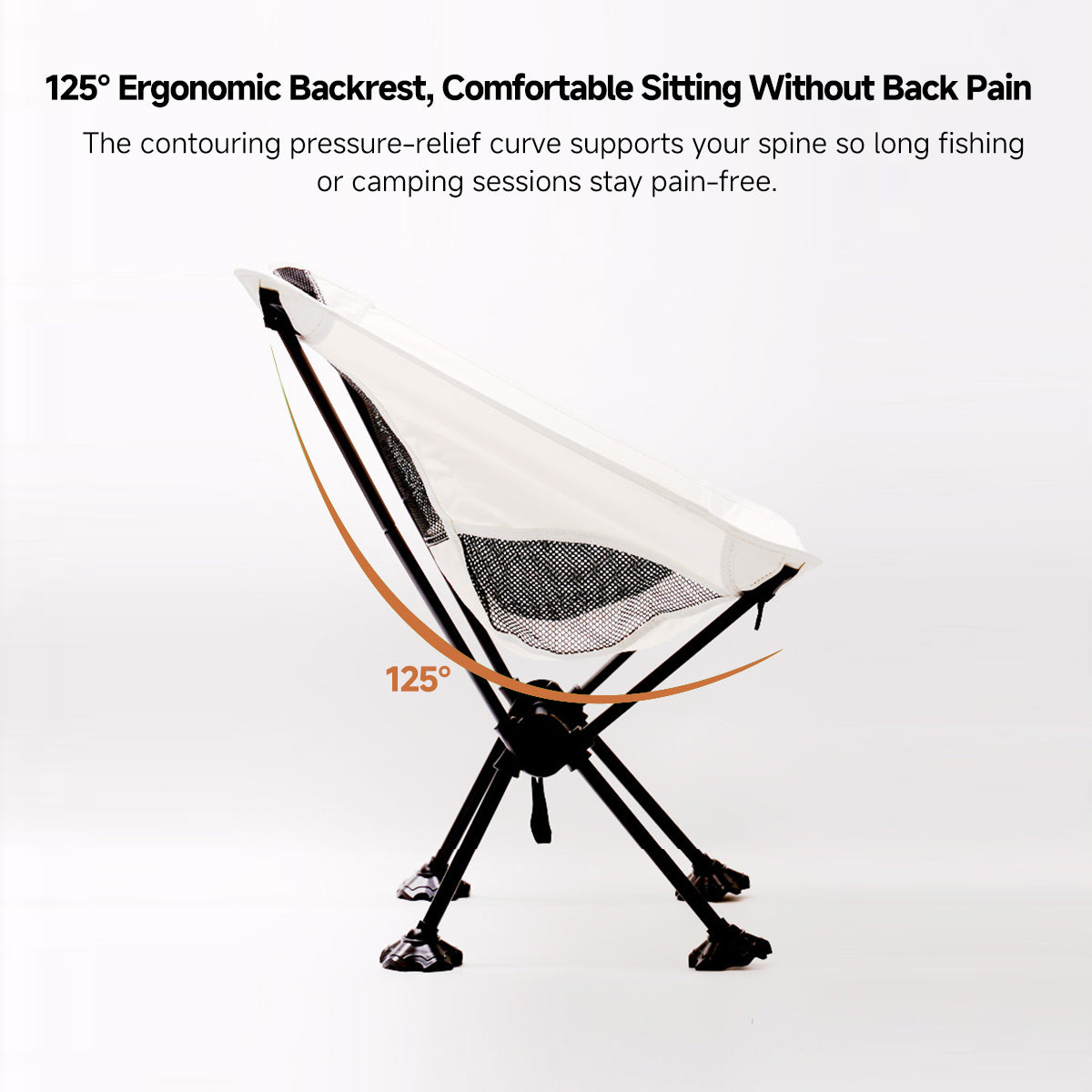
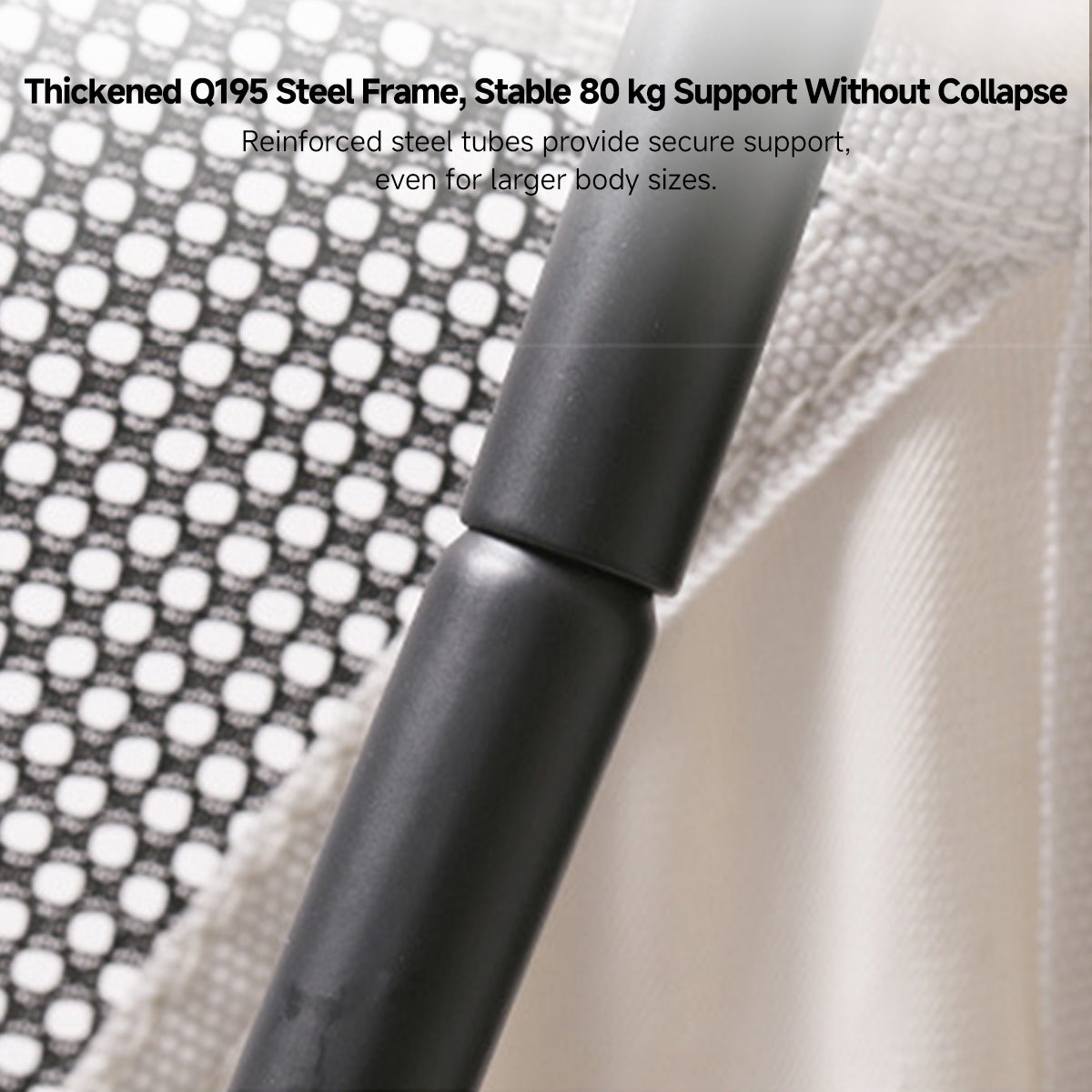
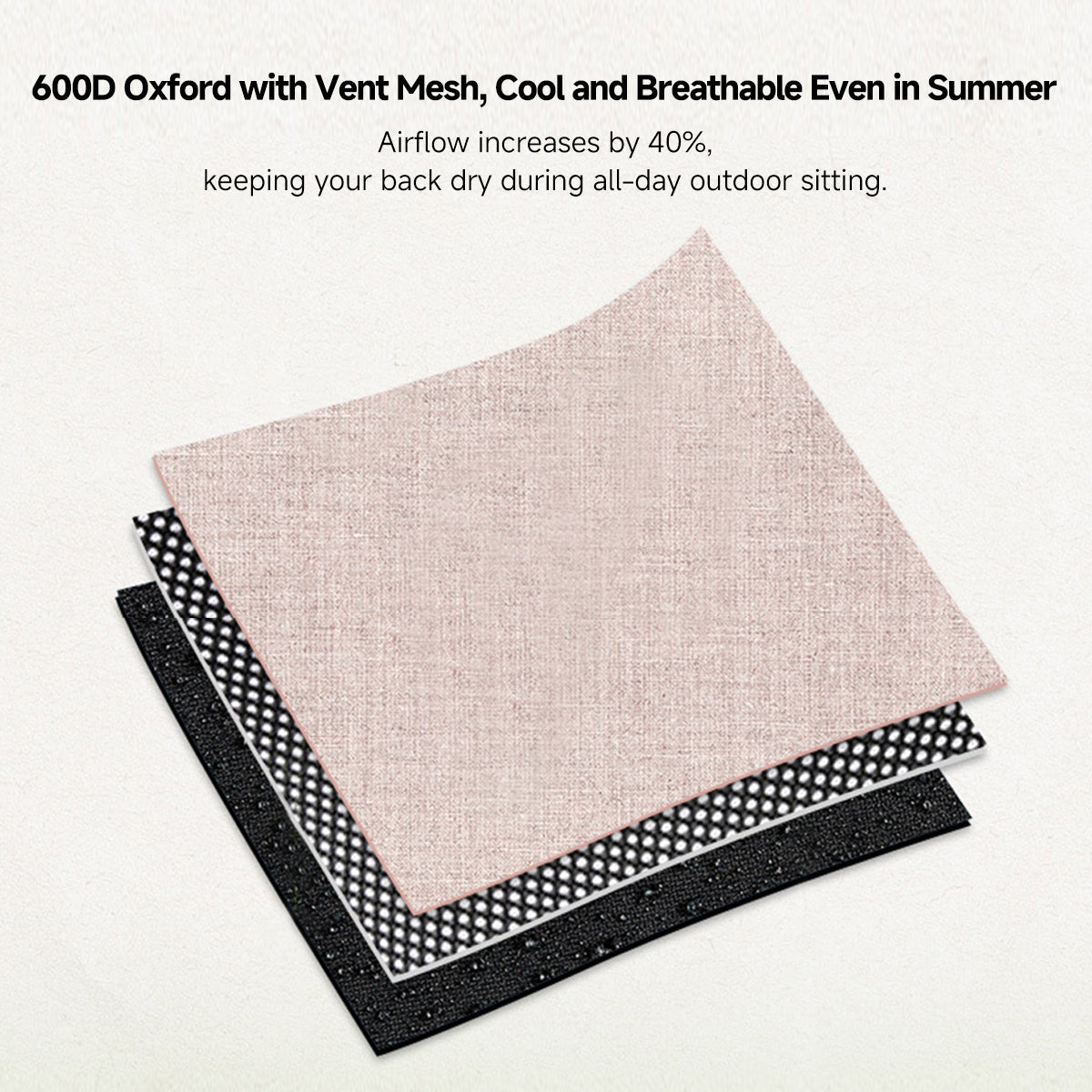
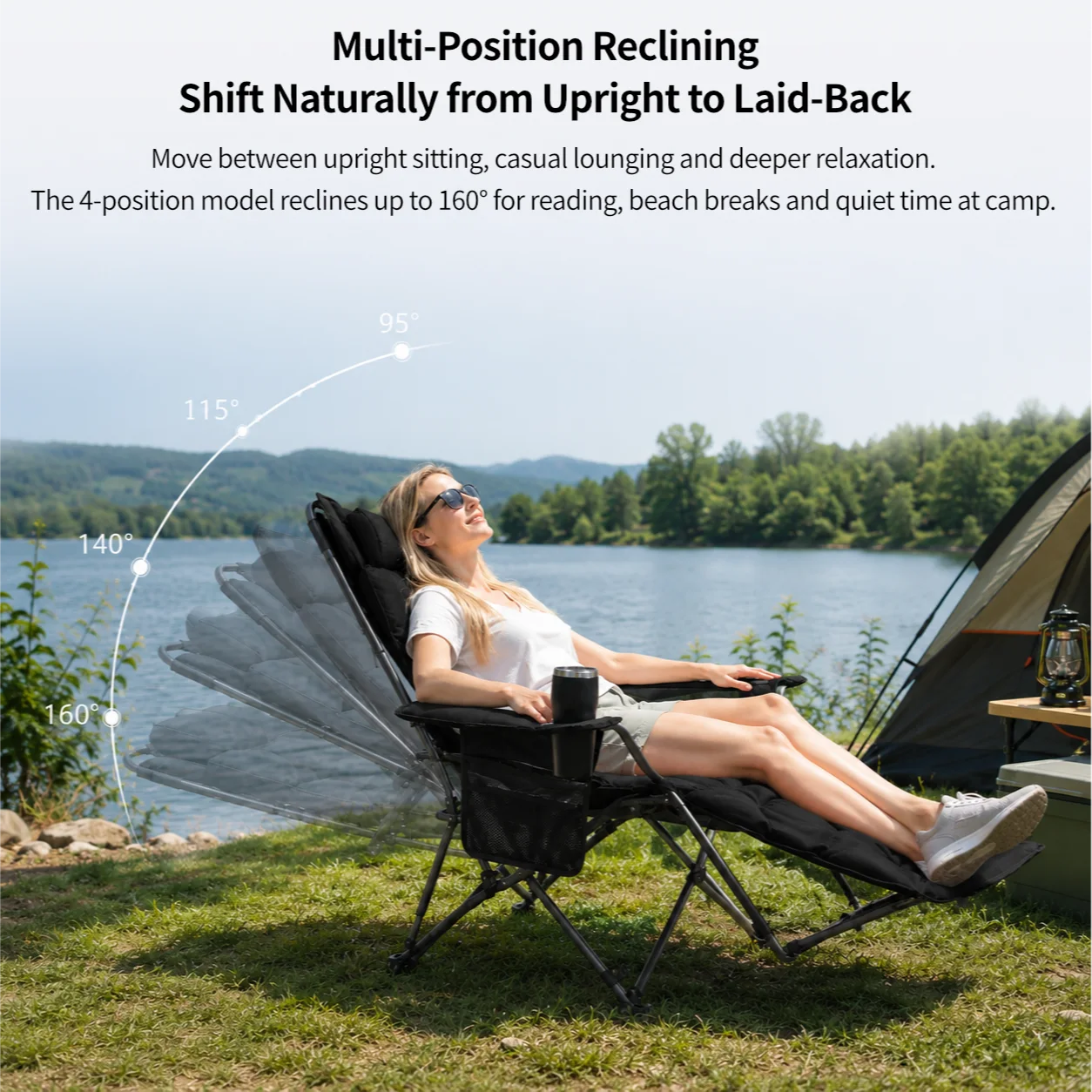
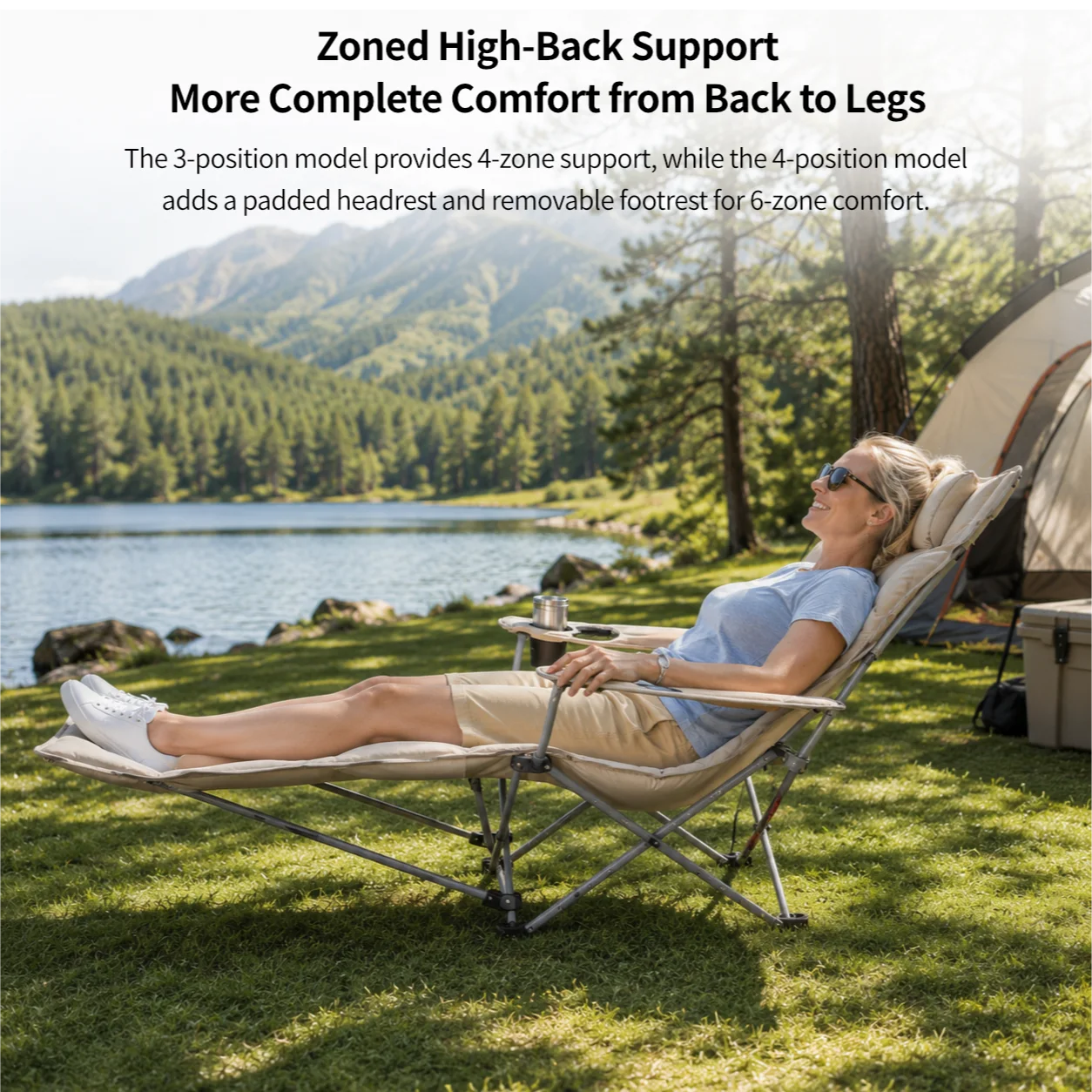
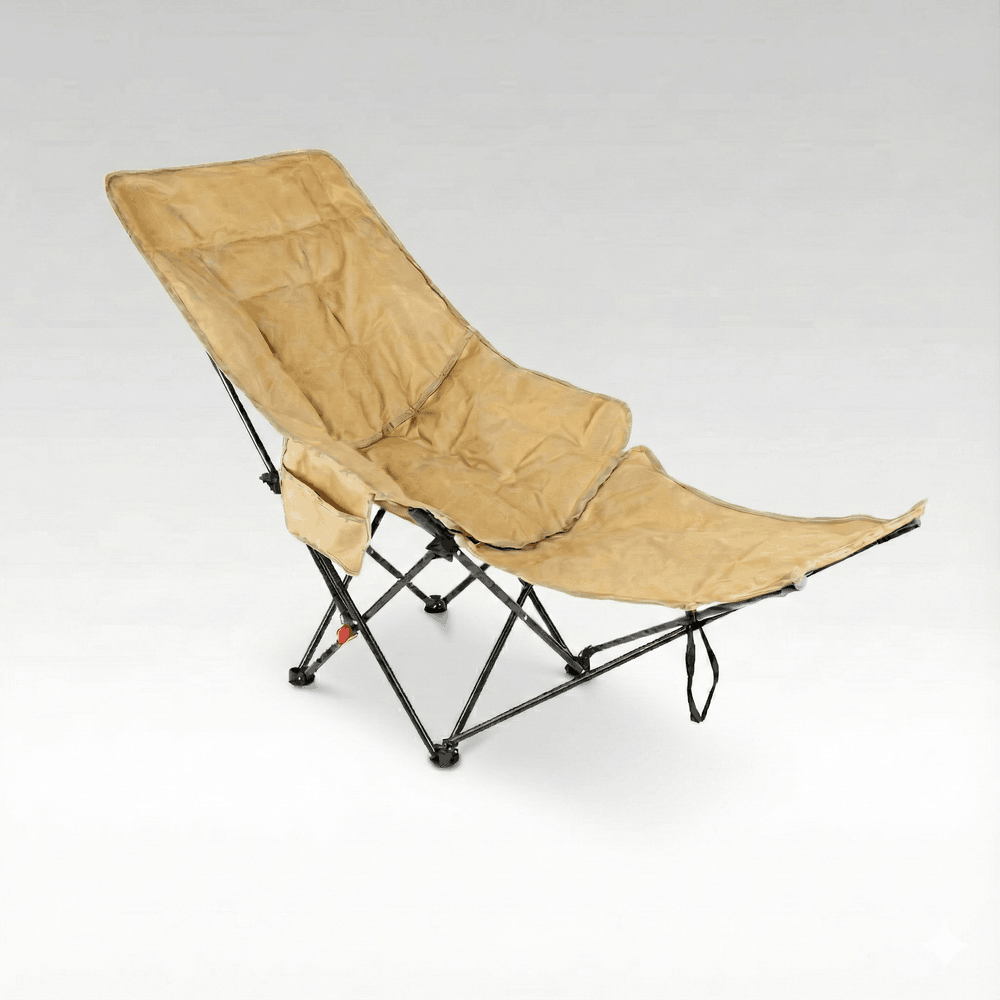
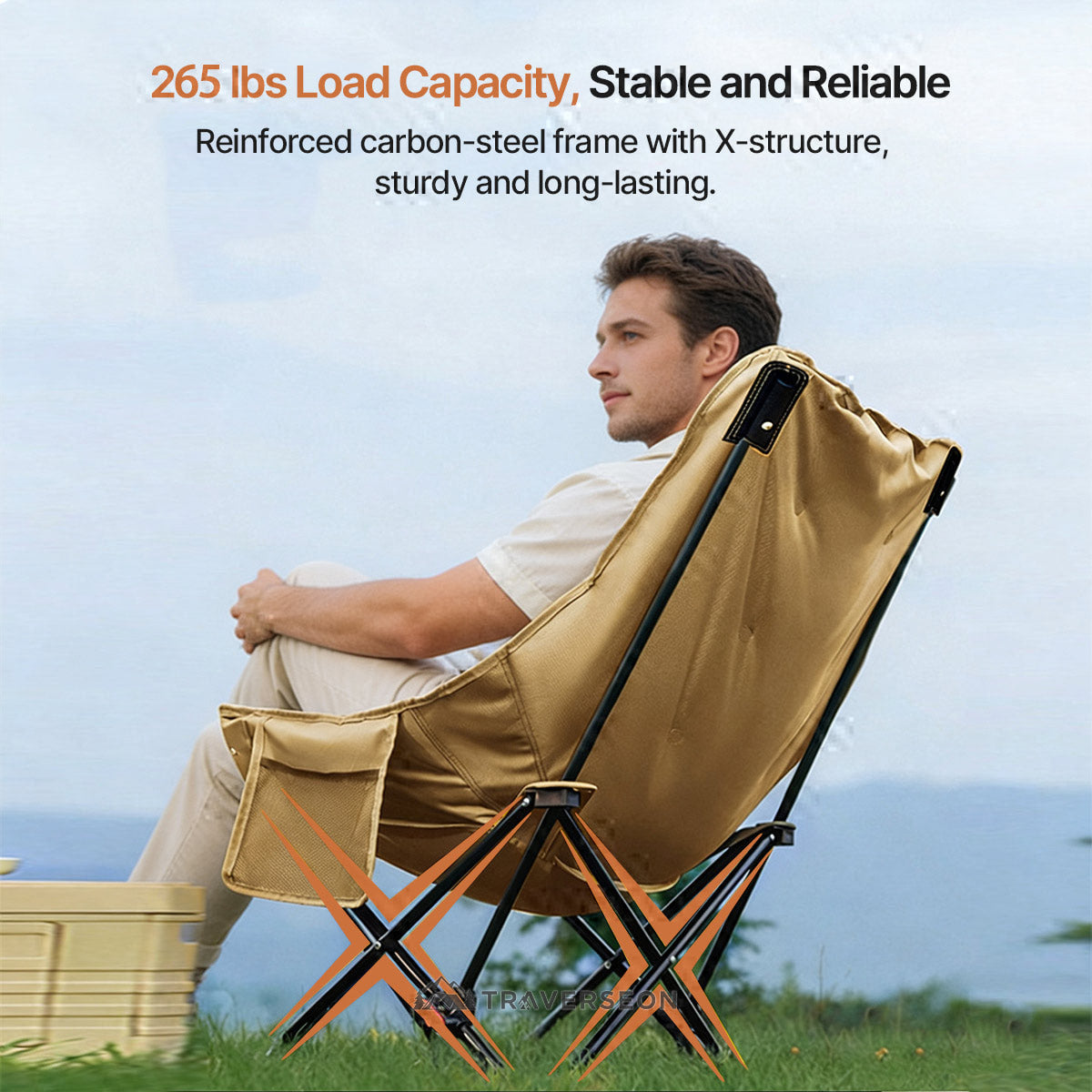
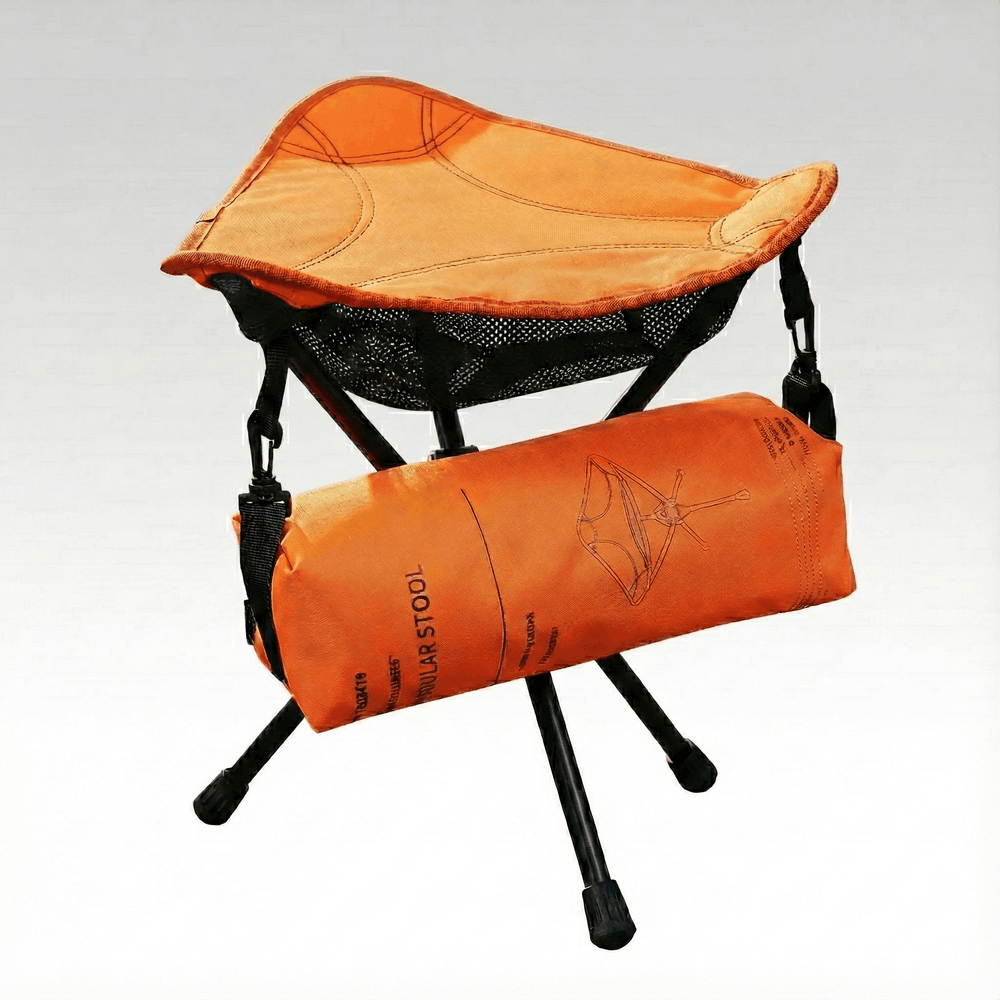
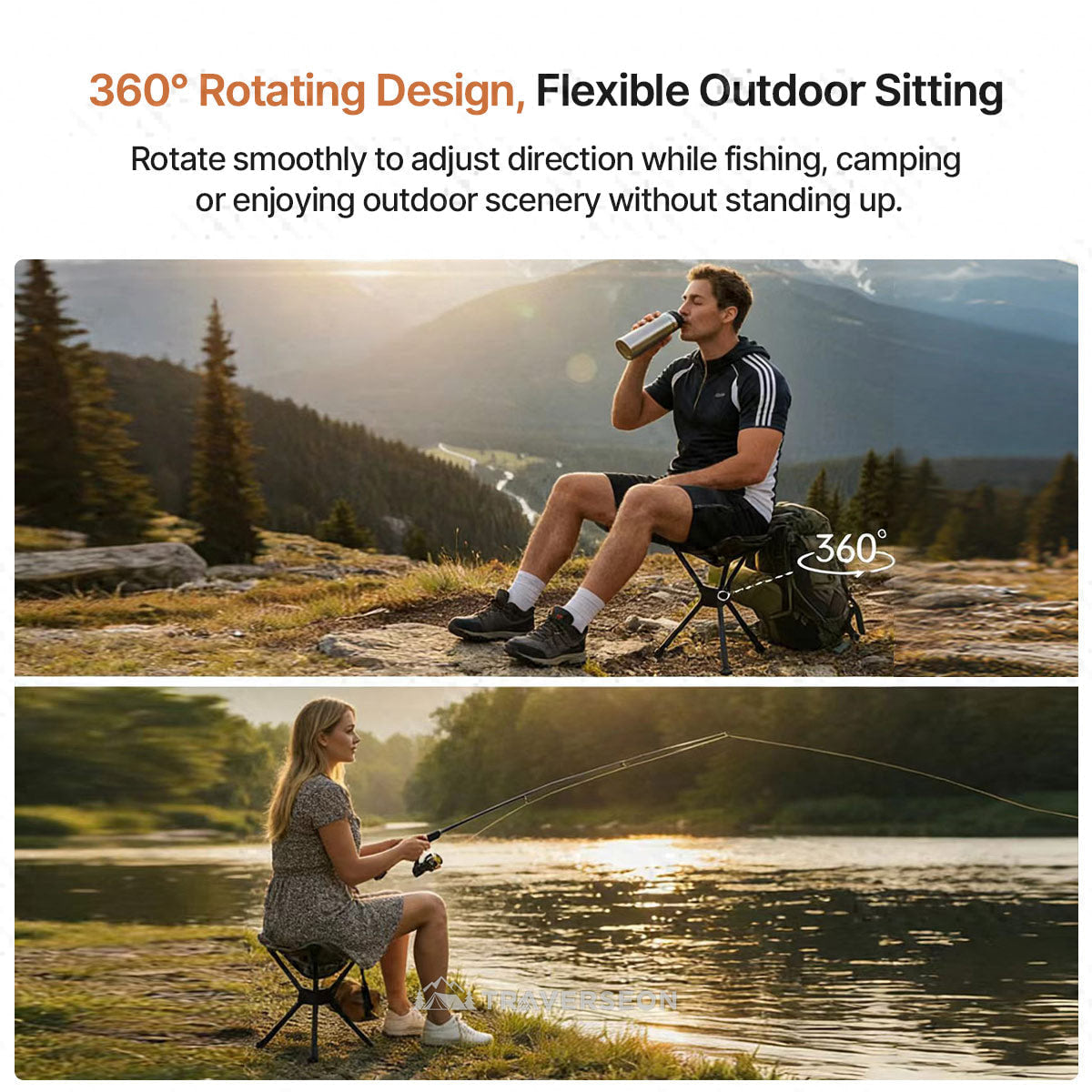
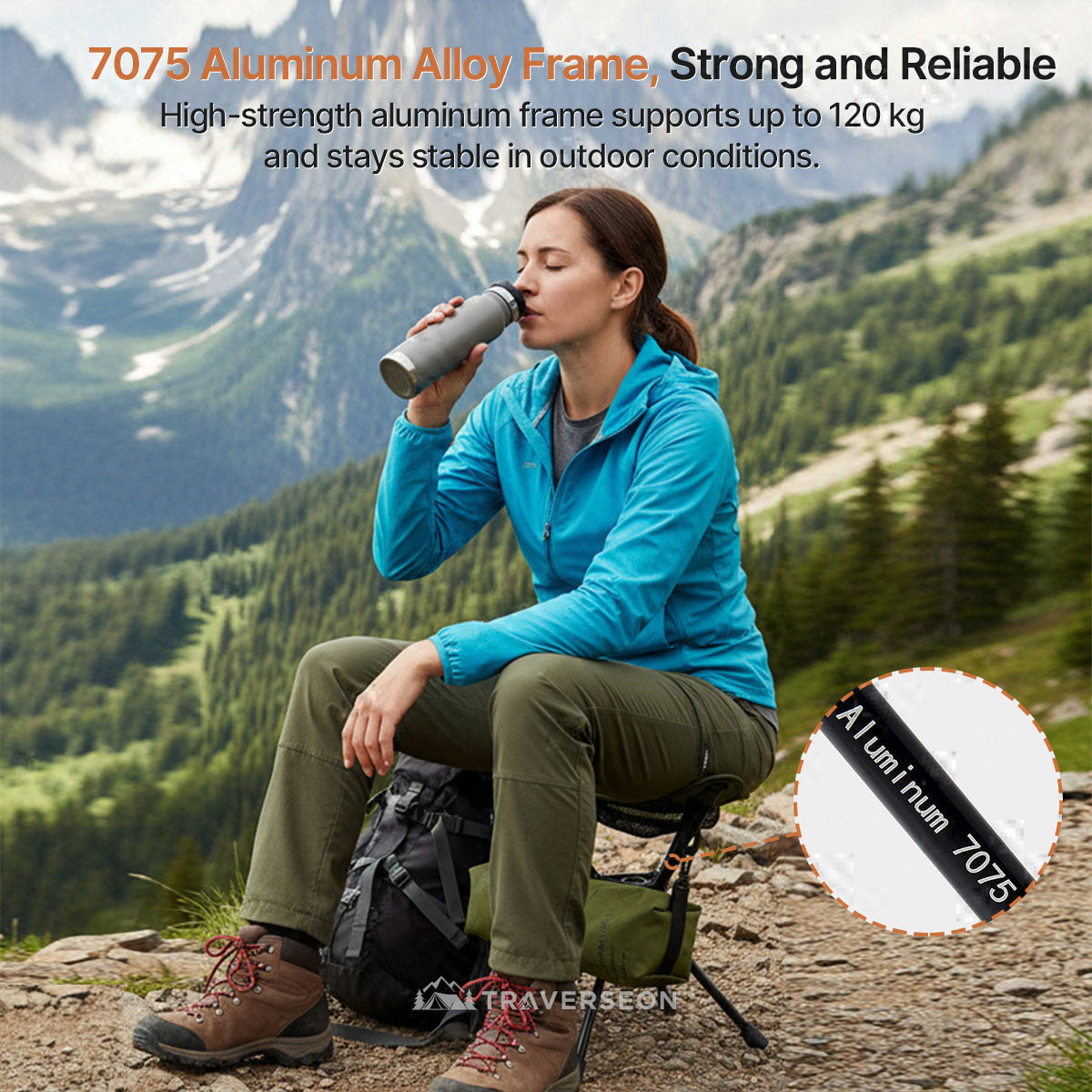
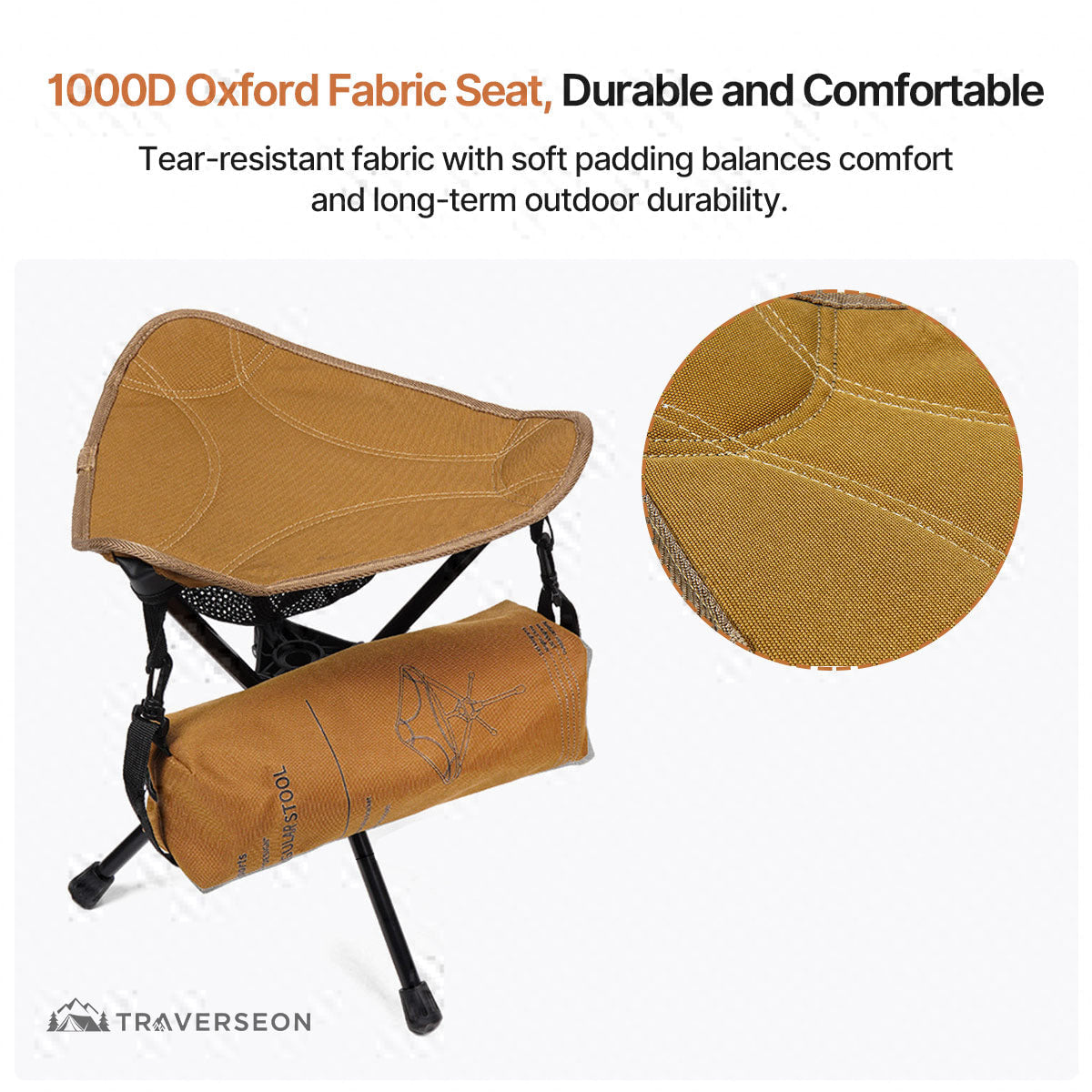
360° Swivel Hunting Stool – Portable Folding Camping Stool | Traverseon
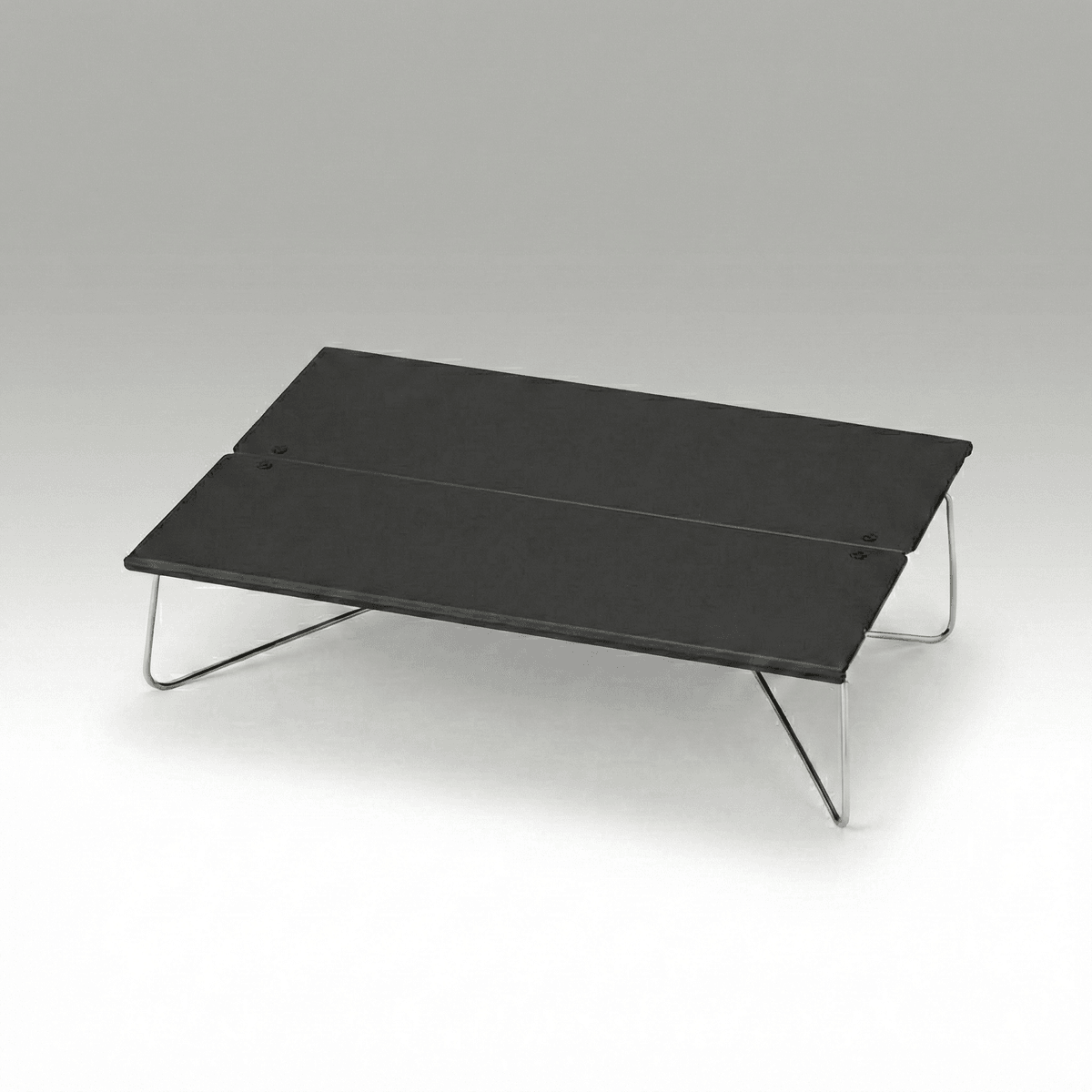


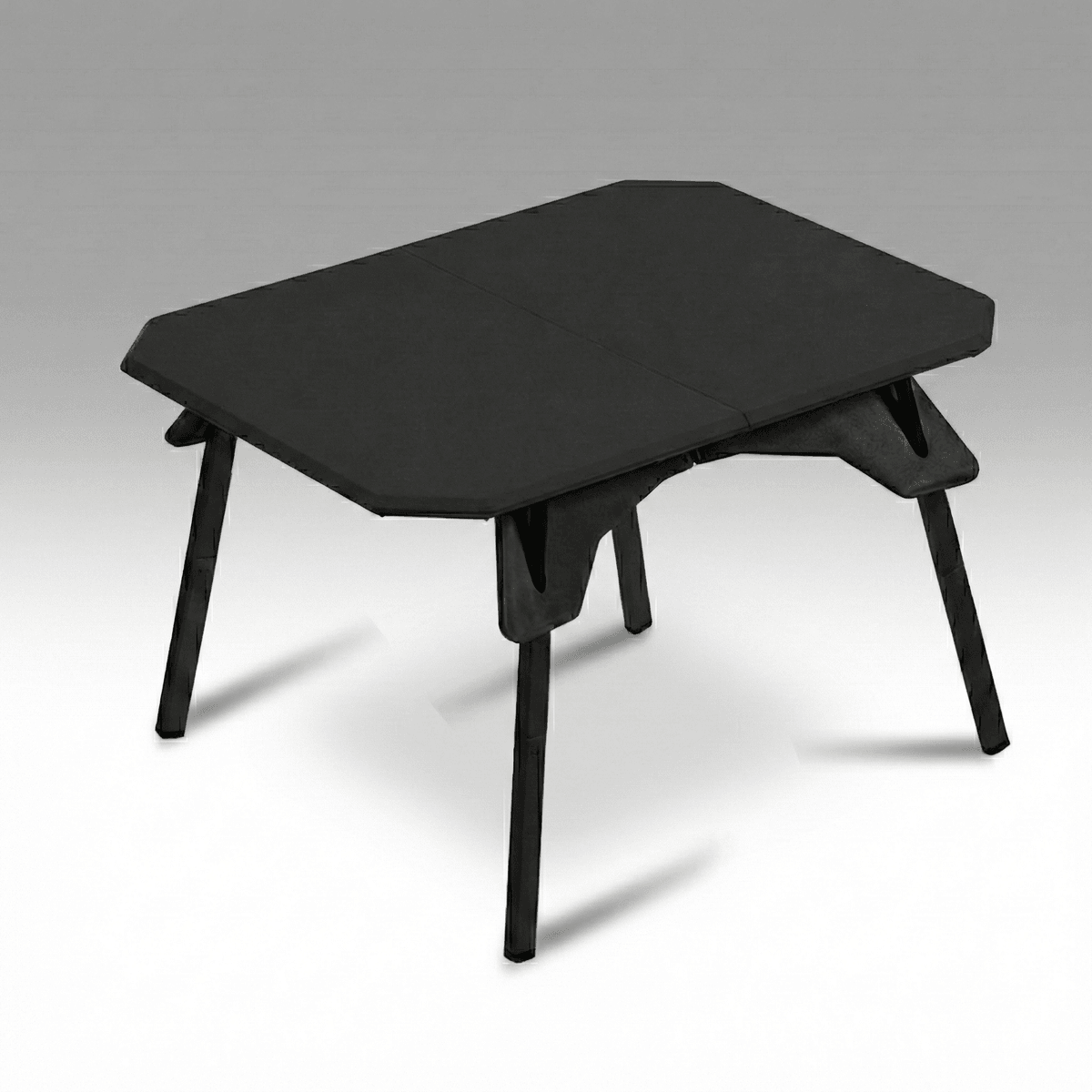


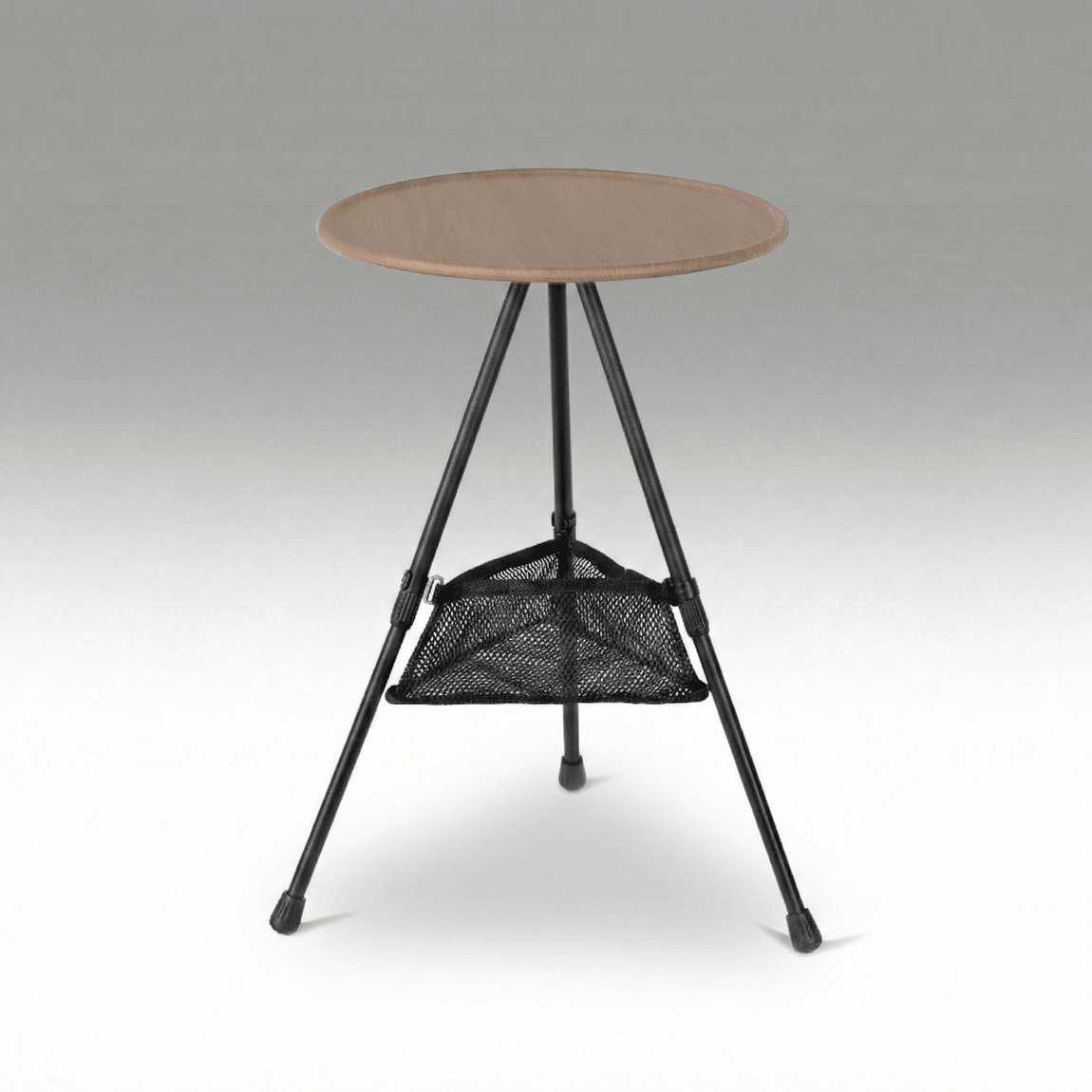


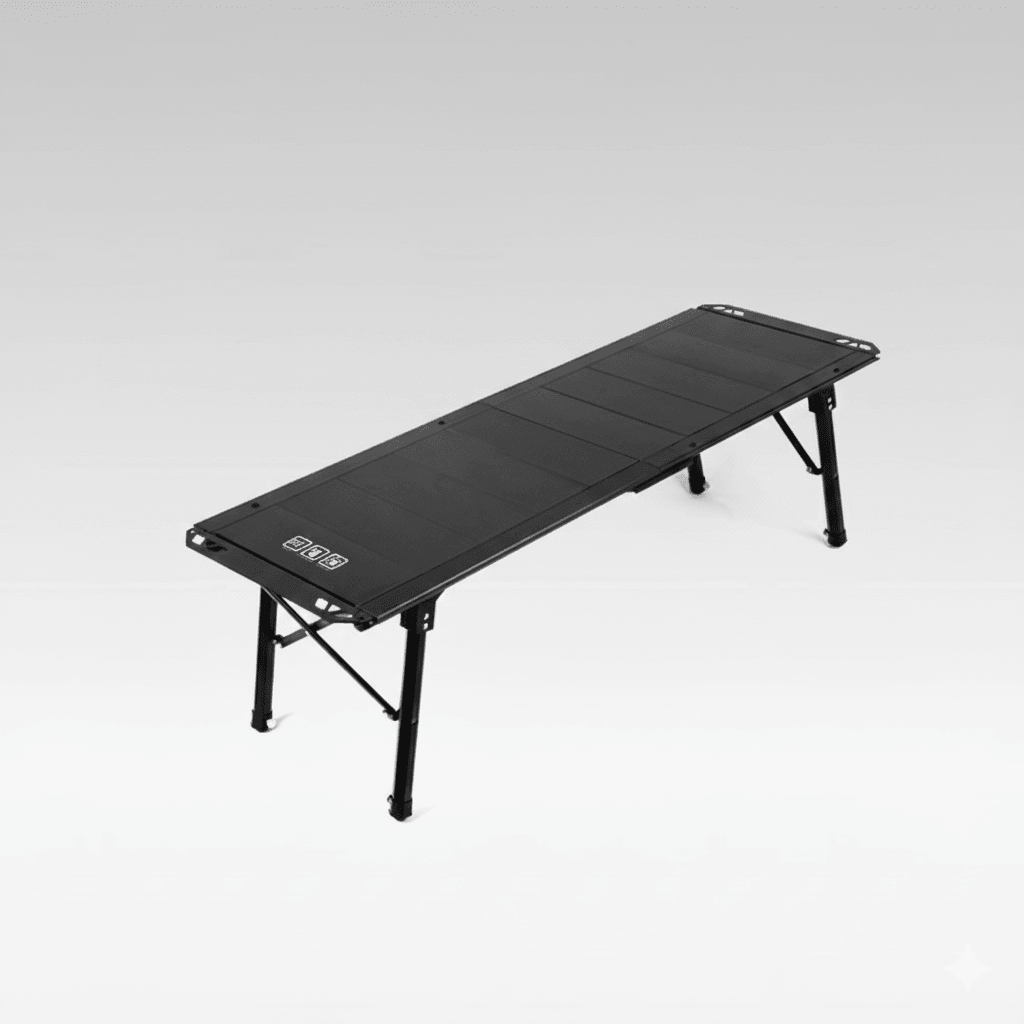
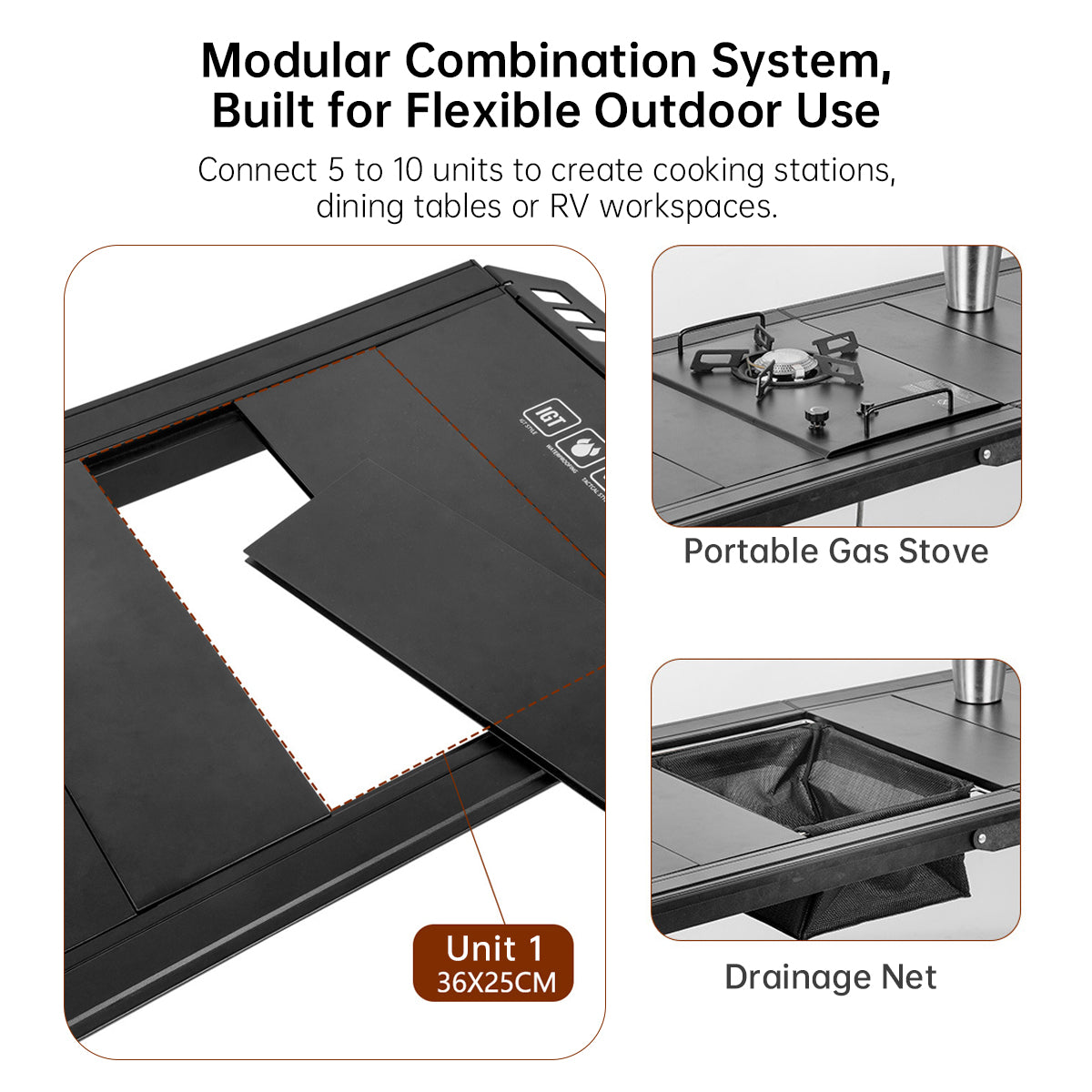
Aluminum Alloy Table – Small Round Portable Detachable Camping Outdoor | Traverseon
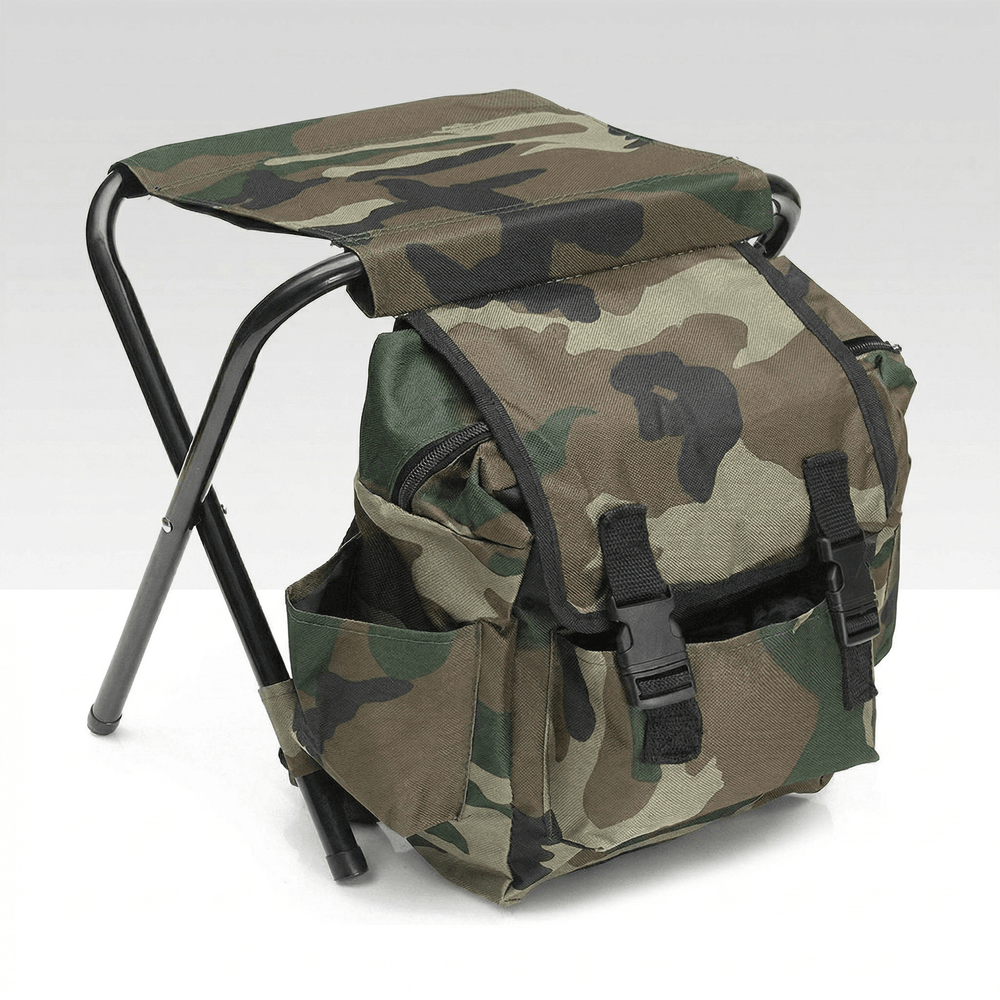
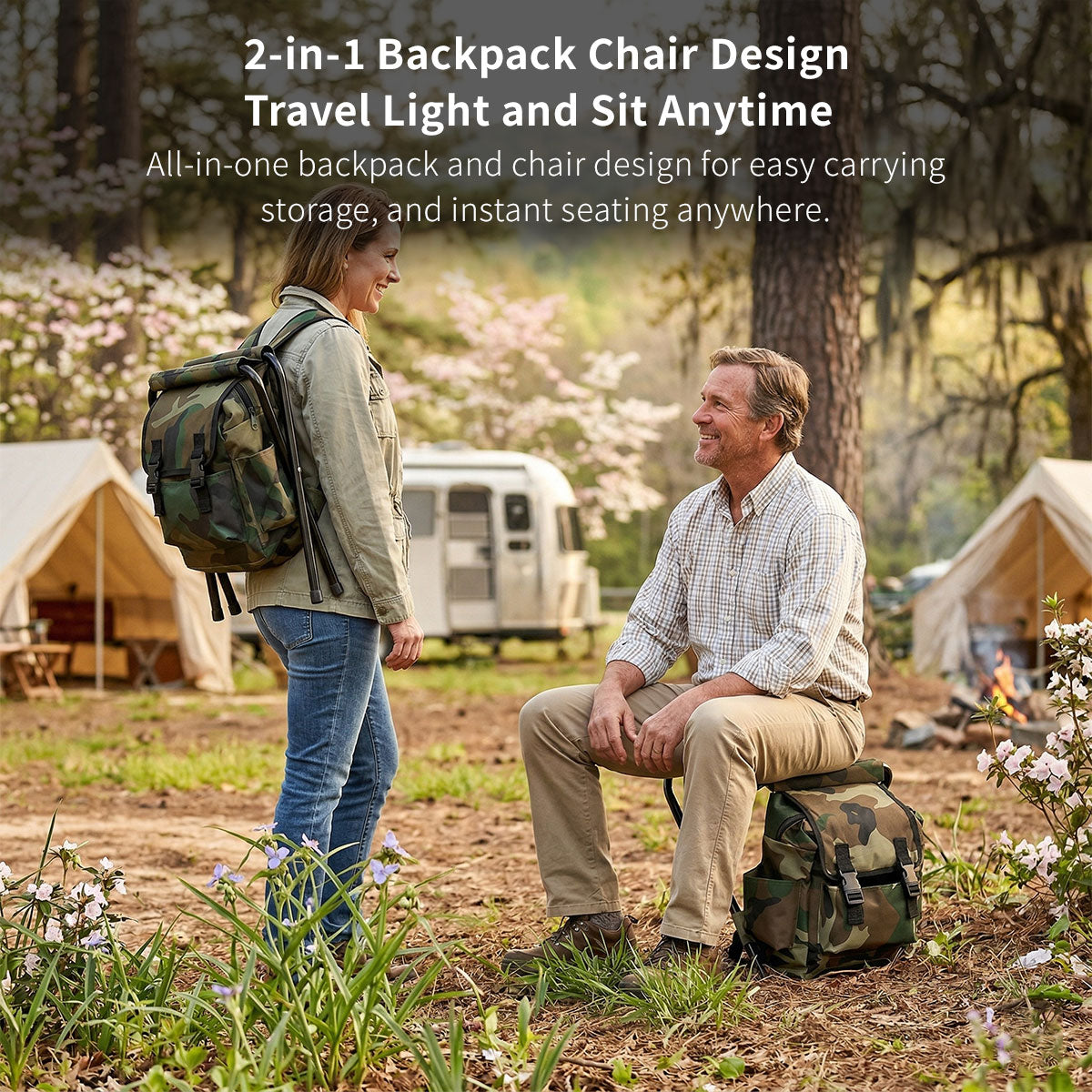
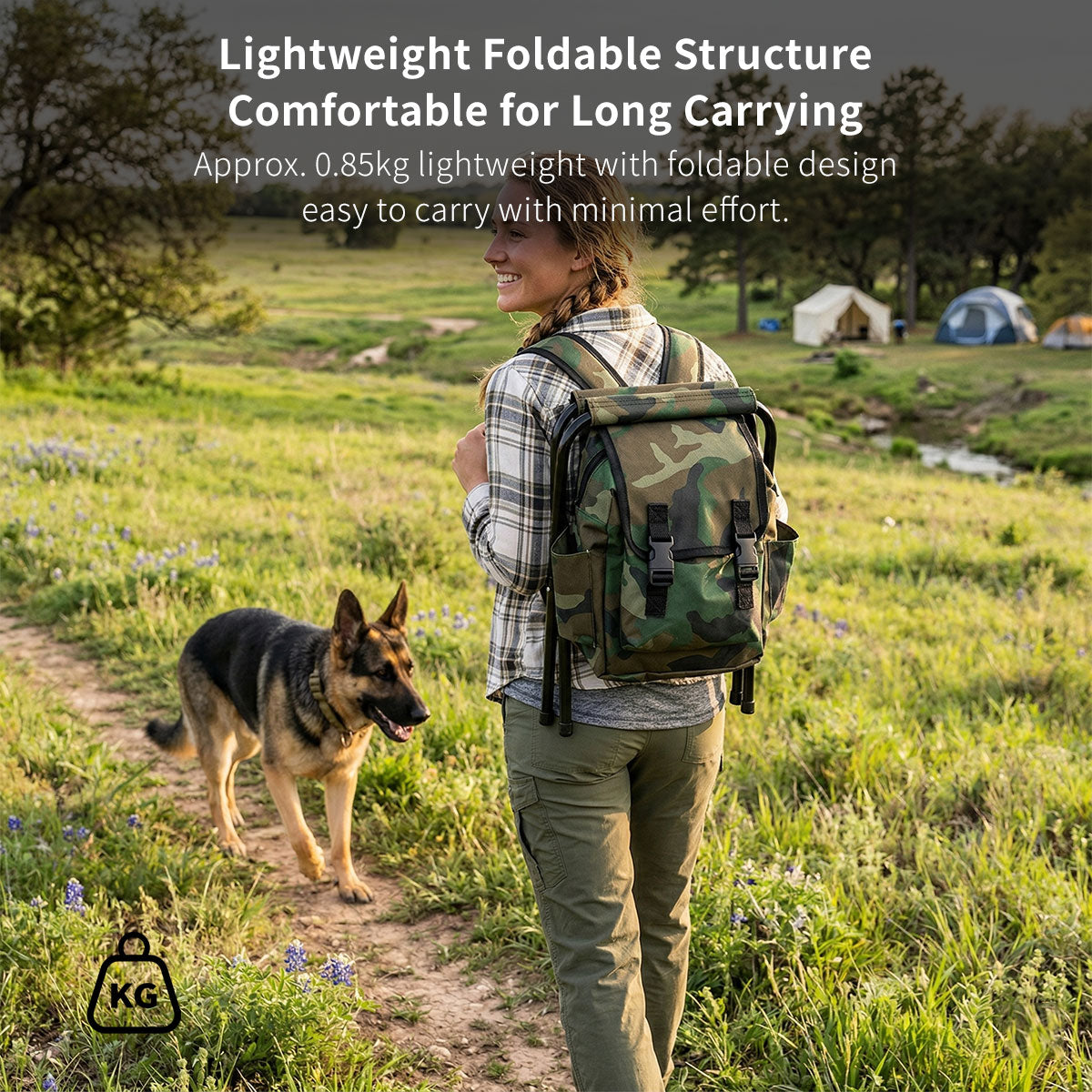
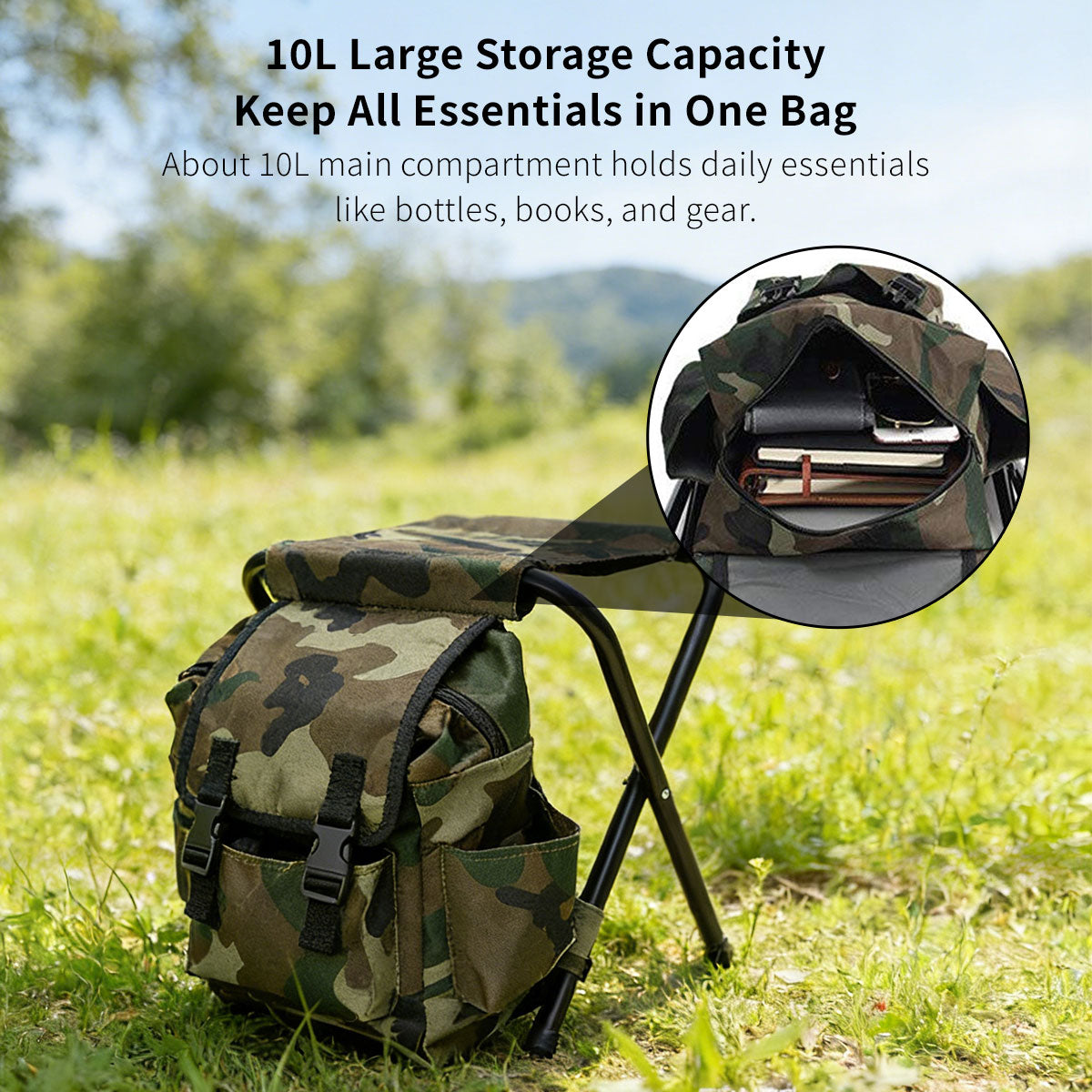
Backpack Folding Chair – 2-in-1 Portable Seat with Storage, Lightweight Camping Stool | Traverseon


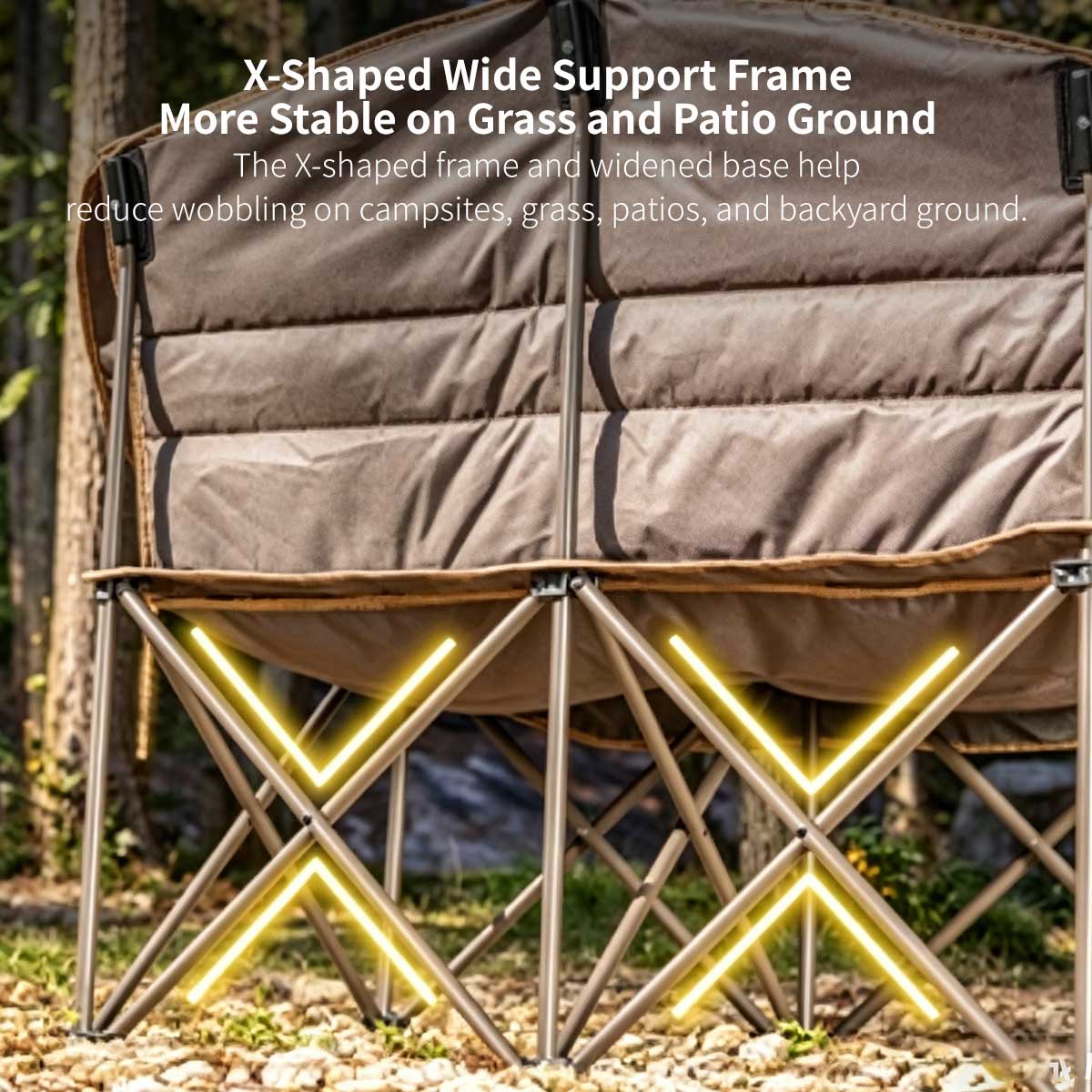
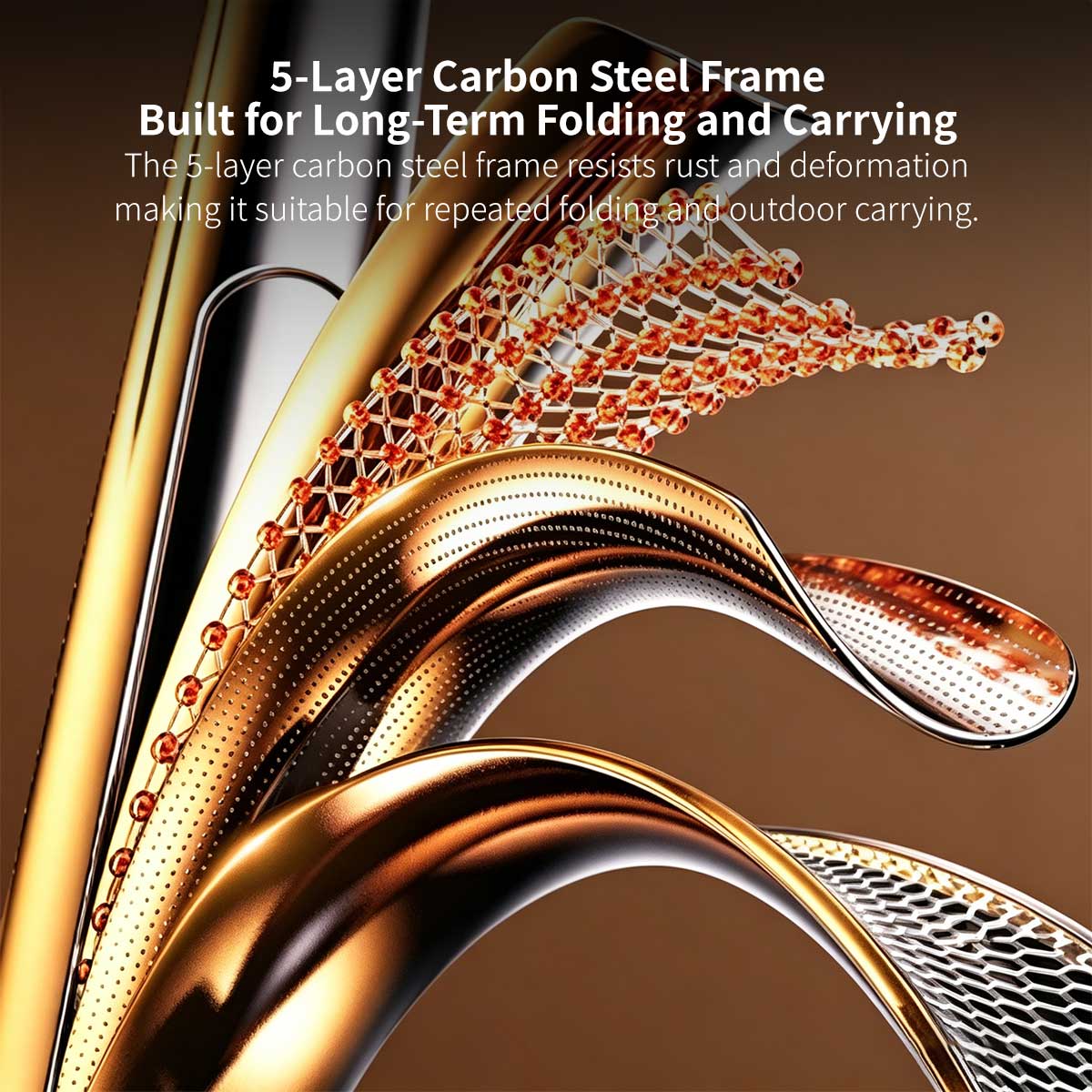
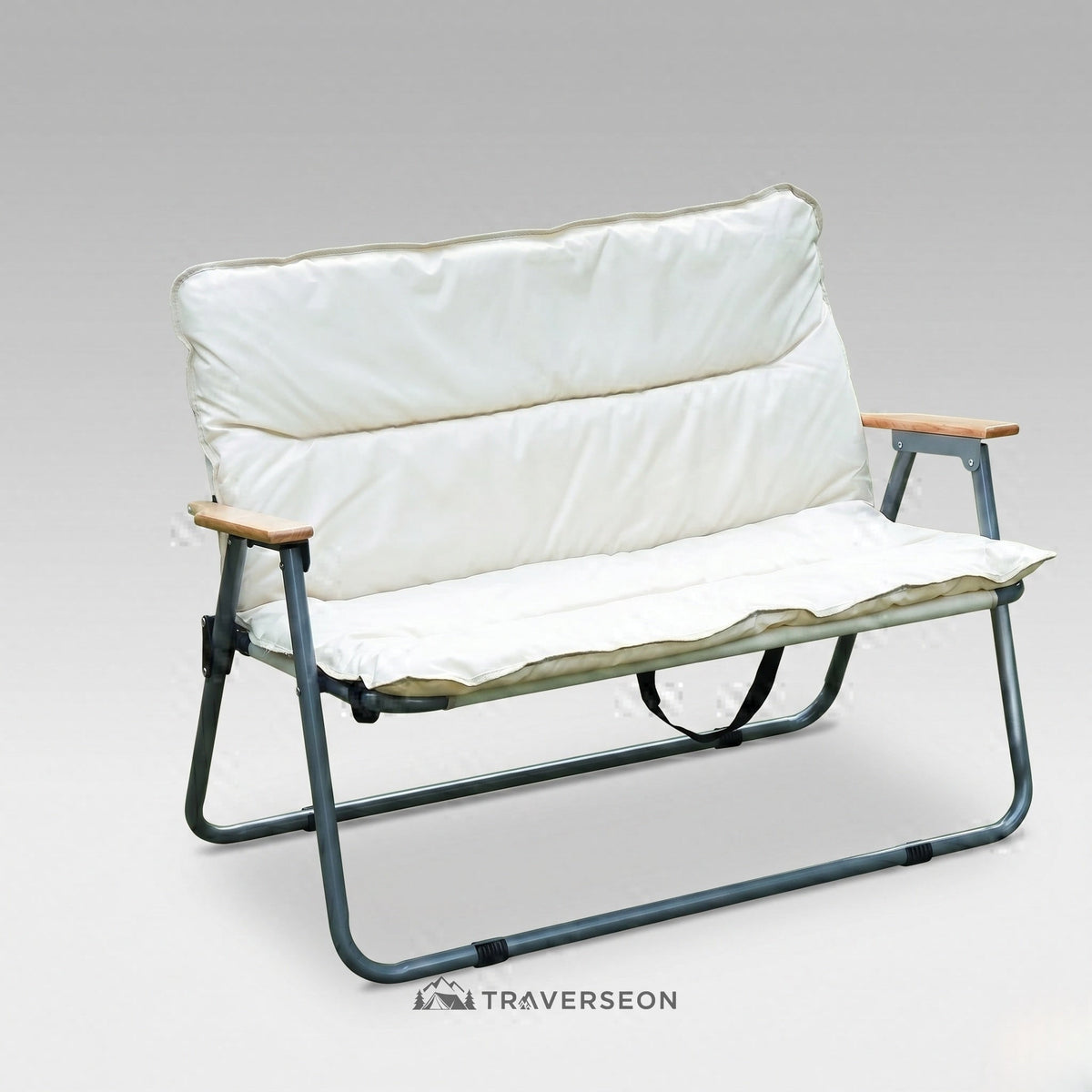
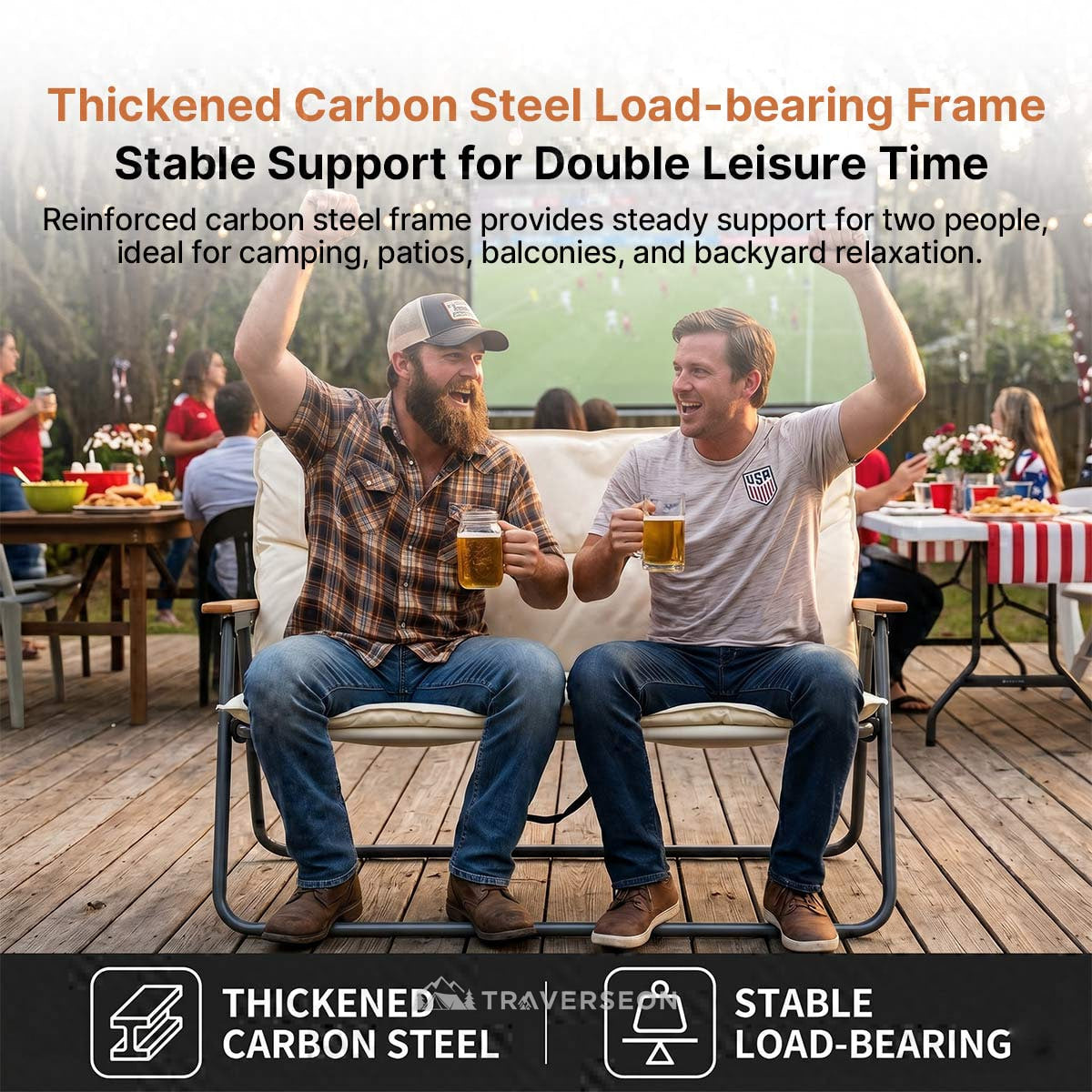
Accessories

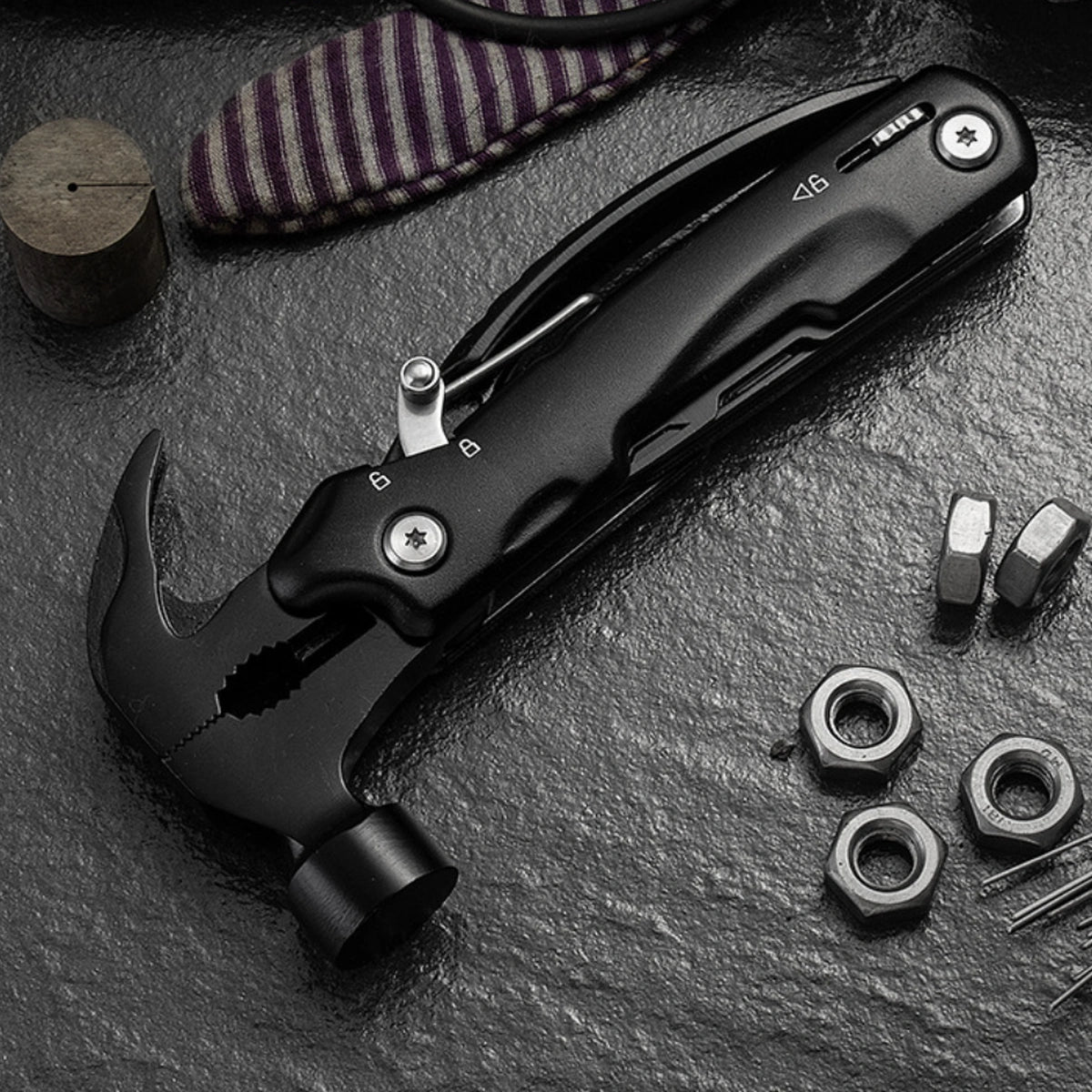
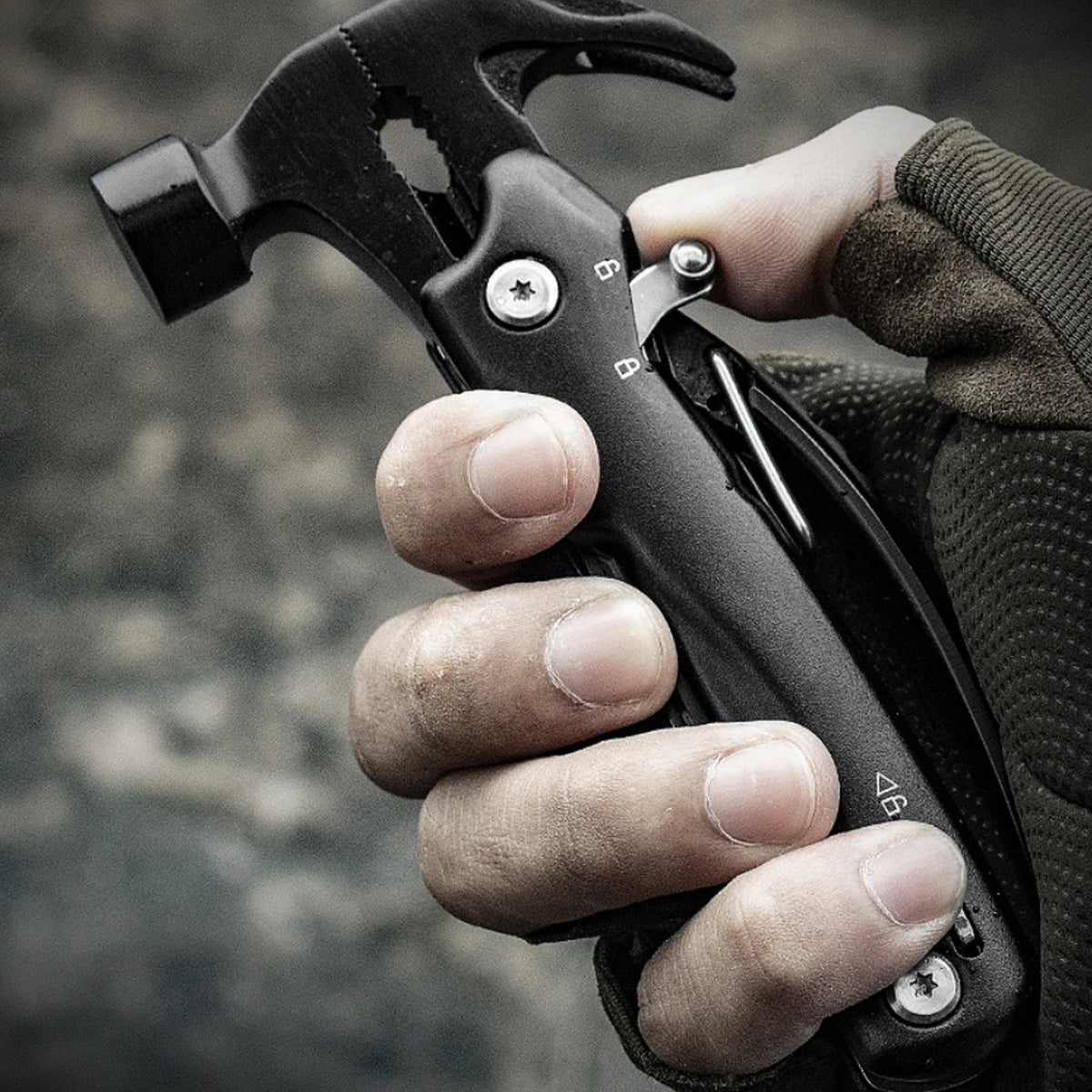
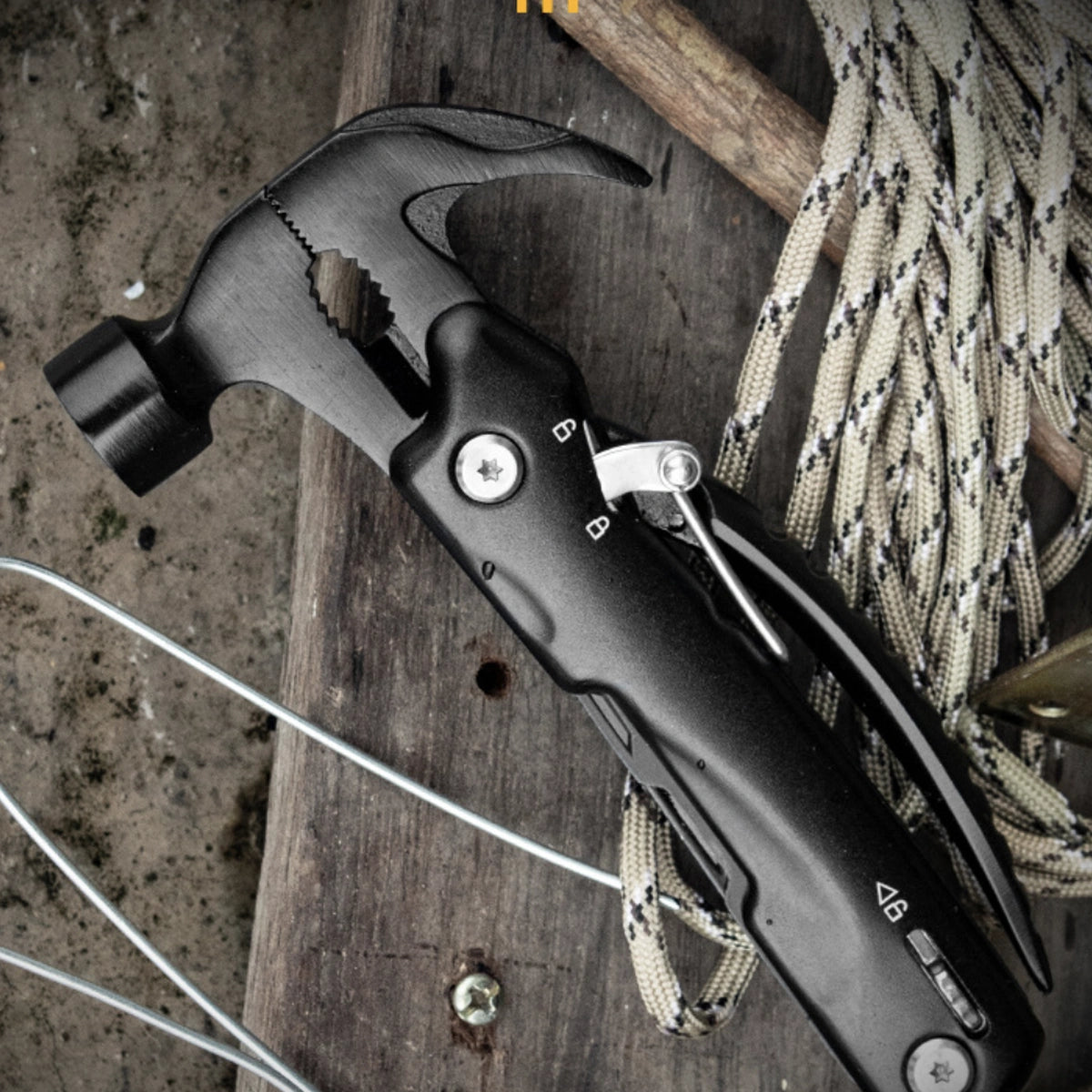
Traverseon 13-in-1 Hammer Multitool

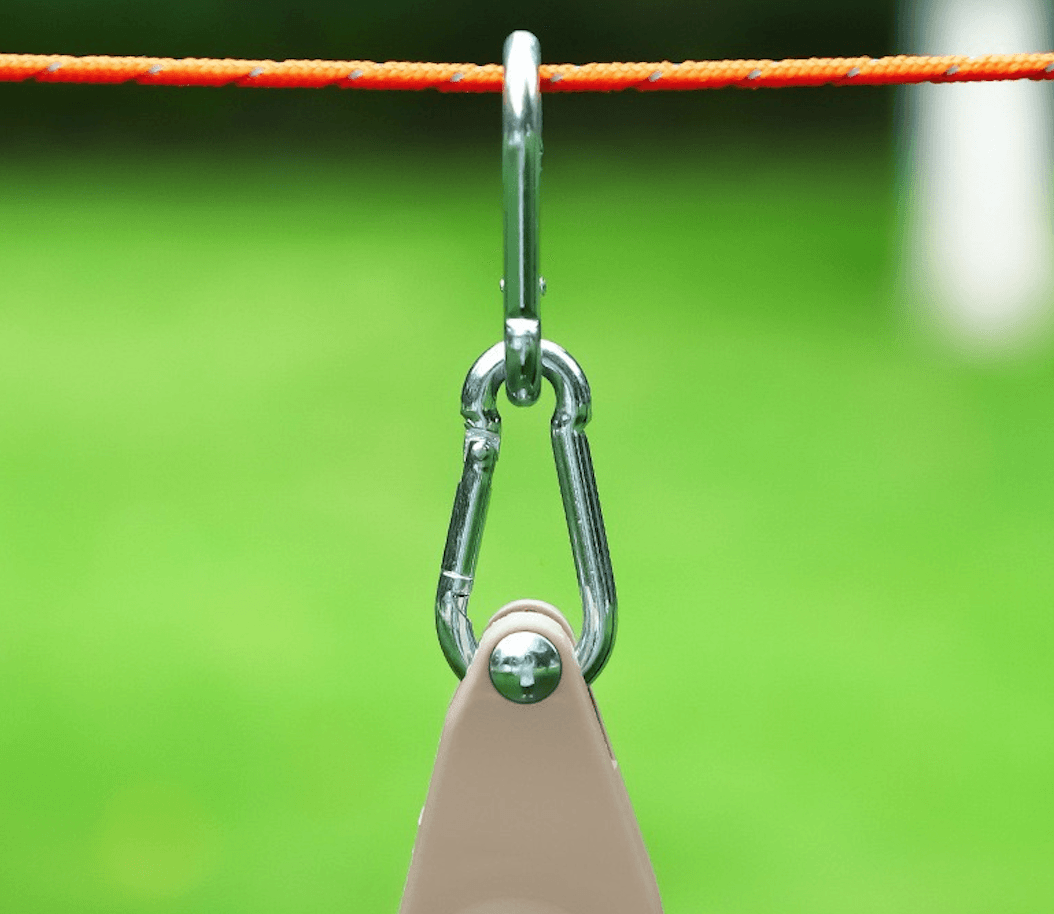
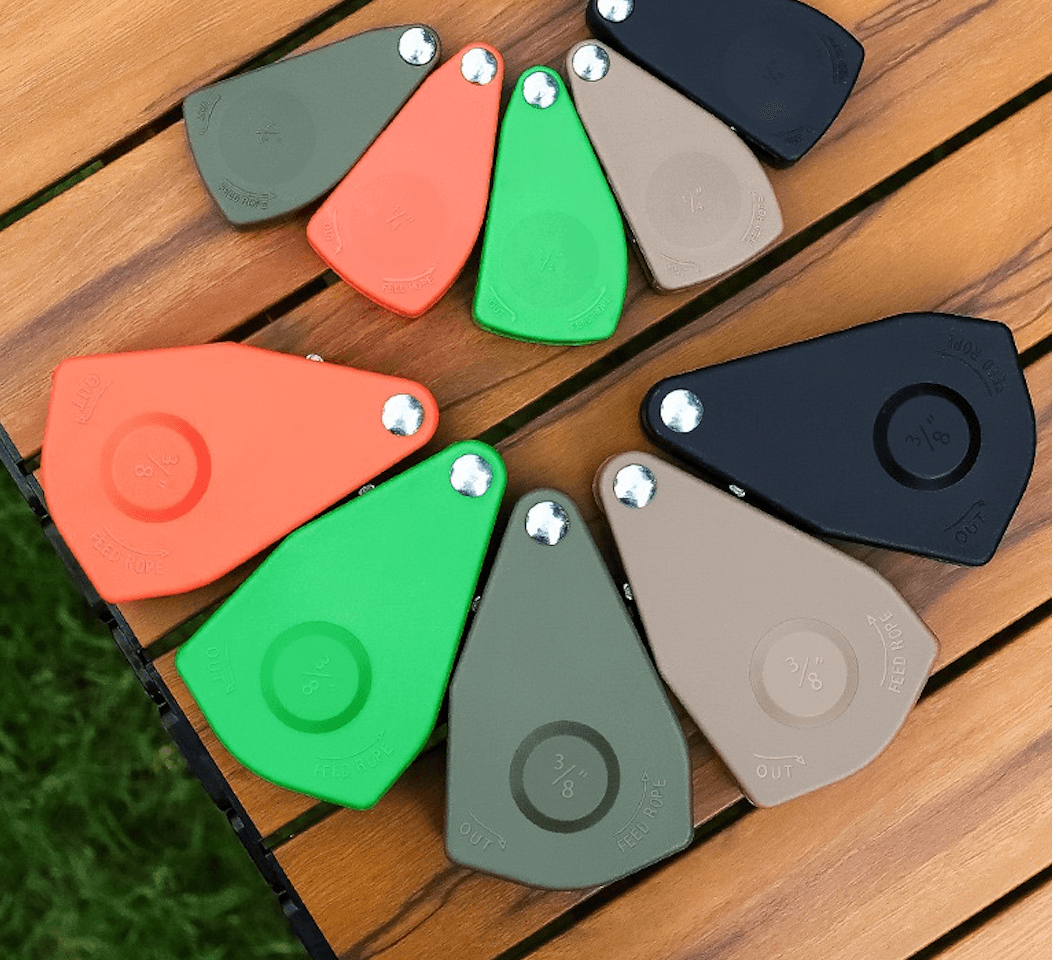
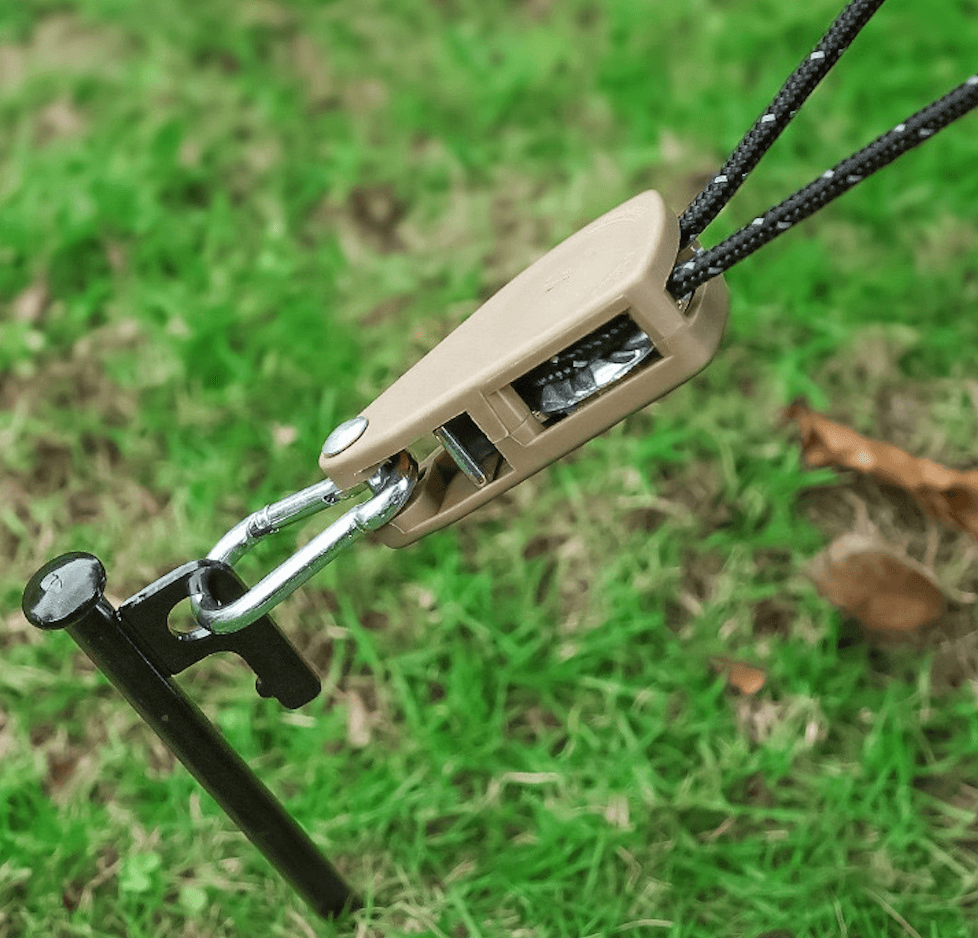

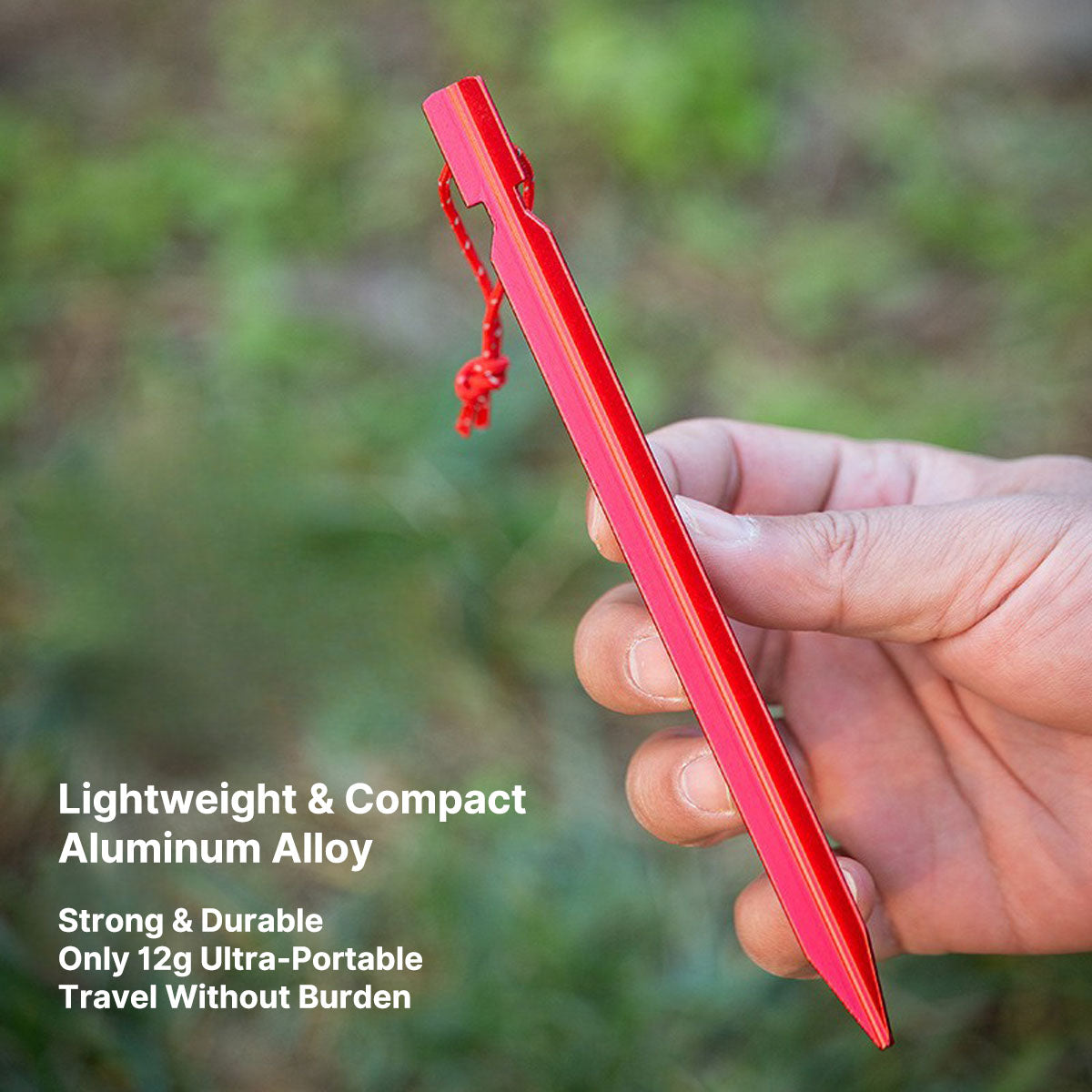
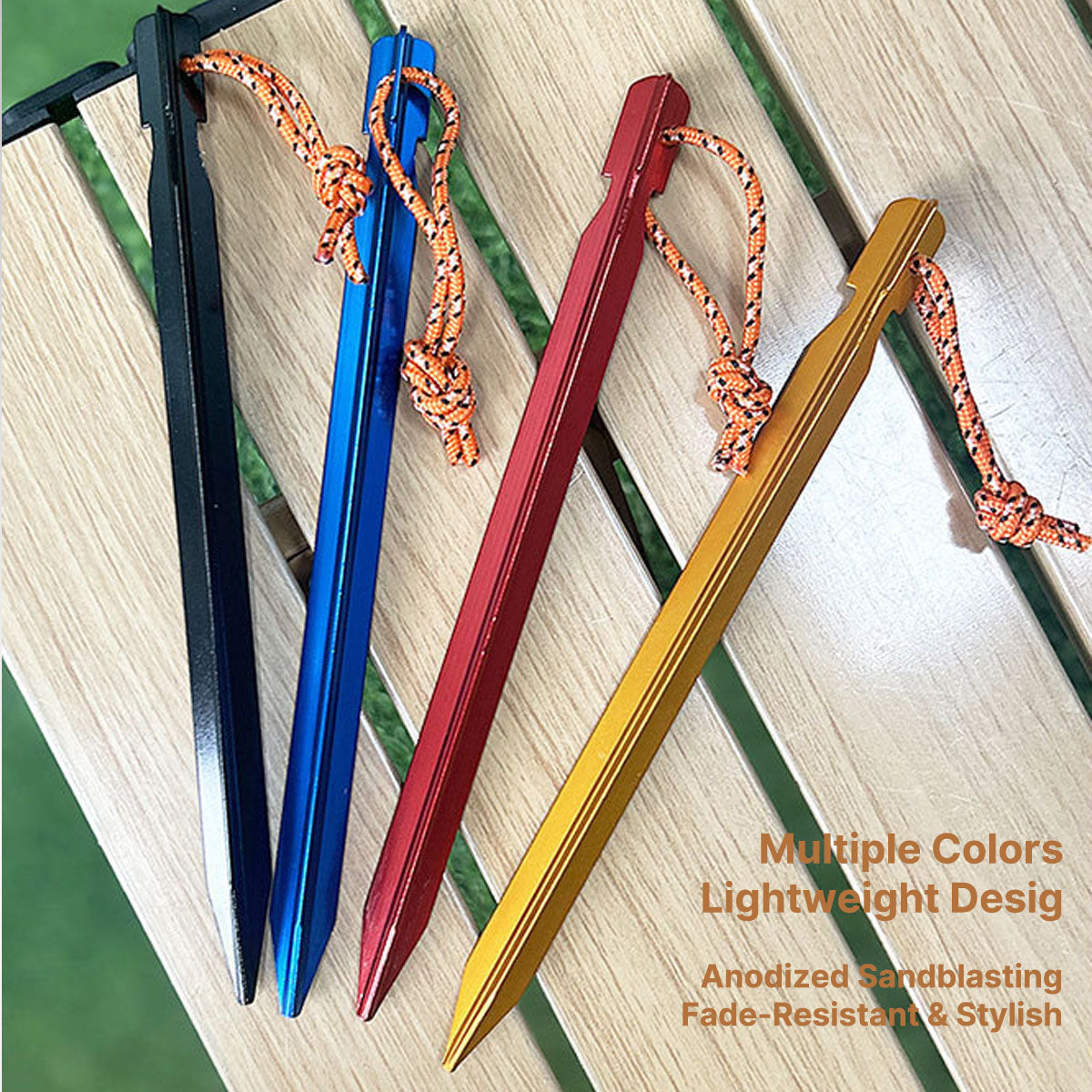
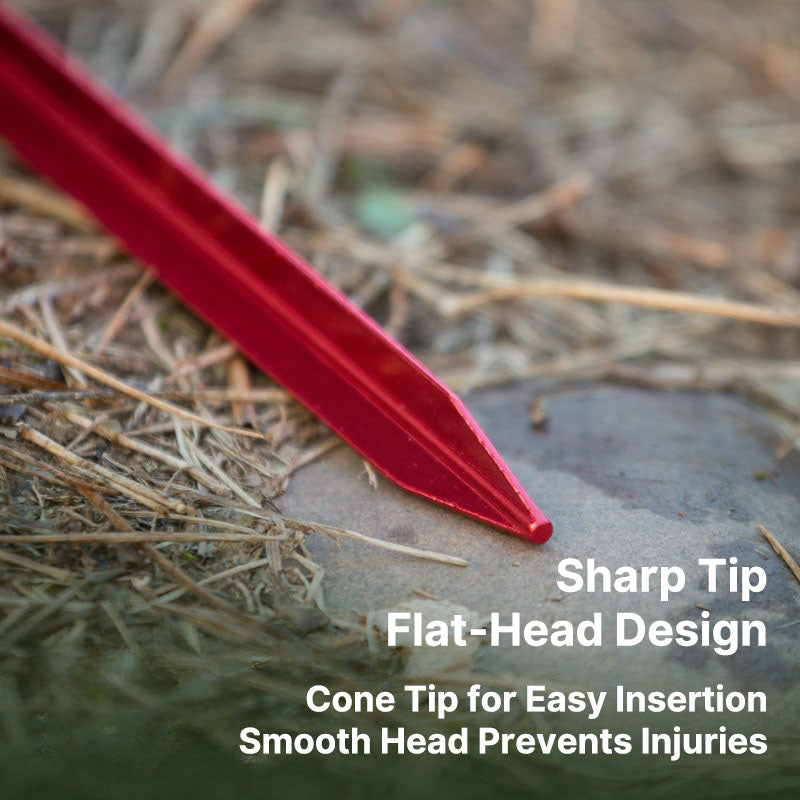
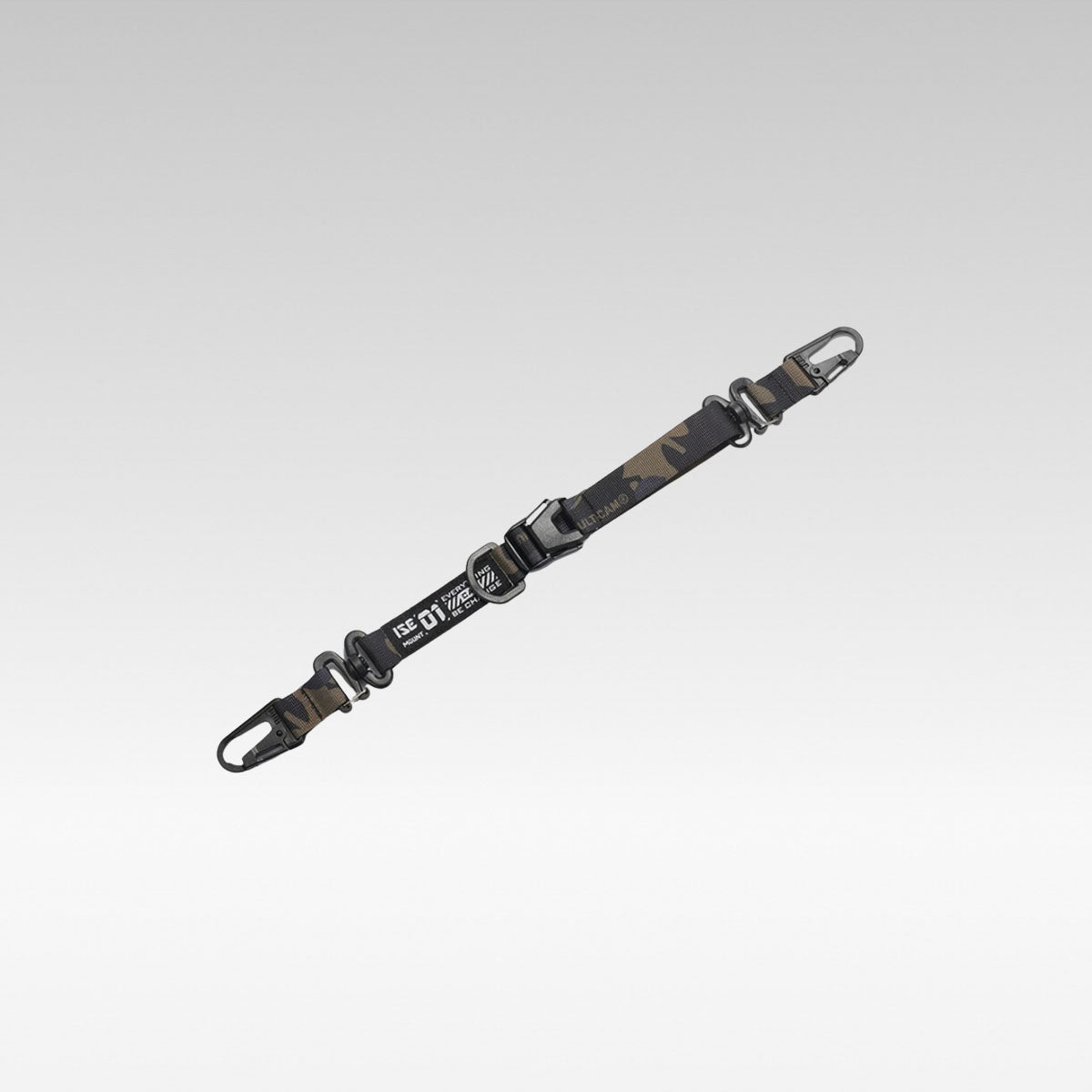
Traverseon Stainless Steel Ground Stakes *6 pieces
FAQs
What type of camping shelter should I choose?
Choose by trip style first. A bivy tent or 1-person shelter is best for solo camping and lightweight trips. A 2–3 person tent works well for couples or small groups. A family tent gives more sleeping and storage space, while SUV canopies, tarps, beach shades, and mosquito shelters are better for vehicle-side camping, shade, cooking, or relaxing outdoors.
Are Traverseon camping shelters waterproof?
Many Traverseon camping shelters are designed for rain protection, waterproof coverage, or weather-ready outdoor use. Waterproof ratings, fabric type, and construction vary by model, so check each product page for exact specifications before choosing a shelter for heavy rain, wet ground, or changing weather.
How do I choose the right tent size?
Do not choose by person capacity alone. Consider sleeping pads, backpacks, pets, clothing, and extra gear. Solo campers may prefer a compact 1-person tent, while families, car campers, and longer-stay campers usually benefit from a larger shelter with more headroom, storage space, and easier movement.
Are pop-up tents and instant tents good for beginners?
Yes. Pop-up tents, automatic tents, and quick-deploy shelters are easier for beginners because they reduce setup steps and help you build shelter faster at camp. They are especially useful for weekend camping, beach days, festivals, backyard use, tailgating, and family trips where convenience matters.
What should I prepare for a better camping shelter setup?
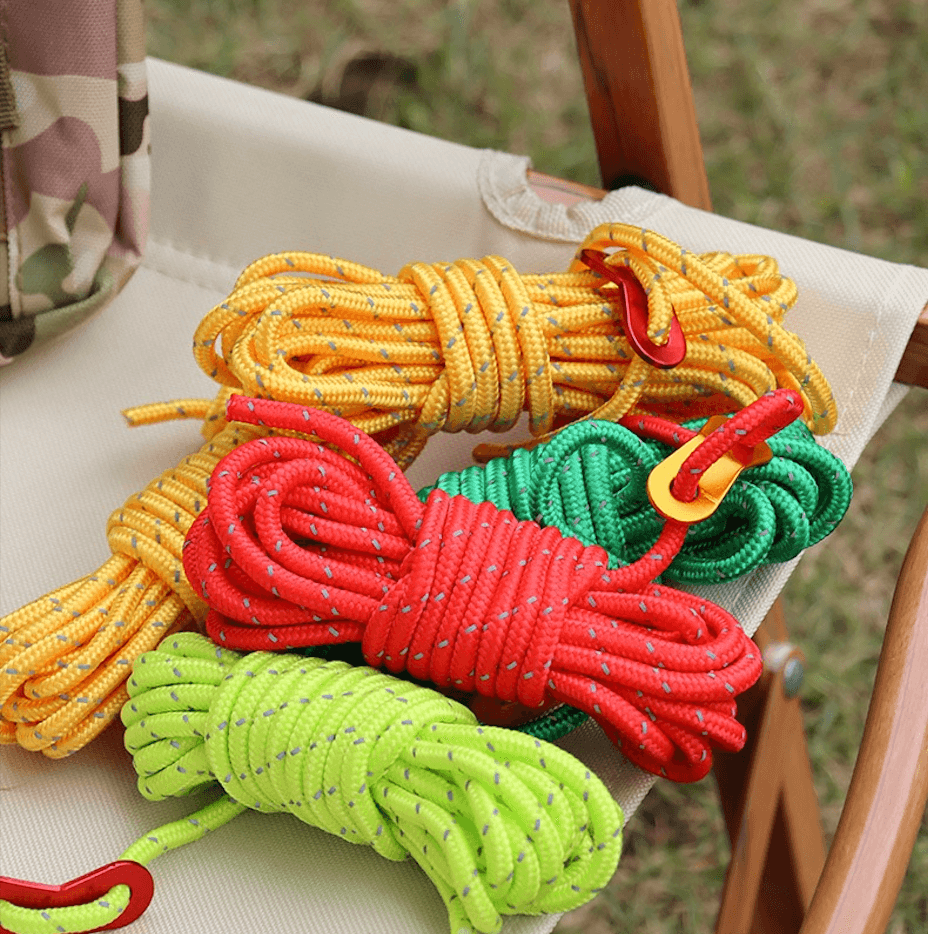
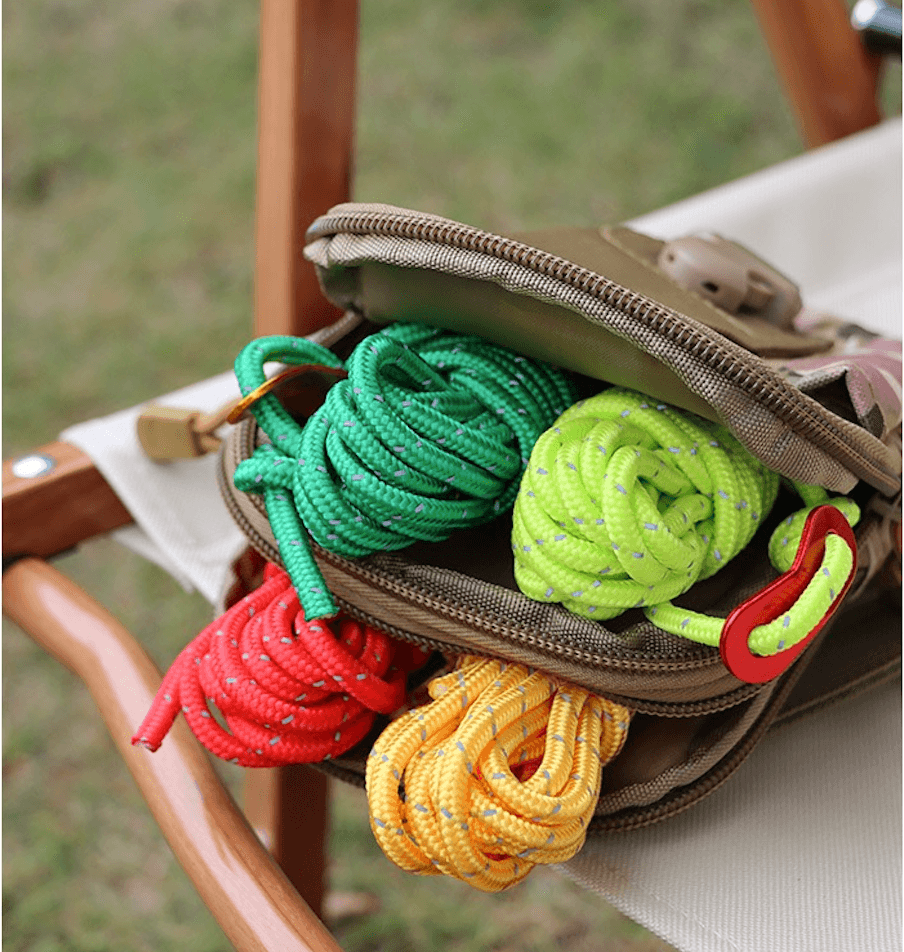
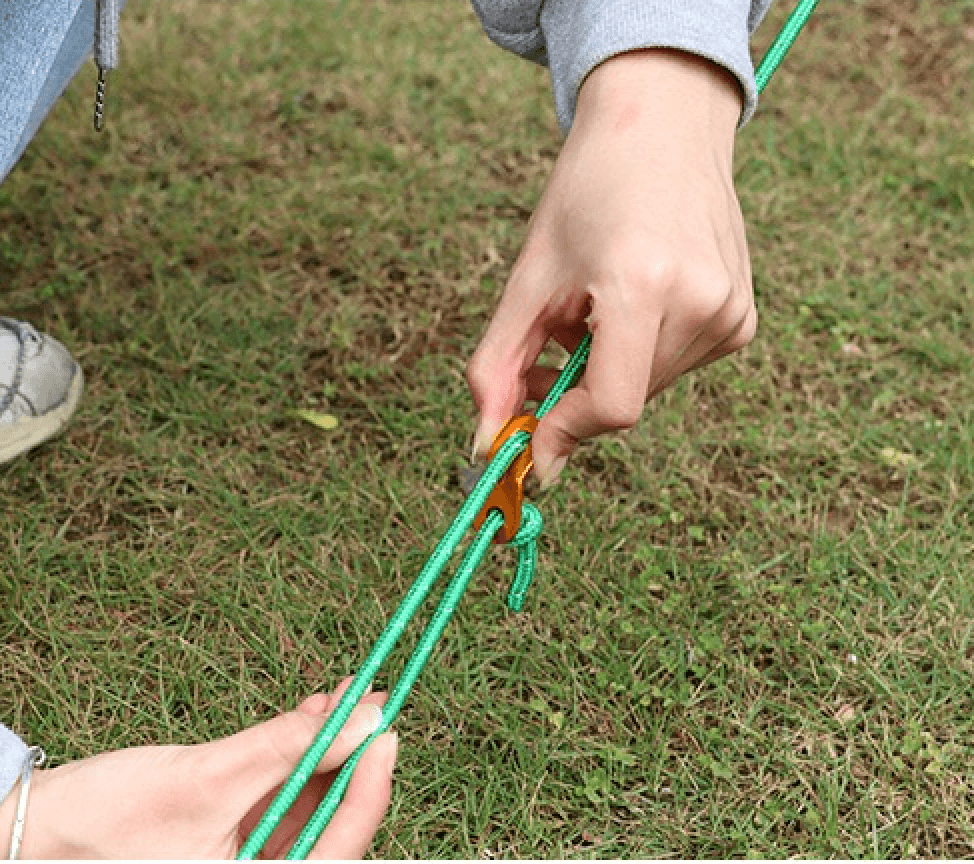
Check the weather, ground condition, wind direction, and campsite layout before setting up. Bring the right stakes, guylines, ground mat, tarp, lighting, and storage gear when needed. For hot-weather trips, prioritize shade and ventilation. For rainy or windy trips, secure your shelter properly and avoid low areas where water may collect.
Shop With Confidence at Traverseon
Fast, Free Delivery
Free shipping in 3–12 days on all orders.
30-Day Money-Back Guarantee
Return within 30 days for a full refund.
Secure Checkout
Pay safely with trusted payment options.
We Are Here to Help
Contact our support team via email or live chat.
Better Value Outdoors
Save more with seasonal deals and bundles.
Hassle-Free Warranty
Warranty support for eligible Traverseon purchases.